Do You Need a Roofing Permit in Colorado
Feeling overwhelmed by the thought of replacing your roof in Colorado and wondering if you even need a permit? You’re not alone! Navigating the world of local building codes and permits can feel like trekking through the Rockies without a map, especially when every county or city seems to have its own set of rules. This comprehensive guide is here to demystify the roofing permit process specifically for homeowners across Colorado, helping you understand when a permit is necessary, why it matters, and how to tackle the application process with confidence.
The Big Question: Do You Really Need a Roofing Permit in Colorado?
It’s tempting to just want to get your roof fixed or replaced, especially after a rough hailstorm, without jumping through what feels like endless bureaucratic hoops. However, when it comes to roofing projects in Colorado, ignoring the permit process can lead to serious headaches and costly penalties down the line. The short answer is, for most significant roofing work, yes, you absolutely need a permit. But let's dive into the nuances, because not every single nail requires a stamp of approval.
When a Permit is Absolutely Non-Negotiable
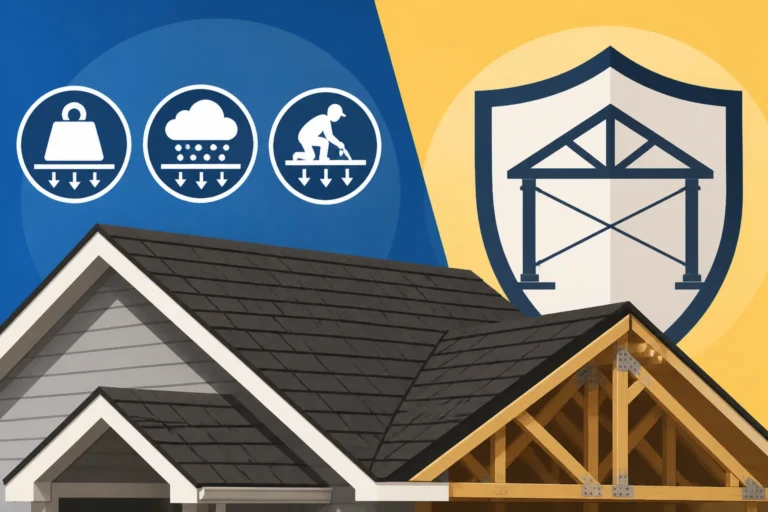
Generally speaking, any project that involves a full tear-off and replacement of your existing roof, or adding a new layer of shingles over an old one, will require a permit. This isn't just a suggestion; it's a critical part of ensuring your home's safety and structural integrity. Think about it: a new roof needs to be installed correctly to withstand Colorado's sometimes brutal weather, from heavy snow loads in the mountains to fierce winds and hail on the Front Range. A permit triggers inspections by your local building department, which serves as an extra layer of protection for you, the homeowner. They're checking to make sure your contractor is following proper building codes and installation techniques, giving you peace of mind that your investment is sound. These permits also apply if you're making any structural changes to the roof or expanding its footprint. The process ensures that all work aligns with local safety standards and the International Residential Code (IRC) which forms the basis for most local codes, often with specific amendments tailored to the region.
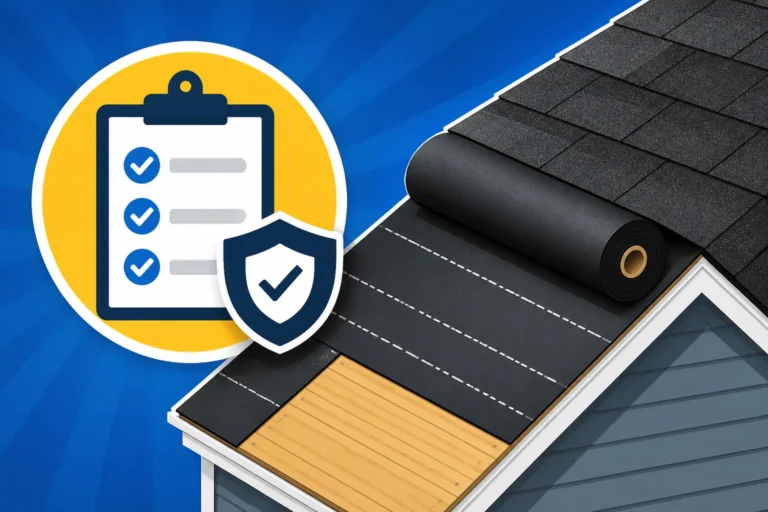
Consider a scenario in Colorado Springs: After a severe hail event, you decide it’s time for a full roof replacement. Your contractor proposes a complete tear-off of the existing two layers of shingles down to the decking, and then installing new architectural shingles. In this instance, a permit is unequivocally required. The city's building department will want to inspect the roof deck after the tear-off to ensure it’s sound before new materials go on. They’ll also check the nailing patterns, underlayment installation, and flashing details to ensure everything meets their local building codes, which often include specific requirements for high-wind areas. Without that permit, not only could you face fines, but if an issue arises later, your home insurance or a future buyer might raise serious questions about the legitimacy of the work. For a deeper dive into the overall process, check out our guide on how a roof replacement works.
Repairs That Might Skip the Permit (But Be Careful!)
Now, for those smaller, less invasive repairs, the permit requirements can get a bit fuzzier, varying greatly from one municipality to another. In many Colorado cities and counties, minor roof repairs—like replacing a handful of missing or damaged shingles, reattaching some loose flashing, or fixing a small leak that doesn't involve structural work—often do not require a permit. The key here is "minor" and "no structural changes." If you're simply patching up a small area, it's generally considered routine maintenance.
However, this is where the "be careful!" part comes in. What one town considers a minor repair, another might deem significant enough for a permit, especially if the repair is extensive or approaches 10% or more of the total roof area. For example, if you have a significant section of shingles blown off after a windstorm, and it's more than just a couple, some jurisdictions might consider this substantial enough to warrant a permit to ensure the underlying structure hasn't been compromised and that the new shingles are properly fastened to withstand future winds. It's always, always best practice to make a quick call to your local building department or have your chosen contractor do so. They can clarify the exact rules for your specific address and project. Ignoring this small step could save you a minor phone call but cost you dearly in fines or rework later on, particularly if the repair is done incorrectly and leads to more severe problems.
Why Colorado's Local Jurisdictions Matter So Much
Unlike some states with very centralized building codes, Colorado is a "home rule" state. This means that while there's a foundation of state-level guidelines, individual cities, towns, and counties have a significant amount of autonomy to create and enforce their own specific building codes and permit requirements. This local control is fantastic for tailoring regulations to specific geographic and environmental needs, but it can be a real head-scratcher for homeowners who might move just a few miles down the road and encounter completely different rules.
State vs. Local: Where the Rules Really Live
While the State of Colorado adopts the International Residential Code (IRC) as a baseline, local jurisdictions often amend it to suit their unique climates, geological conditions, and community standards. For roofing, this often translates into specific requirements for wind resistance, fire ratings, and hail impact resistance, especially in areas prone to severe weather. For example, many Front Range communities, recognizing the frequent hail events, might have stricter requirements for the installation of impact-resistant Class 4 shingles than a town on the Western Slope that rarely sees hail. This local tailoring is why you can't assume that what applies in Denver will automatically apply in Aurora, even though they're neighboring cities.
When your contractor pulls a permit, the local building department will be checking for compliance with their specific amendments to the IRC. This often includes things like the type of underlayment required, the number of nails per shingle (often more in high-wind zones), and specific flashing details around chimneys and vents. Understanding the difference between general state guidelines and hyper-local ordinances is crucial, and it’s one of the main reasons why working with a local, reputable contractor who is familiar with the specific codes in your area is so important. They'll know the ins and outs of the local permit office and what inspectors in that particular jurisdiction are looking for.
Navigating Specific Colorado Cities and Counties
Let's look at some examples to really drive this home.
- Denver: As the state capital and a major metropolitan area, Denver has a comprehensive permitting process managed by Denver Community Planning and Development. They generally require permits for most roofing replacements and major repairs. Their online portal makes it relatively straightforward to apply, and they are quite particular about code compliance, especially concerning wind resistance and proper ventilation to extend roof life. They'll often have a pre-inspection process for larger projects.
- Colorado Springs: Situated in a hail-prone corridor, Colorado Springs often emphasizes durability. Their permit requirements typically involve detailed information about the new roofing materials, ensuring they meet the necessary Class ratings for impact resistance where applicable. They want to see that new roofs are built to withstand the elements, reducing future damage and insurance claims.
- Fort Collins: In Northern Colorado, Fort Collins also has robust permitting requirements, often focusing on energy efficiency and stormwater management alongside structural integrity. Their building department is known for thorough inspections, and they may have specific requirements regarding cool-roof shingles or attic ventilation upgrades, especially for older homes.
- Boulder: Known for its progressive environmental policies, Boulder often has some of the most stringent building codes. Alongside standard roofing permits, they might have specific energy efficiency requirements or even preferences for certain types of roofing materials that are more sustainable or reflective. You'll need to check their specific guidelines carefully, as they can sometimes go beyond basic IRC requirements.
The cost and process for obtaining a permit can also vary significantly. Some municipalities have a flat fee, while others base it on the valuation of the project or the square footage of the roof. Some have quick online application systems, while others might still require paper forms and in-person visits. This variability means that relying on a general understanding of "Colorado roofing permits" isn't enough; you need to know the specific rules for your address. For more detailed information on local regulations, you might find our article on Roofing Regulations by State particularly helpful, although remember to narrow down to your specific city or county.
The Benefits and Risks of Roofing Permits
It’s easy to view a roofing permit as just another hurdle, a piece of paperwork that adds time and cost to your project. But truthfully, permits exist for very good reasons, primarily to protect you, your property, and even future homeowners. Thinking of skipping it? Let's talk about why that's a gamble you really don't want to take.
Protection for Homeowners and the Public
At its core, the permit process is about public safety and consumer protection. When you obtain a permit, you're essentially inviting the local building department to oversee your project, ensuring that the work is done safely and correctly according to established building codes. This means:
- Code Compliance: Inspectors verify that the materials used (e.g., shingle type, underlayment), installation methods (e.g., nailing patterns, flashing details), and overall structural integrity meet current standards. This is vital for ensuring your roof can withstand local weather conditions, from heavy snow to intense wind gusts.
- Quality Workmanship: A permit helps to weed out unscrupulous contractors who might cut corners. Knowing that an inspector will review their work motivates reputable roofers to maintain high standards. It essentially provides an objective third party to check the quality of your roof replacement. This can give you significant leverage if a dispute arises with your contractor down the road regarding workmanship.
- Safety Standards: Roofing is inherently dangerous work. Permits and subsequent inspections ensure that the structural components of your roof are sound and that the work won't compromise the safety of your home or its occupants. This includes checking the roof decking replacement cost and ensuring the new decking is installed correctly if it needs to be replaced.
- Resale Value and Insurance: A properly permitted and inspected roof is a documented asset for your home. When you go to sell your house, having proof that major work like a roof replacement was done correctly and according to code is a huge selling point. It removes potential red flags for buyers and their home inspectors. Furthermore, many insurance companies may deny future claims related to roof damage if the initial installation was unpermitted and not up to code, potentially leaving you on the hook for expensive repairs.
What Happens If You Don't Get a Permit
The temptation to save a few hundred dollars on permit fees and avoid the paperwork might seem appealing, but the risks far outweigh any perceived benefits. The consequences of not getting a required roofing permit in Colorado can be severe and long-lasting:
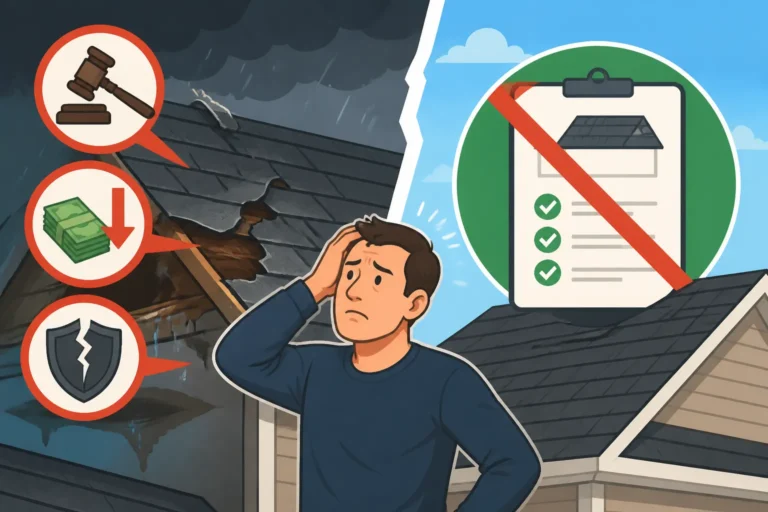
- Fines and Penalties: If your local building department discovers unpermitted work, you'll likely face hefty fines. These fines can often be several times the original permit fee and accumulate daily until the situation is resolved. For example, in a city like Denver, unpermitted work could lead to daily fines until a permit is secured and inspections are completed.
- Stop-Work Orders: The city or county can issue a stop-work order, immediately halting the project. This can cause significant delays, increase labor costs for your contractor, and leave your home exposed to the elements, potentially leading to further damage.
- Mandatory Redo or Demolition: In the worst-case scenario, if the unpermitted work doesn't meet code or is deemed unsafe, you might be required to tear off the new roof and redo the entire project from scratch, all at your own expense. Imagine paying for a new roof twice!
- Difficulty Selling Your Home: When you sell your home, buyers and their lenders will often require proof that all major renovations, including roofing, were permitted and inspected. If you can't provide this, it can complicate or even derail the sale. You might be forced to obtain permits retroactively, which is often more expensive and time-consuming, or disclose the unpermitted work, potentially lowering your home's value.
- Insurance Issues: As mentioned, your homeowner's insurance policy might deny coverage for future damage if the roof was installed without a proper permit and subsequent inspection. If a storm rips off shingles from an unpermitted roof, your claim could be denied, leaving you with no recourse. Our guide on Does Insurance Cover Roof Replacement delves into how permits and code compliance are often linked to claims.
- Contractor Liability: While a reputable contractor will insist on pulling a permit, a "fly-by-night" operation might suggest skipping it to save money. If you choose this route, you could find yourself liable for any accidents or injuries on your property because the work wasn't officially sanctioned and inspected. Moreover, if the contractor disappears or does a poor job, you have little recourse without a formal, permitted project.
In essence, skipping the permit is like building a house of cards: it might look fine for a while, but it's fundamentally unstable and prone to collapse under pressure. It's simply not worth the risk.
The Roofing Permit Process in Colorado
Okay, so we’ve established that permits are a big deal. Now, how do you actually get one? The process can feel a bit daunting, but it’s manageable, especially if you have a great contractor by your side. Understanding the typical steps will help you feel more in control and less stressed.
Who Pulls the Permit: You or Your Contractor?
This is a really important point: Your licensed roofing contractor should almost always be the one to pull the permit. While some municipalities allow homeowners to pull permits for work on their primary residence, it's generally not advisable for a complex project like a roof replacement. Here's why:
- Expertise in Codes: Professional roofers are familiar with the specific building codes and permit requirements in your local area. They know what information the building department needs, what forms to fill out, and what the inspectors will be looking for. Homeowners often lack this specialized knowledge, leading to delays or mistakes.
- Liability: When the contractor pulls the permit, it typically places the primary responsibility for code compliance and project oversight squarely on their shoulders. If you pull the permit yourself, you might inadvertently assume more liability for the work, even if a contractor is doing it. This is a subtle but significant legal distinction.
- Time Savings: Contractors have established relationships with building departments and are often able to navigate the process more efficiently. They know the common pitfalls and can smooth out any wrinkles that arise.
- Proof of Legitimacy: A contractor who insists on pulling a permit is usually a sign of a reputable, licensed, and insured professional. It’s a red flag if a contractor tries to convince you to skip the permit or suggests you pull it yourself for their project. For more on vetting contractors, check out our guide on Questions to Ask a Roofing Contractor Before Hiring.
Always confirm that your chosen contractor is properly licensed and insured in Colorado before they apply for any permits. You want someone with a proven track record, especially in areas like Denver, where licensing is strictly enforced.
Steps to Obtain a Roofing Permit
While the exact steps vary by jurisdiction, here’s a general rundown of what you can expect when your contractor handles the permit process:
- Initial Consultation and Estimate: Your contractor will inspect your roof, discuss your needs, and provide a detailed estimate. This estimate should include the scope of work, materials to be used, and often, an allowance for permit fees.
- Application Submission: The contractor will fill out the permit application form provided by your local city or county's building department. This can often be done online through a portal, or sometimes requires a physical submission.
- Required Documentation: Along with the application, the contractor will submit various documents. This typically includes:
- Property address and owner information.
- Contractor's license number and insurance details.
- Detailed scope of work (what exactly will be done: tear-off, new shingles, underlayment, flashing, etc.).
- Specifications of the new roofing materials (e.g., GAF Timberline HDZ shingles, Owens Corning Duration, or CertainTeed Landmark Pro, including their wind and impact ratings).
- Sometimes, a basic site plan or diagram showing the roof layout.
- Fee Payment: The permit fee will be paid at the time of application or upon issuance of the permit. These fees vary widely depending on the municipality and the project's scope or estimated value.
- Plan Review (if applicable): For more complex projects or if the jurisdiction has specific energy efficiency or structural requirements, the plans might undergo a formal review process. For a standard re-roof, this is often a quicker desk review.
- Permit Issuance: Once everything is approved and fees are paid, the permit is issued. It must typically be posted prominently on your property, visible from the street, for the duration of the project.
- Inspections: This is the critical part. Once certain stages of the work are complete (e.g., after the old roof is torn off and before new shingles are installed, or upon final completion), your contractor will schedule inspections with the building department. The inspector will verify that the work adheres to code. Common inspection points include:
- Roof decking integrity (after tear-off).
- Underlayment and ice and water shield installation.
- Nailing patterns and shingle fastening.
- Flashing around penetrations (chimneys, vents, skylights).
- Ventilation systems.
- Overall workmanship.
- Final Approval: Once all inspections are passed, the permit is closed, signifying that the work was completed according to code.
This structured process, while it adds a bit of time and cost, ensures accountability and helps guarantee a safe, durable roof over your head.
Common Documents and Information Required
When applying for a roofing permit in Colorado, whether it's your contractor doing the heavy lifting or if you (rarely) decide to take it on yourself, you'll need to gather specific information. It’s not just about saying "I want a new roof!" – the local authorities need details to ensure compliance and safety.
Typically, the following documents and information are requested:
- Applicant Information: Full name, address, phone number, and email of the property owner. If a contractor is pulling the permit, their business name, license number, and contact information are paramount. For example, in Aurora, the contractor’s state and local licenses are cross-referenced.
- Property Details: The full street address of the property where the work will take place, including the parcel number or legal description. This helps the city identify the exact location and any specific zoning or historical district overlays.
- Scope of Work: A clear, concise description of the project. This will detail whether it's a full tear-off and replacement, an overlay (if allowed by code and fewer than two existing layers), or a repair. It should specify the number of layers being removed, if any.
- Material Specifications: Details about the new roofing materials. This includes the manufacturer (e.g., GAF, Owens Corning, CertainTeed), the specific shingle product name (e.g., Timberline HDZ, Duration, Landmark), its color, and its class ratings (wind resistance, impact resistance like Class 4, fire rating). These are crucial, especially in Colorado’s weather-prone regions where specific classifications might be mandated.
- Estimated Project Value: This is often used to calculate the permit fee. It should reflect the total cost of the roofing work, including labor and materials.
- Contractor License and Insurance: Your contractor will need to provide proof of their active general contractor's license (if required by the municipality) and their roofing-specific license, if applicable. They'll also need to show proof of workers' compensation and general liability insurance. This protects you in case of accidents or damage during the project. You can learn more about this in our guide, Licensed and Insured Roofers: Why It Matters.
- Site Plan or Roof Diagram: For simpler re-roofs, a detailed diagram might not be strictly necessary, but for complex roofs with multiple pitches, valleys, dormers, or skylights, a basic sketch showing the roof layout and dimensions can be requested. This helps the inspector understand the scope.
- Existing Conditions: Sometimes, photos or a description of the current roof's condition might be required, especially if there's extensive damage or structural concerns.
Having all this information ready streamlines the application process and helps avoid delays. A well-prepared contractor will have all these details at their fingertips.
Important Colorado-Specific Considerations for Roofing Permits
Colorado isn't just any state; its unique geography and weather patterns mean that what might be standard procedure elsewhere often has special considerations here. When it comes to roofing permits, these local nuances become incredibly important.
High-Wind and Hail-Prone Regions
Much of Colorado, particularly along the Front Range from Fort Collins down through Colorado Springs, is no stranger to severe weather. Intense hailstorms and powerful winds are common occurrences. Because of this, many local building codes in these regions have specific requirements designed to make roofs more resilient.
- Impact Resistance (Class 4 Shingles): Many cities and counties, especially those frequently battered by hail, either strongly recommend or outright mandate the use of Class 4 impact-resistant shingles for new roof installations. These shingles are designed to withstand hail impacts much better than standard shingles, reducing damage and potentially lowering your insurance premiums. A permit application in these areas will specifically ask for the shingle's impact resistance rating. You can find out more about this in our article on Class 4 Shingle Roof Cost.
- Enhanced Wind Resistance: Beyond just the shingle's wind rating, local codes often dictate specific installation methods to improve wind resistance. This can include:
- Increased Nailing: Instead of the standard 4 nails per shingle, many Colorado jurisdictions require 6 nails, particularly along the eaves and rakes, to better secure shingles against uplift from strong winds. This is sometimes referred to as "high-wind nailing."
- Ice and Water Shield: While important for preventing ice dams in snowy areas, ice and water shield is also crucial in high-wind zones as an extra layer of protection against wind-driven rain getting under shingles. Many codes require its installation in valleys, around penetrations, and along eaves.
- Drip Edge: Proper installation of drip edge along the eaves and rake edges is often a strict requirement to protect the fascia and improve water shedding, especially against wind-driven rain.
When your contractor applies for the permit, they will need to specify that these high-wind and impact-resistant requirements are being met. The subsequent inspections will meticulously check these details. Failing to adhere to these local, weather-specific codes can invalidate your permit, lead to rework, and leave your home vulnerable to future storm damage.
Historic Districts and HOAs
Colorado has many charming historic neighborhoods and a plethora of planned communities with Homeowners Associations (HOAs). If your home falls under either of these categories, you're looking at additional layers of approval beyond the standard city or county permit.
- Historic Districts: If your home is in a designated historic district (like parts of downtown Denver, Old Town Fort Collins, or sections of Boulder), changes to the exterior, including your roof, are often subject to review by a local historic preservation board or commission. Their goal is to maintain the architectural integrity and character of the district. This can mean restrictions on:
- Material Type: You might be required to use specific roofing materials (e.g., certain types of asphalt shingles that mimic traditional looks, or even wood shakes if that was original to the home).
- Color and Style: The color, profile, and even texture of your new shingles might need to be approved to match the historical aesthetic of the neighborhood.
- Visibility: The height or pitch of the roof might be restricted to maintain sightlines or architectural harmony.
You will typically need to get approval from the historic preservation body before applying for your regular building permit. This adds a significant step to the process and can sometimes mean longer lead times.
- Homeowners Associations (HOAs): For homes in communities governed by an HOA, there will almost certainly be Covenants, Conditions, and Restrictions (CC&Rs) that dictate what kind of roofing materials, styles, and colors are permissible. HOAs aim to maintain a uniform aesthetic and property values within the community.
- Architectural Review: Most HOAs have an architectural review committee that must approve your roofing project. You'll need to submit your plans, material choices, and color samples to them for approval.
- Approved Vendors: Some HOAs even have a list of approved roofing contractors who are familiar with their specific rules.
- Timeline: The HOA approval process can take time, so it's crucial to start this early, even before engaging with your local building department for the permit.
Ignoring HOA rules can lead to fines from the association, and they can even force you to replace a non-compliant roof, even if it met city building codes. Always check your HOA's specific guidelines regarding roof replacement before you start any work. Our article on HOA Roof Rules Explained provides more insight.
Failing to navigate these additional approval processes can lead to significant delays, rework, and financial penalties. A good contractor will ask about your HOA or if you're in a historic district early in the conversation and guide you through these extra steps.
Here’s a snapshot of how permit requirements can vary slightly across some Colorado cities:
| Feature/City | Denver | Colorado Springs | Fort Collins | Boulder |
|---|---|---|---|---|
| Permit Required | Yes, for most replacements/major repairs | Yes, for most replacements/major repairs | Yes, for most replacements/major repairs | Yes, for most replacements/major repairs |
| Minor Repair Permit | Generally no, for small fixes | Generally no, for small fixes | Often no, for limited shingle replacement | Often no, for limited shingle replacement |
| Typical Review Time | 3-7 business days (online submissions) | 3-5 business days | 5-10 business days (can vary) | 5-15 business days (can be longer) |
| Key Emphasis | Code compliance, wind resistance, ventilation | Impact resistance (Class 4), wind bracing | Energy efficiency, hail/wind resistance | Sustainability, energy code, architectural |
| Online Application | Yes, through the e-permits portal | Yes, through Citizen Access | Yes, through Citizen Access | Yes, through Accela Citizen Access |
| Common Additions | High-wind nailing, proper flashing | Class 4 shingles, specific fastening | Enhanced insulation/ventilation, Class 4 | Green building codes, material aesthetics |
| Local Resources | Denver Community Planning and Development | Pikes Peak Regional Building Department | Fort Collins Building Services | City of Boulder Planning & Development |
This table highlights the general patterns, but remember that specific rules can change, so always verify with your local building department. The cost of a roofing permit also varies, typically ranging from $75 to $500 depending on the project valuation and specific city.
Disclaimer
Please remember that building codes and permit requirements can change frequently and vary significantly by specific location, even within the same state. This guide provides general information and should not be considered legal advice. Always consult directly with your local city or county building department, or a licensed roofing professional familiar with your area, to confirm the exact requirements for your specific roofing project before starting any work.