Roofing and Real Estate Inspections
Navigating the choppy waters of real estate transactions can be incredibly stressful, and one of the biggest sources of anxiety for both buyers and sellers often lies right over their heads: the roof. A failing or questionable roof can throw a wrench into even the smoothest deal, leading to last-minute negotiations, costly delays, or even a collapsed sale. This comprehensive guide is here to shed light on everything you need to know about roofing and real estate inspections, ensuring you're well-prepared whether you're buying your dream home or selling your current one.
Why Roofing Inspections are Critical in Real Estate Transactions
A roof isn't just a cosmetic feature; it's the primary defense system of a home, protecting everything underneath from the elements. Ignoring its condition during a real estate transaction is like buying a car without checking the engine. Whether you're purchasing a property or listing one for sale, a thorough roofing inspection is an indispensable step that can save you a significant amount of money and heartache down the road.
Protecting Your Investment as a Buyer
As a prospective homeowner, the last thing you want is to move into your new abode only to discover a major, expensive problem lurking on the roof. This scenario, unfortunately, plays out all too often when buyers rely solely on a general home inspection that might not delve deep enough into the roof's true condition. A specialized roofing inspection goes far beyond a quick visual check, aiming to uncover hidden problems that could be financially devastating post-purchase.
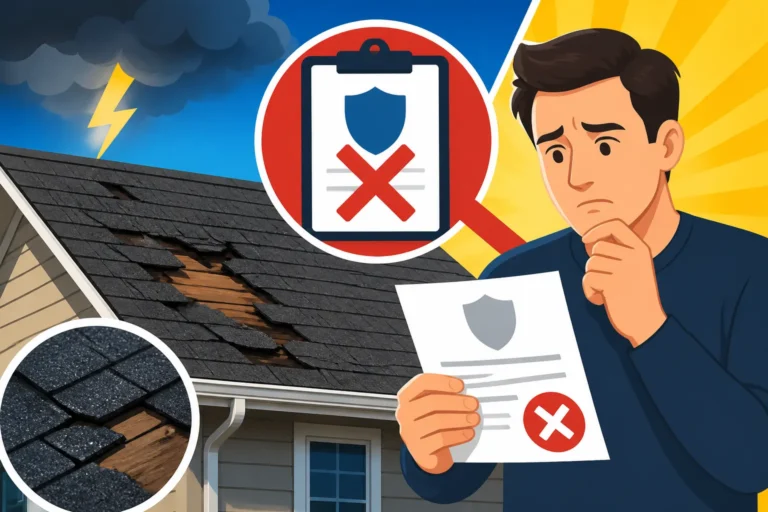
Imagine you're eyeing a charming house in Austin, Texas. The general home inspection notes a few curled shingles, but a specialized roofing inspection might reveal widespread hail damage from a past storm, signs of extensive granule loss, or even that the roof is nearing the end of its serviceable life. Without this detailed insight, you could inherit a roof that needs a full replacement within months, costing tens of thousands of dollars. Knowing these issues upfront provides you with crucial negotiating power. You can request the seller to repair or replace the roof, ask for a credit to cover future repairs, or adjust your offer price accordingly. This proactive approach helps you budget accurately for potential future expenses, turning what could have been a catastrophic surprise into a manageable line item. It's about empowering you with information so you can make an informed decision and protect your financial well-being.
Ensuring a Smooth Sale as a Seller
For sellers, the thought of a buyer's inspection uncovering major issues can be a source of immense anxiety. A surprise roof problem during escrow can derail a sale, lead to significant price reductions, or force you into rushed, expensive repairs. Performing a pre-listing roofing inspection is a strategic move that can actually streamline your sale and potentially even increase your home's value.
Consider a homeowner in Sacramento, California, looking to sell their property. They've lived there for years and haven't thought much about the roof. A pre-listing inspection reveals a small, unnoticed leak around a vent pipe and some minor flashing damage. By addressing these relatively inexpensive repairs before listing, the seller can present a clean bill of health for the roof, building immediate trust with prospective buyers. They can confidently state that the roof has been professionally inspected and any minor issues rectified. This transparency can minimize protracted negotiations, prevent buyers from getting cold feet, and often allows sellers to command a better price because buyers perceive less risk. It shows you're proactive, honest, and have maintained your home diligently, making your property more attractive in a competitive market. Furthermore, having detailed records of recent repairs or a clean bill of health from a licensed roofer can be a huge selling point.
What a Real Estate Roof Inspection Entails
It’s easy to assume all inspections are created equal, but when it comes to the roof, a specialized assessment goes far beyond what a general home inspector might observe. Understanding what a comprehensive roof inspection entails is key to appreciating its value.
The Comprehensive Checklist for Inspectors
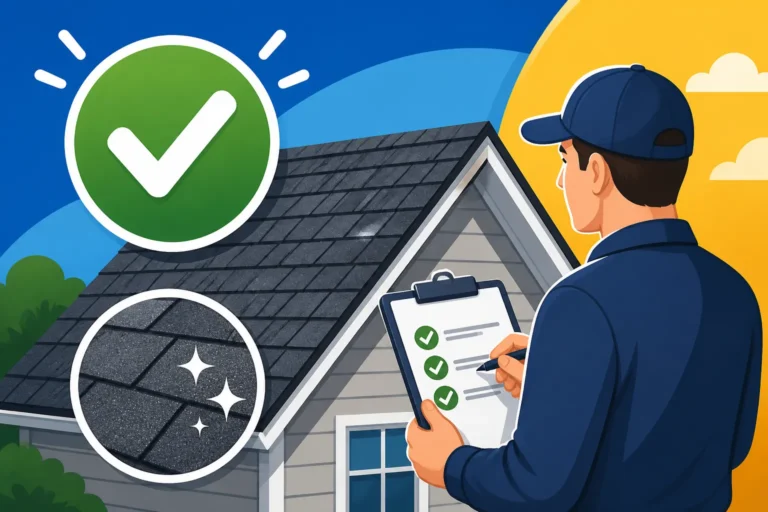
A thorough roofing inspector doesn't just glance at your roof from the ground with binoculars. They get up on the roof (safely, of course!) and perform a meticulous, hands-on examination of every component. Their comprehensive checklist includes:
- Shingle Condition: They'll look for missing, cracked, curling, blistering, or delaminating shingles, which are all common Signs You Need a New Roof. They'll also assess for excessive granule loss, a clear indicator that the shingles are deteriorating and losing their protective capabilities.
- Flashing: This critical component seals vulnerable areas of your roof. Inspectors meticulously check the flashing around chimneys, skylights, vent pipes, and where the roof meets walls. Compromised flashing is a leading cause of leaks and often reveals What Causes Damaged Flashing on a Roof.
- Roof Decking: While not always visible without shingle removal, inspectors look for signs of sagging, unevenness, or sponginess that could indicate underlying issues with the roof decking. Interior attic inspections often reveal water stains or rot on the underside of the decking.
- Ventilation: Proper attic ventilation is crucial for the longevity of your roof and your home's energy efficiency. Inspectors will assess the type and adequacy of your roof vents (ridge vents, soffit vents, gable vents) to ensure they are functioning correctly and not blocked. Poor ventilation can lead to premature shingle aging and moisture issues.
- Gutters and Drainage: While not strictly part of the "roof" itself, functional gutters are vital for directing water away from your home's foundation. Inspectors will check for clogs, damage, and proper pitch.
- Valleys: These are the channels where two roof planes meet. They are highly susceptible to leaks if not properly installed or if the flashing is compromised.
- Overall Structural Integrity: Beyond the shingles, they’ll look for signs of a sagging ridge line or other structural concerns that could indicate more significant issues with the framing of the roof, often necessitating further evaluation.
A general home inspector will include a roof assessment as part of their overall report, but their focus is broad. They might identify obvious damage or concerns from a distance or quick walk-around. A specialized roofing inspector, however, possesses deeper expertise in roofing materials, installation techniques, and building codes. They are trained to spot subtle nuances and potential problems that a generalist might overlook, like improper nailing patterns or early signs of Roof Leak but No Visible Damage What Now. It's the difference between a general practitioner and a specialist when it comes to your health; both are valuable, but the specialist offers a more focused and in-depth diagnosis for specific concerns.
Assessing Roof Age and Remaining Lifespan
One of the most valuable insights a roofing inspection provides in a real estate transaction is an informed estimate of the roof's age and its remaining useful life. This isn't just a guess; experienced inspectors use several methods to arrive at a reasonable assessment. They'll look for manufacturer stamps on the shingles (if visible), assess the overall wear and tear, and consider the shingle type. For example, a 3-tab asphalt shingle typically has a shorter lifespan than a robust architectural shingle.
Knowing the roof's age is critical because it directly impacts its future performance and your wallet. If a roof is approaching the end of its expected How Long Does an Asphalt Roof Last, typically 20-30 years for asphalt shingles, it signals that a major expense is on the horizon. This information empowers buyers to anticipate future costs and helps sellers understand the potential negotiating points.
Furthermore, the roof's age and condition can significantly impact insurance eligibility for the new homeowner. Many insurance companies are hesitant to insure homes with roofs older than 15-20 years, or they may only offer Actual Cash Value (ACV) coverage instead of Replacement Cost Value (RCV), meaning you'd only get the depreciated value if the roof were damaged. An inspector's assessment of remaining lifespan can therefore be a crucial factor in securing proper insurance coverage and understanding your long-term financial exposure. If an inspector deems the roof to be in good condition with many years of life left, it provides immense peace of mind and can be a strong selling point.
Interpreting Inspection Reports and Next Steps
Once the inspection is complete, you'll receive a detailed report, often accompanied by photographs. This document is your roadmap, but understanding how to interpret its findings and what actions to take next is paramount.
Understanding Minor vs. Major Issues
Not every issue uncovered by an inspection requires a complete roof replacement. It's vital to differentiate between minor maintenance items and significant structural or integrity flaws.
Minor Issues:
- A few loose or missing shingles: These are often easily replaced or re-secured, especially if matching shingles are available. The Cost to Fix Missing Shingles is usually minimal.
- Clogged gutters: A simple cleaning can restore proper drainage.
- Moss or algae growth: While unsightly, often this can be safely cleaned and treated, though extensive growth can indicate moisture issues or a need for Algae-Resistant Shingles How They Work in the future.
- Minor flashing separation: Small gaps or bends in flashing can sometimes be repaired and resealed without extensive work.
These minor issues might be addressed by the seller with a quick repair or a small credit at closing. For example, a buyer might ask for a $500 credit to cover gutter cleaning and a few shingle repairs, rather than demanding a major overhaul.
Major Issues:
- Widespread granule loss: This indicates the shingles are severely worn and losing their protective layer, pointing to an impending Roof Replacement ROI Explained.
- Significant leaks resulting in interior water damage: This isn't just a roof problem; it's a structural and interior damage issue, often requiring extensive repairs beyond just the shingles.
- Sagging roof deck: This is a serious structural concern that could indicate Signs Your Roof Decking Is Rotted or framing issues, demanding immediate attention and potentially a full roof deck replacement.
- Extensive storm damage: Widespread hail or wind damage, even if not causing immediate leaks, can significantly compromise the roof's integrity and shorten its lifespan. This often triggers an insurance claim and potentially a full replacement.
- Multiple layers of shingles: Some areas only allow one or two layers of shingles by code. If your inspector discovers three or more layers, this is a major issue as it usually means a full tear-off is required before a new roof can be installed.
Major issues typically warrant more substantial action, such as the seller covering the cost of a full replacement, offering a significant credit, or a price reduction to reflect the necessary future investment. The inspection report should provide clear photos and detailed descriptions for each finding, helping you understand the severity and scope of the work needed.
Negotiating Repairs or Credits
The inspection report becomes a powerful tool in your negotiation arsenal. As a buyer, if the inspection reveals significant issues, you have several options:
- Request Seller Repairs: You can ask the seller to have the necessary repairs completed by a qualified, licensed roofing contractor before closing. This is often preferred for major items, ensuring the work is done properly.
- Ask for a Closing Credit: Alternatively, you might ask for a credit at closing, where the seller reduces the purchase price or provides funds to cover the cost of repairs. This gives you, the buyer, the flexibility to choose your own contractor and oversee the work after you take ownership. For instance, if the inspection reveals the need for roof decking replacement, negotiating a credit allows you to bring in your preferred roofing team.
- Price Reduction: For very significant issues, or if you prefer to handle everything yourself, you might negotiate a reduction in the overall selling price of the home.
Remember, every negotiation is unique. A seller might be more inclined to offer credits for minor repairs to keep the deal moving, while for a full roof replacement, they might prefer to handle it themselves or offer a substantial price adjustment. Your real estate agent will be instrumental in guiding these discussions, drawing on their experience to achieve the best outcome.
When to Seek a Second Opinion
While a good inspector provides thorough information, there are times when a Second Opinion on Roof Replacement is not just a good idea, but essential.
- Significant Findings: If the inspection report highlights major structural concerns, widespread damage, or recommends a full replacement, getting a second opinion from another reputable roofing contractor is highly advisable. Different contractors might offer varying approaches or cost estimates.
- Unclear or Conflicting Information: If you're unsure about any aspect of the report, or if a general home inspection contradicts a more specialized roofing assessment, a third party can help clarify the situation.
- High-Value Repairs: For any repair estimated to be over a certain threshold (say, $2,000-$3,000), it's always wise to get multiple quotes and assessments. This ensures you're getting a fair price and that the recommended work is truly necessary.
When seeking a second opinion, always choose a licensed and insured roofing company that specializes in your type of roofing material. Provide them with the original inspection report but also allow them to conduct their own independent assessment. This helps you compare findings objectively and gain a clearer picture of the roof's true condition and the most appropriate course of action. It's about due diligence and making sure you're making the most informed decision possible, especially when a significant investment is on the line.
Proactive Roof Care for Homeowners
Whether you've just bought a new home or you're planning to sell in a few years, proactive roof care isn't just about avoiding problems; it's about maximizing your home's value and ensuring its long-term protection.
Regular Maintenance to Prevent Surprises
Just like you wouldn't neglect oil changes for your car, your roof needs regular attention to perform its best and avoid unexpected, costly issues down the line. Many homeowners only think about their roof when a leak appears, but by then, the damage is already done.
Implementing a routine maintenance schedule is key. This includes regular checks for debris buildup, especially after heavy storms. Leaves, branches, and other organic matter can trap moisture, lead to granule loss, and even promote moss and algae growth, all of which accelerate roof deterioration. Cleaning your gutters twice a year is also non-negotiable; clogged gutters cause water to back up, overflow, and can lead to fascia rot, foundation issues, and even ice dams in colder climates. Beyond DIY checks, it’s highly recommended to schedule professional Roof Inspection What They Check every 2-3 years, or annually if your home is in an area prone to severe weather. These inspections by trained eyes can catch early signs of wear, such as nail pops, minor flashing issues, or the beginnings of shingle damage, before they escalate into major problems. Addressing these small fixes early is always more cost-effective than waiting for a full-blown emergency. Furthermore, ensuring proper roof ventilation upgrades and maintenance of your attic's airflow can prevent heat and moisture buildup, which can significantly extend your roof's lifespan and reduce your energy bills.
Keeping Records and Warranties
In the world of real estate, documentation is king. For your roof, keeping meticulous records of its history can be an invaluable asset, whether for personal peace of mind or for a future sale.
This means holding onto all paperwork related to your roof: the original installation contract, proof of purchase for materials, details of any repairs, and crucially, your roofing warranties. There are typically two types of warranties you'll encounter: the manufacturer's warranty, which covers the roofing materials themselves, and the workmanship warranty, provided by the contractor who installed the roof. Understanding the distinction between a Roofing Warranty Workmanship vs Manufacturer is crucial. For example, a manufacturer like GAF or Owens Corning might offer a 25-year limited warranty on their shingles, while the installer might provide a 10-year workmanship warranty against installation defects.
Make sure these warranties are registered properly (often required by the manufacturer) and understand if they are transferable. A Transferable Roofing Warranties Explained means that if you sell your home, the remaining warranty coverage can be passed on to the new owners, which is a huge selling point. Buyers will have greater confidence knowing that if an issue arises, their investment is protected. Keeping these records organized in a dedicated folder or digitally accessible can instill immense confidence in buyers, streamline the due diligence process, and potentially help you justify your asking price. It demonstrates that you've been a responsible homeowner and that the roof has been professionally cared for, making your home more attractive and easier to sell. When you're ready to list, having a comprehensive package of roof documents for potential buyers and their inspectors can set your home apart.
Disclaimer
Please remember that this article is intended for informational purposes only and should not be considered professional advice. Always consult with licensed and insured roofing contractors and qualified real estate professionals for specific guidance regarding your property. Building codes, regulations, and best practices can vary significantly by location and specific circumstances.