When You Need a Roofing Permit
That feeling of needing a new roof, knowing it's a big investment, and then hitting a wall of uncertainty about permits – it's a frustration many homeowners face. You just want to make sure your home is safe and sound, but the bureaucracy can be incredibly confusing. This comprehensive guide will walk you through exactly when you'll need a roofing permit, why they're important, and what to expect during the process, helping you navigate this essential step with confidence.
Understanding the Basics of Roofing Permits
Before we dive into the nitty-gritty of when permits are required, let's talk about what they actually are and why your local municipality cares so much about them. It might seem like just another hoop to jump through, but these permits serve a crucial purpose in protecting homeowners and maintaining community standards.
Why Roofing Permits Even Exist
At its core, a roofing permit is a formal authorization from your local building department that allows work to begin on your roof. It's not just about collecting fees; it's fundamentally about public safety and ensuring that construction meets established building codes. Think about it: your roof is one of the most critical structural components of your home, protecting everything underneath from the elements. If it's not installed correctly, or if shoddy materials are used, the consequences can be disastrous – leaks, structural damage, and even safety hazards during high winds or heavy snow.
Permits help to ensure that any major work done on your home is reviewed by experts (the building inspectors) to make sure it complies with current safety and construction standards. This oversight protects you, your family, and even future homeowners. Without permits, unscrupulous contractors could cut corners, leading to expensive repairs down the line or even compromising the integrity of your home. It’s a mechanism for accountability and quality control, ensuring that the finished product isn't just aesthetically pleasing, but structurally sound and compliant.
What a Roofing Permit Actually Covers
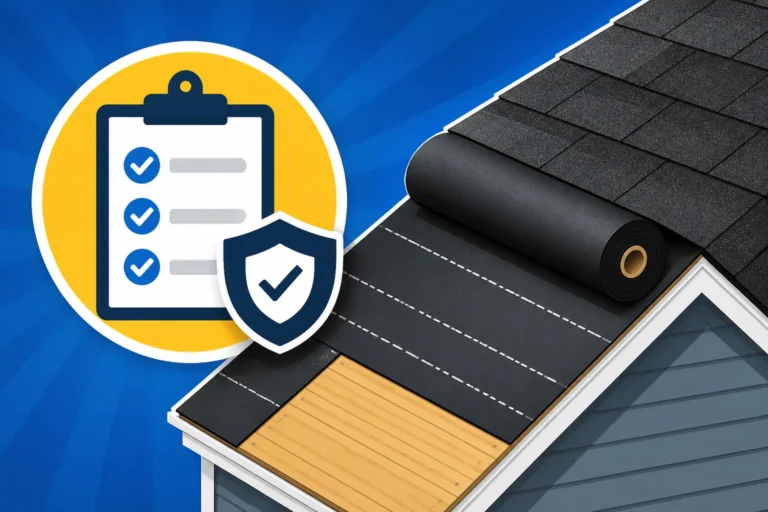
A roofing permit isn't merely a piece of paper that says "go ahead." It's part of a process that involves several stages, all designed to ensure the work is done right. When you (or more typically, your contractor) apply for a permit, you're submitting a plan for the work that will be performed. This plan usually includes details about the materials being used (like the type of asphalt shingles, the underlayment, and flashing), the scope of the project, and sometimes even the method of installation.
Once the permit is issued, it acts as an agreement that the work will adhere to specific building codes, which can include things like proper nailing patterns, ventilation requirements, and the number of shingle layers allowed. The permit also triggers inspections at various stages of the project. For a roof replacement, this often means a mid-project inspection (after the old roof is torn off, but before new shingles are installed, to check the decking) and a final inspection once the new roof is complete. These inspections are your assurance that the work performed aligns with approved plans and local regulations. Without this documented process, there's no official record of the quality or compliance of the work, which can lead to significant headaches down the road.
Key Scenarios Where a Permit is Almost Always Required
When it comes to roofing projects, there are some clear-cut situations where a permit is non-negotiable. These are typically projects that involve significant changes or substantial replacement of your roof system, directly impacting its structural integrity and protective capabilities.
Full Roof Replacement (Tear-Off)
This is perhaps the most common scenario where a roofing permit is absolutely mandatory. A full roof replacement, often called a "tear-off," involves completely removing all existing roofing materials down to the roof decking. This isn't just about changing the shingles; it's about getting a fresh start with a new roofing system. The removal process allows for a thorough inspection of the underlying roof decking. Often, contractors discover areas of rot, water damage, or structural deficiencies once the old layers are off. Addressing these issues, which might involve a Roof Decking Replacement Cost, is critical for the longevity and safety of your new roof.
Because a full tear-off exposes the entire roof structure and involves installing an entirely new system (underlayment, flashing, shingles, vents, etc.), your local building department wants to ensure that all current codes are met. These codes are frequently updated to reflect improvements in materials, installation techniques, and resilience against severe weather. A permit ensures that your contractor adheres to these updated standards, providing you with a roof that is not only new but also safer and more durable than before. This is especially true in regions prone to specific weather events, like strong winds or heavy snow, where specific nailing patterns or ice and water shield requirements are critical.
Reroofing or Overlaying Existing Shingles
Sometimes homeowners opt for a "reroof" or "overlay," which means installing new shingles directly over existing ones, without tearing off the old layer. While this might seem like a simpler, less invasive job, it almost always requires a permit as well. The primary reason is weight. Asphalt shingles are heavy. Adding a second, or even a third, layer significantly increases the load on your roof's underlying structure. Local building codes are very specific about the maximum allowable weight a roof can bear, and exceeding this can compromise the structural integrity of your entire home, especially during a heavy snowstorm or strong winds.
Most building codes limit the number of shingle layers to two, and in some areas, only one layer is permitted, especially if the original layer is already in poor condition. When a permit is pulled for a reroof, the city or county is verifying that your home's structure can handle the additional load and that you're not exceeding the maximum layers allowed. They'll also check that any existing issues, like inadequate ventilation or damaged flashing, are addressed, even if the entire roof isn't being stripped. You should certainly review the Cost to Roof Over Existing Shingles before making a decision. The long-term costs and risks associated with improper layering often outweigh the initial savings.
Significant Structural Alterations to the Roof
This category extends beyond just replacing shingles. If your roofing project involves any changes to the actual structure or footprint of your roof, a permit is definitely required. This includes projects like altering the roof pitch, adding a dormer to create more attic space, extending an overhang, or even converting a low-slope section into a steeper one. These types of changes directly impact the structural load-bearing capacity of your home, its overall stability, and even the drainage patterns.
For instance, changing the Roof Replacement Cost by Pitch can affect how your roof sheds water and handles snow load. Adding a dormer involves cutting into the existing roof trusses or rafters, which are critical structural elements. Any modification that changes the fundamental shape, size, or structural support of your roof system must be reviewed and approved by local authorities to ensure it meets engineering and safety standards. This ensures that the modifications won't compromise your home's integrity or create hazardous conditions. It’s not just about keeping the rain out; it’s about keeping the house standing strong for decades to come.
When You Might Not Need a Permit (and Why You Should Still Check)
While many roofing projects demand a permit, there are some specific situations where you might be able to proceed without one. However, even in these cases, the absolute best practice is to always double-check with your local building department. Rules vary wildly from one city or county to the next, and what's okay in one area might be a serious violation just a few miles down the road.
Minor Repairs vs. Extensive Repairs
This is probably the biggest grey area in the world of roofing permits. Generally speaking, minor repairs that don't involve replacing a significant portion of the roof's surface or altering its structure might not require a permit. What constitutes "minor"? This often means replacing a few missing or damaged shingles, patching a small leak, or repairing a localized section of flashing. For example, if a tree branch falls and damages a small area of shingles, or if you have a singular leak around a vent pipe that needs fixing, you might not need a full permit for a quick, localized repair.
However, the definition of "minor" is subjective and often determined by local ordinances. Some municipalities might consider anything over a certain square footage (e.g., 50 square feet) or a certain percentage of the roof to be "extensive" and thus require a permit. What if you need to replace half a slope, or if the repair involves significant Roof Decking Replacement Cost because of rot? That's typically no longer considered minor. The safest approach is always to call your local building department or check their website. Explain the scope of your repair clearly and ask directly if a permit is needed. It’s far better to make a quick phone call than to face fines or issues later.
Small Accessory Structures
The rules for permits can sometimes differ for detached accessory structures, like sheds, small detached garages, or gazebos, compared to your main residence. In some areas, if these structures are below a certain square footage (e.g., 100 or 120 square feet), or if they are not permanently affixed to a foundation, they might be exempt from certain building permits, including roofing permits. This is often because they are not considered habitable structures and pose less risk to public safety.
However, this is not a universal rule. Many municipalities still require permits for any structural work, regardless of the size of the building, especially if it's visible from a public right-of-way or if it exceeds a very small footprint. Even if a permit isn't required for the structure itself, local zoning laws or HOA rules might still have restrictions on size, height, and materials. Always verify with your specific municipal planning or building department. Don't assume that just because it's a shed, you can skip the paperwork entirely.
"Like-for-Like" Replacements of Non-Structural Components
Occasionally, you might be undertaking work that seems like a direct replacement of an individual component rather than a major roof overhaul. For instance, replacing an old, rusted metal drip edge with a new one of the same style, or swapping out a broken turbine vent for a new one. These types of projects, where you're not changing the function, size, or structural support of the component, might not require a separate roofing permit.
However, it's crucial to understand the nuances. If you're replacing multiple sections of Cost of New Flashing and Drip Edge around a chimney that was leaking, and it requires significant work on the surrounding shingles and underlayment, that could easily tip into permit-required territory. Similarly, upgrading from a box vent to a ridge vent, which fundamentally changes your roof's ventilation system, would almost certainly necessitate a permit to ensure proper installation and compliance with Roof Ventilation Code Requirements. The key here is whether the "like-for-like" replacement impacts the roof's overall performance, weatherproofing, or structural integrity. When in doubt, always consult your local authorities, as the consequences of unpermitted work can far outweigh the minor inconvenience of getting a permit.
The Risks of Skipping a Roofing Permit
It might be tempting to bypass the permit process, especially for smaller jobs, thinking it will save you time and money. However, the potential risks and negative consequences of skipping a roofing permit are far-reaching and can end up costing you significantly more in the long run, both financially and in terms of peace of mind.
Fines, Stop-Work Orders, and Costly Delays
The most immediate risk of proceeding with unpermitted work is getting caught by your local building department. This often happens if a neighbor reports the construction, or if an inspector happens to notice the work while driving by. Once discovered, the typical response is a stop-work order. This means all construction must cease immediately, often leaving your roof partially exposed and your home vulnerable to the elements.
You'll then be required to apply for the necessary permits retroactively, which often comes with higher fees and penalties. In some jurisdictions, these fines can be substantial, easily running into hundreds or even thousands of dollars. The biggest frustration, however, is the delay. Work can't resume until the permit is approved, and this can take days or even weeks. This delay not only extends the project timeline but also can lead to additional costs from your contractor for holding their crew, renting equipment for longer, or needing to re-schedule. Imagine having your roof half-done, materials scattered, and a storm approaching, all because you skipped a simple permit.
Insurance and Warranty Implications
This is a critical, often overlooked, consequence. Most homeowners insurance policies implicitly require that any major structural work on your home, including roof replacements or significant repairs, be done in compliance with local building codes and with all necessary permits. If you file a claim for future roof damage – say, from a hurricane or hailstorm – and your insurance company discovers that the previous work was performed without a permit, they could deny your claim entirely. They might argue that the unpermitted work compromised the roof's integrity, thus voiding their coverage. This could leave you on the hook for tens of thousands of dollars in repairs or a full replacement.
Similarly, manufacturer warranties for asphalt shingles often require professional installation in accordance with local building codes. If your new roof, installed without a permit, fails prematurely, the shingle manufacturer could deny your warranty claim. This means you wouldn't be covered for defective materials, leaving you without recourse for a problem that wasn't your fault. A reputable contractor will always ensure they are a Manufacturer-Certified Roofers Explained provider, which is often tied to warranty compliance. The perceived savings from skipping a permit suddenly look minuscule compared to the potential financial disaster of denied insurance or warranty claims.
Problems When Selling Your Home
Thinking of selling your house someday? Unpermitted work on a roof can create significant hurdles during the sale process. When a prospective buyer gets a home inspection, the inspector will often look for signs of recent major work and verify if permits were pulled. If they discover unpermitted work, it immediately raises a red flag. Buyers become wary of the quality of the work, potential code violations, and the risk of future issues.
This discovery can lead to several problems: the buyer might demand that you obtain retroactive permits and possibly open up the roof for inspection, or they might ask for a significant price reduction. In some cases, it can even cause the sale to fall through, especially if lenders are involved, as many banks won't finance a home with known code violations. You might also be legally obligated to disclose any unpermitted work, which further complicates the sale. The headache of dealing with unpermitted work during a home sale can be immense, potentially wiping out any small "savings" you might have initially gained by avoiding the permit process. It's truly a hidden cost that can hit hard when you least expect it.
Navigating the Permit Process with Your Contractor
The good news is that for homeowners, navigating the permit process usually isn't a solitary burden. A professional, experienced roofing contractor should be your guide and primary handler of this essential step. Understanding your role, and what to expect from your contractor, can alleviate much of the stress.
Who is Responsible for Pulling the Permit?
This is a really important question, and the answer is almost always: your contractor. A reputable, licensed, and insured roofing contractor will handle the entire permit application process from start to finish. They have the experience, knowledge, and relationships with the local building department to ensure the paperwork is filed correctly, the necessary plans are submitted, and all local regulations are met. They understand the specific requirements for Roofing Permit Cost by Area and what information the local authority needs.
In fact, if a contractor suggests that you, the homeowner, should pull the permit, consider that a major red flag. This can sometimes be a tactic used by less reputable or unlicensed contractors to avoid accountability or to bypass licensing requirements. When the homeowner pulls the permit, they become the "owner-builder" in the eyes of the law, taking on all liability for the work, ensuring code compliance, and handling inspections. This is a burden you absolutely do not want to shoulder, especially for a complex project like a roof replacement. Always confirm that your contractor will pull the permit, and make sure to get a copy of the approved permit for your records before any work begins. This is a key indicator of a legitimate operation.
What to Expect: Application, Inspections, and Approval
Once your contractor takes on the responsibility, here’s a typical rundown of what the permit process looks like:
- Application Submission: Your contractor will prepare and submit the permit application to your local building department. This usually involves providing project details, material specifications, a site plan, and proof of their contractor's license and insurance. The Roofing Permit Cost and Process will vary, but usually the contractor will include this fee in your overall estimate.
- Plan Review: The building department will review the application and plans to ensure they comply with all local building codes and zoning ordinances. This can take anywhere from a few days to a couple of weeks, depending on the municipality's workload.
- Permit Issuance: Once approved, the permit is issued. Your contractor should then post the permit in a visible location on your property (often in a front window or attached to a temporary sign) for inspectors to easily access.
- Initial Inspection (Optional, but sometimes for complex jobs): For some projects, especially larger ones, an inspector might visit before work begins.
- Mid-Project Inspection (Often required for tear-offs): For a full roof replacement, an inspector will typically come out after the old roof has been torn off, but before the new underlayment and shingles are installed. This allows them to inspect the roof decking for any damage (like rot or structural issues) and ensure proper installation of components like Ice and Water Shield Explained and drip edge. This is a critical step to ensure the integrity of your new roof system.
- Final Inspection: Once all the roofing work is complete, a final inspection will be scheduled. The inspector will check the finished roof to ensure all work was completed according to code, from the installation of shingles to proper ventilation and flashing around penetrations like pipes and chimneys. If anything isn't up to code, the contractor will be required to rectify it before final approval.
- Permit Closure: After passing the final inspection, the permit is officially closed, signifying that the work has met all municipal requirements.
Questions to Ask Your Contractor About Permits
When you're vetting potential roofing contractors, discussing permits should be high on your list of questions. Don't be shy – this is about protecting your home and your investment. Here are some key questions to ask:
- "Will you be pulling all necessary permits for this roofing project?" (The answer should be an unequivocal "yes.")
- "What is the estimated timeline for obtaining the permit once the contract is signed?" (This helps set expectations for project start dates.)
- "Can you show me a copy of the permit application before you submit it, and provide me with the approved permit once it's issued?" (This ensures transparency and gives you peace of mind.)
- "Which inspections are typically required for a job of this scope, and when will they occur?" (This helps you understand the process and potential points of inspection.)
- "What happens if the inspector finds an issue during an inspection?" (A good contractor will explain their process for addressing any code deficiencies promptly and efficiently.)
By asking these questions, you not only get the information you need but also gain insight into your contractor's professionalism and their familiarity with local regulations. It's a key part of choosing a reliable and trustworthy roofer, which is often the most stressful part of the entire process. Checking their credentials and their approach to permits can help you avoid Roofing Contractor Red Flags to Avoid.
Specific Considerations and Regional Variations
The world of roofing permits isn't one-size-fits-all. What's required in one area might be entirely different just a few towns over, and additional layers of regulation can come into play depending on where you live.
Geographic Differences in Permit Requirements
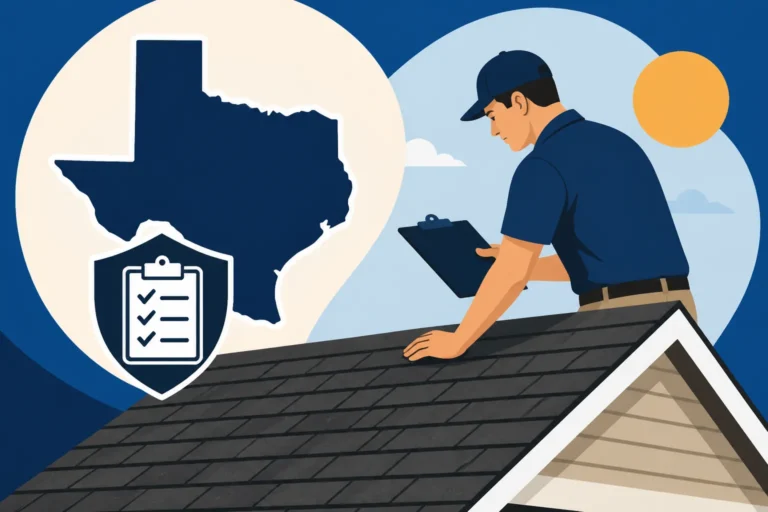
This is perhaps the biggest variable when it comes to roofing permits. Building codes and permit requirements are primarily governed at the local level – by cities, counties, or townships. This means there isn't a single, universal rule across the entire country, or even across a single state. For example, in Texas, where many areas are prone to severe hail and wind, there's a strong emphasis on robust roofing systems and adherence to high-wind nailing requirements. As such, obtaining a roofing permit in Texas is almost always required for a full replacement, and inspections are rigorous to ensure compliance with updated codes designed to withstand extreme weather. Many homeowners actively seek out Impact-Resistant Roofing Requirements in Texas for insurance benefits.
Compare this to a rural county in Ohio, where the local ordinances might be less stringent, or the enforcement more relaxed for minor repairs. However, even in less populated areas, significant work like a full tear-off will nearly always necessitate a permit. Coastal regions, like those in Florida or North Carolina, have very strict building codes, especially concerning wind resistance and hurricane preparedness. A roofing permit in Florida, for instance, will involve incredibly detailed documentation and multiple inspections to ensure high-wind nailing patterns, proper attachment to the roof deck, and specific types of fasteners are used. It's a testament to the fact that local conditions heavily influence regulatory demands. Always consult your specific county or city building department. Never rely on what a friend in another state or even another town told you about their experience.
HOA Rules and Historical Districts
Beyond municipal building permits, homeowners living in certain communities or specific types of districts often have additional layers of approval to navigate.
Homeowners Associations (HOAs): If your home is part of a Homeowners Association, you'll almost certainly have rules governing external changes to your property, and roofing is definitely included. These rules can dictate everything from the type of roofing material you can use (e.g., only asphalt shingles, no metal), to the acceptable colors (many HOAs have a pre-approved palette), and even the aesthetic style of your roof. Before you even think about applying for a city or county permit, you'll need to submit your plans to your HOA for architectural review and approval. Skipping this step can lead to fines from the HOA, and in some cases, they can even force you to remove or change the unapproved roofing, even if it met municipal codes. You might need to look into HOA Roof Rules Explained for your specific community.
Historical Districts: If your home is located within a designated historical district, the regulations can be even more stringent. Historical districts aim to preserve the architectural integrity and aesthetic character of the area. This often means that roofing material choices are severely restricted, sometimes requiring specific types of shingles (like certain types of asphalt shingles that mimic traditional materials, or even cedar shakes), specific colors, and installation methods that maintain the historical accuracy of the property. You'll likely need approval from a local historical review board or commission in addition to your standard building permit. This process can be more time-consuming and often requires sourcing specialized materials or contractors experienced in historical renovations, which can impact your Roof Cost Per Square: What You’ll Pay. The goal is to ensure that any changes are in harmony with the surrounding historical architecture.
In both these scenarios, the permitting process essentially becomes a two-tiered system: first, gain approval from your HOA or historical board, and then proceed with the municipal building permit process. Your contractor should be aware of these additional requirements and help guide you through them, but ultimately, it's your responsibility as the homeowner to ensure all layers of approval are secured before work begins.
| Type of Roofing Work | Permit Generally Required? | Rationale |
|---|---|---|
| Full Roof Replacement (Tear-Off) | Yes | Impacts structural integrity, ensures code compliance for new system, often includes decking inspection. |
| Reroofing/Overlaying (Adding a layer) | Yes | Adds significant weight, must comply with maximum layer limits, affects structural load. |
| Significant Structural Alterations | Yes | Changes roof shape, pitch, adds dormers; directly impacts structural support. |
| Large-Scale Repair (e.g., >50 sq ft) | Often Yes | Exceeds "minor repair" threshold, may involve structural elements or significant material replacement. |
| Minor Shingle Repair (few shingles) | Usually No | Localized, doesn't impact structural integrity or change roof system. Always verify with local authority. |
| Repair/Replace Flashing or Drip Edge | Usually No | If replacing like-for-like in small sections. Verify if scope is extensive. |
| Replacing Vents (like-for-like) | Usually No | If simply swapping out a broken vent for an identical one. Verify if changing ventilation system. |
| Roofing a Small Shed (<100-120 sq ft) | Sometimes No | Varies greatly by municipality; often exempt if below a certain size and non-habitable. Always verify. |
Disclaimer
The information provided in this guide is for general informational purposes only and does not constitute professional advice. Roofing permit requirements vary significantly by location and specific project details. Always consult with your local building department or a licensed roofing contractor to confirm the exact permit requirements for your specific roofing project and location. Do not rely solely on this information for making decisions about your roof.