Impact-Resistant Roofing Requirements in Texas
Living in Texas, you're all too familiar with the sudden rumble of a storm rolling in, often bringing with it the dreaded sound of hail pounding your roof. That anxiety-inducing drumming can quickly turn into a nightmare of roof leaks, costly repairs, and frustrating insurance claims. It’s no wonder so many homeowners are looking for ways to fortify their homes against Mother Nature's fury. This guide is here to shed light on impact-resistant roofing requirements and options in Texas, helping you understand how to protect your biggest investment and potentially save money in the process.
Understanding Impact-Resistant Roofs and Class 4 Certification in Texas
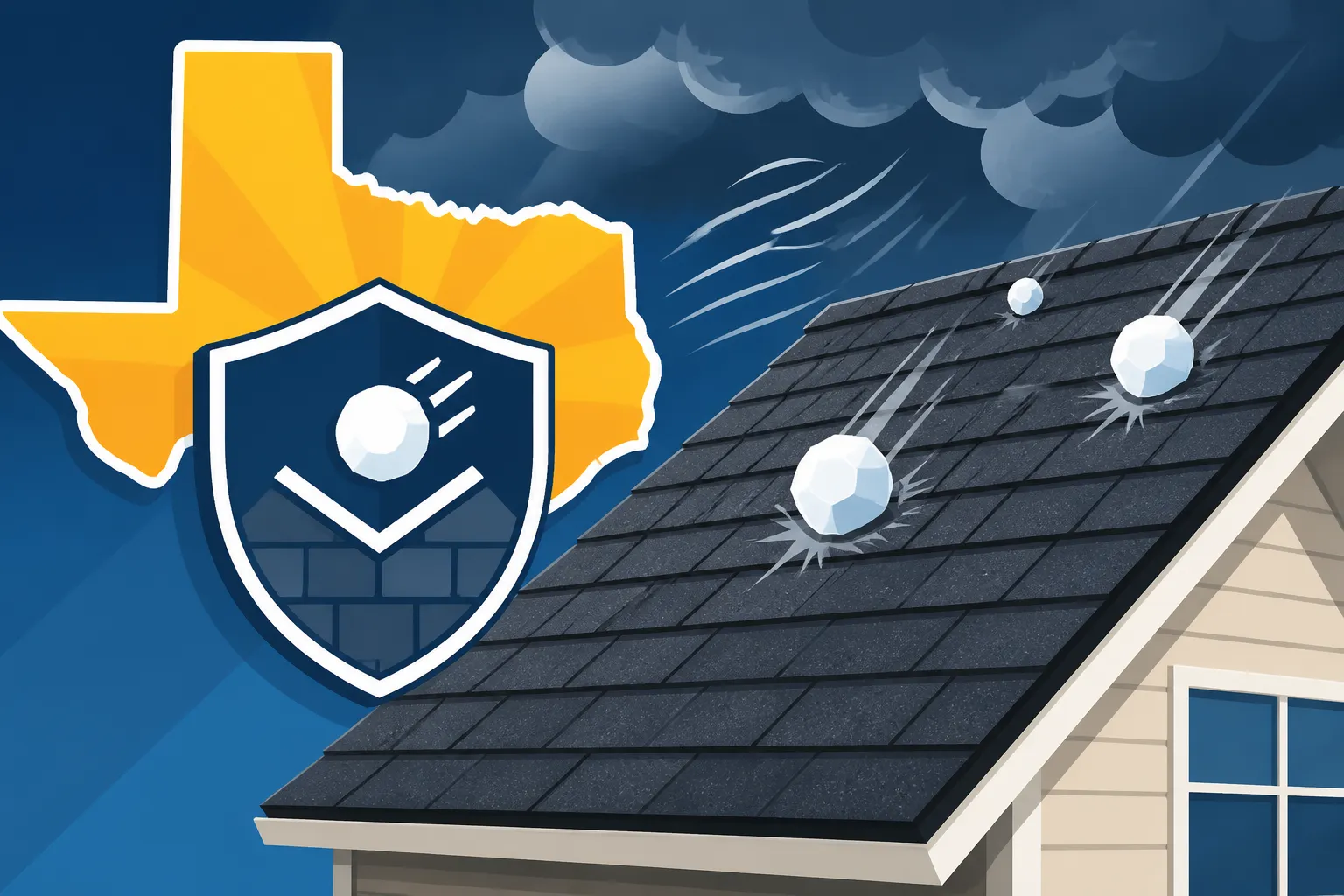
When we talk about "impact-resistant" roofing, we're not just throwing around a fancy term; we're referring to a specific standard designed to protect your home from devastating hail damage. In a state like Texas, which unfortunately sits in a prime location within "Hail Alley," understanding this standard is absolutely crucial for any homeowner. It's about more than just a marketing slogan; it's about proven resilience.
The UL 2218 Standard and Class 4 Rating Explained
The benchmark for impact resistance in roofing materials is the UL 2218 classification. This standard, established by Underwriters Laboratories, is the industry's way of testing how well roofing materials can withstand impacts from falling objects, mimicking hail. It's not some abstract theory; it's a rigorous, real-world test. Imagine a roofer dropping a steel ball onto a shingle from a significant height – that's essentially what this test simulates.
The UL 2218 test involves dropping steel balls of varying sizes from increasing heights onto roofing materials. Based on how well the material holds up without cracking or breaking, it receives one of four ratings:
- Class 1: Withstands a 1.25-inch steel ball dropped from 12 feet.
- Class 2: Withstands a 1.5-inch steel ball dropped from 15 feet.
- Class 3: Withstands a 1.75-inch steel ball dropped from 18 feet.
- Class 4: Withstands a 2-inch steel ball dropped from 20 feet.
For Texas homeowners, the Class 4 rating is the real game-changer. This is the highest rating available and indicates that the roofing material can withstand the impact of a 2-inch steel ball dropped from 20 feet twice in the same spot without splitting or tearing. To put that into perspective, a 2-inch hailstones can do significant, widespread damage to a standard asphalt shingle roof, potentially requiring a full replacement. A Class 4 rated roof is designed to shrug off such impacts, offering vastly superior protection. Many areas of Texas, particularly the Dallas-Fort Worth Metroplex, San Antonio, and parts of Central Texas, see hail routinely reaching this size or larger, making Class 4 the gold standard for peace of mind. You can delve deeper into specific options by exploring articles like Class 4 Shingle Roof Cost or How Impact-Resistant Shingles Work.
Types of Roofing Materials That Achieve Class 4
While asphalt shingles are often the go-to for residential roofing, it's important to know that impact resistance isn't exclusive to one material. Many different types of roofing can achieve a Class 4 rating, each with its own aesthetic and cost considerations:
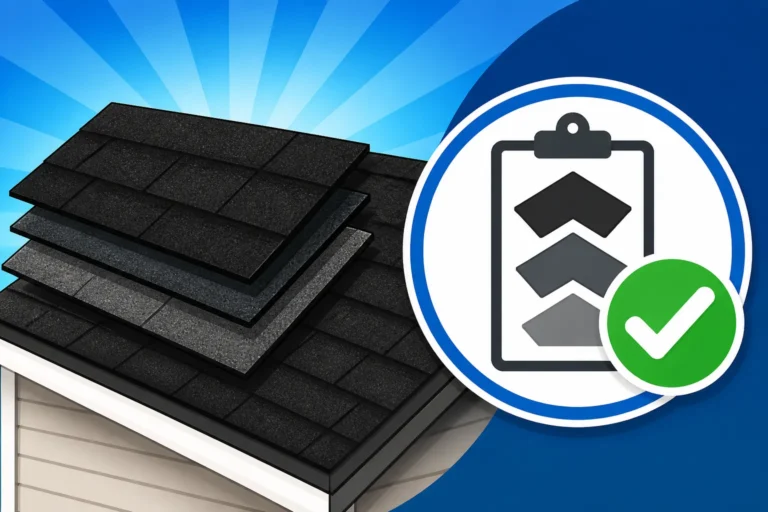
- Architectural Asphalt Shingles: These are the most common type of Class 4 impact-resistant roofing. Manufacturers like GAF, Owens Corning, CertainTeed, and Malarkey produce specific lines of architectural shingles that incorporate a rubberized polymer into the asphalt blend or have a reinforced mat. This makes them significantly more pliable and resistant to cracking upon impact compared to traditional shingles. They offer a great balance of aesthetics, performance, and affordability.
- Synthetic/Composite Shingles: Often made from recycled plastics and rubber, these shingles are engineered for extreme durability. They can mimic the look of slate, wood shake, or even traditional asphalt but offer superior impact resistance. They are typically lighter and longer-lasting than many other options, making them an excellent choice for hail-prone areas.
- Metal Roofing: Standing seam metal roofs and metal shingles are inherently impact-resistant due to the strength of the metal. While a severe impact might dent a metal roof, it's far less likely to perforate or fail structurally in the way a traditional shingle might. Many metal roofing products also carry Class 4 ratings.
- Modified Bitumen: While primarily used on low-slope or flat roofs, some modified bitumen systems can also achieve impact-resistant ratings, particularly relevant for commercial buildings or residential homes with flat sections.
The material you choose will depend on your budget, aesthetic preferences, and the specific challenges your home faces. However, regardless of the material, seeking out that UL 2218 Class 4 rating is the key to true impact resistance.
Insurance Benefits and Financial Incentives for Texas Homeowners
Let's be honest: a new roof is a significant investment, and the thought of upgrading to impact-resistant materials might seem like an added expense. However, in Texas, opting for a Class 4 roof can actually lead to substantial savings and benefits that quickly outweigh the initial cost. It’s not just about protecting your home; it's about protecting your wallet too.
Lower Homeowners Insurance Premiums
One of the most compelling reasons for Texas homeowners to choose a Class 4 impact-resistant roof is the potential for significantly lower homeowners insurance premiums. Insurance companies in hail-prone states like Texas are acutely aware of the cost of roof claims. A single major hailstorm can lead to thousands of claims, costing insurers millions or even billions of dollars. Because Class 4 roofs demonstrably reduce the risk of hail damage, many insurance providers offer discounts – sometimes quite substantial ones – for homes protected with these materials.
These discounts can vary widely depending on your specific insurer, your location within Texas, and your policy details. However, it's not uncommon for homeowners to see premium reductions of 10% to 20% or even more. Over the lifespan of a roof, which can be 20-30 years for asphalt shingles, these annual savings really add up. For example, if your annual premium is $3,000, a 15% discount saves you $450 per year, totaling $9,000 over 20 years. That's a considerable return on investment! It's always wise to contact your insurance agent directly to inquire about specific discounts available for Do Class 4 Shingles Lower Insurance Premiums in your area.
Potential for Deductible Waivers or Reduced Deductibles
Beyond premium discounts, some insurance policies in Texas may offer additional incentives for impact-resistant roofs, such as deductible waivers or reduced deductibles for hail claims. This means that if a hailstorm does occur and causes damage (though less likely with a Class 4 roof), your out-of-pocket expense for the deductible could be lower or even eliminated entirely.
Consider this common scenario: Many Texas homeowners have a 1% or 2% wind/hail deductible, meaning on a $300,000 home, your deductible could be $3,000 or $6,000. If your Class 4 roof is damaged and your policy includes a deductible reduction, that could save you thousands when you need it most. This benefit is particularly valuable in a state where hail claims are so frequent. You'll want to thoroughly review your policy or speak with your agent to understand these specific provisions.
Enhanced Home Resale Value and Peace of Mind
An impact-resistant roof isn't just a practical upgrade; it's also a selling point. When it comes time to sell your home in Texas, advertising a Class 4 roof can be a significant differentiator. Potential buyers, especially those familiar with Texas weather patterns, will appreciate the reduced maintenance, lower insurance costs, and peace of mind that comes with a robust roofing system. It signals a well-maintained, resilient home, potentially increasing your home's appeal and value. This upgrade contributes to a positive Roof Replacement and Home Value proposition.
Furthermore, the psychological benefit of knowing your home is better protected is invaluable. No more dreading every severe thunderstorm warning. No more frantically checking for damage after every gust of wind or hail shower. This peace of mind, though intangible, makes a profound difference in daily life as a Texas homeowner.
Here's a quick overview of the financial benefits of Class 4 impact-resistant roofing:
| Benefit Type | Description | Typical Impact in Texas |
|---|---|---|
| Lower Insurance Premiums | Many insurers offer discounts due to reduced risk of hail damage. | 10-20% annual savings, potentially more. |
| Deductible Reductions/Waivers | Some policies lower or waive deductibles for hail claims on Class 4 roofs. | Can save thousands on out-of-pocket expenses during a claim. |
| Reduced Repair Frequency | Roof is more resistant to common hail damage, leading to fewer repairs. | Fewer emergency repairs, less inconvenience, longer roof lifespan. |
| Enhanced Home Value | Attractive selling point for buyers in hail-prone areas. | Increased marketability and potential resale price. |
| Faster Insurance Claims | Clearer damage assessment, less ambiguity with a tougher roof. | Smoother, quicker claim resolution if damage does occur. |
Texas Building Codes and Local Ordinances for Hail Protection
Navigating building codes can feel like deciphering ancient texts, especially when it comes to something as specific as impact-resistant roofing. While Texas doesn't have a blanket statewide mandate for Class 4 roofs, the reality on the ground, driven by local conditions and insurance requirements, often makes them a de facto standard in many areas.
State vs. Local Regulations on Roofing Materials
In Texas, general building codes for residential construction are primarily governed by the International Residential Code (IRC), which local jurisdictions then adopt and often amend. When it comes to roofing, the IRC typically sets minimum standards for things like wind resistance, fire ratings, and material quality. However, it doesn't universally require impact-resistant materials across the board. This means that if you're in a less hail-prone region of Texas, you might not be legally compelled to install a Class 4 roof.
However, the picture changes dramatically when you look at cities and counties that frequently experience severe weather. Many local jurisdictions, especially those that have been hit hard by hail repeatedly, recognize the value of resilient building materials. While direct mandates for Class 4 might still be rare as a universal rule for all new roofs, what you'll find is a strong encouragement through:
- Insurance Incentives: As discussed, insurance companies are the biggest drivers. If an insurer offers a significant discount for a Class 4 roof, homeowners naturally gravitate towards it, making it an unofficial requirement.
- Permit Processes: When you undergo a roof replacement, you'll almost certainly need a building permit. While the permit itself might not require Class 4 shingles, the local building department will verify that your chosen materials meet at least the minimum code requirements. If you're opting for Class 4, they'll simply ensure it's installed correctly. Getting a permit is an essential step, and you can learn more about this process by reading Roofing Permits Explained.
Specific Regional Considerations in Texas
Texas is a vast state, and hail frequency varies significantly from region to region. The "Hail Alley" that stretches across parts of North Texas, Central Texas, and the Panhandle experiences the most frequent and severe hailstorms. This reality has led to stronger pushes for impact-resistant roofing in these areas:
- Dallas-Fort Worth Metroplex: This region is a hotbed for hail. Cities like Plano, Frisco, Garland, and Dallas itself have seen catastrophic hail events. While you won't find a city ordinance demanding Class 4 for every roof, it's highly advised by contractors and often implicitly expected by insurers. Many local contractors in these areas specialize in Class 4 installations because of client demand and insurance benefits.
- San Antonio and Austin: These rapidly growing Central Texas cities also face significant hail risks. Homeowners in these areas will similarly find that Class 4 roofs are strongly recommended and financially advantageous due to insurance discounts.
- Houston and Gulf Coast: While known more for hurricanes and heavy rain, these areas can also experience hail. However, the primary concern for roofing here often shifts more towards wind resistance ratings. Still, the benefits of impact resistance are undeniable even there.
It's always best practice to check with your specific city or county building department before embarking on a roof replacement. They can provide the most up-to-date information on local codes, permit requirements, and any specific mandates or recommendations for your area. For instance, an article like Roofing Building Codes: What to Know can provide general insights, but local officials are your best direct resource. They'll confirm exactly what's expected for a successful roofing project, ensuring your new roof is not only resilient but also compliant.
The Importance of Proper Installation
Meeting code requirements isn't just about the materials; it's also about the installation. Even the best Class 4 shingle won't perform as intended if it's not installed correctly according to manufacturer specifications and local building codes. This includes proper nailing patterns, underlayment, flashing, and ventilation. A shoddy installation can void warranties, lead to premature roof failure, and leave your home vulnerable regardless of the shingle's impact rating. This is why choosing a reputable, licensed, and experienced roofing contractor is paramount.
Choosing and Installing Impact-Resistant Shingles in Texas
So, you're convinced that an impact-resistant roof is the way to go for your Texas home – fantastic! Now comes the practical part: choosing the right materials and, perhaps even more importantly, finding a trustworthy contractor to install them. This stage is critical, as the quality of both the product and the workmanship will determine your roof's long-term performance and your peace of mind.
Selecting the Best Class 4 Shingles for Your Home
With numerous manufacturers offering Class 4 rated products, it can feel a bit overwhelming to pick "the best." The truth is, many top brands offer excellent impact-resistant options, and the "best" often comes down to a balance of features, aesthetics, warranty, and cost.
Here are some of the leading brands and what they typically offer:
- GAF: A popular choice, GAF offers their Timberline ArmorShield II, a Class 4 architectural shingle designed for superior impact resistance. They're known for their robust warranties when installed by a certified contractor.
- Owens Corning: The Owens Corning Duration STORM® is another excellent Class 4 option. It features a proprietary polymer blend and a tough woven fabric strip in the nailing zone for enhanced durability.
- CertainTeed: CertainTeed's NorthGate® and Presidential Shake® IR lines provide Class 4 protection with a focus on aesthetics and performance, often replicating the look of natural wood shakes.
- Malarkey Roofing Products: Malarkey is highly regarded for its eco-friendly approach and durable shingles, many of which carry Class 4 ratings, like the Legacy® and Vista® lines. They often incorporate smog-reducing granules as an added benefit.
- Atlas Roofing: Atlas StormMaster® Slate and StormMaster® Shake are designed to withstand significant hail and high winds, making them strong contenders for Texas homes.
When choosing, consider factors like:
- Aesthetics: Does the shingle style and color complement your home's exterior?
- Warranty: Understand both the manufacturer's warranty on the materials and the contractor's warranty on the workmanship. A full roofing system installed by a certified professional often qualifies for the strongest warranties.
- Cost: While Class 4 shingles might have a higher upfront cost, remember the long-term savings through insurance discounts and reduced repair frequency. Articles like Architectural Shingle Roof Cost can give you an idea of pricing.
- Availability: Ensure your chosen shingle is readily available through local suppliers, which can impact project timelines.
Don't be afraid to ask your potential contractors for samples and detailed information on the specific Class 4 products they recommend. They should be able to explain the pros and cons of each for your particular situation.
Vetting and Hiring a Qualified Texas Roofing Contractor
This step is arguably more important than choosing the shingle itself. A Class 4 shingle poorly installed is no better than a standard shingle. You need a contractor who understands impact-resistant roofing systems, is familiar with Texas building codes, and has a track record of quality workmanship.
Here's how to ensure you're hiring the right team:
- Verify Licensing and Insurance: Always, always ensure your contractor is properly licensed and carries both liability insurance and workers' compensation. This protects you from potential legal and financial headaches if an accident occurs on your property. This is a crucial topic, often covered in detail in posts like Licensed and Insured Roofers: Why It Matters.
- Look for Manufacturer Certifications: Many top shingle manufacturers offer certification programs (e.g., GAF Master Elite, Owens Corning Platinum Preferred, CertainTeed SELECT ShingleMaster). These certifications mean the contractor has met stringent requirements, undergone specialized training, and is authorized to offer enhanced warranties on the manufacturer's products. This is a strong indicator of quality and expertise. For more, see Manufacturer-Certified Roofers Explained.
- Check Local References and Reviews: Ask for references from past clients, especially those who have had impact-resistant roofs installed. Look at online reviews on platforms like Google, Yelp, and the Better Business Bureau. Pay attention to how the contractor handles complaints, not just praise.
- Get Multiple Detailed Estimates: Obtain at least three written estimates that are itemized and clearly specify the Class 4 materials, scope of work, warranty details, and payment schedule. Compare these estimates carefully, making sure you're comparing apples to apples. A comprehensive guide like How to Read and Compare Roofing Estimates can walk you through this process. Don't simply go for the cheapest bid, as this can often be a red flag.
- Ask Specific Questions: Don't hesitate to ask probing questions during your consultation. For example, inquire about their experience with Class 4 installations, how they handle unexpected issues like rotten decking, their cleanup process, and how they protect your landscaping during the project. Consider reviewing Questions to Ask a Roofing Contractor Before Hiring for a comprehensive list.
- Understand the Warranty: Make sure you get both a material warranty from the manufacturer and a workmanship warranty from the contractor in writing. Understand what each covers, for how long, and any conditions that might void them.
By taking your time and thoroughly vetting your options, you'll ensure that your investment in an impact-resistant roof provides the maximum protection and value for your Texas home. A good contractor will guide you through the entire process, from material selection to the final inspection, ensuring everything meets the highest standards. The full How a Roof Replacement Works: The Full Process involves many steps where a great contractor makes all the difference.
Disclaimer
Please note that roofing requirements, building codes, and insurance policies can change. The information provided in this article is intended for general guidance and informational purposes only and does not constitute professional advice. Always consult with local building authorities, licensed roofing contractors, and your insurance provider for the most accurate and up-to-date information pertaining to your specific location and situation in Texas.