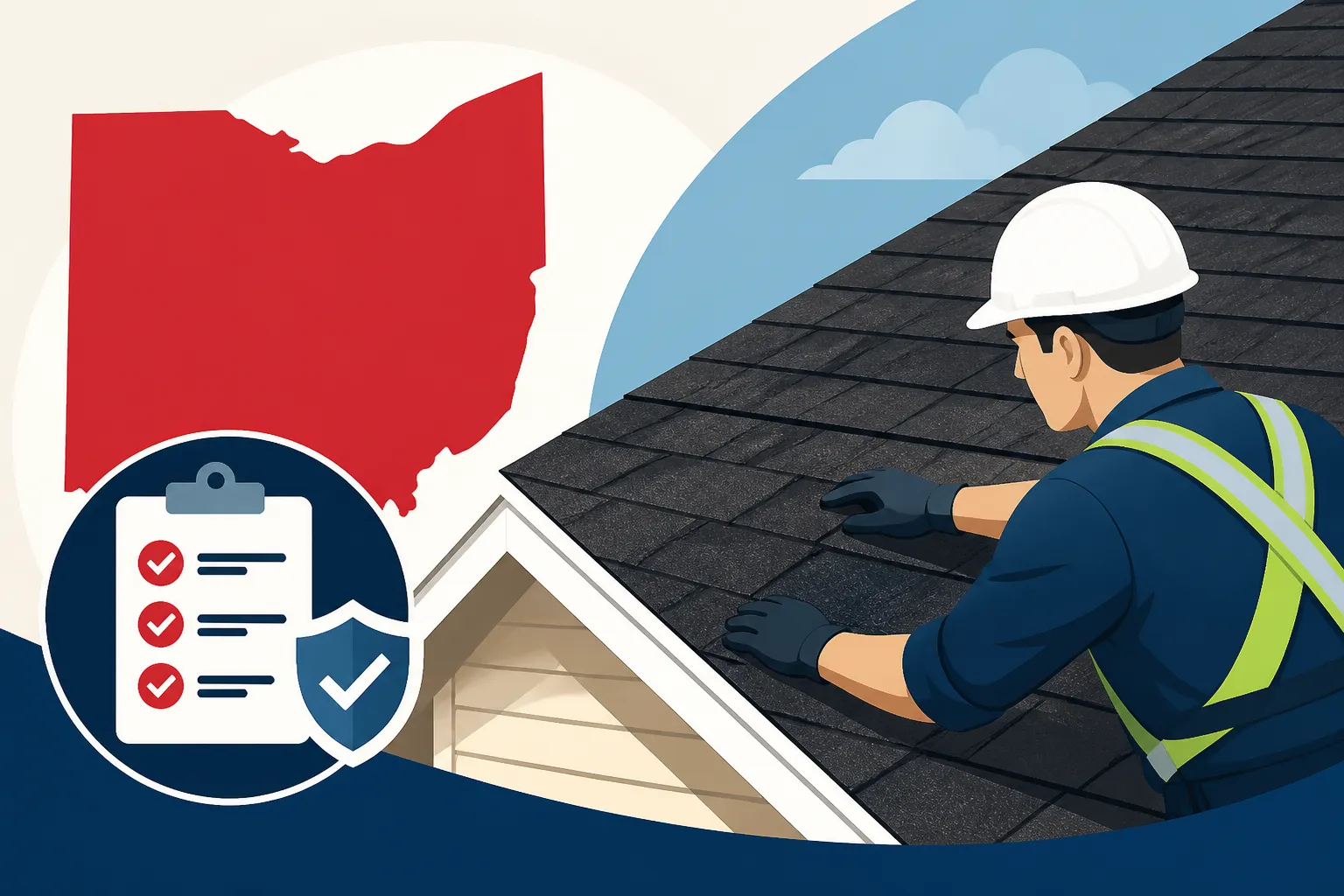
Roofing Codes and Regulations in Ohio
Facing a roofing project in Ohio can feel like stepping into a maze of paperwork and regulations, leaving many homeowners scratching their heads about what rules apply to them. It’s a common frustration to just want to get a new roof on, only to discover a whole host of permits, codes, and inspections you never knew existed. This comprehensive guide is here to untangle the complexities of roofing codes and regulations specifically for homeowners in Ohio, helping you understand the requirements and navigate the process with confidence.
Understanding Ohio's Roofing Regulatory Landscape
When it comes to home improvements, especially something as critical as your roof, it's not just about picking out shingles and finding a contractor. There's a whole system of rules in place to ensure your new roof is safe, durable, and meets certain performance standards. Ohio's approach to these regulations can feel a bit layered, much like a good roof itself!
The Statewide vs. Local Authority Dynamic
One of the biggest sources of confusion for homeowners in Ohio is understanding who sets the rules. The truth is, it's a bit of a shared responsibility. The State of Ohio sets foundational building codes, which are often based on national models like the International Residential Code (IRC). This provides a baseline for safety and construction standards across the state. However, here's the catch: local municipalities – your city or county building department – often have the authority to adopt these state codes, amend them, or even add their own, more stringent requirements.
For instance, what might be perfectly acceptable for a roof replacement in a rural township outside of Columbus could have slightly different requirements in the bustling urban center of Cincinnati or a lakefront property in Cleveland, where specific wind uplift codes might be stricter. This means you can't assume that what your friend did for their roof in Akron will be the exact same process you need to follow in Toledo. Always, always check with your local building department, as they are the ultimate authority for your specific property.
Key Code Sections Impacting Asphalt Roofing
Regardless of local variations, most roofing codes, including those in Ohio, focus on several critical areas to ensure the integrity and longevity of your asphalt roof. These aren't just arbitrary rules; they exist to protect your investment and, more importantly, your family's safety.
- Material Standards: Codes specify the types of roofing materials that can be used, often referring to standards from organizations like ASTM (American Society for Testing and Materials). For asphalt shingles, this means ensuring they meet certain fire ratings (Class A is common), wind resistance standards, and material composition requirements. You can’t just throw any shingle up there; it needs to be certified for performance.
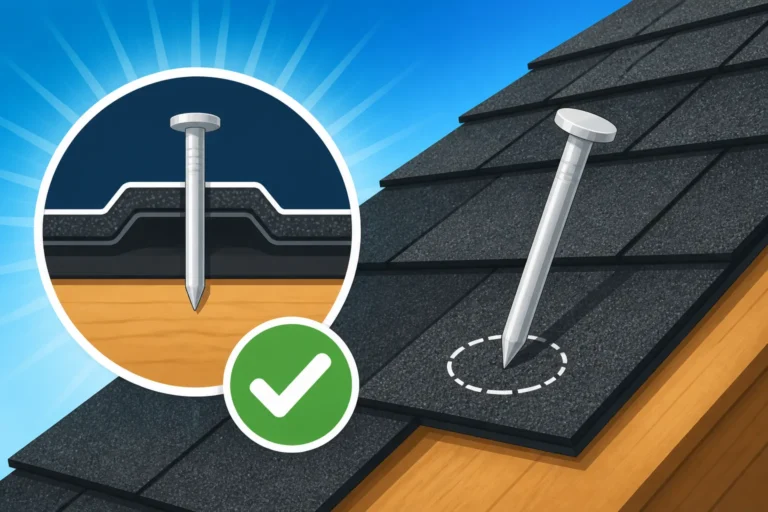
- Installation Methods: The way shingles are fastened is paramount. Codes will dictate nailing patterns, the type and length of fasteners, and even how much overhang your shingles should have at the eaves. Proper nailing, for example, is crucial for your roof's wind resistance, especially in areas of Ohio that experience strong storms.
- Structural Requirements: While primarily about the roof deck, codes ensure that the underlying structure can support the weight of the new roofing materials, especially if you're adding a second layer of shingles or upgrading to a heavier architectural shingle. Issues like Roof Decking Replacement Cost might arise if your current decking isn't up to snuff.
- Ventilation: This is often overlooked but critically important. Proper attic ventilation, guided by building codes, helps regulate temperature and moisture in your attic. This prevents issues like mold growth, premature shingle aging, and ice dam formation, which are particularly relevant in Ohio's varied climate. Roof ventilation upgrades are often recommended to meet modern code.
Navigating Roofing Permits in Ohio
The word "permit" can often strike fear into the hearts of homeowners, but it’s a necessary step that ultimately protects you. Obtaining a roofing permit ensures that your project will be reviewed and inspected by local authorities, verifying that the work complies with all applicable codes.
When a Permit is Absolutely Necessary
In Ohio, as in most places, you’ll almost always need a permit for a full roof replacement. This includes tearing off old shingles and installing new ones. Even significant repairs, especially those involving structural changes to the roof deck, or changes to the roofline, will typically require a permit.
Think of it this way: if you’re just replacing a few missing shingles after a mild storm or doing a small, cosmetic repair that doesn't affect the integrity or waterproofing of the entire roof system, you might not need a permit. However, if you're taking off a substantial portion of the roof or making any changes that impact the roof's ability to protect your home from the elements, a permit is usually non-negotiable. Skipping this step can lead to serious headaches down the road, including fines, having to redo work, and issues with insurance or when selling your home. Imagine trying to sell your house and the buyer's inspector discovers an unpermitted roof replacement!
The Permit Application Process and Cost
The permit process in Ohio generally involves submitting an application to your local building department, which can be part of your city or county government. You'll usually need to provide details about the project, including the type of materials being used, the scope of work, and sometimes a diagram of your roof. For residential asphalt shingle roofs, the process is usually fairly straightforward.
General Steps for Obtaining a Roofing Permit:
- Application Submission: Fill out the necessary forms, often available online or at the building department office.
- Provide Documentation: This might include a property survey, basic drawings, or a description of the materials. Your contractor will usually handle this, but it's good to be aware.
- Pay Fees: Permit fees vary widely across Ohio. For example, a permit in a larger city like Columbus might be different from a smaller town in rural Ohio. These fees typically range from $75 to $500, depending on the scope of the project and the local municipality's fee structure. The fees help cover the administrative costs and the cost of inspections.
- Review Period: The building department will review your application to ensure it meets local zoning and building codes.
- Permit Issuance: Once approved, the permit is issued, and usually, a copy must be displayed prominently at the job site.
- Scheduling Inspections: Once work begins, you (or your contractor) will need to schedule inspections at various stages, such as a roof deck inspection before new shingles are installed, and a final inspection once the job is complete.
Most reputable roofing contractors in Ohio will handle the permit application process for you, as they are familiar with the local requirements and procedures. It's a key question to ask when you're interviewing potential roofers: "Roofing Permits: Who Pulls Them?"
Specific Ohio Roofing Code Requirements to Know
While local nuances exist, several core requirements are common across Ohio, particularly concerning how asphalt shingle roofs are installed and constructed. Understanding these can help you have more informed conversations with your contractor and ensure your project meets the mark.
Shingle Layers and Tear-Off Rules
This is a big one that often catches homeowners by surprise. Many areas in Ohio, following the lead of the International Residential Code, limit the number of shingle layers allowed on a roof. Typically, two layers of asphalt shingles are the maximum allowed before a full tear-off becomes mandatory. This means if your home already has two layers of shingles, your new roof project must include removing all existing layers down to the roof decking.
Why is this rule in place?
- Weight: Multiple layers of shingles add significant weight to your roof structure. Over time, this extra load can stress the framing, leading to sagging, deck deterioration, and potential structural failure.
- Proper Adhesion: New shingles need a flat, smooth, and solid surface to adhere properly. Laying new shingles over an uneven, old roof can compromise their sealing strip, making them more susceptible to wind damage and reducing their lifespan.
- Identifying Deck Damage: A full tear-off allows the roofing crew and inspector to examine the roof decking for any rot, damage, or soft spots. Addressing these issues before installing new shingles is crucial for the long-term integrity of your roof. For example, if you have old plywood decking that’s seen better days, a full tear-off would allow for Roof Decking Replacement Cost to be accurately assessed and completed.
Ignoring this rule not only violates code but can also void your shingle manufacturer's warranty and leave you with a prematurely failing roof. Always discuss the tear-off process with your contractor to understand what's involved, including the Cost of Roof Tear-Off and Disposal.
Underlayment, Flashing, and Ventilation Standards
These components, often unseen, are absolutely vital to your roof's performance and are heavily regulated by code to ensure maximum protection.
- Underlayment: Below your shingles, you'll find an underlayment designed to provide an extra layer of protection against water penetration. Ohio codes, often based on IRC provisions, typically require at least one layer of approved underlayment, which can be asphalt-saturated felt or synthetic. In colder regions of Ohio, particularly those bordering Lake Erie and experiencing heavy snowfall, ice and water shield is a critical requirement. This self-adhering membrane is typically mandated at eaves, in valleys, and around penetrations (like chimneys and skylights) to prevent water from backing up under shingles due to ice dams. These requirements help prevent expensive water damage and are explicitly detailed in Ice Barrier Code Requirements.
- Flashing: Flashing refers to thin pieces of impervious material, usually metal, installed at vulnerable points on your roof to divert water away. This includes areas around chimneys, skylights, valleys, and where the roof meets a wall. Codes specify the type of flashing material, its gauge (thickness), and proper installation techniques to ensure a watertight seal. Poorly installed flashing is a common cause of leaks, so inspectors pay close attention to this. You can learn more about What Is Flashing and Why It Matters in a detailed guide.
- Ventilation: Proper attic ventilation is mandated by code to prevent heat and moisture buildup, which can severely shorten your roof's lifespan and increase your energy bills. Ohio codes often specify minimum net free ventilation areas (NFA) for attics, usually a ratio of ventilation area to attic floor area (e.g., 1/150 or 1/300, depending on certain conditions). This typically involves a balanced system of continuous soffit vents (intake) and ridge vents or other exhaust vents at the peak of the roof. Roof Ventilation Code Requirements are a complex but vital part of your roof system, helping to prevent issues like warped decking and mildew.
Ensuring Compliance and Avoiding Pitfalls
Understanding the codes is one thing; making sure your project adheres to them is another. This is where proper planning, communication, and choosing the right professionals come into play.
The Role of Inspections in Ohio
Once your permit is issued, you're not just free to build and forget. Your local building department will require inspections at various stages of your roofing project. These inspections are not just bureaucratic hurdles; they are critical checkpoints designed to ensure the work is being done correctly and safely.
- Decking Inspection: This is often the first and most crucial inspection after the old shingles have been torn off. The inspector will check the condition of the roof deck for any rot, damage, or inadequate fastening. They'll also verify that the correct underlayment and ice and water shield have been installed according to code. If the decking is found to be deficient, it will need to be replaced or repaired before new roofing can proceed.
- Final Inspection: Once all the roofing materials are installed, including shingles, flashing, and ventilation components, a final inspection will be conducted. The inspector will check for proper shingle placement, fastening, flashing integrity, and overall code compliance. Passing this final inspection is your official stamp of approval that the roof meets local standards.
If an inspection reveals issues, your contractor will be required to correct them before the project can move forward or be officially closed out. This is why having an experienced contractor who understands What a Roofing Estimate Should Include and is proactive about code compliance is so important.
Hiring a Code-Compliant Contractor
Perhaps the single most important step you can take to ensure your roofing project complies with Ohio's codes and regulations is to hire a reputable, experienced, and locally knowledgeable roofing contractor. A good contractor will not only be familiar with the statewide codes but also with the specific amendments and requirements of your local municipality.
When you're looking for a roofer in Ohio, make sure to ask these critical questions:
- Licensing and Insurance: "Licensed and Insured Roofers: Why It Matters" cannot be stressed enough. Verify that they hold the appropriate licenses for roofing work in Ohio and carry comprehensive liability and workers' compensation insurance. Ask for proof, and don't just take their word for it.
- Permit Handling: Confirm that they will handle all aspects of the permit application and inspection scheduling. This is a tell-tale sign of a professional.
- Local Code Knowledge: Ask them about specific code requirements for your area, such as the maximum number of shingle layers allowed or the ice and water shield requirements for properties near Lake Erie. A knowledgeable contractor will be able to answer these questions confidently.
- Warranty Awareness: Discuss how their installation practices ensure compliance with manufacturer warranties, as improper installation can void these valuable protections. You can learn more about Manufacturer-Certified Roofers Explained and how it impacts your warranty.
Choosing a contractor who prioritizes code compliance might not always mean picking the absolute lowest bid, but it certainly offers peace of mind and protection for your investment.
Understanding Roofing Code Elements in Ohio
Here's a quick overview of some common elements regulated by roofing codes in Ohio and what their purpose is:
| Component / Area | Typical Code Focus in Ohio | Purpose for Homeowner |
|---|---|---|
| Roofing Permits | Required for full replacements and major repairs; local jurisdiction specific. | Ensures work meets safety/quality standards; protects against unpermitted work issues. |
| Shingle Layers | Often limited to two layers max before tear-off (IRC-based). | Prevents structural overload; ensures proper adhesion and shingle lifespan. |
| Underlayment | Minimum one layer felt/synthetic; ice & water shield required at eaves/valleys in cold areas. | Secondary water barrier; prevents leaks from wind-driven rain or ice dams. |
| Flashing | Material, gauge, and installation around penetrations (chimneys, vents, valleys). | Directs water away from vulnerable roof areas; prevents leaks. |
| Ventilation | Minimum net free area (NFA) for attic, balanced intake (soffit) and exhaust (ridge). | Prevents heat/moisture buildup; extends roof life; reduces energy costs; prevents ice dams. |
| Roof Decking | Condition, fastening, and material (e.g., OSB, plywood) must be sound. | Provides solid base for shingles; ensures structural integrity. |
| Fasteners (Nails) | Type, length, and nailing pattern (e.g., 4 or 6 nails per shingle for wind resistance). | Securely attaches shingles; enhances wind uplift resistance. |
| Drip Edge | Required along eaves and rakes; material specifications. | Directs water off roof into gutters; protects fascia and prevents water infiltration. |
| Fire Rating | Shingles must meet a minimum Class A fire rating. | Reduces risk of roof spreading fire from exterior sources. |
By paying close attention to these details and working with a qualified professional, your new asphalt roof in Ohio will not only look great but also provide reliable protection for many years to come, all while being fully compliant with local regulations.
Disclaimer
Please remember that building codes and regulations are subject to change and can vary significantly between local jurisdictions within Ohio. This guide provides general information and recommendations. Always consult directly with your local building department or a qualified, licensed roofing contractor in your specific area for the most accurate and up-to-date requirements for your project.