Roofing Codes and Regulations in Arizona
Trying to figure out all the rules and regulations for a roof replacement in Arizona can feel like deciphering a secret code. You know you need a solid, compliant roof, but the patchwork of state and local requirements often leaves homeowners scratching their heads, wondering if they're missing something crucial. This guide will walk you through the essential roofing codes and regulations you need to understand to ensure your Arizona roof project is up to snuff, avoiding future headaches and unexpected costs.
Navigating Arizona's Roofing Code Landscape
Arizona's approach to roofing codes isn't a one-size-fits-all statewide mandate, which is often where the confusion begins for homeowners. While there are overarching state statutes that set a baseline, much of the nitty-gritty, day-to-day enforcement and specific requirements fall to individual counties and cities. This means a roofing project in Phoenix might have slightly different nuances than one in Tucson or Flagstaff, even if they're both covered by the same general building code framework.
General State-Level Requirements
At the state level, Arizona generally defers to the International Building Code (IBC) and International Residential Code (IRC), often with local amendments. These codes provide the foundation for everything from structural integrity to fire safety and ventilation. The Arizona Registrar of Contractors (ROC) also plays a critical role, ensuring that roofing contractors are properly licensed, bonded, and insured, which is your first line of defense against shoddy work or non-compliance. Always confirm your contractor's license with the ROC before you even think about signing a contract. A licensed contractor will be much more familiar with the intricacies of state and local codes. If you're wondering how to vet a roofing company, checking their ROC status is a fantastic starting point.
Beyond licensing, state statutes might touch on aspects like worker safety standards, environmental disposal guidelines for old roofing materials, and consumer protection laws. For instance, while not strictly a building code, proper disposal of old shingles is a legal requirement, and reputable contractors will account for this in their bids, avoiding illegal dumping. Understanding these broader strokes helps you appreciate why certain procedures or costs are part of a roofing estimate.
Local Municipality Variations and Amendments
Here's where it gets interesting – and sometimes a little tricky. Each city and county in Arizona has the authority to adopt the IBC and IRC, and then add their own local amendments based on specific climate conditions, geographic challenges, or community priorities. For example, Phoenix, being a major metropolitan area with intense summer heat, might place a strong emphasis on cool-roof technology or enhanced attic ventilation requirements to combat energy consumption. On the other hand, Flagstaff, with its high elevation and occasional snowfall, might have more stringent requirements for roof structure or ice barrier installation, even though Arizona isn't typically thought of as an "ice barrier" state.
These local variations can impact everything from the required wind uplift resistance for shingles to specific flashing details around chimneys and vents. It’s not uncommon for cities like Mesa or Scottsdale to have slightly different rules on the types of underlayment required or the number of fasteners per shingle, especially in areas prone to higher winds or intense sun exposure. This is why a good local contractor is invaluable—they're the ones who breathe these local codes every day. When gathering bids, make sure they clearly outline how they plan to meet all local code requirements, not just general state ones.
Key Building Codes Affecting Arizona Roofs
When it comes to the actual construction of your new roof, there are several critical building codes that directly influence material choices and installation methods in Arizona. These aren't just arbitrary rules; they're designed to ensure your roof is safe, durable, and performs well against the unique environmental challenges of the Grand Canyon State.
Wind Resistance and Fastening Requirements
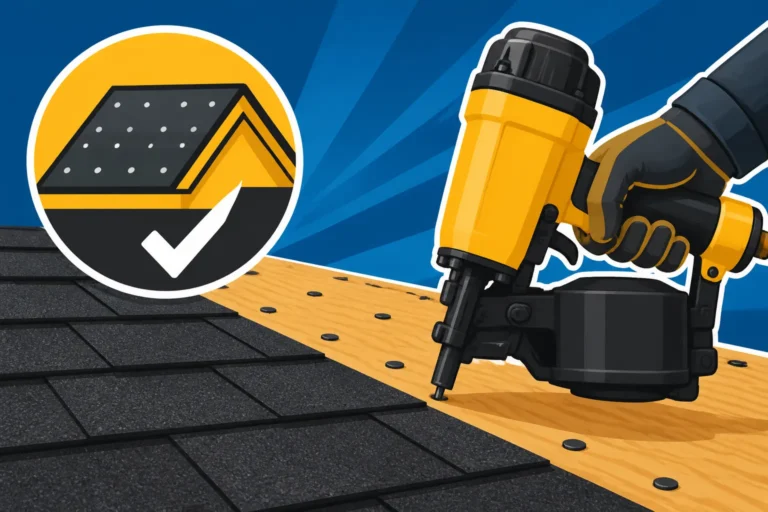
Arizona experiences its fair share of high winds, especially during the notorious monsoon season. Because of this, wind resistance is a significant factor in roofing codes. The IBC and IRC dictate minimum wind uplift ratings for roofing materials and specific fastening schedules for shingles. This often means more nails per shingle than you might find in a less windy region, or the use of specific high-wind nailing patterns. Many areas, particularly those susceptible to strong gusts in places like Tucson or the wider Phoenix valley, will require shingles rated for higher wind speeds.
For instance, common architectural shingles might come with wind resistance ratings of 110 mph or 130 mph. Local codes might specify a minimum rating depending on the home's location and height. It’s not just about the shingles themselves; the way they are installed, including the type of fasteners and their placement, is crucial. Proper installation to code is what ensures your roof doesn't become a projectile in a severe storm. This is also where you might hear about "Class 4 shingles," which offer superior impact resistance and often come with higher wind ratings, although these are typically driven by hail resistance needs more than general wind codes in Arizona.
Underlayment and Critical Flashing Details
While most of Arizona doesn't require ice and water shield like colder climates do, robust underlayment is still absolutely essential. Standard roofing underlayment code requirements typically involve a layer of felt or synthetic material beneath your shingles. In Arizona's dry, hot climate, synthetic underlayment is often preferred for its durability and tear resistance during installation, and its ability to withstand high temperatures better than traditional felt. This underlayment acts as a crucial secondary barrier against moisture should any water somehow get past your shingles.
Beyond the general underlayment, flashing details are paramount. Flashing is the metal or other material used to direct water away from critical areas of your roof, such as around chimneys, skylights, vent pipes, and where the roof meets a wall (step flashing). Improperly installed or inadequate flashing is a leading cause of roof leaks. Arizona's intense sun can degrade sealant over time, making durable and correctly installed metal flashing even more critical. Local codes will specify the materials, dimensions, and installation methods for flashing to ensure watertight seals, particularly in areas like roof valleys where water flow is concentrated.
Ventilation Requirements
Given Arizona's extreme heat, attic ventilation isn't just a good idea; it's a code-mandated necessity to protect your roof and improve your home's energy efficiency. Proper roof ventilation works by allowing hot, stale air to escape the attic while drawing in cooler, fresh air from outside. Without adequate ventilation, attic temperatures can skyrocket, prematurely aging your shingles, causing roof decking to warp, and putting a massive strain on your HVAC system.
Building codes typically require a specific ratio of net free ventilating area to attic floor space, often a 1:300 ratio, or 1:150 if certain conditions are met. This means there needs to be enough intake ventilation (usually through soffit vents) and exhaust ventilation (like ridge vents, box vents, or turbine vents) to create a continuous airflow. Many Arizona municipalities emphasize this, sometimes even pushing for higher ventilation standards to help homes cope with the heat. A contractor should always assess your current ventilation system and propose upgrades if it doesn't meet current codes or best practices for the Arizona climate. Installing a new ridge vent can significantly improve your attic's airflow.
Permits, Inspections, and Compliance in Arizona
The permit and inspection process is often the most daunting part for homeowners, but it's a crucial step that ensures your new roof meets all safety and structural standards. Skipping this can lead to serious legal and financial repercussions down the line.
When a Permit is Required and How to Get One
In almost all cases, a full roof replacement or even significant repairs in Arizona will require a building permit. This is because roofing work involves structural elements, weatherproofing, and safety considerations that fall under the purview of local building departments. While a minor patch repair might not need one, replacing a substantial portion of your roof or tearing off and replacing all shingles absolutely will.
The responsibility for pulling the permit typically falls to the licensed roofing contractor. They should be familiar with the process for your specific municipality, handle all the necessary paperwork, and pay the associated fees. Be wary of any contractor who suggests you pull the permit yourself or, even worse, suggests doing the work without one. That's a huge red flag. The process usually involves submitting an application, potentially plans or a scope of work, and then scheduling inspections at various stages of the project. To better understand the ins and outs, read up on roofing permits explained.
What to Expect During a Roofing Inspection
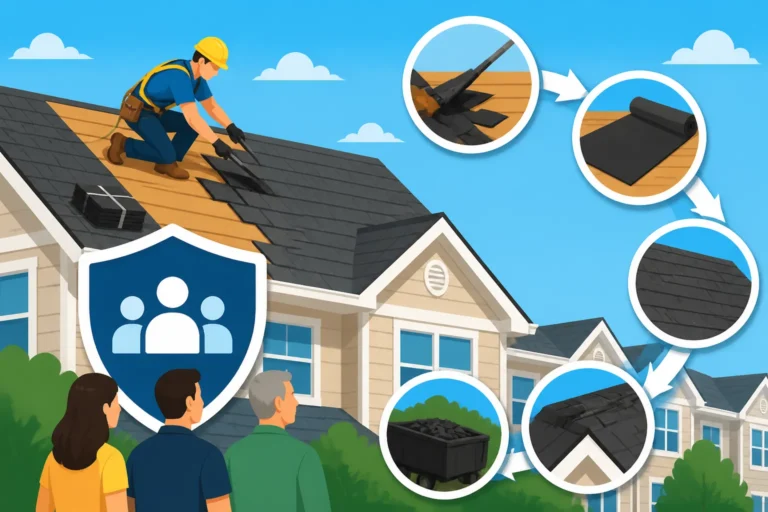
Once the permit is issued, your local building department will usually conduct at least one, and sometimes two, inspections. Often, there's a "mid-roof" or "dry-in" inspection after the old roof has been torn off and the underlayment and flashing are installed, but before the new shingles go on. This allows the inspector to verify the condition of the roof decking, ensure proper underlayment installation, and check flashing details. Then, there's a final inspection once the entire roof is complete.
During these inspections, the inspector will be looking to confirm compliance with all adopted building codes. This includes checking:
- Decking Integrity: Is the roof decking sound? Are there any soft spots or signs of rot that need addressing?
- Underlayment: Is the correct type and amount of underlayment installed? Is it properly fastened?
- Flashing: Are all flashing components installed correctly around penetrations and transitions?
- Shingle Installation: Are the shingles laid straight, properly overlapped, and fastened with the correct number of nails in the right location?
- Ventilation: Is the attic ventilation system adequate and correctly installed?
- Overall Workmanship: Does the roof appear to be installed in a professional, watertight manner?
It's common for an inspector to find minor issues that need correction, which your contractor should address promptly. This inspection process, though it might seem like a hurdle, is ultimately for your protection, ensuring you get a safe and compliant roof.
Consequences of Non-Compliance
Ignoring building codes and failing to secure a permit in Arizona can lead to significant problems. First and foremost, you risk fines from your local municipality. You could be forced to remove the non-compliant work and redo it correctly, which means paying for the project twice. If you try to sell your home down the road, a lack of permits or non-code-compliant work will almost certainly come up during a home inspection, causing delays, forcing you to pay for repairs, or even killing the sale.
Furthermore, a non-permitted roof job can severely complicate insurance claims if your roof is damaged in a storm. Insurance companies may deny claims if they discover the initial installation wasn't permitted or up to code. It could also void your manufacturer's warranty. Reputable manufacturers like GAF or Owens Corning often require their products to be installed according to local codes and their specific guidelines for the warranty to be valid. The bottom line is, cutting corners on permits and compliance is never worth the risk. Read more about what happens if you skip a roofing permit to understand the full implications.
Special Considerations for Arizona's Climate
Arizona's climate is truly unique, characterized by scorching summers, intense UV radiation, and distinct monsoon seasons. These factors mean that roofing codes and best practices here have evolved to address these specific challenges, aiming for durability, energy efficiency, and long-term performance under extreme conditions.
Heat and UV Resistance
The relentless Arizona sun is a roof's biggest enemy. High temperatures can cause asphalt shingles to prematurely age, crack, and lose their protective granules. Intense UV radiation accelerates this degradation. Because of this, many local codes and certainly best practices in Arizona lean towards materials and installation methods that prioritize heat and UV resistance.
One prominent solution is the increasing emphasis on "cool roofs." While not always strictly mandated by code everywhere, cool-roof shingles are designed with special reflective granules that bounce a significant portion of the sun's energy away from the roof, rather than absorbing it. This can lead to a cooler attic and lower energy bills. Some larger Arizona cities, particularly those with a focus on urban heat island reduction, might offer incentives or have stricter guidelines for new commercial or even residential construction to incorporate cool-roof technologies. When choosing shingles, always look for those designed for high-heat climates and consider lighter colors, which naturally reflect more sunlight.
Monsoon Season Preparations
Arizona's monsoon season, typically from June to September, brings heavy, sudden downpours, strong winds, and sometimes hail. While not a "code" in the traditional sense, preparing for the monsoon is an inherent part of compliant roofing in the state. Codes will indirectly address this through requirements for proper drainage, flashing, and wind resistance.
Effective roof design for Arizona includes ensuring proper roof pitch to shed water quickly and sufficient guttering and downspouts to handle large volumes of rainfall. Flashing must be meticulous to prevent leaks during torrential rains, especially around critical points like skylights and vent pipes. Additionally, given the potential for hail during monsoons, homeowners in certain areas might consider impact-resistant shingle cost, as these Class 4 shingles are designed to withstand hail damage and might even qualify for insurance discounts.
Flat Roof and Low-Slope Requirements
Many homes and commercial buildings in Arizona feature flat or low-slope roofs, especially in more modern or Southwestern architectural styles. These types of roofs have specific code requirements that differ significantly from steeply pitched asphalt shingle roofs. Because water doesn't drain as quickly from low-slope roofs, the waterproofing systems must be exceptionally robust.
Codes for flat and low-slope roofs typically specify multi-ply systems, such as modified bitumen or TPO (thermoplastic polyolefin) membranes, which create a continuous, watertight surface. These materials are chosen for their durability, flexibility, and resistance to ponding water and UV radiation. Proper insulation and drainage slopes are also critical to prevent water accumulation, which can lead to leaks and structural damage over time. Installation techniques, including flashing details and seam sealing, are highly regulated to ensure these roofs perform effectively in Arizona's climate. If your home has a flat section, make sure your contractor is an expert in these specific systems and the local codes governing their installation.
Here’s a look at how some key roofing regulations might vary or be emphasized in major Arizona cities:
| Feature/Regulation Aspect | Phoenix (Maricopa County) | Tucson (Pima County) | Flagstaff (Coconino County) | General Arizona Trend |
|---|---|---|---|---|
| Adopted Codes | 2018 IBC/IRC with local amendments | 2018 IBC/IRC with local amendments | 2018 IBC/IRC with local amendments | State defers to local adoption of IBC/IRC |
| Permit Requirement | Required for replacement/significant repair | Required for replacement/significant repair | Required for replacement/significant repair | Generally required for major work |
| Ventilation Emphasis | High due to extreme heat; Cool roof incentives/requirements for some new builds | High due to extreme heat; Cool roof consideration encouraged | High, also considering energy efficiency in colder months | Always high priority for energy efficiency & roof longevity |
| Wind Resistance | Standard minimums, higher in designated high-wind zones | Standard minimums, higher in designated high-wind zones | Standard minimums, potentially higher in exposed areas | Minimums set by code, local enforcement for specific areas |
| Underlayment | Typically synthetic or high-quality felt for heat resistance | Typically synthetic or high-quality felt for heat resistance | Standard underlayment, potentially ice barriers in specific areas | Synthetic preferred in hot climates for durability |
| Specific Features | Strong focus on cool roof technology, energy efficiency | Strong focus on sustainable building, rainwater harvesting compatible roofs | Considerations for snow load (higher elevation), insulation | Heat and UV resistance are paramount statewide |
Disclaimer
Please remember that building codes and regulations are subject to change. The information provided in this article is for general guidance only and should not be considered legal advice. Always consult with your local building department, a licensed roofing contractor, and relevant authorities to confirm the most current and specific requirements for your particular roofing project in Arizona.