HOA Roof Replacement Process
Dealing with a roof replacement is already a major undertaking, but when you live in a community governed by a Homeowners Association (HOA), it adds an entirely new layer of complexity and potential headaches. Many homeowners feel caught between their need to protect their home and strict community guidelines. This comprehensive guide will walk you through the entire HOA roof replacement process, helping you navigate the rules, approvals, and contractor selection to ensure a smooth, compliant project.
Understanding Your HOA's Role in Roofing Decisions
It's common for homeowners to wonder why an HOA has any say in the type of roof they can put on their own home. After all, you own the property, right? The reality is that HOAs are designed to maintain a consistent aesthetic, property values, and sometimes even structural integrity across the entire community. This often extends to exterior elements, with the roof being one of the most visible and impactful components.
The HOA's authority isn't arbitrary; it's typically laid out in foundational documents that you agreed to when you purchased your home. Ignoring these rules can lead to significant fines, forced removal of non-compliant work, or even legal action, making it crucial to understand their scope from the outset.
The Master Deed and Covenants, Conditions, and Restrictions (CC&Rs)
These documents are the bedrock of your HOA's power. The Master Deed (or Declaration of Covenants) establishes the existence of the association and defines the property. More critically, the Covenants, Conditions, and Restrictions (CC&Rs) detail what you can and cannot do with your property, including specific rules about exterior modifications. These are legally binding and supersede individual homeowner preferences.
When it comes to roofing, the CC&Rs will often specify things like approved materials (e.g., only asphalt shingles, no metal roofs), acceptable color palettes, and even the architectural style of the shingles. They might also detail the process for obtaining approval for any exterior changes. Before you even think about getting a quote, dig out these documents and pore over the sections related to exterior alterations, maintenance, and roofing. It's not the most exciting read, but it's absolutely essential to avoid costly mistakes down the line.
Architectural Review Boards (ARBs) and Design Guidelines
Many HOAs establish an Architectural Review Board (ARB) or a similar committee specifically tasked with reviewing and approving proposed exterior changes. These boards often operate under a separate set of "Design Guidelines" or "Architectural Standards" that provide more granular detail than the CC&Rs. Think of the CC&Rs as the broad strokes, and the Design Guidelines as the fine print.
These guidelines can dictate everything from the specific shingle manufacturers or product lines that are allowed (e.g., GAF Timberline HDZ or Owens Corning Duration), to roof pitch requirements, acceptable ventilation types, and even the reflectivity of the material for energy efficiency. They might specify that all homes must use a certain type of architectural shingle to maintain uniformity. The ARB's role is to ensure that your proposed roof replacement adheres to these aesthetic and structural standards, preserving the community's overall appearance and property values.
Initial Steps: Checking Your HOA Documents and Rules
Before you even start Googling roofing contractors, your first port of call should always be your HOA's governing documents. This step cannot be overstated, as skipping it is a common reason for project delays and frustrating conflicts. Think of it as doing your homework before the big test.
This initial review will not only save you potential headaches but also equip you with the knowledge to speak confidently with contractors and ensure they understand the specific constraints you're working under. Without this information, you could waste time and money on estimates that ultimately won't be approved.
Identifying What's Covered and What's Your Responsibility
A critical distinction, especially in townhome or condo communities, is understanding whether your roof is considered a "common element" or a "limited common element" (maintained by the HOA), or if it's solely your responsibility as the homeowner. This will be explicitly detailed in your CC&Rs. In single-family home communities, the roof is almost always the homeowner's responsibility, but even then, the type of roof is usually regulated.
If the roof is an HOA responsibility, your role might be limited to reporting damage and coordinating with the association's chosen contractors. If it's yours, then you'll bear the cost and project management, but you'll still be bound by their aesthetic and material requirements. Knowing this upfront will clarify your financial obligations and the extent of your involvement in the project. For a deeper understanding of financial planning, you might want to review resources on how to budget for a new roof.
Understanding Approved Materials, Colors, and Styles
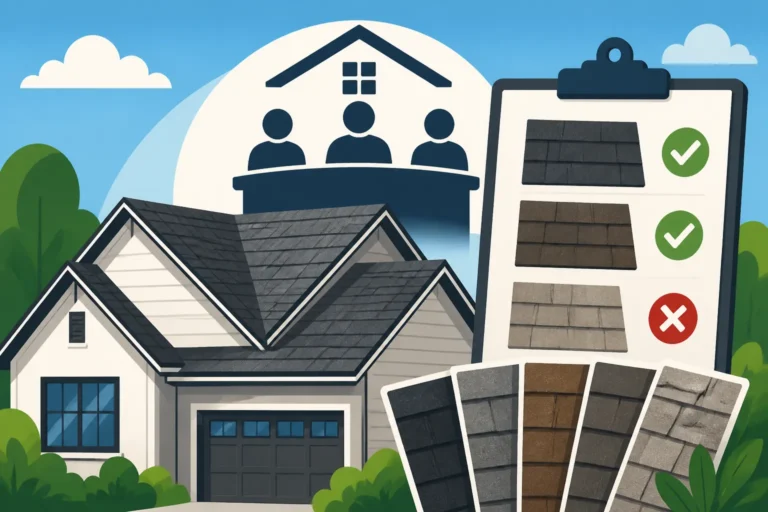
This is where the rubber meets the road. Your HOA documents will likely list specific requirements for roofing materials. For asphalt roofing, this often means architectural shingles are mandated over 3-tab shingles for their more robust appearance and durability. There might be a pre-approved list of colors or even a specific color palette that you must adhere to, such as "earth tones" or "weathered wood" variants. Some HOAs might even specify a particular brand, like CertainTeed Landmark or IKO Cambridge, to ensure consistency.
It's not uncommon for HOAs in certain regions to require Class 4 impact-resistant shingles or cool-roof shingles, especially in hail-prone areas or hot climates, due to insurance benefits or energy efficiency goals. Always verify these details. If you have any doubts, reach out to your HOA management or the Architectural Review Board for clarification in writing. This way, you have a record of any guidance given.
Application and Approval Process Timelines
HOA approval processes are rarely instantaneous. They often involve submitting an application, waiting for a committee review, and then a formal notification of approval or denial. These steps can take anywhere from a few days to several weeks, depending on the HOA's meeting schedule and volume of requests. Your HOA documents should clearly outline these timelines.
Plan ahead and factor this waiting period into your overall project schedule. You don't want to hire a contractor, only to discover you can't start work for another month because your application is pending. Missing deadlines or submitting incomplete paperwork can cause significant delays, so take the time to gather all necessary information, which often includes contractor details, material specifications, and color samples.
Navigating the HOA Approval Process for Your New Roof
Once you've done your homework and understand the requirements, it's time to formally engage with your HOA. This is the stage where you present your proposed roof replacement plan and seek their official stamp of approval. Treating this as a formal, organized process will significantly increase your chances of a smooth experience.
Remember that the HOA's goal is to protect the community's interests, and a well-prepared submission demonstrates that you're also committed to maintaining those standards. Don't view them as an adversary, but as a necessary part of the process.
Submitting Your Application and Required Documentation
Most HOAs have a specific form or application that you need to fill out for exterior modifications. This form will typically ask for details about the project, the contractor, and the materials you plan to use. You'll likely need to attach several supporting documents, such as:
- Detailed Scope of Work: Provided by your roofing contractor, outlining exactly what they plan to do. This often includes information similar to what you'd find in a comprehensive roofing estimate.
- Material Specifications: Brochures or product sheets for the exact asphalt shingles you intend to install, including the manufacturer, product line, and specific color. If you are comparing specific brands, you might refer to guides like IKO vs GAF Cost Comparison for material details.
- Color Samples: Physical shingle samples or high-quality color swatches might be required, especially if your HOA has a narrow range of approved colors.
- Contractor Information: Name, license number, insurance certificates, and possibly references. The HOA wants assurance that a qualified, insured professional will be working on their property.
- Permit Information: If your city or county requires a roofing permit, the HOA might ask for proof that the contractor will pull one, or they might even require the permit number once issued. Learn more about whether you need a permit to replace a roof.
Double-check every item on their checklist before submission. An incomplete application is the quickest way to get bogged down in delays.
Dealing with Potential Delays or Denials
Even with the best preparation, you might encounter delays or, in some cases, an outright denial. Delays can happen if the ARB only meets monthly, if they need more information, or if there's a backlog of applications. If you face a delay, politely follow up with the HOA manager or ARB chair to understand the reason and provide any additional information requested promptly. Maintain a respectful tone; being confrontational rarely speeds things up.
A denial can be frustrating, especially if you felt you followed all the rules. Common reasons for denial include:
- Non-compliant materials or colors: Your chosen shingle might not match the approved list.
- Lack of detailed information: The board might feel your submission was insufficient.
- Violation of aesthetic guidelines: Your proposed change might be deemed inconsistent with the community's overall look.
If denied, request a clear, written explanation of the specific reasons. This is crucial for understanding what needs to be changed for a resubmission or appeal.
Appealing a Decision and Seeking Mediation
If your application is denied, you typically have the right to appeal the decision. The HOA documents should outline the appeal process, which might involve presenting your case directly to the ARB or even the full HOA board. During an appeal, focus on demonstrating how your proposed roof replacement does comply with the rules, or present a revised plan that addresses their concerns. Bringing samples, detailed contractor proposals, and even photographs of similar roofs in the community can be helpful.
In rare cases where an impasse is reached, and you believe the HOA is acting unfairly or outside its authority, you might consider mediation. This involves a neutral third party helping both sides reach an amicable solution. Legal action is usually a last resort, expensive, and stressful, but it's an option if all other avenues fail and you have a strong case that the HOA is violating its own rules or state law. However, most issues can be resolved through clear communication and adherence to the stated guidelines.
Selecting a Contractor and Ensuring Compliance
Once you have your HOA's approval, or at least a clear understanding of their requirements, the next crucial step is selecting the right roofing contractor. This isn't just about finding someone who can do the job; it's about finding a partner who understands and respects the additional layer of complexity that comes with an HOA community. A contractor unfamiliar with HOA rules can inadvertently cause issues, leading to fines or rework.
This stage requires careful vetting and clear communication to ensure that the contractor's work plan aligns perfectly with both your needs and the HOA's stipulations. Remember, ultimately, you are responsible for ensuring compliance. You should definitely explore resources like how to choose a roofing contractor.
Vetting Contractors for HOA Experience and Certification
When vetting potential roofers, don't just ask if they're licensed and insured (though those are non-negotiable). Specifically ask about their experience working in HOA communities. A contractor who regularly works with HOAs will be familiar with the various hoops that need jumping through – from submitting detailed proposals to adhering to specific material lists and site rules. They'll know the importance of communication and documentation.
Additionally, look for contractors who are certified by major shingle manufacturers like GAF, Owens Corning, or CertainTeed. These certifications often mean they adhere to higher installation standards and can offer enhanced warranties, which can be a huge plus for both you and your HOA. For instance, a GAF Master Elite Contractor will be intimately familiar with GAF's product lines and installation best practices. They will be more likely to correctly install specific shingle types such as GAF Timberline UHDZ Roof.
Ensuring Your Roofing Estimate Aligns with HOA Requirements
When getting quotes, provide each contractor with a copy of your HOA's written approval and any specific design guidelines or material lists. Ask them to explicitly detail in their estimate how they will comply with these rules. For example, if your HOA mandates a specific color, ensure that color is noted on the estimate. If a certain underlayment or type of flashing is required, it should be itemized.
A good contractor will carefully review these documents and tailor their proposal to meet those specifications. This means they should be able to provide samples of the approved shingle type and color, confirm adherence to specific nailing patterns if required, and generally demonstrate an understanding of your community's rules. If a contractor's estimate seems significantly cheaper than others, double-check that they haven't cut corners on HOA-mandated materials or processes. You can learn more about how to read and compare roofing estimates to ensure you're getting a thorough and compliant bid.
Communicating Contractor Details and Work Schedules to the HOA
Once you've chosen a contractor and signed a contract, inform your HOA. They will likely want the contractor's full company name, contact person, and license information. It's also crucial to communicate the projected work schedule, including start and end dates. Many HOAs have rules about working hours (e.g., no loud work before 8 AM or after 5 PM, or on weekends), vehicle parking, and material storage on communal property.
Your contractor should be aware of these rules and agree to abide by them. It's often helpful to have your contractor introduce themselves to the HOA manager or ARB contact person directly, establishing an open line of communication. This proactive approach helps prevent misunderstandings and keeps everyone on the same page.
Post-Approval and Installation Considerations with Your HOA
The paperwork is done, the contractor is hired, and now it's time for the actual roof replacement. While the heavy lifting of approval is behind you, staying vigilant during installation is still important to ensure continuous compliance with HOA rules. This phase involves managing the actual work site and preparing for final inspections.
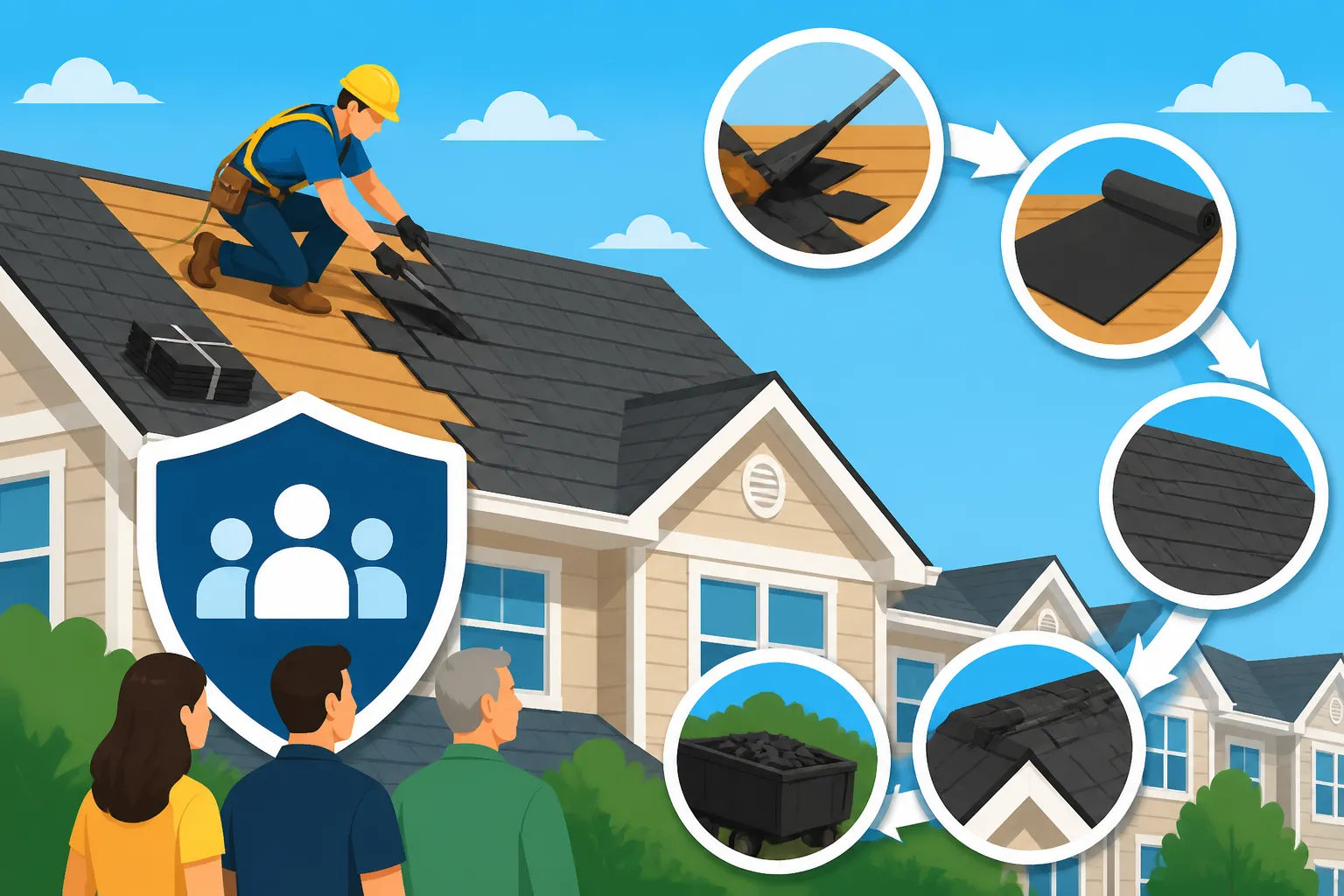
It's about minimizing disruption to neighbors and the community, and ensuring the finished product meets every expectation, both yours and the HOA's. This is also where you'll see the details of how asphalt shingles are installed step by step come to life.
Site Management, Debris, and Noise Regulations
HOAs frequently have strict regulations concerning the work site during construction. This includes where the contractor can park their vehicles and dumpsters, how materials are stored, and how debris is managed. Many communities require daily site cleanup and prohibit leaving large amounts of material or waste in common areas overnight. Dust and noise are also major concerns.
Your contractor should implement measures to contain debris and minimize noise whenever possible. They should be using tarps to protect landscaping and ensure that all discarded materials are promptly removed. Loud work, such as shingle tear-off, might be restricted to specific hours. Before work begins, confirm these specific HOA requirements with your contractor so they can factor them into their operational plan. This also relates to the cost of roof tear-off and disposal, which should be clearly outlined in your contractor's bid.
Final Inspections and Compliance Checks
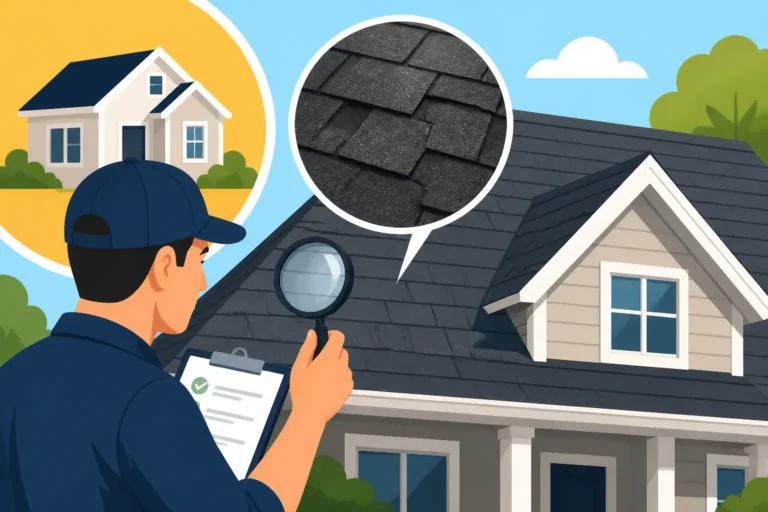
After the roof replacement is complete, don't be surprised if your HOA conducts a final inspection. This isn't just about checking the color; it's to ensure that all approved materials were used, the installation appears professionally done, and any aesthetic guidelines, like uniform shingle alignment or proper flashing installation, have been met. They may even specifically check that the installation followed the approved plan for your specific asphalt shingle roof cost by state.
In some cases, the HOA might require a copy of the final municipal permit inspection report, if one was needed for your locality. If any discrepancies or non-compliance issues are found, the HOA will typically notify you in writing, giving you a timeframe to rectify the issues. Ensure your contractor agrees to address any such feedback promptly and at no additional cost to you, as this should have been part of their commitment to HOA compliance.
Warranty Registration and Future Maintenance Agreements
Once your new roof is installed and approved, don't forget about the warranty. Most asphalt shingle manufacturers offer warranties on their products, and reputable contractors provide workmanship warranties on their installation. It's crucial to register your manufacturer warranty promptly after installation, often within a certain number of days. Many modern warranties, like those from Owens Corning, require online registration to be fully active.
Also, review your HOA documents for any specific rules regarding roof maintenance. Some HOAs may have common area roof maintenance plans that affect your individual unit if it's a shared structure. Understanding the nuances of a roofing warranty: workmanship vs manufacturer is key, especially if you plan to sell your home, as some warranties are transferable. Ensuring proper documentation helps protect your investment for the long haul.
Common Pitfalls and How to Avoid Them
Even with the best intentions, navigating an HOA roof replacement can present challenges. Being aware of common pitfalls can help you steer clear of them and ensure a smoother, less stressful experience. Many of these issues stem from a lack of communication or incomplete understanding of the rules.
Forewarned is forearmed, and proactive measures can save you considerable time, money, and frustration. This is about learning from the mistakes others have made.
Misunderstandings About Responsibility (Common Areas vs. Individual Units)
One of the most frequent sources of conflict arises from unclear lines of responsibility. In many HOA communities, particularly those with attached homes or shared structures, components like the roof might be considered "common elements" managed and funded by the HOA, or "limited common elements" where the HOA maintains, but individual homeowners might bear some cost. Conversely, in single-family communities, the roof is almost always individual responsibility.
A misunderstanding here can lead to arguments about who pays for what, who is responsible for initiating the project, and who makes the final decisions on materials and contractors. Always refer back to your CC&Rs to clarify whether your specific roof falls under individual or collective responsibility. If it's ambiguous, seek clarification from the HOA management in writing before proceeding. Knowing your financial and logistical responsibilities upfront, potentially by reviewing the asphalt roof replacement cost: complete breakdown, is paramount.
Ignoring the Approval Process or Starting Work Prematurely
This is perhaps the biggest and most costly mistake homeowners make. Getting excited about a new roof and scheduling work without first securing formal HOA approval is a recipe for disaster. The HOA has the authority to issue "stop work" orders, impose hefty fines, and even demand that non-compliant work be torn off and redone at your expense.
Imagine hiring a crew to install a beautiful new roof, only to have the HOA shut down the project because you chose a shingle color that wasn't approved. Not only would you be out the money for the work already done, but you'd also face penalties and the cost of removal and reinstallation. Always wait for a written approval from your HOA before giving your contractor the green light to start any physical work on your property. This patience will save you immense heartache and financial strain.
Choosing a Contractor Not Familiar with HOA Regulations
While a contractor might be excellent at roofing, if they lack experience with HOAs, they could inadvertently cause problems. A roofer who doesn't understand the need for specific material submissions, adherence to noise ordinances, or meticulous site cleanup can quickly put you at odds with your association. They might use a slightly different shade of shingle or fail to protect a neighbor's bushes, leading to complaints and fines directed at you.
When interviewing contractors, make sure to explicitly ask about their HOA experience. A contractor familiar with HOAs will proactively ask for the guidelines, incorporate them into their planning, and understand the importance of clear communication with both you and the association. This reduces the burden on you to constantly monitor their compliance. For additional guidance, consider questions to ask a roofing contractor before hiring to ensure they meet all your specific needs, including HOA compliance.
Disclaimer
Please remember that this guide provides general information about the HOA roof replacement process. Specific rules, regulations, and legal requirements can vary significantly based on your individual HOA documents, local building codes, and state laws. Always consult your specific HOA governing documents, local municipal building department, and a qualified legal professional if you have any questions or concerns about your specific situation. This information is not intended as legal advice.