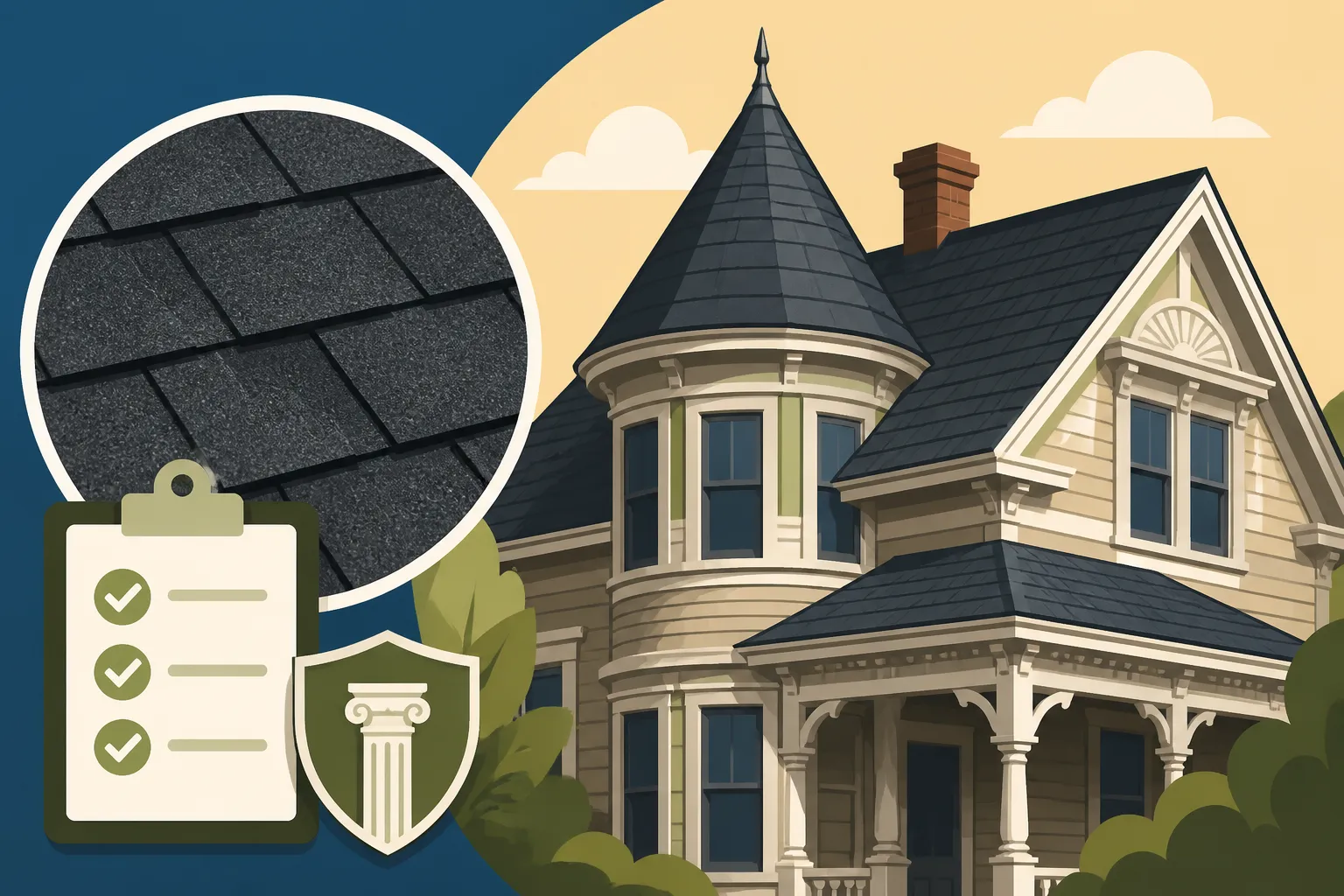
Historic Home Roofing Requirements
Replacing a roof on a historic home isn't like replacing a roof on a newer build; it’s a journey filled with unique challenges, stringent regulations, and a deep desire to preserve the architectural integrity and charm that make these homes so special. You might feel overwhelmed by the thought of modernizing while still respecting the past, especially when navigating local preservation commissions. This guide will meticulously break down what you need to know about roofing requirements for historic homes, specifically focusing on how asphalt shingles fit into this complex picture and how to get your project approved without losing your mind (or your home's character!).
Understanding What Makes a Home "Historic"
Before you even think about shingle colors or roofing contractors, it's crucial to understand why your home is considered "historic" and what that designation truly entails. It’s not just about age; it’s about architectural significance, cultural importance, and often, specific legal protections that dictate how changes can be made. Many homeowners find themselves in a bind, wanting to protect their property but feeling constrained by rules they don't fully understand.
Official Designations and Their Impact
There are several ways a home can earn a historic designation, and each comes with its own set of guidelines and review processes that will directly impact your roofing project.
- National Register of Historic Places: This is a big one. While listing a private residence on the National Register doesn't automatically impose restrictions on private property owners unless federal funding or permits are involved, it can often lead to properties being included in local historic districts. The National Register signifies a property's importance to the history of the United States. If your home is individually listed, any significant changes, particularly to the exterior, might require review if you're seeking tax credits or other federal benefits. For instance, a beautifully preserved Victorian home in Charleston, South Carolina, listed on the National Register, would likely face careful scrutiny for any exterior modifications, including roof replacement, even if local ordinances weren't in play. The emphasis is on maintaining the historical character, materials, and appearance.
- Local Historic Districts: This is where most homeowners in historic properties will encounter direct regulations. Many cities and towns establish local historic districts to protect the unique character and architectural heritage of specific neighborhoods. Examples include the French Quarter in New Orleans, Beacon Hill in Boston, or countless districts in smaller towns like Frederick, Maryland, or Savannah, Georgia. If your home is within one of these districts, a local Historic Preservation Commission (HPC) or similar body will review nearly all exterior changes, including roof repairs and replacements. This means you can't just pick any shingle off the shelf; you'll need approval for material type, color, profile, and sometimes even the method of installation. These commissions exist to ensure that renovations are "in character" with the original building and the surrounding district, preventing changes that might erode the district's historic value.
- Local Landmark Status: Some individual properties are designated as local landmarks, even if they aren't part of a larger district. This often means they possess unique architectural features, were home to a historically significant person, or played a key role in local events. Similar to district designations, local landmark status typically comes with a review board that must approve exterior modifications, including roofing work, to ensure historical authenticity is maintained.
Age Versus Historical Significance
It’s a common misconception that if your home is simply old, it’s automatically "historic" in the regulatory sense. While age is certainly a factor, historical designation usually requires more than just a few decades under its belt. A home might be 75 or 100 years old, but if it doesn't possess architectural integrity, embody a significant style, or contribute to a recognized historic area, it might not fall under the strict purview of a preservation commission.
For example, a post-war ranch home built in the 1950s, while "old" to many, might not have any specific historic designation that would restrict your choice of asphalt shingles. However, an 1890s Queen Anne Victorian in a designated historic district, even if not individually landmarked, would definitely fall under strict guidelines. The key takeaway here is to verify your home's official status before planning any major exterior projects like a roof replacement. A quick call to your local city or county planning department, or even the local historical society, can clarify your home's designation and what rules apply.
What This Means for Your Roof
For homes with official historic designations, the roof is rarely just a utilitarian covering; it’s a critical element of the building's overall historical aesthetic. The choice of roofing material, its color, texture, and even how it’s installed can profoundly impact the perception of the home and its contribution to a historic district. This often means that certain modern materials, while perfectly functional and aesthetically pleasing on contemporary homes, might be restricted. If your home was originally topped with slate, wood shake, or even terra cotta tiles, you might face significant hurdles if you want to switch to standard asphalt shingles. The goal of preservation boards is often to encourage "in-kind" replacement or, at minimum, a close visual match using approved alternatives. This is where the careful art of selecting asphalt shingles comes into play, balancing modern practicality with historical accuracy.
Navigating the Regulations and Review Boards
So, you've confirmed your home is historic, and now you know you can't just dive into a roof replacement without permission. This part of the process can feel like walking through a maze, but understanding the steps and the people involved will make it much less daunting. It often boils down to careful documentation, clear communication, and a little bit of patience.
Local Historic Preservation Commissions
These are the gatekeepers of your neighborhood's historic character. Every city or county with a historic district will have one, though they might go by different names – Historic District Review Board, Architectural Review Committee, or simply the Planning Department's historic preservation division. Their mission is to preserve, protect, and enhance the historic and architectural character of designated properties and districts. They achieve this by reviewing proposed exterior changes to ensure they are consistent with established design guidelines.
When it comes to roofing, these commissions typically have authority over:
- Material: Is the proposed material (e.g., asphalt shingles) appropriate for the style and period of the house and the district? If the original roof was slate, they might require slate, or a high-quality asphalt shingle that convincingly mimics slate.
- Color: Specific color palettes are often mandated or highly recommended to maintain the historic streetscape. You might find a restriction on bright, non-traditional colors.
- Profile/Shape: For complex roofs, maintaining the original profile, pitch, and details (like dormers, turrets, or gables) is paramount. Even the thickness and texture of the shingles can be subject to review.
- Visible Components: Elements like flashing, gutters, and downspouts, if visible, might also need to meet certain aesthetic criteria.
Think of it this way: if you live in a charming 1920s bungalow neighborhood where every roof is a deep gray or muted brown, trying to install a bright blue asphalt roof will almost certainly be denied. The commission wants to ensure that your individual project doesn't detract from the collective historic value of the area.
Design Guidelines and Material Restrictions
These guidelines are your roadmap. Most preservation commissions publish a detailed document outlining acceptable materials, design principles, and review processes. These documents are usually available online or at your local planning department. They often include sections specifically addressing roofing.
For example, the City of Alexandria, Virginia, a city rich in history, has comprehensive design guidelines that clearly state preferences for traditional materials like slate, wood shingles, and standing seam metal for historic properties. While asphalt shingles are often permitted, the guidelines typically specify that they must be architectural or dimensional in style, mimicking the appearance of natural materials like slate or wood shake. Three-tab asphalt shingles, which tend to have a flatter, less textured appearance, are often discouraged or outright prohibited in many historic districts because they don't replicate the historic roof aesthetic.
Some common material restrictions and considerations include:
- Prohibition of certain materials: Vinyl siding, bright plastic windows, and often, plain 3-tab asphalt shingles are frequently on the "do not use" list.
- Preference for natural materials: Slate, wood shake, terra cotta, and historically appropriate metals are usually preferred or required.
- Strict color palettes: Guidelines might provide a list of approved colors or general principles (e.g., "earth tones," "muted hues").
- Emphasis on texture and dimensionality: Architectural shingles are almost always preferred over flat 3-tab shingles when asphalt is allowed, because their layered, irregular appearance better simulates natural materials.
- Maintaining original features: If your home has unique historic roof features like finials, decorative ridge caps, or specific flashing styles, you'll be expected to replicate or restore them.
This process often involves preparing detailed drawings, material samples, and sometimes even historical photos of your home to show what the original roof looked like. It's a significant amount of legwork, but it's essential for a smooth approval process.
The Application and Review Process
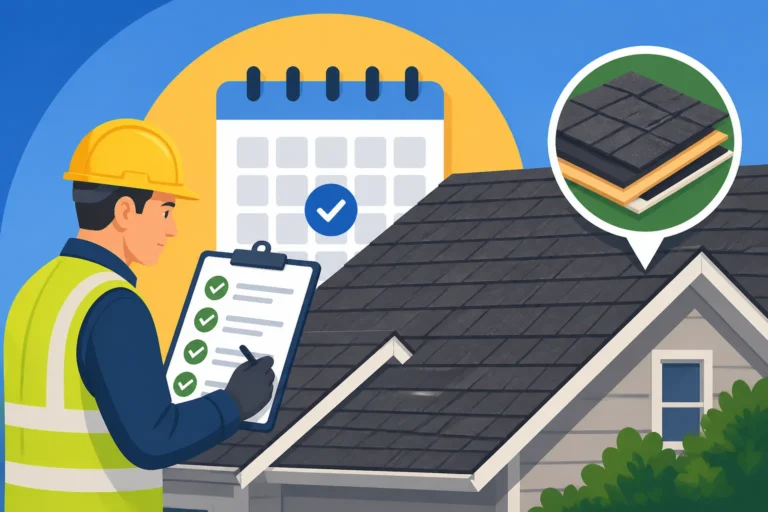
So, what does this actually look like in practice? Here's a general step-by-step:
- Initial Research: Before you even contact a contractor, familiarize yourself with your local historic district's guidelines. What are the specific rules for roofing? Are asphalt shingles allowed? What types? What colors?
- Consult with a Knowledgeable Contractor: It's incredibly helpful to work with a roofing contractor who has experience with historic properties. They'll understand the nuances of the review process and can help you select appropriate materials that are likely to get approved. They can also advise on the cost implications of using specialized materials or installation methods. You'll want to ask them questions beyond just the price per square, delving into their experience with local preservation boards. Learn more about how to choose a roofing contractor who fits your specific needs.
- Prepare Your Application: This is where you gather all your documentation. It usually includes:
- A detailed description of the proposed work (e.g., "Replace existing asphalt shingle roof with GAF Timberline HDZ architectural shingles in Charcoal color").
- Material samples (actual shingle samples are often required).
- Color swatches.
- Site plan or survey.
- Photographs of your existing roof and the home's exterior.
- Sometimes, historical photographs of your home or similar homes in the district to demonstrate historical precedent.
- Manufacturers' specifications for the proposed materials.
- Submit Your Application and Pay Fees: Applications are submitted to your local planning department or historic preservation office. There will likely be application fees.
- Review by Staff and/or Commission: A staff member will typically review your application for completeness and initial compliance. If it's a straightforward project (like an in-kind replacement with approved materials), it might be approved administratively. More complex or unusual proposals will go before the full Historic Preservation Commission at a public meeting. You might need to attend and present your project.
- Receive Your Certificate of Appropriateness (COA): This is your official approval. You cannot begin work without it. This COA is often required to pull the actual building permit for your roof replacement. Be aware that the cost of a roofing permit often varies by location and project complexity, so factor this into your overall budget.
- Obtain Necessary Building Permits: Once you have your COA, you'll then proceed to obtain the standard building permits required for any roof replacement. This process ensures the work meets current building codes for safety and structural integrity, distinct from historical aesthetic approvals. For more details, explore the process of getting roofing permits explained.
The entire process, from initial application to receiving approval, can take several weeks or even a few months, depending on the complexity of your project and the meeting schedule of the commission. This is why planning ahead is absolutely critical when dealing with a historic home.
Asphalt Shingles on Historic Homes: A Balancing Act
Now, let's get down to the nitty-gritty: can you even use asphalt shingles on a historic home? The answer is often "yes," but with significant caveats. The challenge lies in finding asphalt shingles that respect the historical aesthetic while providing the modern performance and durability you need.
When Asphalt Can Be a Good Fit
Historically, many homes were roofed with wood shake, slate, or clay tiles. However, modern asphalt shingles have come a long way, and many manufacturers offer products specifically designed to mimic these traditional materials. For properties where original materials are cost-prohibitive, difficult to source, or require significant structural reinforcement, architectural asphalt shingles can be an acceptable and attractive alternative.
- Mimicking Wood Shake: Products like GAF's Grand Sequoia or CertainTeed's Presidential Shake are designed to replicate the rugged, layered look of real wood shakes. They have deep shadow lines and varying tab widths that give them a rustic, natural appearance, making them a suitable choice for homes that originally featured wood roofing, especially in Craftsman or rustic architectural styles.
- Simulating Slate: Some premium architectural shingles, often called "designer" or "luxury" shingles, are engineered to emulate the elegant, chiseled look of natural slate. Owens Corning's Berkshire collection, for instance, offers a thick, bold tab that can provide a stately, slate-like appearance. These are often considered for homes that originally had slate roofs but where the cost or structural demands of genuine slate are too high.
- Cost-Effectiveness: Let's be honest, slate and genuine wood shake are expensive. The average roof replacement cost for these materials can be significantly higher than asphalt. Asphalt shingles offer a more budget-friendly option, making it feasible for more homeowners to maintain their historic properties without financial ruin. To understand the broader costs, refer to our guide on how much does an asphalt shingle roof cost.
- Maintenance: Asphalt shingles typically require less maintenance than wood shakes, which can rot or warp, or slate, which can chip and break. This translates to lower long-term upkeep costs, which is a major plus for any homeowner, especially those managing an older property.
It's vital to remember that not all asphalt shingles are created equal when it comes to historic aesthetics. Most preservation boards will quickly reject standard 3-tab shingles, as their flat, uniform appearance doesn't typically align with historical authenticity. The deeper, more textured look of architectural shingles is almost always the minimum requirement. You can dive deeper into the differences by reading our comparison of 3-tab vs architectural shingles explained.
Matching Aesthetics and Performance
This is the tightrope walk of roofing a historic home with asphalt shingles. You need a shingle that satisfies the aesthetic demands of the preservation board and provides robust protection against the elements for decades to come.
- Visual Authenticity: Your primary goal will be to select an asphalt shingle that closely matches the texture, profile, and color of the original or historically appropriate roofing material. This often means choosing architectural or designer shingles with strong shadow lines, varied granule patterns, and a multi-dimensional appearance. Color selection is critical; typically, muted, earthy tones—grays, browns, deep greens—are preferred, as they mimic natural materials and fit historical palettes. Avoid anything too vibrant or contemporary.
- Durability and Longevity: While aesthetics are paramount for approval, you also need a roof that lasts. Modern architectural asphalt shingles are incredibly durable, offering excellent wind resistance and often carrying lengthy warranties. When considering options, look for shingles with high wind ratings and impact resistance, especially if you live in an area prone to severe weather. This also applies to the underlying components. For example, understanding how synthetic vs felt underlayment cost compares can help you make an informed decision about the foundation of your new roof, balancing historical concerns with modern performance.
- Manufacturer Certifications: Choosing shingles from reputable brands like GAF, Owens Corning, or CertainTeed, particularly their architectural or luxury lines, can increase your chances of approval. These manufacturers often have historical color palettes and styles that are more likely to pass muster with preservation commissions. Furthermore, many of these brands offer advanced warranties that require installation by manufacturer-certified contractors, which adds an extra layer of quality assurance.
Ultimately, the best asphalt shingle will be one that the local historic preservation commission approves because it looks authentic, and one that gives you peace of mind knowing your historic home is well-protected for years to come. It’s a delicate balance that often requires compromise and a willingness to explore different options.
The Importance of Expert Installation
Even if you choose the perfect historically appropriate asphalt shingle, a poor installation can not only jeopardize your home's integrity but also void warranties and lead to costly issues down the line. For a historic home, the stakes are even higher.
- Understanding Historic Structures: An experienced contractor understands that historic homes aren't always perfectly plumb or square. They know how to work with older roof decking (which might need replacement or reinforcement, adding to your roof decking replacement cost), navigate existing architectural details, and ensure proper flashing around old chimneys or dormers, which can be particularly tricky.
- Adherence to Guidelines: A contractor familiar with historic preservation guidelines can help ensure the installation itself meets requirements. This might include specific nailing patterns, flashing materials, or even how the shingles are cut and aligned to maintain a historically accurate look.
- Permit Compliance: Reputable contractors will be accustomed to the permitting process, including obtaining a Certificate of Appropriateness (COA) from the historic preservation commission and pulling the necessary building permits. They understand that special inspections might be required due to the historic designation. For a full rundown of what happens during a roof replacement, check out our guide on how a roof replacement works: the full process.
- Protecting Your Property: Working on an older home requires extra care. An expert installer will take precautions to protect landscaping, fragile exterior elements, and interior finishes during the tear-off and installation process. They understand the value of an old home and treat it with respect.
When interviewing contractors, don't hesitate to ask for references from other historic home owners they've worked with. Ask to see photos of past projects on historic properties. Their experience and attention to detail can make all the difference in a successful, compliant, and beautiful historic roof replacement.
Common Challenges and Solutions for Historic Roof Projects
Working on a historic home, especially its roof, comes with its own set of hurdles that go beyond typical roofing jobs. Being prepared for these challenges can save you time, money, and a lot of headaches.
Material Sourcing and Replication
One of the biggest frustrations for historic homeowners is the challenge of finding materials that are both historically accurate and readily available. If your home originally had a unique type of clay tile from a specific European region, or a rare pattern of wood shake, finding an exact match for repairs or full replacement can be nearly impossible, or astronomically expensive.
- The "In-Kind" Dilemma: Preservation commissions often prefer "in-kind" replacement, meaning replacing materials with exactly the same type. While ideal for historical authenticity, this isn't always practical or feasible for an asphalt roof that needs replacing.
- Approved Alternatives: This is where the flexibility of modern asphalt shingles can be a lifesaver. Instead of a direct match, you'll work to find an approved alternative that convincingly replicates the look, texture, and color of the original material. As discussed, premium architectural shingles are often the best bet here. For instance, if your historic home originally had slate, instead of tracking down prohibitively expensive new slate, you might get approval for a high-quality asphalt shingle that mimics a slate roof, like CertainTeed's Grand Manor or Owens Corning's Berkshire. These simulate the dimensionality and color variations of natural slate much better than a standard shingle.
- Custom Fabrication: In some rare cases, for very specific details like custom copper flashing or intricate ridge caps, you might need to find artisans or specialized fabricators who can replicate these elements. This will add significantly to the overall project cost and timeline.
The key is to proactively work with your contractor and the preservation commission to explore acceptable alternatives early in the planning process. Having samples of various asphalt shingles that closely match the historic aesthetic can really help your case.
Structural Considerations and Age of the Home
Old homes often have old bones. The roof structure and decking of a historic home might not be designed to modern standards, or they could have deteriorated over time.
- Original Roof Decking: Many historic homes feature skip sheathing (widely spaced boards) or plank decking, rather than modern plywood or OSB sheets. While these older deckings were perfectly adequate for original wood shakes or slate, they often aren't a suitable, continuous surface for asphalt shingles. Asphalt shingles require a solid, continuous deck for proper nailing, sealing, and warranty validity. This often means that during a roof tear-off, the existing decking will need to be upgraded or replaced with plywood or OSB, adding an unexpected cost to your project. This is a common requirement to ensure the new roof functions correctly and adheres to modern building codes.
- Load-Bearing Capacity: If your original roof was a lightweight material like wood shake and you're considering a heavy material like real slate (or even some very heavy luxury asphalt shingles), you might need a structural engineer to assess whether your home's framing can bear the increased weight. Most architectural asphalt shingles are comparable in weight to typical 3-tab shingles, so this is less often an issue unless you're making a dramatic material change.
- Hidden Damage: Older roofs can hide a multitude of sins. During the tear-off, it's not uncommon to discover rot, insect damage, or structural issues in the rafters or sheathing. This requires immediate attention and can lead to unexpected expenses and delays. An experienced contractor will be prepared for these possibilities and communicate them clearly. Understanding the parts of an asphalt shingle roof, including the deck, can help you grasp the importance of these structural elements.
Always factor in a contingency budget for potential structural repairs when planning a historic roof project. It’s better to be pleasantly surprised than caught off guard.
Budgeting for the Unexpected
Historic projects almost always cost more than standard projects. This isn't just about the permit fees or the specialized materials; it’s about the extra time, care, and expertise required. Many homeowners are shocked to learn about the hidden costs in a roof replacement, and this is especially true for historic properties.
Here's why budgeting carefully is crucial:
- Higher Labor Costs: Working on historic homes is more labor-intensive. Contractors need to be more careful during tear-off to avoid damaging fragile architectural elements. Installation can be more complex due to irregular surfaces, custom flashing, or specific aesthetic requirements. Plus, the extra time spent on applications, meetings with preservation boards, and sourcing specialized materials all contribute to higher labor rates. The regional labor rates for roofing can vary significantly, so research what’s typical in your area for specialized historic work.
- Specialized Materials: As discussed, approved asphalt shingles for historic homes are usually higher-end architectural or designer shingles, which cost more than basic 3-tab shingles. If you do need to replicate original materials like slate or custom metalwork, those costs skyrocket.
- Contingency Fund: For any historic renovation, it's wise to budget an extra 15-25% as a contingency fund. This covers unforeseen issues like discovering rotted wood, unexpected structural repairs, or additional requirements from the preservation commission. It's a lifesaver when those surprises inevitably pop up.
- Permit and Application Fees: Beyond the standard building permit fees (which can also vary, as explored in the article roofing permit cost and process), you'll also have fees for your Certificate of Appropriateness application and potentially other administrative costs related to the historic review process.
- Financing Options: If the costs feel overwhelming, don't despair. There are often roof financing options explained that can help spread the expense over time. Some states or federal programs even offer grants or tax credits for historic preservation work, so it's worth researching these opportunities in your area.
| Aspect of Roofing | Standard Home Roofing | Historic Home Roofing |
|---|---|---|
| Material Choice | Wide range of asphalt shingles, metal, etc. | Restricted to historically appropriate materials (e.g., architectural asphalt mimicking slate/shake), often requiring approval. |
| Aesthetic Rules | Primarily personal preference, some HOA rules. | Strict design guidelines from local Historic Preservation Commissions (HPCs) on material type, color, profile. |
| Approval Process | Building permit only, typically straightforward. | Requires a Certificate of Appropriateness (COA) from HPC before building permit. Lengthy review. |
| Labor Skill | General roofing experience. | Specialized knowledge of historic construction, meticulous care, understanding of preservation principles. |
| Decking Issues | Usually modern plywood/OSB, simple replacement. | Often older skip sheathing/planks requiring upgrade to continuous surface for asphalt. |
| Hidden Damage | Possible, but less common structural surprises. | Higher likelihood of discovering significant rot, structural issues, requiring unforeseen repairs. |
| Cost Factors | Material cost, labor, basic permit fees. | Higher material cost (premium asphalt), specialized labor, COA fees, greater contingency for surprises. |
| Timeline | Typically 1-3 weeks. | 1-3 months (or more) for planning, approval, and installation. |
Successfully roofing a historic home with asphalt shingles is entirely possible, but it demands a different approach. It requires respect for the past, an understanding of the regulatory landscape, careful material selection, and, most importantly, a team of professionals who appreciate the unique value of historic properties.
Disclaimer
The information provided in this article is for general informational purposes only and does not constitute professional advice. Roofing requirements, building codes, and historic preservation guidelines can vary significantly by location and change over time. Always consult with a qualified local roofing contractor, your local historic preservation commission, and relevant municipal authorities to understand the specific requirements and regulations applicable to your historic home and proposed roofing project.