High-Wind Roofing Codes in Florida
Living in Florida, you're no stranger to the incredible power of a tropical storm or hurricane. The anxiety that washes over you as a storm tracks towards the coast, wondering if your home, and especially your roof, will withstand the assault, is a feeling many Floridians know all too well. It’s this very real, very intense experience that has shaped Florida's stringent high-wind roofing codes. This guide is here to walk you through exactly what those codes mean for your asphalt roof, why they're so crucial, and what to expect when it's time to protect your home.
The Harsh Reality of Florida's Roofing Codes: Why They Exist
Florida's geography makes it uniquely vulnerable to some of the most powerful weather events on the planet. From the Panhandle down to the Keys, every homeowner lives with the understanding that a major storm could be just around the corner. This isn't just a matter of inconvenience; it's a matter of safety and property preservation.
A History of Storms and Disaster
You don't have to live here long to hear stories about past hurricanes that reshaped communities and building practices. Think back to Hurricane Andrew in 1992, which devastated South Florida, or more recently, Hurricane Michael in 2018, which obliterated parts of the Panhandle, particularly around cities like Panama City and Mexico Beach. Even Hurricane Ian in 2022 left an unforgettable scar across Southwest Florida, from Fort Myers to Port Charlotte. These events weren't just about heavy rain; they were about catastrophic wind speeds that literally tore homes apart, often starting with the roof.
The scale of destruction from these storms forced a fundamental reevaluation of construction standards. Before Andrew, Florida's building codes were a patchwork, often varying significantly from county to county. After witnessing entire neighborhoods flattened, it became abundantly clear that a unified, robust standard was desperately needed. The lessons learned from each subsequent major storm, whether it was Charley, Wilma, Irma, or Michael, have consistently pushed for stronger, more resilient structures, with the roof always being the first line of defense. It's a sobering history that underpins every line of code regarding high-wind resistance.
The Florida Building Code FBC and Its Purpose
Enter the Florida Building Code (FBC). Established in 2001, the FBC is a statewide code designed to create a uniform standard for construction across Florida's 67 counties. While national building codes exist, the FBC goes above and beyond, specifically addressing the unique challenges posed by Florida's climate, with a heavy emphasis on hurricane preparedness. It's not just a suggestion; it's the law, ensuring that every new construction or major renovation meets a minimum standard of safety against wind, rain, and other environmental factors.
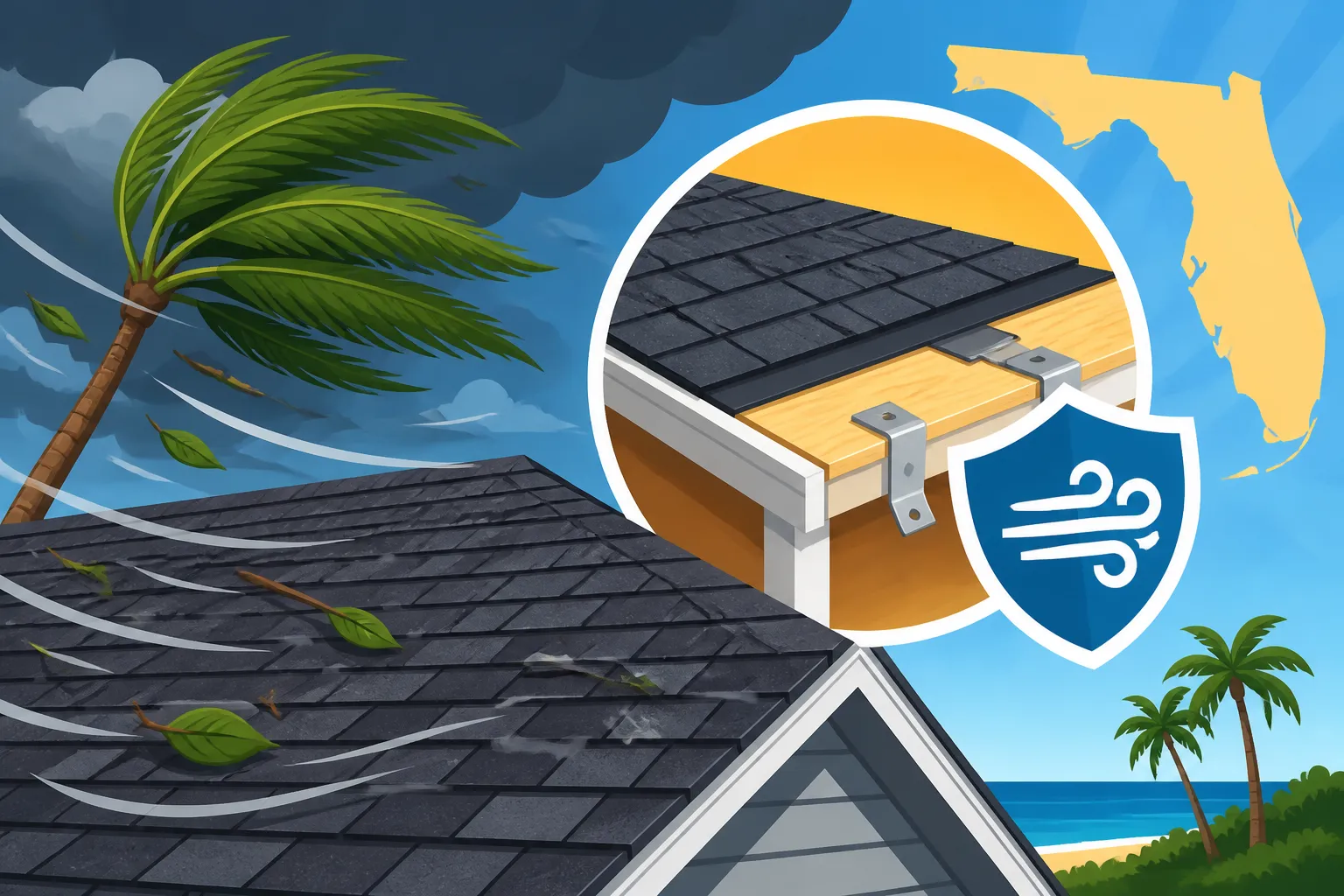
For roofing, the FBC’s primary purpose is singular: to ensure your roof can withstand the incredible forces of a hurricane. This means prescribing specific materials, installation techniques, and fastening methods that far exceed what might be acceptable in, say, Nebraska. The code aims to prevent wind uplift, where strong winds can literally peel shingles and decking right off your home, leaving it exposed to water intrusion and catastrophic structural damage. It's about minimizing property loss, speeding up recovery efforts, and, most importantly, protecting the lives of residents during and after a storm. Without these stringent codes, the aftermath of every hurricane would be far more devastating.
Key High-Wind Roofing Code Requirements in Florida
Navigating Florida’s high-wind roofing codes can feel like deciphering a complex legal document, but at its heart, it’s all about creating a robust, unified system that works together to resist extreme weather. It’s not just one component; it’s the entire assembly working in concert.
Wind Speed Zones and Design Pressures
One of the most critical aspects of Florida's building code, especially for roofing, is the division of the state into different wind speed zones. The strictest of these are the High-Velocity Hurricane Zones (HVHZ), which primarily include Miami-Dade and Broward counties. These areas are statistically more likely to experience the most intense hurricane-force winds, and as such, they have the most stringent requirements. Outside of the HVHZ, other areas are categorized by basic wind speed requirements, which generally increase as you get closer to the coast or in historically storm-prone regions.
These wind speed zones dictate the "design pressures" that your roofing system must be able to withstand. For example, in HVHZ areas, a roof might need to be designed to resist winds up to 180 mph (though typical residential shingle ratings might range from 130-150 mph for a standard installation). In other parts of Florida, like central or northern regions, the minimum required wind resistance might be slightly lower, perhaps 120-140 mph. It’s not a one-size-fits-all approach; the code tailors its requirements to the specific risks of your location. Your contractor will know exactly what the local wind load requirements are for your specific address, as these factors significantly influence material choice and installation methods. You'll often see these requirements specified in detail on your roofing permit and inspection documents.
Enhanced Nailing Schedules and Fastening
When it comes to asphalt shingles, the difference between a standard installation and a high-wind compliant one often boils down to how many nails are used and where they're placed. In many parts of the country, four nails per shingle is standard. However, in Florida's high-wind zones, especially the HVHZ, it’s common to require six nails per shingle, often placed in a specific pattern within the shingle's common bond area. This isn't just about using more nails; it's about strategic placement to maximize the shingle's resistance to uplift and blow-off.
Beyond the shingles themselves, the code also addresses the fastening of other crucial components. The Drip Edge: What It Does, for instance, which is the metal flashing installed along the eaves and rake edges, must be properly fastened to prevent wind from getting underneath and prying up the roof edge. Similarly, the underlayment, which is the layer beneath the shingles, also has specific fastening requirements to ensure it stays in place even if some shingles are lost during a storm. This meticulous attention to fastening every layer is a cornerstone of High-Wind Nailing Explained and why Florida roofs can stand up to such immense forces.
Underlayment and Flashing Standards for Wind Resistance
The underlayment beneath your shingles is often called the "secondary water barrier," and in Florida, its role in wind resistance is just as critical as its ability to shed water. The FBC specifies certain types of underlayment, often requiring self-adhering (peel-and-stick) membranes in vulnerable areas like the eaves, rake edges, and valleys. For instance, in HVHZ, a full self-adhering underlayment or a combination of mechanically fastened synthetic underlayment and self-adhering perimeter is often mandated to create a more robust seal against wind-driven rain and uplift.
Traditional felt paper is still used in some areas, but even then, it usually needs to meet specific ASTM standards for tear strength and water resistance and be more aggressively fastened than in other states. The goal is to ensure that even if some shingles are torn off during a hurricane, the underlayment provides a temporary, yet effective, barrier against water intrusion until repairs can be made. Beyond underlayment, proper roof flashing around chimneys, skylights, and vent pipes is absolutely non-negotiable. These are often weak points where wind can find a purchase or water can seep in, so the codes dictate specific methods for sealing and fastening these critical transitions to the roof deck, reinforcing their resistance against wind and rain.
Materials and Installation: Meeting Florida's Demands
Meeting Florida's rigorous high-wind roofing codes isn't just about understanding the rules; it's about selecting the right materials and, perhaps even more importantly, ensuring they are installed with unwavering precision.
Choosing Wind-Resistant Shingles
When you're looking at asphalt shingles for a Florida home, you need to think beyond just color and aesthetics. The true hero here is the shingle's wind resistance rating. Many premium architectural shingles, like those from GAF, Owens Corning, or CertainTeed, are specifically engineered to meet or exceed Florida's high-wind standards. For example, shingles like GAF Timberline HDZ or Owens Corning Duration often boast wind ratings up to 130 mph, and when installed with a manufacturer's specified "enhanced nailing" method, some can even qualify for warranties up to 150 mph. These aren't just marketing claims; they're backed by rigorous testing.
These shingles achieve their superior wind resistance through several features: a heavier weight, a robust shingle construction, and often, a reinforced nailing zone, which is a wider, stronger area on the shingle designed to hold nails more securely. This reinforced zone is crucial for preventing the shingle from tearing at the nail points during high winds. Always look for shingles that specifically mention compliance with the Florida Building Code, especially if you're in an HVHZ region. Investing in a good quality, high-wind-rated shingle is a foundational step in building a resilient roof. You might also consider options like Impact-Resistant Shingle Cost shingles, which offer added durability against hail, a common occurrence during severe Florida thunderstorms, complementing their wind resistance.
The Importance of a Certified Roofing Contractor
You could have the best, most wind-resistant shingles on the market, but if they're installed incorrectly, they might as well be glued down with spit. This is why How to Choose a Roofing Contractor in Florida, particularly one familiar with local high-wind codes, is absolutely non-negotiable. A qualified contractor understands the nuances of the FBC, from the specific nailing patterns for your wind zone to the proper application of underlayment and flashing details. They know that a single missed nail or an improperly sealed edge can compromise the entire roofing system during a storm.
Many manufacturers, such as GAF, Owens Corning, and CertainTeed, offer certification programs for contractors (like GAF Master Elite, Owens Corning Platinum Preferred, or CertainTeed SELECT ShingleMaster). These certifications often mean the contractor has received specialized training in installing their products to exacting standards, which typically include high-wind best practices. Hiring a manufacturer-certified contractor often allows you to qualify for enhanced warranties, which can provide extended coverage for wind damage, giving you extra peace of mind. Always ask for proof of their licensing, insurance, and specific experience with high-wind compliant roofing installations in your area. You can even check their Roofing Contractor License Requirements by State to ensure they are fully legitimate.
Permitting and Inspections for High-Wind Compliance
For nearly any roof replacement or significant repair in Florida, you absolutely need a permit. This isn't just bureaucratic red tape; it's a vital step in ensuring your roof meets the FBC's high-wind requirements. When your contractor pulls the permit, it signals to the local building department that work is commencing, and it triggers a series of mandatory inspections. To learn more about this process, you can read our guide on Roofing Permits Explained.
During these inspections, a building official will meticulously check various stages of your roof installation, paying close attention to components designed for wind resistance. They'll verify the type and fastening of the underlayment before shingles go down, ensure the correct nailing pattern and number of nails per shingle are used, and confirm that all flashing and drip edge components are installed to code. They're looking for strict adherence to the FBC and approved plans. If the work doesn't pass inspection, the contractor will have to correct the deficiencies before work can proceed or be approved. Skipping a permit might save a few dollars upfront, but it can lead to massive headaches later, including fines, difficulty selling your home, and potentially voiding your homeowners insurance if your roof isn't up to code after a storm.
Beyond the Codes: Long-Term Wind Protection and Value
While meeting the Florida Building Code is the absolute minimum standard, many homeowners choose to go above and beyond, not just for enhanced protection but also for the long-term value and peace of mind it brings.
Enhancing Your Roof's Resilience
Even within the FBC's framework, there are opportunities to make your roof even more resilient against Florida's unpredictable weather. One popular upgrade is opting for Class 4 impact-resistant shingles. While the primary purpose of these shingles is to withstand hail, their robust construction also contributes to superior wind resistance compared to standard architectural shingles. Many insurance companies in hail-prone regions of Florida offer discounts for homes with Class 4 rated roofs, making them a wise investment.
Another enhancement involves the underlayment. While the code might require self-adhering membrane only at the eaves and rake in some areas, many homeowners choose to install a full layer of peel-and-stick underlayment across the entire roof deck. This creates an incredibly strong secondary water barrier that offers maximum protection against wind-driven rain, even if a significant portion of your shingles is lost. Considering that a well-installed asphalt roof can last for decades, as detailed in How Long an Asphalt Roof Lasts, these upgrades contribute significantly to your home's enduring protection and structural integrity, especially when you consider the Roofing Cost in Hurricane Zones.
Maintaining Your High-Wind Rated Roof
Even the toughest, most code-compliant roof needs a little love and attention to ensure it performs optimally year after year. Regular inspections are critical, especially after any significant weather event, even if it wasn't a direct hit from a hurricane. A professional roof inspection can spot early signs of wear, loose shingles, or compromised flashing before they turn into major problems during the next high-wind event. Catching and addressing these issues promptly can prevent small repairs from escalating into costly damage.
Homeowners can also do their part by keeping gutters clean, trimming overhanging tree branches that could fall during high winds, and simply taking a look at their roof from the ground with binoculars after every strong storm. What you're looking for are any missing, lifted, or visibly damaged shingles, particularly along the edges and ridges, as these are often the first areas to show wind damage. If you spot anything concerning, don't delay in calling a professional roofer. Proactive maintenance is key to maximizing the lifespan of your roof and ensuring it’s always ready to face Florida’s challenging climate. Overlooking these small details could even inadvertently cause you to What Voids a Shingle Warranty without realizing it.
Remember, the goal isn't just to pass inspection, but to create a long-lasting, durable barrier that truly protects your family and your biggest investment from the harshest weather Mother Nature can throw at it.
| Feature / Area | Standard Nailing (Typical) | High-Wind Nailing (Florida FBC Example) |
|---|---|---|
| Nails Per Shingle | 4 nails | 6 nails (minimum in many areas) |
| Nail Placement | In common bond area | Specific pattern in reinforced zone |
| Underlayment Fastening | Cap nails, staples, limited spacing | Aggressive fastening (shingles or caps), often self-adhering membrane required |
| Drip Edge Fastening | Nailing at 12-16" on center | Nailing at 4" to 12" on center (HVHZ often stricter) |
| Shingle Wind Rating | 60-90 mph (standard) | 130-150 mph (common requirement) |
| Perimeter Protection | Basic underlayment overlap | Self-adhering membrane on eaves/rakes |
| Inspections | May be less frequent/detailed | Multiple, stringent inspections required |
Disclaimer
Please remember that building codes, including roofing regulations, are subject to change. This information is intended for general guidance and informational purposes only, and does not constitute professional advice. Always consult with a licensed, reputable roofing contractor and your local building department to ensure compliance with the most current Florida Building Code requirements for your specific location and project.