Impact-Resistant Roofing Requirements in Minnesota
Few things are as frustrating for a Minnesota homeowner as seeing a beautiful, clear sky turn into a relentless hailstorm, knowing the potential damage to your roof could mean significant repair costs and endless headaches. Dealing with shattered shingles, persistent leaks, and the stress of navigating insurance claims after every severe weather event is a burden many of us know all too well. This guide will delve into impact-resistant roofing, explaining why it's such a valuable investment in our state, how it's tested, and what you need to know about its benefits and implications for your home in Minnesota.
The Reality of Storm Damage in Minnesota
Living in Minnesota means being prepared for all four seasons, and unfortunately, that often includes some truly intense weather events. From blistering summers to frigid winters, our homes face a constant barrage, but perhaps nothing is as destructive to a roof as a severe thunderstorm, particularly those bringing large hail.
Hail Alley and Climate Challenges
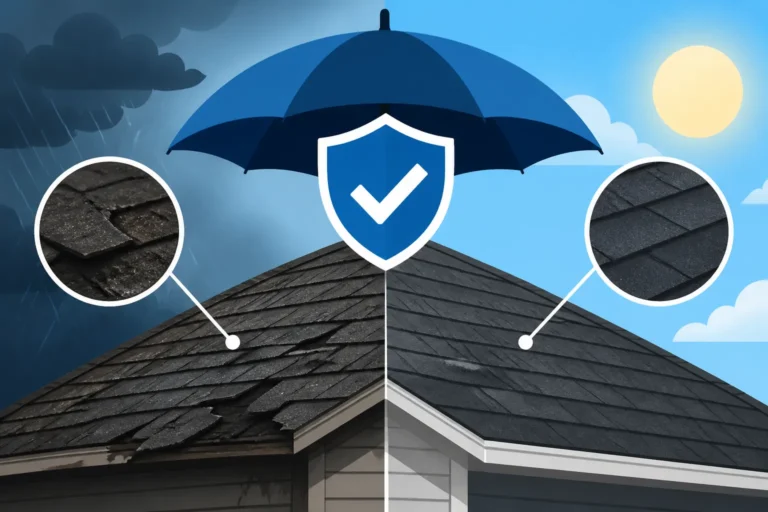
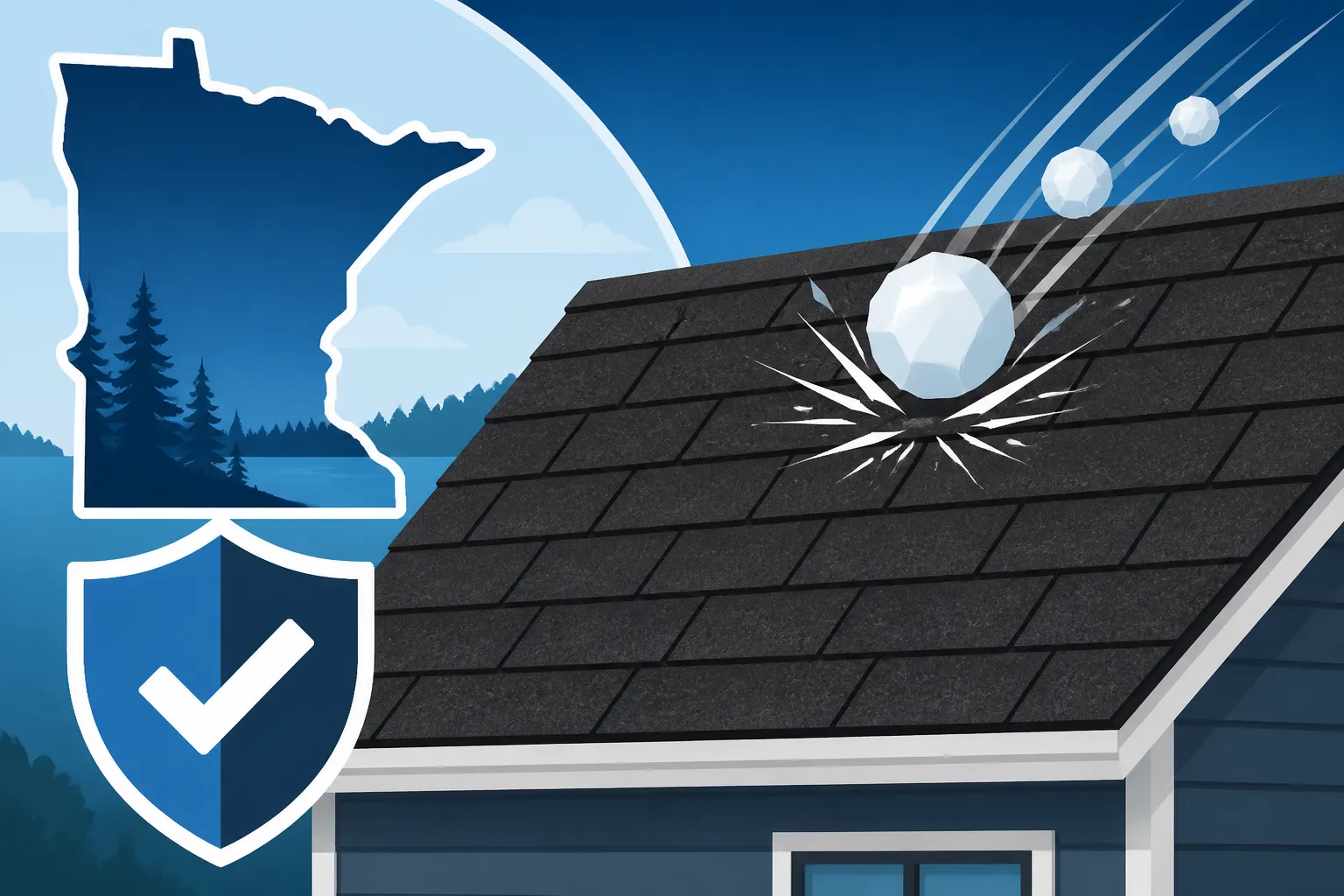
Minnesota sits squarely in what's sometimes affectionately (or un-affectionately) referred to as "Hail Alley." Year after year, areas across the state, from the Twin Cities metro to communities like St. Cloud, Rochester, and Brainerd, experience hailstones ranging from pea-sized pellets to golf ball or even baseball-sized chunks of ice. These aren't just minor inconveniences; they can be incredibly destructive. A roof designed for less aggressive climates simply isn't equipped to handle repeated impacts from hail traveling at high velocities, coupled with the strong winds that often accompany these storms. The immediate aftermath is usually visible granule loss, bruised shingles, and even punctures, which compromise your roof's ability to shed water and protect your home.
The emotional and financial toll of frequent roof damage is substantial. Imagine having your roof replaced only to have another major hailstorm hit a year or two later, forcing you to go through the entire messy process again. It's not just the out-of-pocket deductibles and increased insurance premiums; it's the disruption, the noise of construction, the worry about interior leaks, and the constant battle with insurance adjusters. Homeowners are desperate for a more permanent solution, something that can stand up to Minnesota's unpredictable and often violent weather patterns. Understanding Signs You Need a New Roof can become a recurring theme for those without adequate protection.
Insurance Implications for Storm-Prone Areas
Given the prevalence of severe weather, insurance companies in Minnesota are acutely aware of roof vulnerability. They often categorize properties based on their risk of hail and wind damage, and this can directly affect your premiums and even your ability to secure comprehensive coverage. If your home has an older roof or a roof made of standard materials, you might find your insurance rates creeping up, or your deductible for wind and hail damage increasing.
The constant cycle of claims for storm damage also puts a strain on the insurance industry, leading them to encourage, and often incentivize, homeowners to upgrade to more resilient materials. For many insurers, a Class 4 impact-resistant roof isn't just a suggestion; it's a strategic investment that reduces their long-term payout risk. This means they're often willing to pass some of those savings on to you in the form of lower premiums or reduced deductibles. Failing to upgrade can sometimes put homeowners in a tough spot when trying to secure new policies or renew existing ones, especially if their area has seen multiple significant storm events in recent years. It's a pragmatic approach to mitigating risk for both the homeowner and the insurer.
Understanding Impact-Resistant Shingles Class 4
When we talk about impact-resistant shingles, we're really talking about a specific classification that indicates their ability to withstand damage from hail and other falling debris. This isn't just a marketing term; it's backed by rigorous testing.
What Makes a Shingle Impact-Resistant
The gold standard for impact resistance in roofing is the UL 2218 test, which assigns a "Class" rating from 1 to 4. Class 4 is the highest rating, signifying the strongest resistance. During this test, a 2-inch steel ball (weighing roughly 1.18 pounds) is dropped from a height of 20 feet onto different spots on the shingle. To achieve a Class 4 rating, the shingle must withstand two impacts in the same spot, followed by two impacts in four other spots, all without any evidence of cracking or tearing on the underside of the shingle. This simulates the kind of force exerted by large hailstones during a severe storm. It's a much more demanding test than you might imagine, specifically designed to weed out less durable products.
What makes these shingles so tough? Manufacturers achieve this superior resistance through various innovations. Many Class 4 shingles incorporate a polymer-modified asphalt blend that gives them increased flexibility and elasticity, allowing them to absorb impacts rather than crack. Think of it like a rubber band versus a brittle piece of plastic; the rubber band can stretch and rebound. Others feature a reinforced mat, often made with a stronger fiberglass base or embedded with a specialized mesh layer that distributes the impact force more effectively across the shingle. These structural enhancements are what allow them to pass the stringent UL 2218 test and provide a superior level of protection that standard asphalt shingles simply can't match.
The Benefits Beyond Just Hail Protection
While their primary claim to fame is hail resistance, Class 4 impact-resistant shingles offer a suite of other benefits that make them a smart choice, especially in a state like Minnesota. Their inherent durability translates into a longer overall lifespan for your roof. Fewer repairs mean less disruption to your life and less money spent on maintenance over the years. This extended longevity means your roof maintains its aesthetic appeal for longer, resisting premature aging, granule loss, and ugly storm-related damage.
Beyond durability, many Class 4 shingles also come with enhanced wind resistance ratings, often meeting or exceeding stringent codes for high-wind areas, which is another common threat in Minnesota. Some even offer reflective properties that can help reduce heat absorption in the summer, potentially leading to lower cooling costs and making them a type of Cool-Roof Shingle Cost consideration, even if their primary purpose isn't energy efficiency. The long-term savings from reduced repairs, coupled with potential insurance premium reductions, often offset the initial higher cost, making them a wise financial decision for many homeowners. They offer peace of mind, knowing your home is better protected against Mother Nature's fury.
Specific Requirements and Recommendations in Minnesota
When considering impact-resistant roofing for your home in Minnesota, it's natural to wonder if these materials are mandated. The answer is a bit nuanced, but generally, while they aren't universally required by law, they are highly recommended and often incentivized.
Minnesota Building Codes and Impact Resistance
As of right now, statewide building codes in Minnesota do not typically mandate the use of Class 4 impact-resistant shingles for all residential construction or roof replacements. Most areas follow the International Residential Code (IRC), which outlines minimum standards for roofing materials and installation, but usually doesn't specifically require Class 4 unless there are unique local amendments or overlays. However, this situation can vary significantly depending on your specific municipality or county. Some cities, particularly those that have been hit repeatedly by severe hailstorms, might have local ordinances or specific recommendations that strongly encourage or even require a higher standard of roofing material for new construction or significant renovations.
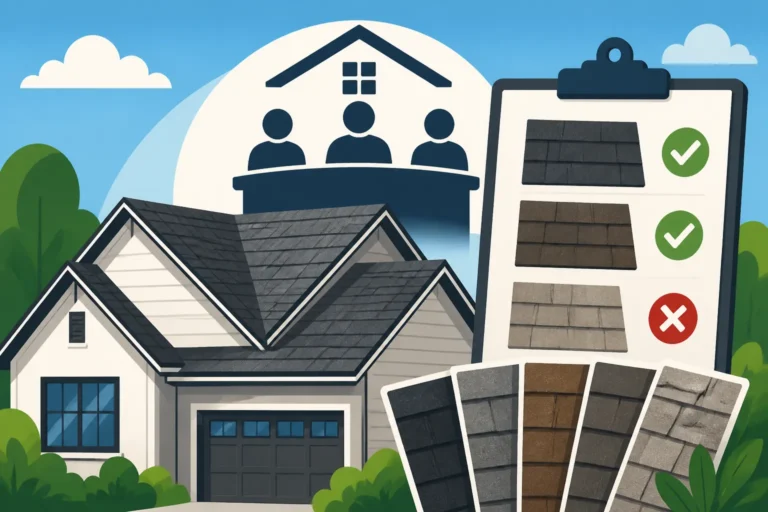
It's absolutely crucial to check with your local building department in Minneapolis, St. Paul, Duluth, or whichever city or county you reside in before starting any roofing project. They can provide the most up-to-date information on local codes, permitting requirements, and any specific material standards that might apply to your area. Additionally, if you live in a planned community or a neighborhood governed by a homeowner association (HOA), you'll need to consult their covenants and restrictions. HOAs often have rules regarding roofing material type, color, and even impact resistance. While they might not strictly require Class 4, they might have preferred material lists or aesthetic guidelines that implicitly favor more durable options. Navigating Roofing Permits Explained is an essential first step.
Insurance Incentives and Discounts for Class 4 Roofs
This is where impact-resistant roofing truly shines in Minnesota: the insurance benefits. Many major insurance carriers operating in Minnesota, recognizing the significant reduction in claims they face from Class 4 roofs, offer substantial premium discounts to homeowners who install them. These discounts can vary widely by provider and your specific policy, but it's not uncommon to see savings of 10% to 30% or even more on the wind and hail portion of your premium.
For example, companies like State Farm, Allstate, Travelers, and Farmers often highlight these savings as a key benefit for their Minnesota policyholders. Imagine the long-term savings over the 20, 30, or even 50-year lifespan of a durable roof! To find out exactly what you could save, the best course of action is to contact your insurance agent directly. Be sure to specifically ask about discounts for UL 2218 Class 4 rated shingles. They'll likely request documentation from your roofing contractor, such as an invoice or certificate, proving the installation of a certified Class 4 product. These incentives alone often make the slightly higher upfront cost of impact-resistant shingles a very worthwhile investment, effectively making the question of Do Class 4 Shingles Lower Insurance Premiums a resounding "yes" for many.
Choosing the Right Impact-Resistant Shingles for Your Minnesota Home
Selecting impact-resistant shingles isn't just about picking "Class 4" and being done with it. There's a wide range of options available, each with its own features, aesthetics, and warranty specifics.
Top Brands and Their Offerings
Several reputable manufacturers produce excellent Class 4 impact-resistant shingles, giving homeowners a solid selection. Brands like GAF, Owens Corning, CertainTeed, Malarkey, and Atlas are leaders in this space, and each brings its own innovations to the table. For instance, GAF's Timberline Armorshield II or UHDZ shingles are popular choices, known for their enhanced durability and aesthetic appeal. Owens Corning offers its Duration series with SureNail Technology, which improves both impact and wind resistance, making Owens Corning Duration Features Explained a topic worth exploring. CertainTeed's Landmark IR or Presidential Shake IR lines are highly regarded for their robust construction and wide range of colors and styles, often mimicking the look of natural wood or slate, and you might want to look into CertainTeed Landmark Pro Features Explained for more details.
Malarkey Roofing Products, in particular, has a strong reputation in hail-prone regions like Minnesota, with their Legacy and Vista lines often featuring rubberized asphalt for superior flexibility and impact absorption. Atlas Roofing's StormMaster Slate and StormMaster Shake are also excellent options, providing heavy-duty protection with attractive designs. When choosing, consider not just the Class 4 rating, but also the overall aesthetic, available colors, wind ratings, and the specific warranty offerings. Some warranties are much more comprehensive for their Class 4 products, covering materials and workmanship more extensively.
Working with a Certified Contractor
The best impact-resistant shingles in the world won't perform as expected if they're not installed correctly. This is why choosing a highly skilled and manufacturer-certified roofing contractor is paramount. Manufacturers like GAF, Owens Corning, and CertainTeed offer advanced certification programs for contractors who demonstrate expertise and commit to best installation practices. For example, a GAF Master Elite® Contractor or an Owens Corning Platinum Preferred Contractor has undergone extensive training, meets specific quality and financial standards, and can offer enhanced warranties that are not available from non-certified installers.
These certifications mean the contractor understands the nuances of installing specific Class 4 products, including proper nailing patterns, underlayment applications, and flashing techniques that are critical for maximum performance and warranty validity. An improperly installed Class 4 roof, even with the best materials, can still be vulnerable to leaks or wind damage. Don't hesitate to ask potential roofers about their certifications, their experience with impact-resistant products, and if they can provide references from previous clients who chose similar systems. A good starting point for your search is our guide on How to Choose a Roofing Contractor and understanding what Manufacturer-Certified Roofers Explained truly means for your project.
The Investment: Cost vs. Long-Term Value
Let's be real: upgrading to an impact-resistant roof is an investment. The upfront cost can be a point of hesitation for many homeowners, but it's crucial to look beyond the initial price tag and consider the long-term financial benefits.
Initial Costs and Budgeting Considerations
It's true, Class 4 impact-resistant shingles typically cost more than standard architectural shingles. On average, you can expect to pay anywhere from 10% to 30% more for the materials alone, and sometimes slightly more for installation due to their heavier weight or specific installation requirements. This means if a standard architectural shingle roof costs, for example, $15,000 for a typical Minnesota home, a Class 4 roof might range from $16,500 to $19,500 or more. This additional cost can certainly feel significant, especially when you're already budgeting for a major home improvement project.
When planning your budget, remember to factor in the entire roofing system. An impact-resistant roof is only as good as its weakest link. This includes robust underlayment, proper flashing, and effective ventilation. While focusing on the shingles, don't skimp on these essential components. Consider exploring various Roof Financing Options Explained if the upfront cost is a concern, as many roofing companies and financial institutions offer programs that can make this upgrade more manageable. Think of this as purchasing a more resilient shield for your home, one that will stand strong against the elements for decades. You can gain a better understanding of overall expenses by researching the Impact-Resistant Shingle Cost in detail.
Long-Term Savings and ROI
The real value of an impact-resistant roof becomes clear over its lifespan, especially in a region like Minnesota with frequent severe weather. The slightly higher initial investment is often recouped through significant long-term savings and a strong return on investment (ROI). First and foremost, you'll likely save money on insurance premiums, as discussed earlier. These annual savings can add up to thousands of dollars over the life of your roof, directly offsetting the higher initial cost.
Beyond insurance, you'll save on repair costs. Think about how many times you might have otherwise needed to call a contractor for minor repairs after a hail event or even a partial replacement. With a Class 4 roof, those calls become far less frequent, saving you deductibles, repair fees, and the headache of dealing with damage. The enhanced durability also means your roof will likely last longer, pushing back the date of your next full roof replacement. If a standard architectural shingle roof might last 20-30 years, an impact-resistant one could easily last 30-50 years with proper maintenance. This extended lifespan provides continuous protection and value. All these factors contribute to a positive Roof Replacement ROI Explained, making it a smart financial decision that pays dividends over time.
Installation Best Practices for Minnesota's Climate
Even with the toughest shingles, a roof's performance hinges on proper installation, especially when facing Minnesota's challenging climate extremes. It's not just about nailing shingles; it's about creating a complete, integrated system.
Proper Underlayment and Flashing
In Minnesota, where winter temperatures plummet and snow and ice are constants, the quality of your roof's underlayment and flashing is non-negotiable. An ice and water shield is absolutely critical in this region. This self-adhering membrane should be installed along the eaves, in valleys, around chimneys, skylights, and other penetrations, extending at least 24 inches past the interior wall line to protect against ice dams. Ice dams form when heat escapes from the attic, melting snow on the roof, which then refreezes at the colder eaves, creating a barrier that prevents water from draining. This trapped water can back up under shingles and cause severe leaks and damage to your home's interior. Our guide on Ice and Water Shield Explained goes into greater detail on this vital component.
Beyond ice and water shield, a high-quality synthetic underlayment covering the rest of the roof deck provides an additional layer of protection against moisture intrusion, especially if shingles are damaged or uplifted by wind. Proper flashing around all roof penetrations – such as vents, chimneys, and skylights – is equally important. These areas are notoriously vulnerable to leaks if not installed perfectly. Robust drip edge along all roof edges also helps direct water away from the fascia and prevents water from seeping underneath the roof system. Ensuring Drip Edge: What It Does is installed correctly is key.
Ventilation and Attic Health
Many homeowners overlook the critical role of proper attic ventilation, but it's absolutely essential for a healthy, long-lasting roof, particularly in Minnesota. A well-ventilated attic works year-round. In the summer, it allows hot, humid air to escape, preventing heat buildup that can prematurely age shingles and drive up cooling costs. In the winter, it's even more vital. Proper ventilation helps to maintain a consistent attic temperature that is close to the outside air temperature. This minimizes the risk of ice dam formation by preventing heat from melting snow from underneath the roof, and also prevents condensation buildup, which can lead to mold, mildew, and rotting of the roof deck and structural components.
A balanced ventilation system typically involves a combination of soffit vents (intake) and ridge vents or other exhaust vents (outtake) working in tandem. The goal is to create a continuous airflow, drawing cool, dry air in from the eaves and expelling warm, moist air at the ridge. Without adequate ventilation, even the toughest Class 4 shingles can suffer from premature degradation, and your home will be more susceptible to ice dams and moisture-related issues. Understanding How Roof Ventilation Works is crucial for protecting your overall roofing investment and ensuring the longevity of your impact-resistant shingles.
Comparing Standard Architectural vs. Class 4 Impact-Resistant Shingles
To help you visualize the differences and make an informed decision, here's a direct comparison of standard architectural shingles and Class 4 impact-resistant shingles.
| Feature | Standard Architectural Shingles | Class 4 Impact-Resistant Shingles |
|---|---|---|
| Initial Cost | Lower to moderate | Higher (10-30% more for materials) |
| Hail Resistance | Basic protection, prone to damage from moderate hail | Superior, tested to withstand 2-inch steel ball impacts (UL 2218 Class 4) |
| Wind Resistance | Good, typically 60-110 mph | Excellent, often 110-130 mph+ |
| Durability/Lifespan | Good, 20-30 years | Excellent, 30-50 years+ |
| Insurance Premiums | Standard rates, potential for higher deductibles in hail-prone areas | Often eligible for significant discounts (10-30%+) |
| Material Composition | Standard asphalt, fiberglass mat | Polymer-modified asphalt, reinforced fiberglass/mesh |
| Repairs/Maintenance | More frequent repairs possible after storms | Fewer repairs needed, greater resistance to storm damage |
| Aesthetic Options | Wide range of colors and styles | Wide range of colors and styles, often premium appearance |
Disclaimer
Please note that this guide provides general information about impact-resistant roofing requirements and considerations in Minnesota. Building codes, insurance policies, and product specifications can change. Always consult with a licensed and insured roofing professional, your local building department, and your insurance provider for the most accurate and up-to-date information pertaining to your specific property and project.