HOA Rules on Shingle Style and Color
Choosing a new roof for your home should be an exciting time, a chance to boost curb appeal and protect your most valuable asset. But for homeowners living under the watchful eye of a Homeowners Association (HOA), this often turns into a frustrating journey filled with endless rules about shingle style and color. This comprehensive guide is here to demystify HOA roofing regulations, offering practical advice and strategies to help you navigate the approval process smoothly and avoid unnecessary headaches.
Deciphering HOA Roofing Covenants and Guidelines
When you're dealing with an HOA, it can feel like a labyrinth of rules, especially when it comes to something as significant as your roof. Understanding where these rules come from and what they aim to achieve is the first step to a successful roofing project.
The Authority Behind the Rules: Why HOAs Dictate Shingle Choices
HOAs aren't just making up rules on the fly; their power stems from legal documents that all homeowners agree to when they purchase property within the community. The most fundamental of these are the Covenants, Conditions, and Restrictions, or CC&Rs. These documents lay out the framework for maintaining property values and the overall aesthetic consistency of the neighborhood. Think of them as the constitution of your community.
Beyond the CC&Rs, many HOAs also have specific bylaws and an architectural review committee (ARC) or board that oversees and approves all exterior home modifications, including roofing. The committee’s role is to ensure that any changes, like a new asphalt shingle roof, align with the community's established design guidelines and don't detract from the collective property values. While it can feel restrictive, their primary goal is to preserve a consistent, desirable look that benefits everyone in the long run. They might, for example, specify that only certain types of architectural shingles are allowed, favoring them over simpler 3-tab shingles for a more upscale appearance.
Where to Find Your Specific Roofing Rules
The biggest mistake a homeowner can make is assuming their HOA doesn't have specific roofing rules, or worse, just guessing what they might be. Before you even start looking at shingle samples, you absolutely need to get your hands on the official documents.
Many HOAs provide an online portal where you can access all governing documents, including the CC&Rs, bylaws, and specific architectural guidelines. If you don't have online access, contact your HOA management company directly. They are usually the gatekeepers of this information and can provide you with a physical or digital copy. New homeowners often receive these documents in a welcome packet at closing, but it's easy for them to get buried over time.
Once you have the documents, comb through them meticulously. Look for sections pertaining to exterior modifications, roofing materials, color palettes, and even installation methods. Some HOAs will have a very detailed list of approved manufacturers and specific shingle colors, while others might offer broader guidelines, like "earth tones" or "natural wood shades." Don't be afraid to ask for clarification if something isn't clear. This upfront research is crucial and will save you immense frustration down the line. It's much easier to plan your project when you fully understand what the community expects, especially regarding requirements that might impact your overall How Much Does an Asphalt Shingle Roof Cost and material choices.
Common HOA Restrictions on Shingle Style and Color
It's not enough to know that there are rules; you need to understand what kind of rules you're likely to encounter. HOAs often focus on maintaining a specific aesthetic, which translates directly into restrictions on the visual aspects of your roof.
Color Palettes and Approved Shades: The Visual Gatekeepers
This is arguably the most common and often the most frustrating restriction for homeowners. HOAs love consistency, and roof color plays a massive role in a neighborhood's visual harmony. You'll frequently find rules that dictate specific color ranges or even direct you to a list of pre-approved shingle colors from particular manufacturers. For example, your HOA might have a list that includes only certain GAF Timberline HDZ colors like "Charcoal" or "Weathered Wood," or a few select Owens Corning Duration shades.
The reasoning behind this is understandable from the HOA's perspective: they want to prevent a patchwork quilt effect that could diminish property values. Imagine if every house on a street had a wildly different colored roof – it would likely look chaotic and less appealing. These restrictions ensure that whether your neighbor is getting a new roof in Alpharetta, Georgia, or Phoenix, Arizona, the overall palette remains cohesive. This can be particularly tricky if you're trying to match an older, existing shingle color that has since been discontinued, or if you simply have a personal preference for a shade outside the approved list.
Shingle Style and Material Requirements: Beyond Just Color
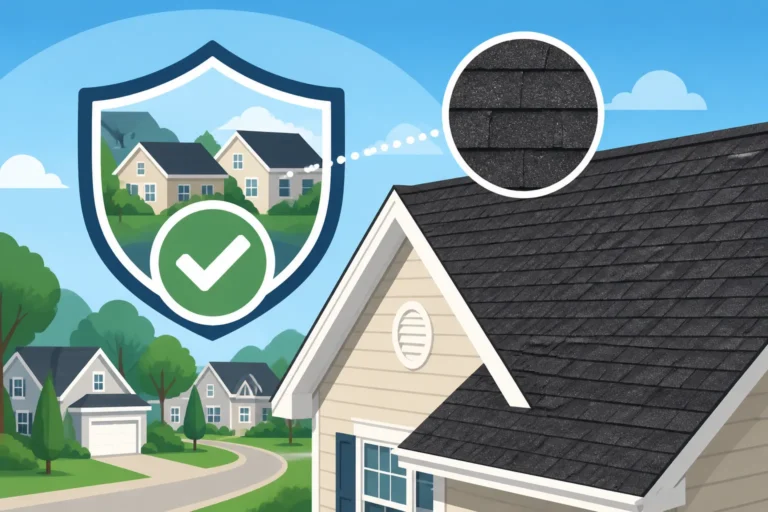
Beyond color, HOAs often have stipulations about the type of shingle you can install. While asphalt shingles are generally widely accepted, the specific style can be regulated. Many modern HOAs, particularly in newer developments, mandate the use of architectural shingles (also known as dimensional or laminate shingles) over traditional 3-tab shingles. Architectural shingles offer a more textured, multi-dimensional look that often mimics the appearance of natural wood shakes or slate, which HOAs often prefer for their aesthetic appeal and perceived higher quality.
You might find that your HOA specifically prohibits 3-tab shingles, viewing them as a less premium option that could detract from the community's upscale image. This means even if you were hoping to save a bit on your 3-Tab vs Architectural Shingle Cost Compared, your HOA might dictate otherwise. Furthermore, some HOAs might even specify a certain wind resistance rating for shingles or require the use of specific brands like GAF, Owens Corning, or CertainTeed to ensure quality and compatibility with their aesthetic standards. If your current roof has older, flat-looking shingles, this could mean an upgrade in style is mandatory, which impacts both aesthetics and cost.
Consistency and Uniformity Directives: The Neighborhood Standard
HOA rules often go beyond individual homes and extend to the uniformity of entire sections or blocks within the community. It’s not uncommon for guidelines to state that a new roof must match the existing roofs of surrounding properties in terms of style and color. This is particularly true in communities with very distinct architectural themes.
For instance, if all houses on your street in a suburban Houston, Texas, community feature roofs with a dark gray architectural shingle, your HOA might require you to select a similar option. This can become a genuine challenge if you're replacing a roof that was installed before these strict uniformity rules were in place, or if the original shingles are no longer available. Sometimes, you'll need to work closely with your roofing contractor to find the closest possible match, both in color and texture, to satisfy the HOA's requirements. This often involves comparing samples and even driving around the neighborhood to visually assess what's already installed. Remember, the goal is often to maintain the "look and feel" that attracted residents to the community in the first place, even if it feels restrictive when it's your turn to re-roof.
Navigating the HOA Approval Process for Your New Roof
Okay, you've done your homework, you know the rules, and you've picked out a few shingle options that seem to fit. Now comes the official part: getting approval. This process, while seemingly bureaucratic, is essential and needs to be handled with care.
The Application Submission Checklist: Be Thorough, Not Sorry
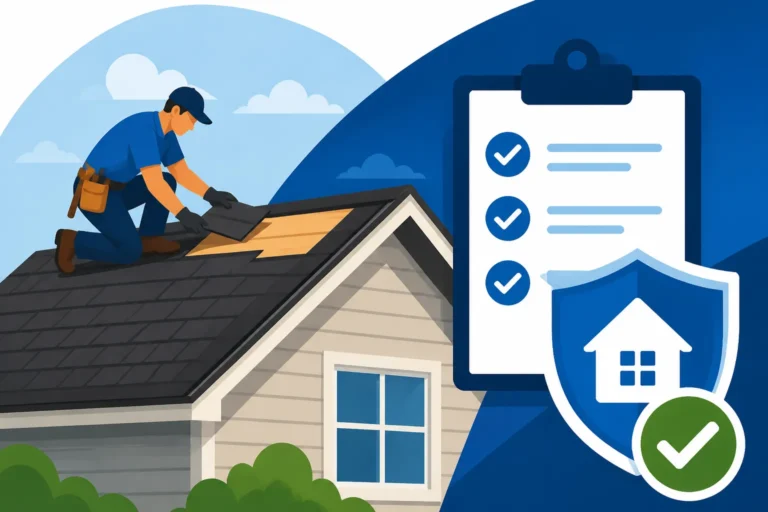
The first rule of HOA applications is: don't skimp on details. Your HOA will likely have a formal application form for architectural changes, and it’s critical to fill it out completely and accurately. Often, it's not a rejection of your chosen shingle, but a rejection of an incomplete application that causes delays.
What will they typically ask for? Expect to provide detailed specifications of the new roofing material, including the shingle manufacturer (e.g., GAF Shingle Roof Cost or Owens Corning Shingle Roof Cost), product name, color selection, and possibly even the warranty information. They’ll want to see physical samples of the shingles you intend to use, sometimes large enough to get a true sense of the color and texture, especially if your community is located in an area with a lot of natural light, like Southern California or Florida. You might also need to submit a diagram or photo of your house indicating the roof area being replaced, and information about your chosen roofing contractor, including their license and insurance details. They might even request a copy of your contractor's proposal or estimate to ensure all aspects align with community standards. Think of it as presenting a legal case; the more evidence and documentation you provide, the stronger your position.
Communication is Key: Before, During, and After
While submitting a perfect application is important, proactive communication can make a huge difference in the approval process. Don't wait until you've submitted your application to start talking to your HOA. If you have questions about specific guidelines, reach out to the architectural review committee or the HOA management company early in your planning phase.
A friendly conversation can often clarify ambiguities and help you avoid a misstep. Once your application is in, be prepared for a waiting period. HOAs typically have a set timeframe for reviewing applications, which can range from a few days to several weeks. During this time, resist the urge to start work prematurely. Starting a roofing project without explicit written approval can lead to fines, stop-work orders, and even demands to tear off and replace the unauthorized work – a costly and incredibly frustrating scenario. Always ensure you have everything in writing, especially the final approval. Even a quick email confirmation can save you headaches later.
When to Seek a Variance or Exception: A Long Shot, But Possible
In rare cases, you might find that the HOA's rules present an insurmountable obstacle, perhaps due to specific architectural needs of your home or severe energy efficiency considerations not covered by standard options. In such situations, you might be able to apply for a variance or exception.
This is not a guarantee and often requires a compelling case. For example, if your home is subject to extreme sun exposure and a dark, HOA-approved shingle color would significantly increase your energy bills, you might be able to argue for a lighter, more reflective "cool roof" shingle, even if it falls slightly outside the typical approved palette. This might also come into play if you're trying to integrate solar panels, where certain roof colors or styles might perform better. You'll need to provide robust documentation, such as expert opinions from a qualified roofing contractor or energy auditor, demonstrating why the standard rules cannot reasonably apply to your situation. Remember, the burden of proof is on you, and success is far from guaranteed.
Strategies for Dealing with HOA Denials or Strict Rules
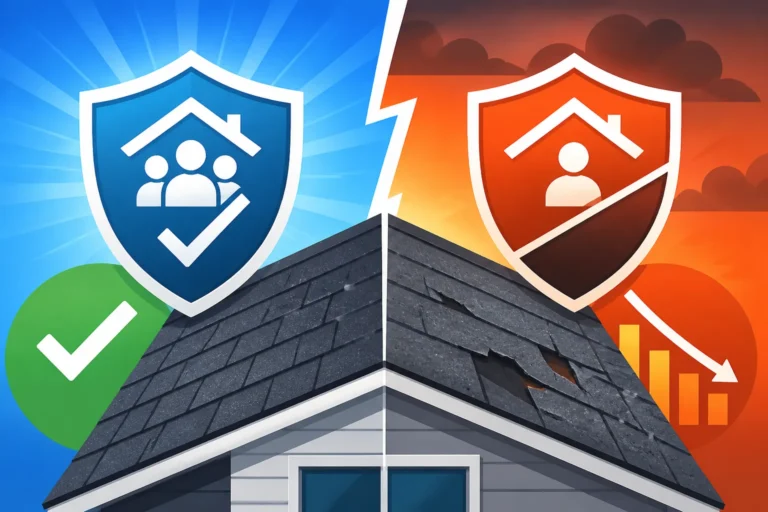
It can be incredibly disheartening to receive a denial from your HOA, especially after putting in all the effort to plan your new roof. But a denial isn't always the end of the road. There are strategies you can employ to turn the situation around or find an acceptable compromise.
Understanding the Reasons for Denial: It's Not Always Personal
When your application is denied, the first step is to understand why. Don't jump to conclusions or assume the HOA is simply being difficult. Most HOA denial letters will clearly state the specific reasons. Common reasons for denial include:
- Non-compliance with established rules: Your chosen shingle color or style might not be on the approved list.
- Incomplete application: You might have forgotten to include shingle samples, contractor details, or filled out the form incorrectly.
- Lack of uniformity: Your selection might clash too much with the immediate surrounding homes.
- Material specifications: The shingle type might not meet their durability or aesthetic standards (e.g., trying to install 3-tab when architectural is required).
Take the denial as an opportunity to review your original submission against the HOA's guidelines. Was there a rule you missed? Was your sample too small to make a proper judgment? Often, a denial is simply a request for more information or a slight adjustment to your choice. Use this feedback to revise your application rather than giving up entirely. This is also where a good understanding of How to Read and Compare Roofing Estimates becomes critical, as you might need to adjust your budget based on new material requirements.
Appealing a Decision and Finding Common Ground
If you believe your application was unfairly denied or that you can offer a suitable alternative, most HOAs have a formal appeal process. This is your chance to present your case, often in person, to the architectural review committee or the board.
When preparing for an appeal, be professional and come prepared with all your documentation. This might include:
- Additional shingle samples: Larger samples can sometimes make a big difference, especially if the initial ones were small.
- Photographs: Visual aids showing how your chosen shingle would blend with your home and neighborhood.
- Manufacturer specifications: Detailed product sheets proving the quality and durability of your choice.
- Contractor's input: A letter or statement from your reputable roofing contractor explaining why your choice is suitable or even superior.
Consider offering a compromise. If your preferred "Forest Green" shingle was denied for being too vibrant, perhaps a "Hunter Green" or "Weathered Green" from the same manufacturer, which is closer to an approved earth tone, could be an acceptable middle ground. The goal is to demonstrate your willingness to work with the HOA while still trying to achieve a result you're happy with. This process is similar to how you might engage with an insurance company if your Roof Insurance Claim Denied: What to Do, requiring persistence and documentation.
Working with Your Roofing Contractor: A Valuable Ally
Your roofing contractor isn't just there to install shingles; they can be an invaluable partner in navigating HOA rules. Experienced local contractors, especially those who are Manufacturer-Certified Roofers Explained, will often have prior experience with HOAs in your area. They might already know the approved shingle styles and color palettes for specific communities, or have relationships that can help streamline the process.
When you're choosing a contractor, ask them about their experience with HOAs. A good contractor will:
- Help you understand manufacturer specs: They can provide detailed product information and samples needed for your application.
- Offer alternative options: If your initial choice is denied, they can suggest alternative shingles that meet both your aesthetic preferences and the HOA's guidelines.
- Assist with documentation: They can help you compile the necessary technical information for your submission.
- Provide guidance on local permits and codes: Beyond HOA rules, you'll also need to ensure compliance with Roofing Permits Explained and Roofing Building Codes: What to Know, which a good contractor will handle.
Choosing a contractor who understands the nuances of HOA regulations can significantly reduce your stress and increase your chances of a smooth approval process. Before committing to a contractor, remember to ask them about their experience with projects in HOA communities specifically, as this can make all the difference. Their expertise can also guide you on the different types of warranties, like a Roofing Warranty: Workmanship vs Manufacturer, which may also have HOA implications.
Here's a quick reference table of common documents and items needed for HOA roofing approval:
| Document/Item | Purpose | Key Details |
|---|---|---|
| HOA Architectural Review Application | Official form for requesting exterior modifications. | All sections filled out, signed and dated. |
| Proof of Homeownership | Confirms you are the property owner. | Copy of deed or other accepted document. |
| Proposed Shingle Samples | Visual representation of selected shingle style and color. | Physical samples (8×10 or larger preferred), not just brochures. |
| Manufacturer Product Specifications | Technical data on selected shingles. | Brand, product line, color name, warranty info, wind/fire ratings. |
| Photos of Current Roof | Baseline for comparison. | Clear, well-lit photos of existing roof condition. |
| Photos of Surrounding Homes | Demonstrates harmony with neighborhood aesthetic (if applicable). | Photos of adjacent houses showing roof colors/styles. |
| Contractor Information | Details about the professional performing the work. | Company name, license number, insurance (liability & workers' comp). |
| Detailed Project Description | Explains the scope of work. | Type of replacement, tear-off vs. overlay, timeline. |
| Permit Application (if required) | Proof of compliance with local building codes. | Copy of submitted or approved permit application. |
Ultimately, while HOA rules can feel like an extra layer of bureaucracy, approaching the process with thorough preparation, clear communication, and the right professional help can lead to a successful roof replacement that both enhances your home and complies with community standards. Don't let the rules intimidate you; instead, empower yourself with knowledge and strategy. After all, a new roof is a big investment, and you want to ensure it's done right, both legally and aesthetically. For more insights on choosing the right professional, check out our guide on How to Choose a Roofing Contractor.
Disclaimer
Please remember that this article provides general information and recommendations. Always consult with a qualified roofing professional and your local Homeowners Association or governing authorities to ensure compliance with all specific regulations, codes, and requirements for your particular project and location.