Do You Need a Roofing Permit in Michigan
Dealing with a roof replacement or even a significant repair is stressful enough without adding layers of bureaucratic confusion. Many Michigan homeowners find themselves scratching their heads, wondering if they even need a permit for their roofing project. This comprehensive guide is here to clear up that confusion, explaining the ins and outs of roofing permits in Michigan, why they're crucial, and how to navigate the process smoothly to protect your home and your wallet.
Understanding Michigan's Roofing Permit Requirements
It might feel like just another hoop to jump through, another piece of paperwork to fill out, but understanding Michigan's roofing permit requirements is absolutely essential before any work begins on your home. Skipping this step can lead to serious headaches down the road, from costly fines to future complications when you try to sell your home.
Why Permits Matter in the Great Lakes State
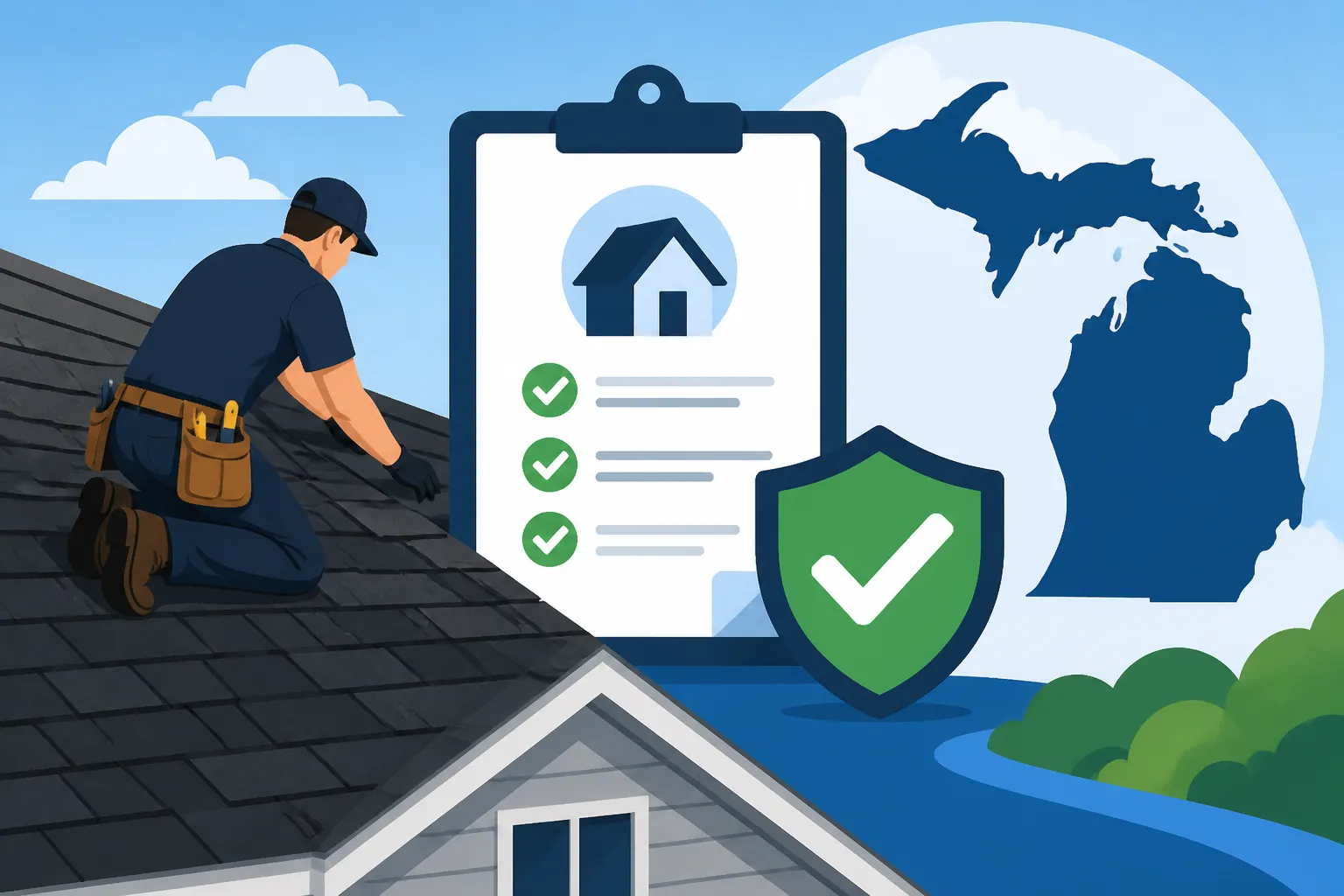
Think of a roofing permit as your local government's way of ensuring that any major work done on your home meets current safety standards and building codes. It's not about making your life difficult; it's about protecting your investment and ensuring the longevity and safety of your property. In Michigan, with our sometimes harsh winters and occasional intense storms, the structural integrity of your roof is paramount. A permit ensures that the work performed aligns with the specific requirements designed for our climate and local conditions.
Without a permit, you're essentially flying blind. What if your contractor cuts corners? What if the new roof isn't installed to withstand heavy snow loads or high winds? A permit means that your local municipality will send out an inspector, usually at specific stages of the project, to verify that the work is being done correctly and according to approved plans. This process helps prevent shoddy workmanship, which, let's be honest, nobody wants to pay for. This oversight is a huge benefit to you, the homeowner, acting as an extra layer of protection against potential issues. Moreover, permits often play a role in your homeowner's insurance. If you have a claim and it's discovered that work was done without a required permit, your insurance company might deny coverage. For more on this, you might want to read our guide on Roof Replacement and Insurance Claims.
When a Permit is Absolutely Necessary for Your Michigan Roof
The general rule of thumb across Michigan is that if you're undertaking a significant roofing project, a permit will be required. This isn't just for a complete tear-off and replacement, but often extends to substantial repairs that involve more than just patching a few shingles.
Here are the most common scenarios in Michigan where you'll definitely need a roofing permit:
- Full Roof Replacement (Tear-Off): This is the big one. If your entire existing roof is being removed down to the decking and new shingles are being installed, a permit is always required. This allows inspectors to ensure the roof decking is sound, the underlayment is installed correctly, and the new shingles meet code specifications. Knowing How Asphalt Shingles Are Installed: Step by Step can give you a better idea of the process.
- Roof Overlays (Reroofs): While less common and often discouraged if your existing roof is severely deteriorated, some situations allow for installing a new layer of shingles directly over an old one. Even in these cases, where local codes allow for multiple layers of shingles, a permit is almost always necessary. Michigan building codes often limit the number of shingle layers, typically to two. Check out our detailed article on How Many Layers of Shingles Are Legal to understand the nuances here.
- Major Structural Changes: If your roofing project involves any alteration to the roof's structure, such as changing the pitch, adding dormers, or extending the roofline, a permit is unequivocally required. These changes affect the structural integrity of your home and must meet stringent safety codes.
- Extensive Repairs: This is where it can get a little gray, but if you're replacing a large section of your roof – say, more than 100 square feet or a significant percentage of a single slope – many Michigan municipalities will require a permit. The idea is that these extensive repairs approach the scope of a replacement and should be subject to the same oversight. For clarity on what constitutes a "repair" versus a "replacement," our article on Roof Repair vs Replacement: How to Decide offers valuable insights.
It's crucial to understand that these requirements can vary slightly from one municipality to another within Michigan. A project that requires a permit in Detroit might have slightly different stipulations in Grand Rapids or Ann Arbor. Always, always check with your local building department.
Situations Where a Permit Might Not Be Required
While it's always best to assume a permit is needed and confirm otherwise, there are indeed some minor roofing jobs that typically won't trigger the permit requirement in Michigan. These are generally small, localized repairs that don't impact the structural integrity of the roof or the overall protection of the home.
Common scenarios where a permit is often not needed include:
- Minor Shingle Replacement: If you're just replacing a handful of missing or damaged shingles, often due to isolated wind damage or a fallen branch, a permit is usually not required. This is considered routine maintenance rather than a significant alteration. For example, if you just had a few shingles blow off your house in Livonia during a gusty spring storm, replacing those few might not need a permit.
- Small Leak Patches: Addressing a tiny, isolated leak with a patch, rather than extensive replacement of materials, usually falls outside permit requirements. This might involve applying roofing cement or replacing a small section of flashing around a vent pipe. Our guide on When to Repair a Roof Leak vs Replace the Roof delves into these scenarios.
- Gutter Replacement: While often done in conjunction with roofing work, replacing gutters themselves typically does not require a separate roofing permit. Gutters are exterior drainage systems and don't affect the structural integrity or weatherproofing of the roof deck itself.
- Cosmetic Changes Without Structural Impact: If you're doing purely cosmetic work that doesn't involve altering the roof structure or replacing the primary waterproofing layer, a permit is generally not needed. However, this is quite rare in roofing projects, as most involve some level of weatherproofing.
Even in these "no permit needed" situations, the work must still comply with existing building codes. Just because you don't need a permit doesn't mean you can ignore safety and quality standards. If you're unsure, a quick call to your city or county building department can save you a lot of grief. It's much better to ask and be told "no, you don't need one" than to proceed without one and face penalties later.
The Michigan Roofing Permit Application Process
Navigating the permit application process can feel like a maze, but it's a manageable one, especially if you understand the steps involved and where to turn for information. The key is knowing that the process is often handled at the local level rather than a statewide entity.
Local Authority and Jurisdictions
In Michigan, roofing permits are issued by local municipal or county building departments. This means that the rules, application forms, and even the fees can differ significantly depending on whether you live in a bustling city like Grand Rapids, a sprawling township in Oakland County, or a smaller community in the Upper Peninsula.
For example:
- City of Detroit: The Buildings, Safety Engineering, and Environmental Department (BSEED) handles permits. They have specific online portals and requirements for contractors.
- Kent County (serving Grand Rapids and surrounding areas): Permits are typically processed through individual city or township building departments, or sometimes through the county for unincorporated areas.
- Ann Arbor/Washtenaw County: The city's Building Department or the county's Office of Planning and Environment will be your point of contact, depending on your exact location.
- Other Areas: Many smaller townships and villages have their own building officials. If they don't have a dedicated department, they might defer to the county's building authority.
The first step in any Michigan roofing project is to identify your local permitting authority. A quick search for "[Your City/County Name] building department" or "[Your City/County Name] roofing permit" should point you in the right direction. Once you've identified the correct office, you'll want to visit their website or give them a call to get the most accurate and up-to-date information for your specific location. They can provide details on specific Roofing Building Codes: What to Know that apply to your area.
Steps to Obtain Your Roofing Permit
Once you know where to go, the actual process of getting your Michigan roofing permit usually follows a fairly standard set of steps:
- Application Form: You'll need to complete a permit application form provided by your local building department. This form will ask for basic information about your property, the type of work being done (e.g., "roof replacement – asphalt shingles"), the estimated cost of the project, and details about the contractor.
- Required Documentation: Along with the application, you'll typically need to submit a few other documents. These often include:
- Proof of Property Ownership: A deed or tax statement might be required.
- Contractor Information: The contractor's license number, general liability insurance, and worker's compensation insurance details are almost always mandatory. They may also need to show proof of being a manufacturer-certified roofer, especially for extended warranties.
- Project Details/Scope of Work: A description of the work, including the type of shingles (e.g., architectural shingles), underlayment, and any other components of the roofing system. Sometimes, they might ask for a simple diagram or sketch of the roof, especially if structural changes are involved.
- Homeowner's Association (HOA) Approval: If you live in a community with an HOA, you might need to show proof that your proposed roofing project (especially shingle color or style) has been approved by them. Many HOAs have strict rules regarding exterior changes.
- Fee Payment: There will be a fee associated with the permit application. This fee covers the administrative costs and the cost of inspections. We'll discuss these costs in more detail shortly.
- Submission: Submit all the completed forms and documents, along with the payment, to the appropriate building department. Many municipalities now offer online portals for permit applications, which can streamline the process.
- Review and Approval: The building department will review your application to ensure it's complete and that the proposed work complies with local building codes. If everything is in order, they will issue the permit. This permit should be prominently displayed on your property during the roofing project.
Always remember that obtaining the permit is a crucial first step. Work should not begin until the permit has been officially issued. This guide, Roofing Permit Cost and Process, provides a general overview that applies to many regions, including Michigan.
What to Expect During the Permit Review and Inspection
Once your permit is issued, it sets the stage for inspections. These inspections are not punitive; they are a vital quality control measure to ensure your roof is installed correctly and safely.
- Pre-Work Review (Less Common for Roofing): For some complex projects, an inspector might review plans before work begins, though for a standard roof replacement, this is less frequent.
- Mid-Project Inspections (Common): The most common type of inspection for roofing is the "decking inspection." Once the old shingles are torn off, but before the new underlayment and shingles are installed, an inspector will typically come out. They will check the condition of the roof decking (plywood or OSB), ensuring there's no rot, damage, or improper fasteners. They'll also verify the installation of any ice and water shield in vulnerable areas, as required by code in many Michigan areas. If Roof Decking Replacement Cost becomes an issue, the inspector will catch it.
- Final Inspection: After all the new roofing materials are installed, a final inspection will be conducted. The inspector will check the overall quality of the installation, ensuring proper shingle overlap, correct flashing around chimneys and vents, and adequate ventilation. They'll also look for proper drip edge installation and general adherence to the approved plans and local codes.
During these inspections, the contractor should be present or readily available to answer any questions the inspector might have. If any issues are found, the inspector will typically issue a "correction notice," and the work must be brought up to code before the project can proceed or be signed off as complete. This oversight, as detailed in Roof Inspection: What Inspectors Check, protects you from potential future problems and ensures your roof meets the highest standards.
Costs, Timelines, and Potential Pitfalls of Michigan Roofing Permits
Navigating the permit process involves more than just paperwork; it also means understanding the financial and temporal aspects, as well as being aware of the risks if you try to circumvent the system.
How Much Does a Roofing Permit Cost in Michigan
The cost of a roofing permit in Michigan is not standardized across the entire state. It varies significantly depending on your specific city, township, or county. Permit fees are typically calculated based on factors like the estimated value of the roofing project, the size of your roof, or a flat fee set by the local jurisdiction.
Here's a general idea of what you might expect, keeping in mind these are estimates and can change:
| Location Type | Typical Permit Cost Range (Michigan) | Factors Influencing Cost |
|---|---|---|
| Major Cities (e.g., Detroit, Grand Rapids, Ann Arbor) | $75 – $300+ | Project valuation, square footage, complexity, city fees. |
| Suburban Areas (e.g., Oakland County townships, Kent County cities) | $50 – $200 | Project valuation, size of roof, local administrative fees. |
| Rural/Smaller Townships | $30 – $150 | Simpler fee structures, often a flat rate or lower percentage of project cost. |
It's not uncommon for municipalities to charge a base fee plus an additional charge per square (100 square feet) of roofing. For instance, the City of Novi might have a base fee of $75 and an additional $5 per roofing square. So, if you have a 25-square roof (2,500 sq ft), your permit could be $75 + (25 * $5) = $200.
The best way to get an exact figure is to contact your local building department directly. They often publish their fee schedules online. This fee is a small investment for the peace of mind and protection it provides, ensuring your roof is installed correctly and safely. When you're budgeting for a new roof, always remember to factor in this permit cost as part of the overall Asphalt Roof Replacement Cost: Complete Breakdown.
Navigating Permit Timelines and Project Delays
Permit processing times can also vary widely across Michigan. In larger, busier municipalities, it might take longer to get a permit approved due to a higher volume of applications.
- Quick Turnarounds: For straightforward roofing replacements in smaller towns or less busy departments, a permit might be issued within a few business days, or even instantly if using an efficient online portal.
- Standard Processing: In most suburban and urban areas, expect processing to take anywhere from 1 to 2 weeks. This allows the department to review the application and verify contractor credentials.
- Potential Delays: Delays can occur if:
- Incomplete Applications: Missing information or incorrect contractor details.
- High Volume: Seasonal peaks (e.g., spring/summer construction season) can slow things down.
- Complex Projects: If your project involves structural changes, it will likely require more detailed review and may take longer.
- Inspector Availability: Scheduling inspections can sometimes add a few days to the project timeline, especially during busy times.
Your contractor should be able to give you a realistic expectation for permit acquisition in your area. They often have experience with local building departments and can anticipate typical timelines. It's important to build these potential delays into your overall project schedule, especially if you have a tight deadline for the roof replacement. Patience is definitely a virtue when dealing with permit offices!
The Risks of Skipping a Roofing Permit in Michigan
It might be tempting to skip the permit process to save a little time or money, but this is a decision that almost always backfires, leading to much bigger problems down the line. The risks of proceeding without a required roofing permit in Michigan are substantial and can be quite costly. This is a topic thoroughly explored in What Happens If You Skip a Roofing Permit.
Here's what you could face:
- Fines and Penalties: If your local building department discovers that unpermitted work has been done, they can issue hefty fines. These fines are often significantly higher than the original permit fee and can accumulate daily until the situation is rectified.
- Stop Work Orders: The city or county can issue a "stop work order," halting your project immediately. This can lead to costly delays with your contractor, potential material storage issues, and an unfinished roof that leaves your home vulnerable to the elements.
- Forced Removal or Rework: In the worst-case scenario, you might be required to tear off the new roof and redo the work according to code, after obtaining a permit. This means paying for the same job twice, plus the cost of demolition.
- Insurance Complications: As mentioned earlier, if damage occurs to your unpermitted roof, your homeowner's insurance company may deny your claim. They could argue that the work was not done to code or was unauthorized, absolving them of responsibility.
- Difficulty Selling Your Home: When you go to sell your home, unpermitted work will almost certainly come up during a home inspection or title search. This can derail the sale, require you to get retroactive permits (which are often more expensive and complex), or force you to disclose the issue, potentially lowering your home's value. Buyers are often hesitant to take on properties with unknown liabilities.
- Voided Warranties: Manufacturer warranties for shingles often require that the product be installed by a certified contractor and in compliance with all local building codes. An unpermitted installation could void these crucial warranties, leaving you unprotected if the materials fail prematurely.
Simply put, the short-term savings of skipping a permit are far outweighed by the long-term risks and potential expenses. It's just not worth the gamble.
Working with Your Contractor on Michigan Permits
For most homeowners, the idea of wading through permit applications and building codes is daunting. This is where a reputable roofing contractor becomes invaluable. They should be your guide through this process.
Who Should Pull the Permit: Homeowner or Contractor?
While homeowners can technically pull their own permits in Michigan, it is almost always recommended that your licensed and insured roofing contractor handles this task. There are several compelling reasons for this:
- Expertise and Familiarity: Good contractors are familiar with the specific permit requirements in your local Michigan municipality. They know the forms, the fees, and the right people to talk to at the building department. This streamlines the process significantly. They often understand the nuances of Roofing Building Codes: What to Know better than a homeowner.
- Licensing and Insurance Information: Permit applications typically require the contractor's licensing and insurance details. If you, as the homeowner, pull the permit, you might inadvertently take on more liability, implying you are acting as the general contractor.
- Time-Saving: Processing permits takes time and multiple trips or calls. A contractor, who is already managing multiple projects, can integrate this task efficiently into their workflow.
- Professional Responsibility: A professional contractor understands that obtaining the proper permits is part of their responsibility to ensure a safe and compliant installation. It's a sign of their commitment to quality and adherence to local regulations.
If a contractor suggests that you, the homeowner, pull the permit, or even worse, implies that a permit isn't necessary for a major project, that's a significant red flag. Be very wary of such advice, as it could indicate they are trying to avoid scrutiny or are not properly licensed or insured. For further reading, check out Who Pulls the Roofing Permit: You or the Contractor.
Key Questions to Ask Your Michigan Roofer About Permits
When interviewing potential roofing contractors in Michigan, don't shy away from asking pointed questions about the permit process. Their answers can tell you a lot about their professionalism and adherence to best practices.
Here are some essential questions to include in your conversation:
- "Will you obtain all necessary permits for my roofing project?" The answer should be an unequivocal "yes." If they hesitate or try to offload the responsibility to you, consider it a warning sign.
- "What is the typical permit process like in [Your City/Township]?" A knowledgeable contractor should be able to describe the steps, typical timelines, and expected fees specific to your location. This shows they've worked in your area before and understand the local regulations.
- "What types of inspections are required for a roof replacement in this area, and who will be present for them?" They should be able to detail the required inspections (like the decking inspection) and confirm that they or a representative will be on-site when the inspector arrives.
- "Can you include the permit fees in your estimate, or will that be a separate cost?" Many reputable contractors will roll the permit fee into their overall bid, while others might list it as a separate line item. Either is acceptable, as long as it's clearly communicated and transparent.
- "Can you provide proof of your licensing and insurance, and demonstrate your familiarity with Michigan's building codes?" While not directly about the permit, this question ensures they are qualified to perform the work that the permit will oversee. They should be able to show you current copies of their licenses and insurance certificates.
Asking these questions upfront will not only ensure that your roofing project is properly permitted but also help you choose a reputable and trustworthy contractor. Being proactive protects your investment and ensures your new asphalt roof is installed to last. You can find more helpful advice in our guide, Questions to Ask a Roofing Contractor Before Hiring.
Disclaimer
Please remember that building codes and permit requirements can change. While this guide provides comprehensive and current information, it is always best to verify specific details with your local Michigan municipal or county building department before beginning any roofing project. This article is for informational purposes only and should not be considered legal advice.