Roofing Code Updates to Know
It can feel like the rulebook for your home's most important protective layer – your roof – changes almost overnight. Keeping up with the latest roofing code updates is a real challenge for homeowners, and the thought of non-compliance, potential issues with insurance, or complications when you go to sell your home can be incredibly stressful. This guide is here to unravel the complexities, explaining why these changes happen, what the most significant recent updates mean for your asphalt roof, and how you can ensure your home stays safe, sound, and fully compliant.
Why Roofing Codes Evolve: Keeping Your Home Safe and Sound
The world of construction and home maintenance is rarely static, and roofing codes are no exception. They’re not just arbitrary rules designed to make your life harder; rather, they are living documents that evolve to reflect new understandings of building science, material performance, and the ever-changing environmental challenges our homes face. If you’ve ever wondered why your local building department seems to have new requirements every few years, it’s all rooted in a commitment to safety, efficiency, and long-term durability.
The Driving Forces Behind Code Changes
So, what exactly sparks these code revisions? There are typically three major factors at play, all aimed at making your home a more resilient and secure place to live.
First and foremost, significant weather events often serve as catalysts for change. Think about the devastating hurricanes that have swept through coastal regions like Florida and the Gulf Coast, or the intense hailstorms that frequently batter states like Colorado and Texas. After such events, engineers and building scientists meticulously study the damage patterns, identifying weaknesses in existing construction practices and materials. This research then informs updates to building codes, often leading to stricter requirements for things like wind resistance, impact resistance, and water shedding. The goal is to ensure that future homes can better withstand nature’s fury, protecting both property and lives. It's a reactive, but essential, learning process that helps us build smarter.
Secondly, continuous advancements in material science and technology play a huge role. Roofing manufacturers are constantly innovating, developing new asphalt shingle formulations that are more durable, energy-efficient, or resistant to specific types of damage. As these new products enter the market and prove their worth, building codes are updated to incorporate them and to ensure they are installed correctly to maximize their benefits. This includes everything from improved synthetic underlayments to shingles with enhanced granule adhesion or reflective properties. The codes need to keep pace with what's possible, not just what's always been done.
Finally, a growing focus on energy efficiency and sustainability is pushing many code updates. With rising energy costs and a collective desire to reduce our carbon footprint, building codes increasingly include provisions designed to make homes more energy-efficient. For roofing, this often translates into stricter requirements for attic ventilation to prevent heat buildup and moisture issues, or the encouragement (and sometimes mandate) of "cool roof" technologies that reflect more solar radiation. These changes aim to lower your utility bills and contribute to a healthier indoor environment, proving that your roof does a lot more than just keep the rain out.
The Impact on Homeowners
Understanding these code updates isn't just an academic exercise; it has very real, tangible impacts on you as a homeowner. Ignoring them can lead to significant headaches and unexpected costs down the line.
The most critical impact is, of course, safety. Modern building codes are designed to ensure your home can withstand local environmental stressors, whether it's heavy snow loads in Minnesota, seismic activity in California, or hurricane-force winds in the Carolinas. A code-compliant roof provides a much higher level of protection for your family and your possessions. When codes are updated, it's often because previous standards were found to be insufficient in certain scenarios, so adhering to the new ones means a safer home for everyone living under that roof.
Beyond immediate safety, code compliance heavily influences your homeowner's insurance coverage and premiums. Insurance companies are deeply invested in the longevity and resilience of your home. If your roof doesn't meet current building codes, especially after a major code revision in your area, your insurer might deny a claim for damage, offer only partial coverage (e.g., Actual Cash Value instead of Replacement Cost), or even refuse to renew your policy. Conversely, installing a new roof that meets or exceeds the latest codes, particularly those for impact-resistant shingles or enhanced wind nailing, can sometimes qualify you for discounts on your premiums. It's always worth asking your insurance provider about potential savings for a code-compliant, upgraded roof.
Lastly, and often overlooked, is the impact on your property value and resale potential. When you decide to sell your home, prospective buyers and their inspectors will scrutinize every aspect, including the roof. A roof that is visibly old or, more importantly, not up to current code, can be a major red flag. It could lead to a lower offer, necessitate expensive repairs before closing, or even cause financing issues for the buyer. Conversely, a recently installed, code-compliant roof is a significant selling point, demonstrating that your home is well-maintained and ready for its next owner. Understanding these impacts truly underscores why paying attention to Roofing Building Codes: What to Know is crucial, even if you’re not planning a roof replacement right now.
Key Areas of Recent Asphalt Roofing Code Updates
While national model codes like the International Residential Code (IRC) provide a baseline, specific regions often adopt or amend these codes to address local environmental concerns. This means what's standard in one state might be a strict requirement or an optional upgrade in another. However, several key themes have emerged in recent asphalt roofing code updates across many areas, focusing on making roofs more robust and efficient.
Enhanced Wind Resistance and Nailing Requirements
If you live in an area prone to strong winds – and let's be honest, that's almost everywhere these days, whether it's coastal hurricanes or inland derecho events – you've likely seen codes tighten up around wind resistance. The goal is simple: keep those shingles on your roof where they belong!
Historically, many roofs were installed with four nails per shingle. However, in hurricane zones and other high-wind areas, codes are increasingly mandating six nails per shingle in specific patterns. This seemingly small change dramatically increases the shingle's resistance to uplift, making it much harder for strong gusts to peel them off. Beyond the number of nails, the placement of those nails is also critical, often requiring them to be precisely positioned within the shingle's common bond area, often called the "nailing strip." If a contractor doesn't follow these specific patterns, it can void the manufacturer's warranty and lead to premature failure. This is why discussions around High-Wind Nailing Explained are so important for homeowners, as proper installation is paramount.
Manufacturers have also stepped up, with many offering shingles explicitly designed for enhanced wind performance, like those with wider nailing strips or proprietary sealants that activate quickly. When installed according to the manufacturer's specifications and local code, these systems offer superior protection. For instance, in parts of Florida, stricter wind uplift requirements might necessitate specific shingle types and installation methods, including enhanced starter strips and specialized hip and ridge cap shingles, all designed to create a more cohesive, wind-resistant system.
Updated Underlayment and Ice Barrier Standards
Water is the enemy of any roof, and the layers beneath your shingles are your primary defense. Recent code updates have placed a significant emphasis on beefing up underlayment and ice barrier standards, particularly in regions that experience heavy rain, snow, or extreme temperature fluctuations.
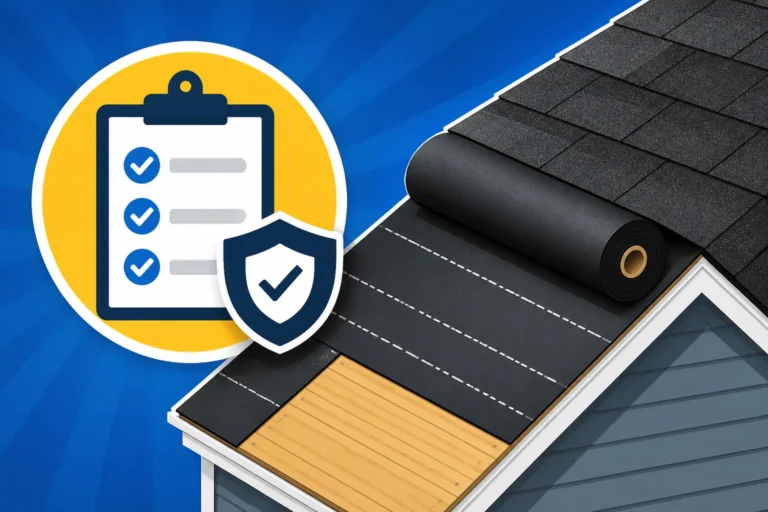
For underlayment, while traditional felt paper still has its place, many codes now recommend or require synthetic underlayments, especially in areas prone to moisture. Synthetic underlayments are far more tear-resistant, repel water better, and are less prone to wrinkling than felt, providing a more robust secondary barrier. They can also stay exposed to the elements for longer during installation, which is a practical benefit for contractors and homeowners alike. Understanding What Is Underlayment and Why It Matters is key here, as it's the hidden hero protecting your roof deck.
Even more critical, especially in cold climates, are ice and water barrier requirements. These self-adhering membranes are designed to seal directly to the roof deck, preventing water from backing up under shingles due to ice dams or wind-driven rain. Codes typically mandate ice and water shield installation along eaves, in valleys, around chimneys, and other critical penetration points. The specific width of the barrier and how far it extends past the exterior wall can vary by region. For example, in many northern states, the IRC might require an ice barrier to extend from the eave's edge to a point at least 24 inches inside the building's exterior wall line, ensuring comprehensive protection. Compliance with Ice Barrier Code Requirements is non-negotiable in colder zones, safeguarding your home from costly water damage.
Ventilation and Energy Efficiency Mandates
Your attic's health is intrinsically linked to your roof's longevity and your home's energy efficiency. Codes have increasingly focused on proper roof and attic ventilation, not just for comfort but for structural integrity and shingle performance.
Adequate attic ventilation works by creating a continuous airflow that draws in cool, fresh air from soffit vents and expels hot, stale, moisture-laden air through ridge vents or other exhaust vents. This process is crucial for several reasons: it prevents heat buildup in the summer, reducing your air conditioning costs; it prevents moisture accumulation in the winter, which can lead to mold, mildew, and premature deterioration of your roof decking and insulation; and it helps prolong the life of your asphalt shingles by preventing excessive heat from cooking them from below. Code updates often specify minimum net free ventilation areas based on attic size and pitch, ensuring there’s enough airflow. The guide on How Roof Ventilation Works delves deeper into this essential component.
In addition to traditional ventilation, some regions are seeing codes that promote or require cool roof technologies. These include shingles manufactured with highly reflective granules that bounce sunlight away from your home, keeping the attic and interior cooler. While not universally mandated for all residential applications, these "cool roof" shingles are often encouraged in hot climates through incentives or are specifically required for certain building types or in particular states (e.g., California's Title 24 energy code). These updates align with broader energy efficiency goals, reducing the urban heat island effect and lessening demand on power grids during peak summer months.
Understanding Specific Material and Installation Changes
Modern asphalt roofing is a sophisticated system, far more than just shingles nailed to a deck. Recent code updates often drill down into the specifics of components and how they're integrated, ensuring every part of the roof works together harmoniously to protect your home. It's about building a fortress, layer by layer, detail by detail.
Advancements in Shingle Technology
The shingles themselves are at the forefront of innovation, and codes are adapting to incorporate and regulate these advancements. Gone are the days when a shingle was just a shingle; today, there’s a whole spectrum of specialized options.
One of the most significant areas of development is impact-resistant shingles, often referred to as Class 4 shingles. These are rigorously tested to withstand the impact of large hail, significantly reducing the likelihood of damage in hailstorm-prone regions. Many insurance companies offer discounts for homes equipped with Class 4 shingles because they reduce claims. Consequently, some local codes, particularly in states like Texas, Colorado, and Oklahoma, are starting to mandate or strongly incentivize the use of Impact-Resistant Shingle Requirements by State for new construction or roof replacements. These shingles are made with modified asphalt or a woven polymer mesh backing that gives them superior flexibility and durability against blunt force.
Another evolving area is cool roof shingles, which we touched on briefly. These are not just for energy savings; they're also a critical component in mitigating urban heat islands and meeting stricter environmental regulations in certain jurisdictions. These shingles contain specialized reflective granules that deflect a higher percentage of solar radiation, keeping the roof surface cooler. Codes in warmer climates or specific energy-conscious states are increasingly recognizing and sometimes requiring these products to help reduce air conditioning loads and improve overall neighborhood temperatures.
Flashing and Penetration Sealing Improvements
Even the best shingles are useless if water can seep in around vulnerable areas like chimneys, vent pipes, and skylights. Codes are constantly being refined to ensure these critical junctions are watertight for the long haul.
Flashing is the unsung hero of roof longevity. It’s the metal or sometimes composite material installed at roof intersections and penetrations to direct water away. Recent code updates often specify the type, gauge, and installation methods for flashing. For example, stepped flashing around chimneys or walls that meet the roof needs to be meticulously integrated with the shingle courses. Codes might also require kick-out flashing at the bottom of roof-to-wall intersections to prevent water from running down the wall and into the siding or foundation, a common source of leaks. The thickness of the metal (e.g., 26-gauge galvanized steel or aluminum) can also be specified to ensure durability.
When it comes to penetrations like vent pipes and skylights, the sealing methods are under increased scrutiny. Codes now often emphasize the use of high-quality, long-lasting sealants, sometimes requiring specific types of mastic or self-adhering collars that integrate with the underlayment and flashing. Proper counter-flashing techniques around chimneys, where a second layer of flashing is embedded into the masonry and overlaps the base flashing, are also frequently reinforced in code updates. These detailed requirements are all about creating a continuous, impenetrable barrier against water entry, addressing every potential weak point in the roof system.
Roof Decking and Structural Integrity
The foundation of your roofing system is the roof deck, and its condition is paramount. Code updates often include provisions for inspecting, repairing, or replacing decking, recognizing that a compromised deck cannot adequately support a new roof.
When a roof is being replaced, especially after a full tear-off, local codes typically require a thorough inspection of the roof decking. If inspectors find any rot, significant damage, or areas where the existing decking doesn't meet current structural standards (e.g., too thin, improper fastening), they will mandate its replacement. The type of decking allowed, usually OSB (Oriented Strand Board) or plywood, might have minimum thickness requirements (e.g., 7/16-inch or 1/2-inch OSB, or 1/2-inch plywood) depending on your rafter spacing and local snow load requirements. This ensures the deck can bear the weight of the roofing materials and any snow or wind loads it might experience.
Furthermore, codes might specify nailing patterns for the decking itself, separate from shingle nailing. This ensures the decking is securely fastened to the rafters, preventing uplift during high winds and providing a stable base for the new roofing system. For example, some codes might require 8d nails at 6-inch on-center spacing along panel edges and 12-inch on-center in the field of the panel. These specific details, while seemingly minute, are critical for the overall structural integrity of your roof. Skipping these steps, or having a contractor who isn't familiar with them, can lead to costly structural issues down the road, making a full replacement of your roof decking a necessity.
Here's a quick look at some common code updates:
| Code Area | Key Update Trends | Primary Benefit | Regions Most Affected |
|---|---|---|---|
| Wind Resistance | 6-nail shingle fastening, specific nailing patterns | Prevents shingle blow-off, enhances structural integrity | Hurricane zones, high-wind corridors, coastal areas |
| Underlayment | Increased use of synthetic underlayments | Superior moisture protection, tear resistance | All climates, especially those with heavy rain or snow |
| Ice Barrier | Extended coverage, specific material requirements | Prevents ice dam damage, protects against wind-driven rain | Cold climates with significant snowfall and freezing |
| Ventilation | Mandated net free area, proper intake/exhaust balance | Reduces attic heat/moisture, extends shingle life | All climates, especially hot or humid regions |
| Shingle Impact | Class 4 shingle incentives/requirements | Hail damage resistance, insurance premium savings | Hail-prone states like TX, CO, OK, MN |
| Cool Roofs | Reflective shingle incentives/requirements | Reduces energy consumption, mitigates urban heat island | Hot climates, states with strict energy codes (e.g., CA) |
| Flashing | Detailed installation, specific materials (gauge) | Enhanced water diversion, leak prevention at penetrations | All climates, especially where heavy rain is common |
| Decking | Thorough inspection, replacement of damaged boards | Provides stable base, meets structural load requirements | All regions, particularly older homes or after storms |
Navigating the Permit and Inspection Process
Understanding the actual code changes is one thing, but making sure your project adheres to them is another. This is where the permit and inspection process comes in, and frankly, it's often the part that homeowners find most confusing and frustrating. But don't despair; it’s a necessary step to ensure your investment is protected and your home remains safe.
When a Permit is Absolutely Necessary
The general rule of thumb is that if your roofing project involves more than minor repairs, you probably need a permit. For a full asphalt roof replacement, a permit is almost always required. This isn't just bureaucracy; it's a safety measure. The permit process ensures that your project will meet the latest building codes, which are designed to protect your property and everyone in it. For a comprehensive overview, consider reading Roofing Permits Explained.
Permits are typically required for:
- Full Roof Replacements (Tear-Offs): This is the big one. When you’re removing all existing layers of shingles down to the roof deck, a permit is almost universally mandated. This allows inspectors to check the decking for damage, verify the underlayment installation, and ensure the new shingles are installed according to current wind, fire, and structural codes.
- Roof-Overs (Overlaying Existing Shingles): Even if you're not tearing off the old roof, if you're adding a new layer of shingles over existing ones (provided local codes allow more than one layer, which is becoming less common), a permit is usually required. This ensures the structure can handle the additional weight and that the new layer still meets code requirements.
- Significant Repairs: While patching a few missing shingles might not require a permit, extensive repairs that cover a large percentage of a roof slope or involve structural work to the roof deck often do. It's always best to check with your local building department if you're unsure, as the definition of "significant" can vary.
Failing to pull a necessary permit can lead to serious consequences. You might face fines, be forced to tear off newly installed roofing to allow for inspection (a huge cost and inconvenience), or encounter difficulties when trying to sell your home down the road, as unpermitted work can complicate property disclosures and home inspections.
What Local Inspectors Look For
So, you've got your permit – what happens next? A local building inspector will typically visit your property at specific stages of the roofing project. Their job is to ensure that the work being done on your asphalt roof replacement aligns with the approved plans and, more importantly, adheres to all current local and state building codes. This is where all those code updates come into play!
During an inspection, which often happens in a few phases, here's what they'll typically be scrutinizing:
- Decking Inspection (Pre-Shingle Installation): After the old roof is torn off and before new underlayment is installed, the inspector might check the roof deck for soundness, proper fastening, and any signs of rot or damage. If the decking is compromised, they'll require repairs or replacement.
- Underlayment and Flashing: They'll confirm that the correct type of underlayment (e.g., synthetic or felt) is used, properly installed, and that any required ice and water shield is in place and extends to the correct dimensions. They'll also check all flashing around chimneys, vents, and valleys to ensure it's installed to shed water effectively.
- Shingle Installation: Once the shingles are being laid, they'll look at the nailing patterns (e.g., 4-nail vs. 6-nail per shingle for wind resistance), starter shingle installation, and proper shingle overhangs at the eaves and rakes. They'll also ensure that hip and ridge cap shingles are correctly applied.
- Ventilation: The inspector will verify that adequate attic ventilation is installed, checking for proper intake (soffit vents) and exhaust (ridge vents, box vents) to meet the required net free ventilation area.
These inspections are your safeguard. They provide an objective third-party check on the quality and compliance of the work, protecting your investment and ensuring your roof will perform as expected. For a detailed guide on what they look for, check out Roof Inspection: What They Check.
The Importance of a Code-Compliant Contractor
This is perhaps the most crucial takeaway: don't try to navigate the labyrinth of roofing codes and permits on your own. Hiring a reputable, code-compliant contractor is not just a convenience; it's a necessity. A good contractor acts as your expert guide through this process.
Here’s why they are so important:
- Knowledge of Local Codes: A seasoned local contractor, like those who are manufacturer-certified by GAF or Owens Corning, lives and breathes the local building codes. They know which specific amendments apply in your city or county, understand the nuances of the permit application process, and are aware of what your local inspectors expect. They often have established relationships with the building department, which can streamline the process.
- Ensuring Proper Installation: Beyond just knowing the codes, a good contractor will employ skilled crews who are trained in the latest installation techniques required for code compliance. This includes everything from proper shingle nailing to meticulous flashing installation and correct attic ventilation setups. They understand that a manufacturer's warranty often depends not just on using their products, but on installing them according to both their guidelines and local building codes.
- Handling the Permit Process: A reputable contractor will typically handle pulling the necessary permits on your behalf. They know what paperwork to file, what plans or specifications are needed, and how to schedule the inspections. This saves you an enormous amount of time and stress. They'll ensure that permits are properly posted on-site and that inspectors have access when needed.
- Protecting Your Warranty: Many premium roofing system warranties (both workmanship and manufacturer) require adherence to local building codes for validity. If your roof isn't installed to code, even if it uses top-tier materials, your warranty could be voided. A certified contractor understands this and ensures all requirements are met.
Choosing the right professional, such as detailed in the guide How to Choose a Roofing Contractor, who is well-versed in Manufacturer-Certified Roofers Explained, is the single best way to ensure your roof replacement or major repair is done right, to code, and without future headaches.
Regional Variations and How to Stay Informed
While national model codes provide a solid foundation, the actual rules on the ground can vary significantly from one state or even one county to another. This hyper-local nature of building codes is what makes staying informed so challenging, but also incredibly important. It's all about tailoring general guidelines to specific environmental conditions and community needs.
State and Local Adaptations of Model Codes
Most states and local jurisdictions adopt one of the major model building codes, such as the International Residential Code (IRC) or the International Building Code (IBC). However, they rarely adopt them verbatim. Instead, they often introduce their own amendments and additions to account for regional factors.
For instance, the Florida Building Code is renowned for its stringent wind-resistance requirements due to the state's frequent exposure to hurricanes. It might mandate specific types of wind-resistant shingles, require enhanced fastening patterns (e.g., specific nail types and placement, often 6 nails per shingle), and detail strict requirements for secondary water barriers (ice and water shield) even beyond what the IRC suggests. If you're getting a roof replaced in Miami-Dade County, for example, the codes will be exceptionally strict regarding wind uplift and impact resistance.
Similarly, states like California, with its focus on energy efficiency and seismic activity, have unique codes such as Title 24. This code often includes requirements or incentives for "cool roof" technologies, dictating minimum solar reflectivity and thermal emissivity values for roofing materials to reduce energy consumption. In areas prone to wildfires, the California Building Code also has specific requirements for fire-resistant roofing materials and construction methods to help prevent the spread of fire.
Even within a single state, county and city ordinances can add another layer of complexity. A rural county might have more relaxed requirements than a densely populated city, or a city might have specific aesthetic guidelines for roofing materials and colors, particularly in historic districts or through HOA regulations. This patchwork of regulations means that a contractor working in Dallas, Texas, might face different requirements than one just a few miles away in Fort Worth, even if both are within the same state. This is why when considering a major project, you should always research Roofing Codes and Regulations in Texas or your specific state.
Resources for Homeowners and Contractors
Given the dynamic nature of these codes, how on earth do you keep up? While your contractor should be your primary resource, it’s always good for homeowners to have a basic understanding and know where to find reliable information.
The single most important resource is your local building department or planning and zoning office. This is the governmental body responsible for enforcing building codes in your specific area. Their website often contains downloadable code documents, lists of common amendments, and information on the permit application process. Don't be shy about calling them with questions; they are there to help ensure compliance and safety. They can clarify requirements for specific materials, installation techniques, or whether a permit is truly needed for your project.
Additionally, many states have a State Contractor Licensing Board or similar agency. While their primary role is to license and regulate contractors, they often provide public access to state-specific building code information and can be a good source for understanding broader state requirements.
For contractors, industry associations like the National Roofing Contractors Association (NRCA) and manufacturers like GAF, Owens Corning, and CertainTeed provide extensive training, certifications, and resources that keep their network of professionals updated on the latest codes and best practices. A contractor who holds certifications from these manufacturers is often a good indicator that they prioritize ongoing education and adherence to high standards.
Ultimately, staying informed about Roofing Code Updates to Know means fostering a good relationship with a reputable local contractor who makes code compliance a cornerstone of their business. They are your best defense against unexpected issues and your most reliable source for ensuring your asphalt roof not only looks great but is built to last and protect your home for decades to come.
Disclaimer
Please remember that building codes are subject to change and vary by location. This information is intended for general guidance only and should not be considered legal advice or a substitute for professional consultation. Always consult with your local building department and a licensed, reputable roofing contractor to confirm the specific requirements applicable to your project and property.