Roofing in a Deed-Restricted Community
It can be incredibly frustrating to discover that the plans you have for your home, especially a big one like a roof replacement, aren't entirely yours to make. If you live in a deed-restricted community, you know this feeling all too well. This comprehensive guide will walk you through the ins and outs of navigating roofing projects within these communities, helping you understand the rules, avoid common pitfalls, and successfully get your new asphalt roof installed without headaches.
Understanding Deed-Restricted Communities and Their Roofing Rules
When you bought your home, perhaps you were drawn to the consistent aesthetics, the well-maintained common areas, or simply the peace of mind that comes with living in a structured neighborhood. These benefits often come hand-in-hand with deed restrictions, which, while beneficial in many ways, can add a layer of complexity to exterior home projects like roofing.
What Exactly is a Deed-Restricted Community?
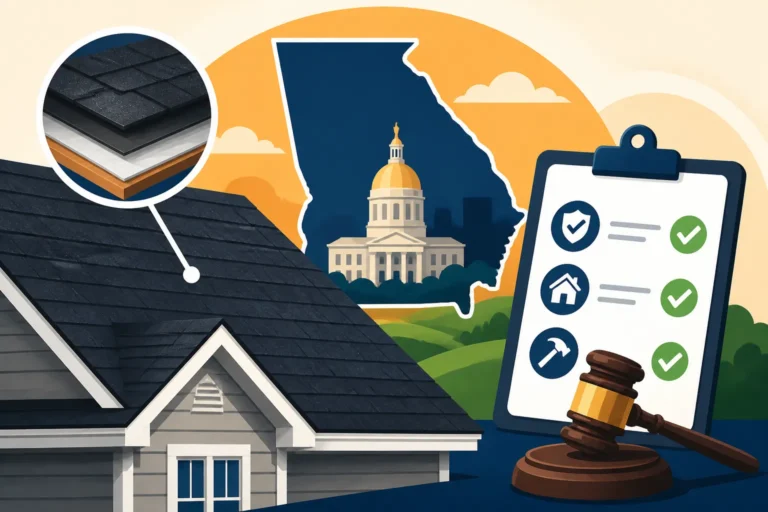
At its core, a deed-restricted community is one where property owners agree to abide by a set of rules and regulations, often enshrined in documents known as Covenants, Conditions, and Restrictions (CC&Rs). These aren't just polite suggestions; they are legally binding agreements that dictate everything from paint colors to landscaping, and yes, even roofing materials and styles. You'll typically find these in homeowners' associations (HOAs), planned unit developments, condominium complexes, and sometimes even older neighborhoods with historic preservation guidelines. The goal is to protect property values, maintain a certain aesthetic standard, and foster a cohesive community environment.
Think about it: Without these rules, one homeowner might decide to put a bright pink roof on their house while their next-door neighbor installs a rusty metal one. While individual expression is wonderful, in a community setting, such drastic differences could create an inconsistent look that might deter future buyers or simply make the neighborhood feel less harmonious. The HOA or a similar governing body usually enforces these rules, and they can have real teeth when it comes to compliance.
Why Your Roof is Under Scrutiny
Among all the exterior elements of your home, the roof stands out as a major focal point that contributes significantly to your home's curb appeal and the overall aesthetic of the neighborhood. This is precisely why it often receives significant attention in deed restrictions. A roof is a massive, visible surface, and its material, color, and style have a profound impact on how your property looks and how it blends with surrounding homes.
Imagine a street where every house has a beautifully consistent dark gray or earthy brown architectural asphalt shingle roof. Now picture one house suddenly installing bright blue 3-tab shingles. It would certainly stand out, and not necessarily in a way that contributes positively to the collective visual appeal or property values. Deed restrictions aim to prevent these kinds of jarring inconsistencies. Beyond aesthetics, some communities also have rules regarding the durability and quality of roofing materials. This isn't just about looking good; it's about ensuring that all homes meet a certain standard, which can contribute to the longevity of the properties and potentially even impact collective insurance rates if the community is in a storm-prone area. Ultimately, the community wants to safeguard its investment and reputation, and your roof plays a huge role in that.
Common Roofing Restrictions You Might Encounter
Before you even think about getting a quote for a new roof, you need to understand the specific parameters your deed-restricted community has in place. These rules can vary wildly, from broad guidelines to incredibly specific mandates, and overlooking them can lead to costly mistakes and disputes.
Approved Materials and Shingle Types
One of the most common restrictions you’ll run into concerns the type of roofing material permitted. While asphalt shingles are incredibly popular and widely accepted, your community might still have preferences or even outright requirements for specific kinds of asphalt shingles. For instance, many HOAs actively discourage or prohibit traditional 3-tab shingles in favor of more modern and visually appealing architectural shingles. Architectural shingles offer a richer, more dimensional look that often mimics the appearance of natural wood or slate, enhancing curb appeal.
Beyond the type, some communities may even specify particular brands or product lines known for their quality, durability, or aesthetic consistency. You might find a clause stating that only roofing systems from manufacturers like GAF, Owens Corning, or CertainTeed are approved, perhaps even specifying certain shingle lines within those brands, such as GAF Timberline HDZ or Owens Corning Duration. This ensures a uniform standard of quality and appearance across the neighborhood. If your heart is set on a specific material like metal roofing, tile, or a flat roof system, and it doesn't align with the community's established look, you could face immediate rejection unless there are specific exceptions for certain home styles or sections of the community. Always consult your CC&Rs regarding "Building Codes for Asphalt Shingles" or other materials before making any final decisions.
Color Palettes and Aesthetic Guidelines
The color of your roof is another major aesthetic component that deed-restricted communities love to regulate. You might dream of a vibrant red roof, but find that your HOA's guidelines restrict choices to a very specific, subdued palette. Often, communities will have a pre-approved list of colors or a range of acceptable shades, usually focusing on natural, earthy tones like various browns, grays, charcoals, and muted greens.
These restrictions are put in place to ensure visual harmony throughout the neighborhood. A consistent color scheme contributes to the upscale feel of a community and helps maintain property values. Imagine a neighborhood where every house has a unique, clashing roof color – it would quickly lose its cohesive appeal. Sometimes, the guidelines might even stipulate that the roof color must complement the exterior paint color, or that all homes with a certain architectural style must adhere to a specific shingle color family. It’s not about stifling creativity entirely, but about channeling it within a framework that benefits the entire community. Always get physical samples of your chosen shingles and hold them up against your home and in your neighborhood to ensure they meet the visual requirements before proceeding.
Architectural Style and Roof Pitch
Beyond materials and colors, some deed-restricted communities delve even deeper into the architectural integrity of your home and its roof. This is particularly true in communities with a strong historical theme, specific architectural design (like Mediterranean, Craftsman, or Colonial), or simply a desire to maintain a consistent streetscape. In such cases, the architectural style of your home, and how your roof contributes to it, can be heavily regulated.
For example, a community designed with a rustic, craftsman aesthetic might prohibit overly modern or industrial-looking roofs. Similarly, alterations to the roofline itself, changes in roof pitch, or adding dormers or skylights might require explicit approval, especially if they are deemed to deviate from the original architectural intent of the property. This level of detail ensures that renovations or replacements don't inadvertently detract from the overall design language that defines the community. If your home has a particularly unique or steep roof, you might find additional scrutiny, as changes to these features can significantly alter the home's silhouette. It's not uncommon for communities to have strict guidelines on roof pitch and design to maintain continuity.
Performance and Durability Requirements
While aesthetics often take center stage, many deed-restricted communities, particularly those in regions prone to severe weather, also implement rules regarding the performance and durability of roofing materials. This isn't just about looking good; it's about protecting every homeowner's investment and ensuring the safety and resilience of the entire community. For instance, in coastal areas of Florida or regions known for frequent hail in states like Texas or Colorado, it's increasingly common for HOAs to require impact-resistant shingles or those with enhanced wind resistance ratings.
These requirements might align with local building codes but can often go above and beyond them, demonstrating a proactive approach to weather preparedness. Installing Class 4 impact-resistant shingles, for example, can offer significant protection against hail damage and might even qualify you for insurance premium reductions, a benefit that communities recognize and want to encourage. Furthermore, some HOAs might specify a certain warranty length or type, such as a "Manufacturer-Certified Roofers Explained" requirement, ensuring that only contractors who can provide robust product and workmanship warranties are permitted to perform work. These types of regulations safeguard against shoddy workmanship and ensure roofs are built to last, benefiting every homeowner in the long run.
Navigating the Approval Process for Your New Roof
Once you understand the potential restrictions, the next logical step is to navigate the actual approval process. This phase requires careful attention to detail and proactive communication to ensure your roofing project proceeds smoothly without unexpected delays or costly rejections.
Reviewing Your Community's CC&Rs and Architectural Guidelines
Before you do anything else – even before calling a single roofing contractor – you absolutely must get your hands on a copy of your community’s Covenants, Conditions, and Restrictions (CC&Rs) and any accompanying Architectural Guidelines. These documents are your Bible for exterior modifications. You can usually find them on your HOA’s official website or resident portal. If not, contact your HOA management company directly, or in some cases, these documents might even be recorded with your county clerk’s office, especially if your community doesn’t have an active HOA.
Read them thoroughly, paying special attention to sections on exterior changes, roofing, maintenance, and the approval process. Look for specific language regarding shingle types (e.g., "only dimensional asphalt shingles allowed"), colors (e.g., "must be within the approved earth tone palette, shades 1-5"), and any particular performance requirements (e.g., "Class 4 impact resistance required for all new roof installations"). Seriously, don’t skim; the devil is in the details. Knowing these rules upfront will save you immense time and potential heartache. It will also empower you to discuss options intelligently with prospective roofing contractors, ensuring they understand the specific limitations of your project.
Submitting Your Architectural Review Application
Once you've done your homework and chosen a contractor who understands your community's rules, it's time to prepare and submit your architectural review application. This isn't just a casual email; it's a formal request that typically requires a specific set of documents and adherence to a defined process. Most HOAs will have a dedicated form or portal for this.
Generally, you'll need to include:
- A completed application form (provided by the HOA).
- Detailed proposals from your chosen roofing contractor, outlining the scope of work.
- Samples of the exact shingle you intend to use – this might mean physical shingle samples or large color swatches.
- Manufacturer specifications for the chosen shingles, proving they meet any performance requirements (e.g., wind ratings).
- A clear timeline for the project start and completion.
- Your contractor's license and insurance information.
It's absolutely crucial to submit a complete and accurate application. Any missing information or discrepancies could lead to delays or outright denial. Be prepared for a waiting period, as many HOAs have a review committee that meets periodically. Don't schedule your roofing project until you have explicit written approval. If you are also filing an insurance claim, ensure the approved materials match what your insurance company will cover to avoid "Roof Insurance Claim Denied What to Do".
Working with Your Roofing Contractor and HOA
The success of your roofing project in a deed-restricted community hinges significantly on effective collaboration between you, your chosen roofing contractor, and your HOA. It's not enough to just get approval; the execution must also align with the agreed-upon terms.
First, when you're interviewing roofers, make sure to ask them directly if they have experience working in deed-restricted communities, especially in your local area. A good question to ask a roofing contractor is about their familiarity with local HOA procedures. Look for contractors who are already familiar with the specific requirements of communities like yours in places like North Carolina or Georgia, as they’ll know the ropes and be less likely to make mistakes that could cause issues with your HOA. They should be willing to include all the specified shingle types, colors, and installation methods in their detailed "Roofing Contract What to Look For".
Once your application is approved and work begins, maintain open lines of communication. If unforeseen issues arise, such as needing to replace more roof decking than anticipated, inform your HOA immediately. While such internal structural issues might not always require additional HOA approval, transparency is key. Your contractor should be mindful of community rules during the installation process, adhering to noise restrictions, proper material storage, and site cleanup. Most importantly, ensure the final product precisely matches what was approved. This proactive approach can help avoid disputes and ensure a smooth project from start to finish.
Consequences of Non-Compliance and What to Do If You're Denied
Ignoring the rules in a deed-restricted community is rarely a good idea. The consequences can range from irritating to financially devastating. Understanding these repercussions and knowing how to respond if your application faces a hurdle is vital.
Penalties for Ignoring Roofing Restrictions
If you decide to proceed with a roofing project without HOA approval, or if the finished work doesn't comply with the approved plans or community guidelines, you could face a range of unpleasant penalties. The most common is a series of escalating fines. These aren't just one-time fees; many HOAs impose daily or weekly fines until the violation is rectified, which can quickly add up to thousands of dollars.
Beyond monetary penalties, the HOA has the authority to demand that you remove the non-compliant roof and replace it with one that meets the standards – entirely at your expense. Imagine paying for a whole new roof, only to have to tear it off and pay for another one. It's a homeowner's nightmare. In severe cases, particularly if fines remain unpaid or demands are ignored, the HOA can place a lien on your property, which can make it impossible to sell or refinance your home until the issue is resolved. Legal action, including lawsuits, is also a possibility, leading to court costs and attorney fees on top of everything else. It can significantly impact your "Roof Replacement ROI Explained" if you have to pay twice.
Appealing a Denied Application or Seeking Waivers
Receiving a denial for your roofing application can be disheartening, but it's not always the final word. Most deed-restricted communities have an appeal process in place, and it's worth understanding how it works. Start by requesting a clear, written explanation for the denial. This feedback is critical as it highlights the specific areas of concern that you need to address.
Once you know the reasons, you can prepare a detailed appeal. This might involve gathering additional information, such as more in-depth product specifications or examples of similar projects approved elsewhere in the community. You could also present a compelling case for a waiver, perhaps demonstrating that your chosen material offers superior energy efficiency or durability that aligns with the community's long-term interests, even if it slightly deviates from the standard. For example, if you're replacing a severely damaged roof, you could emphasize the urgency and necessity of the project, and how the denial is delaying essential home protection. Offering compromises, such as a slightly different shade of shingle that's still within the approved color family but more readily available, can also be effective. The key is to be respectful, thorough, and persistent in your communication with the architectural review committee.
What to Do If You Suspect an Unfair Ruling
While HOAs are designed to maintain community standards, sometimes a ruling can feel arbitrary, inconsistent, or even unfair. If you suspect you've received an unfair ruling, it's important to approach the situation strategically and calmly. First, thoroughly review your CC&Rs again, specifically looking for precedents. Has a similar request been approved for another homeowner in the past? Gather photographic evidence or written proof if possible. Consistency in rule enforcement is a legal requirement for many HOAs, and selective enforcement can be challenged.
Next, seek to understand the specific reasoning behind the perceived unfairness. Sometimes, it's a misunderstanding that can be clarified through dialogue. If direct communication and the internal appeal process don't yield a satisfactory resolution, and you believe the HOA is acting outside its authority or discriminating, it might be time to seek legal counsel. An attorney specializing in HOA law can review your case, interpret the governing documents, and advise on your legal options. This could involve mediation, arbitration, or, as a last resort, litigation. While legal action is a significant step, knowing your rights as a homeowner within a deed-restricted community is empowering, especially when faced with what feels like an unjust decision.
Common Roofing Restrictions in Deed-Restricted Communities
Understanding the breadth of potential restrictions can help you prepare for your roofing project. This table provides a quick overview of common restrictions and the typical rationale behind them.
| Restriction Category | Examples of Specific Rules | Common Reasons for Restriction |
|---|---|---|
| Material Type | Only architectural asphalt shingles allowed; no metal or tile roofs. | Maintain aesthetic consistency, ensure quality, prevent jarring contrasts. |
| Shingle Color | Must be earth tones (browns, grays, charcoals); specific brand color palettes. | Preserve neighborhood harmony, protect property values, avoid "out-of-place" looks. |
| Architectural Style | No modifications to roofline; must match original home style (e.g., Colonial, Craftsman). | Uphold architectural integrity, prevent undesirable alterations to community theme. |
| Performance/Durability | Class 4 impact-resistant shingles required; minimum wind resistance rating. | Enhance storm preparedness, reduce insurance claims, ensure long-term durability. |
| Manufacturer | Only GAF, Owens Corning, or CertainTeed products approved. | Guarantee product quality, ensure access to specific warranties, simplify review process. |
| Installation Method | Specific nailing patterns for high-wind areas; no roofing over existing shingles. | Comply with building codes, maximize roof lifespan, ensure proper structural integrity. |
Disclaimer
Please remember that this article is intended for informational purposes only and does not constitute legal advice. The specific rules and regulations for roofing in deed-restricted communities can vary significantly by location, HOA bylaws, and individual property deeds. Always consult your specific community's governing documents, local building codes, and a qualified legal professional for personalized advice regarding your situation.