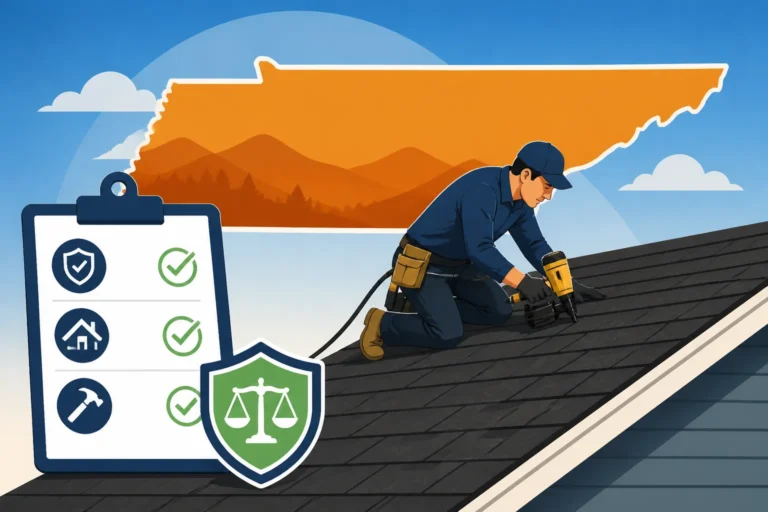
Roofing Permit Cost in Tennessee
Let's face it, getting a new roof is already a big undertaking, and nothing sours the excitement (or dread, depending on your perspective!) like encountering unexpected bureaucracy and fees. When you're dealing with something as critical as your home's protection, the last thing you want is a surprise permit cost or, worse, a forgotten requirement that throws a wrench in your plans. This guide is here to walk you through the ins and outs of roofing permit costs in Tennessee, helping you navigate the local regulations without the usual headache.
Why Even Worry About a Roofing Permit in Tennessee?
It's tempting, isn't it? To just get the roof fixed or replaced and bypass what feels like unnecessary paperwork. Many homeowners in Tennessee, and elsewhere, wonder if a permit is truly required for something as seemingly straightforward as replacing shingles. The answer, almost universally, is yes, and there are very good reasons for it. Thinking about skipping the permit might save you a little upfront hassle, but it can lead to massive headaches and expenses down the line, ultimately jeopardizing your home, your wallet, and your peace of mind.
Protecting Your Investment and Safety
Permits aren't just about collecting fees; they're a crucial mechanism for ensuring that the work done on your home meets established safety and quality standards. Imagine investing thousands into a new roof only to find out months later that it wasn't installed correctly, leaving your home vulnerable to leaks, wind damage, or worse. This is precisely what building codes and permit inspections aim to prevent.
When you secure a roofing permit in Tennessee, it triggers a process where your local building department (be it in Nashville, Memphis, or a smaller town) reviews your project plans and often performs inspections during or after the work. This oversight confirms that the materials used are appropriate, the installation techniques adhere to modern safety standards, and the structural integrity of your roof isn't compromised. It's a layer of protection for you, the homeowner, ensuring that your significant investment is sound and that your home remains a safe haven for your family. Think of it as a quality assurance check for one of your home's most vital components.
Avoiding Legal Headaches and Future Problems
Skipping a permit might seem like a shortcut, but it's often a direct route to legal and financial complications. In Tennessee, performing significant construction work, including roof replacement, without the required permits can result in stiff penalties. Local building departments can issue stop-work orders, impose fines, and even demand that improperly permitted work be torn down and redone correctly – all at your expense.
Beyond immediate penalties, a missing permit can become a significant obstacle when you decide to sell your home. During a home inspection or title search, an unpermitted roof replacement will often be flagged. This can lead to delays in closing, demands from buyers for permit acquisition (often requiring retrospective inspections and additional fees), or even a reduction in your home's selling price. What's more, your homeowner's insurance policy might deny a claim related to a roof installed without a proper permit, leaving you completely exposed if future damage occurs. Understanding why and when you need a permit is essential, and this guide to Roofing Permits Explained is a great resource to learn more.
What Goes into the Cost of a Roofing Permit in Tennessee?
Now that we've established why permits are important, let's talk about the burning question: how much does one actually cost? The truth is, there's no single, statewide answer for Tennessee. Roofing permit costs are highly localized, varying significantly from one city or county to another. It’s not just a flat fee you pay; several factors can influence the final price tag.
Local Municipality Fees
The primary driver of your roofing permit cost will be the specific fees charged by your local municipality. Tennessee, like many states, delegates the responsibility for issuing building permits to individual cities and counties. This means that the rules and, more importantly, the price structures, can be quite different whether you're replacing a roof in Davidson County (Nashville) or Shelby County (Memphis).
Some municipalities might charge a flat fee for residential roofing permits, which is straightforward and predictable. For example, a smaller town might have a set fee of $75 or $100 for any roof replacement. However, many larger cities base their fees on a percentage of the project's valuation (the estimated cost of the roofing job), the total square footage of the roof, or a combination of both. So, a $15,000 roof replacement will typically incur a higher permit fee than a $8,000 repair project. It’s not uncommon for fees to also include separate charges for plan review and subsequent inspections. This local variation makes it critical to check with your specific city or county’s building department rather than relying on general state information.
Project Scope and Complexity
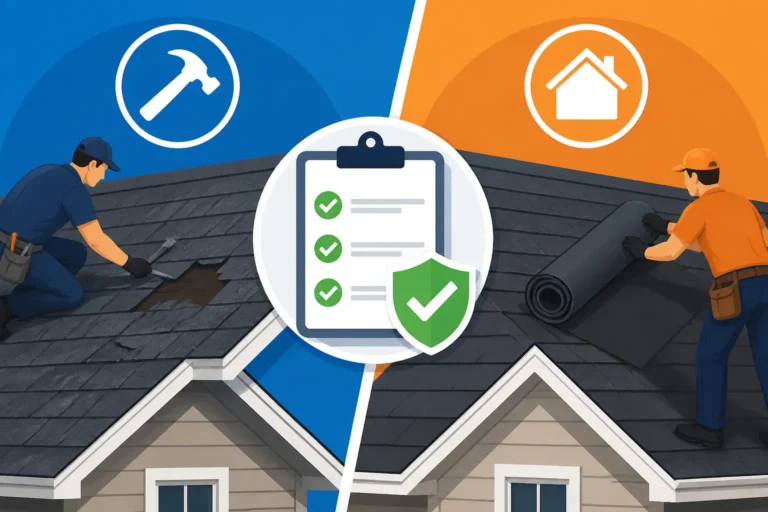
The nature of your roofing project also plays a role in the permit cost. A simple "re-roof" or "overlay" project, where new shingles are installed directly over a single existing layer, might have a different fee structure than a full "tear-off and replacement." When the project involves removing all existing layers of roofing material and potentially replacing deteriorated roof decking, the scope is much broader.
A full tear-off often necessitates a more thorough inspection of the underlying structure, which can sometimes lead to slightly higher permit fees due to the increased oversight required. Projects with a steeper roof pitch, multiple stories, or complex architectural features like numerous dormers or valleys might also be assessed differently due to the perceived increase in labor and potential safety considerations. For instance, if you're replacing significant portions of the roof decking due to rot or damage, this might be considered a structural repair, potentially adding to the complexity and therefore the permit cost. You can learn more about these specifics in our guide on Cost of Roof Tear-Off and Disposal.
Additional Fees and Inspections
It’s not just the initial permit application fee you need to consider. Sometimes, there can be additional costs or penalties lurking. For example, if the initial inspection reveals issues that aren't up to code – perhaps improper nailing, insufficient ventilation, or issues with flashing – you might be subject to re-inspection fees. These fees are charged each time an inspector has to come back out to re-verify that the corrected work meets compliance.
Beyond inspections, some municipalities may have fees for specific add-ons or expedited permit processing, though the latter is less common for routine residential roofing. It’s also wise to remember that while the permit fee is separate from the cost of the actual roofing work, a good contractor will typically factor the permit application and management into their overall quote. They handle the paperwork, schedule inspections, and ensure all regulatory boxes are checked. Make sure to ask your chosen roofing contractor how they handle permits and what to expect regarding these costs, as part of understanding What a Roofing Estimate Should Include.
Average Roofing Permit Costs Across Tennessee Cities
As we’ve discussed, permit costs are highly localized in Tennessee. To give you a realistic idea, let’s look at some of the major metropolitan areas and their typical permit fee ranges. Keep in mind these are estimates and can change, so always verify with your local building department.
Examples from Major Metro Areas
Here's a breakdown of what you might expect in different parts of Tennessee. These figures are generally for residential asphalt shingle roof replacements, assuming a standard tear-off and replacement on a typical home.
| City/County (Tennessee) | Typical Permit Fee Range | Notes on Fee Structure |
|---|---|---|
| Nashville (Davidson County) | $50 – $250+ | Often calculated based on the project valuation (estimated cost of the job). A basic re-roof might be on the lower end, while a complex replacement could be higher. Includes plan review and inspection fees. |
| Memphis (Shelby County) | $75 – $300+ | Fees can be a fixed rate for smaller projects or scaled based on the square footage or total construction value. Expect potential fees for administrative costs. |
| Knoxville (Knox County) | $60 – $200+ | Typically, a flat fee for residential roofing permits, with potential for slight increases depending on the scope. They prioritize clear, simple fee structures. |
| Chattanooga (Hamilton County) | $70 – $275+ | Similar to Nashville, fees here often depend on the declared value of the roofing project, ensuring larger jobs contribute more to oversight costs. |
| Murfreesboro (Rutherford County) | $50 – $200+ | Usually a standard flat fee for residential roofing, making it relatively straightforward for homeowners. |
| Clarksville (Montgomery County) | $40 – $180+ | Generally on the lower side for residential permits, often with a fixed fee structure. |
| Franklin (Williamson County) | $75 – $250+ | Often based on project valuation, like many rapidly growing areas. Expect a slightly higher cost for larger or more intricate jobs. |
Disclaimer: These ranges are estimates based on general information and common practices. Actual costs can vary due to specific project details, current fee schedules, and local ordinance changes. Always consult your local city or county building department for the most accurate and up-to-date information.
It's important to remember that these fees are just one piece of the puzzle when you're considering How Much Does an Asphalt Shingle Roof Cost overall.
How to Find Your Specific Local Permit Cost
The best way to get an accurate figure for your specific roofing project in Tennessee is to go directly to the source. Don't rely on online forums or anecdotal evidence from neighbors, as codes and fees can change.
Here’s a step-by-step approach to finding your exact local permit cost:
- Identify Your Jurisdiction: Determine if you live within city limits or in an unincorporated county area. This dictates whether you contact the city’s building department or the county’s. For example, if you're in Nashville, you'd contact Metro Nashville Planning Department. If you're just outside of Franklin in Williamson County, you'd contact the Williamson County Codes Department.
- Visit Their Website: Most city and county building or codes departments in Tennessee have robust websites. Look for sections on "Permits," "Building Permits," or "Residential Permits." Many will have downloadable fee schedules or online permit portals where you can look up specific costs.
- Call the Building Department: If you can't find the information online or have specific questions about your project, pick up the phone. The permit technicians are there to help and can clarify requirements, fees, and the application process. Be prepared to provide your address and a brief description of the work you plan to do (e.g., "full asphalt shingle roof replacement on a single-family home").
- Ask Your Contractor: A reputable and experienced roofing contractor who regularly works in your area should be well-versed in local permit requirements and costs. They can often provide you with an accurate estimate for the permit fee as part of their overall bid. This is why choosing the right contractor is so vital; they're your guide through this process. You can explore this further by checking out How to Choose a Roofing Contractor.
By taking these steps, you’ll avoid surprises and ensure your budget is realistic for the entire roofing project, including all permit-related expenses.
The Permit Process and Potential Hidden Costs
Understanding the permit fee is one thing, but navigating the process itself can sometimes feel like another beast entirely. It’s not just about writing a check; there are steps, timelines, and potential pitfalls that can indirectly add to your overall project cost or timeline. Knowing what to expect can save you a lot of stress.
The Application Process
The first hurdle is the application itself. In Tennessee, a roofing permit application generally requires specific information about your property and the proposed work. This often includes your property address, the scope of work (e.g., "remove and replace asphalt shingles"), the estimated value of the project, and details about the contractor performing the work. Crucially, your contractor will need to provide proof of their license and insurance. This isn't just a formality; it's a vital safeguard for you. You want a contractor who is Licensed and Insured Roofers: Why It Matters to protect yourself from liability.
A key decision here is often about who pulls the permit. While homeowners can pull permits themselves in many areas, it's generally highly recommended to have your chosen roofing contractor handle this. Why? Because they are the experts. They understand the specific requirements, know what documentation is needed, and are familiar with the local building department's processes and personnel. They’ll ensure the application is complete and accurate, minimizing delays. Plus, in many cases, if a homeowner pulls the permit, they assume a certain level of liability and responsibility for the project's compliance with codes, which is usually best left to a professional. Our article on Who Pulls the Roofing Permit: You or the Contractor delves deeper into this often-confusing aspect.
Overlooked Expenses
While the permit fee is a direct cost, there are often indirect, or "hidden," costs associated with the permit process that homeowners might overlook. These aren't charges from the city but rather impacts on your overall project budget and timeline. For instance, the time it takes to apply for the permit, wait for approval, and schedule inspections can add days or even weeks to your project timeline. If you're on a tight schedule or facing inclement weather, these delays can be frustrating.
Another often-overlooked expense is the administrative time your contractor spends managing the permit process. While this is usually rolled into their overall labor costs, it's still a part of what you're paying for. A contractor might charge a small administrative fee or simply factor it into their overhead, but it's not "free" work. Furthermore, if an inspection reveals issues that need correction, your contractor will have to spend additional time and resources fixing them, which could result in change orders if the problem wasn't anticipated in the original scope. For example, if the inspector finds rotted roof decking that wasn't visible until the old shingles were removed, you'll incur additional costs for the Roof Decking Replacement Cost. These are all factors that can contribute to the overall Hidden Costs in a Roof Replacement. Choosing a reputable contractor from the start can help mitigate many of these potential issues, as they often anticipate such scenarios and communicate them clearly.
Disclaimer
Please remember that the information provided in this guide is for general informational purposes only and is not intended as legal, financial, or construction advice. Local building codes, permit requirements, and fee schedules in Tennessee can change frequently and vary significantly by specific city and county. Always consult directly with your local building department and a qualified, licensed, and insured roofing contractor for the most accurate and up-to-date information pertaining to your specific project and location. We are not responsible for any actions taken based on the information presented here.