Roofing Permit Cost in Washington
Navigating the world of home renovations can feel like wandering through a maze, and when it comes to replacing your roof, one of the most confusing parts is often figuring out the permit process and, more specifically, the cost. Many homeowners in Washington state are understandably frustrated by the opaque nature of these fees, wondering why their neighbor paid one price while they're quoted another. This guide aims to clear up that confusion, diving deep into what drives roofing permit costs in Washington and how you can prepare for them.
Understanding Roofing Permits in Washington State
Let's be honest, nobody wants to deal with permits. It feels like an extra layer of bureaucracy and expense when all you want is a sturdy roof over your head. But understanding why these permits exist and when they're truly necessary can save you a lot of headaches and money down the line.
Why Permits Are Necessary for Your Roof Project
At its core, a roofing permit is about ensuring safety and compliance. Think of it as a stamp of approval from your local jurisdiction—be it your city or county building department—that your roofing project meets specific building codes and safety standards. These codes aren't just arbitrary rules; they're designed to protect you, your family, and even future homeowners.
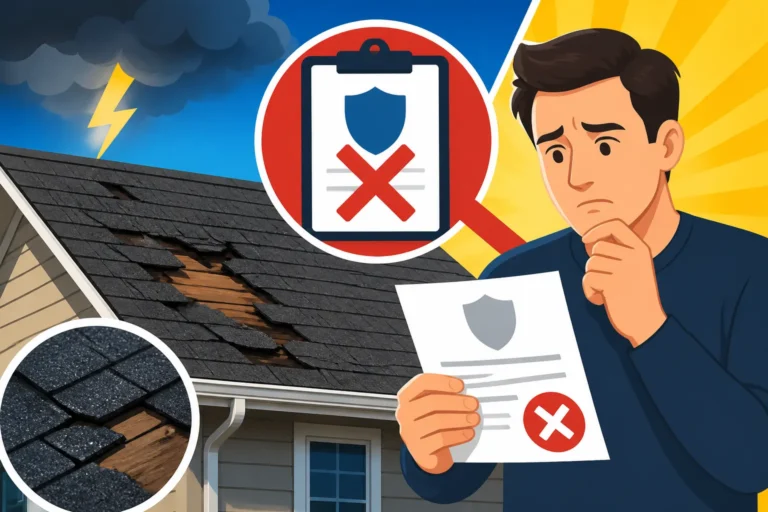
For example, a strong windstorm blowing through Puget Sound or a heavy snowfall in the Cascades can put immense stress on a roof. Local building codes dictate things like proper nailing patterns for shingles, the type of underlayment required, and the structural integrity of your roof decking. If a roof is installed incorrectly without a permit, and then fails prematurely or causes structural damage to your home, you could face significant issues. Insurance companies might even deny claims if work wasn't permitted and inspected, arguing that the damage resulted from unapproved construction. This is a common and stressful scenario we see homeowners fall into, and it's easily avoidable by simply getting the proper permits.
When a Permit is Required vs. Not Required
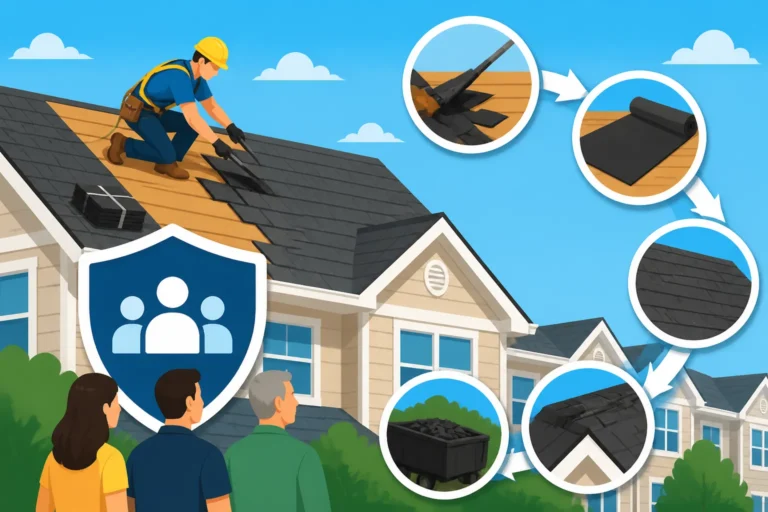
This is where much of the confusion lies. Generally, in Washington state, a roofing permit is required for most significant roofing projects. This almost always includes a full roof replacement, where all existing layers of shingles are torn off, and new materials are installed. It also typically applies when you're adding a second layer of shingles over an existing one, known as an overlay, though many jurisdictions now strongly discourage or even prohibit this practice due to structural load concerns. To learn more about this process, check out our detailed guide on Roofing Permits Explained.
However, minor repairs usually do not require a permit. What constitutes a "minor repair"? This typically means replacing a small section of damaged shingles, fixing a localized leak, or repairing a few broken tiles, as long as the structural integrity of the roof or its overall dimensions aren't being altered. For instance, if you have a few missing shingles after a windstorm in Olympia, simply replacing those specific shingles likely won't require a permit. But if that windstorm caused significant damage across a large portion of your roof, necessitating a substantial repair or a complete section replacement, a permit would almost certainly be required.
Always err on the side of caution. If you're unsure, it's far better to make a quick call to your local building department in cities like Seattle, Tacoma, or Spokane, or your county planning department, than to proceed without a necessary permit. They can clarify the exact rules for your specific project and location. Our guide on When You Need a Roofing Permit provides even more specific scenarios to help you decide.
Factors Influencing Roofing Permit Costs in Washington
The cost of a roofing permit isn't a one-size-fits-all number across Washington state. It's a dynamic figure that can fluctuate quite a bit based on several key factors. Understanding these will give you a clearer picture of what to expect when you receive your estimate.
Location, Location, Location: City vs. County Rates
Just like real estate, permit costs are heavily influenced by where your property is located. Major metropolitan areas and larger cities in Washington tend to have higher permit fees compared to smaller towns or unincorporated county areas. This is due to a variety of factors, including higher administrative costs, more extensive inspection processes, and sometimes local taxes or surcharges specific to urban development.
For example, a roofing permit in the City of Seattle will generally be more expensive than one for a similar project in a less populated area of Snohomish County, or a smaller city like Chehalis in Lewis County. Cities like Bellevue, Kirkland, and Redmond in King County often have fees that reflect their robust infrastructure and administrative demands. Meanwhile, cities like Vancouver or Bellingham, while substantial, might have slightly different fee structures. Each jurisdiction sets its own rates, often based on a combination of fixed fees and project valuation. This is why our article on Roofing Permit Cost by Area emphasizes the need to check local specifics.
Project Scope and Complexity
The nature of your roofing project also plays a significant role in determining the permit cost. A simple "like-for-like" asphalt shingle replacement on a straightforward ranch-style home will typically incur lower permit fees than a complex project involving structural changes or extensive decking replacement.
Consider these scenarios:
- Standard Tear-Off and Replacement: This is the most common scenario, where the existing roof is completely removed down to the decking, and a new one is installed. The permit cost will generally be based on the estimated value of the roofing work, including labor and materials, and the square footage of the roof.
- Roof Overlay (Re-roofing over existing shingles): While less common now and often regulated by local codes on the number of layers allowed, if permitted, an overlay might sometimes have a slightly different fee structure, though the project valuation might not be drastically different from a full tear-off. However, many Washington jurisdictions prefer or require a full tear-off to allow for proper inspection of the roof deck.
- Structural Changes or Extensive Decking Replacement: If your project involves changing the roof's pitch, adding dormers, or if the roof inspection reveals widespread rotten or damaged roof decking that needs to be replaced, the scope and complexity increase dramatically. This could lead to higher permit fees, additional plan review fees, and more stringent inspections to ensure the new structure meets current building codes for load-bearing capacity and seismic resistance, which is particularly relevant in Washington state. Our comprehensive guide on Roofing Building Codes: What to Know goes into more detail on these requirements.
Permit Fees and Surcharges
When you look at a permit application, you'll often see more than just a single "roofing permit fee." There are usually several components that make up the total cost. These can include:
- Base Application Fee: A non-refundable fee charged just to process your application.
- Plan Review Fee: If your project involves anything beyond a simple like-for-like replacement, a plan reviewer might need to assess your drawings and specifications to ensure they meet code.
- Valuation Fee: Many jurisdictions calculate a portion of the permit fee based on the estimated total value of the construction project. The higher the estimated cost of your new roof, the higher this component of the fee will be.
- State Surcharges: The State of Washington often imposes its own surcharges on local building permits, which are then collected by the local jurisdiction. These can go towards state-wide building code enforcement efforts or other programs.
- Technology/System Fees: Some departments charge a fee for using their online permit application systems or for document management.
- Energy Code Compliance Fees: With an increasing focus on energy efficiency, some areas may have specific fees or requirements related to ensuring your roof replacement contributes to the home's overall energy performance, especially if insulation is part of the project.
- Inspection Fees: While often included in the base or valuation fees, sometimes specific inspections might incur separate charges, especially if re-inspections are required due to initial failures.
For example, in a city like Everett, you might encounter a base fee, plus a fee calculated per square foot or per $1,000 of project valuation, along with state surcharges. These various line items add up, making the total cost more substantial than a single, flat fee might suggest.
Estimating Your Roofing Permit Cost in Washington
Getting a clear estimate for your roofing permit cost can feel like a guessing game, but with a bit of research, you can get pretty close. Since costs vary so much by location and project details, the best approach is always to check directly with your local authority.
Typical Cost Ranges Across Washington Cities
While exact figures require a direct inquiry, we can provide a general idea of what homeowners in different parts of Washington might encounter for a standard asphalt shingle roof replacement on an average-sized home (e.g., 1,500-2,000 sq ft). Remember, these are estimates and can change frequently.
| City/County (Washington) | Estimated Permit Cost Range (Standard Asphalt Re-Roof) | Notes on Variation |
|---|---|---|
| Seattle (King County) | $300 – $800+ | Higher end for larger homes or complex projects. Valuation-based fees are common. |
| Tacoma (Pierce County) | $250 – $650 | Generally slightly less than Seattle, but still subject to project valuation. |
| Spokane (Spokane County) | $200 – $550 | Can be lower in outlying areas of the county. |
| Vancouver (Clark County) | $200 – $600 | Influenced by project valuation and specific city/county fees. |
| Bellevue (King County) | $400 – $900+ | Often on the higher end due to complex fee structures and high valuation. |
| Everett (Snohomish County) | $250 – $600 | Varies within Snohomish County (e.g., city of Everett vs. unincorporated areas). |
| Smaller Towns/Rural Counties | $100 – $400 | Often simpler fee structures, sometimes flat fees for residential re-roofs. |
Disclaimer: These ranges are illustrative and based on general information and publicly available data. Actual costs will depend on your specific project details, local regulations at the time of application, and valuation methods used by the permitting authority.
As you can see, the spread can be quite significant. A small town like Ephrata in Grant County might have a very straightforward, lower permit fee, while a bustling city like Renton or Federal Way will likely be closer to Seattle's cost range. Our post on Roofing Permit Cost and Process offers more insights into how these figures are calculated.
How to Find Specific Local Permit Information
The best way to get an accurate estimate for your specific project is to go straight to the source.
- Identify Your Jurisdiction: Determine if your home is within city limits or in an unincorporated county area. This dictates which building department to contact. For instance, if you live in Redmond, you'd contact the City of Redmond Planning Department. If you're outside any city in King County, you'd contact King County Permitting.
- Visit Their Website: Most city and county building departments in Washington have comprehensive websites. Look for sections on "Permits," "Building Permits," or "Development Services." They often have fee schedules and application forms available for download. Search for "residential roofing permit" or "minor alterations permit."
- Call or Email: Don't hesitate to call or email the permitting department. They are there to help clarify requirements. Be ready to provide your address and a brief description of your project (e.g., "I'm replacing my asphalt shingle roof, full tear-off, approximately 1,800 square feet of roof area, no structural changes").
- Consult Your Contractor: A reputable local roofing contractor will be intimately familiar with the permit requirements and costs in your specific area. They often handle the entire permit process as part of their service, which is generally the preferred approach for homeowners.
The Permit Application Process and What to Expect
The permit process can seem daunting, but it's usually quite streamlined once you know the steps. Most of the heavy lifting will (and should) be handled by your chosen roofing contractor.
Steps to Obtain Your Roofing Permit
Here’s a general outline of how the roofing permit process typically unfolds in Washington state:
- Initial Consultation and Scope Definition: Your contractor will assess your roof, discuss the scope of work (e.g., full tear-off, underlayment, flashing, ventilation, specific shingle type like GAF Timberline HDZ), and provide you with a detailed estimate. This estimate should ideally include the permit cost.
- Application Submission: Your contractor, or sometimes you as the homeowner (though this is less common for full replacements), will fill out the permit application form provided by the local building department. This form will ask for property details, contractor information, and a description of the work. For larger projects, they might also need to submit plans or drawings, though for a standard shingle re-roof, this is often minimal.
- Fee Payment: The permit fees, as discussed earlier, will be paid upon application or upon permit issuance.
- Plan Review (If Applicable): For more complex projects, the building department might review the submitted plans to ensure they comply with local codes. For most residential asphalt re-roofs without structural changes, this review is often quick or integrated into the application process.
- Permit Issuance: Once the application is approved and fees are paid, the permit is issued. This typically comes in the form of a physical document that must be displayed prominently at the job site (usually on a window or a stake in the yard) for the duration of the project.
- Inspections: This is a critical step. During or after the roofing work, one or more inspections will be required.
- Pre-cover or Mid-Roof Inspection: Some jurisdictions require an inspection after the old roof is torn off but before new materials are installed. This allows the inspector to check the condition of the roof decking, ensure proper underlayment installation (like ice and water shield in areas prone to freezing), and verify adequate ventilation.
- Final Inspection: After the new roof is fully installed, a final inspection is conducted to ensure all work meets code, including proper shingle installation, flashing around chimneys and vents, and the overall quality of the job.
- Permit Closure: Once all required inspections are passed, the permit is officially closed, signifying that the project has met all local regulations.
Remember, the timeline for this process can vary. In busier areas like King County, permit processing might take a bit longer than in more rural communities. For a deeper dive into the specific steps, refer to our guide on How to Pull a Roofing Permit.
Who Should Pull the Permit: Homeowner or Contractor?
This is a question we hear all the time, and the answer is almost always the same: your roofing contractor should pull the permit.
Here's why this is so important:
- Expertise in Local Codes: Reputable contractors are well-versed in the specific building codes and permit requirements for different cities and counties in Washington. They know the ins and outs of what's needed for an application in Seattle versus Spokane.
- Accountability: When the contractor pulls the permit, they become the "responsible party" in the eyes of the building department. This holds them accountable for ensuring the work meets code and passes inspections. If there are issues, the city or county will contact the contractor directly.
- Time Savings: Navigating the permit application process, understanding technical jargon, and scheduling inspections can be time-consuming and confusing for a homeowner. Contractors do this regularly and can often streamline the process.
- Protection Against Scams: If a contractor insists that you pull the permit, it's a major red flag. This often means they are not licensed, not properly insured, or trying to avoid accountability for shoddy work. Always be wary of contractors who try to shift this responsibility. Our guide on Roofing Contractor Red Flags to Avoid highlights this as a critical warning sign.
Before you hire a roofing contractor, always verify that they are licensed and insured in Washington state and that they intend to pull all necessary permits for your project. A good contractor will include the permit fees in their overall estimate and handle all the paperwork on your behalf. Choosing a contractor is a big decision; our post on How to Choose a Roofing Contractor can help you make an informed choice.
Potential Pitfalls and Avoiding Costly Mistakes
While getting a roofing permit is a necessary step, homeowners sometimes encounter avoidable issues that can lead to delays, fines, or unexpected expenses. Knowing these common pitfalls can help you steer clear of them.
The Risks of Skipping a Permit
It might be tempting to skip the permit process to save a few hundred dollars or avoid perceived hassle. However, the risks far outweigh any potential short-term savings.
- Fines and Penalties: If your local building department discovers that you had major roofing work done without a permit, you could face hefty fines. These fines are often significantly more expensive than the original permit fee and might even be retroactive, meaning you could be penalized for every day the unpermitted work existed. For example, in a city like Tacoma, an unpermitted roof job could result in fines of several hundred to a few thousand dollars, plus the cost of obtaining a retroactive permit and undergoing potentially more rigorous inspections.
- Mandatory Tear-Offs: In some severe cases, especially if the work doesn't meet code or poses a safety risk, the city might order you to tear off the new roof and re-do it with a permit and proper inspections. This would be a financial nightmare.
- Insurance Issues: This is one of the most significant risks. If your unpermitted roof suffers damage (e.g., from a severe hail storm in Eastern Washington or high winds near the coast) and you file an insurance claim, your insurance company might deny coverage. They could argue that the damage resulted from unpermitted, and therefore non-compliant, construction, leaving you to pay for repairs or a full replacement out of pocket.
- Problems When Selling Your Home: When you go to sell your home, a property inspection or title search might reveal unpermitted work. This can cause significant delays in the sale, require you to get retroactive permits (which is often more complicated and expensive), or force you to disclose the issue, potentially lowering your home's value or scaring off buyers. Many buyers' lenders also require proof that all major work was permitted. To understand more about the consequences, read our article on What Happens If You Skip a Roofing Permit.
Common Reasons for Permit Delays or Extra Costs
Even when you follow the rules, things can sometimes go awry. Being aware of these common issues can help you prepare.
- Incomplete or Incorrect Applications: If the permit application is missing information, has incorrect details, or lacks necessary documentation, it will be returned, causing delays. This is another reason why a reputable contractor handling the paperwork is crucial.
- Failed Inspections: An inspector might find issues during the mid-roof or final inspection. This could be anything from improper shingle nailing to inadequate ventilation or issues with flashing. When an inspection fails, the contractor will need to correct the deficiencies, and then a re-inspection will be required, potentially incurring additional re-inspection fees and extending the project timeline.
- Unexpected Discoveries: Sometimes, during the tear-off process, the crew might uncover hidden damage to the roof decking or underlying structure that wasn't visible during the initial assessment. This could be widespread rot, pest damage, or structural issues. Such discoveries necessitate additional work, potentially a revised permit, and definitely increased costs and delays. Your contractor should immediately inform you of any such findings and discuss the best course of action. Our resource on Roofing Inspection: What Inspectors Check provides a good overview of what professionals look for.
- Contractor Issues: If your contractor isn't experienced with local permit processes, they might make errors or cause delays. Or, worse, if they don't properly schedule inspections, your project could stall. This underscores the importance of hiring a reputable, local, and experienced contractor.
Always communicate openly with your contractor about the permit process and ensure they keep you updated on its status. This proactive approach can help you mitigate potential issues and ensure your roofing project in Washington state goes as smoothly as possible.
Disclaimer
Please note that the information provided in this article is intended for general informational purposes only and does not constitute professional advice. Roofing permit requirements and costs can vary significantly by location and are subject to change. Always consult with your local building department and a qualified roofing contractor to get the most accurate and up-to-date information for your specific project and area.