Does Insurance Require Roof Inspection
It’s a scenario many homeowners face: you're trying to get a new homeowners insurance policy, or perhaps renew an existing one, and suddenly, your insurance company asks for a roof inspection. You might think, "Wait, don't they just trust me that my roof is fine?" It's a frustrating curveball, making an already complex process even more daunting. This guide will walk you through exactly why insurance companies demand roof inspections, when it's most likely to happen, what they're looking for, and how you can navigate the process to ensure your home remains properly covered.
The Driving Forces Behind Insurance Roof Inspection Requirements
Let's be real, insurance companies aren't just being nosy for the fun of it. They're in the business of assessing and mitigating risk. Your roof is, quite literally, your home's first line of defense against the elements, and its condition directly impacts the likelihood and cost of future claims. A failing roof is a huge liability, prone to leaks, structural damage, and further interior damage that can rack up massive repair bills. So, when an insurer requests an inspection, they're essentially performing due diligence to protect their bottom line, which, in a roundabout way, helps keep premiums stable for everyone.
Risk Assessment and Underwriting Standards
Think of it like this: an insurance company is making a calculated bet on your home. Before they agree to cover potential damage, they want to know the odds. Your roof's age, its material, its current condition, and even its history of repairs all factor into that equation. Different companies have different risk appetites and underwriting standards. Some might be more lenient, especially if you live in a low-risk area, while others are incredibly strict, particularly if your region is prone to severe weather events.
They're looking for anything that suggests a roof might fail sooner rather than later. This isn't just about small leaks; it's about major structural integrity. They want to ensure your home is a sound investment for them to insure. If a roof appears to be on its last leg, or has known issues that haven't been addressed, the risk of a claim increases dramatically, which makes you a less attractive client. Understanding these factors can shed light on why your policy might be priced a certain way or why an inspection becomes a prerequisite for coverage.
Regional Weather Patterns and Catastrophic Events
If you live in a part of the country that sees its fair share of severe weather – think Florida's hurricanes, Texas's hail storms, or the heavy snowfalls in states like Colorado – then roof inspections are practically a given. Insurers have seen firsthand the devastating impact these events can have on roofing systems, leading to widespread damage and colossal payouts. As a result, many insurance companies have tightened their requirements in these high-risk zones.
For instance, after a major hurricane season along the Gulf Coast, you might find that insurers in those areas are much more likely to require a detailed inspection before issuing or renewing a policy. They might even mandate specific types of roofing materials, like those with higher wind ratings or impact-resistant shingles, to qualify for certain coverages or discounts. In some states, like Florida, there are even specific "4-point inspections" or "wind mitigation inspections" that heavily scrutinize the roof's condition and construction methods, as these can significantly reduce the risk of damage during a storm. These regional requirements are a direct response to historical claims data and the increasing frequency and intensity of extreme weather.
When an Insurance Roof Inspection Becomes Mandatory
It's rare for an insurance company to demand an inspection for every single policyholder every single year. However, certain situations almost always trigger this requirement. Knowing these scenarios ahead of time can help you prepare and avoid last-minute scramble or, worse, a lapse in coverage.
Older Roofs and Policy Changes
One of the most common triggers for an insurance roof inspection is the age of your roof. Most asphalt shingle roofs have an average lifespan of 20 to 30 years. Once your roof approaches or exceeds the 15-year mark, insurance companies start to get a bit antsy. They understand that beyond a certain age, even a seemingly well-maintained roof is more susceptible to wear and tear, and therefore, more prone to damage.
If you're buying a new home with an older roof, expect an inspection to be a condition of your new homeowners insurance policy. Similarly, if your current policy is up for renewal and your roof has hit that "vintage" age, your existing insurer might suddenly request one. Some policies might offer full replacement cost coverage for newer roofs but switch to actual cash value (ACV) once the roof reaches a certain age, meaning they'll only pay out the depreciated value of your roof, which can leave you significantly out of pocket. An inspection helps them determine which type of coverage is appropriate or if they'll even continue to insure the roof at all. This is often where the conversation around "Roof Age: When to Start Planning Replacement" really begins to hit home.
| Roof Age (Years) | Insurance Tendency | Coverage Implications (General) |
|---|---|---|
| 0-10 | Rarely requires inspection (unless new purchase) | Full Replacement Cost (RCV) likely |
| 10-15 | May request inspection, especially for new policies | RCV still possible, but ACV risk grows |
| 15-20 | Inspection often required, especially for new policies/renewals | ACV more common, RCV becoming harder |
| 20+ | Inspection almost certainly required; may deny coverage without upgrades | Primarily ACV, coverage denial possible |
Note: These are general tendencies; actual policies vary by insurer, state, and specific roof condition.
Post-Claim Scrutiny and Major Repairs
Another scenario where an inspection is highly likely is after you've filed a significant claim related to roof damage. If a hail storm ripped through your neighborhood, or high winds peeled off a section of your shingles, your insurer will send out an adjuster, but they might also require a professional inspection to verify the extent of the damage, ensure proper repairs were made, and confirm the overall integrity of the roof system before continuing your policy.
This isn't just about confirming the repair; it's about understanding the remaining life and potential vulnerabilities of the entire roof. Even if you only replaced a section, the insurer wants to know if the entire roof is still viable. For instance, if you had a large section replaced after storm damage, they’ll want to ensure that the remaining, older sections weren’t also compromised or are not nearing the end of their useful life. They want to avoid a situation where they pay for one repair, only to have another, larger claim due to pre-existing damage a few months later.
New Home Purchases and Policy Initiation
When you're buying a new house, especially an older one, getting a homeowners insurance policy often hinges on a successful roof inspection. Lenders also have a vested interest in your home being insurable, so they will often require proof of insurance before finalizing a mortgage. This means that if the roof is deemed too old or too damaged without proper repairs, it could complicate or even halt your home purchase.
Even for newer homes, if the roof's installation quality is questionable or if there have been reports of construction defects in the area, an insurer might request an inspection. The goal is to avoid inheriting problems from the previous owner. It’s part of the due diligence process and is often an essential step in securing a homeowners insurance policy for a newly acquired property. This is why many people opt for a comprehensive "Roof Inspection Before Buying a Home" as part of their overall home inspection.
What Insurance Companies Look For During an Inspection
Okay, so an inspection is happening. What exactly are they looking for? It's not just a casual glance; these inspections are pretty thorough and focus on specific areas that indicate the roof's health and potential vulnerabilities.
Signs of Wear, Tear, and Damage
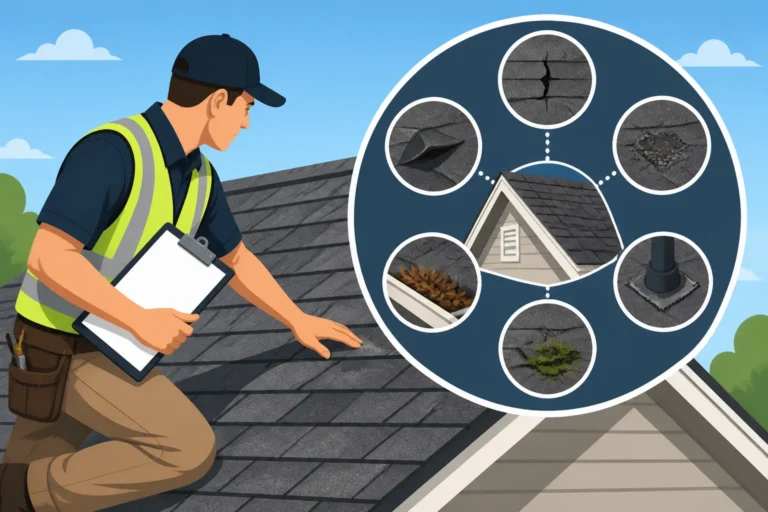
The primary objective of an insurance roof inspection is to identify any existing damage or significant wear and tear that could lead to future claims. This includes a wide range of issues. They'll be checking for things like:
- Missing or Damaged Shingles: This is often the most obvious sign of an issue, whether from wind, age, or poor installation.
- Curling, Cracking, or Blistering: These are classic indicators of an aging roof, where the shingles are losing their flexibility and protective qualities. They might look for significant granule loss, too, which exposes the asphalt to UV rays.
- Sagging or Uneven Areas: A sagging roof could point to underlying structural issues with the roof decking or framing, which is a major red flag for insurers.
- Moss, Algae, or Fungal Growth: While sometimes cosmetic, extensive growth can trap moisture, accelerate shingle deterioration, and indicate poor drainage or ventilation.
- Damaged Flashing: Flashing around chimneys, vents, and valleys is crucial for preventing water intrusion. If it's corroded, bent, or improperly installed, it's a huge leak risk. You can learn more about this in our guide on "Roof Flashing Explained".
- Blocked or Damaged Gutters: While not strictly part of the roof, dysfunctional gutters can lead to water pooling, ice dams, and accelerated fascia/soffit damage, all impacting the roof's longevity.
The inspector will meticulously document these issues, often with photos, to provide the insurance company with a clear picture of the roof's condition.
Remaining Useful Life and Overall Condition
Beyond just identifying existing problems, the inspector will also estimate the "remaining useful life" (RUL) of your roof. This is a crucial metric for insurance companies. If your asphalt shingle roof, for example, has an estimated RUL of less than 5 years, it might trigger different underwriting decisions than a roof with 10-15 years left. They're essentially trying to predict when the roof will likely need to be replaced.
They'll consider the overall quality of the shingle material, the installation quality (are the nails properly seated? Is there adequate overhang?), and how well the roof has been maintained. A roof that looks generally robust, even if it's older, might fare better than a newer roof that shows signs of neglect or poor workmanship. This assessment directly influences the type of coverage you might receive (e.g., "Actual Cash Value vs Replacement Cost Roof Claims") and whether your policy is approved at all.
Compliance with Building Codes and Manufacturer Specifications
Insurance companies also want to ensure your roof is up to current building codes and, ideally, installed according to the manufacturer's specifications. This is especially true if you live in an area with specific regulations for wind resistance or other hazards. For instance, in hurricane-prone regions, codes might dictate specific nailing patterns, types of underlayment, or the use of specific shingles with enhanced wind ratings.
If an inspector finds that your roof was installed improperly, or doesn't meet current local building codes, it could lead to denial of coverage or require you to make upgrades at your own expense. This isn't just about protection; it's about adherence to standards that are proven to reduce risk. Similarly, if you have a warranty on your shingles, the insurer might look to see if the roof was installed by a "Manufacturer-Certified Roofer" to ensure the warranty remains valid.
Navigating the Inspection Process and Your Options
Receiving a request for an insurance roof inspection doesn't have to be a source of panic. It's a manageable part of homeownership, and by understanding the process, you can ensure a smoother experience.
What to Expect During the Inspection
Typically, the insurance company will either send one of their own adjusters or contract with a third-party home inspection company to perform the roof assessment. They will usually schedule an appointment with you. On the day of the inspection, the inspector will need access to your property. They will often climb onto the roof (weather permitting and if it's safe to do so) to get a close-up view. They'll also likely examine your attic for signs of leaks or ventilation issues, so ensure access is clear.
The inspector will spend time looking for all the points mentioned above: shingle condition, flashing, ventilation, signs of damage, and overall integrity. They'll take numerous photos and notes. It's perfectly fine to be present during the inspection and ask questions, though try not to interfere with their work. Once the inspection is complete, they will compile a report, which is then submitted to your insurance company. You typically won't get a copy directly from the inspector, but you can request it from your insurance provider.
Potential Outcomes and Your Next Steps
There are generally a few outcomes after an insurance roof inspection:
- Approval without Issues: Great news! Your roof is deemed in good condition, and your policy will proceed as planned.
- Approval with Recommendations: The inspector might find minor issues (e.g., a few missing granules, some light moss) and recommend routine maintenance. Your policy is approved, but they might expect you to address these recommendations.
- Conditional Approval (Repairs Required): This is common for older roofs or those with moderate damage. The insurer agrees to cover you, but only if you complete specific repairs or maintenance items within a certain timeframe (e.g., 30-60 days). They will typically require proof that the work was done. This might be a situation where you need to decide between "Roof Repair vs Replacement: How to Decide".
- Denial of Coverage: In the most severe cases, if the roof is deemed too old, too damaged, or in imminent danger of failure, the insurance company might deny coverage altogether. This is obviously the worst-case scenario, as it leaves you without protection.
If you face conditional approval or denial, don't despair. Get quotes for the recommended repairs or, if necessary, a full replacement. If you believe the inspection was unfair or inaccurate, you can always seek a second opinion from a reputable, independent roofing contractor. They might identify issues differently or offer alternative solutions. Sometimes, a detailed report from a certified contractor can persuade your insurer to reconsider. If you are denied, you’ll also need to start looking at "Roof Financing Options Explained" to cover potential replacement costs.
Enhancing Your Roof's Appeal to Insurers
Proactive maintenance can go a long way in ensuring your roof passes muster with insurers. Regular cleaning, keeping gutters clear, trimming overhanging branches, and promptly addressing minor repairs can extend your roof's life and improve its appearance during an inspection. Consider having a professional roofing company perform an annual or biennial inspection yourself. They can spot potential problems early, before they become major insurance concerns.
Upgrading your roof with modern, more resilient materials can also be a game-changer, especially in storm-prone areas. For instance, installing Class 4 impact-resistant shingles or using advanced synthetic underlayment can not only protect your home better but might also qualify you for discounts on your premiums. Investing in "Impact-Resistant Shingle Cost" upfront could save you money and headaches in the long run. When it's time for a full replacement, choosing a reputable contractor who adheres to all local building codes and manufacturer specifications will contribute to a healthier roof and a smoother relationship with your insurer. Make sure you read our guide on "How to Choose a Roofing Contractor" if you're looking for professional help.
Disclaimer
This article is for general informational purposes only and does not constitute professional advice. Laws, prices and regulations vary by location and change over time. Consult a qualified professional for guidance on your specific situation.