What a Roof Inspector Looks For
Stepping onto your roof for an inspection isn't exactly most homeowners' idea of a fun afternoon, and honestly, it can be pretty daunting to figure out what a professional roof inspector is really looking for. It's not just about a few missing shingles; there's a whole system up there working hard to protect your home. This guide will walk you through the nitty-gritty details of what goes into a thorough asphalt roof inspection, helping you understand the assessment process and feel more confident about the state of your roof.
Why a Roof Inspection Matters Beyond Just Buying or Selling
You might think roof inspections are only for when you're buying a new house or trying to sell your current one. And while they're absolutely critical in those scenarios, a routine inspection is one of the smartest things you can do for your home, period. It's like a preventative health check for the most important protective layer of your house. Ignoring it can lead to massive headaches and unexpected expenses down the line.
Peace of Mind for Homeowners
Let's face it, the roof is one of those "out of sight, out of mind" areas for many of us. We only really think about it when there's a problem – usually a leak! But imagine the relief of knowing that the structure protecting your family and belongings is sound. Regular inspections provide that peace of mind. A good inspector can spot minor issues, like a few loose granules or a slightly raised shingle, long before they escalate into major water damage in your attic or ceilings.
For instance, after a particularly rough storm season in places like Florida or Texas, homeowners often find themselves wondering if their roof took a hit they can't see from the ground. A professional inspection can confirm whether there's hidden damage, such as bruising from hail or subtle uplift from strong winds, that might not be immediately obvious. Catching these things early can save you from bigger, more expensive repairs. It's all about being proactive rather than reactive when it comes to home maintenance.
Protecting Your Investment
Your home is likely your biggest investment, and the roof is a huge part of protecting that investment. Think about it: a failing roof can lead to water damage inside your home, which can damage drywall, insulation, electrical systems, and even foster mold growth. These interior repairs can be far more costly and disruptive than addressing the roof issue itself. A well-maintained roof not only protects your home's structural integrity but also contributes significantly to its curb appeal and overall value.
Beyond structural protection, a healthy roof is crucial for energy efficiency. Issues like poor ventilation or damaged shingles can lead to heat loss in winter and heat gain in summer, forcing your HVAC system to work harder and driving up your utility bills. An inspector will check for these factors, ensuring your roof isn't secretly costing you more each month. Understanding how your roof contributes to your home's overall health helps frame the importance of these inspections.
Insurance and Warranty Compliance
Navigating insurance claims for roof damage can be a maze, and the state of your roof plays a huge role in that process. Many insurance companies require regular inspections, especially if you're in an area prone to severe weather. Having a documented inspection report can be invaluable if you ever need to file a claim for storm damage. It provides a baseline of your roof's condition before an incident, making the claims process smoother.
Furthermore, most modern asphalt shingles come with manufacturer warranties that can span 25 to 50 years. However, these warranties often have specific conditions regarding installation and maintenance. For example, some may be voided if certain building codes or installation practices aren't followed, or if there are issues like "How Many Layers of Shingles Are Legal" on your roof. A certified inspector can ensure that your roof system, from the underlayment to the final shingle, is compliant with manufacturer guidelines and local codes, helping you keep those valuable warranties intact. This is especially true for advanced systems from brands like GAF or Owens Corning, where proper installation by a certified contractor is often key to unlocking the best warranty coverage.
The Core Components a Roof Inspector Examines
When a professional inspector gets up on your roof, they're not just taking a quick glance. They're systematically examining every square inch, looking at specific components that contribute to the roof's overall health and ability to protect your home. It's a comprehensive process designed to catch even the smallest indicators of potential trouble.
The Shingle Surface
The shingles themselves are the most visible part of your roof, and they tell a significant story about its condition. Inspectors pay close attention to several key characteristics.
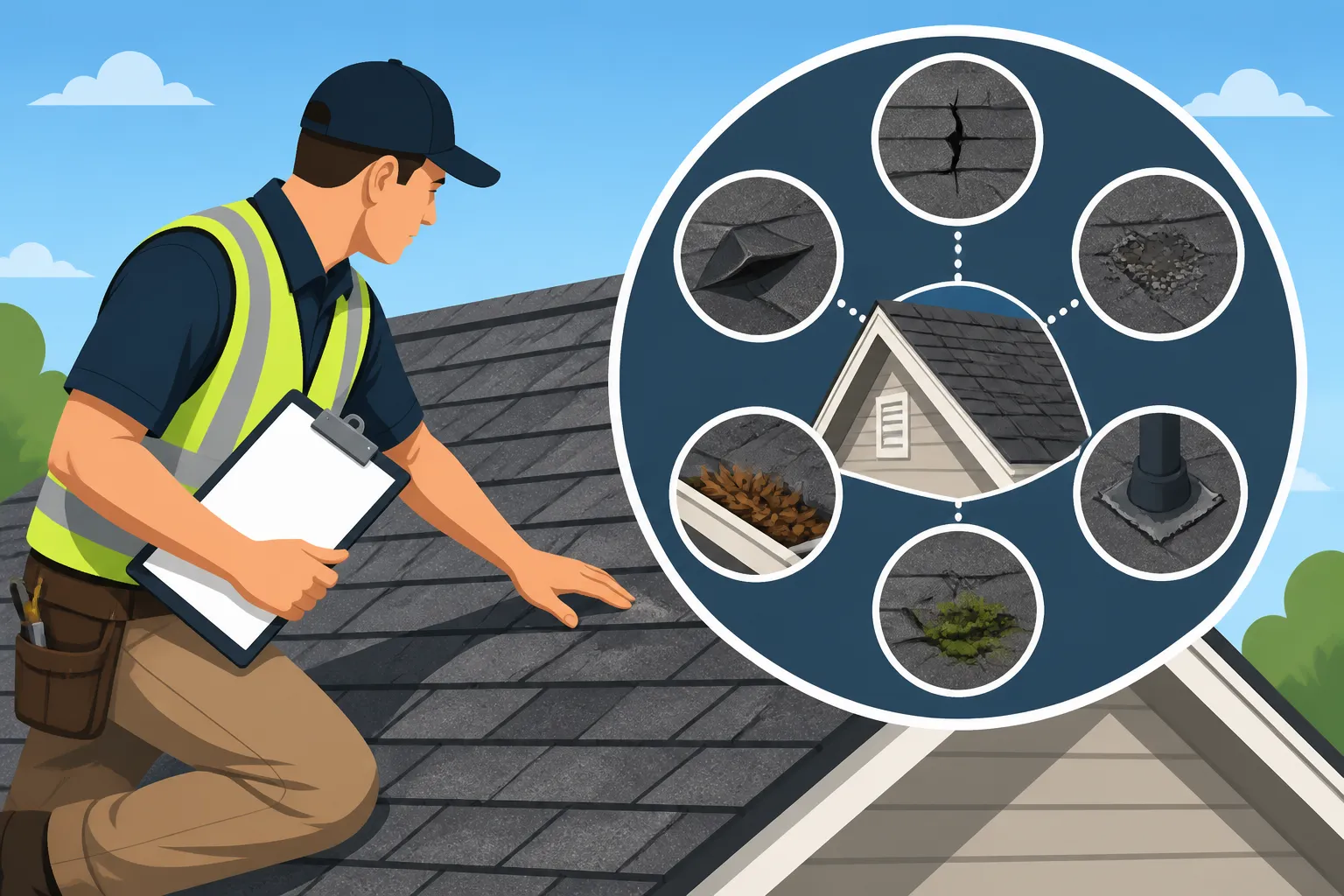
First, granule loss is a major indicator. Those tiny, sand-like particles on your asphalt shingles are there for a reason – they protect the asphalt layer from UV rays and provide color. As a roof ages, some granule loss is normal, especially in the gutters after a heavy rain. However, excessive granule loss, where the asphalt backing is exposed or you see large bald patches, signals that the shingles are deteriorating rapidly and losing their protective qualities. An inspector will assess the severity and pattern of this loss to determine if it's typical aging or a sign of premature failure.
Next, they'll check for physical deformities like curling, buckling, cracking, and blistering. Curling shingles, where the edges lift or cup, often indicate aging, attic ventilation issues, or absorption of moisture. Buckling happens when shingles ripple, often due to improper installation, movement in the roof deck, or inadequate ventilation in the attic. Cracking shingles can result from extreme temperature fluctuations, age, or manufacturing defects. Blistering, which looks like small bubbles on the shingle surface, occurs when moisture is trapped within the shingle, expanding and breaking through the surface over time. Each of these deformities has specific causes and implications for the roof's lifespan and integrity.
Finally, inspectors look for missing or damaged shingles, which are often the clearest signs of wind damage or physical impact. A strong gust can lift and tear away shingles, especially if they weren't properly sealed or nailed. Impact damage, say from a falling tree branch or hail, can also cause localized damage. Beyond obvious gaps, they'll examine the remaining shingles for subtle signs of trauma. They also note the presence of algae, moss, and lichen. While black algae streaks are primarily a cosmetic issue (though they can slightly hinder UV reflection), moss and lichen retain moisture, which can accelerate shingle deterioration and lift edges, making them a more serious concern.
Flashing and Penetrations
These are often the most vulnerable areas of any roof, making them prime targets for inspector scrutiny. Flashing is the thin material, usually metal, installed to divert water away from critical areas.
Valleys, where two roof slopes meet, are major waterways during rain. Inspectors check the flashing in these areas meticulously for signs of rust, corrosion, punctures, or improper installation. An open valley, which uses metal flashing exposed to the elements, or a closed valley, where shingles cover the flashing, both need to be watertight. Improperly installed or damaged valley flashing is a very common source of leaks.
Anywhere something penetrates the roof – like chimneys, skylights, and vent pipes – requires specialized flashing. Around a chimney, step flashing and counter flashing work together to create a watertight seal. Skylights need continuous flashing around their entire perimeter, carefully integrated with the shingles. Vent pipes, which allow gases to escape, typically have rubber boots or metal collars that seal around them. An inspector will check for cracked or dried-out rubber boots, lifted metal flashing, or excessive sealant that might be trying to cover up an underlying issue. These areas are prone to leaks because they interrupt the continuous surface of the shingles, and any defect in the flashing can lead to significant water intrusion. The importance of proper flashing cannot be overstated, as it's a primary defense against water.
Lastly, the drip edge along the eaves and rake edges of the roof is inspected. This metal flashing protects the edges of the roof deck and helps direct water into the gutters, preventing it from running down the fascia board. An inspector will ensure it's properly installed, not bent or damaged, and correctly integrated with the underlayment and starter shingles.
Gutters, Soffits, and Fascia
While not strictly part of the main roof surface, the gutters, soffits, and fascia are integral to the roof's drainage system and the overall health of your home. An inspector will definitely cast a discerning eye over these components.
First up are the gutters. They need to be securely attached, free of clogs from leaves and debris, and sloped correctly to ensure water flows efficiently towards the downspouts. Sagging gutters, overflowing gutters (even on a dry day if they're full of debris), or gutters pulling away from the fascia can indicate issues with the drainage system or even the fascia itself. Clogged gutters can cause water to back up onto the roof, leading to fascia rot, ice dam formation in colder climates, or even water penetration into the eaves.
Next, the soffits and fascia get a thorough look. The fascia board runs along the edge of your roof and supports the gutters, while the soffit is the underside of your roof's overhang. Inspectors look for signs of water damage, rot, peeling paint, or pest infestation. Water damage here often indicates issues with the drip edge, gutter overflows, or flashing problems. Proper soffit vents are also crucial, as they are part of the attic ventilation system, ensuring airflow into the attic space. Without proper ventilation, moisture can build up, leading to rot in the roof decking and even mold.
A typical inspection will involve checking the structural integrity of these components. For example, if a section of fascia feels soft to the touch, it's a clear sign of rot that needs addressing. Missing or damaged soffit panels can also compromise attic ventilation and leave your attic vulnerable to pests. These elements work in concert with your main roof to manage water and maintain the health of your home's exterior, so their condition is just as important.
Structural Integrity and Ventilation Checks
A roof isn't just shingles; it's a complete system, and its underlying structure and ventilation play a monumental role in its longevity and performance. An inspector delves deeper than the surface to ensure these crucial elements are doing their job.
Roof Decking and Substrate
What lies beneath the shingles is just as important, if not more so. The roof decking, usually made of OSB or plywood, is the structural foundation that your shingles are attached to. From inside your attic, an inspector will meticulously check for sagging or soft spots in the decking, which can indicate water damage, rot, or even structural issues with the rafters or trusses. They're looking for discoloration, dark spots, or active leaks that confirm water has penetrated the roof system.
Sometimes, previous repairs might have included patching sections of damaged decking. An inspector will check these areas to ensure they were done correctly and that the new material is flush and properly secured. The goal is to ensure the decking provides a solid, uniform surface for the shingles. If the decking is compromised, it not only affects the stability of the roof but can also void shingle warranties, as shingles need a sound surface for proper nailing and adhesion. In more severe cases, significant rot or damage to the roof decking can lead to a more complex and costly repair, often requiring a full roof replacement that includes a "Roof Decking Replacement Cost."
Attic Ventilation System
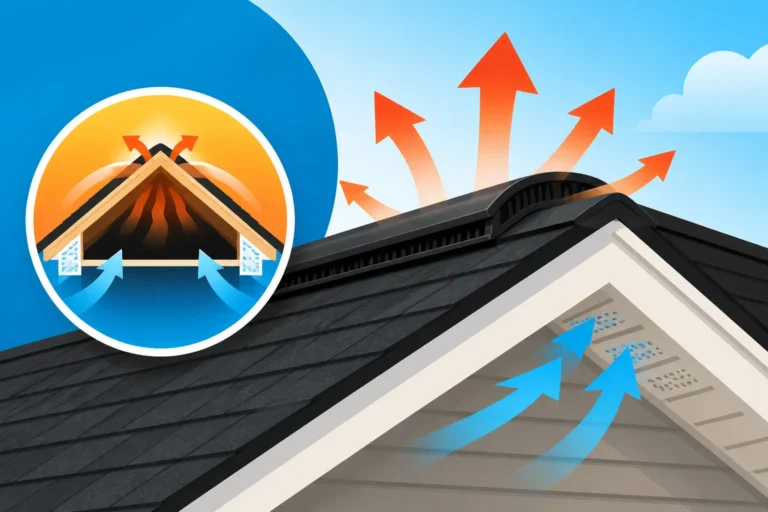
Proper attic ventilation is absolutely critical for the health of your entire roof system and even your home's energy efficiency. Without it, heat and moisture can get trapped in your attic, leading to a host of problems. An inspector will assess the entire ventilation system, which typically includes a combination of intake and exhaust vents.
Intake vents, usually found in the soffits, allow cooler outside air to enter the attic. Exhaust vents, often ridge vents (a continuous vent along the peak of the roof), gable vents (louvered vents on the ends of the attic), or box vents (individual vents placed near the roof peak), allow hot, moist air to escape. The inspector ensures there's a balanced flow of air – enough intake and enough exhaust – to create a continuous air current. They'll look for blockages in soffit vents (like insulation covering them), damaged or missing vent caps, or inadequate sizing of vents for the attic space.
The presence of excessive heat or moisture in the attic, evident by condensation, mildew, or even mold growth on the underside of the roof deck or insulation, are huge red flags. These indicate a failure in the ventilation system, which can significantly shorten the lifespan of your shingles by causing them to prematurely age, curl, and blister. Understanding "How Roof Ventilation Works" is key to appreciating why these checks are so important.
General Condition and Workmanship
Beyond specific components, an inspector also takes a holistic view of the roof's overall condition and, critically, the quality of its installation and any previous repairs. Poor workmanship can undermine even the highest quality materials.
A key aspect is checking for proper nailing patterns. Shingles need to be nailed in specific locations to ensure they hold up against wind uplift and seal properly. Incorrect nailing – nails driven too high, too low, at an angle, or overdriven/underdriven – is a common issue that can lead to premature shingle failure, granule loss, and susceptibility to wind damage. They'll also look for the correct number of fasteners per shingle, especially important in high-wind zones. This can easily be checked during a "Roof Damage Assessment: A Homeowner's Guide".
The inspector will also confirm the layer count of shingles. Local building codes often dictate how many layers of roofing material are allowed. Installing too many layers can put excessive stress on the roof deck, trap moisture, and indicate a contractor trying to cut corners by avoiding a full tear-off. They'll look for overall consistency, straight lines, and proper shingle alignment, as sloppy installation can lead to gaps, leaks, and reduced aesthetic appeal. Any visible patches or repairs will be closely examined to ensure they were done correctly and blend seamlessly with the existing roof, rather than being temporary fixes that mask deeper problems. This includes ensuring proper flashing has been used around various elements, as detailed in "Roof Flashing Explained".
What Happens After the Inspection: The Report
Once the inspector has meticulously combed over every inch of your roof, the process isn't over. The real value comes in the detailed report they provide. This document is your comprehensive roadmap to understanding the health of your roof and what, if anything, needs to be done. It’s not just a pass/fail grade; it’s an in-depth analysis.
Understanding the Findings
A professional roof inspection report is far more than a simple checklist. It will be a thorough document, often hundreds of pages long, complete with photographs, detailed descriptions of any issues found, and specific recommendations. You should expect to see images showing problem areas like granule loss, lifted shingles, or compromised flashing. Each issue should be clearly identified, its location noted, and its potential impact explained.
Inspectors typically categorize issues by severity: minor, moderate, or severe. A minor issue might be some algae growth or a loose shingle that can be easily repaired. A moderate issue could be widespread granule loss or damaged flashing that requires prompt attention to prevent leaks. A severe issue, like significant structural damage to the roof deck or widespread shingle failure, usually points towards the need for a full replacement. For example, if the report notes significant signs of aging across the entire roof, the question of "How Long Does an Asphalt Roof Last" might be definitively answered, suggesting its end of life is near. Don't be shy about asking questions if something in the report isn't clear; a good inspector will take the time to explain everything to you.
Recommendations and Next Steps
The heart of the inspection report lies in its recommendations. This is where the inspector translates their findings into actionable advice. They won't just tell you what's wrong; they'll tell you what needs to be done about it.
This might involve suggesting specific repairs, like resealing flashing around a chimney or replacing a small section of damaged shingles. For more extensive issues, they might recommend a partial reroof or even a full roof replacement. The report should help you weigh the "Roof Repair vs Replacement: How to Decide" dilemma, often outlining the pros and cons of each option based on the overall condition and age of your roof. It might also include an estimated timeline for addressing critical issues, especially if there are active leaks or significant storm damage.
Furthermore, the report often provides guidance on the potential costs involved and how to proceed with getting quotes from roofing contractors. They might recommend obtaining multiple estimates to ensure you're getting a fair price and a good scope of work. They might also stress the importance of verifying a contractor's credentials, such as licensing and insurance, and asking about warranties. Remember, this report is a powerful tool in your hands, giving you the knowledge to make informed decisions and budget effectively, especially if you're looking at something like an "Asphalt Roof Replacement Cost: Complete Breakdown." It can even guide you on whether you "Do You Need a Permit to Replace a Roof" for the recommended work.
Common Roof Issues and Their Implications
| Issue Category | Specific Problem | Potential Causes | Typical Severity | Implications & Repair Needs |
|---|---|---|---|---|
| Shingle Integrity | Granule Loss | Age, UV exposure, storm damage, manufacturing | Minor to Moderate | Reduced UV protection, accelerated aging; eventual replacement. |
| Curling/Buckling Shingles | Age, poor ventilation, improper installation | Moderate | Vulnerable to wind/water, reduced lifespan; potential for leaks, eventual replacement. | |
| Cracked Shingles | Age, thermal shock, poor quality | Moderate | Water intrusion risk; prompt repair or replacement of affected shingles. | |
| Missing Shingles | Wind damage, improper nailing | Moderate to Severe | Direct leak path to underlayment/decking; immediate replacement of shingles. | |
| Flashing & Seals | Damaged/Cracked Flashing | Age, impact, improper installation, rust | Moderate to Severe | Direct leak path around penetrations (chimney, vents, skylights); immediate repair/replacement. |
| Degraded Vent Boots/Seals | UV exposure, age, poor quality | Moderate | Leak risk around pipes/vents; replacement of boot/seal. | |
| Drainage System | Clogged/Damaged Gutters | Debris, storm damage, poor installation | Minor to Moderate | Water backup, fascia/soffit damage, foundation issues; cleaning/repair/replacement. |
| Damaged Soffit/Fascia | Water damage, pests, impact | Moderate | Compromised ventilation, pest entry; repair/replacement of wood. | |
| Structural/Attic | Sagging Roof Decking | Water damage, structural issues | Severe | Risk of collapse, widespread leaks; requires professional structural repair/replacement. |
| Inadequate Attic Ventilation | Poor design, blockages | Moderate | Moisture buildup, mold, premature shingle aging, higher energy bills; ventilation upgrades. |
Disclaimer
Please remember that this article is intended for informational purposes only and should not be considered a substitute for professional advice. Always consult with a qualified and licensed roofing contractor or inspector for any concerns regarding your roof.