Roofing Permit for a Mobile Home
Navigating the world of roofing permits can feel like an endless maze, and when you add a mobile home into the mix, the confusion often multiplies. Many homeowners are left wondering if the same rules apply, or if there's a special, perhaps even more complicated, set of hoops to jump through. It's frustrating to just want to ensure your home is protected without running afoul of local regulations. This guide is here to untangle the complexities of obtaining a roofing permit for your mobile home, giving you a clear path forward and helping you understand exactly what to expect.
Why Mobile Home Roofing Permits Aren't Always Straightforward
It’s easy to assume that a roof replacement permit for a mobile home would be similar to that for a traditional stick-built house. However, mobile homes, also known as manufactured homes, often exist in a unique regulatory space that can make permitting a bit less straightforward. This isn't necessarily because the rules are harder, but because the jurisdiction and specific codes might differ from what most people are accustomed to.
The Unique Classification of Mobile and Manufactured Homes
One of the primary reasons for this difference lies in how mobile homes are legally classified. When a manufactured home is first built, it typically adheres to the federal Manufactured Home Construction and Safety Standards, often referred to as HUD Code. This is distinct from the International Residential Code (IRC) or other local building codes that govern site-built homes. However, once a manufactured home is placed on a permanent foundation and titled as real property, its regulatory status can shift, bringing it more in line with local building codes for renovations like roofing.
For instance, if your mobile home is still considered personal property and is not permanently affixed to the land, the jurisdiction might view repairs or replacements differently. In some cases, the original HUD certification might still dictate certain aspects, even for subsequent work. This dual nature can lead to confusion, as homeowners might find themselves dealing with different sets of rules depending on their home's specific classification and the local authority's interpretation. Understanding this foundational difference is the first step in demystifying the permit process.
Varying Local and State Regulations
While the HUD Code covers the construction of manufactured homes, local and state governments typically oversee installation, maintenance, and significant modifications, including roof replacements. This means that even if you live in a mobile home park within a county, the specific requirements could vary not just from county to county, but sometimes even from town to town. What's perfectly fine in Phoenix, Arizona, might require additional steps in Flagstaff, for example.
Some states have specific departments or divisions dedicated to manufactured housing that handle permits, while others delegate it entirely to city or county building departments. This patchwork of authority means there isn't a single, universal "mobile home roof permit" process. You might find that some areas require a full structural review for a roof replacement, especially if you're changing the roof type or adding significant weight, while others are more concerned with ensuring the new roof meets basic safety standards like wind resistance. It’s always best to start your inquiry at your local building department, as they will have the most current and specific information for your area. For more general insights into the overarching requirements, you might want to look at our guide on Roofing Building Codes: What to Know.
Navigating the Permit Application Process
Okay, so you've established that you likely need a permit, and you understand the general complexities. Now, let's talk about how you actually get one. The process, while varying, often follows a similar general outline. It's about being prepared and knowing who to talk to.
Steps to Obtaining Your Mobile Home Roofing Permit
The journey to getting your permit typically begins with a visit or call to your local building department. This is the office responsible for issuing construction permits and ensuring projects meet local codes. Don't be shy about asking questions – they are there to help you understand the requirements.
- Initial Inquiry: Explain that you plan to replace the roof on a mobile home. Be ready to provide your address and possibly details about the home's classification (e.g., if it's on a permanent foundation, age of the home). Ask specifically about roofing permit requirements for manufactured homes.
- Gathering Requirements: The department will provide you with a list of necessary documents and steps. This might include application forms, proof of ownership, a site plan, and detailed plans for the new roof. You'll want to ask about specific structural requirements, especially concerning weight limits.
- Application Submission: Fill out all forms accurately. If you're hiring a contractor, they might handle much of this for you. It's common for the contractor to be the one who pulls the permit, as they are usually more familiar with the process and have the necessary licensing details. You can learn more about this in our article, Who Pulls the Roofing Permit: You or the Contractor.
- Plan Review: A building official will review your application and plans to ensure they comply with all applicable local codes and any specific manufactured home regulations. This can take anywhere from a few days to a few weeks, depending on the municipality's workload.
- Permit Issuance: Once approved, you'll pay the permit fee, and the permit will be issued. This permit usually needs to be posted visibly at the job site.
- Inspections: Throughout the roofing project, various inspections may be required. These often include a pre-roofing inspection (to check the existing structure and tear-off), a mid-project inspection (for underlayment and flashing), and a final inspection.
Required Documentation and Inspections
When you apply for a roofing permit for your mobile home, you'll typically need to provide several pieces of documentation. These are crucial for the building department to assess your project's compliance and safety.
- Application Form: A standard form provided by your local building department, which includes project details, property information, and contact details for the homeowner and contractor.
- Proof of Ownership: A deed or tax record to confirm you own the property.
- Site Plan: A simple drawing showing the location of your mobile home on your property. This might not always be required for simple roof replacements, but it's good to be prepared.
- Detailed Roof Plans: This is often the most critical component. It should include:
- Scope of Work: What exactly is being replaced (e.g., shingles, underlayment, decking).
- Materials List: The specific type of shingles (e.g., asphalt architectural shingles), underlayment, and any other components.
- Structural Details: Especially if the new roof adds significant weight or changes the existing structure. This might require an engineer's stamp in some jurisdictions.
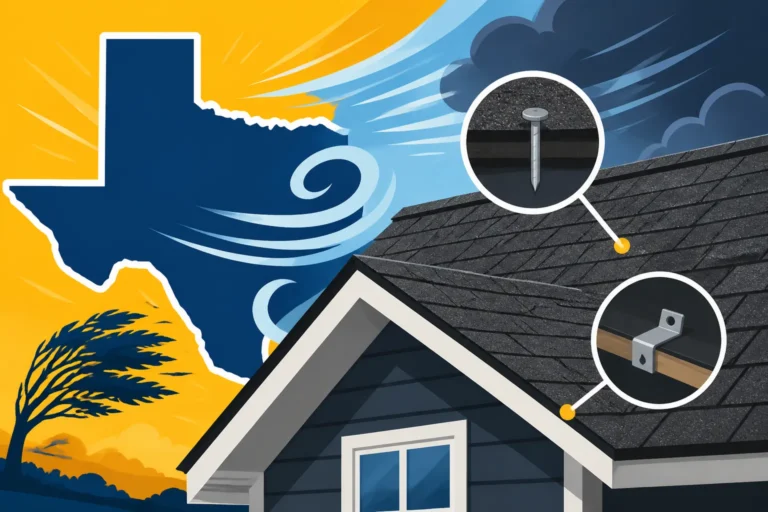
- Nailing Pattern: How the shingles will be fastened, especially important in high-wind areas.
- Contractor Information: If you're using a professional, their license number, insurance certificates, and contact information will be needed. Always make sure your chosen contractor is properly licensed and insured. Our guide on Roofing Contractor License Requirements by State can help you verify this.
As for inspections, they are a non-negotiable part of the permit process. They ensure that the work is being done correctly and safely, adhering to all codes. A typical mobile home roof replacement might involve:
- Pre-Construction or Tear-Off Inspection: Before new materials go down, an inspector might want to check the integrity of the existing roof decking once the old shingles are removed. This is crucial for mobile homes, where the original decking might be thinner or show signs of water damage. If rotten decking is found, you might need to factor in additional costs for replacement, which we discuss in Roof Decking Replacement Cost.
- Mid-Roofing Inspection: This usually occurs after the underlayment and drip edge are installed, but before the main shingle layers are applied. It verifies proper moisture barrier installation.
- Final Inspection: Once the entire roof is complete, an inspector will ensure all work is finished to code, cleanup is done, and everything is up to snuff. Only after this final approval will your permit officially be closed. Missing any required inspection can lead to costly delays or even fines down the road. For a comprehensive overview of the permit journey, check out Roofing Permits Explained.
Key Considerations and Potential Challenges
While the permit process for a mobile home roof might generally mirror that of a site-built home, there are specific factors that can either simplify or complicate matters. Being aware of these can save you headaches and unexpected costs.
Structural Capacity and Weight Limits
This is perhaps the most critical consideration for mobile home roofing projects. Original mobile homes were designed with specific weight limits in mind, often using lighter materials for the roof structure and decking. If you're replacing a lightweight 3-tab asphalt shingle roof with a heavier, more durable architectural shingle, or God forbid, a completely different material like tile or metal, you must ensure the existing structure can support the added load.
Many jurisdictions will require an engineer's assessment or a stamped plan if there's a significant change in roof material or weight. Attempting to install a heavier roof without verifying structural integrity could lead to sagging, roof collapse, or voiding your home insurance. This isn't just about passing an inspection; it's about the safety and longevity of your home. Always prioritize structural soundness over aesthetics or cost savings if a heavier material is being considered.
Existing Roof Layers and Tear-Off Requirements
Another common challenge in mobile home roofing, much like with traditional homes, is dealing with existing roof layers. Some mobile homes might have had a second layer of shingles installed over the original one at some point. While some codes still allow for a second layer, many jurisdictions, including numerous counties in Florida and Texas, now strictly require a full tear-off to expose the roof deck. This is because multiple layers can hide underlying damage, add excessive weight, and prevent proper shingle adhesion, reducing the roof's wind resistance.
If your mobile home already has two layers of shingles, a tear-off will almost certainly be mandatory. This adds to the cost and time of the project due to increased labor for removal and disposal of old materials. It's vital to discuss this with your contractor and confirm the local code requirements during the permit application phase. The guide on How Many Layers of Shingles Are Legal delves into this topic in more detail.
Impact of HUD Certification vs. Local Codes
As mentioned earlier, the interplay between the federal HUD Code and local building codes can be a source of confusion. When a mobile home is still registered as personal property, some aspects of its original HUD certification might still be highly relevant. However, if it has been converted to real property and placed on a permanent foundation, it often falls under the local jurisdiction's general building codes for renovations.
For example, if you're installing a new roof on a mobile home that's been in place for decades, the local building department will likely apply its current roofing codes, which might be more stringent than the original HUD standards. This could mean requirements for specific wind uplift ratings, ice and water shield installation, or enhanced ventilation systems that weren't part of the original build. Always clarify with your local building official whether your mobile home is subject to specific manufactured housing renovation codes or the broader residential building codes for your area. This clarity ensures your permit application is accurate and your project avoids costly surprises.
Common Questions About Mobile Home Roof Permits
It's natural to have a lot of questions when dealing with permits, especially for something as significant as a roof replacement on a mobile home. Let's tackle some of the most frequently asked ones.
What Happens If You Skip the Permit?
Oh, the dreaded "what if I just don't get one?" question. While it might seem like a shortcut, skipping a roofing permit for your mobile home is rarely worth the risk. The consequences can range from minor annoyances to major financial headaches.
Firstly, if your local building department discovers the unpermitted work, they can issue a stop-work order, halting your project immediately. This means your roof could be left exposed, vulnerable to weather, while you scramble to get the proper permits. You might also face fines, which can sometimes be double or triple the original permit fee.
Secondly, unpermitted work can cause significant issues when you try to sell your mobile home. Most buyers' home inspectors will flag unpermitted renovations, and potential buyers might demand that you retroactively obtain permits (which can be more difficult and expensive) or reduce the sale price. Your home insurance might also deny claims related to unpermitted work if it was a factor in the damage. Finally, and most importantly, permits ensure the work is done safely and to code. Skipping it means you're foregoing that critical oversight, potentially jeopardizing the structural integrity of your home and the safety of its occupants. This is a big enough deal that we have a whole article dedicated to it: What Happens If You Skip a Roofing Permit.
Is the Permit Cost Different for Mobile Homes?
The cost of a roofing permit for a mobile home typically falls within the general range for residential roofing permits in your area. It's usually calculated based on the estimated value of the project or the square footage of the roof. Some municipalities might have a flat fee, while others use a sliding scale.
The good news is that there isn't usually a separate, higher permit fee just because it's a mobile home. However, if your project requires additional assessments, like an engineering review due to structural concerns, those will be separate costs on top of the base permit fee. For a general understanding of what permits cost, you can check out our article on Roofing Permit Cost and Process. Keep in mind that permit fees are often a small percentage of the total project cost, and they're an essential investment in ensuring your roof is installed correctly and safely.
How Long Does the Mobile Home Roof Permit Process Take?
The timeline for obtaining a mobile home roofing permit can vary significantly based on your local building department's workload, the complexity of your project, and how quickly you can provide all required documentation.
Generally, for a straightforward roof replacement, you might expect the review process to take anywhere from a few days to two to three weeks. In busier metropolitan areas or during peak construction seasons, it could extend to a month or more. It's always wise to start the permit application process well in advance of when you hope to begin roofing work. Your contractor can often give you an estimate of local processing times, as they deal with these departments regularly. Don't forget, this initial permit processing time doesn't include the time needed for subsequent inspections during the actual roofing installation. Planning ahead is key to a smooth project timeline.
Mobile Home Permit Checklist: Key Items to Confirm
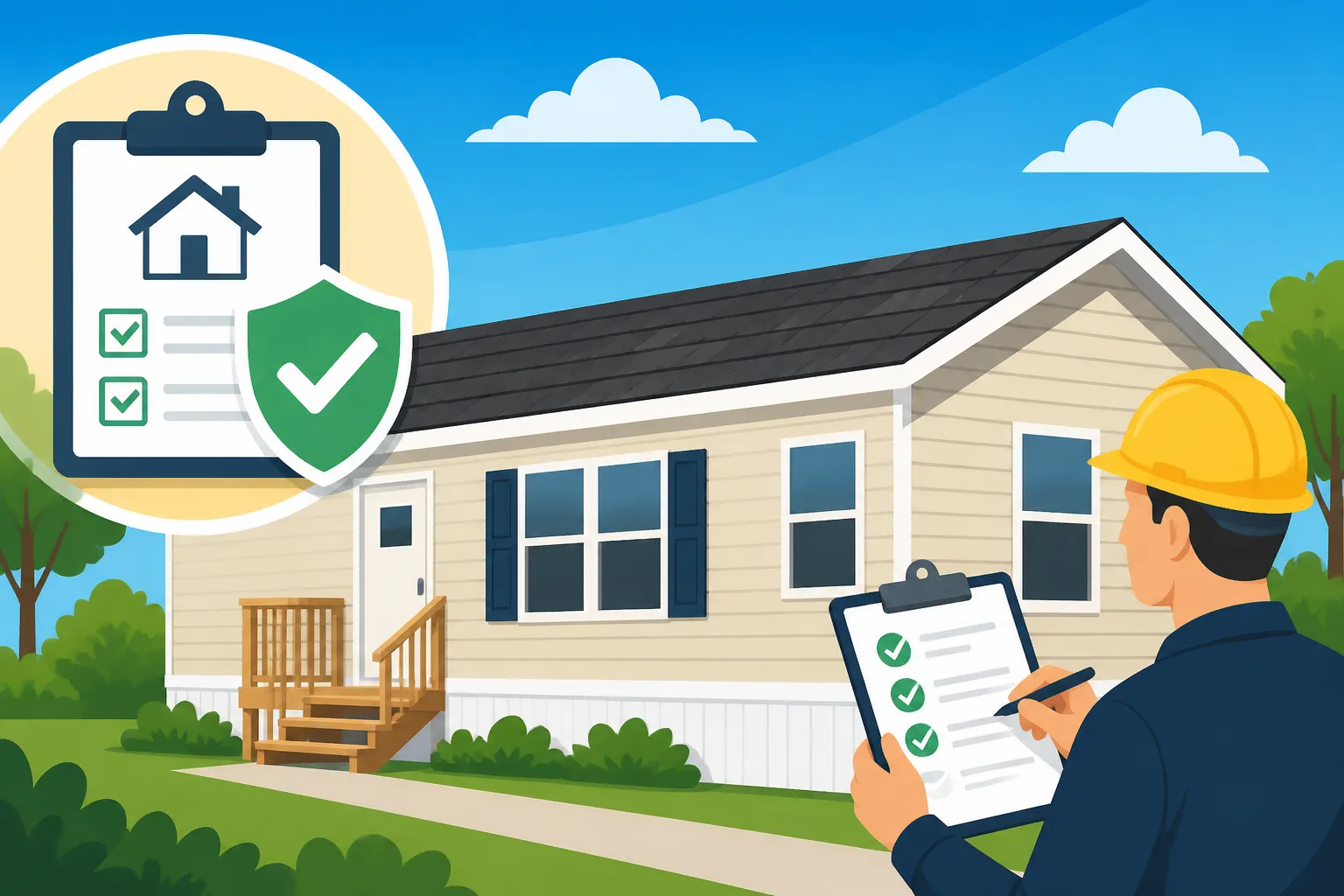
To make things a bit easier, here’s a quick checklist of things to confirm with your local building department when you’re planning a mobile home roof replacement:
| Item to Confirm | Details to Ask |
|---|---|
| Permit Requirement | Do I need a permit for a mobile home roof replacement in my area? |
| Jurisdiction | Is it handled by the city, county, or a state manufactured housing department? |
| Application Forms | Which specific forms do I need to fill out? |
| Required Documents | What plans (e.g., structural, material list), surveys, or proofs of ownership? |
| Structural Review | Is an engineer's stamp or review needed for the new roof materials/weight? |
| Existing Layers | Is a full tear-off required if I have multiple existing roof layers? |
| Inspections | What inspections are required (e.g., tear-off, mid-roof, final)? |
| Permit Fee | What is the cost, and how is it calculated? |
| Processing Time | What is the typical turnaround time for permit approval? |
| Contractor Requirements | Does my contractor need specific licenses or certifications for mobile homes? |
Remember, this checklist is a starting point. Your local building department is your ultimate resource for accurate and up-to-date information for your specific location. Working with a reputable, experienced roofing contractor can also significantly streamline this process, as they are often familiar with local codes and permitting nuances for various types of homes, including mobile homes. This allows you to focus on choosing the best shingles, like those from Owens Corning or GAF, knowing the administrative side is handled correctly. Ultimately, understanding How a Roof Replacement Works: The Full Process will put you in the best position to manage your project effectively.
Disclaimer
Please remember that building codes and permit requirements are subject to change and vary significantly by location. The information provided in this article is for general guidance only and should not be taken as legal or professional advice. Always consult with your local building department and a qualified roofing contractor to get the most accurate and up-to-date information for your specific mobile home roofing project.