Do You Need a Roofing Permit in Florida
Facing a leaky roof or planning a full replacement can be stressful enough without adding confusing bureaucratic hurdles to the mix. Many Florida homeowners wonder if they really need a roofing permit for their project, and frankly, the rules can feel like a tangled mess. This comprehensive guide will walk you through everything you need to know about roofing permits in the Sunshine State, explaining why they're essential and how to navigate the process smoothly.
The Short Answer: Yes, You Absolutely Need a Roofing Permit in Florida
Let's cut right to the chase: if you're undertaking any significant roofing work in Florida, whether it's a full tear-off and replacement or even a substantial repair, the answer is almost unequivocally yes, you will need a roofing permit. Florida's climate, with its frequent hurricanes and intense weather patterns, has led to some of the strictest building codes in the nation, and permits are a cornerstone of ensuring those codes are met to protect your home and everyone in it. Thinking of skirting the rules might seem like a way to save a buck or speed things up, but in Florida, that decision can lead to severe headaches, hefty fines, and long-term consequences that far outweigh any perceived short-term gain.
Why Permits Aren't Just Bureaucracy
It's easy to view permits as just another piece of paperwork designed to slow you down and cost you money. However, in the context of roofing, especially in a state like Florida, permits serve a crucial role in homeowner protection and public safety. When a permit is issued, it's not just a stamp; it triggers a series of inspections by local building officials at various stages of your roofing project. These inspections ensure that the work being done on your roof adheres to the latest Florida Building Code standards, which are incredibly robust due to our state's vulnerability to extreme weather.
These codes dictate everything from the type of materials that can be used, to the specific fastening methods for shingles, the proper installation of underlayment, and even the ventilation of your attic. For instance, the high-wind nailing requirements in Florida are far more stringent than in many other parts of the country. Without these oversight checks, you could end up with a poorly installed roof that looks good on the surface but is structurally compromised, leaving your home vulnerable to leaks, wind damage, and even complete failure during a storm. A properly permitted and inspected roof means peace of mind, knowing that your most vital protection against the elements has been installed correctly and safely. It's a fundamental step in ensuring the longevity and resilience of your asphalt roofing system.
The Legal Ramifications of Skipping a Permit
Ignoring the permit process in Florida isn't just about cutting corners; it's a direct violation of local ordinances and state building codes, carrying significant legal and financial risks. If work is discovered without a proper permit – and trust me, neighbors or even utility workers can notice – you'll likely face a stop-work order immediately. This means all construction halts, potentially leaving your roof exposed to the elements until the issue is resolved.
The fines associated with unpermitted work can be substantial, often calculated on a daily basis until compliance is achieved. Beyond the immediate penalties, an unpermitted roof can cause major problems down the line when you try to sell your home. Home inspectors are trained to spot work that looks unpermitted, and potential buyers will likely demand proper documentation or even a roof replacement to ensure code compliance. Furthermore, if your unpermitted roof fails due to a storm or other natural disaster, your homeowners' insurance policy might refuse to cover the damages, arguing that the unpermitted work voided your coverage. This could leave you on the hook for tens of thousands of dollars in repairs, which is a far greater cost than any permit fee. Understanding who pulls the roofing permit is also key here, as it defines liability.
What the Florida Building Code Says About Roofing Permits
The Florida Building Code (FBC) is a comprehensive set of regulations designed to ensure the structural integrity and safety of buildings throughout the state. Given Florida's unique climate challenges, especially hurricanes, the roofing sections of the FBC are incredibly detailed and regularly updated. Any significant work on your roof, particularly involving the removal and replacement of roofing materials, falls squarely under these regulations and almost always necessitates a permit.
Key Sections of the Florida Building Code for Roofing
When it comes to roofing, the Florida Building Code (FBC) is incredibly specific, especially sections pertaining to wind resistance and water intrusion. For instance, Chapter 15 of the Florida Building Code, which covers Roofing, lays out requirements for everything from the type of underlayment to be used, such as ice and water shield in vulnerable areas, to the specific fastening patterns for shingles. You'll often hear about "high-wind nailing" – this isn't just a suggestion; it's a mandatory code requirement in many Florida regions, demanding more nails per shingle than in less wind-prone areas. These codes also cover the proper installation of drip edge, flashing around chimneys and vents, and overall roof deck integrity.
The FBC also mandates specific wind resistance ratings for roofing materials, particularly for asphalt shingles. Depending on your home's location and wind zone, certain Class 4 shingle types or higher wind-rated shingles might be recommended or even required. This is why a proper roof inspection is crucial, not just for damage assessment but for ensuring current codes are met. The code also strictly regulates how many layers of shingles are legal. In most cases, only one existing layer can be roofed over, and often, a complete tear-off is required to properly inspect the roof decking and ensure new materials are installed directly to a sound substrate. This meticulous detail in the FBC underscores why permits and subsequent inspections are non-negotiable for virtually any major roofing project in Florida.
When a Permit is (and Isn't) Required
Generally, if you're doing anything more than minor patch repairs, you'll need a permit in Florida. "Minor patch repairs" typically mean replacing a few individual shingles that have blown off or are damaged, provided the underlying roof structure and underlayment are still sound and the total repair area is limited. However, even these small repairs can quickly escalate. For example, if those few missing shingles reveal damaged roof decking or indicate a widespread issue, a permit will become necessary.
A permit is almost always required for:
- Full Roof Replacement: This is the most common scenario where a permit is absolutely mandatory, as it involves removing old roofing materials and installing an entirely new system.
- Re-roofing (Overlay): If you're adding a new layer of shingles over an existing one (which is often limited to one layer by code), a permit is still required.
- Significant Repairs: If the repair covers a large section of the roof, involves structural work, or requires replacing components like flashing, underlayment, or roof decking, you'll need a permit. For example, if you're fixing a roof leak around a chimney that involves tearing out old flashing and replacing decking, that would certainly need a permit.
- Changes to Roof Structure or Pitch: Any alteration to the fundamental shape, slope, or framing of your roof will require a permit and potentially more extensive engineering review.
The general rule of thumb is: when in doubt, assume a permit is needed or consult with a licensed roofing contractor. They will be familiar with the local roofing permit cost and process and can advise you correctly.
The Roofing Permit Process in Florida: A Step-by-Step Walkthrough
Navigating the permit process can seem daunting, but when broken down, it's quite manageable. In Florida, this process is typically handled by your chosen roofing contractor, which is one of the many reasons to hire a reputable and experienced professional.
Gathering Necessary Documentation
Before a permit can even be submitted, there's a good bit of paperwork and planning involved. Your roofing contractor will usually take the lead on this, but it’s good for you to be aware of what’s needed. Typically, the application package for a roofing permit in Florida includes:
- A Completed Permit Application Form: This form will be specific to your city or county.
- Notice of Commencement (NOC): For projects exceeding a certain cost threshold (often $2,500), Florida Statute requires a Notice of Commencement to be filed with the county clerk. This publicly identifies the property owner, contractor, and lender, protecting all parties involved from potential liens.
- Proof of Contractor Licensing and Insurance: The contractor must provide copies of their state certification or local competency card, as well as proof of general liability and workers' compensation insurance. This helps you avoid roofing contractor red flags.
- Scope of Work/Project Description: A detailed explanation of the work to be performed, including materials to be used, tear-off details, underlayment type, and fastening methods.
- Product Approvals: Documentation proving that the specific roofing materials (shingles, underlayment, etc.) are approved for use in Florida and meet wind resistance requirements, often referred to as "Florida Product Approvals."
- Site Plan or Property Sketch: Sometimes required to show the location of the structure on the property.
Once all these documents are compiled, the contractor submits them to the local building department for review. This initial review ensures that the plans comply with the Florida Building Code and any local amendments.
The Inspection Process
After the permit is issued and work begins, the roofing project isn't just about putting shingles on. It’s about meeting crucial inspection milestones. For a typical asphalt roof replacement in Florida, you'll usually encounter two main inspections:
- Mid-Roof or Dry-In Inspection: This happens after the old roof has been torn off, any necessary roof decking replacement has occurred, and the new underlayment (like synthetic vs felt underlayment) and flashing have been installed, but before the new shingles are laid down. The inspector will verify the condition of the roof deck, ensure proper fastening of the underlayment, check for correct installation of drip edge and flashing, and confirm that all components meet the required FBC standards, particularly concerning wind resistance. This is a critical step to ensure the integrity of the weatherproofing before it’s covered up by the shingles.
- Final Inspection: Once all the new asphalt shingles have been installed, along with ridge vents and any other finishing components, the final inspection takes place. The inspector will check for proper shingle alignment, correct fastening, adequate ventilation, and overall workmanship to ensure the entire roof system is complete and compliant with the permit plans and building codes. If everything passes, the permit is closed out, signifying the project's legal completion.
Failing an inspection isn't the end of the world, but it means the contractor will need to make the necessary corrections and then schedule a re-inspection. This is another reason why choosing a highly skilled and experienced contractor is so vital; they know the codes and strive to pass inspections the first time.
Who is Responsible for Pulling the Permit?
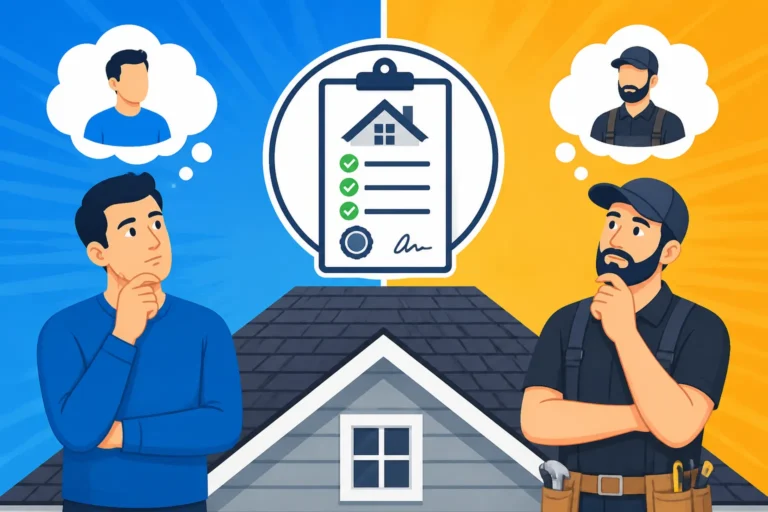
This is a common question, and one that has a very clear answer in Florida: the licensed roofing contractor is almost always responsible for pulling the permit. While homeowners can pull permits for work on their own homestead property, it is strongly advised against for roofing projects.
Why a Licensed Contractor Should Handle It
Hiring a licensed and insured roofer is paramount, and part of their professional service includes managing the permit process. A reputable contractor understands the nuances of the Florida Building Code, knows the specific requirements of your local jurisdiction (which can vary slightly from county to county or city to city), and has established relationships with the local building department. They know exactly what documentation to gather, how to fill out the forms correctly, and how to schedule and facilitate the necessary inspections.
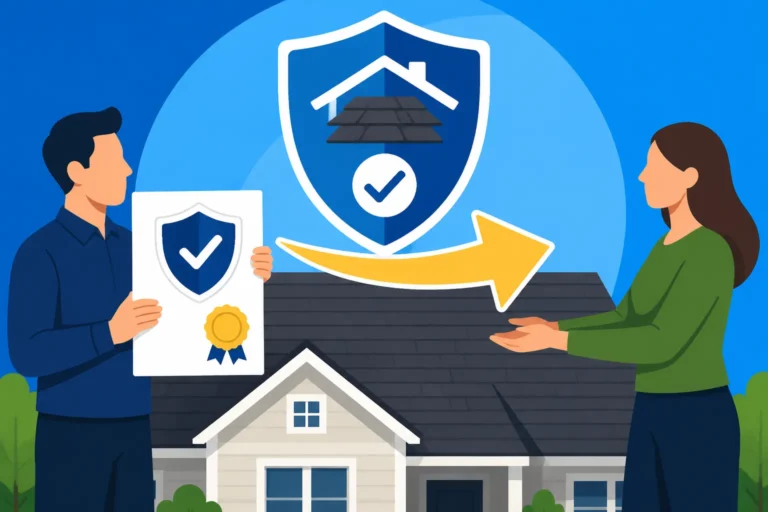
When the contractor pulls the permit, they become the "permit holder," which means they bear the primary responsibility for ensuring the work meets all code requirements. This protects you, the homeowner, from potential legal issues arising from non-compliance. It also shows you are working with a professional who follows proper procedures, reducing the risk of a bad roofing job. They have the expertise to discuss complex elements like how much roofers charge per hour, and incorporate all these factors into your roofing estimates.
Risks of a Homeowner Pulling the Permit
While technically possible for owner-occupants, pulling your own roofing permit in Florida for a major project is fraught with significant risks. When you pull the permit as the homeowner, you are essentially taking on the role of the general contractor for that roofing project. This means:
- You Assume All Liability: If there are code violations, structural failures, or accidents on the job site, the legal and financial responsibility falls squarely on your shoulders, not the contractor's.
- You are Responsible for Code Compliance: You become personally responsible for understanding and ensuring every aspect of the roof replacement meets the intricate details of the Florida Building Code. Most homeowners simply do not have this specialized knowledge.
- Workers' Compensation Risks: If your contractor's crew isn't properly insured for workers' compensation and an accident occurs, you could be held liable for their injuries, medical bills, and lost wages. This is a huge, often overlooked, risk.
- Inspection Failures: If the work doesn't pass inspection, you are the one responsible for coordinating corrections, which can delay the project significantly and incur additional costs.
- Insurance Complications: As mentioned earlier, if you act as the contractor, your homeowners' insurance might not cover damages related to the work, as they expect a licensed professional to manage construction.
Given these serious implications, it's always best to insist that your licensed roofing contractor handles the permit process from start to finish. This is one of the key questions to ask a roofing contractor before hiring them.
What Happens If You Don't Get a Permit in Florida?
Skipping a roofing permit in Florida might seem like a shortcut, but it's more like digging yourself into a hole that can be incredibly difficult and expensive to climb out of. The consequences range from immediate project disruption to long-term financial and legal entanglements.
Immediate Consequences: Stop-Work Orders and Fines
The most immediate and jarring consequence of unpermitted roofing work is the dreaded stop-work order. Once local code enforcement or building officials discover that work is proceeding without a valid permit – which they often do through neighbor complaints, routine patrols, or even satellite imagery – they will issue an official stop-work order. This means all activity on your roof must cease immediately. Imagine having a partially completed roof, exposed to Florida's unpredictable weather, with work halted indefinitely until the permit issue is resolved.
Beyond the work stoppage, you'll almost certainly face fines. These fines vary by jurisdiction but can be significant, sometimes escalating daily until the permit is obtained and the work is brought into compliance. In some cases, you might even be required to pay double the standard permit fee as a penalty. Furthermore, the building department might demand that portions of the unpermitted work, or even the entire roof, be torn off so that inspectors can verify the underlying installation, creating massive additional costs and delays.
Long-Term Headaches: Insurance and Home Sales
The pain doesn't stop once the immediate fines are paid. An unpermitted roof can cast a very long shadow over your home's future. One of the most severe long-term consequences involves your homeowners' insurance. Most insurance policies contain clauses that could allow an insurer to deny claims for damage to or from unpermitted work. If a hurricane rips off your roof that was installed without a permit, your insurance company could rightfully refuse to cover the repairs, leaving you responsible for the entire cost of a new roof, which can be upwards of $20,000 to $40,000 or more, depending on your house size. This is a critical factor to consider when evaluating whether insurance covers roof replacement.
Selling your home down the road will also become a major hurdle. When a potential buyer's home inspector discovers unpermitted work – which they invariably will – it immediately raises red flags. Buyers will be hesitant to purchase a home with such a significant outstanding issue, and their lender might even refuse to finance the purchase until the permit situation is remedied. This often means you'll have to retroactively apply for a permit, which can be a complex and costly process involving additional inspections, potential penalties, and perhaps even demolition and reinstallation if the work doesn't meet current codes. This can severely impact your home's value and marketability, costing you far more than the original permit fee and proper installation would have.
Here's a quick look at how permit requirements and costs can vary slightly by city within Florida, though always adhering to the overarching Florida Building Code. Keep in mind these are estimates and can change.
| City/County | Permit Required for Major Roofing? | Typical Permit Fee Range (Residential) | Key Local Nuance | Inspection Stages Typically Include |
|---|---|---|---|---|
| Miami-Dade County | Yes | $150 – $500+ | Strict wind-load requirements, Notice of Commencement ($2,500+). | Dry-in, Final |
| Orange County (Orlando) | Yes | $100 – $400+ | Expedited permits available for certified contractors. | Dry-in, Final |
| Hillsborough County (Tampa) | Yes | $120 – $450+ | Online permit application portal. | Dry-in, Final |
| Duval County (Jacksonville) | Yes | $100 – $350+ | Focus on stormwater management during construction. | Dry-in, Final |
| Lee County (Fort Myers) | Yes | $150 – $500+ | Enhanced wind zones and coastal considerations. | Dry-in, Final |
Note: Permit fees are estimates and can vary based on project value, scope, and specific local ordinances. Always confirm with your local building department.
Disclaimer
Please remember that this information is intended for general guidance and informational purposes only, and does not constitute legal or professional advice. Building codes and permit requirements can change, and local regulations may vary. Always consult with a licensed and reputable roofing contractor and your local building department to confirm the specific permit requirements and processes for your particular project and location in Florida.