Roofing Codes and Regulations in Pennsylvania
Trying to navigate the world of roofing codes and regulations can feel like slogging through a dense forest, especially when you're just trying to get a new roof put on your home. It’s enough to make anyone’s head spin, trying to figure out what permits you need, what materials are allowed, and what specific steps your contractor must follow. This guide aims to clear up that confusion, offering a realistic look at the roofing codes and regulations in Pennsylvania so you can feel confident and informed throughout your roofing project.
Understanding Pennsylvania's Uniform Construction Code for Roofing
When it comes to home construction and renovation in Pennsylvania, the big umbrella governing everything is the Pennsylvania Uniform Construction Code (UCC). This isn't just some dusty old rulebook; it's the framework that ensures your home, and especially your roof, is built safely and to a certain standard. The UCC basically adopts national model codes, like the International Residential Code (IRC) for residential buildings, and then adds some specific Pennsylvania flavor with state amendments. This means that while much of what's required is based on widely accepted best practices, there are also nuances that are unique to our state.
The frustration often comes from realizing that "state code" isn't always the only code. While the UCC sets a baseline, individual municipalities – your city, borough, or township – can and often do adopt their own local ordinances that add to or modify these state requirements. So, what might be perfectly acceptable in one town could have a slightly different stipulation just a few miles down the road. This patchwork can be incredibly confusing for homeowners and even for contractors who work across different areas.
The Role of the International Residential Code (IRC)
The IRC is the backbone of most residential building codes across the United States, and Pennsylvania is no exception. For roofing, this code dictates everything from the type of materials you can use (like asphalt shingles, which are incredibly popular here) to how they should be installed. It covers crucial aspects such as the required slope for different roofing materials, the proper installation of underlayment, and the minimum number and placement of fasteners (nails) for shingles to withstand wind uplift.
For instance, the IRC mandates proper ventilation to prevent moisture buildup in attics, which is vital for extending the life of your roof and preventing issues like mold or rot. It also specifies the use of a continuous drip edge along eaves and rakes to direct water away from the fascia and prevent water damage to the roof decking and walls. These might seem like small details, but they are absolutely critical for the long-term performance and integrity of your roof. Your contractor should be intimately familiar with these baseline requirements.
Pennsylvania-Specific Amendments and Considerations
While the IRC provides the general rules, Pennsylvania’s UCC includes specific amendments that every homeowner and contractor needs to be aware of. These amendments can cover various aspects, from administrative procedures for permits to specific material or installation requirements that differ slightly from the standard IRC. For example, depending on your climate zone within Pennsylvania, there might be specific requirements for ice and water shield application. While some areas might only require it at the eaves, colder regions with heavy snowfall often require it further up the roof slope, sometimes two feet beyond the interior wall line, to prevent ice dam formation.
Another key state-level regulation involves the Pennsylvania Home Improvement Consumer Protection Act (HICPA). This act doesn't directly dictate how your roof is built, but it absolutely dictates how roofing contractors operate and how they must interact with homeowners. It requires contractors to register with the state Attorney General, carry specific insurance, and use written contracts for projects over a certain dollar amount. This isn't a building code, but it's a critical consumer protection measure that homeowners in Pennsylvania must be aware of when hiring a roofer. Always check if your contractor is registered under HICPA; it's a non-negotiable step to protect yourself from potential issues.
Key Roofing Building Codes Affecting Your Project
When you're getting a new asphalt shingle roof, there are several specific building code aspects that directly impact the job. These aren't just suggestions; they are legal requirements designed to ensure your roof is safe, durable, and performs as expected, protecting your home for years to come. Ignoring these can lead to serious problems down the line, from warranty voidance to structural damage.
Underlayment Requirements
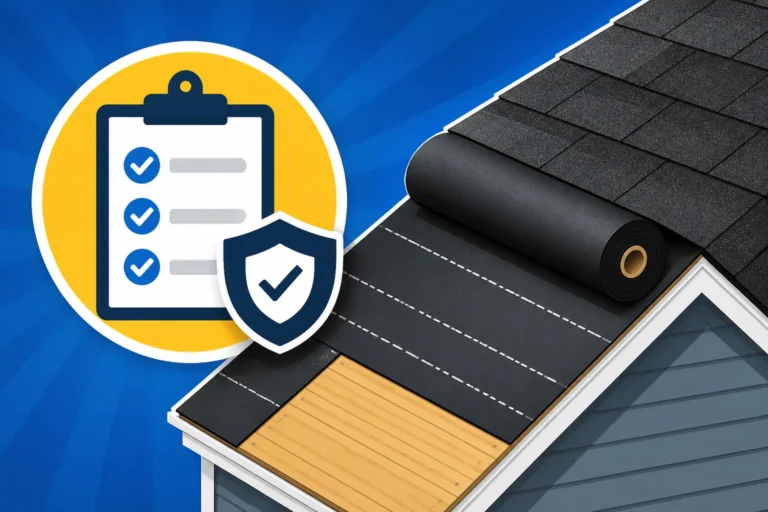
Underneath your shingles, there's a vital layer called underlayment. The codes for this layer are incredibly important. The IRC, and by extension Pennsylvania's UCC, typically specifies that a roofing underlayment must be installed beneath the shingles. Traditionally, this was asphalt-saturated felt, but modern synthetic underlayments are now widely used and often preferred for their durability and ease of installation.
The specific type and application of underlayment can vary based on your roof's pitch and local climate conditions. For instance, in colder parts of Pennsylvania that experience significant snow and ice, such as the northern tiers or even the higher elevations of the Poconos, code requires the installation of an ice and water shield. This specialized self-adhering membrane is typically installed along the eaves and in valleys, acting as an extra line of defense against water penetration from ice dams or wind-driven rain. Without this, you risk water backing up under your shingles, seeping into your attic, and causing expensive damage to your ceilings and insulation. It's a non-negotiable for homes in regions prone to heavy winter weather. Understanding the difference between synthetic and felt underlayment cost can help you appreciate the value of modern materials.
Ventilation Standards
Proper attic ventilation isn't just about comfort; it's a critical component of your roof's health and longevity, and it's mandated by code. The IRC generally requires a minimum net free ventilating area of 1/150 of the attic floor area, or 1/300 if specific conditions like a balanced system (50% at the eaves, 50% at the ridge) and proper vapor retarders are met. This might sound like a lot of math, but what it boils down to is ensuring a continuous flow of air from the soffit vents (low on the roof) up through the attic and out through ridge vents or other exhaust vents at the peak.
Why is this so important? Adequate ventilation helps prevent heat buildup in the summer, which can dramatically shorten the life of your asphalt shingles by causing them to prematurely age and curl. In winter, it helps prevent moisture condensation, which can lead to mold, mildew, and rot in your roof decking and structural components. It also helps prevent the formation of ice dams by keeping the roof surface temperature consistent with the outdoor temperature. Without proper ventilation, you're not only compromising your roof's lifespan but potentially creating an unhealthy and energy-inefficient environment within your home. If you're wondering how roof ventilation works, it's all about creating that crucial airflow.
Nailing and Fastening Requirements
The way your shingles are attached to your roof decking is crucial for their ability to withstand wind and other forces. Building codes specify precise nailing patterns and the type of fasteners to be used. For asphalt shingles, this typically means using corrosion-resistant roofing nails, usually 1-1/4 inches long, and placing at least four nails per shingle, or six nails in areas prone to high winds. The nails must be properly placed within the shingle's nailing strip to ensure maximum holding power and prevent blow-offs.
Incorrect nailing is one of the most common causes of premature shingle failure. Nails placed too high, too low, at an angle, or under-driven can all compromise the shingle's ability to seal and hold fast. In Pennsylvania, especially in areas that experience strong thunderstorms or nor'easters, adhering strictly to these nailing codes is vital. A reputable contractor will understand the importance of precise nailing, often going above and beyond the minimum requirements to provide a more robust installation, particularly with enhanced wind nailing techniques.
Roofing Permits in Pennsylvania
This is often where homeowners feel the most anxiety: Do you need a permit? The short answer for a full roof replacement in Pennsylvania is almost always yes. Trying to skip this step can lead to a host of headaches and potential fines. Permits are not just bureaucratic red tape; they are how your local municipality ensures that the work being done on your home meets current safety and structural standards.
When a Permit Is Required
Generally, a building permit is required for any work that involves structural changes, changes to existing electrical, plumbing, or mechanical systems, or significant alterations to the exterior of your home. A full roof replacement definitely falls into the "significant alteration" category because it involves tearing off old materials, inspecting the roof decking, and installing a new protective system. Even if you're just putting a new layer of shingles over an existing one (which is often discouraged and regulated by codes like the "two-layer shingle rule"), a permit is usually necessary.
For smaller repairs, such as replacing a few missing shingles or patching a minor leak, a permit is typically not required. However, if the repair involves replacing a substantial section of decking (like a patch of plywood larger than a few square feet), or if it's related to significant storm damage that requires extensive work, you might still need one. When in doubt, it’s always best to check with your local building department. They are the ultimate authority on what constitutes permit-worthy work in your specific area.
Who Pulls the Permit and What It Covers
In almost all cases, the roofing contractor you hire should be the one to pull the permit. They are the professionals responsible for the work, and they should be familiar with the local permitting process. A red flag should go up immediately if a contractor tries to tell you to pull the permit, as this could indicate they are not properly licensed, insured, or experienced in working with local authorities. A reputable contractor will handle all the necessary paperwork, inspections, and communication with the building department on your behalf.
The permit itself covers several aspects:
- Code Compliance: It ensures the proposed work will meet current building codes, including those related to materials, installation methods, and safety.
- Inspections: It triggers the requirement for inspections during and after the roofing project. These inspections verify that the work is being done correctly and according to the approved plans and codes.
- Public Record: It creates a public record of the work performed, which can be important for future home sales or insurance claims.
Understanding the full scope of roofing permits explained can save you a lot of grief. Don't let a contractor talk you out of getting one if your project warrants it.
Average Permit Costs and Timeline in Pennsylvania
Permit costs in Pennsylvania vary significantly from one municipality to another. They are usually calculated based on the estimated cost of the project or the square footage of the roof. For a typical residential asphalt roof replacement, you might expect permit fees to range anywhere from $75 to $500, though larger or more complex projects could be higher. For example, in a major city like Philadelphia, permit fees might be higher than in a small rural township in central Pennsylvania.
The timeline for obtaining a permit can also vary. In some smaller towns, you might get a permit approved within a few days. In busier urban areas, it could take a week or two, especially during peak construction seasons. It’s important to factor this time into your overall project schedule. Your contractor should be able to give you a realistic estimate for both the cost and the time it will take to secure the necessary permit. This is also why getting multiple estimates can be beneficial, as it allows you to compare how different contractors handle this aspect.
Ensuring Compliance and Avoiding Issues
Navigating roofing codes and regulations can feel like a maze, but adhering to them is crucial for the safety, durability, and warranty of your new roof. Trust me, the temporary savings from cutting corners are rarely worth the long-term headaches.
The Importance of Proper Roofing Inspections
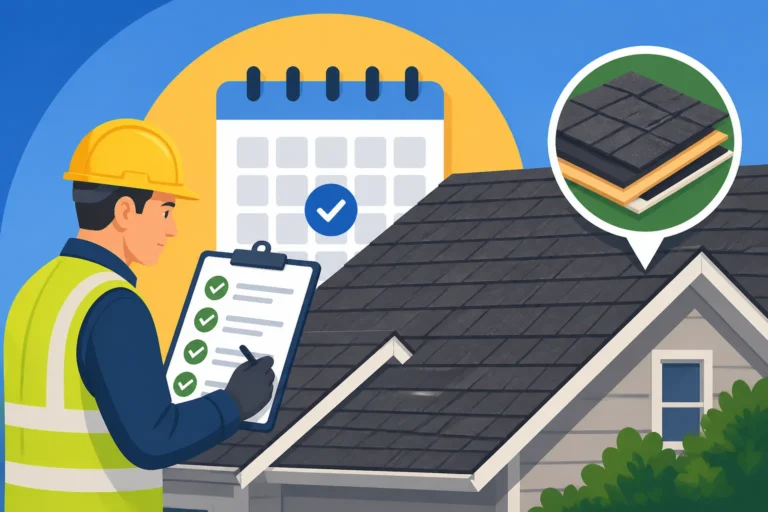
Once you have a permit, it typically means inspections will occur during or after the roofing project. These aren't just a formality; they're your assurance that the work is up to snuff. A building inspector, usually from your local municipality, will visit your property to ensure that the contractor is following the approved plans and adhering to all relevant codes.
What does a roofing inspector look for? They'll check things like the integrity of the roof decking, the proper installation of underlayment (especially ice and water shield), correct flashing around chimneys and vents, and the precise nailing pattern of the shingles. They’ll also confirm that the correct type and quantity of ventilation are installed. If an inspector finds issues, they will typically issue a correction notice, and the contractor will need to fix the problems before the project can receive final approval. Don't be afraid to ask your contractor about the inspection process and how they ensure everything passes muster. A good contractor welcomes inspections as a validation of their quality work.
What Happens If You Don't Follow Codes
Ignoring building codes and regulations can lead to a host of problems, none of them good.
- Fines and Penalties: Your local municipality can issue stop-work orders, fines, and require you to tear out and redo non-compliant work, all at your expense.
- Safety Hazards: Non-compliant work might mean your roof isn't structurally sound or weather-resistant, leading to leaks, collapses, or other safety issues.
- Insurance Issues: If your roof fails due to non-code-compliant installation, your homeowner's insurance might deny your claim, leaving you to pay for repairs out of pocket.
- Warranty Voidance: Many manufacturer warranties require that the shingles be installed according to local building codes and manufacturer specifications. If codes aren't followed, your warranty could be voided, costing you valuable protection.
- Difficulty Selling Your Home: When you go to sell your home, a future buyer's inspector will likely discover unpermitted or non-compliant work, which can complicate or even derail the sale. You might be forced to get permits after the fact or fix the issues, which is often more expensive and stressful.
Essentially, trying to save a little money or time by sidestepping codes almost always costs you more in the long run. It's truly a scenario where an ounce of prevention is worth a pound of cure.
The Interplay of Codes and Warranties
It’s easy to think of codes and warranties as two separate beasts, but they're actually deeply intertwined. As mentioned, most shingle manufacturers like GAF, Owens Corning, and CertainTeed explicitly state in their warranty documents that the roofing system must be installed in accordance with all local building codes and the manufacturer's own detailed installation instructions. These instructions often go beyond the minimum building code requirements, offering enhanced installation methods that provide better performance and longer warranty coverage.
For example, a manufacturer might require specific starter shingles, hip and ridge cap shingles, or a certain nailing pattern to qualify for their highest-tier warranties, like a GAF Golden Pledge warranty. If your contractor cuts corners and doesn't follow these specific guidelines, or fails to adhere to local codes, you could find that your 25-year or 50-year warranty is completely void. This means if something goes wrong with the shingles, you have no recourse with the manufacturer, leaving you with the full burden of repair or replacement. This is why it's so important to work with a manufacturer-certified roofer who understands not just the codes but also the specific requirements to keep your warranty valid. Ask your contractor about the specifics of a roofing warranty: workmanship vs manufacturer to fully understand your coverage.
When tackling a roofing project in Pennsylvania, remember that understanding and adhering to the various codes and regulations is not just about avoiding trouble; it’s about making a smart, long-term investment in your home's protection and value. Take the time, ask the questions, and work with a reputable contractor who prioritizes compliance every step of the way.
| Aspect | General PA UCC/IRC Guideline | Common Local Variations/Considerations | Importance for Homeowners |
|---|---|---|---|
| Permit Requirement | Almost always for full replacement, often for extensive repairs. | Specific cost, application process, and timelines vary by municipality. | Avoids fines, ensures safety, maintains home value, validates insurance/warranty. |
| Underlayment | Required beneath shingles; specific types (felt/synthetic) and application depend on climate. | Ice & water shield requirements stricter in colder, snow-prone regions. | Prevents leaks, especially from ice dams and wind-driven rain. |
| Roof Ventilation | Minimum net free area (e.g., 1/150 or 1/300) to ensure airflow. | Some older homes may need significant upgrades to meet current standards. | Extends shingle life, prevents moisture/mold, improves energy efficiency, prevents ice dams. |
| Nailing & Fasteners | Corrosion-resistant nails, specific placement (e.g., 4-6 nails per shingle), proper depth. | High-wind areas might have stricter nailing patterns (e.g., 6 nails per shingle). | Ensures shingles resist wind uplift and stay securely attached. |
| Decking Inspection/Repair | Requires inspection for rot/damage; replacement if compromised to ensure structural integrity. | Specific material requirements (OSB vs. Plywood) might be locally preferred. | Provides a solid foundation for the new roof, preventing sagging and structural issues. |
| Contractor Registration | HICPA registration with PA Attorney General required for all home improvement contractors. | Local municipalities may have their own additional licensing requirements. | Protects consumers from fraudulent or unqualified contractors. |
Disclaimer
Please remember that building codes and regulations can change frequently and vary significantly by specific location even within Pennsylvania. This guide provides general information and should not be considered legal advice. Always consult with your local building department or a qualified, licensed roofing professional in your area to confirm the most current and specific requirements for your particular project and location.