Manufacturer Warranty Registration
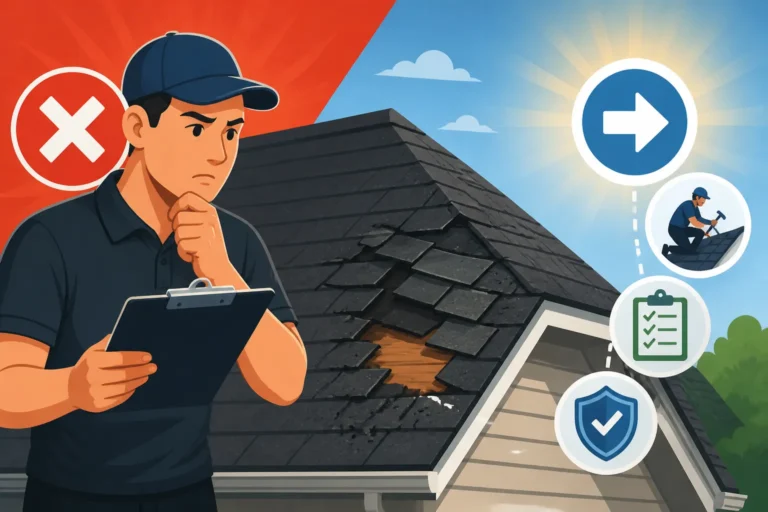
It's completely understandable to feel overwhelmed when thinking about your roof, especially when terms like "warranty registration" start getting thrown around. You've just invested a significant amount in your home's protection, and the last thing you want is for that investment to be jeopardized by a missed step or a confusing form. This guide is here to cut through the jargon and clearly explain everything you need to know about registering your asphalt shingle manufacturer warranty, ensuring your new roof is fully protected.
Understanding the Landscape of Roofing Warranties
When it comes to your roof, the concept of a warranty isn't a single, simple thing. It’s a multi-layered shield, and understanding each layer is crucial to ensuring you're fully protected. Many homeowners don't realize there are often two distinct types of warranties at play, and knowing the difference is the first step toward peace of mind.
The Two Main Types: Manufacturer vs. Workmanship
Imagine your roof as a complex system, not just a pile of shingles. Each component, from the underlayment to the shingles themselves, is made by a manufacturer. These manufacturers provide a warranty on their products, guaranteeing that the materials themselves are free from defects and will perform as advertised. This is your manufacturer warranty. It covers the actual shingles and other roofing system components against faults in how they were made. For instance, if your shingles start prematurely cracking due to a material flaw, the manufacturer warranty is what you’d lean on.
However, even the best shingles won't protect your home if they're not installed correctly. That's where the workmanship warranty comes in. This warranty is provided by your roofing contractor, guaranteeing the quality of their installation. If your roof leaks because a flashing wasn't properly sealed or shingles were nailed incorrectly, that falls under the workmanship warranty. It’s the contractor's promise that they did the job right. While often separate, sometimes premium manufacturer warranties can include workmanship coverage, which is a fantastic bonus we'll delve into later. For a deeper dive into these distinctions, you might want to read our article on Roofing Warranty: Workmanship vs Manufacturer.
Why Manufacturer Warranties Matter
A manufacturer warranty is more than just a piece of paper; it's your long-term security blanket against product failures. Roofing materials, especially asphalt shingles, are designed to withstand years of brutal weather, but no product is infallible. A solid manufacturer warranty means that if there's a problem with the material itself – not due to storm damage or poor installation, but a genuine defect in the shingle – you won't be left footing the bill for a new roof prematurely.
Without a valid warranty, a manufacturing defect could mean thousands of dollars out of your pocket. Think of a scenario where your shingles, only five years old, start shedding granules at an alarming rate, exposing the asphalt to UV rays and rapidly degrading them. If this is traced back to a material defect, your manufacturer warranty could cover the cost of replacement shingles, and sometimes even the labor to install them, depending on the specific terms. It's a critical layer of protection that gives you confidence in the materials chosen for your home.
The Ins and Outs of Manufacturer Warranties for Asphalt Shingles
Manufacturer warranties for asphalt shingles aren't all created equal. There's a spectrum of coverage, from basic protection that's often inherent with the purchase of the product, to robust, enhanced warranties that offer much more comprehensive peace of mind. Navigating this spectrum is key to understanding what your roof is truly protected against.
Standard vs. Enhanced Warranties
Most asphalt shingles come with a basic, or standard, manufacturer warranty right out of the box. This typically covers material defects for a certain period, often 25 to 30 years for architectural shingles, and sometimes a shorter period for 3-tab shingles. However, this coverage is usually prorated, meaning the older your roof gets, the less the manufacturer will pay out if a defect occurs. It also rarely covers the cost of labor for removal and installation – just the materials. Furthermore, basic warranties often require the shingles to be installed according to very specific manufacturer guidelines, and any deviation could void the coverage.
Enhanced, or extended, warranties are a different beast entirely. These premium warranties are typically offered by major manufacturers like GAF, Owens Corning, and CertainTeed, but they come with a crucial condition: your roof must be installed by one of their manufacturer-certified contractors. These contractors have undergone specific training and met stringent requirements set by the manufacturer. In exchange for this specialized installation, the manufacturer offers significantly better protection. Enhanced warranties often provide non-prorated coverage for a longer period (sometimes up to 50 years or even "lifetime" for the original homeowner), and critically, they frequently include coverage for the entire roofing system (not just the shingles) and workmanship. This means if your certified contractor makes an error, the manufacturer might step in to cover the fix, giving you a double layer of protection. Understanding how these certifications work is essential, and our article on Manufacturer-Certified Roofers Explained can shed more light.
What's Typically Covered by a Manufacturer Warranty
While specific terms vary by manufacturer and warranty level, here's a general idea of what you can expect a manufacturer warranty to cover for asphalt shingles:
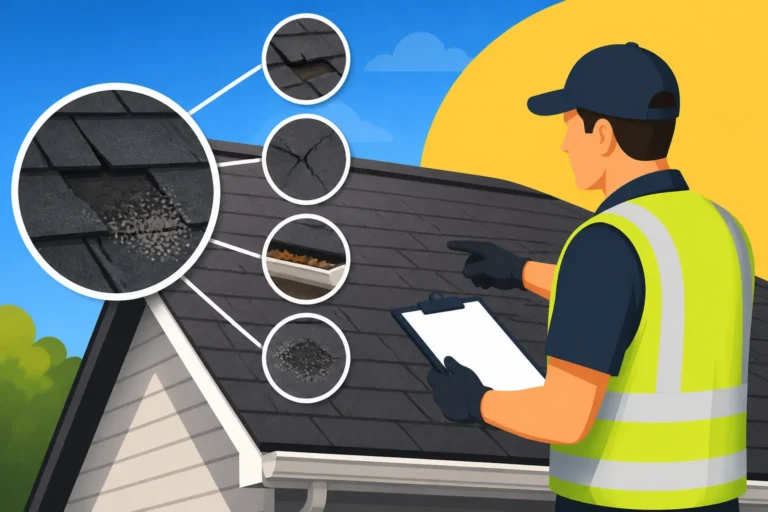
- Manufacturing Defects: This is the core of any manufacturer warranty. It protects against flaws in the shingle production process that cause premature failure. This could manifest as cracking, blistering, excessive granule loss, or delamination, assuming proper installation and maintenance.
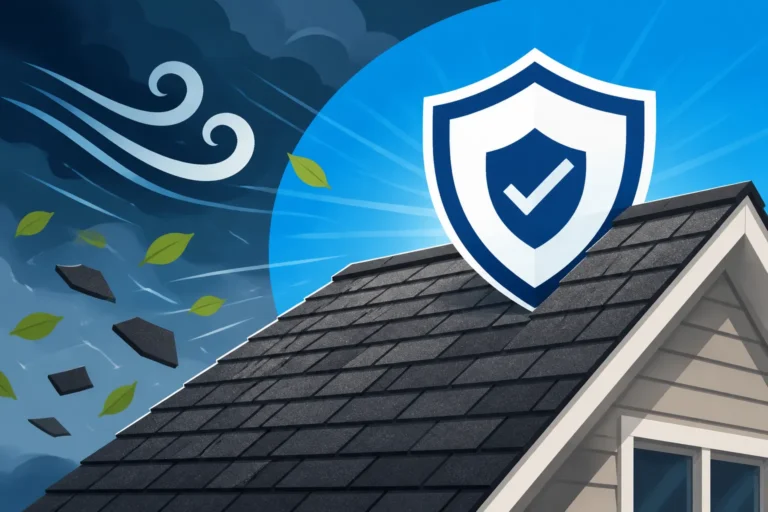
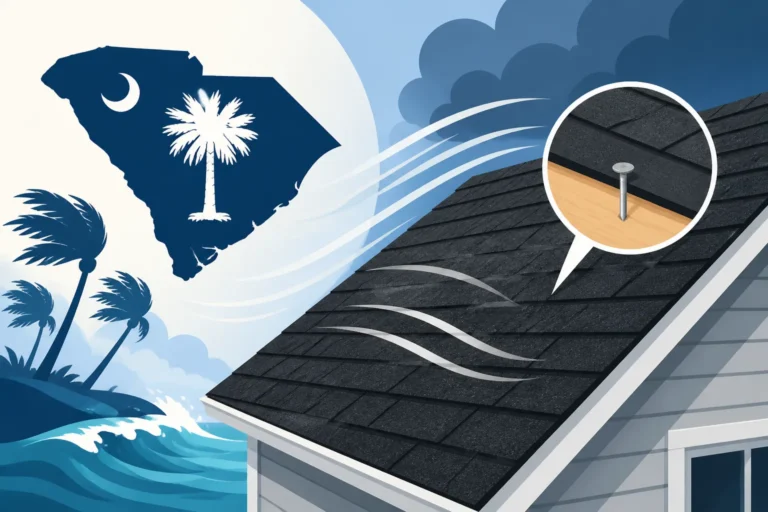
- Wind Resistance: Many modern architectural shingles come with impressive wind resistance ratings, often guaranteeing performance in winds up to 110 mph or even 130 mph. The warranty will typically cover shingle blow-offs due to wind events up to their rated speed, provided they were installed with the specified nailing patterns.
- Algae Resistance: In humid climates, unsightly black streaks caused by blue-green algae are a common problem. Many shingles now incorporate copper granules to resist algae growth. If your algae-resistant shingles fail to prevent algae within the specified warranty period, the manufacturer may cover cleaning or replacement.
- Thermal Splitting: This refers to shingles cracking or splitting due to extreme temperature fluctuations. While less common with modern flexible shingles, it can happen and may be covered under a manufacturing defect clause.
What's NOT Covered
It's just as important to understand what your manufacturer warranty doesn't cover, as these are often the areas of homeowner frustration and denied claims:
- Installation Errors: This is the big one. If your roof fails due to improper nailing, incorrect flashing, or poor ventilation, that's typically a workmanship issue, not a material defect. This is why a good contractor workmanship warranty (and ideally, an enhanced manufacturer warranty that backs the workmanship) is so vital. You can learn more about How Asphalt Shingles Are Installed: Step by Step to understand the complexities involved.
- Acts of Nature Beyond Ratings: While shingles are wind-resistant, they have limits. If a tornado rips through your town with 150 mph winds and your 130 mph rated shingles blow off, that’s generally not a warranty claim. Similarly, extreme hail, fire, or earthquakes are usually covered by your homeowner's insurance, not the shingle manufacturer.
- Lack of Maintenance: Your roof needs love too! Neglecting routine maintenance, like cleaning gutters, trimming overhanging branches, or addressing moss/algae growth (unless specifically covered by an algae-resistant warranty), can lead to damage that isn't covered.
- Unauthorized Repairs or Modifications: If you or a handyman attempt a repair using incompatible materials or methods not approved by the manufacturer, it can void your warranty.
- Improper Ventilation: Poor attic ventilation can lead to heat and moisture buildup, causing shingles to prematurely age, buckle, or blister. If your roof fails due to inadequate ventilation, the manufacturer won't cover it.
- Foot Traffic or Impact Damage: Walking on your roof excessively, or damage from falling tree limbs or heavy objects, isn't covered by the manufacturer.
- Overlaying Existing Shingles (if not permitted): If your contractor installed new shingles over an existing layer against manufacturer or local code recommendations, this can void the warranty. Our guide on Overlay vs Tear-Off: Which to Choose might be helpful here.
The Critical Step: Registering Your Manufacturer Warranty
You might think that once the shingles are on your roof, the warranty is automatically in effect. Unfortunately, that's often not the case, and this is where many homeowners run into trouble later. Registering your manufacturer warranty is a proactive step that is absolutely vital for ensuring you have the protection you paid for.
Why Registration Isn't Always Automatic
Many standard manufacturer warranties don't activate automatically upon purchase or installation. Instead, the manufacturer requires you, or your contractor on your behalf, to formally register the warranty within a specific timeframe after the installation date. This allows the manufacturer to have a record of your roof, the products used, and the installation details, which are all critical should you ever need to file a claim.
If you don't register, it can be incredibly difficult, if not impossible, to prove your eligibility for coverage down the line. Imagine trying to make a claim 10 years from now without any official record that your roof exists in their system! It’s a common pitfall that leaves homeowners exposed, so never assume it's taken care of without verifying.
The Registration Process: Step-by-Step
The exact registration process can vary slightly depending on the shingle manufacturer, but here’s a general step-by-step guide:
- Understand Your Warranty Type: First, confirm whether you have a standard or an enhanced warranty. If you went with a certified contractor for a premium system (like GAF's Timberline HDZ or Owens Corning's Duration shingles), you're likely eligible for an enhanced warranty that often requires a more detailed registration process.
- Gather Necessary Documents: You'll need key information such as:
- The date of your roof installation.
- The name and contact information of your roofing contractor.
- The specific types and colors of shingles and other roofing components (e.g., underlayment, starter strips, hip and ridge caps) that were installed. These are often listed on your contract.
- Your full name, address, and contact information.
- Proof of purchase, usually your invoice or contract with the roofing company.
- If applicable, the certification number of your contractor (e.g., their GAF Master Elite ID or Owens Corning Platinum Preferred Contractor number).
- Identify the Registration Method:
- Online Portal: Most major manufacturers like GAF, Owens Corning, CertainTeed, and IKO have dedicated online portals on their websites for warranty registration. This is usually the quickest and easiest method. You’ll input all the details you gathered.
- Mail-In Form: Some manufacturers still offer paper registration forms that you can fill out and mail in. These are usually found on their websites or provided by your contractor.
- Contractor-Assisted Registration: For enhanced warranties, your certified contractor will often handle the registration process for you as part of their service. However, it is your responsibility to confirm they have done so and to receive a copy of the registered warranty certificate. Always ask for proof!
- Complete the Form: Carefully fill out all required fields. Double-check for accuracy, especially installation dates, product names, and contractor details. Any discrepancies could cause issues later.
- Submit and Confirm: Submit the registration. If doing it online, you should receive an email confirmation. If by mail, keep a copy of the form and proof of mailing. For enhanced warranties handled by the contractor, ensure you receive the official warranty certificate directly from the manufacturer. It might take a few weeks for the physical certificate to arrive.
Deadlines and Consequences of Late Registration
This is a critical point that can't be stressed enough: manufacturer warranties almost always have a strict deadline for registration. This deadline typically falls within 30 to 60 days of the installation date, though some might offer a bit more flexibility, especially for standard warranties.
The consequences of missing this deadline can be severe:
- Downgraded Coverage: For enhanced warranties, missing the deadline often means you automatically revert to the basic, standard warranty coverage. This means shorter terms, prorated coverage, and potentially no workmanship protection – effectively losing most of the benefits you paid for by choosing a certified contractor and premium system.
- Voided Warranty: In some cases, particularly for standard warranties that require registration, missing the deadline can void the warranty entirely, leaving you with no manufacturer protection whatsoever.
- Increased Hassle for Claims: Even if your warranty isn't fully voided, a late registration can create significant hurdles if you ever need to file a claim. The manufacturer may question the validity of the installation date or product details, delaying or even denying your claim.
Always prioritize getting your warranty registered as soon as your roof installation is complete and you've paid your contractor. It's a small task with huge implications for your long-term peace of mind.
Key Information Needed for Warranty Registration
Successfully registering your asphalt shingle manufacturer warranty hinges on providing accurate and complete information. Missing even a small detail can lead to delays or, worse, issues down the line if you ever need to make a claim. This isn't just bureaucratic red tape; it's how manufacturers ensure the integrity of their warranty programs.
Project Details
This category covers everything about the actual roofing job itself. You'll want to have these specifics handy:
- Installation Date: The precise date your new roof was completed. This is crucial because warranty periods and registration deadlines are typically calculated from this date. It's usually on your final invoice or contract.
- Roofing Contractor Information: The full legal name of the roofing company, their business address, phone number, and often their contractor license number. If they are a manufacturer-certified contractor (e.g., GAF Master Elite Contractors Explained or Owens Corning Platinum Preferred Explained), you'll also need their specific certification ID number. This links their certified installation directly to your warranty.
- Specific Product Names and Quantities: Don't just say "GAF shingles." You'll need the exact product line (e.g., GAF Timberline HDZ, CertainTeed Landmark Pro), the color, and often the amount of material purchased (e.g., number of squares). Furthermore, if you had a complete roofing system installed, you'll need the details of all components: the type of underlayment (synthetic vs. felt), starter shingles, hip and ridge cap shingles, and even ventilation products. Manufacturers often require their full system to be installed to qualify for enhanced warranties, so detailing these components is vital.
Homeowner Information
This is straightforward but equally important for the manufacturer to identify you and your property:
- Full Name(s): The legal name(s) of the property owner(s) as they appear on your deed.
- Property Address: The complete physical address where the roof was installed.
- Mailing Address: If different from the property address.
- Contact Information: Your primary phone number and email address. This is how the manufacturer will send you confirmation or contact you if there are questions about your registration or a future claim.
Proof of Purchase and Installation
This is where the paperwork from your roofing project becomes invaluable. Think of these as your golden tickets:
- Signed Contract: Your original contract with the roofing company. This document outlines the scope of work, the materials to be used, the cost, and often confirms that a certified contractor was used, if applicable.
- Paid Invoice or Receipt: Proof that you purchased the materials and paid for the installation services. This confirms the transaction and the date of completion.
- Manufacturer Certificate (if applicable): For enhanced warranties, your contractor might provide you with an initial document or sticker related to the manufacturer's system. While not the final registered warranty, it's an important piece of the puzzle.
- Permit Documentation: Depending on your local regulations, a roofing permit may have been required. While not always directly part of the manufacturer warranty registration, having the permit number can be useful, especially if any code compliance questions arise. Our guide on Do You Need a Permit to Replace a Roof explains this in detail.
Having all these documents organized and accessible before you start the registration process will make it much smoother and ensure you don't miss any critical fields. It's a small administrative task that secures a significant long-term investment.
Navigating Enhanced Warranties and Certification Programs
For many homeowners, the decision to invest in a new roof isn't just about functionality; it's about maximizing protection and peace of mind for decades to come. This often leads them down the path of enhanced warranties, which are inextricably linked to manufacturer certification programs. This is where big names like GAF, Owens Corning, and CertainTeed really stand out.
The Role of Certified Contractors
It’s a simple truth: even the highest quality shingles can fail prematurely if installed incorrectly. Manufacturers know this, which is why they've developed rigorous training and certification programs for roofing contractors. When you see a contractor advertised as a "GAF Master Elite," "Owens Corning Platinum Preferred," or "CertainTeed SELECT ShingleMaster," it means they've voluntarily committed to a higher standard of excellence.
These certifications aren't just fancy titles. They signify that the contractor has:
- Met stringent criteria: This often includes specific years in business, a proven track record of customer satisfaction, proper licensing and insurance, and financial stability. If you're wondering how to vet a company, reading How to Choose a Roofing Contractor is a great place to start.
- Undergone extensive training: Certified contractors and their crews receive specialized training directly from the manufacturer on the proper installation of their entire roofing system, not just the shingles. This includes underlayment, starter shingles, ventilation, and flashing details.
- Committed to quality: They agree to adhere to the manufacturer's exacting installation specifications, which are often above standard building codes. This detailed approach to installation significantly reduces the risk of future issues.
Hiring a contractor with one of these elite certifications is the golden ticket to unlocking the best warranty coverage available. They act as the manufacturer's trusted installers, and the manufacturer, in turn, is willing to stand behind not just their products, but often the contractor's workmanship as well.
Benefits of Enhanced Warranty Programs
Opting for an enhanced warranty through a certified contractor offers a multitude of benefits that go far beyond what a standard manufacturer warranty provides. This is where the real value often lies in a roof replacement.
Let's look at the key advantages, which often include:
- Extended Non-Prorated Coverage: Unlike standard warranties that quickly diminish in value, enhanced warranties typically offer non-prorated coverage for the materials for a much longer period – often 50 years or even "lifetime" for the original homeowner. This means if a manufacturing defect occurs, the manufacturer covers 100% of the material cost, regardless of how old your roof is.
- Workmanship Coverage: This is arguably the biggest differentiator. For instance, a GAF Golden Pledge Warranty, installed by a Master Elite Contractor, can provide up to a 25-year warranty on the workmanship directly from GAF, not just the contractor. Similarly, Owens Corning's Platinum Protection Roofing System Limited Warranty, installed by a Platinum Preferred Contractor, offers 10 years to lifetime workmanship coverage. This is huge because it means if your contractor goes out of business, the manufacturer will still cover labor costs for installation errors. Understanding the nuances of How Shingle Warranties Work can help clarify these benefits.
- Full System Coverage: Enhanced warranties often require (and cover) the installation of an entire manufacturer-approved roofing system, including components like ice and water shield, synthetic underlayment, starter shingles, and ridge cap shingles. This ensures all parts work together seamlessly and provides comprehensive protection.
- Transferability: While standard warranties are sometimes difficult to transfer, enhanced warranties often have clearer provisions for transfer to a subsequent homeowner, which can be a significant selling point if you ever decide to move.
- Increased Value: Knowing your roof is backed by a robust, long-term warranty from both the manufacturer and the installer can add considerable value and buyer confidence when you sell your home.
Here's a quick comparison of standard vs. enhanced warranties:
| Feature | Standard Manufacturer Warranty | Enhanced Manufacturer Warranty |
|---|---|---|
| Material Defect Coverage | 25-30 years (prorated) | 50 years to Lifetime (non-prorated for original owner) |
| Workmanship Coverage | None (relies on contractor's warranty) | 10 years to Lifetime (backed by manufacturer) |
| System Components Covered | Shingles only | Full roofing system components (e.g., underlayment, vents) |
| Eligibility | Any installer (following basic guidelines) | Only by manufacturer-certified contractors |
| Transferability | Often limited, may be prorated after transfer | Clearer provisions, often full transfer for a period |
| Registration Required? | Usually, within a short timeframe | Always, often by certified contractor; strict deadlines |
| Cost Implications | Included with shingles | Higher upfront cost for certified contractor/system, but long-term value |
Maintaining Your Warranty and What Voids It
Getting a new roof and registering its warranty is a fantastic feeling, but it's not a "set it and forget it" situation. Manufacturers expect you to do your part in maintaining your roof. Neglecting this responsibility or taking certain actions can inadvertently void your warranty, leaving you without coverage when you need it most.
Regular Maintenance and Inspections
Just like your car needs oil changes, your roof needs periodic attention. This isn't about expensive overhauls; it's about routine care that keeps your roof in optimal condition and helps you spot minor issues before they become major problems. Most manufacturer warranties imply, if not explicitly state, that reasonable maintenance is required to keep the warranty valid.
Here’s what good roof maintenance typically looks like:
- Annual or Bi-Annual Inspections: A visual check from the ground or a professional inspection can catch loose shingles, damaged flashing, or blocked gutters. You can find out more about Roof Inspection: What They Check in our other resources.
- Gutter Cleaning: Keeping gutters clear of leaves and debris prevents water from backing up, which can lead to fascia damage, ice dams, and water intrusion under your shingles.
- Tree Trimming: Overhanging branches can rub against your shingles, causing granule loss, or fall during storms, leading to impact damage. Keeping trees trimmed back protects your roof.
- Moss and Algae Management: While some shingles are algae-resistant, persistent growth of moss and lichen can lift shingles and trap moisture. Gently removing these with a soft brush or specific roof cleaning solutions (check with manufacturer first!) is advisable. Never pressure wash your asphalt shingles, as this will almost certainly void your warranty and damage the granules.
- Checking for Ventilation Issues: Ensure your attic is properly ventilated. Blocked soffit vents or an improperly functioning ridge vent can cause heat and moisture buildup, leading to premature shingle aging, which won't be covered by a manufacturing warranty.
Common Actions That Void a Warranty
Beyond neglecting maintenance, certain homeowner actions or third-party interventions can directly void your manufacturer warranty. Be extremely cautious about these:
- Unauthorized Repairs or Modifications: If you, a handyman, or an uncertified contractor performs repairs using non-approved materials, or makes alterations like installing satellite dishes without proper sealing, it can void the warranty on that section of the roof, or even the entire roof. Always use qualified professionals and confirm they understand warranty requirements.
- Improper Installation of Other Roof-Mounted Items: Adding solar panels, new skylights, or even certain types of vents after the initial installation by anyone other than a certified, experienced professional can compromise your roof's integrity and void the shingle warranty if not done correctly and sealed appropriately.
- Painting Shingles: This might sound odd, but some homeowners attempt to paint discolored shingles. This action will unequivocally void your manufacturer warranty, as it interferes with the shingle's composition and protective properties.
- Installing a New Layer Over an Existing Roof Without Approval: While some local codes may allow a second layer of shingles (a "re-roof" or "overlay"), many manufacturers will specify that their products must be installed on a clean, solid deck for the warranty to be valid. Always check both local codes and manufacturer requirements for How Many Layers of Shingles Are Legal.
- Using Incompatible Components: If your contractor installs shingles from one manufacturer but uses underlayment or other accessories from a different, unapproved brand, it can void the warranty, especially for enhanced "system" warranties.
Being aware of these pitfalls is crucial. When in doubt, always consult your manufacturer's warranty document or a certified roofing professional before undertaking any work on your roof. You can find additional details on What Voids a Shingle Warranty.
Transferring Your Warranty
Life happens, and sometimes you sell your home with a relatively new roof. One of the questions that often comes up is whether the manufacturer warranty can be transferred to the new homeowner. The good news is that many warranties, particularly enhanced ones, are transferable, but there are usually specific conditions and procedures you must follow.
- Check Your Warranty Document: This is always the first step. Your specific warranty will outline if it's transferable, how many times it can be transferred, and what the process entails.
- Timeline for Transfer: Manufacturers often impose a time limit for transferring the warranty after the home sale (e.g., within 30 or 60 days of the closing date). Missing this window can invalidate the transfer.
- Fees: There's usually a nominal administrative fee required by the manufacturer to process the warranty transfer.
- Reduced Coverage for Transferees: Even if an enhanced warranty is transferred, the coverage for the new homeowner might be slightly different. For instance, a "lifetime" non-prorated warranty for the original owner might convert to a 50-year prorated warranty for the transferee. It's still excellent coverage, but important to understand the details.
- Required Documentation: You'll typically need to provide proof of the home sale (closing documents), the original warranty certificate, and a completed transfer request form to the manufacturer.
A transferable warranty is a significant selling point for your home, so ensuring you understand and follow the transfer process is an important part of maximizing your roof investment.
Disclaimer
Please remember that the information provided in this guide is intended for general informational purposes only and does not constitute professional advice. Roofing warranties can be complex and vary significantly by manufacturer, product, and specific terms and conditions. Always consult your specific warranty document, a licensed and certified roofing contractor, or the manufacturer directly for precise details pertaining to your roof and warranty coverage. Local building codes and regulations may also apply and should be verified with your local authorities.