Impact-Resistant Roofing Requirements in California
Living in California, you're no stranger to the unpredictable dance of Mother Nature, from the relentless sun to the sudden, sometimes violent, storms that can sweep through, bringing hail, high winds, and even the looming threat of wildfires. When it comes to your home's first line of defense – your roof – navigating the specific requirements and recommendations can feel like deciphering a complex legal document. This guide is here to untangle the complexities of impact-resistant roofing requirements in California, helping you understand what's needed to protect your home and comply with regulations.
Why Impact-Resistant Roofing Matters in California
California homeowners face a unique set of challenges that make roof durability and resilience not just a preference, but often a necessity. From intense sun exposure that degrades materials over time to sudden extreme weather events, your roof is constantly battling the elements. Investing in impact-resistant roofing isn't just about meeting a code; it's about safeguarding your most valuable asset and finding peace of mind.
Understanding California's Unique Climate Challenges
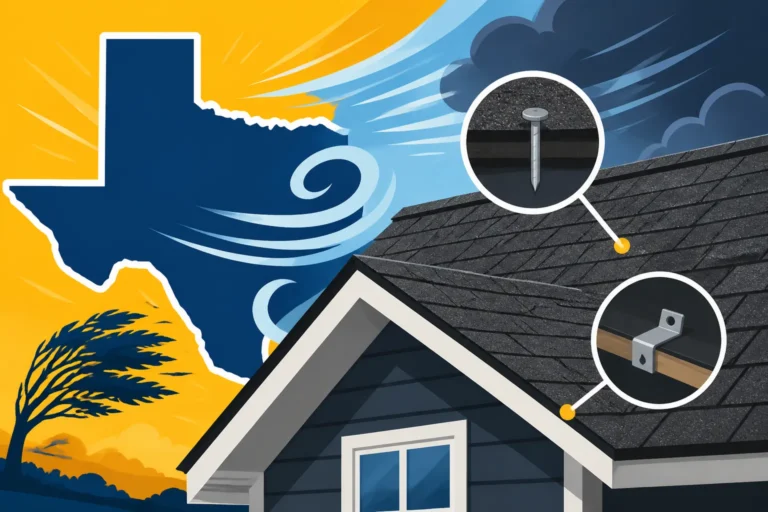
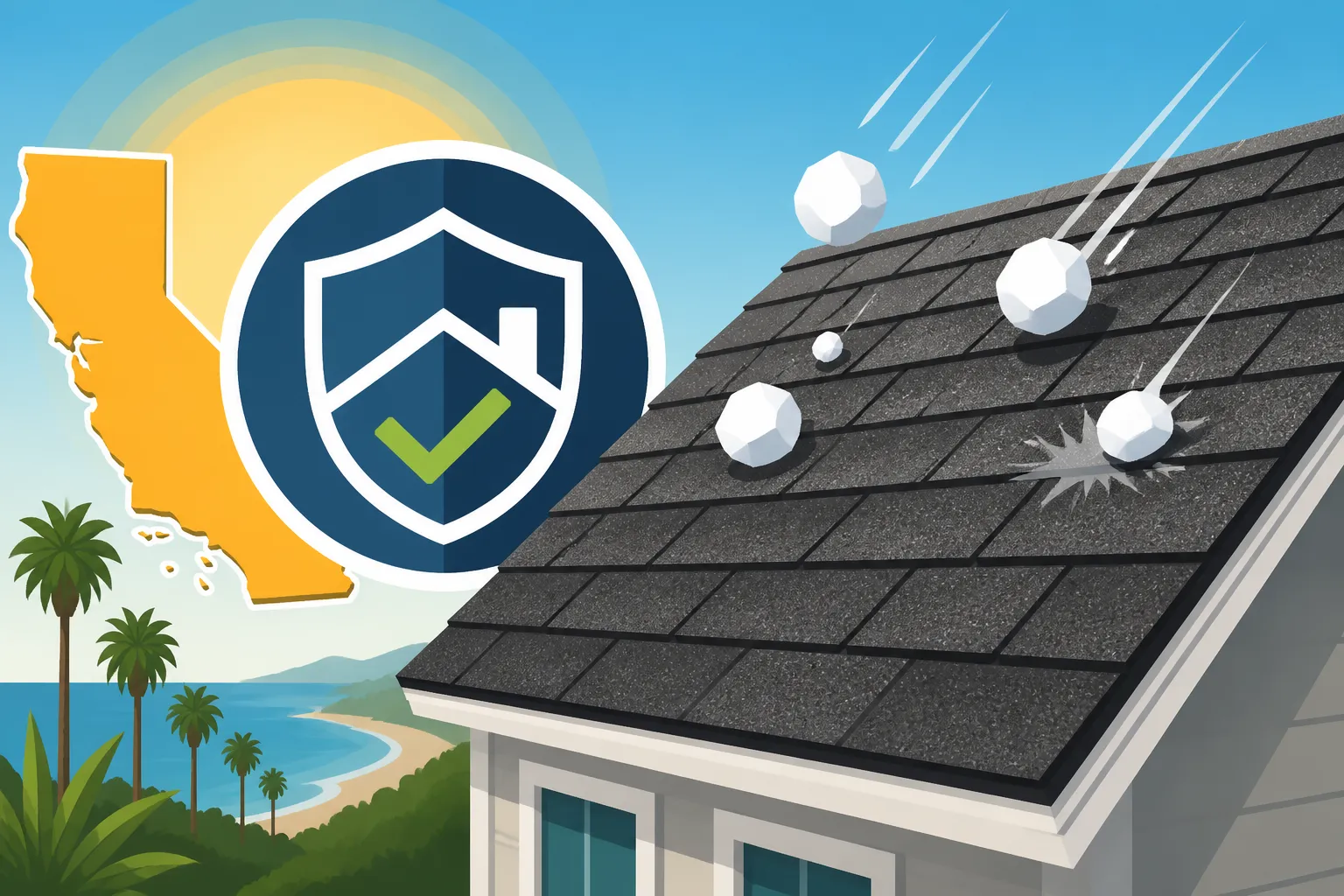
California's vast and varied geography means that "weather" can mean wildly different things depending on your exact location. In some areas, hail storms, while perhaps not as frequent as in the Midwest, can be surprisingly damaging when they do occur, pelting your roof with ice that can dent, crack, or even puncture standard shingles. Meanwhile, coastal regions contend with salt air and persistent moisture, and inland areas bake under intense UV radiation. Crucially, many parts of California are also prone to wildfires, where embers carried by wind can travel significant distances, landing on roofs and igniting vulnerable materials. Impact-resistant shingles, while primarily designed for physical impacts, often boast enhanced durability that helps them stand up better to these diverse stresses, including high winds that can peel off less resilient materials.
The Benefits Beyond Just Impact Protection
While the obvious benefit of impact-resistant roofing is its ability to withstand physical assaults like hail or falling debris, the advantages extend far beyond that. These roofs are typically built with stronger, more flexible materials and advanced manufacturing techniques, which means they often come with enhanced warranties, offering you longer-term protection against defects. Beyond that, many impact-resistant shingles are also designed to be more resistant to wind uplift, a critical factor during strong Santa Ana or Diablo winds. They can also contribute to better energy efficiency if they incorporate cool-roof technology, reflecting more sunlight and reducing attic temperatures, which in turn lowers your cooling bills. This comprehensive durability translates into a longer lifespan for your roof, delaying the need for costly replacements and ultimately offering a better return on your investment.
Navigating California's Building Codes for Roofing
California has some of the most stringent building codes in the nation, and for good reason. Protecting homes from natural disasters is paramount. When it comes to roofing, understanding these codes, particularly those related to fire and structural integrity, is essential for any homeowner undertaking a roof replacement project.
Statewide Standards and Local Ordinances
The overarching framework for construction in California is the California Building Code (CBC), which is based on the International Building Code (IBC) but includes state-specific amendments. For roofing, this means adhering to standards that address everything from structural load to fire safety. However, this isn't a one-size-fits-all situation. Local jurisdictions – your city or county – often adopt their own amendments or add specific ordinances that can be even more restrictive than the statewide code. For example, a city might have stricter requirements for cool roofs to combat urban heat islands, or specific guidelines for materials in historic districts. This is why it’s so important to check with your local building department directly before starting any roofing project to ensure full compliance. You might be surprised to learn about a specific requirement you hadn't anticipated. It's not uncommon for homeowners to face unexpected hurdles if they don't do their homework upfront.
Specific Requirements for High Fire Severity Zones
Perhaps the most significant and often misunderstood aspect of California's roofing codes relates to high fire severity zones, particularly those within the Wildland-Urban Interface (WUI). In these areas, where homes abut wildlands, the risk of wildfire is extremely high. To mitigate this, California Building Code Chapter 7A mandates specific fire-resistant construction materials for exterior wildfire exposure, including roofs. For roofing, this typically means a Class A fire rating as per ASTM E108 or UL 790 testing. While "impact-resistant" (UL 2218) and "fire-resistant" (Class A, B, C) are distinct ratings, many premium impact-resistant asphalt shingles also achieve a Class A fire rating. This dual protection is highly beneficial, making them a popular and often necessary choice for homes in vulnerable areas. The goal here is to prevent embers from igniting the roof or penetrating the attic, giving firefighters a better chance to save homes and slow the spread of fire. Always confirm if your property is located in a high fire severity zone, as this will dictate your roofing material choices.
What "Impact-Resistant" Actually Means for Shingles
When you hear the term "impact-resistant shingles," it's easy to picture a super-tough material that can deflect anything. While they are indeed much tougher than standard shingles, the term refers to a specific testing standard. Understanding this standard helps you make an informed decision about your roof's protective capabilities.
Understanding UL 2218 Classifications
The most widely recognized standard for impact resistance in roofing materials is UL 2218, "Impact Resistance of New Storm Resistant Fences, Gates, and Roofing Materials." This test involves dropping steel balls of varying weights and sizes from different heights onto the shingle to simulate hail impacts. The shingles are then inspected for signs of splitting, tearing, or other damage. There are four classifications under UL 2218, each representing increasing levels of impact resistance:
- Class 1: Withstands impact from a 1.25-inch steel ball dropped from 12 feet.
- Class 2: Withstands impact from a 1.5-inch steel ball dropped from 15 feet.
- Class 3: Withstands impact from a 1.75-inch steel ball dropped from 18 feet.
- Class 4: Withstands impact from a 2-inch steel ball dropped from 20 feet. This is the highest rating and typically provides the best protection against significant hail.
For homeowners in California, particularly those in hail-prone valleys or foothills, choosing Class 3 or Class 4 shingles can be a smart move, even if not strictly mandated. It’s an investment in durability that could save you from costly repairs down the line. Knowing these classifications helps you compare different shingle options accurately.
How Shingles Achieve Impact Resistance
Achieving impact resistance isn't just about making a shingle thicker. It involves a combination of specialized materials and construction techniques. Manufacturers often incorporate a polymer-modified asphalt blend that makes the shingle more flexible and resilient, allowing it to absorb impact energy rather than cracking or breaking. Think of it like a shock absorber for your roof. Additionally, some impact-resistant shingles feature a reinforced fiberglass mat that provides extra strength and tear resistance. The granule coating, which typically protects against UV rays, might also be applied in a more robust way to help dissipate impact forces. These innovations allow the shingle to flex under pressure, much like a trampoline, and then return to its original shape, greatly reducing the likelihood of damage from hail or falling debris.
Key Requirements for Impact-Resistant Roofing in California
While California doesn't universally mandate impact-resistant roofing for every single home, there are critical scenarios and locations where it becomes a definite requirement or a highly recommended upgrade. Understanding these specifics is crucial for compliance and peace of mind.
Mandates in Fire-Prone Regions
As we touched on, the most significant mandate for roofing materials in California often comes from fire safety regulations, particularly in the Wildland-Urban Interface (WUI) areas. Here, the California Building Code (CBC) Section 705A requires that roof coverings meet a Class A fire rating. While this is primarily about fire resistance, many manufacturers offer premium asphalt shingles that are both impact-resistant (UL 2218 Class 3 or 4) and Class A fire-rated. This makes them an ideal, dual-purpose solution for homes in these high-risk zones. For instance, if you live in the hills of Santa Rosa or the canyons near Malibu, you'll find that contractors will almost exclusively recommend Class A rated materials. Skipping this requirement isn't just a code violation; it can leave your home dangerously exposed during a wildfire event and might even complicate insurance claims after a disaster. Always verify your property's fire zone classification with your local planning department.
General Recommendations and Best Practices
Even if your specific location doesn't legally require impact-resistant shingles, there are compelling reasons to consider them as a best practice throughout California. The state experiences periods of severe weather, including strong wind events that can loosen or lift shingles, and occasional hail storms that can cause significant damage to standard roofing materials. Choosing a Class 3 or Class 4 impact-resistant shingle, such as certain lines from manufacturers like Owens Corning or GAF, means your roof will be better equipped to handle these unforeseen events. This enhanced durability often leads to fewer repairs over the roof's lifespan and can even extend the overall life of your roof, potentially making it last closer to the higher end of the How Long Does an Asphalt Roof Last spectrum. It's a proactive approach to home protection, similar to earthquake retrofitting, that adds an extra layer of security.
Installation and Permitting for Impact-Resistant Roofs
Getting a new roof, especially one with specific performance requirements like impact resistance, isn't just about picking out the shingles. Proper installation and navigating the permit process are equally vital steps to ensure your roof performs as expected and meets all local regulations.
The Importance of a Licensed Contractor
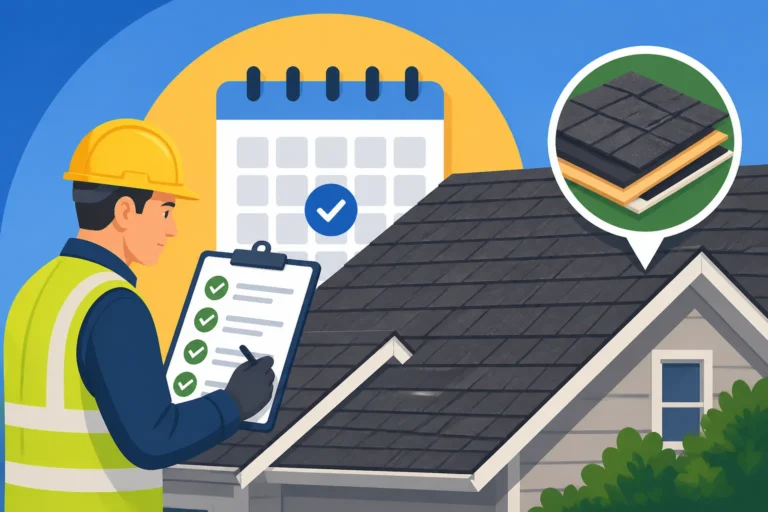
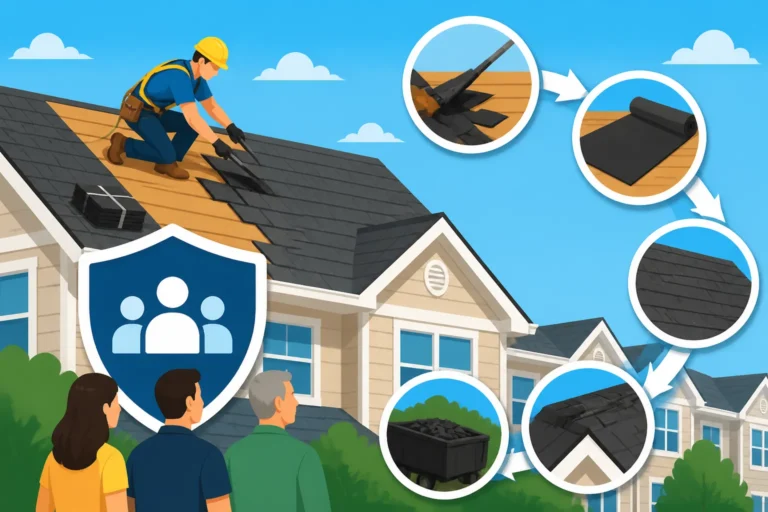
Installing an impact-resistant roof, or any roof for that matter, is a complex job that requires specialized knowledge and adherence to manufacturer specifications and local building codes. This is where choosing a reputable, licensed roofing contractor becomes absolutely paramount. A licensed contractor in California will have demonstrated a certain level of competency, carry the necessary insurance, and be familiar with the latest building codes, including those for fire and wind resistance relevant to impact-resistant products. They'll know the correct nailing patterns, underlayment requirements, and flashing details that ensure the impact resistance of your chosen shingles translates into real-world protection. Without proper installation, even the highest-rated shingles can fail prematurely or not perform to their rated standards. Moreover, many manufacturer warranties for advanced shingles, like those from CertainTeed, require installation by a certified or preferred contractor to remain valid. Don't underestimate the expertise a good contractor brings to the table; it's an investment in your roof's longevity and warranty coverage. You can learn more about How to Choose a Roofing Contractor to ensure you're making the right decision.
Obtaining the Right Roofing Permits
Navigating the permit process can feel like a bureaucratic headache, but it's a non-negotiable step for almost any roof replacement in California. Local building departments require permits to ensure that all construction work complies with safety standards, structural requirements, and local ordinances. For roofing projects, this typically includes verifying the chosen materials meet fire ratings, wind uplift standards, and other relevant codes for your area. The permit process usually involves submitting plans, paying a fee, and then having inspectors review the work at various stages (e.g., after tear-off, before final shingle installation). Skipping the permit might seem like a way to save time or money, but it can lead to significant problems down the line, including fines, difficulty selling your home, or even voiding your homeowner's insurance policy. A good contractor will handle the permit application process for you, pulling all necessary permits before any work begins, as detailed in our guide on Roofing Permits Explained. This ensures your project is above board and passes all required inspections, protecting both you and your home.
The Financial Side of Impact-Resistant Roofing in California
Let's be real, a roof replacement is a significant expense. When you start talking about specialized materials like impact-resistant shingles, many homeowners immediately think "more expensive." And yes, they often come with a higher upfront cost, but it's crucial to look beyond that initial sticker shock and consider the long-term financial benefits.
Initial Costs vs. Long-Term Savings
Impact-resistant shingles generally cost about 10% to 25% more than their standard counterparts. For example, if a standard architectural shingle roof costs around $15,000, a comparable impact-resistant version might range from $16,500 to $18,750, depending on the specific product and installation complexity. While this might seem like a hefty jump, consider the potential long-term savings. In areas prone to hail, a standard roof might suffer damage every few years, leading to deductibles, repair costs, and the hassle of insurance claims. An impact-resistant roof, especially a UL 2218 Class 4 product, is designed to shrug off many of these impacts, dramatically reducing the frequency and severity of damage. This means fewer out-of-pocket expenses for repairs, less stress, and a roof that maintains its integrity and aesthetic appeal for a longer period. Over the 20-30 year lifespan of an asphalt shingle roof, those savings can easily outweigh the initial cost difference, making it a wise investment for many California homes.
Potential Insurance Premium Reductions
One of the most attractive financial incentives for installing impact-resistant roofing is the potential for reductions in your homeowner's insurance premiums. Many insurance companies, especially in states like California where natural disasters are a real concern, recognize the superior protection offered by UL 2218 Class 3 or Class 4 shingles. By reducing the risk of a claim due to hail or wind damage, these roofs make your home a less risky asset to insure. The exact discount will vary by insurer and your specific policy, but it's not uncommon to see annual savings of 5% to 20% on the dwelling coverage portion of your premium. These savings can accumulate significantly over the life of the roof, effectively offsetting a portion of the increased upfront cost. Be sure to ask your insurance provider about potential discounts for impact-resistant roofing before your project begins, as some companies require specific documentation or certified installation. This is a critical factor in understanding the overall Roof Replacement ROI Explained.
Understanding Impact-Resistant Shingle Classifications
To help visualize the difference in impact resistance, here's a quick overview of the UL 2218 classifications.
| UL 2218 Class | Steel Ball Diameter | Drop Height | Simulated Hail Size | Description of Impact |
|---|---|---|---|---|
| Class 1 | 1.25 inches | 12 feet | Small Hail | Minor hail impact |
| Class 2 | 1.5 inches | 15 feet | Moderate Hail | Moderate hail impact |
| Class 3 | 1.75 inches | 18 feet | Large Hail | Significant hail impact |
| Class 4 | 2 inches | 20 feet | Severe Hail | Very severe hail impact |
Choosing a higher class offers greater peace of mind against the elements.
Disclaimer
Please remember that this article provides general information and recommendations. Building codes, regulations, and insurance policies are subject to change and vary by specific location and provider. Always consult with local building authorities, licensed roofing contractors, and your insurance agent to confirm the exact requirements and best practices for your specific property and project.