Roofing Inspection Requirements in Texas
Getting a new roof on your home in Texas can feel like a daunting task, especially when you start digging into all the rules and regulations. It’s not just about picking out shingles and finding a great contractor; there’s a whole layer of city and county requirements, permits, and, yes, inspections, that can sometimes feel like a mysterious bureaucratic maze. You want to ensure your investment is sound, safe, and up to code, but figuring out exactly what's needed can be overwhelming. This guide is here to unravel the complexities of roofing inspection requirements in Texas, helping you understand what to expect and how to navigate the process with confidence.
The Diverse Landscape of Texas Roofing Regulations
Texas is a big state, and when it comes to construction and remodeling, including roofing, the rules aren't always uniform from one city limit to the next. This can be incredibly frustrating for homeowners who just want a clear answer. Unlike some states that might have a more centralized building code enforcement, Texas often delegates these responsibilities to individual municipalities and counties. This means that while there's a general framework, the specifics of when and how a roofing inspection is required, and what it entails, can differ significantly whether you're in Houston, Dallas, San Antonio, or a smaller town.
For instance, most major metropolitan areas in Texas will absolutely require a roofing permit and subsequent inspections for a full roof replacement. This is primarily for public safety and to ensure that the work meets current building codes, protecting your home and future buyers. However, some smaller, rural counties might have more relaxed rules, or even no formal permit process for minor repairs. It’s never safe to assume, though. The golden rule here is always to check with your specific local building department before any work begins. A good, reputable contractor will always handle the permit process for you, but it's vital for you as a homeowner to understand the lay of the land. Remember, pulling the permit is a critical step, and if your contractor tries to skip it, that's a huge red flag. You can learn more about if a permit is truly needed for your project by reading our guide on Do You Need a Permit to Replace a Roof.
The patchwork nature of these regulations means that what your neighbor in Austin experienced might be entirely different from what you'll encounter in Fort Worth. This isn't meant to scare you, but to empower you to ask the right questions and ensure your contractor is fully compliant with your specific local requirements. Ignoring these steps can lead to fines, difficulties with insurance claims, or even having to tear off and re-do work that wasn't properly permitted or inspected down the line.
City-Specific Roofing Inspection Guidelines in Texas
Let's dive into some of Texas's major cities and what you might typically encounter in terms of roofing inspection requirements. While specific codes can change, and it's always best to verify with the local planning department, here's a general overview that can help you understand the landscape.
Houston's Building Code and Inspections
In Houston, for almost any major roofing project like a full replacement, you'll definitely need a permit from the City of Houston Public Works Department. The permit process ensures that the work complies with the adopted building codes, including the International Residential Code (IRC) and local amendments. Roofing inspections in Houston typically focus on several key areas. Inspectors will often look at the tear-off to ensure all old materials are removed (unless a roof-over is specifically permitted and meets criteria), the condition of the roof decking, proper installation of underlayment and ice and water shield (especially in vulnerable areas), and the correct application of the shingles. They pay close attention to nailing patterns, shingle overlap, and the installation of drip edge and flashing around penetrations like chimneys and vent pipes. They’re also keen on ensuring adequate attic ventilation. Failing to meet these standards could lead to a failed inspection, requiring your contractor to make corrections and reschedule.
Dallas and Fort Worth's Approach to Roofing Inspections
Dallas and Fort Worth, much like Houston, have robust building codes requiring permits and inspections for roof replacements. In Dallas, the Development Services Department issues permits, and inspections ensure compliance with the city’s building codes. Inspectors will typically verify proper roof pitch, correct material usage, and workmanlike installation. They often check for proper fastening schedules for shingles, ensuring they can withstand high winds, which is crucial in Texas's storm-prone environment. Proper flashing around chimneys, valleys, and wall junctures is a big one, as these are common leak points. Adequate ventilation, often through proper ridge vents or other attic ventilation systems, is also a key concern to prevent heat and moisture buildup that can shorten your roof's lifespan.
Similarly, Fort Worth's Development Services Department oversees permits and inspections. Their inspections are designed to ensure your new roof is structurally sound and water-tight. They will look at the entire roof system, from the integrity of the roof deck to the final shingle application and proper sealing. Special attention might be given to the transition points, such as where different roof planes meet or around skylights, as these areas are prone to issues if not installed correctly. Understanding the details of your local permit is paramount, which our article, Roofing Permits Explained, delves into further.
Austin and San Antonio's Roofing Inspection Focus
In Austin, the Development Services Department issues permits and conducts inspections. With Austin's focus on sustainability, inspectors might pay particular attention to energy efficiency aspects, such as proper insulation and ventilation, alongside the standard structural and waterproofing checks. They'll examine the entire roofing system, from the condition of the existing roof deck after tear-off, to the application of new underlayment, drip edge, and the final shingle installation. Proper nailing patterns and adherence to manufacturer specifications are closely scrutinized to ensure the roof's wind resistance.
San Antonio's Development Services Department is responsible for permits and inspections. Given its climate, inspectors will emphasize proper ventilation to mitigate heat buildup in attics, which can degrade shingles over time and increase cooling costs. They'll also focus on crucial waterproofing elements like properly installed ice and water shield in critical areas and meticulous flashing details. The goal is to ensure the roof can withstand typical Texas weather, from scorching summers to occasional heavy storms. Regardless of the city, your contractor should be intimately familiar with the local codes and inspection checklists. This is a topic thoroughly explored in our article, Roofing Inspection: What Inspectors Check.
Key Elements Inspectors Examine During a Roof Inspection
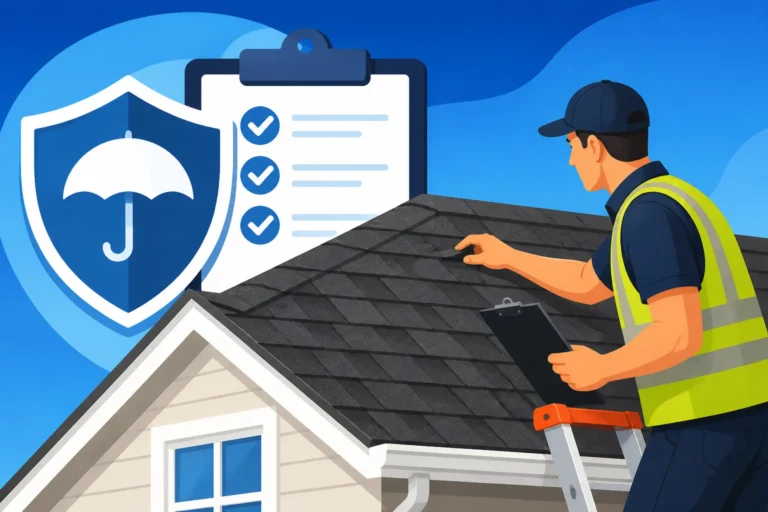
When a building inspector arrives to examine your newly installed asphalt roof in Texas, they're not just glancing at the shingles from the ground. They're performing a thorough check to ensure everything is up to code, installed correctly, and designed to protect your home for years to come. It’s a detailed process that covers the entire roofing system.
Pre-Installation Checks: Decking and Underlayment
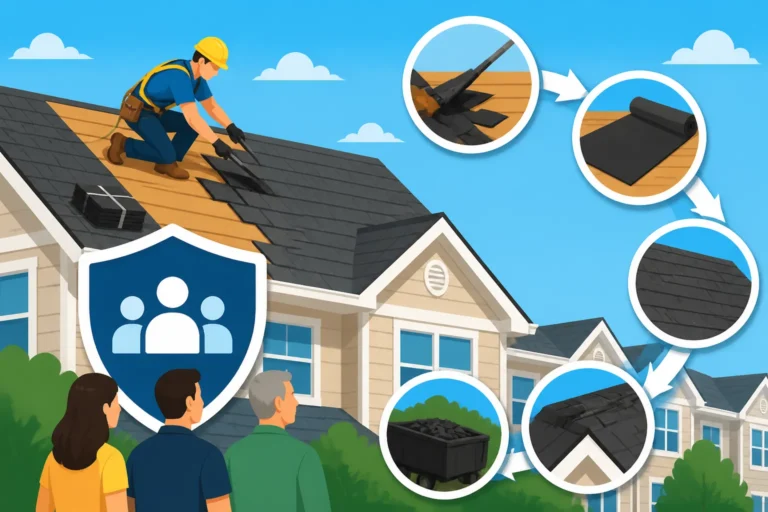
One of the first things an inspector might want to verify, often through an interim inspection before shingles are laid, is the condition of the roof decking. If your contractor performed a full tear-off, the old shingles and underlayment would be removed, exposing the plywood or OSB decking beneath. The inspector will check for any signs of rot, water damage, or structural weakness. If any decking needed replacement, they’d ensure the new boards are properly fastened and structurally sound. This is critical because the decking provides the foundation for your entire roof system. You can learn more about how different parts of your roof work together in our guide, Roof Anatomy: Parts of an Asphalt Shingle Roof.
Following the decking, they’ll examine the underlayment. This could be traditional felt paper or synthetic underlayment, depending on what was specified and installed. The inspector will ensure it's laid correctly, with proper overlap and fastened according to manufacturer and code requirements. In many areas of Texas, particularly those prone to high winds or severe weather, the installation of an ice and water shield in valleys, around chimneys, and along eaves might be required. The inspector will check if this critical protective layer is installed in the correct locations and applied properly to create a watertight seal.
During Installation: Shingle Application and Fastening
Once the shingles begin to go on, inspectors will pay close attention to the shingle application itself. This includes verifying that the correct type of shingle (e.g., 3-tab, architectural) is being installed and that it matches the permit. They will meticulously check the nailing patterns, ensuring that the shingles are fastened with the correct number of nails (typically 4 or 6, depending on the shingle and wind resistance rating) and that these nails are placed in the correct location on the shingle (often within the common bond line). Nails that are overdriven, underdriven, or misplaced can severely compromise the shingle's ability to resist wind uplift and can even void manufacturer warranties.
They'll also examine the shingle overlap and exposure, ensuring a consistent and weather-tight roof surface. The installation of starter shingles along the eaves and rakes will be checked, as these provide crucial protection against wind uplift at the roof's edges. Your contractor's adherence to best practices and manufacturer guidelines is key here.
Critical Components: Flashing, Ventilation, and Drip Edge
Beyond the main shingle field, several critical components receive intense scrutiny. Flashing, which are metal pieces installed around penetrations like chimneys, skylights, and vent pipes, as well as in valleys and at wall junctures, is paramount for preventing leaks. The inspector will ensure all flashing is properly integrated with the shingles, sealed, and provides a continuous water barrier. Incorrectly installed flashing is a leading cause of roof leaks.
Roof ventilation is another major checkpoint. Inspectors will verify that the attic has adequate intake (soffit or fascia vents) and exhaust (ridge vents, box vents, or turbines) to allow for proper airflow. This helps regulate attic temperature and moisture, preventing premature shingle deterioration and reducing energy costs. They'll ensure that ventilation systems are unobstructed and meet minimum code requirements for net free area.
Finally, the drip edge, a metal flashing installed along the eaves and rakes, will be inspected. This component directs water off the roof and into the gutters, protecting the fascia board and preventing water from wicking back under the shingles. The inspector will confirm it's installed correctly, typically underneath the underlayment at the eaves and over the underlayment at the rakes, providing a clean edge and proper water shedding.
Here's a quick summary of common inspection checkpoints:
| Inspection Area | Key Points Checked | Why It Matters |
|---|---|---|
| Permit & Plans | Valid permit, matching materials, scope of work | Legal compliance, ensures work meets standards |
| Roof Decking | Condition, repairs, proper fastening of new boards | Structural integrity, foundation for new roof |
| Underlayment | Type, proper overlap, fastening, ice & water shield placement | Primary waterproofing barrier, prevents leaks |
| Shingle Installation | Nailing patterns, exposure, overlap, starter shingles, consistent application | Wind resistance, weather tightness, manufacturer warranty validity |
| Flashing | Around chimneys, vents, valleys, walls; proper sealing, integration | Prevents leaks at critical junctions |
| Ventilation | Adequate intake/exhaust (ridge, soffit, box vents), proper sizing | Regulates attic temperature/moisture, extends roof life, energy efficiency |
| Drip Edge | Correct placement, fastening, directs water flow | Protects fascia, prevents water intrusion under shingles |
| Cleanup | Debris removal (though often a final walkthrough check, not a formal inspection) | Safety, professional finish (more contractor responsibility) |
Navigating the Inspection Process
Understanding the inspection requirements in Texas is one thing, but knowing how the process unfolds and what your role is as a homeowner, along with your contractor's responsibilities, is crucial for a smooth project. A well-prepared approach can save you a lot of headaches, time, and potential re-inspection fees.
Your Contractor's Role: Permits and Scheduling
The primary responsibility for securing the necessary permits and scheduling inspections lies with your roofing contractor. A reputable and experienced roofing company, especially one familiar with the local Texas codes in your area, will know exactly what permits are required for your specific project. They should be the ones to apply for the permit on your behalf, paying any associated fees, and ensuring all required documentation (like proof of insurance or detailed plans) is submitted to the local building department. You should never be asked to pull the permit yourself unless you are acting as the general contractor for your own home, which is generally not recommended for complex projects like a roof replacement. Our article, Roofing Permits: Who Pulls Them, has more information on this vital point.
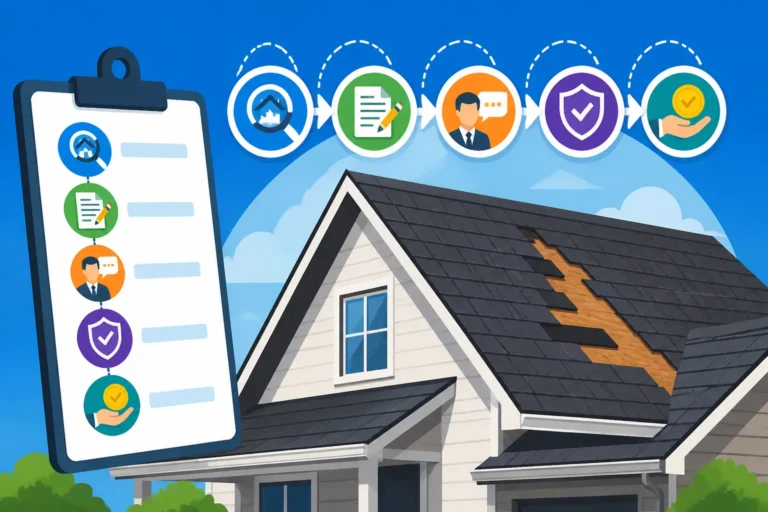
Once the permit is issued and work begins, the contractor is also responsible for scheduling the inspections at the appropriate stages of the roofing process. This usually involves a "dry-in" or "mid-roof" inspection after the old roof is torn off and the underlayment is installed, and a final inspection once all new roofing materials are in place. Your contractor should inform you about these inspection dates and what to expect. They should also be available on-site, or have a knowledgeable representative present, during the inspection to answer any questions the inspector might have. This level of professionalism is a hallmark of good companies, and you can learn more about finding them in How to Choose a Roofing Contractor.
What Happens If an Inspection Fails
It's natural to feel a little anxious about inspections, and sometimes, for various reasons, a roofing inspection might fail. This isn't necessarily the end of the world, but it's important to understand the implications. If an inspector finds deficiencies or code violations, they will issue a report outlining the issues that need to be corrected. Common reasons for a failed inspection include improper nailing, incorrect flashing installation, insufficient ventilation, or issues with the roof decking.
When an inspection fails, your contractor is responsible for rectifying all the identified problems. This often means going back and correcting the work at their own expense. Once the corrections are made, they will then need to reschedule a re-inspection. It's crucial that these issues are addressed promptly and thoroughly, as you cannot legally close out the permit until all inspections have been passed. This is another reason why choosing a licensed and insured roofer is so important; they stand behind their work and have the resources to correct any issues without putting the burden on you. You can delve into how to avoid issues by reading our guide on Signs of a Bad Roofing Job.
As a homeowner, your role is to stay informed. Ask your contractor for updates on the inspection status and request copies of the inspection reports, especially if a re-inspection is needed. Ensure that all identified deficiencies are truly resolved before making final payment. Remember, a passed inspection gives you peace of mind that your roof meets local safety and quality standards, protecting your home for years to come. The timeline for these permits and inspections can vary, which is why reading up on the general Roofing Permit Timeline can also be beneficial.
Disclaimer
Please remember that this article provides general information and guidance. Building codes and permit requirements in Texas, and specifically in its various cities and counties, can change frequently. It is always the homeowner's and contractor's responsibility to verify the most current and exact regulations with their local municipal or county building department before beginning any roofing project.