Should You Pay a Roofer Upfront
The thought of replacing your roof can bring a mix of emotions – relief that a major home issue will be resolved, but also a significant amount of anxiety about the cost and the process. One question that often causes homeowners a fair bit of stress is how and when to pay their roofing contractor. This guide will dive deep into typical payment expectations, highlight red flags, and equip you with the knowledge to protect your hard-earned money during an asphalt roofing project.
The Big Question: Should You Pay Upfront? (And Why It's Tricky)
It's natural to feel a knot in your stomach when a contractor asks for money before any work has even begun. After all, you're entrusting them with a substantial investment, and the horror stories of contractors disappearing with deposits are, unfortunately, not uncommon. For many homeowners, the concept of paying for a service before it's rendered feels inherently risky. You might worry about the quality of the work, the timeline, or even if the project will be completed at all if the contractor already has a significant portion of the funds. This hesitation is perfectly valid, and it's why understanding industry norms and safeguards is so crucial.
The Standard Practice for Roofing Deposits
Let's cut right to it: yes, reputable roofing contractors do typically require a deposit before starting work. This isn't usually a sign of anything shady; rather, it's a standard business practice that helps protect both you and the contractor. The deposit serves several important purposes. First, it secures your spot on their schedule, ensuring they dedicate time and resources to your project. Second, and perhaps most importantly, it covers the initial costs of materials. When your contractor orders those bundles of GAF Timberline HDZ or Owens Corning Duration shingles, the underlayment, flashing, and other necessary components, they need capital. This upfront payment prevents them from bearing the entire cost of materials out-of-pocket, especially for larger jobs that might involve thousands of dollars in supplies. It also demonstrates your commitment as a homeowner to the project.
Think about it from their perspective: they're investing time, labor, and a significant amount of material into your home. A deposit shows that you're serious about moving forward. However, there's a world of difference between a reasonable deposit and an excessive demand, and understanding that distinction is key to a smooth, stress-free process. It's often recommended to get multiple bids and understand the various factors that influence the overall Asphalt Roof Replacement Cost: Complete Breakdown.
Why Homeowners Feel Uneasy About Upfront Payments
The unease around upfront payments isn't just about the money; it's about trust and control. When you hand over a large sum, it can feel like you're losing leverage. What if the work is shoddy? What if the project drags on forever? What if they just vanish? These are real anxieties, amplified by news stories and anecdotes of bad experiences. The roofing industry, like many trades, has its fair share of less-than-reputable individuals who give the good ones a bad name. This is particularly true after major storms, when "storm chasers" often descend on affected areas, sometimes demanding large upfront payments before disappearing.
The fear of being scammed or left with an unfinished job is a powerful motivator for homeowners to be cautious. It’s why resources like Modernize are so valuable, connecting homeowners with pre-vetted contractors who adhere to certain standards. You want assurance that your money is going towards a professional who will deliver, not someone who sees your deposit as a quick payday. This heightened vigilance is entirely appropriate when dealing with one of the most critical components of your home, and it's essential to know How to Choose a Roofing Contractor carefully.
Understanding Roofing Contractor Payment Schedules
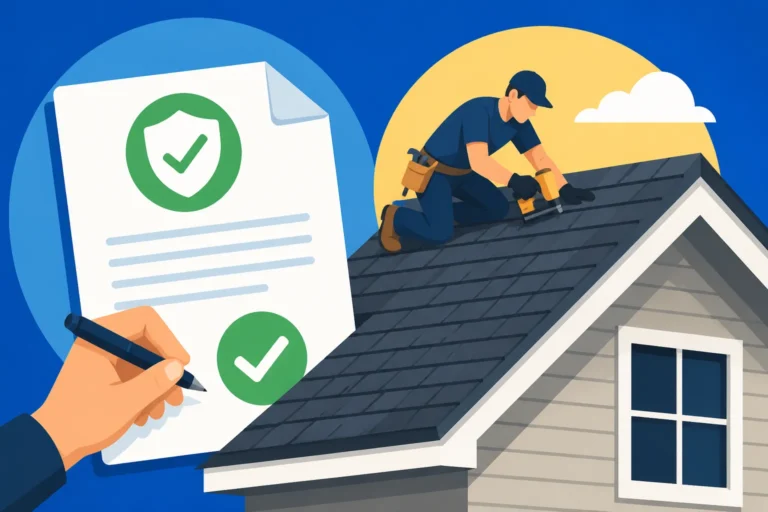
Knowing the typical payment schedule can help you discern between a professional setup and a potential problem. Most reputable roofing companies operate on a clear, staged payment plan that aligns with project milestones, rather than demanding everything at once. This structure provides a layer of security for both parties, ensuring progress is made before more funds are released.
Project Milestones vs. Lump Sum Payments
A well-structured roofing project will almost always involve a payment schedule tied to specific milestones. This means you make payments as certain stages of the work are completed, rather than paying one large "lump sum" either upfront or only at the very end.
Here’s a common breakdown:
- Initial Deposit: As discussed, this covers material ordering and secures your project on the schedule. It's usually a percentage of the total cost.
- Material Delivery/Start of Work: Sometimes a second payment is due when materials arrive on-site or on the first day of installation, especially if the initial deposit was small and only covered a fraction of the material cost.
- Mid-Project Payment: For larger or more complex jobs, a payment might be due when the old roof has been fully torn off and the new underlayment is installed, or when the majority of the shingles are laid. This signifies significant progress.
- Final Payment: This payment is held until the entire job is completed to your satisfaction, all debris is cleared, and any final inspections (if required) have passed. This is your leverage to ensure all punch list items are addressed.
The beauty of a milestone-based payment schedule is that it aligns the contractor's incentive with timely and quality completion. They know they won't receive the next payment until the previous stage is finished, and the final payment hinges on your complete satisfaction. This contrasts sharply with a contractor who insists on a single, large upfront payment, which should immediately raise a red flag. When you're comparing estimates, pay close attention to the proposed Roofing Deposit and Payment Schedule outlined in each bid.
Typical Deposit Ranges and What They Cover
So, what's a "normal" deposit range? It can vary significantly based on your location, the size and complexity of your roof, and the specific contractor's policies. However, generally speaking, a reasonable deposit for an asphalt roofing project falls somewhere between 10% to 30% of the total project cost. In some areas, particularly those prone to severe weather or with strict regulations, it might go a little higher, perhaps up to 40%, but anything beyond that without extremely compelling justification should be questioned.
What does this deposit typically cover?
- Material Procurement: This is the big one. Your contractor uses this money to purchase the shingles, underlayment, nails, flashing, drip edge, and any other components needed for your roof. Asphalt shingles from brands like CertainTeed, GAF, or Owens Corning aren't cheap, and a full roof's worth represents a significant investment for the contractor.
- Scheduling and Overhead: It helps cover administrative costs, project planning, and the commitment of labor resources to your job.
- Permit Fees: In many localities, a roofing permit is required. The deposit might cover the cost of pulling this permit.
- Initial Mobilization: This could include transporting equipment to your site and setting up.
For example, if your new roof is going to cost $15,000, a deposit of $1,500 to $4,500 would generally be considered reasonable. If a contractor asks for $7,500 or more upfront for a job of that size, you should definitely ask for a detailed explanation of why such a large sum is needed before work begins. Don't be shy about asking questions when you're interviewing potential contractors – it's part of knowing Questions to Ask a Roofing Contractor Before Hiring.
Red Flags: When an Upfront Payment Request is Suspicious
It's crucial to distinguish between a standard, reasonable deposit and a demand that signals trouble. Being aware of these red flags can save you a significant amount of grief and money down the line. If you encounter any of these scenarios, it's often best to walk away.
Demands for 100% Upfront Payment
This is perhaps the biggest and brightest red flag you'll ever see in the roofing industry. Never pay a contractor 100% of the project cost upfront. A legitimate, established roofing company simply does not operate this way. If a contractor insists on full payment before lifting a single shingle, they are either severely financially unstable, desperate, or, most likely, planning to take your money and disappear.
Consider the leverage you lose with a 100% upfront payment. The contractor has no financial incentive to complete the job on time, to a high standard, or even at all. If they have all the money, what motivation do they have to address issues, fix mistakes, or return your calls once they've started (or not started) the work? This scenario places all the risk squarely on your shoulders, and it’s a gamble you simply cannot afford to take with a major home improvement project like a roof replacement. It's a classic example of a Roofing Contractor Red Flags to Avoid.
Unusually High Deposits Without Justification
While a 10-30% deposit is common, some contractors might request a higher percentage, especially for very large projects or custom materials. However, if a contractor asks for 50% or more upfront without a clear, itemized explanation for why such a large sum is needed, proceed with extreme caution.
A higher deposit might be justifiable if:
- Highly Specialized Materials: You're ordering custom, exotic, or very expensive designer shingles that require a large upfront investment from the contractor and may not be easily returnable.
- Long Lead Times: Materials require a long lead time, and the contractor needs to secure them far in advance.
- Unique Local Regulations: Some states or municipalities have regulations that allow for higher initial payments under specific circumstances, though these are rare for standard asphalt roofing.
Even in these cases, a reputable contractor will be completely transparent about why the higher deposit is necessary, breaking down the costs and explaining the rationale in detail. If they're vague, pushy, or cannot clearly articulate why such a large sum is required, it’s a warning sign. Don't let them pressure you into agreeing to terms you're uncomfortable with. A good contractor will understand your need for security.
Cash-Only Demands and Lack of Formal Contracts
Another major red flag is a contractor who insists on "cash only" payments or is reluctant to provide a detailed, written contract.
- Cash Only: Payments made in cash leave no paper trail. This is a dream scenario for dishonest contractors who want to avoid taxes, ignore warranties, and make it nearly impossible for you to prove you paid them if things go south. Always pay with a check, credit card, or bank transfer – methods that create a clear record of the transaction.
- No Formal Contract: A professional roofing company will always provide a comprehensive written contract. This document protects both you and the contractor by outlining the scope of work, materials to be used, payment schedule, timelines, warranties, and dispute resolution processes. If a contractor tries to do business with a handshake agreement or a vague, one-page scribble, politely decline and find someone else. You need to know What to Include in a Roofing Contract to protect yourself.
These practices often go hand-in-hand with unlicensed or uninsured contractors. An uninsured contractor puts you at immense risk if a worker is injured on your property, or if your home is damaged during the project. Always verify that a contractor is Licensed and Insured Roofers: Why It Matters before signing anything or handing over any money. Using a service like Modernize can help you vet contractors for these crucial credentials upfront.
Protecting Your Investment: Best Practices for Payments
Navigating the financial aspects of a roofing project doesn't have to be terrifying. By adopting some best practices, you can significantly reduce your risk and ensure your investment is protected. It's all about due diligence and clear communication.
Vet Your Contractor Thoroughly Before Any Payment
Before you even think about writing a check for a deposit, the absolute most important step you can take is to thoroughly vet your roofing contractor. This isn't just a suggestion; it's a critical shield against potential scams and poor workmanship. Many homeowners, especially those facing urgent repairs after a storm, rush this step, only to regret it later. Don't be one of them.
Here's a checklist for vetting:
- Check Licenses and Insurance: This is non-negotiable. Verify that the contractor is properly licensed in your state or locality and carries comprehensive liability insurance and workers' compensation. Ask for current certificates of insurance and call the providers to confirm they are active. You can find detailed information on Roofing Contractor License Requirements by State.
- References and Reviews: Ask for a list of recent customers you can call. Don't rely solely on online reviews, though those are important too. Speak to people who have had similar work done by the contractor. How was their experience with communication, timeliness, and quality?
- Physical Address and Longevity: A reputable company will have a physical office, not just a P.O. box or a cell phone number. How long have they been in business under the same name? Longer track records often indicate stability and experience.
- Manufacturer Certifications: Many top shingle manufacturers like GAF, Owens Corning, and CertainTeed offer certification programs for contractors. These certifications often mean the contractor can offer enhanced warranties, and they demonstrate a commitment to quality and ongoing training. A GAF Master Elite Contractor or Owens Corning Platinum Preferred Contractor, for example, has met stringent criteria.
- Get Multiple Bids: Don't just settle for the first quote. Get at least three detailed bids from different contractors. This helps you compare costs, materials, and proposed scopes of work, and it can reveal if one contractor is significantly under- or over-bidding. Learn How to Get Roofing Quotes and Compare Them.
Taking the time for this initial vetting process will save you countless headaches and potential financial losses. It’s the best way to build confidence in the team you’re hiring.
Insist on a Detailed Contract and Payment Schedule
Once you've chosen a contractor, the next line of defense is a clear, comprehensive contract. This document is your legal protection, and it should leave no room for ambiguity. Never sign a contract you don't fully understand or that feels incomplete.
Key elements your contract must include:
- Scope of Work: A precise description of everything the contractor will do, from tear-off to cleanup, including removal of old shingles (and how many layers), replacement of any damaged decking, installation of underlayment, flashing, ventilation, and specific shingle types and colors.
- Materials: Specific brand names, models, colors, and quantities of all materials to be used (e.g., "GAF Timberline HDZ Architectural Shingles, Charcoal color").
- Payment Schedule: A clear breakdown of when each payment is due, tied to specific, measurable project milestones. For instance, "20% due upon signing, 30% upon material delivery, 30% upon completion of tear-off and underlayment installation, 20% upon final completion and inspection."
- Total Cost: The agreed-upon total price for the project, with no hidden fees.
- Timeline: Start and estimated completion dates.
- Warranties: Details on both the manufacturer's warranty for materials and the contractor's warranty for workmanship. Understand the difference between a Roofing Warranty: Workmanship vs Manufacturer.
- Proof of Insurance: Again, this should be an attachment or clearly referenced in the contract.
- Cleanup Procedures: How debris will be removed and how your property will be protected.
- Permit Responsibility: Who is responsible for pulling the necessary permits.
- Dispute Resolution: What happens if there's a disagreement.
Review every line item carefully. If anything is unclear, ask for clarification and have it amended in writing. A reputable contractor will welcome your thoroughness and understand your need for a robust agreement. They want to ensure they adhere to local Roofing Building Codes: What to Know just as much as you do.
Utilizing Escrow Accounts or Payment Plans
For larger projects, or if you still feel a bit uneasy, exploring alternative payment methods can add another layer of security.
- Escrow Accounts: This is an excellent option, though not always available or common for standard residential roofing. With an escrow account, a third party holds your payments and releases them to the contractor only when agreed-upon milestones are met. This protects your money from being prematurely accessed by the contractor, and it assures the contractor that funds are available. It's like having a neutral referee for your payments. While more common in real estate transactions, some financial institutions or specialized services offer construction escrow for large home improvement projects.
- Roof Financing Options: If paying a large deposit or the total sum out of pocket is a strain, many reputable roofing companies, sometimes in conjunction with platforms like Modernize, offer Roof Financing Options Explained through third-party lenders. These options can range from low-interest loans to "same as cash" promotions for a certain period. While financing isn't about avoiding upfront payments, it can help manage cash flow and spread the cost over time. Always read the fine print on any financing agreement to understand interest rates, fees, and repayment terms.
- Credit Card Payments: If your contractor accepts credit card payments, this can provide an additional layer of consumer protection. Many credit card companies offer dispute resolution services for fraudulent charges or unfulfilled services, giving you some recourse if a contractor fails to deliver. However, some contractors charge a small processing fee for credit card payments, so factor that into your decision.
Here's a quick comparison of payment methods:
| Payment Method | Pros | Cons | Best Used When |
|---|---|---|---|
| Check | Clear paper trail, widely accepted. | No immediate fraud protection (unless stopped). | Standard for deposits and milestone payments. |
| Credit Card | Fraud protection, potential rewards, some leverage for disputes. | Contractor may charge processing fees, not all accept for large sums. | Deposits, smaller payments, if other options are risky. |
| Bank Transfer | Electronic record, fast. | Less inherent consumer protection than credit card once sent. | For contractors you have high trust in, larger milestone payments. |
| Escrow Account | Highest security for homeowner, funds released only upon milestones. | Less common, potentially higher fees, requires agreement from contractor. | Very large projects, high-value custom work, if trust is an issue. |
| Cash | May get a small discount. | NO PAPER TRAIL, zero consumer protection, highly discouraged. | Almost never, unless for very minor repairs and contractor is well-known. |
What to Do If Things Go Wrong After an Upfront Payment
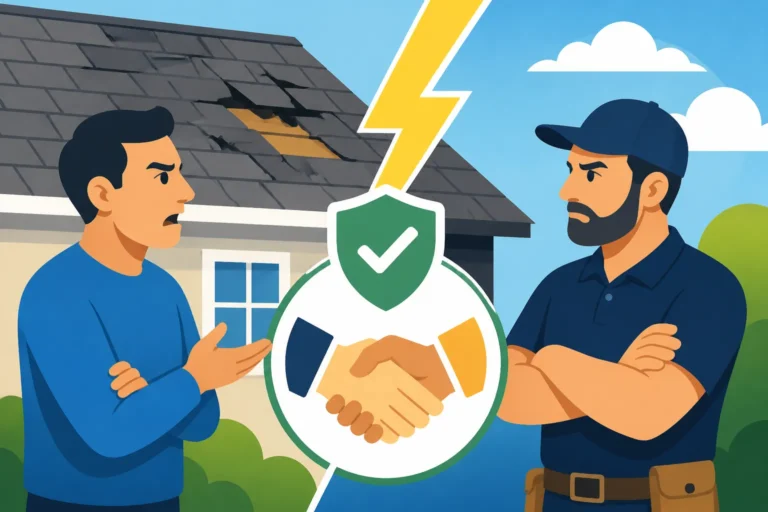
Even with the best precautions, sometimes things go awry. If you've made an upfront payment and your contractor isn't performing as expected, it's crucial to act quickly and systematically. Panic won't help, but a clear, documented approach can.
Documenting Everything and Communication Attempts
The moment you sense trouble – perhaps the work isn't starting on time, communication has ceased, or the quality of the initial work is poor – start a detailed log.
-
Document Everything:
- Dates and Times: Note every interaction.
- Communication: Keep copies of all emails, text messages, and certified letters. If you speak on the phone, immediately follow up with an email summarizing the conversation and the agreed-upon next steps.
- Photos/Videos: Take timestamped photos and videos of the job site, showing lack of progress, poor workmanship, or materials (or lack thereof).
- Contract: Have your signed contract readily accessible.
- Payment Records: Keep all canceled checks, credit card statements, or bank transfer confirmations.
-
Formal Communication: Do not rely solely on phone calls. Send formal written communications (emails and certified letters with return receipts) outlining your concerns, referencing the contract, and stating a reasonable deadline for a response or action. Clearly articulate what specific terms of the contract you believe are being violated. For example, "As per our contract dated [Date], work was scheduled to begin on [Start Date] but has not yet commenced. We request an updated start date and clear communication within [X] days."
This documentation will be invaluable if you need to pursue further action. It creates an irrefutable timeline of events and your attempts to resolve the issue amicably.
Legal Avenues and Consumer Protection Resources
If direct communication fails to resolve the issue, it’s time to explore other avenues. The specific path you take will depend on the severity of the problem and the amount of money involved.
-
Consumer Protection Agencies:
- Better Business Bureau (BBB): You can file a complaint with the BBB. While they don't have enforcement power, a complaint on their platform can sometimes prompt a contractor to act, especially if they value their rating.
- State Attorney General's Office / Consumer Affairs: These government agencies often have consumer protection divisions that investigate complaints against contractors. They may offer mediation services or even take legal action on behalf of consumers in cases of widespread fraud.
- Local Licensing Boards: If your contractor is licensed, contact the state or local licensing board. They have the power to investigate complaints, issue warnings, suspend, or revoke licenses. This can be a very effective way to get a contractor's attention.
-
Legal Action:
- Small Claims Court: If the amount of your deposit or damages is within the limits for small claims court in your area (this varies by state, but often ranges from $5,000 to $10,000), this can be a relatively inexpensive way to pursue a judgment against the contractor. You typically don't need a lawyer for small claims court, though legal advice is always recommended.
- Attorney Consultation: For larger sums or more complex disputes, consult with an attorney specializing in construction law or consumer protection. They can advise you on the strength of your case, the best course of action (e.g., filing a lawsuit), and help navigate the legal process.
-
Bond Claims: If your contractor is bonded (a form of protection against financial loss due to a contractor's failure to complete a job or meet contractual obligations), you may be able to file a claim against their bond. This is another reason why verifying a contractor's bonding is important, although it's less common for residential projects than commercial ones.
Remember, the goal is to recover your funds or get the work completed as agreed. Having strong documentation, a clear understanding of your contract, and knowing your rights are your best tools in these unfortunate situations. Don't hesitate to reach out to entities like Modernize for advice on how to handle contractor disputes, as they often have resources for homeowners.
Navigating Financing and Insurance for Your Roof
The payment landscape for a new asphalt roof often involves more than just a direct exchange with your contractor. Insurance claims and dedicated financing options play a huge role for many homeowners, significantly impacting when and how funds are dispersed. Understanding these elements is key to budgeting and managing your project.
How Insurance Payouts Affect Payment Timelines
If your roof replacement is due to storm damage, fire, or other covered perils, your homeowners' insurance will be a primary source of funds. However, insurance payouts aren't typically a single lump sum paid directly to your contractor. They usually involve a process that affects your payment timeline.
- Initial Payment (Actual Cash Value – ACV): Most insurance policies first pay out the Actual Cash Value (ACV) of your damaged roof. This is the depreciated value, meaning the replacement cost minus depreciation based on the roof's age and condition. This initial check might be issued to you, or sometimes jointly to you and your mortgage lender.
- Holding Back Depreciation (Recoverable Depreciation): The remaining amount, known as recoverable depreciation, is held back by the insurance company until the repair or replacement work is actually completed. Once you provide proof of completion (like a paid invoice from your contractor), the insurance company releases the depreciation amount. This "two-check" system encourages homeowners to complete the necessary repairs and ensures the money is used for its intended purpose.
- Mortgage Lender Involvement: If you have a mortgage, your lender will almost certainly be named on the insurance checks. This means you'll need their endorsement to deposit the funds. They may also want to inspect the work themselves before releasing the second depreciation check, adding another layer to the timeline.
This insurance process means that your contractor may need an initial payment (your deductible, plus possibly a portion of the ACV check) to get started and order materials. The remaining balance will then be paid as subsequent insurance checks are released. It’s vital to understand this interplay and communicate clearly with both your insurance company and your contractor. Make sure your contractor is experienced with handling Insurance Claim Roofers: What to Know and can guide you through the process, providing necessary documentation for your insurer.
Exploring Roof Financing Options
For those without an insurance claim, or if the claim doesn't cover the full cost, financing is a popular way to make a new roof affordable. Many reputable roofing contractors partner with third-party lenders to offer various financing packages.
-
Contractor-Provided Financing: Many companies, often through platforms like Modernize, offer financing solutions that can be integrated right into your project quote. These might include:
- Low-Interest Loans: Spreading the cost over several years with competitive interest rates.
- Same-as-Cash Offers: Often, you'll see promotions like "0% interest if paid in full within 12 months." These can be excellent options if you plan to pay off the balance quickly, but be extremely careful. If you don't pay the full amount before the promotional period ends, deferred interest can kick in from day one, leading to a much higher cost.
- Secured vs. Unsecured Loans: Some roof financing might be unsecured personal loans, while others could be secured by your home equity (like a HELOC), which usually offers lower interest rates but puts your home at risk if you default.
-
Home Equity Loans/Lines of Credit (HELOC): If you have significant equity in your home, a home equity loan or HELOC can be a cost-effective way to finance a new roof. These typically offer lower interest rates than unsecured personal loans because your home serves as collateral. The interest on home equity loans used for home improvements may also be tax-deductible (consult a tax professional).
-
Personal Loans: Banks and credit unions offer unsecured personal loans that can be used for any purpose, including home improvements. Interest rates can vary widely based on your credit score.
When considering financing, always shop around. Don't just take the first offer from your contractor's preferred lender. Compare rates and terms from multiple lenders to ensure you're getting the best deal. Understand the total cost of the loan, including interest and any fees. A new roof is a significant investment in your home, and choosing the right financing can make it manageable. For more detailed information, check out articles on Roof Replacement Payment Plans to understand your choices.
Disclaimer
Please remember that the information provided in this guide is intended for general informational purposes only and does not constitute professional financial, legal, or construction advice. Always consult with a qualified roofing professional, financial advisor, legal counsel, and your insurance provider to discuss your specific situation and make informed decisions. Building codes, regulations, and industry practices can vary significantly by location.