How to Avoid Roofing Scams
When you’re dealing with potential roof damage, whether it's from a sudden hailstorm or just the inevitable wear and tear of time, the last thing you need is the added stress of worrying about being scammed. Unfortunately, the roofing industry, much like any home improvement sector, can attract unscrupulous individuals looking to take advantage of homeowners in their moment of need. This guide is here to empower you with the knowledge and confidence to identify, avoid, and protect yourself from roofing scams.
The All-Too-Common Problem of Roofing Scams
It’s a frustrating reality that when your roof is damaged, you become a target. Scammers prey on urgency, lack of knowledge, and sometimes, plain old panic. They know homeowners are often under pressure and looking for a quick fix, which creates the perfect environment for deceptive practices.
"Storm Chasers" and Their Tactics
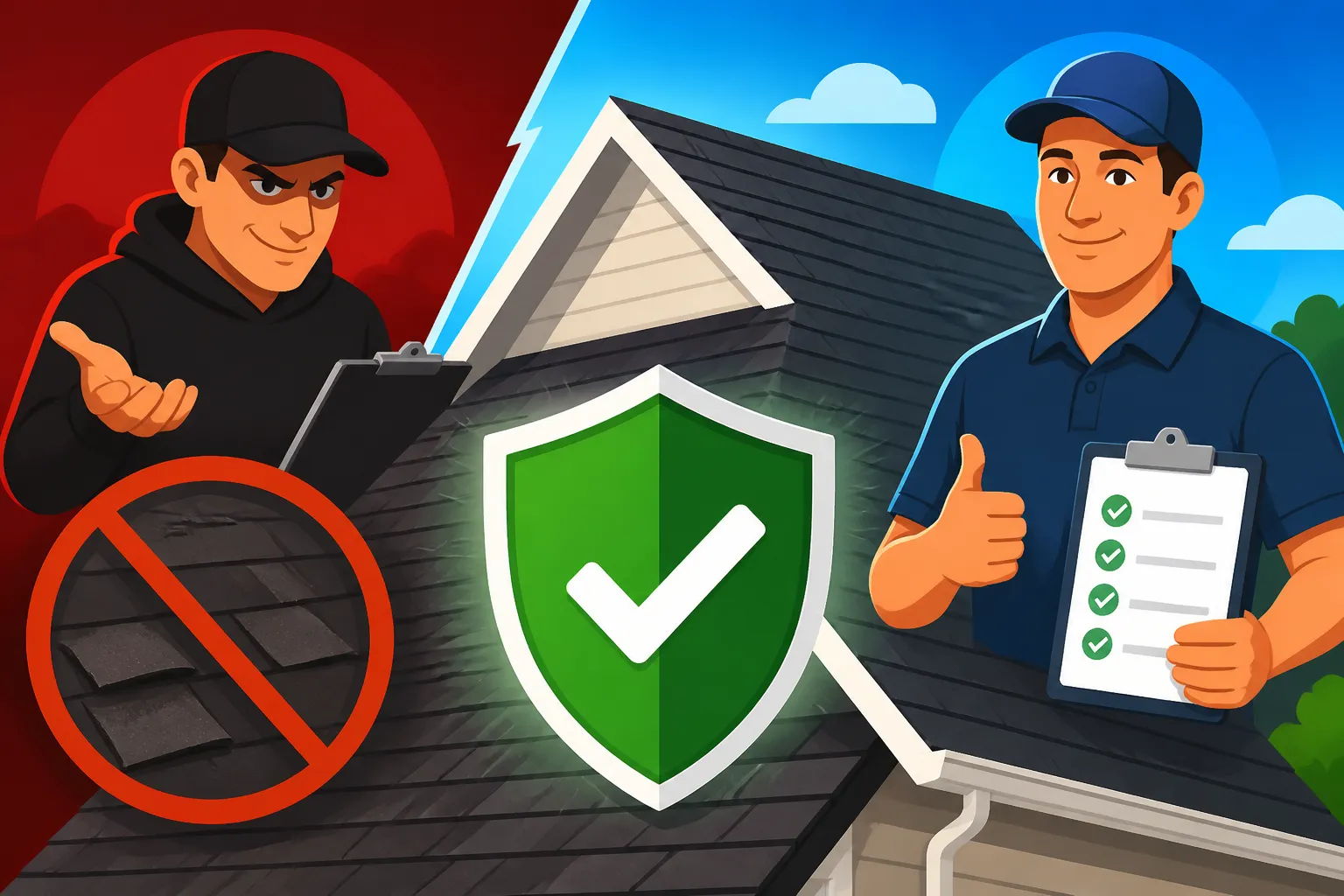
One of the most pervasive types of roofing scams involves "storm chasers." These are contractors who follow severe weather patterns—hailstorms, hurricanes, strong winds—from town to town, descending on affected areas like vultures. They often knock on doors, claiming to have "noticed" damage on your roof and offering immediate inspections or repairs. Their goal is usually to get you to sign a contract on the spot, often before you've even had a chance to fully assess the damage or contact your insurance company. They might even encourage you to file a claim for damage that doesn't exist or is minor, inflating the repair cost.
Imagine a scenario: A massive hailstorm just ripped through your neighborhood in Dallas, Texas. The next day, before the dust has even settled, a truck with out-of-state plates pulls up, and a friendly, fast-talking individual is on your porch, saying, "We're in the area fixing your neighbor's roof, and I saw some serious hail damage on yours. We can get it fixed for you right away!" This is a classic storm chaser move. They're often uninsured in your state, do shoddy work, or disappear entirely once they've collected payment, leaving you with a compromised roof and no recourse. They capitalize on the chaos and your immediate need for a solution.
High-Pressure Sales and Fear-Mongering
Another common tactic is employing high-pressure sales strategies. This isn't just limited to storm chasers; any contractor can use it. They might tell you your roof is on the verge of collapsing, that the damage is far worse than it appears, or that if you don't act now, your insurance claim will be denied. This fear-mongering is designed to prevent you from seeking multiple opinions or doing your due diligence. They want you to make an emotional, rushed decision rather than a rational, informed one.
For example, a contractor might show you a few loose granules or a minor crack on a shingle and exaggerate the severity, saying, "This roof won't last another winter! You're looking at major water damage and mold if you don't replace it immediately." While some damage is serious, a reputable contractor will explain the issues clearly, provide documentation (photos), and give you time to consider your options without badgering. Don't let anyone rush you into a decision about such a significant investment.
The "Too Good to Be True" Offer
We've all heard the adage: if it sounds too good to be true, it probably is. This holds especially true in the roofing world. Scammers might offer incredibly low prices, far below what other reputable contractors quote, or promise premium materials and services at rock-bottom rates. They might even claim they can replace your entire roof for just your insurance deductible. These offers are usually a smokescreen for subpar materials, shoddy workmanship, or hidden costs that will magically appear later.
Consider a situation where you've received two quotes for an asphalt roof replacement, both in the range of $15,000 to $20,000. Then, a third contractor comes in with a bid of $8,000, promising the same quality GAF shingles and a quick turnaround. Your immediate thought might be, "Wow, what a deal!" But what they might not tell you is that they're planning to cut corners by not replacing the underlayment, reusing old flashing, or skimping on proper ventilation. You could end up paying more in the long run for repairs or even another full replacement much sooner than anticipated. Remember, quality roofing isn't cheap, and skilled labor deserves fair compensation.
Key Red Flags to Spot in Potential Scammers
Recognizing the warning signs early can save you a world of trouble, not to mention a significant amount of money and stress. Many of these red flags are subtle at first glance, but taken together, they paint a clear picture of a contractor you should steer clear of.
Unsolicited Visits and Immediate Offers
The doorbell rings, and there’s a contractor on your porch, uninvited, perhaps even claiming to be from "the roofing company everyone is using." This immediate, unprompted solicitation is a major red flag, especially if they claim to have noticed damage from the street. While some legitimate local businesses do canvass neighborhoods, reputable contractors typically focus on scheduled appointments and referrals. These door-to-door sales tactics, particularly after a storm, often signify a storm chaser or a contractor looking for quick, uninformed sales.
Think about it: how could someone definitively assess your roof's condition from ground level without a proper inspection? They couldn't. They're banking on your worry about potential damage. They might even suggest they can get on your roof "right now" for a free inspection, only to fabricate damage or even cause new damage to justify an immediate repair. If someone shows up unannounced and pushes for an instant inspection or contract, politely decline and close the door. Then, do your research and seek out a contractor on your own terms. Websites like Modernize can be a good starting point to find vetted professionals.
Demanding Upfront Cash Payments
This is perhaps one of the biggest and brightest red flags you'll encounter: a contractor who insists on a large cash payment upfront, especially for the entire project. While a reasonable deposit (typically 10-30% of the total cost) is standard to cover initial material purchases and secure your spot on their schedule, demanding full payment before any work has begun, or even before materials have arrived, is highly suspicious. Cash payments leave no paper trail, making it incredibly difficult to prove payment or seek recourse if the contractor disappears or performs shoddy work.
Consider a scenario where a contractor asks for 50% or more upfront, in cash, for a full roof replacement. They might say it’s for "materials and labor," but reputable companies have established credit lines with suppliers and don’t need your full payment to start. If a contractor pressures you for cash, especially if they don't want to provide a detailed invoice or receipt, walk away immediately. Legitimate businesses accept checks or credit card payments, which offer a clear record of transactions and a layer of protection for you as a consumer.
Lack of Local Presence or Proper Credentials
A legitimate roofing company will have an established local presence, not just a P.O. Box or a temporary office set up in a hotel ballroom after a storm. They should have a verifiable physical address, a local phone number that isn't just a cell phone, and a history of working in the community. Furthermore, they must be properly licensed and insured to work in your state and municipality. This includes liability insurance to protect your property and workers' compensation insurance to protect their employees in case of an accident on your property. You can learn more about why Licensed and Insured Roofers: Why It Matters.
A contractor who drives a beat-up truck with out-of-state plates, offers only a cell phone number, and can't provide proof of proper licensing and comprehensive insurance coverage is a massive risk. If they claim to be licensed, verify it with your state's licensing board or local building department. For example, in Florida, you'd check with the Department of Business and Professional Regulation (DBPR). Don't just take their word for it. No legitimate contractor will refuse to provide these essential documents. If they can't or won't, you're better off finding someone else.
Vague Contracts and No Written Estimates
A professional roofing contractor will always provide a detailed, written estimate outlining the scope of work, materials to be used (including brand and color), start and end dates, payment schedule, and warranty information. A vague, handwritten note on a scrap of paper or a verbal agreement simply won't cut it for a project as significant as a roof replacement. The same goes for the contract – it should be comprehensive, clearly define all terms and conditions, and leave no room for ambiguity.
If a contractor resists providing a detailed written estimate or a formal contract, or if the documents they provide are riddled with generalizations and lack specific details, consider it a serious warning sign. This lack of transparency often indicates an intent to cut corners, add surprise charges later, or simply perform substandard work without any clear agreement to hold them accountable. You should always insist on a comprehensive written agreement, preferably one that you've had time to review thoroughly before signing. Knowing What a Roofing Estimate Should Include can help you identify a good one.
Diligently Vetting Your Roofing Contractor
Finding a reputable roofing contractor can feel like a daunting task, but with a systematic approach to vetting, you can significantly reduce your risk of encountering scams. This isn't about being overly suspicious; it's about being smart and protecting your home and your investment.
Always Verify Licenses and Insurance
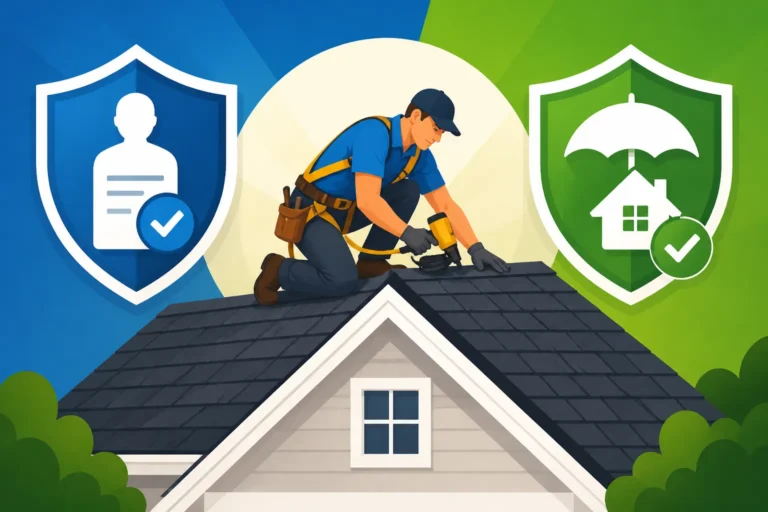
This step is non-negotiable and one of the most critical aspects of vetting any contractor. A legitimate roofing contractor must be properly licensed and carry adequate insurance. Licenses vary by state and sometimes by county or city, but they confirm that the contractor has met certain professional standards and understands local building codes. Insurance, specifically liability insurance and workers' compensation, protects you. Liability insurance covers damage to your property during the roofing project, while workers' compensation protects the workers if they get injured on your job site. Without these, you could be held financially responsible for accidents or damages.
Never just take a contractor's word for it. Ask for copies of their license and insurance certificates, and then independently verify them. For a contractor in Arizona, for instance, you'd check with the Arizona Registrar of Contractors. Call the insurance provider directly to confirm the policy is active and covers the dates of your project. Don't fall for photocopies that might be outdated or fraudulent. A trustworthy contractor will be transparent and proud to provide this documentation, understanding that it builds trust and demonstrates their professionalism. This verification process is a cornerstone of how to choose a roofing contractor.
The Power of Reviews and References
In today's digital age, online reviews are incredibly powerful, but they should be used judiciously. Look for contractors with a consistent track record of positive reviews across multiple platforms like Google, Yelp, and the Better Business Bureau (BBB). Pay attention to themes in the reviews: do customers consistently praise their communication, quality of work, and adherence to schedules? Also, look at how the contractor responds to negative reviews—a professional response that addresses concerns constructively can be a good sign.
Beyond online reviews, always ask for local references. A reputable contractor will be happy to provide contact information for recent clients in your area. When you contact these references, ask specific questions: Was the project completed on time and within budget? Was the communication clear? Were there any unexpected issues, and how were they resolved? Did they clean up thoroughly? It’s also a great idea to drive by the homes of these references, if possible, to visually inspect the quality of the work. If a contractor is hesitant to provide references, it's a significant red flag.
Manufacturer Certifications and What They Mean
Many leading roofing material manufacturers, such as GAF, Owens Corning, and CertainTeed, offer certification programs for roofing contractors. These certifications, like GAF's Master Elite or Owens Corning's Platinum Preferred Contractor, mean that the contractor has met stringent requirements, undergone specific training, and is authorized to offer enhanced warranties on the manufacturer's products. This is a big deal because these extended warranties offer a higher level of protection for your investment, often covering material defects and workmanship for a longer period than standard warranties.
Working with a manufacturer-certified contractor indicates a commitment to quality and adherence to strict installation standards. Manufacturers typically audit these contractors and ensure they maintain high levels of customer satisfaction. For example, if you're installing a GAF roof, choosing a GAF Master Elite contractor can provide you with their strongest warranty options. Always verify a contractor's certification directly on the manufacturer's website; don't just rely on a certificate they show you. This added layer of vetting helps ensure you're getting a skilled and accountable professional.
Understanding Your Roofing Estimate and Contract
Once you've narrowed down your choices to a few reputable contractors, the next crucial step is meticulously reviewing their estimates and contracts. This is where the details truly matter, and overlooking them can lead to significant problems down the line.
What a Detailed Estimate Should Include
A comprehensive roofing estimate isn't just a number; it's a detailed breakdown of everything involved in your project. It should clearly list all components, quantities, and costs. This includes specifics like the type and brand of shingles (e.g., Owens Corning Duration, CertainTeed Landmark Pro), the style (e.g., architectural shingles), color, and the square footage of the roof. It should also specify the underlayment type, flashing materials, ventilation components (ridge vents, soffit vents), and any necessary repairs to the roof decking.
Beyond materials, the estimate should detail labor costs, permit fees, and disposal costs for the old roof materials (Cost of Roof Tear-Off and Disposal). Any optional upgrades, like an ice and water shield in critical areas or impact-resistant shingles, should be itemized separately. A detailed estimate protects you from hidden costs and provides a clear expectation of the work to be performed. If an estimate is vague or seems to be missing key components, ask for clarification. If they can't or won't provide it, look elsewhere. This attention to detail is essential when you're looking at How to Read and Compare Roofing Estimates.
Deciphering the Fine Print in Your Contract
The contract is your legally binding agreement with the contractor, so reading every single line—especially the fine print—is paramount. Ensure the contract mirrors the estimate exactly, with no discrepancies in materials, scope of work, or pricing. Key elements to look for include:
- Project Scope: A precise description of all work, including removal of old roofing, repairs, installation of new materials, and cleanup.
- Materials: Specific brands, types, and colors of all roofing components.
- Timeline: Start and estimated completion dates. Be wary of open-ended timelines.
- Payment Schedule: A clear breakdown of when payments are due, typically tied to project milestones. This should reflect a reasonable Roofing Deposit: How Much Is Normal.
- Warranties: Details on both the manufacturer's warranty for materials and the contractor's warranty for workmanship.
- Change Order Process: How changes to the project (and their associated costs) will be handled and approved in writing.
- Lien Waivers: Provisions for obtaining lien waivers from subcontractors and suppliers upon final payment, protecting you from future claims.
- Insurance: Confirmation that the contractor carries the necessary liability and workers' compensation insurance.
Never sign a contract that makes you uncomfortable or that you don't fully understand. If there are blank spaces, fill them in or cross them out before signing. Insist on a written contract for any work performed.
Payment Schedules and Avoiding Full Upfront Payments
As mentioned earlier, a reputable contractor will not demand full payment upfront. A typical payment schedule involves an initial deposit (10-30%) to secure materials and schedule the project, followed by progress payments tied to specific milestones (e.g., completion of tear-off, delivery of materials, partial installation). The final payment should always be withheld until the project is 100% complete, you've performed a final inspection, and you're fully satisfied with the work.
This milestone-based payment structure incentivizes the contractor to complete the work diligently and correctly. If a contractor asks for 50% or more upfront, or demands all cash, it's a huge warning sign. If they claim they need all the money to buy materials, it suggests they may not have stable business finances. Your money is leverage, and you want to retain some of it until the job is done right. Always make payments by check or credit card, which provides a traceable record, unlike cash.
Protecting Your Roofing Investment
Even after you've chosen a reputable contractor and signed a solid contract, your responsibility doesn't end there. Staying engaged throughout the process and understanding key aspects of the job will further safeguard your investment and ensure you get the quality roof you paid for.
Insisting on Proper Permits and Inspections
This is a critical, often overlooked step that protects you and ensures the work meets local building codes. In almost all jurisdictions, a roof replacement or significant repair requires a building permit. This permit isn't just a formality; it triggers mandatory inspections by local building officials at various stages of the project. These inspections ensure that the contractor is adhering to established safety and quality standards, from the structural integrity of the roof deck to the proper installation of shingles and ventilation. You can learn more about Roofing Permits Explained.
Always confirm that the contractor will pull the necessary permits before work begins. A reputable contractor will handle this process as a matter of course. Never agree to pull the permit yourself, as this can transfer liability from the contractor to you. If a contractor suggests skipping the permit to "save money" or "speed things up," it's a colossal red flag. This indicates they either don't know the codes, plan to cut corners, or are operating without proper licensing. A finished roof without a permit can lead to problems when selling your home or with insurance claims.
Understanding Warranties: Manufacturer vs. Workmanship
Your new roof typically comes with two main types of warranties, and understanding both is vital:
- Manufacturer's Warranty: This covers the roofing materials themselves (shingles, underlayment, flashing) against defects. The length can vary significantly, from 20 years for basic 3-tab shingles to 50 years or even a lifetime for architectural or designer shingles. Top manufacturers like GAF, Owens Corning, and CertainTeed offer enhanced warranties when their entire roofing system (shingles, underlayment, ventilation, etc.) is installed by one of their certified contractors. These enhanced warranties often include longer material coverage and may even cover workmanship.
- Workmanship Warranty: This is provided by the roofing contractor and covers the quality of their installation work. If the roof leaks or fails due to faulty installation, this warranty should cover the repair. Workmanship warranties typically range from 2 to 10 years, though some top-tier contractors offer longer periods, especially those with manufacturer certifications.
It's crucial to get both warranties in writing and understand their terms, including what voids them (e.g., improper attic ventilation, DIY repairs). Ensure you receive all warranty documents upon project completion and register your manufacturer's warranty if required. A strong warranty package gives you peace of mind and recourse if issues arise. To compare different options and terms, it's good to read up on Roofing Warranty: Workmanship vs Manufacturer.
Clear Communication and Project Documentation
Throughout the project, maintain open and clear communication with your contractor. Establish who your main point of contact will be and how often you'll receive updates. Don't hesitate to ask questions if something doesn't look right or if you're unsure about a particular step in the process. Take photos before, during, and after the work. This documentation can be invaluable if a dispute arises later.
Keep copies of all paperwork: the original estimate, the signed contract, proof of license and insurance, permit documents, change orders, payment receipts, and warranty information. A well-organized file will be your best friend if you ever need to refer back to any detail or address a problem. A professional roofing company will appreciate your engagement and transparency, understanding that a well-informed homeowner is often a satisfied client. Modernize, for instance, emphasizes connecting homeowners with contractors who prioritize clear communication.
What to Do If You Suspect You've Been Scammed
Despite your best efforts, sometimes things go wrong. If you suspect you've been the victim of a roofing scam or if a contractor has disappeared or done a terrible job, it's important to act quickly and systematically.
Document Everything and Gather Evidence
The moment you suspect a problem, start meticulously documenting everything. This means taking detailed photos and videos of the alleged shoddy workmanship, any unfinished portions of the job, or any damage the contractor may have caused to your property. If there are leaks, document them thoroughly. Keep a chronological log of all communications with the contractor—phone calls, emails, text messages—including dates, times, and summaries of conversations. Save all financial records: copies of checks, credit card statements, and any receipts for payments made.
Gather all contractual documents, including the estimate, the signed contract, warranty information, and proof of permits. If you have contact information for any subcontractors or material suppliers, keep that on hand too. The more evidence you have, the stronger your position will be if you need to pursue legal action or file a complaint. This comprehensive documentation will be your primary tool in building your case and seeking redress.
Contacting Law Enforcement and Consumer Protection Agencies
If you believe you've been outright scammed—meaning the contractor took your money and disappeared, or performed intentionally fraudulent work—contact your local police department and file a report. While they may not be able to retrieve your money directly, a police report is crucial for other avenues of recourse, such as insurance claims or legal action.
Additionally, reach out to consumer protection agencies. Start with your state's Attorney General's office and your local Consumer Affairs department. These agencies investigate consumer complaints and can sometimes mediate disputes or take legal action against fraudulent businesses. File a complaint with the Better Business Bureau (BBB) as well. While the BBB doesn't have enforcement power, a formal complaint can put pressure on the contractor and warn other consumers. If the contractor was licensed, also file a complaint with your state's contractor licensing board, as they have the authority to suspend or revoke licenses. You can learn How to File a Complaint Against a Roofer for specific steps.
Seeking Legal Counsel and Contractor Dispute Resolution
For significant financial losses or severely deficient work, consulting with an attorney specializing in construction law or consumer protection is advisable. An attorney can review your contract, assess your evidence, and advise you on the best course of action, which might include sending a demand letter, initiating arbitration (if specified in your contract), or filing a lawsuit. They can help you understand your rights and the legal avenues available to recover damages or force the contractor to complete the work correctly.
Some states or local jurisdictions offer contractor dispute resolution programs, which can be a less expensive and faster alternative to litigation. These programs provide a neutral third party to mediate disagreements between homeowners and contractors. Before pursuing legal action, ensure you have a clear understanding of the potential costs and the likelihood of a favorable outcome. It's a tough situation to be in, but with proper documentation and professional guidance, you stand a better chance of recovering your losses and holding the scammer accountable.
Proactive Steps to Prevent Future Scams
Avoiding roofing scams isn't just about reacting to red flags; it's about being proactive and establishing good habits before you even need a new roof. A little foresight can save you a lot of headache and heartache down the road.
Regular Roof Inspections and Maintenance
One of the best ways to protect yourself from scams is to stay informed about the condition of your own roof. Don't wait for a storm chaser to point out "damage" or for a leak to appear in your living room. Schedule regular professional roof inspections, ideally once a year or after any significant weather event. A qualified inspector can identify minor issues before they become major problems and provide an objective assessment of your roof's health. This allows you to address necessary repairs on your own timeline, reducing the urgency that scammers exploit.
Routine maintenance, such as cleaning gutters, trimming overhanging branches, and checking for loose or missing shingles, also keeps you in tune with your roof's condition. If you notice a minor issue, you can proactively seek out a local, trusted contractor for a repair, rather than being caught off guard and susceptible to high-pressure sales from an unknown entity. Understanding How Long Does an Asphalt Roof Last and the signs of aging can also give you a better sense of when major work might genuinely be needed.
Building a Network of Trusted Local Professionals
Don't wait until you have a roofing emergency to start looking for contractors. Just like you have a trusted mechanic or plumber, cultivate relationships with reputable local roofing companies before you need them. Ask friends, family, and neighbors for referrals to contractors they've had positive experiences with. Look for companies that have been established in your community for many years, as longevity often indicates reliability and a commitment to customer satisfaction.
When you have a network of trusted professionals, even if you just have their contact information on file, you'll feel much more confident when an unexpected issue arises. You'll know exactly who to call, bypassing the need to sift through endless online searches or rely on unsolicited offers. This proactive approach ensures you're engaging with known entities who have a reputation to uphold in your area. Modernize is a platform designed to help homeowners find and connect with pre-screened local professionals, which can be a valuable tool for building this network.
Educating Yourself on Roofing Basics
You don't need to become a roofing expert overnight, but having a basic understanding of roofing terminology, common problems, and the general process of a roof replacement can empower you greatly. Knowing what a roofing square is, what underlayment does, or why proper ventilation is important can help you better understand estimates, ask informed questions, and spot when a contractor is trying to overcharge or mislead you.
There are plenty of resources available online (including this blog!) that explain different types of shingles, components of a roofing system, and installation processes. For example, understanding How Asphalt Shingles Are Installed: Step by Step can make you a more informed consumer. The more you know, the harder it is for a scammer to pull the wool over your eyes. Knowledge truly is power when it comes to home improvement projects, especially one as significant as your roof.
Summary of Scam Prevention Tips
To help you keep track, here’s a quick rundown of the essential steps you can take to protect yourself from roofing scams:
| Action Item | Why It's Important | What to Look For/Do |
|---|---|---|
| Avoid Unsolicited Offers | Scammers often target homeowners after storms or those who seem vulnerable. | Be wary of door-to-door sales. Always initiate contact with contractors yourself. |
| Verify Licenses & Insurance | Protects you from liability and ensures professionalism. | Ask for certificates, then verify with state licensing boards and insurance companies directly. |
| Check Local References & Reviews | Provides insights into a contractor's past performance and reputation. | Seek consistent positive reviews across multiple platforms. Call past clients and inspect their roofs if possible. |
| Insist on Detailed Written Estimates | Prevents hidden costs and ensures clarity on materials and scope of work. | Demand itemized breakdowns of materials, labor, permits, and disposal. No vague lump sums. |
| Review Contracts Thoroughly | The contract is your legal protection; ensure it covers all aspects. | Read all fine print. Ensure it matches the estimate, specifies timelines, payments, and warranties. |
| Understand Payment Schedules | Prevents contractors from disappearing with your money before work is done. | Never pay in full upfront. Use checks or credit cards. Withhold final payment until satisfaction. |
| Confirm Permits & Inspections | Ensures work meets local codes and is independently reviewed for quality. | Contractor should pull the permit. Verify it with your local building department. |
| Get Warranties in Writing | Guarantees coverage for materials and workmanship. | Obtain both manufacturer and contractor warranties, understand terms, and register them if required. |
| Document Everything | Provides crucial evidence if a dispute arises. | Keep a file of all communications, photos (before, during, after), and financial transactions. |
| Stay Informed & Proactive | Reduces urgency and makes you less susceptible to scams. | Schedule regular inspections. Educate yourself on roofing basics. Build a list of trusted local contractors. |
By following these guidelines, you can navigate the process of hiring a roofing contractor with confidence and ensure your home receives the quality care it deserves.
Disclaimer
Please remember that the information provided in this article is for general guidance and informational purposes only. It does not constitute professional advice. Always consult with a qualified roofing contractor, legal professional, or insurance expert for advice tailored to your specific situation. Roofing regulations and licensing requirements can vary significantly by state and municipality, so always verify local requirements.