Roofing Contractor Reviews to Trust in Georgia
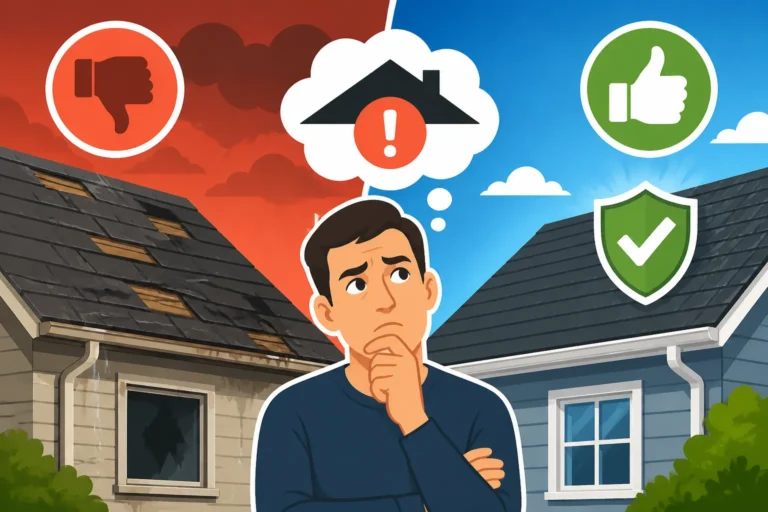
Trying to find a trustworthy roofing contractor in Georgia can feel like navigating a maze, especially when you're sifting through countless online reviews. It’s tough to know who to believe and what truly matters when your home’s most important shield is on the line. This guide will walk you through exactly how to interpret those reviews, where to find the most credible feedback, and what specific red flags to watch out for, ensuring you make an informed decision for your Georgia home.
The Critical Role of Trustworthy Reviews for Georgia Homeowners
When it comes to something as significant as your roof, you’re not just hiring someone to nail shingles. You’re entrusting them with the structural integrity of your home, your family’s safety, and a substantial financial investment. In a state like Georgia, where weather can range from scorching summers to sudden hailstorms and even hurricanes pushing inland from the coast, a well-installed roof is non-negotiable. This is precisely why reliable reviews aren't just a convenience; they are an essential part of your due diligence.
Why Reviews Matter More Than Ever
Think about it: before the internet, you might have relied solely on word-of-mouth recommendations from neighbors or family. While those personal endorsements are still gold, the digital age offers a broader, more diverse perspective from a much larger pool of past customers. This expanded view can highlight patterns of behavior, both good and bad, that a single anecdote might miss. For instance, if you're looking for an honest contractor, reviews can quickly reveal if a company consistently goes above and beyond or if they regularly leave homeowners feeling frustrated.
The sheer volume of information available through online reviews means you can often spot trends in a contractor's service quality, their communication style, and their ability to handle common roofing issues in Georgia, like dealing with humidity or ensuring proper ventilation. It’s about leveraging collective experience to protect your own.
The Landscape of Roofing in Georgia
Georgia's climate presents unique challenges for roofs. The intense heat can accelerate shingle degradation, while frequent thunderstorms and occasional severe weather events, especially across areas like the Atlanta metropolitan area or south Georgia, put roofs to the test. Homeowners often face issues like granule loss, missing shingles, or leaks around flashing after a strong storm. When you're dealing with these kinds of issues, you want a roofer who understands the specific demands of the local environment. Reviews can give you insight into which contractors are experienced with these challenges and which ones might be more suited to different climates or less severe conditions. It can also hint at their responsiveness during emergency situations, which is vital when a storm has damaged your home.
Where to Find Reliable Roofing Contractor Reviews in Georgia
Navigating the multitude of online platforms for contractor reviews can be overwhelming. Not all review sites are created equal, and understanding their strengths and weaknesses can help you gather the most authentic insights. You want to cast a wide net, but also know which waters are deepest for reliable information.
Major Online Review Platforms
When you're searching for a reputable roofer in Georgia, your first stop will likely be the big names in online reviews. These platforms aggregate feedback from thousands of customers and can provide a broad overview of a contractor's reputation.
- Google Reviews: These are often the most accessible and prominent reviews, appearing directly in search results when you look up a local roofing company. The sheer volume of reviews here can be helpful, and they often include photos, which can give you a visual sense of a contractor's work quality or project sites. What makes Google Reviews powerful is their integration with Google Maps, allowing you to easily locate contractors near you, whether you're in Savannah, Augusta, or the bustling suburbs of Alpharetta. Look for a substantial number of reviews, generally over 50, to get a good statistical average.
- Better Business Bureau (BBB): The BBB rates businesses based on a variety of factors, including customer complaints and how those complaints are resolved. While it's not a direct review site in the same way Google is, it serves as an excellent resource for checking a company's complaint history and their commitment to customer satisfaction. A high rating (A+ is ideal) and a low number of unresolved complaints are strong indicators of a reliable business practice. This platform is particularly useful for assessing a company's professionalism and ethical standards.
- Angi (formerly Angie's List) & Yelp: These platforms are dedicated review sites where homeowners share detailed experiences. Angi, in particular, has a strong focus on home services, making it a valuable resource for finding qualified roofers. Yelp, while broader, also features many local service providers. Both allow for detailed written reviews, often accompanied by star ratings. For Angi, it's worth noting that some contractors pay for prominent placement, so always cross-reference their ratings and reviews with other sources.
Industry-Specific and Local Resources
Beyond the general review giants, some platforms and local resources offer specialized insights into the roofing industry.
- Manufacturer Websites: Many reputable roofing manufacturers, like GAF, Owens Corning, and CertainTeed, have "Find a Contractor" tools on their websites. These tools list contractors who are certified to install their specific products. These certifications often require extensive training, adherence to strict installation guidelines, and a proven track record of quality work. While not "reviews" in the traditional sense, a manufacturer certification acts as a strong endorsement of a contractor's skill and commitment to quality, which is often reflected in customer satisfaction. If you’re considering a specific shingle type, checking for a certified installer through the manufacturer's site is a smart move.
- Trade Associations: Organizations like the National Roofing Contractors Association (NRCA) or state-level associations (e.g., the Roofing & Sheet Metal Contractors Association of Georgia) might have directories of their members. Membership in such organizations often implies a commitment to industry standards and professional conduct. While they don't host direct reviews, these associations can vouch for a contractor's legitimacy and adherence to certain ethical guidelines.
- Local Community Forums and Social Media Groups: Don't underestimate the power of local online communities. Facebook groups for your specific neighborhood in places like Athens or Peachtree City, Nextdoor, or even local subreddits can be treasure troves of honest, unfiltered opinions. People are often quick to share both glowing recommendations and strong warnings about local contractors they've used. Just remember to take these with a grain of salt and verify information independently, as personal biases can sometimes be at play.
To streamline your search, consider using a platform like Modernize, which connects homeowners with pre-vetted contractors in their local area, often including access to their review profiles. This can be a great starting point for finding local pros with established reputations.
What to Look For in a Roofing Review and Red Flags to Avoid
Okay, so you've found a bunch of reviews. Now comes the trickier part: discerning the truly helpful ones from the fluff or, worse, the misleading ones. Not all five-star reviews are created equal, and not every negative comment spells disaster. It's about reading between the lines and understanding the context.
Dissecting Positive Reviews for Meaningful Insight
A string of five-star reviews is certainly appealing, but what details should you be looking for beyond the perfect score?
- Specifics, Specifics, Specifics: A truly helpful positive review will go beyond "They did a great job!" Look for details about the project's scope, like "They replaced our entire asphalt roof after the hail storm in Gainesville," or "The crew finished our 2,000 sq ft roof replacement on our two-story home in Roswell in just two days." These specifics indicate a real project and give you an idea of the contractor's capabilities. Did they mention how the crew handled the clean-up? Did they rave about the communication from the project manager? Details like these paint a much clearer picture.
- Consistency in Praised Qualities: Do multiple reviews highlight the same positive attributes, such as "excellent communication," "meticulous clean-up," "on-time completion," or "fair pricing"? Consistent positive feedback on particular aspects suggests that these are core strengths of the company. If several people mention the smooth process of their insurance claim roofers, that's a good sign the contractor is experienced in that area.
- Responsiveness and Problem Solving: Even the best contractors might encounter unexpected issues. A stellar review often describes how the company handled a snag – perhaps they found unforeseen Roof Decking Replacement Cost issues, or there was a delay due to weather. How they communicated and resolved the problem speaks volumes about their professionalism. Look for phrases like "They kept us informed every step of the way" or "When an issue arose, they quickly found a solution."
Identifying Red Flags and Suspicious Patterns
Equally important is knowing what signals untrustworthiness or potential problems. These red flags can save you a lot of headache and money down the line.
- Vague or Generic Reviews: Just as specifics are good for positive reviews, a lack of detail in any review can be a red flag. If all the reviews sound similar, use boilerplate language, or appear to be copied and pasted, they might be fake. Be especially wary if a brand new company suddenly has dozens of five-star reviews with no specifics.
- Overwhelmingly Negative or Unresolved Complaints (especially on BBB): While one or two negative reviews are normal for any business, a pattern of serious complaints, especially those involving shoddy workmanship, abandoned jobs, or significant cost overruns, should give you pause. Check the BBB for unresolved issues; a contractor who doesn't address customer concerns isn't someone you want working on your home. For example, a recurring complaint about a Signs of a Bad Roofing Job like recurring leaks after installation is a major red flag.
- Pressure Tactics in Reviews: If reviews mention high-pressure sales tactics, demanding upfront payment, or pushing homeowners to sign contracts immediately, proceed with extreme caution. Reputable contractors understand that a roof replacement is a big decision and will give you time to consider. You should never feel rushed into making a decision, especially after getting multiple How to Get Roofing Quotes and Compare Them.
- Inconsistencies in Company Information: Do reviews mention a company name that doesn't quite match the one on their website or license? Do they talk about a physical location that doesn't exist? These discrepancies could point to a fly-by-night operation. Always verify the contractor's physical address, website, and contact information.
- The "Cheapest Bid" Warning: While saving money is great, if a contractor's bid is significantly lower than all others you receive, and reviews hint at cut corners or hidden fees, it's a huge red flag. As a rule of thumb, always be wary of Why the Lowest Roofing Bid Is Risky.
| Review Platform/Factor | What to Look For (Green Flags) | What to Watch Out For (Red Flags) |
|---|---|---|
| Google Reviews | High volume (50+), specific details, recent activity, photos. | Few reviews, generic text, sudden influx of 5-stars for new company. |
| BBB Rating | A+ rating, few or no unresolved complaints, long accreditation. | F rating, many unresolved complaints, recent negative patterns. |
| Angi/Yelp | Detailed narratives, balanced feedback, consistent positive themes. | Short, vague reviews, defensive or aggressive contractor responses. |
| Manufacturer Site | Listed as "Certified Installer" for chosen products, long-standing relationship. | Not listed, no certifications, or certifications that don't match claims. |
| Overall Pattern | Consistent professionalism, good communication, fair pricing, quality work. | High-pressure sales, demand for full upfront payment, poor cleanup, communication breakdown. |
Beyond Reviews: Other Ways to Vet Georgia Roofers
While reviews are an excellent starting point, they are just one piece of the puzzle. To truly trust a roofing contractor in Georgia, you need to conduct a comprehensive vetting process. This involves checking credentials, references, and getting everything in writing. Think of reviews as appetizers, but you still need the main course of due diligence.
Verifying Credentials and Insurance
This is non-negotiable. A reputable roofer will always be properly licensed and insured.
- Licensing: In Georgia, roofing contractors are not uniformly licensed at the state level unless they perform residential or commercial general contracting work above a certain value (typically $2,500 for residential). However, many reputable contractors choose to hold a general contractor's license, which demonstrates a higher level of qualification. Some municipalities, particularly in larger metro areas like Fulton County or Gwinnett County, may have their own local licensing requirements for specialty contractors. Always ask for their license number (if applicable) and verify it through the appropriate state or local board. Understanding Roofing Contractor License Requirements by State is crucial, and for Georgia, it’s often a blend of state and local rules.
- Insurance: A legitimate roofing contractor will carry both Workers' Compensation insurance (to cover their crew in case of injury) and General Liability insurance (to cover any damage they might cause to your property or a neighbor's). Accidents happen, and you absolutely do not want to be held liable if a roofer falls or if a shingle falls through your window. Always ask for a certificate of insurance directly from their insurance provider, not just a copy from the contractor. You can learn more about Should Your Roofer Be Bonded and Insured and How to Verify a Roofer's Insurance to protect yourself.
- Bonding: While not always required, some contractors are bonded, which provides an additional layer of financial protection for the homeowner in case the contractor fails to complete the job or doesn't pay subcontractors.
Asking the Right Questions and Checking References
Once you have a shortlist of contractors with good reviews and verified credentials, it's time to dig deeper with direct questions and reference checks. This is where you get to hear directly from past clients and assess their firsthand experience.
- Customer References: Don't just rely on online reviews; ask the contractor for a list of at least three recent customers you can call. When you speak to these references, ask detailed questions:
- "What was the overall project timeline, and did they stick to it?"
- "How was their communication throughout the process?"
- "Did they clean up thoroughly after the job?"
- "Were there any unexpected costs, and how were they handled?"
- "Would you hire them again, and why?"
This direct feedback can confirm or contradict what you've read in online reviews.
- Manufacturer Certifications: As mentioned before, asking about and verifying manufacturer certifications (e.g., GAF Master Elite, Owens Corning Platinum Preferred, CertainTeed SELECT ShingleMaster) can be a strong indicator of quality. These certifications often come with extended warranty options that are only available through certified installers, offering you greater peace of mind.
- Detailed Contracts and Warranties: A professional contractor will provide a comprehensive written contract that clearly outlines the scope of work, materials used, timeline, payment schedule, and warranty information. Never settle for a handshake deal. Make sure you understand the difference between a manufacturer's warranty and a workmanship warranty. You should also verify What a Roofing Estimate Should Include and ensure no Hidden Costs in a Roof Replacement are lurking.
Using services like Modernize to connect with contractors can often streamline this process, as they typically work with pre-screened professionals, making it easier to gather initial information about licenses and insurance.
Navigating Specific Challenges in Georgia Roofing
Georgia homeowners face unique circumstances that can influence their roofing experience, from weather patterns to local market dynamics. Being aware of these can help you better evaluate reviews and choose the right contractor.
Climate Considerations and Material Choices
Georgia's distinct climate, characterized by hot, humid summers and occasional severe weather, plays a significant role in roof performance and the types of materials and installation practices recommended.
- Heat and Humidity: The prolonged heat and high humidity can take a toll on asphalt shingles, potentially leading to premature aging, blistering, or granule loss. A good review might highlight a contractor's expertise in installing shingles designed for heat reflection or proper attic ventilation to mitigate these effects. Ask contractors about their approach to How Roof Ventilation Works and if they recommend specific materials like cool-roof shingles for energy efficiency.
- Storm Season: From spring thunderstorms with heavy rain and hail to the remnants of hurricanes bringing high winds, Georgia roofs endure a lot. Look for reviews that mention a contractor's responsiveness during storm season or their experience with Storm Damage: Repair or Replace. Contractors who are adept at guiding homeowners through the Roofing Insurance Claim Process Step by Step are invaluable in Georgia. In fact, many Georgia homeowners actively seek out Class 4 Shingle Roof Cost because these impact-resistant shingles can potentially lower insurance premiums and better withstand hail.
The Georgia Roofing Market
The roofing market in Georgia, especially in rapidly growing areas like Atlanta or coastal regions, can be competitive. This means you'll find a wide range of contractors, from large established companies to smaller, local outfits and unfortunately, even storm chasers.
- Local Expertise: Prioritizing contractors with strong local ties and a long history in Georgia is often beneficial. They understand local building codes, preferred materials for the climate, and have established relationships with local suppliers. Reviews from customers in your specific city or county can be particularly insightful for this reason. A contractor based in Marietta might have excellent reviews for working on suburban homes, while one in Brunswick might specialize in coastal properties.
- Beware of Storm Chasers: After a major storm, Georgia can unfortunately become a target for "storm chasers" – out-of-state contractors who arrive quickly, often go door-to-door, and can disappear just as fast, leaving homeowners with unfinished or poorly done work. Reviews are critical here. Look for contractors with a verifiable local address, a long history in the community, and consistent positive feedback over time, not just after a recent storm. Always check if the reviews mention a stable, local presence.
When you're sifting through reviews, particularly after a storm, pay close attention to the age of the reviews and the contractor's address. Are they truly a local company, or are they newly popped up? This insight, combined with checking their licensing and insurance, forms a solid defense against less reputable actors. A platform like Modernize aims to connect you with established local contractors, reducing the risk of encountering these less desirable options.
A Final Word on Your Georgia Roof
Choosing a roofing contractor in Georgia is a significant decision, and taking the time to thoroughly research and vet your options is always worth the effort. Reviews are a powerful tool, but they're just one component of a larger strategy. By combining detailed review analysis with rigorous checks on licenses, insurance, references, and a clear understanding of your local climate challenges, you'll be well-equipped to select a contractor you can truly trust. Your peace of mind, and the longevity of your roof, depend on it.
Disclaimer
The information provided in this article is intended for general guidance and informational purposes only, and does not constitute professional advice. Roofing costs, regulations, and contractor availability can vary significantly based on location, time of year, and specific project requirements. Always consult with a qualified, licensed, and insured roofing professional for accurate estimates and advice pertaining to your individual circumstances.