Storm Damage: Repair or Replace
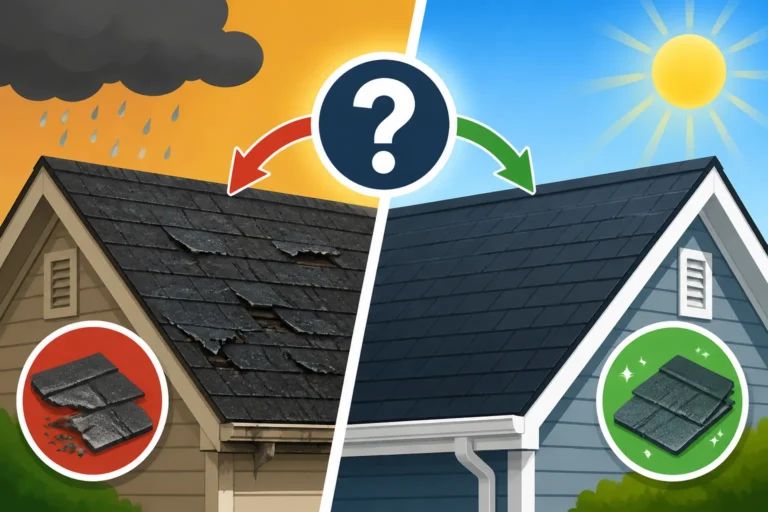
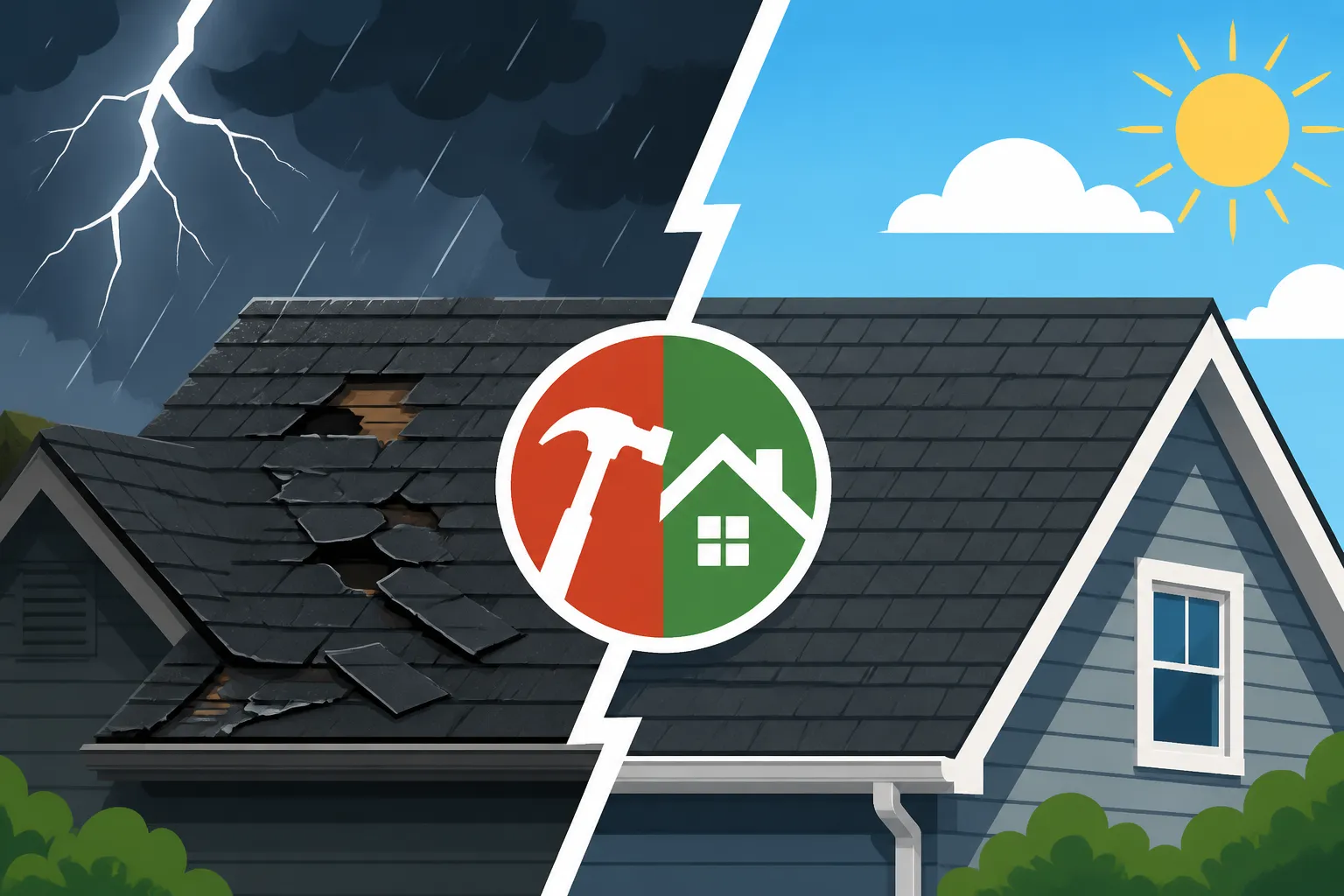
The moment a major storm rolls through, leaving a trail of debris and uncertainty, homeowners often experience a sinking feeling in their stomachs. You step outside, gaze up at your roof, and the immediate question that pops into your mind is, "What now?" This guide is designed to help you navigate the aftermath of storm damage to your asphalt roof, breaking down the critical decision-making process of whether to pursue a repair or opt for a full replacement.
The Immediate Aftermath: What to Do First After a Storm
When a storm hits, especially one with strong winds, heavy rain, or hail, the initial shock can be overwhelming. But before you panic or try to tackle anything yourself, it's crucial to approach the situation with safety and a clear head.
Prioritizing Safety and Initial Assessment
Your first priority should always be the safety of yourself and your family. After the storm has completely passed and it's safe to venture outside, take a walk around your property. Look for fallen power lines, gas leaks, or unstable structures before you even think about the roof. Once you've established a safe perimeter, turn your attention to your home's exterior.
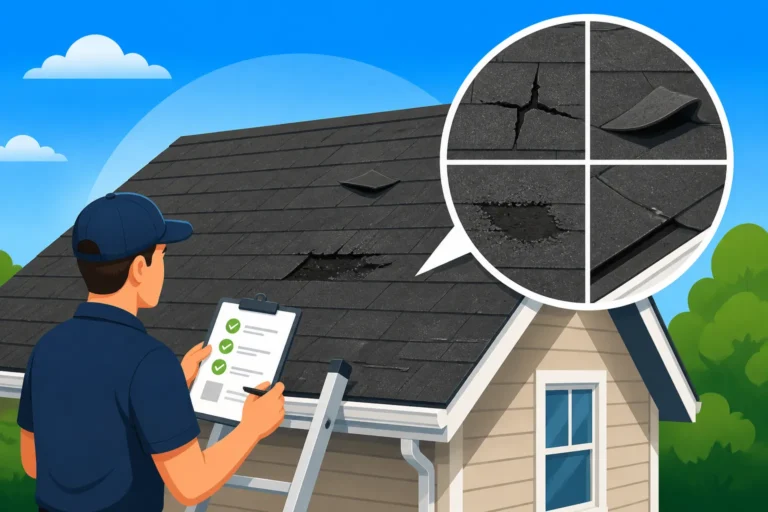
From the ground, without getting on a ladder or climbing onto the roof itself, try to get a visual assessment. Look for obvious signs of damage: are there shingles scattered across your lawn? Do you see any large dents in your gutters or downspouts that might indicate hail? Is there any visible sagging or obvious holes? While it’s tempting to get a closer look, resist the urge to climb on a potentially compromised roof. You're not a professional roofer, and a damaged roof can be incredibly dangerous. Loose shingles, weakened decking, and slippery surfaces from rain or debris create serious fall hazards. Even without climbing, you can often spot major issues that will inform your next steps. Take photos or video from various angles around your house, capturing both the obvious and the subtle signs of potential damage.
Documenting Damage for Insurance
This step is absolutely critical, even if you’re not sure if the damage warrants an insurance claim. Memories fade, and conditions can change, but detailed documentation provides concrete evidence. As you walk around your property, use your smartphone to take high-resolution photos and videos. Don't just focus on the roof; capture damage to siding, windows, fences, decks, outdoor furniture, and even your vehicle if it was exposed. These peripheral damages can help substantiate your claim that a significant storm event occurred and impacted your property.
When photographing the roof, try to get different angles. If you have a second story or a drone, safely get shots that show the overall condition. Zoom in on specific issues like missing shingles, curled or torn edges, areas with visible granule loss, or any indentations on shingles. Take pictures of debris that might have come from your roof. It's also wise to photograph the interior of your home if you're already seeing signs of water intrusion, like ceiling stains, drips, or peeling paint. Keep a running log of the date and time you observed the damage. This meticulous record-keeping will be invaluable when you eventually file an insurance claim, providing adjusters with a clear picture of the situation and helping to prevent any disputes down the line.
Understanding Different Types of Storm Damage
Not all storm damage looks the same, and understanding the specific type of impact your roof has sustained is crucial for deciding between repair and replacement. Different weather phenomena leave distinct calling cards, and recognizing them can help you communicate more effectively with your insurance company and roofing contractor.
Hail Damage: The Pockmarks and Granule Loss
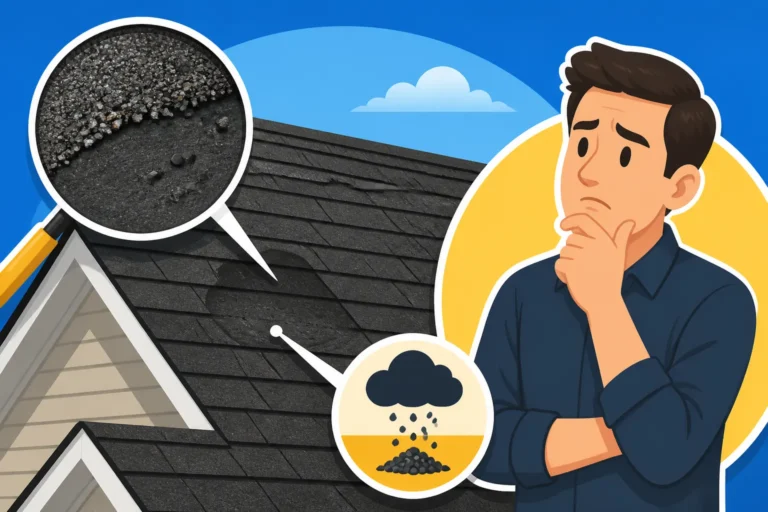
Hail damage is often insidious because it's not always immediately obvious, but it can be devastating. When hailstones, especially larger ones, strike asphalt shingles, they don't necessarily create holes right away. Instead, they can cause a few key types of damage. The most common is the dislodgement of granules, which are the small, ceramic-coated rock particles embedded in the asphalt. These granules are your roof’s primary defense against UV rays and physical impact, so when they’re gone, the underlying asphalt is exposed to accelerated deterioration. You might see small, dark, circular "bruises" or "dings" where hail impacted the shingle, revealing the asphalt beneath.
Another type of hail damage is bruising or fracturing of the shingle mat itself. Even if granules aren't completely removed, a severe impact can weaken the shingle's internal structure, making it more brittle and prone to cracking over time. This kind of damage can be hard to spot from the ground, often requiring a professional inspection. If left unaddressed, hail-damaged shingles will break down much faster, leading to leaks, further granule loss, and premature roof failure. After a significant hail event, it’s always a good idea to have a professional assessment, even if your roof looks okay from a distance. You might find that your shingles have lost a considerable amount of their protective layer, significantly shortening your roof's lifespan and putting it on the path to becoming a failing roof.
Wind Damage: Missing Shingles and Lifted Edges
Wind damage is usually more apparent than hail damage. High winds can exert incredible force on a roof, especially during severe thunderstorms or hurricanes. The most obvious sign of wind damage is, of course, missing shingles. These might be scattered across your yard, in your neighbor's yard, or completely gone. When shingles are ripped away, the underlayment and potentially the roof decking are exposed, leaving your home vulnerable to water intrusion.
Beyond missing shingles, wind can cause a variety of other problems. You might see shingles that are creased, folded, or torn, especially along the edges or near the ridge. The wind can lift and bend shingles, breaking the sealant strip that holds them down. Once this seal is broken, the shingle's ability to resist future wind and water is severely compromised. Look for lifted shingle tabs, especially on the edges of your roof (eaves, rake edges) and around the ridge cap. These areas are particularly susceptible to wind uplift. Even if the shingles aren't entirely gone, this type of damage can lead to leaks and can significantly reduce how long an asphalt shingle roof lasts. Ignoring wind damage can lead to persistent leaks and can trigger larger, more costly problems down the road.
Water Damage: Leaks and Interior Signs
While hail and wind cause the initial physical damage, water is often the secondary, more destructive consequence. Once shingles are compromised, or flashing around chimneys and vents is dislodged, water has an open invitation to enter your home. You might not see visible leaks immediately after a storm; sometimes, it takes a few subsequent rainfalls for the water to work its way through the roof system.
The most common interior signs of water damage include ceiling stains, usually yellowish or brownish, that expand over time. You might notice peeling paint or wallpaper, especially on upper-level ceilings and walls. Dripping water from the ceiling is an obvious, urgent sign. Beyond the visible, water can wreak havoc in hidden areas, too. It can saturate your attic insulation, reducing its effectiveness and promoting mold growth. It can also seep into the roof decking, causing it to swell, delaminate, or rot. Over time, this can compromise the structural integrity of your roof and lead to very expensive repairs. The presence of water damage within your home is a clear indicator that your roof's protective barrier has been breached and demands immediate attention.
When to Lean Towards Repairing Storm Damage
After assessing the situation, you might be relieved to discover that a full roof replacement isn't the immediate, unavoidable answer. Sometimes, a strategic repair is all that's needed to restore your roof's integrity and protect your home. This is often the case for newer roofs or very localized damage.
Minor, Isolated Damage
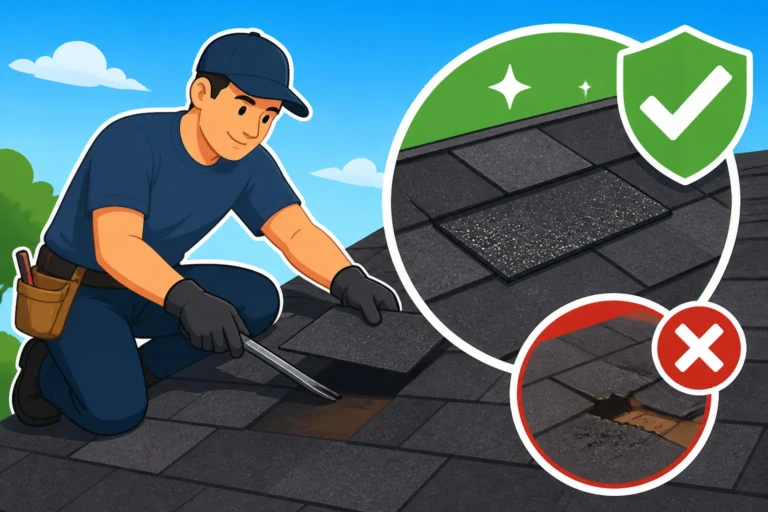
If the storm damage is limited to a small, isolated area of your roof, repair can be a perfectly viable and cost-effective solution. Think about scenarios like a few missing shingles blown off a single slope, or a concentrated patch of minor hail damage on one side of the house. Perhaps a tree branch scraped a small section, or a single piece of flashing around a vent pipe was dislodged. In these situations, a qualified roofing contractor can often seamlessly replace the damaged components, matching the existing shingles as closely as possible.
The key here is isolated and minor. If the damage is superficial and doesn't extend to the underlying roof decking, underlayment, or a significant portion of the roof's surface, a targeted repair can prevent further issues without the expense and disruption of a full replacement. It’s also much quicker, meaning your home is re-protected faster. However, it's crucial to have a professional confirm the extent of the damage, as what looks minor from the ground can sometimes indicate more widespread, hidden problems. Getting a professional opinion can also reveal if your roof is simply suffering from isolated issues, rather than presenting a How to Tell If Your Roof Is Failing overall.
Newer Roofs with Localized Issues
If your asphalt roof is relatively new—say, less than 10-15 years old—and it sustains storm damage, the likelihood of a successful repair is much higher. Newer shingles are more flexible, making them easier for roofers to work with, and they haven't experienced significant weathering, so matching new shingles to old ones is less noticeable. A reputable contractor should be able to source matching or very similar shingles, especially if your roof was installed by a well-known brand like GAF, Owens Corning, or CertainTeed, who often maintain consistent product lines.
In this scenario, a partial reroof or targeted shingle replacement can effectively address the damage without compromising the overall integrity or aesthetic of your roof. For example, if a severe microburst of wind affects only one face of a newer hip roof, replacing just that section might be the most logical choice. It restores the protective barrier and maintains the roof's expected lifespan. Trying to repair an older roof with a patchwork of new shingles can sometimes look visually jarring and may not provide the same long-term benefits as a full replacement, making the decision much easier for newer roofs. You want to make sure the repair doesn't inadvertently lead to issues that void your existing warranties, so always discuss this with your contractor.
Budgetary Constraints and Temporary Solutions
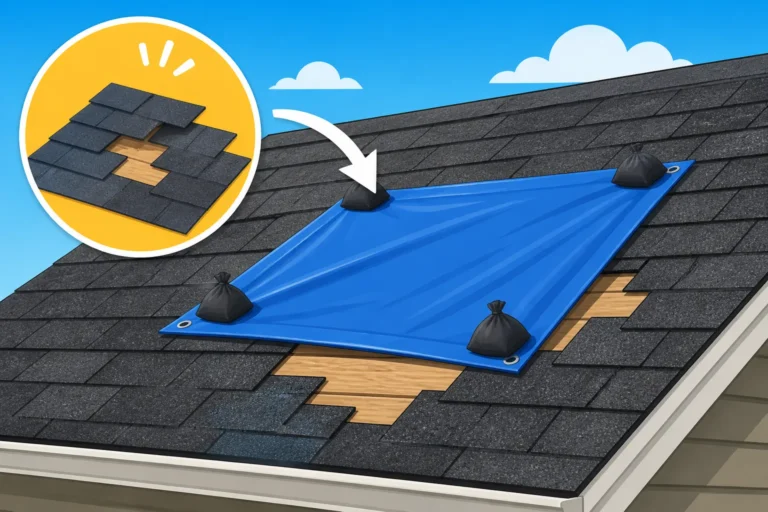
Let's be real: a roof replacement is a significant investment. Sometimes, even if the damage is more extensive, immediate financial constraints might make a full replacement seem out of reach. In these situations, temporary repairs can buy you time. Emergency roof tarping is a common temporary solution where a sturdy tarp is securely fastened over the damaged area to prevent further water intrusion. This is especially useful after hurricanes or major windstorms that leave large sections of your roof exposed.
While temporary fixes aren't long-term solutions, they are vital for preventing secondary damage to your home's interior, structure, and belongings. This can save you thousands in additional repair costs and give you breathing room to secure financing, work with your insurance company, or save up for a full replacement. It’s important to understand that temporary solutions are exactly that—temporary. They need to be followed up with a permanent repair or replacement as soon as feasible. However, they can provide a crucial stop-gap, allowing homeowners to prioritize safety and avoid additional financial burdens while they plan for the necessary next steps.
When a Full Roof Replacement Becomes Necessary
There are times when no matter how much you might wish for a simple repair, a full roof replacement is the only responsible and cost-effective course of action. This decision typically hinges on the severity and widespread nature of the damage, the age of your existing roof, and underlying structural issues.
Widespread and Severe Damage
Imagine your entire neighborhood has been hit by a fierce hailstorm, leaving virtually every roof pockmarked with hundreds of dents and missing granules. Or perhaps a tornado-like wind event has ripped off entire sections of shingles from multiple slopes, not just a few scattered ones. When storm damage is widespread—affecting 25-30% or more of your roof's surface—or severe, involving deep shingle bruising, punctures, or extensive tearing, trying to patch it up becomes a losing battle.
In these cases, repeated small repairs are often a band-aid approach that will cost you more in the long run. Not only is it difficult to achieve a uniform appearance and consistent protection with numerous patches, but the underlying structure might also be compromised. If the underlayment is saturated or the roof decking shows signs of rot or serious impact, simply replacing shingles won't fix the deeper issues. A full replacement ensures that all compromised components are removed and replaced with new, high-quality materials, restoring your roof's complete protective system and providing peace of mind. Your insurance company will often agree to a full replacement if the damage is deemed too extensive for effective repair.
Older Roofs Approaching End-of-Life
An older roof that's already nearing the end of its typical lifespan (which, for asphalt shingles, is usually 20-25 years, though some architectural shingles can last longer) is far more susceptible to severe storm damage. When a storm hits an aging roof, even what might seem like moderate damage can be enough to push it over the edge into requiring a full replacement. The shingles are already brittle, the sealant strips have likely degraded, and the granules are probably thinning. This makes them less resilient to hail impact, less able to resist wind uplift, and more prone to cracking and leaking.
Attempting extensive repairs on an old, brittle roof is often a wasted effort and money. New shingles won't adhere properly to old ones, and the repaired sections will likely fail long before the rest of the roof, leading to a patchwork appearance and ongoing issues. Insurance companies are also less likely to approve repairs on very old roofs, often favoring a replacement due to the high probability of further issues. If your roof is already 20+ years old, even a "minor" storm might be the catalyst to consider a full Asphalt Roof Replacement Cost: Complete Breakdown, as any significant damage means it's time to replace rather than pour money into a sinking ship. You can better determine How Many Years Left on Your Roof with a professional inspection.
Structural Compromise and Code Issues
Sometimes, a severe storm doesn't just damage the shingles; it compromises the underlying structure of your roof. This could involve significant damage to the roof decking (the plywood or OSB sheeting beneath the underlayment and shingles), or even to the rafters and trusses. High winds or fallen trees can cause this kind of structural damage. If your roof decking is severely cracked, warped, or permeated by water-induced rot, simply putting new shingles over it would be a mistake. The new roof would not have a stable base, potentially leading to sagging, poor shingle adhesion, and premature failure.
Furthermore, building codes play a significant role. If a storm causes extensive damage, local building codes may mandate that the new roof adheres to current standards, which might include specific requirements for underlayment, ventilation, or even the type of shingles (e.g., impact-resistant shingles in hail-prone areas). An older roof being repaired might be grandfathered in, but a full replacement often triggers the requirement to bring the entire roof system up to current code. For example, if your roof decking needs extensive repair or replacement, it’s a natural transition to bring the entire system up to code. This can add to the Roof Decking Replacement Cost but ensures your home is better protected for the long term. A full replacement allows you to address these structural and code compliance issues comprehensively, ensuring your home is safe and up to modern standards.
| Factor | Lean Towards Repair | Lean Towards Replacement |
|---|---|---|
| Extent of Damage | Minor, isolated damage (e.g., few missing shingles, small hail dents on one slope). | Widespread damage (e.g., >25-30% of roof affected), extensive granule loss, multiple penetrations, severe structural compromise. |
| Roof Age | Newer roof (under 10-15 years old) with localized issues. Shingles are still flexible and easily matched. | Older roof (18+ years old) nearing the end of its useful life, brittle shingles, existing wear and tear. |
| Underlying Structure | No visible damage to roof decking, underlayment, or rafters. | Significant damage to roof decking (rot, cracks), compromised rafters/trusses, or extensive water intrusion into the attic. |
| Cost vs. Value | Cost of repair is significantly less than replacement and extends roof life proportionally. | Repair costs approach or exceed 50% of replacement cost, or repairs will not significantly extend the roof's lifespan. |
| Aesthetic Impact | New shingles can be easily matched to existing ones without noticeable difference. | Matching is difficult due to weathering or discontinued styles, leading to a patchy appearance. |
| Future Durability | Repair restores full functionality and extends lifespan of a healthy, newer roof. | Patchwork repairs on an old or heavily damaged roof are unlikely to provide long-term protection, leading to recurring issues. |
| Insurance Coverage | Insurance may cover repair cost but might not justify a full replacement. | Insurance adjuster deems damage too extensive for repair, approving a full replacement claim. |
| Building Codes | Damage does not trigger requirements for extensive code upgrades. | Damage necessitates bringing the entire roof system up to current building codes (e.g., impact-resistant shingles, specific ventilation). |
Navigating the Insurance Claim Process for Storm Damage
Dealing with insurance after storm damage can feel like a labyrinth, but it's a necessary step for many homeowners. Understanding the process, your policy, and how to work with professionals can significantly ease the burden.
Initiating Your Claim and Working with Adjusters
Once you've safely assessed the damage and taken your documentation, the next step is to contact your homeowner's insurance company to initiate a claim. Do this as soon as possible, as policies often have timelines for reporting damage. You'll typically be assigned a claim number and an insurance adjuster. The adjuster's role is to inspect your roof, verify the damage, and determine if it's covered under your policy. This is where your thorough documentation (photos, videos, notes) becomes incredibly important. Provide it to the adjuster to support your claim.
When the adjuster visits, try to be present. Point out all the areas of concern you identified. Many homeowners find it beneficial to have a reputable roofing contractor present during the adjuster's inspection. A contractor can speak the technical language of roofing, ensuring that all damage is noted, including those subtle signs an adjuster might miss. They can also advocate on your behalf, explaining how certain damage affects the long-term integrity of the roof. Don't be afraid to ask questions about the process, what's covered, and what the next steps are.
Understanding Your Policy: ACV vs. RCV
One of the most crucial aspects of your insurance claim is understanding the difference between Actual Cash Value (ACV) and Replacement Cost Value (RCV) policies. This distinction can profoundly impact your payout and, consequently, your out-of-pocket expenses.
- Actual Cash Value (ACV): This type of policy pays out the depreciated value of your roof. Your insurer calculates the original cost of your roof and then subtracts depreciation based on its age, condition, and expected lifespan. For instance, if your 15-year-old roof, with an expected 20-year life, sustained damage, you would only receive a fraction of the cost to replace it with new materials. This means you'd be responsible for a much larger portion of the replacement cost out of your own pocket.
- Replacement Cost Value (RCV): This is generally the more favorable type of policy. With RCV, your insurer pays for the cost to replace your damaged roof with a new one of similar quality and kind, without deducting for depreciation. Usually, you receive an initial payment (the ACV portion), and then the remaining depreciation amount is paid out once the work is completed and you submit proof of payment to your contractor.
Before filing a claim, familiarize yourself with your specific policy to understand whether you have ACV or RCV coverage for your roof. This will help manage your expectations regarding your financial responsibility. You can also explore options for Does Insurance Cover Roof Replacement based on your policy type.
Contractor Involvement in the Insurance Process
Having a trusted roofing contractor involved early in the insurance process is invaluable. They are experts at identifying all types of storm damage, including the less obvious ones that an adjuster might overlook due to time constraints or lack of specialized roofing knowledge. A good contractor can provide a detailed, accurate estimate of the repair or replacement cost, which is essential for negotiating with your insurance company. They can also help identify any necessary code upgrades that might be required during a full replacement, which can sometimes be covered by your policy.
Furthermore, contractors often deal with "supplements"—additional costs that arise during the repair or replacement process that weren't initially included in the insurance estimate. Your contractor can communicate directly with your insurance company to justify these additional costs, ensuring you receive a fair payout for the full scope of work needed. This partnership can significantly reduce stress and improve the outcome of your claim. If you're struggling to find a reliable contractor in the chaos after a storm, platforms like Modernize can connect you with pre-vetted local professionals who are experienced in handling insurance claims. They understand the intricacies of getting the job done right and fairly, taking some of the burden off your shoulders.
Finding the Right Roofing Contractor After a Storm
The period immediately following a major storm often brings out the best and worst in people. While many reputable contractors are genuinely working to help, it's also a prime time for opportunistic "storm chasers" and scammers. Choosing the right roofing partner is one of the most critical decisions you'll make.
Avoiding Storm Chasers and Scams
After a significant weather event, it's common for out-of-state roofing companies, often called "storm chasers," to descend upon affected areas. While not all are nefarious, many operate with questionable ethics. They might go door-to-door, offering suspiciously low bids, pressuring you to sign contracts on the spot, or even suggesting they can get your insurance to cover things it shouldn't.
Red Flags to Watch Out For:
- Unsolicited Visits: Be wary of contractors who show up at your door without an appointment, especially if they are from out of town.
- Pressure Tactics: Any contractor who pressures you to sign a contract immediately, claims materials are only available today, or demands cash upfront is a major red flag.
- No Local Presence: Check if they have a local office, not just a P.O. box. A legitimate local business will have a physical address and a history in the community.
- Too Good to Be True Prices: If one bid is drastically lower than all the others, it could indicate corners are being cut on materials, labor, or insurance.
- "Free Roof" Promises: No reputable contractor can promise a "free roof" from your insurance company. This is usually a tactic to inflate claims.
Always take your time, do your research, and prioritize local, established businesses. They have a reputation to maintain in the community and are more likely to be around to honor warranties. You can learn more about how to identify and avoid these issues by reading about Roofing Contractor Red Flags to Avoid.
Essential Questions to Ask Potential Roofers
Once you've identified a few promising local contractors, it's time to vet them thoroughly. This isn't just about getting a price; it's about finding a reliable partner who will protect your biggest asset. Here are some critical questions to ask:
- Are you licensed and insured? This is non-negotiable. Request proof of both general liability insurance and workers' compensation insurance. This protects you if workers are injured on your property or if there's damage to your home. Licensing requirements vary by state and municipality, so confirm they meet local standards.
- How long have you been in business in this area? Longevity in the community often signals reliability and a commitment to customer satisfaction.
- Can you provide local references? Speak to past customers about their experience, professionalism, quality of work, and adherence to timelines.
- Are you manufacturer-certified? Certifications from major shingle manufacturers like GAF (Master Elite), Owens Corning (Platinum Preferred), or CertainTeed (SELECT ShingleMaster) are strong indicators of quality and training. These certifications often unlock enhanced warranties.
- What kind of warranty do you offer (workmanship and materials)? Understand the coverage for both the shingles themselves (manufacturer warranty) and the installation (contractor's workmanship warranty).
- Who will be performing the work? Will it be their own crew, or will they subcontract? If they use subcontractors, ask about their vetting process.
- How do you protect my property during the job? Inquire about their clean-up procedures, especially regarding debris and nails.
Asking these questions helps you compare contractors on more than just price and understand Questions to Ask a Roofing Contractor Before Hiring.
Comparing Bids and Understanding the Contract
After receiving multiple estimates (aim for at least three), don't just compare the bottom line. A good roofing estimate should be detailed, itemizing materials, labor, tear-off and disposal, permits, and any other associated costs. Look for clarity and comprehensiveness.
Key things to compare in bids:
- Scope of Work: Ensure all bids cover the same scope – a full tear-off vs. reroof, type of underlayment, ventilation, flashing, and shingle type.
- Materials: Specify the exact brand, model, and color of shingles and other components. Some contractors might quote cheaper materials to lower the price.
- Warranties: Compare the lengths and coverage of both the workmanship and material warranties.
- Payment Schedule: A reputable contractor typically asks for a reasonable deposit (e.g., 10-30%) upfront, with payments tied to project milestones, not the full amount upfront.
Before any work begins, ensure you have a written contract that clearly outlines everything discussed: scope of work, materials, total cost, payment schedule, start and completion dates, clean-up responsibilities, and warranty information. Read it carefully, and don't hesitate to ask for clarification on any ambiguous clauses. A clear, comprehensive contract protects both you and the contractor. Remember, the cheapest bid isn't always the best; quality, reliability, and peace of mind are often worth a slightly higher investment. When you work with a service like Modernize, they can help you understand How to Read and Compare Roofing Estimates to ensure you're getting a fair and competitive quote from thoroughly vetted professionals.
The Replacement Process: What to Expect
If you've determined that a full roof replacement is the best course of action after storm damage, understanding the process can help alleviate anxiety and prepare you for what's ahead. It's a significant undertaking, but a professional crew makes it as smooth as possible.
Pre-Installation Preparations
Before the roofing crew arrives, there are several steps you can take to prepare your home and property for the intense work that's about to begin. The goal is to protect your belongings and ensure a safe, efficient workspace for the roofers.
- Clear the Perimeter: Remove any patio furniture, grills, planters, or decorative items from around the house, especially under eaves and near the foundation. This prevents damage from falling debris and provides clear access for the crew.
- Protect Landscaping: Discuss with your contractor how they will protect your shrubs, trees, and flowerbeds. Many will use tarps to catch debris and shingles.
- Park Vehicles Away: Move cars, RVs, and boats away from the house to prevent accidental damage from falling debris or equipment.
- Secure Attic Items: The roofing process can create vibrations that might dislodge items in your attic. Consider moving fragile or valuable items away from the edges or off the floor.
- Inform Neighbors: Give your neighbors a heads-up about the upcoming work, as it will be noisy and there might be extra traffic.
- Indoor Precautions: Inside your home, consider removing valuable artwork, mirrors, or shelves from walls, especially on the top floor, as vibrations can cause them to fall. Cover delicate items to protect them from dust.
- Pets and Children: Keep pets indoors or secured in an area away from the construction noise and activity. Keep children clear of the work zone at all times.
Taking these steps ensures a smoother project for everyone and minimizes potential damage to your property.
Step-by-Step Installation Overview
A full asphalt roof replacement is a multi-step process, typically completed within a few days, depending on the size and complexity of your roof. Understanding How a Roof Replacement Works: The Full Process can give you a better appreciation for the work involved.
- Property Protection: The crew will lay down large tarps around your home to catch old shingles, nails, and debris, protecting your landscaping and siding.
- Old Roof Tear-Off: This is the messiest but most crucial step. The existing shingles, underlayment, and often the old drip edge are completely removed, exposing the roof decking. This allows for a thorough inspection of the decking for any damage or rot. This process also highlights the Cost of Roof Tear-Off and Disposal.
- Decking Inspection and Repair: Once the old materials are off, the roof decking (plywood or OSB) is inspected for soft spots, rot, or damage. Any compromised sections are repaired or replaced to provide a solid foundation for the new roof.
- New Underlayment Installation: A protective layer, typically synthetic felt or traditional asphalt-saturated felt, is installed over the decking. This acts as a secondary water barrier.
- Ice and Water Shield: In colder climates or specific vulnerable areas (valleys, eaves), a self-adhering ice and water shield membrane is applied for enhanced protection against ice dams and water intrusion.
- Drip Edge and Flashing: New metal drip edge is installed along the eaves and rake edges to direct water off the roof and into the gutters. New flashing is installed around chimneys, skylights, vents, and other penetrations to create watertight seals.
- Starter Shingles: A row of starter shingles is installed along the eaves to provide a clean edge and ensure proper shingle alignment.
- Shingle Installation: The main asphalt shingles are then installed in a specific pattern, starting from the bottom and working up, ensuring proper overlap and nailing. This is where the specific brand, like GAF Timberline HDZ or Owens Corning Duration, comes into play, each with its unique installation requirements. You can learn more about How Asphalt Shingles Are Installed: Step by Step.
- Ridge Cap and Ventilation: Specially designed ridge cap shingles are installed along the roof’s peaks. If new or upgraded ventilation is part of the plan, ridge vents or other vent types are installed at this stage to ensure proper attic airflow.
- Final Cleanup: The crew conducts a thorough cleanup, using magnetic rollers to pick up any stray nails, ensuring your yard is as clean as possible.
Post-Installation Cleanup and Warranty
Once the installation is complete, a final walkthrough with your contractor is a must. Inspect the roof from the ground (and safely from a ladder if you're comfortable and it's safe) to ensure the work meets your expectations and the agreed-upon contract. Check for proper shingle alignment, clean flashing, and a tidy appearance. Address any immediate concerns with the contractor.
The post-installation cleanup is also critical. While roofers are generally diligent, a few stray nails or pieces of shingle can be missed. A thorough cleanup minimizes the risk to pets, children, and vehicle tires.
Finally, discuss your warranty. Most asphalt shingle manufacturers offer warranties covering material defects, and many contractors provide a separate warranty on their workmanship. It's crucial to understand the terms, what voids the warranty, and how to register it with the manufacturer if required. Manufacturer-certified roofers often offer enhanced warranties that provide longer coverage periods or cover both materials and labor. Registering your warranty promptly ensures you're covered in the unlikely event of product or installation issues down the road. Understanding your Roofing Warranty: Workmanship vs Manufacturer is key to long-term peace of mind.
Long-Term Considerations and Prevention
Getting a new roof after storm damage is a significant investment. To maximize its lifespan and protect your home from future storms, it's wise to think about long-term considerations and preventative measures.
Upgrading Materials for Enhanced Protection
When replacing your roof, especially after storm damage, it's an excellent opportunity to upgrade your materials for enhanced durability and storm resistance. Many homeowners choose to invest in shingles with higher wind ratings or those specifically designed to withstand impacts.
- Impact-Resistant Shingles (Class 4): These shingles are rigorously tested to withstand the impact of large hail without fracturing. They typically feature a rubberized polymer modified asphalt that makes them much more resilient. While they might have a higher Impact-Resistant Shingle Cost, many insurance companies offer discounts on premiums for homes with Class 4 roofs in hail-prone areas, potentially offsetting the initial extra cost over time.
- High-Wind Rated Shingles: Standard shingles are typically rated for winds up to 60-70 mph, but many architectural shingles and certain premium lines are rated for 110 mph or even 130 mph. Brands like GAF Timberline HDZ with its LayerLock technology or Owens Corning Duration with SureNail Technology offer superior adhesion and wind resistance. If you live in an area prone to strong winds, this upgrade can significantly improve your roof's resilience.
Discuss these options with your contractor. Investing a little more upfront can lead to greater peace of mind, fewer repairs, and potentially lower insurance costs in the future. It’s about building a more resilient home, not just replacing what was lost.
Regular Maintenance and Inspections
A new roof isn't a "set it and forget it" component of your home. Regular maintenance and periodic inspections are crucial for maximizing its lifespan and catching minor issues before they escalate into major, costly problems.
- Routine Cleaning: Keep your gutters clean of leaves and debris to ensure proper water drainage. Clogged gutters can lead to water backing up under your shingles, causing rot and leaks.
- Tree Trimming: Trim overhanging tree branches that could fall during a storm or rub against your shingles, causing abrasion and granule loss.
- Visual Checks: Every spring and fall, take a walk around your home and visually inspect your roof from the ground. Look for any loose, cracked, or missing shingles. Check for signs of moss or algae growth, which can trap moisture.
- Professional Inspections: Even with your own visual checks, a professional roof inspection every 2-3 years, or after any significant storm, is highly recommended. Professionals can spot subtle issues, such as compromised flashing, loose nail pops, or early signs of shingle deterioration, that you might miss. They can also inspect your attic for signs of leaks or inadequate ventilation.
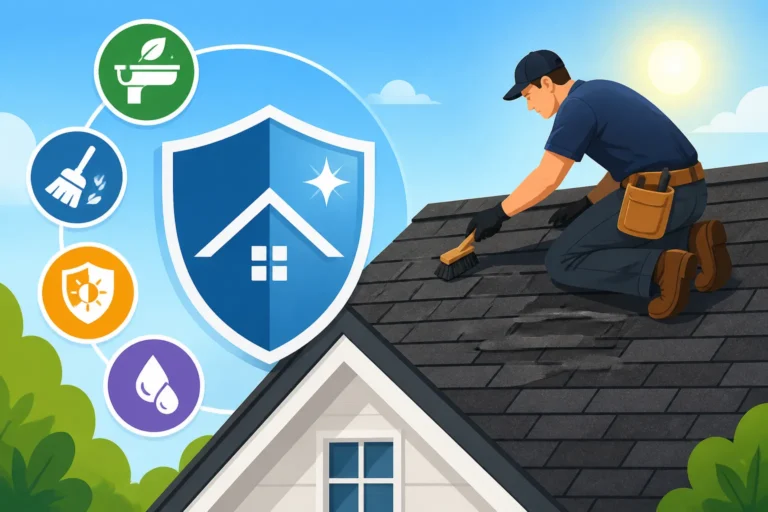
Proactive maintenance can truly Extend the Life of an Asphalt Roof, helping it last through many seasons and withstand various weather challenges. Ignoring small issues can allow them to compound, potentially leading to another premature replacement. A well-maintained roof not only protects your home but also contributes to your home's overall value, as a healthy roof is a significant selling point.
Disclaimer
Please remember that this guide provides general information and recommendations. Roofing projects and insurance claims are complex, and specific situations can vary greatly. Always consult with qualified, licensed, and insured roofing professionals and your insurance provider for advice tailored to your individual circumstances. Local building codes, climate, and the specifics of your insurance policy will all influence the best course of action for your storm-damaged roof.