How to Tell If Your Roof Is Failing
It’s a gut-wrenching feeling when you look up at your roof and see something just isn't right. That nagging worry about leaks, missing shingles, or worse, structural damage, can keep you up at night, creating a constant sense of unease. This comprehensive guide will walk you through all the tell-tale signs, both obvious and hidden, that your asphalt roof might be failing, helping you understand when it's time to take action and regain your peace of mind.
The Visible Red Flags You Absolutely Cannot Ignore
Sometimes, your roof screams for help with problems you can see from the ground. Ignoring these visible red flags is like ignoring a check engine light in your car – it might run for a bit longer, but you’re just inviting a much bigger, more expensive breakdown down the road. These are the signs that typically mean your roof is well past its prime or has suffered significant damage.
Missing or Damaged Shingles
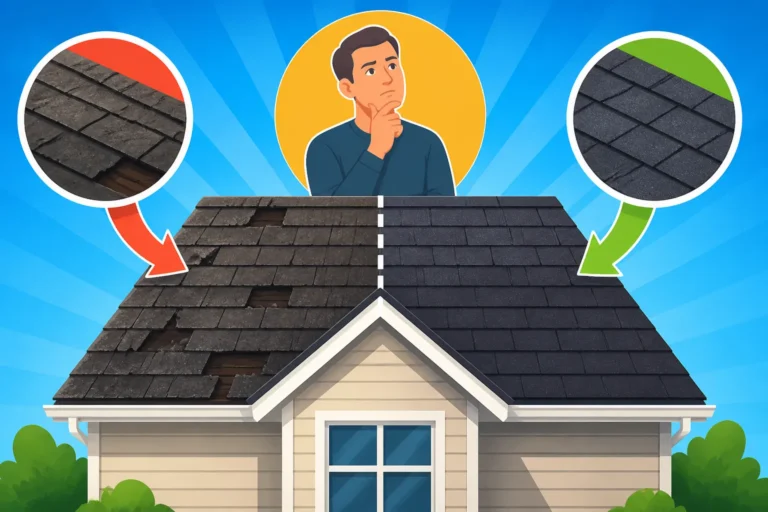
This is perhaps the most glaring sign that your roof is in distress. When shingles are missing, it's not just an aesthetic issue; it leaves the underlying layers of your roof, such as the underlayment and roof decking, exposed to the elements. Rain, sun, and wind can quickly deteriorate these protective layers, leading to leaks and structural damage inside your home. It’s like having a hole in your umbrella – it just won't do its job.
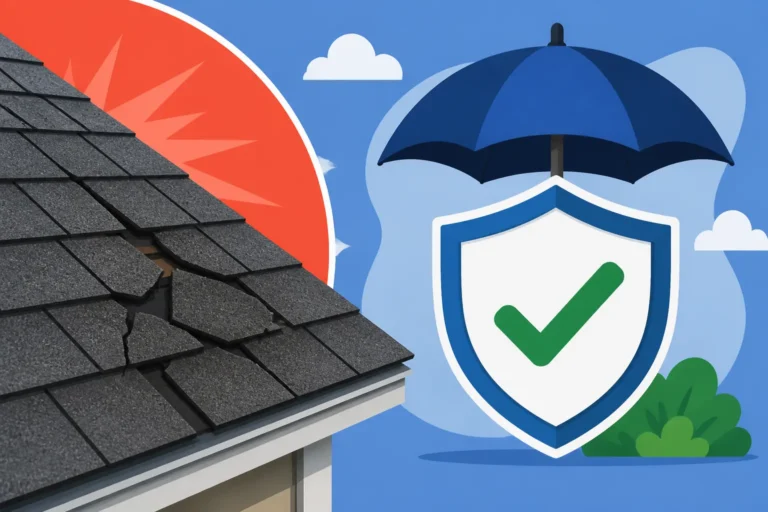
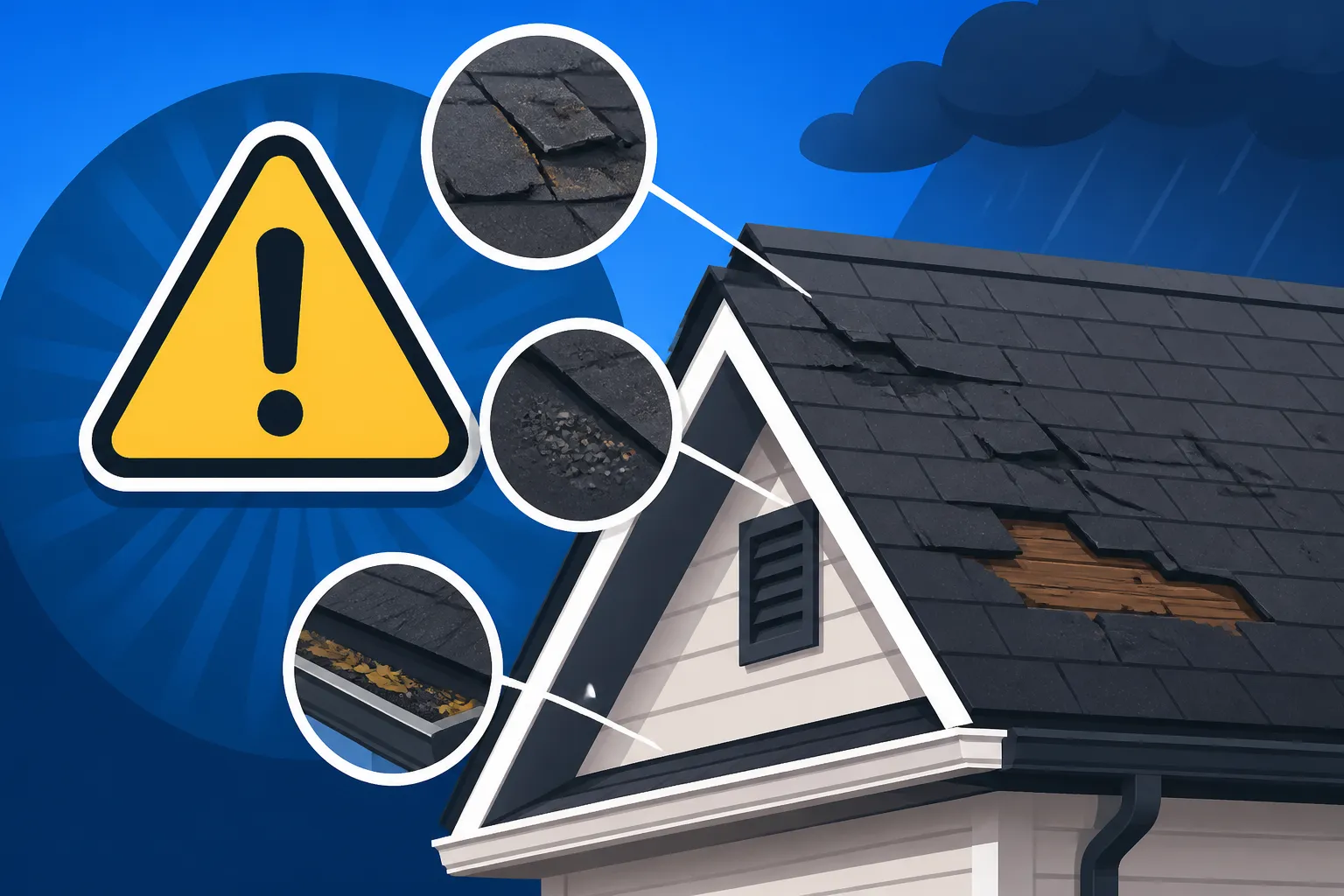
Even if shingles aren't entirely gone, visible damage like cracks, tears, or curling edges are serious indicators. Cracks allow water to seep beneath the shingles, while curling can be a sign of aging, heat damage, or improper installation. Shingles are designed to lie flat and create a protective, interlocking barrier. When that barrier is compromised, your home’s defense against moisture is weakened significantly. If you see a few scattered missing shingles after a strong storm, that might be a repairable issue. However, widespread missing or damaged shingles across multiple areas of your roof usually point to a larger, systemic problem indicating the roof is failing.
Granule Loss and Bald Spots
Asphalt shingles are covered with tiny, ceramic granules that give them their color and, more importantly, protect the asphalt layer from the sun's harsh UV rays. Over time, these granules naturally shed, especially during heavy rains or after a hail event. If you notice a significant amount of granules accumulating in your gutters or on your driveway, it's a major warning sign.
When shingles lose their granules, they become "bald spots." These areas are essentially unprotected, allowing the sun to bake and dry out the asphalt directly. This accelerated weathering causes the shingles to become brittle, crack, and lose their flexibility, making them far less effective at shedding water and resisting wind. A few granules here and there are normal, but if large patches of your roof appear darker, shinier, or bare, or if your downspouts are constantly clogged with grit, your roof is likely failing. This kind of granule loss often signifies that the shingles have reached the end of their lifespan and are no longer able to adequately protect your home.
Sagging or Uneven Roof Planes
A roof should look relatively straight and even across its planes. If you notice any dips, sags, or valleys that weren't there before, it's a critical sign of structural failure. This isn't just a cosmetic issue; it often points to serious problems with the roof decking or the underlying rafters, which are crucial components of your home's structural integrity.
Sagging can be caused by prolonged water damage, which weakens the wood over time, or by improper installation that led to an inadequate support structure. Heavy snow loads, poor ventilation leading to rot, or even foundation shifts can contribute to this problem. A sagging roof can lead to water pooling in the depressed areas, further accelerating deterioration and making your home vulnerable to leaks. This issue needs immediate professional attention, as it can escalate rapidly and compromise the safety of your entire home. Ignoring it is not an option when you see such a profound change in your roof’s profile.
The Subtle Whispers Your Roof is Crying for Help
Not all roof problems announce themselves with obvious fanfare. Sometimes, your roof tries to tell you it's failing through more subtle, less direct cues. These hidden signs often manifest inside your home or in your attic, and they require a bit more detective work to uncover. But trust me, catching these early can save you a mountain of headaches and expenses later.
Water Stains or Leaks Inside Your Home
This might seem like an obvious sign, but sometimes water stains are subtle. They might appear as faint discoloration on your ceiling, particularly in the corners or around light fixtures, or as streaks running down walls. You might not have a full-blown drip, but even slight moisture is a huge red flag. Water has a sneaky way of traveling, so a stain on your living room ceiling might originate from a leak several feet away, higher up on the roof.
Often, homeowners only notice these leaks after a significant rain event, but the damage could be slowly accumulating over time. Don't dismiss a small discoloration as "just old paint" or "condensation." Even a minor, intermittent leak can lead to severe issues like mold growth, rotting wood, and compromised insulation. These can impact air quality and structural integrity, turning a minor roof issue into a costly home restoration project. If you spot any new or growing stains, it's time to investigate thoroughly.
Attic Issues: Light, Moisture, and Odors
Your attic is like your roof's conscience – it knows all its secrets. A quick peek into your attic can reveal a lot about your roof's health. The first thing to check for is daylight. If you can see rays of sunshine peeking through cracks or holes in your roof decking, even tiny pinpricks, it means water can get in too. This is a clear indicator that your roof's protective layers are compromised.
Beyond light, look for signs of moisture. This could be condensation on the underside of your roof deck, damp insulation, or even visible puddles after a storm. Poor attic ventilation can also lead to excessive heat and humidity, which can warp wood and prematurely age shingles from below. Finally, trust your nose. Any musty, damp, or moldy smells in the attic are strong indicators of moisture intrusion and potential mold growth, which directly links back to a failing roof system. Taking a flashlight and carefully inspecting your attic's interior, especially after a heavy rain, is one of the most proactive steps you can take. You might discover some early signs that prompt you to consult with a professional, perhaps through a platform like Modernize, before the problem becomes critical.
Higher Energy Bills
While not a direct physical sign, a sudden and unexplained spike in your heating or cooling bills can often be traced back to a failing roof. Your roof, along with your attic insulation, plays a crucial role in maintaining your home's thermal envelope. When your roof is compromised, whether through poor ventilation, degraded shingles, or damaged underlayment, it loses its ability to regulate temperature effectively.
For example, a roof with inadequate ventilation or damaged shingles can allow hot air to accumulate in the attic during summer, radiating heat down into your living spaces and forcing your air conditioner to work overtime. Similarly, in winter, heat can escape through a poorly insulated or damaged roof, causing your furnace to constantly run to keep your home warm. Before you blame your HVAC system, consider that your aging roof might be the culprit silently costing you hundreds of dollars a year. This hidden cost underscores why addressing roof failure isn't just about protecting against leaks; it’s also about protecting your wallet and enhancing your home's overall energy efficiency.
How Age and Environmental Factors Take Their Toll
Even the best asphalt roofs aren't designed to last forever. Like anything exposed to the elements day in and day out, time and weather are relentless forces that eventually lead to deterioration. Understanding these factors can help you anticipate when your roof might start to show signs of failing and plan accordingly.
The Inevitable March of Time
Most asphalt shingle roofs are designed to last between 20 and 30 years, though factors like shingle quality, installation, and climate can significantly impact this lifespan. A 3-tab shingle roof, for instance, might only last 15-20 years, while a high-quality architectural shingle could push past 30. As shingles age, the asphalt oils that keep them flexible and waterproof begin to dry out. The granules wear away, and the shingle becomes brittle, making it susceptible to cracking, curling, and breaking.
An old roof might not look severely damaged, but its protective capabilities diminish significantly. It becomes less resilient to wind, hail, and extreme temperatures. If you know your roof is approaching or has exceeded its expected lifespan, it's wise to start thinking about a replacement, even if there aren't immediate signs of catastrophic failure. Proactive planning can save you from an emergency replacement situation during a major storm. Consider reading our guide on How Long Asphalt Shingles Last to get a better understanding of typical lifespans.
Harsh Weather Conditions
Weather is arguably the most destructive force your roof faces. Hailstorms, strong winds, heavy snow, and relentless sun all contribute to the breakdown of your asphalt shingles. Each type of weather event leaves its own signature of damage, accelerating the aging process and pushing your roof closer to failure.
- Hail Damage: Hailstones, even small ones, can bruise or crack shingles, dislodge granules, and weaken the fiberglass mat. Sometimes, hail damage isn't immediately obvious from the ground and requires a professional inspection to identify. These "bruises" can become soft spots that allow water to seep in over time. You might find our post on Signs of Roof Hail Damage particularly useful if you suspect recent hail damage.
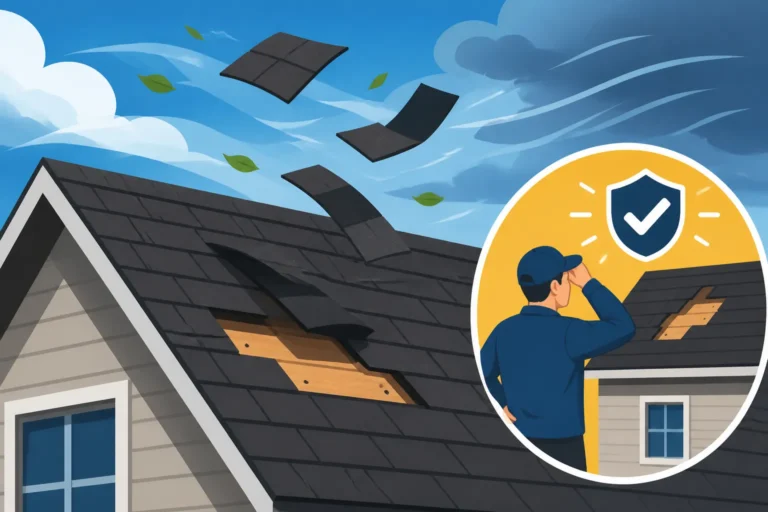
- Wind Damage: High winds can lift, tear, or completely remove shingles, especially older, brittle ones that have lost their adhesive seal. Strong gusts can also cause "creasing" where shingles are bent back but not fully removed, creating weak points. Wind damage often occurs along the eaves, ridges, and hips of the roof.
- Sun Exposure (UV Rays): The sun's ultraviolet (UV) rays are a constant enemy, drying out the asphalt and causing the granules to loosen and shed. This is why granule loss is such a critical indicator – it means the shingle is losing its primary defense against UV degradation.
- Temperature Extremes: Constant expansion and contraction due to extreme temperature fluctuations (hot days, cold nights) can stress shingles, leading to cracking and weakening of the adhesive bond.
- Heavy Snow and Ice Dams: While not as common in all regions, heavy snow loads can put immense stress on your roof's structure. More problematic are ice dams, which form when melting snow refreezes at the colder edges of the roof. These dams prevent proper water drainage, causing water to back up under shingles and potentially leak into your home.
Poor Installation Practices
Even a brand-new, high-quality roof can fail prematurely if it wasn't installed correctly. Poor workmanship is a significant factor in early roof failure and one of the most frustrating for homeowners. Common installation errors include insufficient or improperly placed nails, not using starter shingles, incorrect shingle overhang, or inadequate flashing around penetrations like chimneys and vents.
For example, if shingles are nailed too high, they can lift in the wind or fall off entirely. If not enough nails are used, the shingles won't be properly secured. Improper flashing leaves vulnerable areas around chimneys and skylights susceptible to leaks. A roof that isn't properly installed from the beginning will inevitably have a shorter lifespan and will likely begin to show signs of failure much sooner than expected. This is why choosing a reputable, certified contractor is paramount; they adhere to manufacturer specifications and local building codes, ensuring your roof performs as it should.
Seeking Professional Help: When to Call a Roofer
You've done your detective work, and now you're wondering if your observations really mean your roof is failing. While it's great to be informed, some things are best left to the experts. Knowing when to call a professional for a thorough roof inspection can save you from costly mistakes or dangerous DIY attempts.
The Limitations of DIY Inspection
As homeowners, we can identify many obvious issues from the ground or with a ladder. You can spot missing shingles, excessive granule loss in gutters, and obvious sags. However, a truly comprehensive roof inspection involves more than just a quick visual scan. Climbing onto a roof, especially if it's steep, wet, or damaged, is incredibly dangerous and should generally be avoided by homeowners. Even if you feel safe, you might lack the trained eye to spot subtle damage.
Professional roofers are trained to identify nuances that the average homeowner would miss. They look for specific patterns of granule loss that indicate hail, subtle cracks in flashing, nail pops, or areas of soft decking that suggest underlying rot. They also know what to look for in your attic, such as signs of moisture behind drywall or in difficult-to-reach areas. They use specialized tools and safety equipment to thoroughly assess every inch of your roof. Don't risk injury or misdiagnosis; if you suspect a problem, let a professional take the lead. Platforms like Modernize can connect you with experienced, local roofing contractors who can provide a detailed assessment.
What a Professional Roof Inspection Entails
When a certified roofing professional comes to inspect your roof, they'll perform a multi-point check, leaving no shingle unturned. They typically start with a ground-level assessment, looking for debris, signs of granule loss in gutters, and overall roof aesthetics. Next, they'll get on the roof to meticulously examine the shingles, looking for:
- Shingle Condition: Cracks, curling, blistering, granule loss, and integrity of the sealant strips.
- Flashing: Inspecting the metal flashing around chimneys, skylights, vents, and valleys for corrosion, damage, or improper sealing. Our article on Roof Flashing Explained details just how crucial good flashing is.
- Vents and Pipe Boots: Checking all roof penetrations for cracks, deterioration, or leaks.
- Gutters: Ensuring proper drainage and checking for excessive granule accumulation.
- Attic Inspection: Inside, they'll look for water stains, mold, proper ventilation, and the condition of the roof decking and rafters.
Following the physical inspection, a reputable roofer will provide a detailed report, often with photos, outlining any issues, their severity, and recommended solutions. They can clearly explain whether you need a minor repair or a full roof replacement based on their findings. This thorough process ensures you get an accurate picture of your roof's health.
Understanding the Difference: Repair Versus Replace
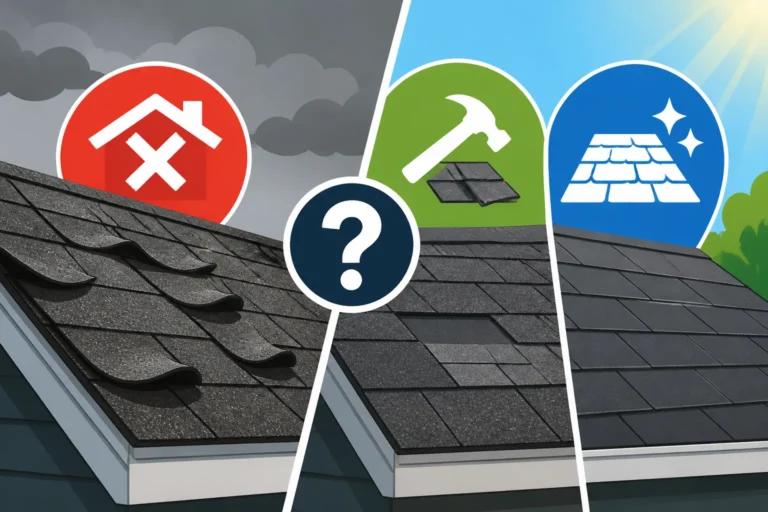
Once you've identified that your roof is experiencing issues, the big question arises: can it be repaired, or does it need to be fully replaced? This decision isn't always straightforward and depends on the age of your roof, the extent of the damage, and the underlying causes. Making the wrong choice could lead to repeated expenses or leaving your home vulnerable.
Factors Guiding the Repair or Replace Decision
Determining whether to repair or replace your roof often comes down to a few key considerations:
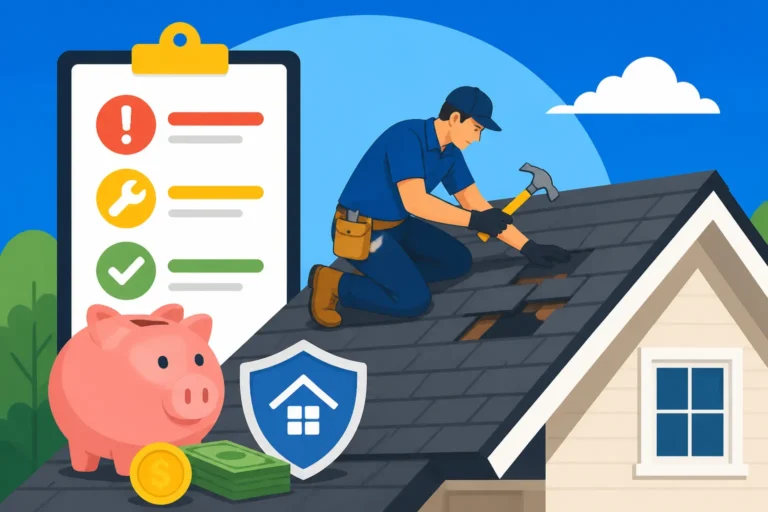
- Age of the Roof: If your asphalt roof is young (under 10-15 years old) and the damage is localized (e.g., a few missing shingles after a windstorm, or a small leak around a single vent), a repair is usually the most cost-effective option. However, if the roof is nearing or past its expected lifespan (20+ years), even seemingly minor issues can be symptoms of widespread deterioration, making replacement the wiser long-term investment. An old roof that needs multiple repairs often signals that it's just buying time. We have a great resource on Roof Repair vs Replacement: How to Decide that can help you with this decision.
- Extent and Type of Damage: Is the damage isolated to one small area, like a specific valley or around a single pipe? Or are there signs of failure across multiple sections of the roof, such as widespread granule loss, buckling shingles, or multiple leaks? Localized damage is typically repairable. Widespread damage, especially if it affects the roof decking or multiple layers of shingles, strongly suggests a full replacement is necessary. For example, extensive hail damage across the entire roof slope usually warrants replacement, not just patching.
- Cost-Benefit Analysis: Sometimes, a repair might seem cheaper upfront, but if you're facing multiple repairs on an aging roof, the cumulative cost can quickly approach or even exceed the cost of a new roof. Factor in the inconvenience, the risk of future leaks, and the peace of mind a new roof offers. A new roof also comes with a fresh warranty, something repairs often don't provide.
The Risks of Patching Up a Failing Roof
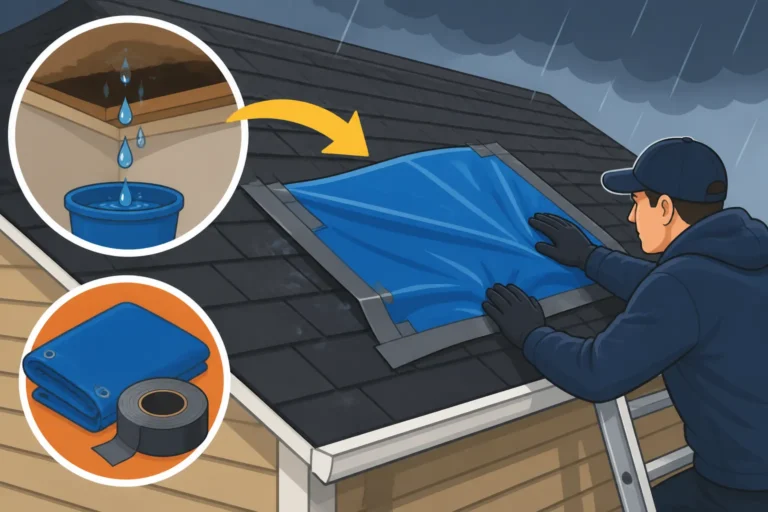
While temporary repairs can offer a quick fix for isolated problems, continually patching up a roof that is fundamentally failing is often a false economy. Think of it like putting a band-aid on a gaping wound – it might stop the bleeding for a moment, but it doesn't address the underlying infection.
The primary risk is continued vulnerability. An old, brittle roof will likely develop new leaks or damage in other areas soon after one patch is completed. Each repair might solve a specific symptom, but it doesn't extend the overall lifespan of the roof or restore its diminished protective capabilities. This can lead to a frustrating cycle of ongoing expenses and stress, as you're constantly dealing with new issues. Furthermore, patching often results in mismatched shingles, which can detract from your home's curb appeal. More importantly, leaving a fundamentally compromised roof in place increases the risk of significant interior damage from a major leak, which can be far more expensive to remediate than the cost of a full roof replacement. When considering the options, it’s beneficial to get detailed quotes for both repair and replacement so you can accurately compare the Cost to Replace vs Repair an Old Roof and make an informed decision.
| Factor | Leans Towards Repair | Leans Towards Replacement |
|---|---|---|
| Roof Age | Less than 10-15 years old, plenty of life left. | Over 15-20 years old, nearing or past expected lifespan. |
| Damage Extent | Isolated to a small, specific area (e.g., one leak, few missing shingles). | Widespread damage across multiple areas or entire slopes (e.g., extensive granule loss, buckling). |
| Damage Type | Minor impact damage, small puncture, single shingle blow-off. | Significant storm damage (hail, wind), structural issues (sagging), extensive water damage. |
| Cost | Repair cost is significantly less than replacement, offering good value. | Repair cost is a substantial percentage of replacement cost, or multiple repairs are needed. |
| Future Outlook | Roof is in good overall condition; repair likely extends life for many years. | Roof shows signs of widespread aging; repairs will likely be frequent and temporary. |
| Desired Outcome | Need a quick, affordable fix for a minor problem to extend current roof life. | Want long-term peace of mind, improved aesthetics, and increased home value. |
The High Cost of Delay: Why Early Detection Matters
It's tempting to put off roof repairs or replacement, especially with the thought of the significant investment involved. However, when it comes to your roof, procrastination rarely pays off. Ignoring the early signs of failure can quickly escalate minor issues into catastrophic problems, leading to exponentially higher costs and far greater inconvenience.
How Small Problems Turn Into Big Headaches
A tiny leak, perhaps just a drop every now and then, might seem insignificant. But that single drop can lead to a cascade of expensive problems over time. It can saturate attic insulation, drastically reducing its effectiveness and leading to higher energy bills. It can rot wooden roof decking, rafters, and ceiling joists, compromising the structural integrity of your home. It can also create the perfect breeding ground for mold and mildew, which can spread rapidly, cause unpleasant odors, and pose serious health risks to your family.
What starts as a $500 shingle repair could quickly balloon into a $5,000 problem involving insulation replacement, wood rot repair, and mold remediation, all on top of eventually needing a new roof anyway. The longer a leak goes undetected and unrepaired, the more extensive the damage becomes, not just to the roof structure itself, but to everything beneath it, including drywall, paint, flooring, and even personal belongings. That’s why acting swiftly when you spot any signs of failure is crucial.
Protecting Your Home's Value and Your Wallet
Your roof is one of the most critical components of your home, protecting your entire investment. A failing roof, even if it hasn't led to visible leaks inside yet, can significantly diminish your home's value. When potential buyers see an old, damaged roof, it immediately raises red flags and can deter them or lead to significantly lower offers. No one wants to buy a house knowing they’ll immediately need to spend tens of thousands of dollars on a new roof.
Beyond home value, delaying replacement can impact your home insurance. If your roof is deemed too old or damaged, your insurer might refuse to renew your policy or only offer an Actual Cash Value (ACV) policy, which pays out less for damage. Furthermore, if a storm causes damage to an already failing roof, insurance adjusters might argue that the damage was pre-existing, making it harder to get your claim approved. Investing in a new roof when it's truly needed not only protects your biggest asset from the elements but also preserves its market value and ensures you maintain proper insurance coverage. Thinking about the Roof Replacement and Home Value and home value can often motivate timely action.
Taking the Next Steps When Your Roof is Failing
You've identified the signs, understood the risks, and now you know your roof is failing. What do you do next? The process can feel overwhelming, but breaking it down into manageable steps and knowing who to trust can make all the difference.
Getting Multiple Professional Estimates
Once you've determined your roof is failing, the very next step is to obtain professional opinions and estimates from several reputable roofing contractors. Don't settle for just one bid. Different contractors might assess the situation slightly differently, recommend various solutions, or use different materials. Getting multiple quotes allows you to compare costs, scopes of work, and warranties effectively.
When you're gathering estimates, make sure they are detailed and clearly itemize everything, from tear-off and disposal to underlayment, flashing, shingles, and labor. Ask questions about the types of materials they use, their timelines, and their cleanup process. It’s also a good opportunity to understand Asphalt Roof Replacement Cost: Complete Breakdown and what might drive those costs up or down. A thorough estimate should leave no room for hidden costs or surprises down the line. A network like Modernize can be incredibly helpful here, as they can connect you with several pre-vetted contractors in your area, streamlining the process of getting competitive bids.
Vetting and Choosing a Reputable Contractor
This is perhaps the most crucial step in the entire process. A quality roof is only as good as its installation. Hiring the wrong contractor can lead to endless headaches, shoddy workmanship, and a roof that fails prematurely, even if you paid for top-tier materials. Don't rush this decision.
Here’s what to look for:
- Licensing and Insurance: Absolutely non-negotiable. Ensure they are properly licensed in your state and carry both liability insurance and worker's compensation insurance. This protects you in case of accidents or property damage. You can read more about Licensed and Insured Roofers: Why It Matters in our detailed guide.
- Experience and Reputation: How long have they been in business? Do they specialize in asphalt roofing? Check online reviews (Google, BBB, Yelp) and ask for local references you can contact.
- Manufacturer Certifications: Many top shingle manufacturers like GAF, Owens Corning, and CertainTeed offer certification programs for contractors. These certifications often mean the contractor is factory-trained, can offer enhanced warranties, and adheres to strict installation standards.
- Detailed Contract and Warranty: Insist on a written contract that outlines all work, materials, payment schedules, and warranties (both for workmanship and materials). Understand what's covered and for how long. Our article on Roofing Warranties: Manufacturer vs Workmanship is a great resource.
- Communication: A good contractor communicates clearly and promptly, answers your questions patiently, and keeps you informed throughout the process.
Be wary of storm chasers, contractors who demand full payment upfront, or those who pressure you into signing a contract immediately. Take your time, do your homework, and choose a contractor you trust.
Keeping Your Roof Healthy for the Long Haul
Once you have a new roof, or if your current roof is still in good shape, proactive maintenance and understanding its anatomy can significantly extend its lifespan and prevent premature failure. A roof isn't a "set it and forget it" component; it requires occasional attention.
Regular Roof Maintenance and Inspections
Just like your car, your roof benefits from regular check-ups. Aim for at least an annual inspection, ideally in the spring and fall, to catch minor issues before they escalate. You can perform a basic visual inspection from the ground yourself, looking for obvious signs like missing shingles or debris.
However, a professional inspection every 3-5 years is highly recommended. These thorough inspections can identify subtle issues that you might miss, such as cracked flashing, worn pipe boots, or early signs of granule loss. Keeping gutters clean is also crucial. Clogged gutters can cause water to back up, leading to fascia and soffit damage, and even contribute to ice dam formation in colder climates. Trimming overhanging tree branches prevents debris accumulation and minimizes the risk of damage from falling limbs during storms. Regular maintenance, while seemingly minor, plays a huge role in extending your roof's life.
Understanding Your Roofing System
Knowing the basic components of your asphalt roofing system can empower you as a homeowner. It's not just about the shingles you see; there's a whole system working together to protect your home.
- Shingles: The visible layer that sheds water and provides UV protection.
- Underlayment: A protective barrier (felt or synthetic) installed directly over the roof decking, providing an extra layer of waterproofing. You can learn more about Underlayment Explained: Synthetic vs Felt in our detailed guide.
- Drip Edge: Metal flashing installed along the eaves and rakes to direct water off the roof and into the gutters, protecting the fascia board.
- Flashing: Metal or rubber pieces installed around chimneys, vents, skylights, and valleys to prevent water intrusion at these critical transition points.
- Ventilation: A properly ventilated attic is vital. Ridge vents, soffit vents, and other types of attic ventilation allow hot, moist air to escape, preventing heat buildup that bakes shingles from below and reducing the risk of mold and wood rot. Understanding How Roof Ventilation Works is key to a long-lasting roof.
- Roof Decking: The plywood or OSB sheathing that forms the structural base for your roof, to which the underlayment and shingles are attached.
Each component plays a specific role, and a failure in one can compromise the entire system. Understanding these parts helps you communicate better with contractors and make informed decisions about repairs and replacements. A healthy, well-maintained roofing system is your best defense against the elements and ensures the longevity of your home.
Disclaimer
The information provided in this article is intended for general informational purposes only and does not constitute professional roofing advice. Always consult with a qualified and licensed roofing contractor for specific advice regarding your roof's condition, repair, or replacement needs. Roofing work can be dangerous and should be performed by trained professionals.