Can You Replace Half a Roof
It's a common homeowner's dilemma: you notice severe damage to one section of your roof, perhaps after a particularly brutal storm, and your immediate thought is, "Can't I just replace half of it?" The idea of saving money and hassle by only tackling the visibly damaged portion is incredibly appealing, but the reality is often more complex than it seems. This guide will walk you through the intricate considerations, potential pitfalls, and rare instances where replacing only half a roof might be a viable, albeit temporary, solution.
Understanding Your Roof's Structure and Damage
When you're looking at your roof, it's easy to see it as separate sections. But in reality, it's a meticulously designed, interconnected system. Understanding how all those components work together is crucial before you even consider a partial replacement.
The Interconnectedness of Roofing Components
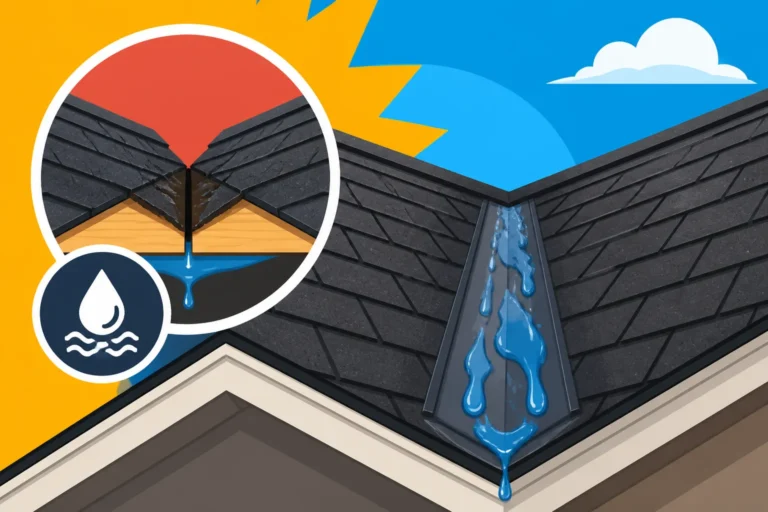
Think of your roof as a single, integrated shield protecting your home. It’s not just shingles; it’s a whole system made up of decking, underlayment, flashing, ventilation, and then, finally, the shingles themselves. Each layer and component plays a vital role in preventing water intrusion and maintaining structural integrity. When one part is compromised, it often has a ripple effect on others. For instance, a leak in one area might stem from damaged flashing at a chimney or vent, or it could be due to ice damming along an eave, far from where the water is actually showing up inside.
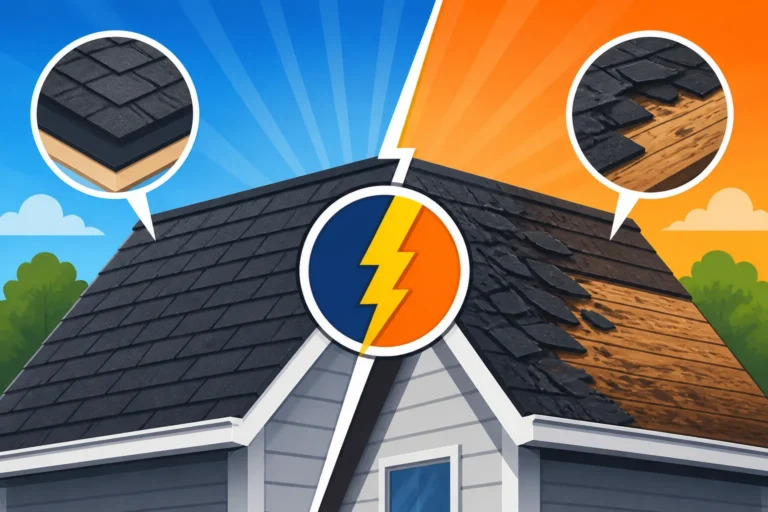
If you decide to replace only one slope or section, you're essentially creating a seam or transition point between old and new materials. This transition zone becomes a potential weak spot if not executed perfectly. The new shingles and underlayment need to integrate seamlessly with the existing, often aged, components. This is a delicate process, and any shortcuts can lead to premature failure and costly leaks down the line. It's not like swapping out a single broken floor tile; the roof's entire purpose is to shed water uniformly, and disrupting that uniformity can have consequences. To truly understand the full picture, it helps to be familiar with your entire roof's anatomy.
Assessing the Extent and Nature of Damage
Before jumping to any conclusions, a thorough assessment of the damage is absolutely essential. What looks like isolated damage to the untrained eye could be a symptom of a much larger, systemic issue. For example, a patch of missing shingles after a windstorm might seem contained, but that same storm could have lifted and loosened shingles across other parts of the roof, even if they haven't blown off yet.
Here's what a comprehensive damage assessment typically involves:
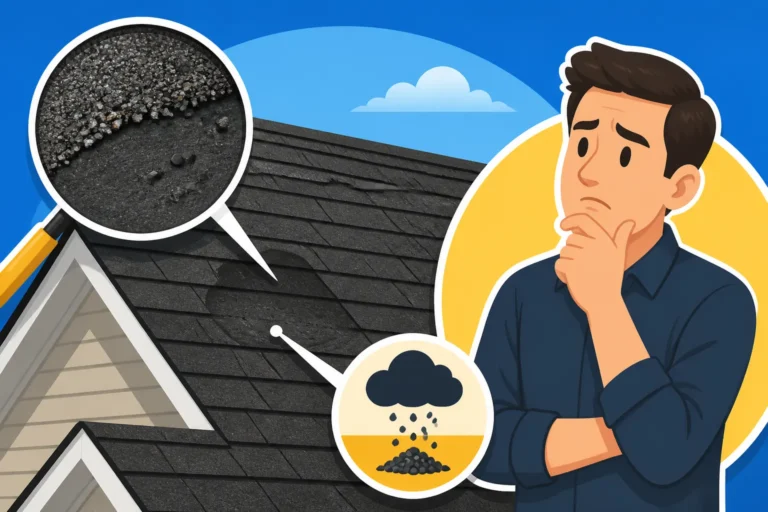
- Visual Inspection: Look for missing, cracked, or curling shingles, particularly on the visibly damaged section. But don't stop there. Carefully inspect other slopes for subtle signs of wear or stress. Check your gutters for excessive shingle granules, which is a major sign of aging.
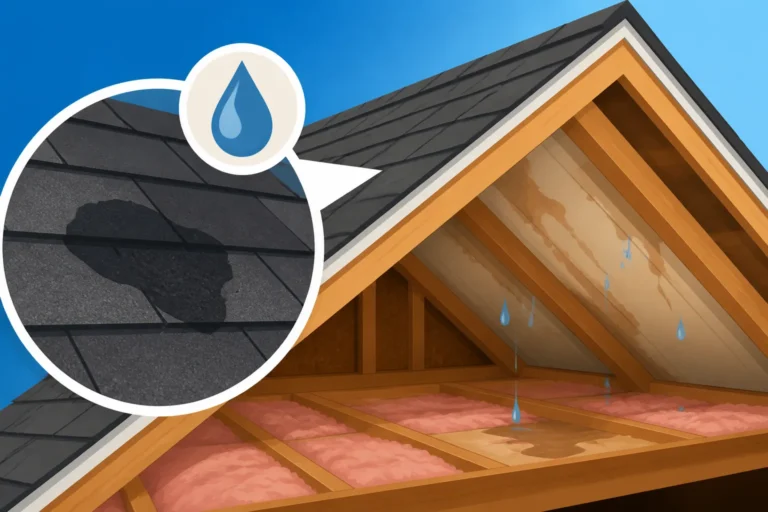
- Attic Inspection: This is often overlooked but critical. Go into your attic during daylight hours and look for signs of water stains, mold, or light filtering through the roof deck. Even small leaks on the exterior can cause significant damage to the underlying structure.
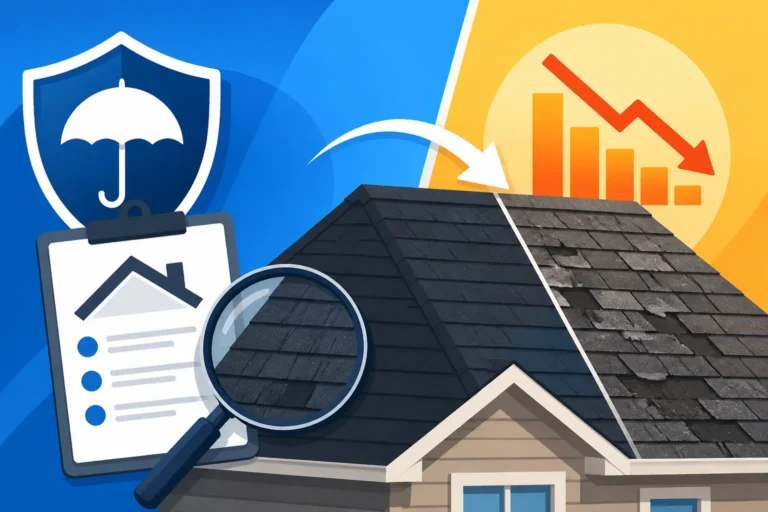
- Underlying Issues: Consider what caused the damage. Was it a localized event like a fallen tree branch, or a widespread weather event like a hailstorm or high winds? Hail damage, for instance, rarely affects just one side of a roof. If you suspect storm damage, it's important to understand the process for filing an insurance claim, as this often dictates the scope of repairs or replacement.
- Age of the Existing Roof: The age of your current roof is a huge factor. If your roof is already approaching its expected lifespan (typically 20-25 years for asphalt shingles), even localized damage might indicate that the entire roof is simply at the end of its life. Trying to repair an old, brittle roof can be like putting a band-aid on a much larger problem. Understanding how long an asphalt roof lasts can help inform your decision.
A professional roofing contractor is equipped to provide a much more detailed and accurate assessment. They can safely get on the roof, identify hidden issues, and use their expertise to determine if the damage is truly isolated or if it's a signal that your entire roof needs attention.
When Partial Roof Replacement Makes Sense (and When It Doesn't)
The idea of replacing just a portion of your roof can sound appealing, particularly when you're thinking about cost. However, there are very specific circumstances where it might be a viable option, and many more where it simply isn't a smart long-term investment.
Scenarios Where Half a Roof Replacement is Feasible
There are a few niche situations where a partial roof replacement, or replacing just one slope, might be considered. These are generally tied to very specific, localized damage that has not affected the rest of the roof's integrity or lifespan.
- Highly Localized Catastrophic Damage: Imagine a massive tree branch falling directly onto one section of your roof, completely destroying the shingles, underlayment, and even some decking in that specific area, while the rest of your roof remains in excellent condition. This is perhaps the most common scenario where a partial replacement might make sense. The damage is clearly contained, and the remaining roof sections are relatively new and structurally sound.
- Distinct Roof Sections with Different Exposures: Some homes have architectural designs where one section of the roof is exposed to significantly harsher conditions than another. For example, a north-facing slope in a heavily wooded area might accumulate moss and mildew faster, or a west-facing slope might take the brunt of every afternoon sun and hailstorm. If one slope has severely degraded prematurely due to these unique exposures, and the other slopes are demonstrably in much better shape, a case could be made for replacing only the compromised section. However, even in this scenario, blending the new with the old can be a challenge.
- Recent Installation with Defective Materials on One Section: This is a rare but possible situation. If you had a new roof installed recently (within a few years), and there was a batch of defective shingles or a specific installation error that only impacted one distinct section, the manufacturer or installer might cover a partial replacement. This assumes the rest of the roof was installed correctly and with sound materials.
Even in these scenarios, you're going to face challenges, primarily with aesthetics and ensuring long-term compatibility. It's often difficult to perfectly match new shingles with aged ones, leading to a noticeable two-tone effect.
The Risks and Downsides of Partial Replacement
While tempting, opting for a partial roof replacement often comes with significant drawbacks that can outweigh any immediate cost savings.
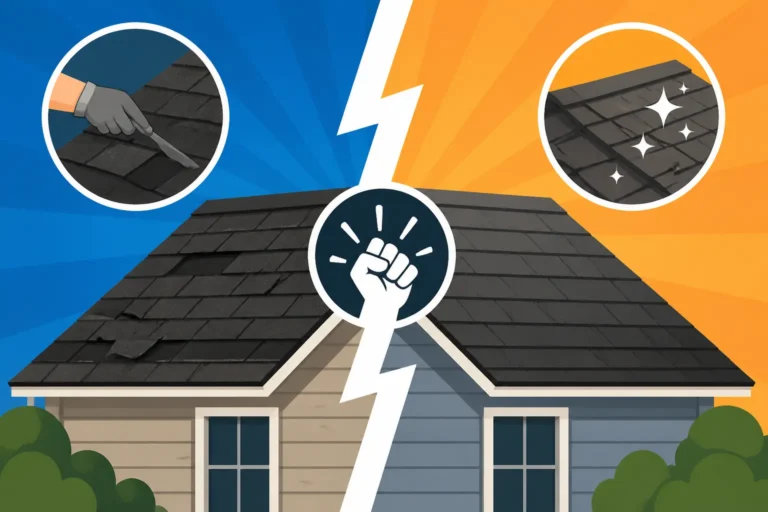
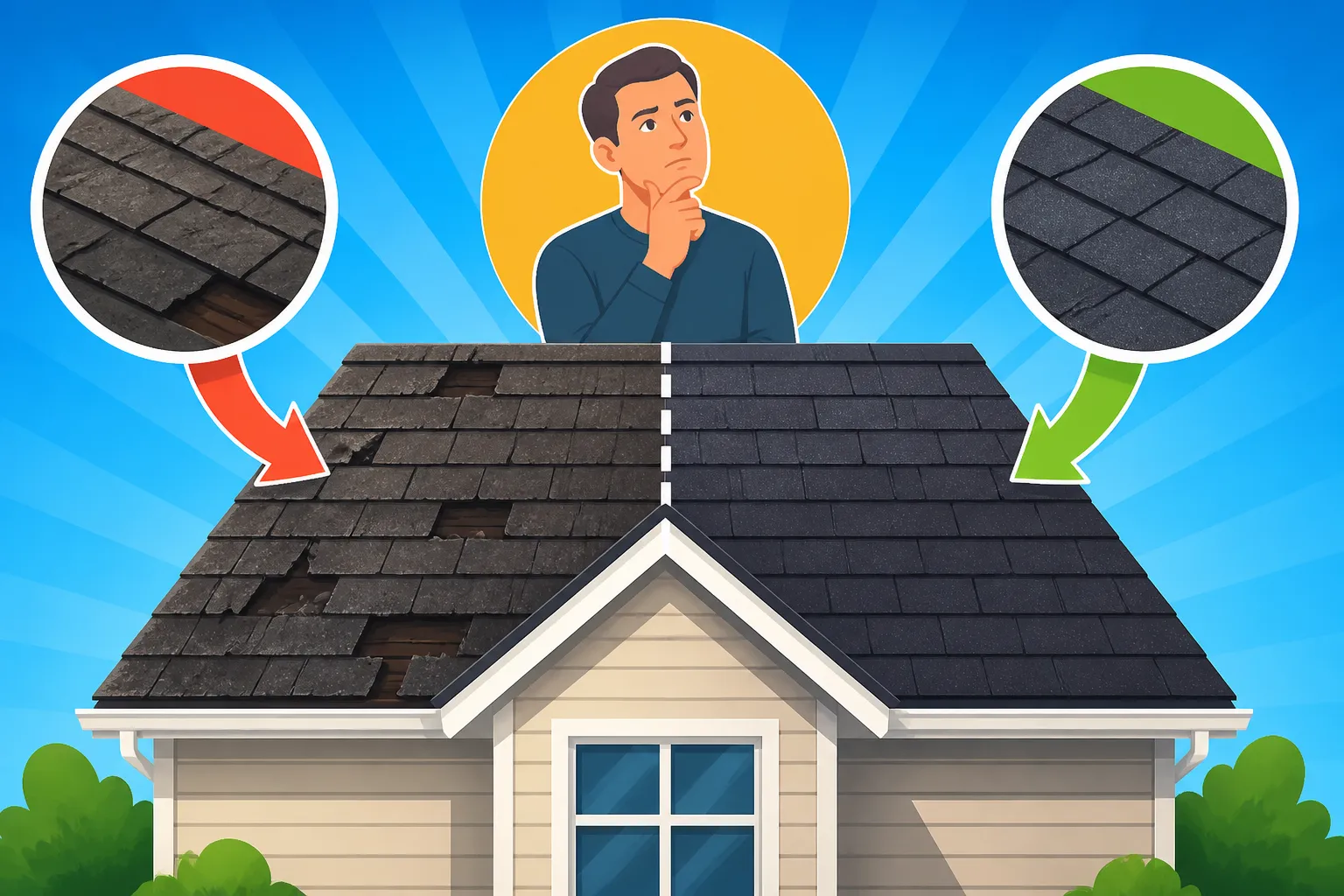
- Aesthetic Mismatch: This is one of the most immediate and visible issues. New shingles will almost certainly look different from your existing ones, even if they are the exact same brand and color. Over time, asphalt shingles fade and weather, so new shingles will appear darker, brighter, or simply have a different hue. This can significantly impact your home's curb appeal and even its resale value. It’s a common frustration to see a mismatched roof when trying to sell a home.
- Uneven Wear and Longevity: Your roof is a system designed to age uniformly. When you replace only half, you now have a section with a brand-new lifespan alongside a section that's still reaching the end of its original life. This means you'll likely face another replacement project for the older section sooner rather than later, effectively doubling the disruption and potentially the mobilization costs of contractors. It rarely saves money in the long run.
- Warranty Voidance: Many manufacturer warranties are for a complete roofing system. If you only replace a portion, you might inadvertently void the existing warranty on the older section or complicate claims for the new section if it's not part of a full system installation. Always check with both the shingle manufacturer and your contractor about how a partial replacement impacts your coverage. This is a critical question to ask when considering different roofing warranties.
- Hidden Damage and Systemic Issues: As mentioned before, seemingly localized damage can often be a symptom of a larger, underlying problem. If you only address the visible damage, you could be leaving critical issues like weakened decking, inadequate ventilation, or widespread granule loss untreated on the older section. These issues will eventually lead to more leaks and problems, potentially even before the new section starts to show wear.
- Cost-Effectiveness Over Time: While the upfront cost of a partial replacement is lower, consider the long-term expenses. You might pay for two separate roofing jobs (one now, one later), incur higher repair costs on the older section, and potentially deal with repeated issues. Often, when you factor in the labor, disposal, and material delivery for a partial job, the per-square cost can actually be higher than if you did the whole roof at once. Many homeowners find that a full asphalt roof replacement cost is a better value over the long run.
Ultimately, choosing between a roof repair vs replacement, or a partial replacement, should always be based on a thorough, professional assessment rather than just addressing surface-level damage.
Key Factors Influencing Your Decision
Deciding whether to replace an entire roof or just a section involves weighing several critical factors. It's not just about what's physically possible, but what makes the most sense financially and aesthetically for your home in the long term.
Matching Materials and Aesthetics
This is often the most visually impactful factor when considering a partial roof replacement. As much as you might try, achieving a perfect match between new and existing shingles is incredibly difficult, if not impossible.
- Shingle Fading and Weathering: Asphalt shingles naturally fade, darken, or change hue over time due to UV exposure, weather elements, and accumulation of environmental debris. Even if you purchase the exact same brand, model, and color shingle, the new ones will have a fresh, factory appearance that will starkly contrast with your aged, weathered roof. Think about how a new patch on a pair of old jeans looks – it stands out, sometimes for years.
- Discontinued Shingle Styles: Roofing manufacturers frequently update their product lines. A shingle style or color that was available 10 or 15 years ago might be discontinued today, making a perfect match utterly impossible. You might have to opt for the closest available option, which could result in a glaring aesthetic discrepancy.
- Manufacturing Batch Variations: Even brand-new shingles of the same type can have slight color variations between manufacturing batches. This is usually negligible on a full roof installation because all shingles come from the same batch. However, when trying to integrate a new batch with a much older one, these subtle differences become much more noticeable.
- Impact on Curb Appeal and Resale Value: A roof with noticeable mismatched sections can significantly detract from your home's curb appeal. If you're planning to sell your home in the next few years, this visual inconsistency can be a red flag for potential buyers and even impact appraisals. They might see it as a sign of deferred maintenance or an indicator that the entire roof will need replacement sooner than a uniformly aged roof.
Given these challenges, many homeowners choose to replace the entire roof to ensure a uniform, attractive appearance, even if the damage is somewhat localized. It's often a better investment in the long-term aesthetic and value of your home.
Warranty Implications and Longevity
Warranties are a huge safety net when investing in a new roof, and a partial replacement can seriously complicate them. Understanding how these work is essential.
- Manufacturer Warranties: Shingle manufacturers like GAF, Owens Corning, and CertainTeed typically offer warranties on their products, often ranging from 25 years to limited lifetime. However, these warranties are generally designed around the concept of a "complete roofing system," where all components (underlayment, starter strips, ridge caps, shingles, and ventilation) are from the same manufacturer and installed according to specific guidelines. A partial replacement, especially if it mixes old and new components or doesn't adhere to the system requirements, could potentially void the manufacturer's warranty on the entire roof or the newly installed section.
- Workmanship Warranties: Your roofing contractor provides a workmanship warranty, covering the quality of their installation. If you opt for a partial replacement, the contractor's warranty might only apply to the newly installed section. If a leak develops later at the seam where the new meets the old, it could become a dispute about whether it's a material defect (manufacturer's issue) or an installation issue (contractor's issue), and whether the workmanship warranty covers that specific transition.
- Uneven Aging and Future Problems: As mentioned, a partial replacement creates a roof with two different lifespans. The older section will continue to degrade at its natural rate. This means you could be facing repair costs or even another replacement project for the older section long before the new section shows any signs of wear. This staggered approach can be less efficient and more costly in the long run, leading to multiple disruptions to your home life. It really undercuts the full benefits of a new roof.
Before committing to a partial replacement, always get a clear, written explanation from your contractor and, if possible, from the shingle manufacturer, about how it will affect your warranties. It's often wiser to invest in a full replacement to benefit from a complete, comprehensive warranty package that protects your entire investment.
Cost-Benefit Analysis: Short-Term Savings vs. Long-Term Value
The primary driver for considering a partial roof replacement is almost always the perceived cost savings. However, it's crucial to look beyond the immediate expense and consider the overall value proposition.
- Initial Cost Savings: Yes, replacing only one section of your roof will undoubtedly have a lower upfront price tag than a full replacement. You're paying for fewer materials and less labor for the initial job. This can be very tempting, especially if you're on a tight budget or facing unexpected expenses. Many homeowners grapple with the overall roof cost per square and try to find ways to reduce it.
- Hidden Costs and Future Expenses: This is where the "savings" can quickly evaporate.
- Double Mobilization Fees: A roofing contractor charges for setting up equipment, delivering materials, and tearing down at the end of a job. If you do a partial replacement now and a full replacement later, you're paying those mobilization fees twice.
- Higher Per-Square Foot Cost: Often, smaller jobs have a higher per-square-foot cost for labor and materials because fixed costs (like setup and disposal) are spread over a smaller area.
- Increased Repair Frequency: An aging, unrepaired section of your roof is more prone to leaks and damage, leading to more frequent and costly repairs over time.
- Emergency Repairs: If the older section fails unexpectedly, you could be looking at emergency repair costs, which are almost always more expensive.
- Interior Damage: A failing older section can lead to leaks that cause significant damage to your home's interior, including ceilings, walls, insulation, and even structural components, costing far more than a new roof.
- Return on Investment (ROI): A full roof replacement is one of the home improvements with a consistently high return on investment, enhancing curb appeal, energy efficiency, and overall property value. A partial replacement, especially one with visible aesthetic mismatches, may offer a much lower ROI and could even detract from your home's value. When it comes time to sell, a home inspector will flag a patchy roof, which can lead to buyers demanding a full replacement as a condition of sale.
- Peace of Mind: There's an undeniable value in the peace of mind that comes with a brand-new, uniformly installed roof, knowing that your home is protected for decades to come, backed by solid warranties. Chasing leaks and patching an aging roof can be a constant source of stress and unexpected expenses.
To make an informed decision, it's wise to get quotes for both a partial replacement (if deemed viable by a professional) and a full replacement. Compare not just the upfront numbers but also the long-term implications for warranties, aesthetics, and potential future costs. Tools like those from Modernize can help you connect with qualified contractors who can provide these detailed estimates and help you compare options, like the Cost to Replace a Roof by House Size.
| Factor | Partial Roof Replacement (e.g., half a roof) | Full Roof Replacement |
|---|---|---|
| Upfront Cost | Lower | Higher |
| Aesthetic Uniformity | Unlikely; new and old shingles will mismatch | Excellent; uniform appearance |
| Longevity | Uneven; older section will fail sooner than new section | Uniform; entire roof ages together |
| Warranty Coverage | Potentially voided/complicated for older section and new integration | Comprehensive; typically covers entire system |
| Future Expenses | Likely additional repairs/replacement for older section soon | Minimal roof-related expenses for decades |
| Curb Appeal/Resale | May detract due to mismatched appearance | Enhances; strong selling point |
| Peace of Mind | Temporary; worries about older section remain | Long-term; full protection and no immediate concerns |
| Efficiency | Less efficient over time due to staggered projects | Most efficient in the long run (one large project) |
Navigating the Process with Professionals
When facing significant roof damage, the most important step you can take is to involve experienced professionals. Their expertise is invaluable in assessing the situation accurately and guiding you toward the best solution.
Finding a Reputable Contractor for Honest Advice
Choosing the right roofing contractor is paramount, especially when you're dealing with complex decisions like partial vs. full replacement. You need someone who is not just skilled in installation but also honest and transparent in their advice.
- Look for Experience and Local Reputation: Seek out contractors with a long-standing presence in your community. Local roofers often rely on word-of-mouth and have a vested interest in maintaining a good reputation. Check online reviews on platforms like Google, Yelp, and the Better Business Bureau. Ask neighbors and friends for recommendations.
- Verify Licenses and Insurance: This is non-negotiable. Ensure any contractor you consider is fully licensed and insured (liability and workers' compensation). Request proof of insurance and call the providers to verify. This protects you from financial responsibility if there's an accident or damage to your property during the job. Understanding why licensed and insured roofers matter is critical.
- Manufacturer Certifications: Look for contractors who are certified by major shingle manufacturers like GAF (Master Elite), Owens Corning (Platinum Preferred), or CertainTeed (SELECT ShingleMaster). These certifications indicate that the contractor has met rigorous standards for training, workmanship, and financial stability, and they often allow them to offer enhanced manufacturer warranties that an uncertified contractor cannot.
- Get Multiple Detailed Quotes: Don't settle for the first estimate. Contact at least three different reputable contractors to get quotes. Make sure each quote is itemized and clearly specifies the scope of work for both a partial and a full replacement (if both are options). Compare not just the price, but also the materials, warranties, and proposed timelines. This will also give you a better sense of average costs, like How Much Does an Asphalt Shingle Roof Cost. Services like Modernize can help simplify this process by connecting you with pre-vetted local contractors, allowing you to easily compare offers.
- Ask Plenty of Questions: A good contractor will welcome your questions and provide clear, detailed answers. Ask about their process for assessing damage, their recommendations, why they suggest a particular course of action, and how they handle unexpected issues. Ask about the project timeline, cleanup, and payment schedule. The more informed you are, the better decision you can make.
What to Expect from a Comprehensive Roof Inspection
When you invite a professional roofer to inspect your property, don't expect a quick glance from the ground. A truly comprehensive inspection is thorough and designed to uncover all potential issues.
- Exterior Assessment: The contractor will safely get onto your roof (or use drone technology for very steep or high roofs) to perform a hands-on inspection. They'll look for:
- Shingle Condition: Missing, cracked, curling, blistering, or granule loss.
- Flashing: Around chimneys, skylights, vents, and valleys, checking for cracks, rust, or improper sealing. Damaged flashing can be a major source of leaks.
- Gutters: Clogged gutters or excessive shingle granules inside them.
- Soffit and Fascia: Signs of rot, water damage, or pest intrusion.
- Overall Structural Integrity: Any signs of sagging or unevenness.
- Interior (Attic) Assessment: The contractor should also go into your attic (if accessible) to inspect the underside of your roof deck. They'll look for:
- Water Stains: On the plywood decking, rafters, or insulation.
- Mold or Mildew: Which indicates long-standing moisture issues.
- Light Penetration: Any pinholes or larger gaps where light is coming through the roof.
- Ventilation: Assess if your attic ventilation system (ridge vents, soffit vents, etc.) is adequate. Proper roof ventilation is crucial for the longevity of your roof.
- Detailed Report and Recommendations: After the inspection, a reputable contractor will provide you with a detailed report, often including photos or videos of the problem areas. They will explain their findings clearly and give you their professional recommendation – whether it's a repair, a partial replacement, or a full roof replacement. They should explain the pros and cons of each option, taking into account the age of your roof, the extent of the damage, and your budget. This is also a good time to ask about the typical timeline for how long a roof replacement takes.
Don't feel pressured to make a decision on the spot. Take your time to review the information, compare quotes, and choose the option that gives you the best long-term protection for your home.
Final Considerations for Your Roofing Project
Deciding on a major home project like roof replacement, even a partial one, can be overwhelming. Take a deep breath and remember that a well-informed decision now will save you stress and money down the line. While replacing half a roof might seem like a cost-effective solution in the moment, it's very rarely the best long-term strategy for homeowners unless the circumstances are extremely specific and localized. The interconnected nature of your roofing system, the challenges of aesthetic matching, and the implications for warranties and longevity often push homeowners towards a full replacement. Always prioritize a thorough inspection by a reputable, licensed, and insured contractor. They can provide the expert assessment you need to make the right choice for your home and ensure its lasting protection.
Disclaimer
This article is intended for informational purposes only and does not constitute professional roofing advice. Always consult with a qualified and licensed roofing contractor for specific recommendations regarding your home's roof. Roofing projects involve inherent risks, and professional expertise is essential for proper assessment, repair, or replacement.