When to Replace Underlayment Without Shingles
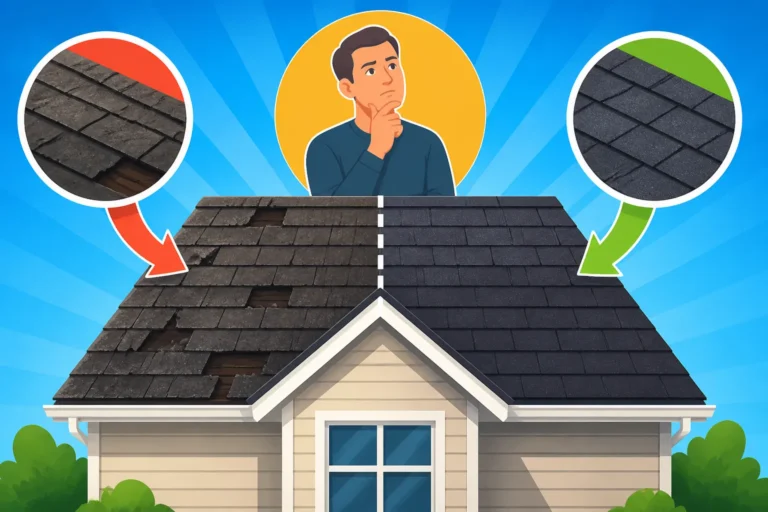
The thought of a leaking roof is enough to send shivers down any homeowner's spine. Often, when we think of roof issues, our minds immediately jump to the shingles – missing, cracked, or curling. But what about the layer underneath, the underlayment? It's the unsung hero, the last line of defense, and sometimes it's the culprit that fails prematurely. This guide will dive deep into those tricky situations where you might consider replacing just the underlayment without simultaneously getting new shingles, exploring the rare instances where this might be a viable option and, more importantly, when it's generally a decision you'll regret.
Understanding Your Roof's Foundation: The Role of Underlayment
Before we even begin to talk about replacing underlayment, it’s vital to truly grasp what it is and why it's so incredibly important. Many homeowners see shingles and assume that’s the whole story, but the roofing system is far more complex and relies on several layers working in harmony. The underlayment is a critical component that often gets overlooked until there's a problem.
The Critical Job of Underlayment
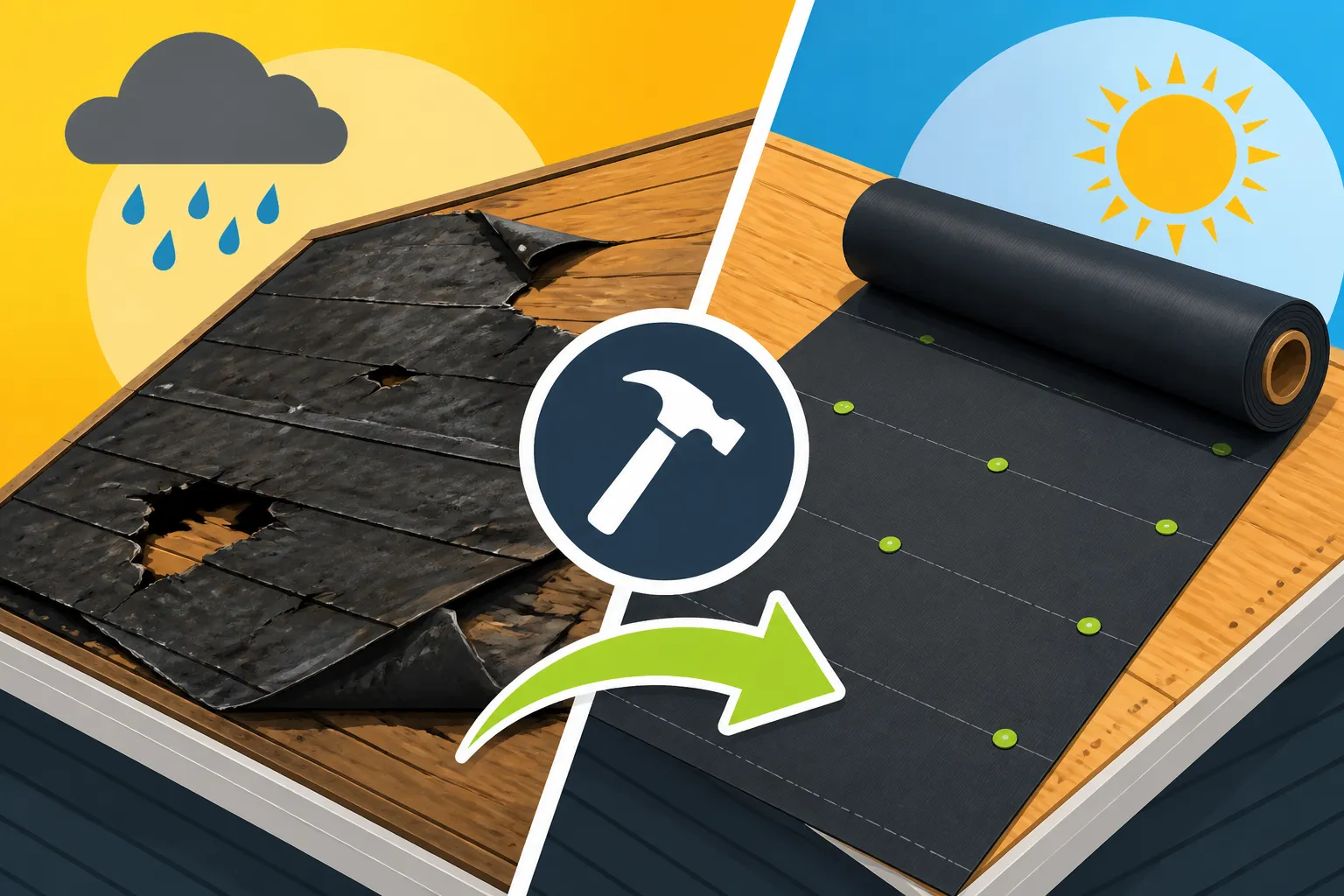
Think of your roof's underlayment as a secondary waterproof barrier, an insurance policy for your home. While your shingles bear the brunt of the weather – blocking direct rain, sun, and wind – no shingle system is perfectly impervious. Wind-driven rain can get underneath, snow can melt and seep, and eventually, even the most robust shingles will degrade. That's where the underlayment steps in. It's designed to repel any moisture that manages to bypass the shingles, channeling it down and off your roof, protecting the vulnerable roof deck beneath. Without a proper underlayment, even a tiny crack or lifted shingle could lead to water infiltration, rotting your roof decking, damaging your attic, and creating costly interior leaks. It also provides a smooth, uniform surface for the shingles to be installed on, which contributes to their longevity and aesthetic appeal. In colder climates, an ice and water shield, a specific type of self-adhering underlayment, becomes particularly important around eaves, valleys, and protrusions to prevent damage from ice dams. You can learn more about its specific function in our guide on what is underlayment and why it matters.
Common Underlayment Types and Their Lifespans
Underlayment isn't a one-size-fits-all product. There are typically three main types, each with its own characteristics, installation methods, and expected lifespan. Understanding these differences is key to knowing when one might fail independently of your shingles.
- Asphalt-Saturated Felt (Tar Paper): This is the traditional choice, made from organic felt or fiberglass mat saturated with asphalt for water resistance. It comes in different weights, like 15-pound and 30-pound felt. While affordable, it can wrinkle or become brittle over time, especially when exposed to direct sunlight or temperature fluctuations if left uncovered. Its lifespan generally ranges from 15 to 25 years, but can be shorter depending on climate and installation quality.
- Non-Asphaltic Synthetic Underlayment: These are woven or spun polyethylene or polypropylene products, much lighter, stronger, and more tear-resistant than felt. They're often UV-resistant, meaning they can be exposed to the elements for longer during installation without degrading. Synthetic underlayments typically last 20 to 40 years, often outliving the shingles they protect. Their superior strength also makes them less prone to tearing during installation, offering better protection against incidental damage.
- Self-Adhering Underlayment (Ice and Water Shield): This premium option, often made of rubberized asphalt, has a sticky backing that seals directly to the roof deck, creating a watertight barrier. It's primarily used in vulnerable areas like valleys, around chimneys, and along eaves to prevent ice dam formation and wind-driven rain penetration. While more expensive, it offers exceptional protection and can last 30 to 50 years, often the longest-lasting component of the entire roof system.
Here's a quick comparison:
| Underlayment Type | Material | Typical Lifespan (Years) | Pros | Cons |
|---|---|---|---|---|
| Asphalt-Saturated Felt | Organic felt or fiberglass + asphalt | 15-25 | Affordable, traditional | Prone to wrinkling, can become brittle |
| Synthetic Underlayment | Polyethylene/Polypropylene | 20-40 | Lightweight, strong, UV-resistant | Higher cost than felt |
| Self-Adhering (Ice & Water) | Rubberized asphalt + adhesive | 30-50+ | Watertight, seals around fasteners | Highest cost, specific application areas |
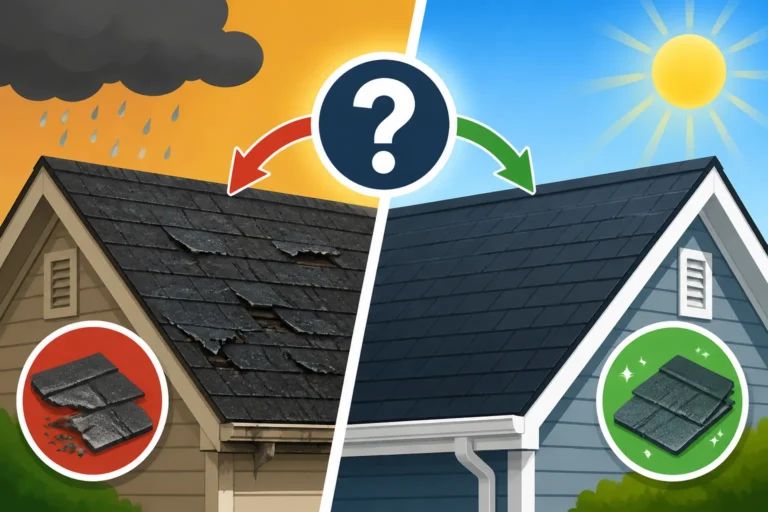
Understanding these distinctions helps to appreciate why sometimes, the underlayment might be failing while your shingles still have some life left in them, or vice-versa.
Limited Scenarios Where Underlayment-Only Replacement Might Be Considered
Let's be upfront: replacing only the underlayment without also replacing your shingles is rarely the ideal solution. In most cases, if you're going through the significant labor of removing shingles to access the underlayment, it makes the most sense to install new shingles as well. However, there are a few very specific, limited circumstances where this approach might be considered. It's usually a temporary fix, a response to a localized problem, or a component of a larger phased project.
Localized Water Damage or Minor Failures
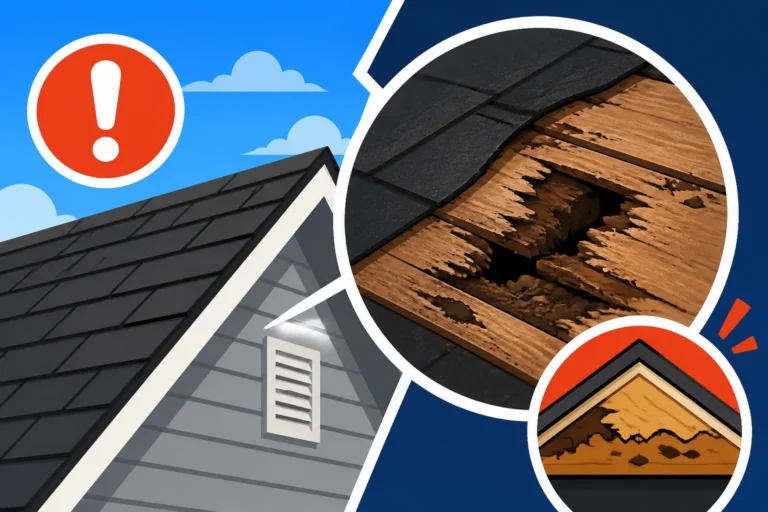
Imagine a situation where you have a persistent leak, but after a professional inspection, it's discovered that the shingles themselves are in good condition – no significant granule loss, no widespread cracking, and they're relatively new. The issue is traced back to a small, localized section of compromised underlayment. Perhaps it was improperly installed, torn during a previous repair, or a single section simply degraded prematurely.
In such a scenario, especially with newer shingles that are still flexible and in excellent shape, a contractor might be able to carefully lift a small area of shingles, remove and replace the damaged underlayment, and then meticulously re-install the original shingles. This is a delicate operation that requires significant skill to avoid damaging the existing shingles. It's not something you'd want to attempt yourself, and it's certainly not a common recommendation for anything beyond a very small patch. The challenge here is making sure the lifted shingles can be re-sealed effectively to maintain their watertight integrity. If this is the situation you're facing, getting several detailed estimates is crucial. You might start by finding a reputable local contractor through services like Modernize, who can help connect you with qualified roofers in your area. They can perform a thorough roof damage assessment: a homeowner's guide to determine if this limited approach is truly feasible.
Addressing Installation Errors
Sometimes, a roof might be relatively new, but persistent leaks appear shortly after installation. After investigation, it could turn out that the underlayment was installed incorrectly – perhaps not overlapped properly, not secured adequately, or the wrong type was used in a specific area. If the shingles are very new and demonstrably in perfect condition, and the underlayment issue is clearly an installation fault rather than material degradation, a roofer might propose carefully lifting a section of shingles to rectify the underlayment problem.
This scenario almost always involves an existing warranty claim with the original installer, as a homeowner shouldn't have to bear the cost of fixing a faulty installation so soon after a new roof was put on. It's a precise task, as the goal is to correct the underlying problem without damaging the perfectly good, new shingles. For example, if the ice and water shield was omitted or improperly installed in a valley, a skilled team might carefully remove the shingles over that valley, install the correct underlayment, and then re-lay the original shingles. This is far less common for general felt or synthetic underlayment across an entire slope, as removing and replacing hundreds of shingles without causing damage is exceptionally difficult and time-consuming, driving up labor costs to a point where a full replacement becomes more logical.
Preparing for a Delayed Full Roof Replacement
In some unique situations, homeowners might face a critical underlayment failure (like widespread water intrusion through the underlayment, but with shingles that look okay from the street and still have a few years of life) but are simply not financially ready for a full roof replacement right away. In extreme cases, a contractor might recommend a partial underlayment replacement as a temporary measure to stem immediate leaks and buy the homeowner some time – perhaps a year or two – before committing to a full roof tear-off and replacement.
This is a high-risk strategy and should only be considered under expert guidance and with a clear understanding that it's a stop-gap, not a permanent solution. The process would involve carefully lifting the shingles over the affected areas, replacing the underlayment, and then re-laying those same shingles. The likelihood of damaging the existing shingles during this process is significant, and the lifespan of the re-laid shingles would be compromised. The labor cost to do this meticulously can sometimes approach the cost of simply installing new, budget-friendly shingles once the underlayment is exposed. It's a compromise decision, trading immediate expense for future certainty, but often proves to be a false economy in the long run. If you're weighing your options, especially with financial constraints, it’s worth investigating roof financing options explained to see if a full replacement is more attainable than you think.
When Replacing Underlayment Without Shingles Is Usually a Bad Idea
While the previous section highlighted some very specific, rare scenarios, it's crucial to understand that in the vast majority of cases, attempting to replace only the underlayment without also installing new shingles is not a recommended or cost-effective approach. This strategy often leads to more problems, higher overall costs, and ultimately, a premature roof failure.
The Interconnectedness of the Roofing System
A roof is a complete system, not just a collection of individual parts. The shingles, underlayment, flashing, vents, and drip edge are all designed to work together to protect your home. When one major component, like the underlayment, is failing, it's often an indicator of broader issues or that the entire system is nearing the end of its functional life. For instance, if your underlayment is compromised due to water damage, it usually means that water has been penetrating the shingle layer consistently. This consistent moisture can weaken the shingle's adhesive, cause granular loss, and lead to more rapid deterioration, even if the shingles don't look completely terrible from the ground.
Trying to isolate and fix just the underlayment in such a scenario is like patching a rusted car frame and expecting the rest of the aging vehicle to suddenly perform like new. You might fix the immediate symptom, but the underlying systemic issues will persist and likely manifest elsewhere soon. Furthermore, removing old shingles, even carefully, can often damage them irreparably, especially if they are brittle from age or sun exposure. The sealing strip on asphalt shingles, activated by the sun, often bonds them tightly together, making separation without breakage extremely difficult. If your roof is showing signs you need a new roof, it's better to address the entire system holistically.
Practicality and Labor Costs
Let's be realistic about the process. To replace underlayment, all the overlying shingles must be removed. Whether you're replacing a small section or an entire slope, the labor involved in carefully prying up, cleaning, and stacking potentially reusable shingles is immense. Roofers charge for their time and expertise, and performing this delicate removal and re-installation can often take as much or even more time than a standard tear-off and new shingle installation. You might find that the cost difference between simply replacing the underlayment and re-using old shingles versus replacing both underlayment and shingles is surprisingly small due to the specialized labor required for the former.
Consider this: a roofing crew can often tear off old shingles and underlayment in a fraction of the time it takes to meticulously remove shingles for re-use. The process of installing new underlayment is straightforward once the deck is exposed. The real bottleneck and cost driver in an "underlayment-only" job is the careful handling and re-installation of existing shingles. If you're going to pay for that much labor, it almost always makes more sense to invest in brand new shingles that offer a fresh warranty, improved performance, and a completely refreshed aesthetic. It's a common misconception that reusing shingles saves a significant amount of money when the labor involved is factored in. Understanding the asphalt roof labor cost explained can shed more light on this.
Cost-Benefit Analysis and Long-Term Value
When evaluating the cost of any roofing project, it's essential to look beyond the immediate expense and consider the long-term value and expected lifespan. If you only replace the underlayment and put back aging shingles, you're essentially putting a new foundation under a deteriorating structure. Those older shingles will continue to degrade, likely requiring replacement much sooner than if you had installed new ones. This means you could be facing another major roofing expense within just a few years.
This piecemeal approach rarely offers the comprehensive protection and warranty coverage of a full roof replacement. Most manufacturer warranties for shingles require them to be installed over new, compliant underlayment. If you reuse old shingles, or even install new shingles over existing, possibly questionable underlayment, you might void portions of your warranty. Furthermore, a fully replaced roof with new shingles and underlayment significantly boosts your home's curb appeal and resale value, providing a much better return on investment (ROI) compared to a partial, temporary fix. When you're trying to figure out your budget for a new roof, always think about the overall lifespan and peace of mind a full replacement offers. In most cases, if you're pulling up shingles to replace underlayment, it’s highly advisable to opt for a full roof replacement, including new shingles, to ensure lasting protection and value.
The Process of Underlayment-Only Replacement and What to Expect
If, after careful consideration and expert consultation, you decide that replacing only the underlayment is the right, albeit rare, course of action for your specific situation, it's important to know what the process entails. This isn't a DIY job for most homeowners and requires specialized skills to execute properly without causing further damage.
Finding the Right Professional
Given the nuanced nature of replacing underlayment without shingles, selecting an extremely skilled and honest contractor is paramount. This isn't a job for just any roofer; you need someone who understands the delicate balance of preserving existing materials while addressing the underlying issue. Look for a contractor with a proven track record of complex repairs, not just full replacements. Ask for references specifically related to partial roof work or situations where existing shingles were re-installed.
It’s crucial to ask detailed questions about their process, their approach to handling existing shingles, and what guarantees they offer if shingles are damaged during the process. A reliable contractor will be transparent about the challenges and potential limitations. Services like Modernize can be a valuable resource in finding qualified professionals in your area who specialize in various roofing services, including intricate repairs. Make sure any contractor you consider is fully licensed and insured. Our guide on how to choose a roofing contractor offers comprehensive advice to help you make an informed decision.
Installation Considerations and Best Practices
Once you've found your contractor, here's a general overview of what to expect during an underlayment-only replacement:
- Careful Shingle Removal: The crew will meticulously lift and remove the existing shingles from the affected area. This is the most labor-intensive part of the job. They'll use specialized tools to gently pry up the shingles, often working in sections to avoid widespread damage. Any shingles deemed too brittle, cracked, or damaged during this process will need to be replaced, which should be discussed as a contingency with your contractor beforehand.
- Deck Inspection and Preparation: With the shingles and old underlayment removed, the roof decking will be exposed. The contractor will inspect the decking for any signs of rot, water damage, or structural issues. If rotten sections are found, they will need to be repaired or replaced – a separate cost that can quickly add up. Our article on roof decking replacement cost can give you an idea of what that might entail. The deck needs to be clean, dry, and structurally sound before new underlayment is installed.
- New Underlayment Installation: The new underlayment (whether felt, synthetic, or ice and water shield) will be installed according to manufacturer specifications and local building codes. This includes proper overlapping, securing with cap nails or staples, and ensuring a smooth, wrinkle-free surface. If it's a repair of ice and water shield, ensuring a proper seal to the deck and around any penetrations is key. You can find more details in our guide on how underlayment is installed.
- Shingle Re-installation and Sealing: Finally, the original, salvaged shingles will be carefully re-installed. This often involves precise alignment and ensuring proper nailing patterns. New shingle adhesive or roofing cement might be used to help seal the lifted shingles back down, especially if their original sealant strips have lost effectiveness. It's important to remember that re-laid shingles, even if carefully handled, may not provide the same level of long-term performance and wind resistance as freshly installed ones due to the compromised integrity of their original sealing strips.
While possible in limited circumstances, the complexities and potential compromises often mean that a full roof replacement, including both new underlayment and new shingles, is the more robust and ultimately cost-effective solution for lasting peace of mind.
Disclaimer
Please remember that the information provided in this article is intended for general guidance and informational purposes only. Every roofing project is unique, and specific conditions, local building codes, and material availability can vary significantly. Always consult with multiple qualified, licensed, and insured roofing professionals for a thorough inspection and personalized recommendations before making any decisions regarding your roof's repair or replacement. This article does not constitute professional advice and should not be used as a substitute for expert consultation.