Should You Replace a 20-year-old Asphalt Roof
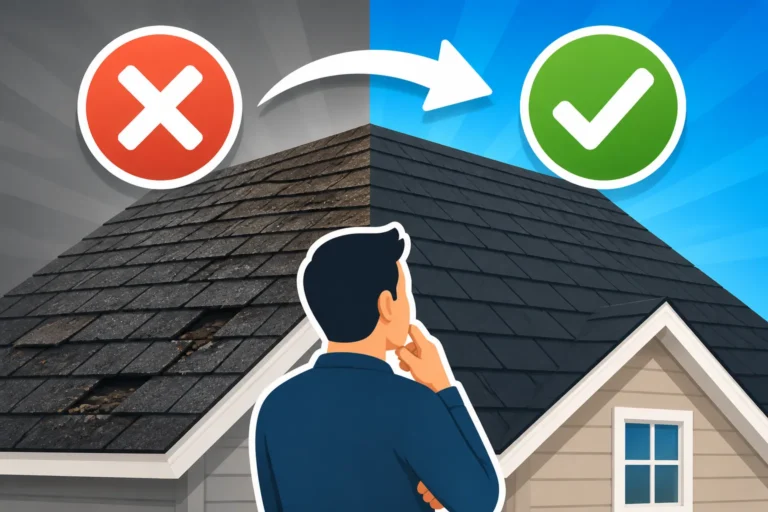
That twenty-year mark on your asphalt roof can feel like a heavy weight, sparking an internal debate that many homeowners face: do I squeeze a few more years out of it with repairs, or is it finally time to bite the bullet and invest in a full replacement? It’s a completely normal frustration, feeling the pressure of a big home expense looming while also wanting to be smart with your money. This guide is here to walk you through the key considerations, signs to look for, and expert advice to help you decide whether repairing or replacing your 20-year-old asphalt roof is the right move for your home and your wallet.
The Telltale Signs of an Aging Asphalt Roof
When your asphalt roof hits the two-decade mark, it’s rarely subtle about showing its age. Instead of just looking a little tired, it often starts exhibiting a variety of distress signals that point to underlying issues. Ignoring these signs can lead to bigger, more costly problems down the road, so it's crucial to know what to look for, both from the ground and, safely, up close.
Visible Deterioration and Wear
The most obvious indicators of an aging asphalt roof are often visible from the street or during a casual walk around your property. These are the classic signs that shingles are nearing or have reached the end of their functional lifespan.
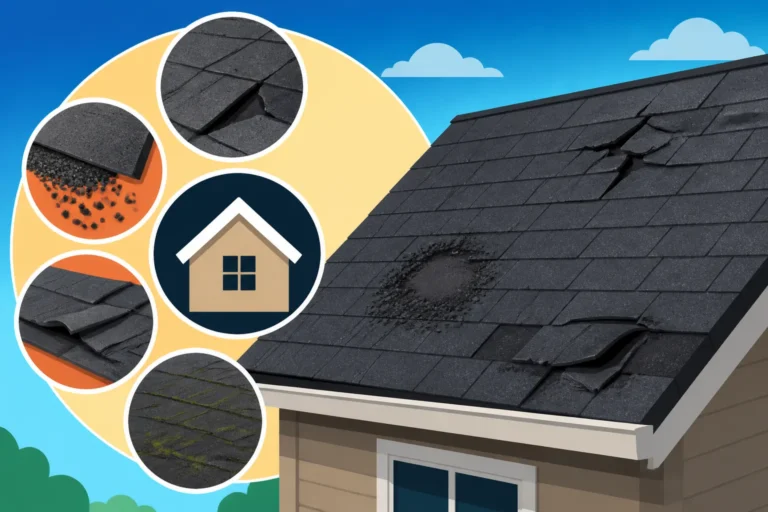
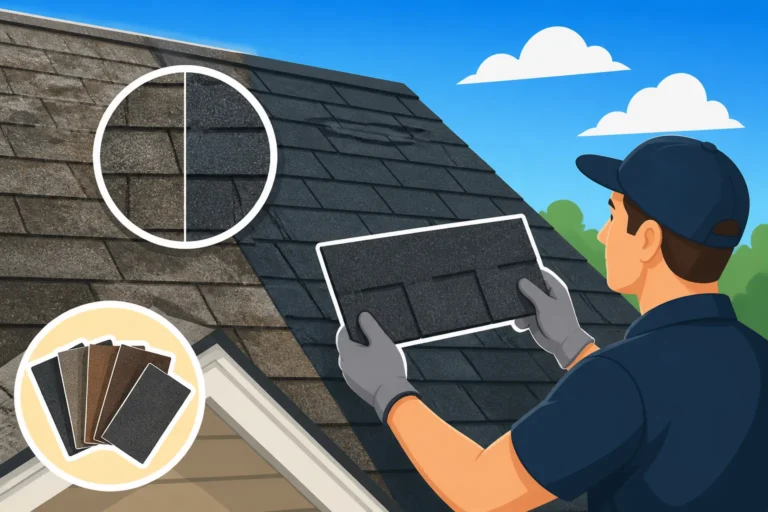
One of the first things you might notice is significant granule loss. Those tiny, sand-like particles on your shingles aren't just for looks; they provide crucial UV protection and help shed water. As a roof ages, these granules erode, often collecting in your gutters or washing down into your yard. If you see large, dark patches where the asphalt base is exposed, that's a serious red flag. This granular erosion means your shingles are losing their ability to protect your home from the sun's harsh rays and can become brittle. Next, pay attention to the shape of your shingles. Are they starting to curl up at the edges or buckle in the middle? Curling shingles can be a sign of moisture absorption, improper ventilation, or simply age-related degradation. Buckling, on the other hand, often indicates issues with the roof deck or improper installation, but can also worsen with age as shingles lose their flexibility. Both curling and buckling compromise the shingle's ability to lie flat and create a watertight seal, making your roof vulnerable to wind and rain. Finally, look for cracked or missing shingles. Cracks, especially those running horizontally or vertically across a shingle, allow water to penetrate beneath the shingle layer, potentially leading to leaks. Missing shingles, often a result of strong winds exacerbated by brittle, aged material, leave your underlayment and roof deck exposed, creating an immediate and critical vulnerability. These are all definitive signs that your roof's protective layers are failing. If you're seeing a lot of these issues, it's time to consider a full roof replacement rather than a string of never-ending repairs.
Water Intrusion and Damage
While visible deterioration on the roof surface is easy to spot, some of the most serious problems with an old roof manifest internally, often after prolonged periods of neglect. These issues typically revolve around water making its way into places it shouldn't.
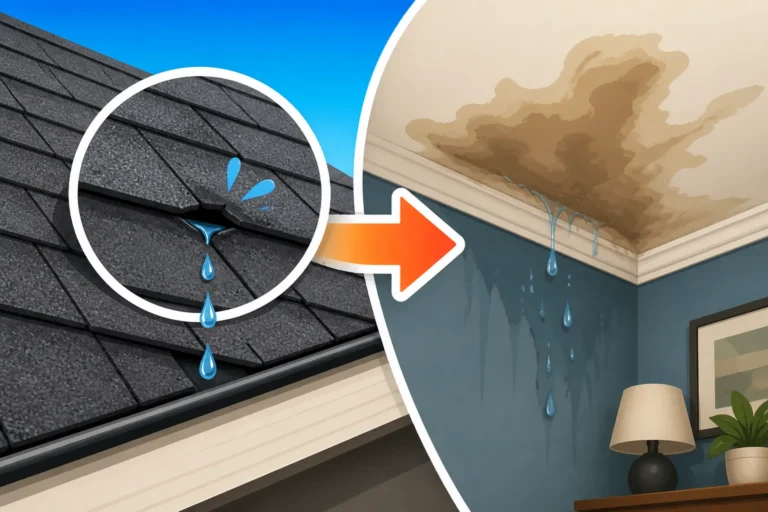
One of the most concerning signs of a failing 20-year-old roof is evidence of active or past water leaks. This might show up as dark stains on your ceiling, especially in upper-story rooms, or discoloration on walls. Don't just dismiss a ceiling stain as an old problem; even if it appears dry, it signals a past breach that could easily reappear with the next heavy rain. Beyond visible stains, you might notice dampness or a musty odor in your attic. This is a clear indicator that water is penetrating the roof structure. Take a flashlight into your attic during daylight hours and look for streaks on the underside of the roof decking, wet insulation, or even visible drips during a rainstorm. You might also notice mold or mildew growth in the attic, which is not only damaging to your home's structure but also a significant health hazard. Water intrusion can also lead to soft spots on your roof deck. If you or a professional roofer walks on the roof and feels spongy areas, it means the underlying wood decking is likely saturated and possibly rotting. This compromised decking can't properly support new shingles and must be replaced, adding to the cost of a new roof. Early detection of water intrusion is key; even small leaks can cause extensive damage over time, including compromising the integrity of your home’s framing and encouraging pest infestations.
Beyond the Obvious Structural Issues
Sometimes, the issues with an aging roof aren't just about the shingles themselves or obvious leaks, but rather the broader structural integrity and associated components. These more subtle signs can be just as critical.
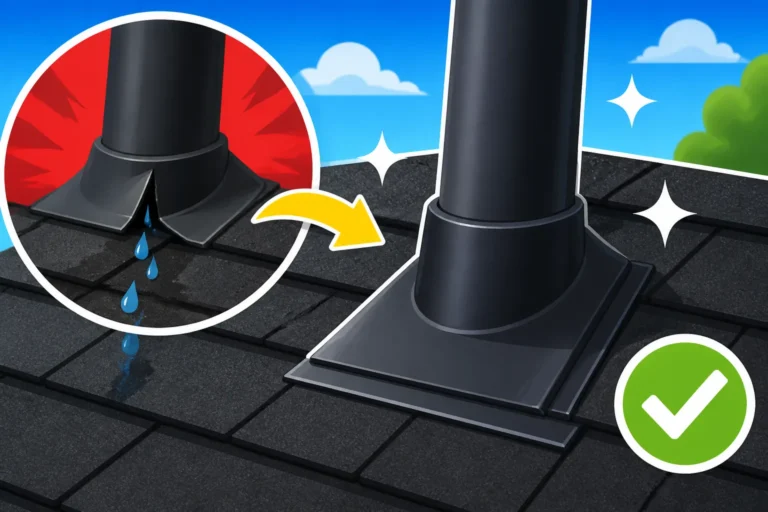
A sagging roof line is a deeply concerning sign that goes beyond surface-level shingle issues. If you stand back from your home and notice that the roof appears to dip or bow in certain areas, it could indicate significant structural problems with the roof decking, rafters, or even the underlying framing of your house. This kind of sagging can be caused by prolonged water damage, excessive snow loads, or simply years of accumulated stress. It's a clear signal that the roof is no longer performing its primary structural function, and attempting minor repairs on a sagging roof is often like putting a band-aid on a broken bone. Another common area of failure in older roofs is around flashing and penetrations. Flashing, which are metal or sometimes rubber seals around chimneys, skylights, vent pipes, and wall intersections, are critical for preventing leaks. Over two decades, these materials can deteriorate, crack, rust, or come loose, creating pathways for water. You might see rusted or lifting flashing around your chimney, for instance. Poor ventilation in your attic can also indirectly shorten a roof's life and be a sign of long-term neglect. If your attic feels excessively hot in the summer or you notice large ice dams in the winter, it suggests inadequate airflow. While not a direct sign of shingle failure, poor ventilation can lead to premature aging of shingles from heat buildup and moisture issues, making replacement a more urgent need. An expert inspection will certainly flag these less-obvious structural concerns, and a service like Modernize can help you find contractors who are thorough in checking these critical areas.
Factors Influencing a 20-Year-Old Roof's True Lifespan
While the "20-year" mark is often cited as a typical lifespan for many asphalt shingles, it's really more of a guideline. The truth is, how long your specific roof lasts can vary wildly based on a number of interconnected factors. It's not just about the age; it's about the entire history and environment your roof has faced.
Original Installation Quality
You know that old saying, "You get what you pay for"? It holds especially true for roof installations. A roof that was installed with precision and care from day one often outlives one that was rushed or poorly executed, even if the materials were the same.
A professional, experienced roofing contractor understands that installing a roof isn't just about nailing down shingles. It involves meticulous attention to detail at every step. This includes proper roof decking preparation, correct installation of the underlayment, precise placement of starter shingles, and ensuring that all flashing and drip edges are installed according to manufacturer specifications and local building codes. If your roof was installed by a reputable, licensed, and insured roofer who followed best practices, used the right nails in the right places, and ensured adequate ventilation, it would have had a much stronger foundation for longevity. Conversely, a roof installed with shortcuts – like using too few nails, incorrect nailing patterns, improper overlap, or neglecting crucial components like ice and water shield in susceptible areas – will show signs of premature failure. These underlying flaws, often hidden for years, become glaring problems around the 20-year mark, as the integrity of the initial installation can no longer compensate for substandard work. This means that even if your 20-year-old roof looks "okay" from a distance, a history of questionable installation could mean it's structurally compromised and due for replacement sooner rather than later. When considering a new roof, it's vital to choose a contractor known for quality workmanship, as this initial investment pays dividends in the long run.
Climate and Environmental Stress
Your roof is constantly battling the elements, and the local climate plays a massive role in how quickly those battles wear it down. A 20-year-old roof in Arizona will likely have faced different challenges than one in New England or Florida.
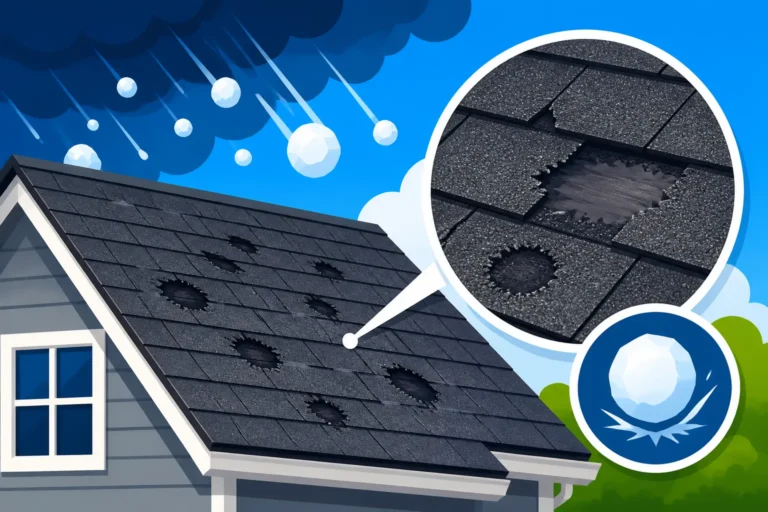
Areas prone to extreme weather events, such as frequent hail storms, high winds, or heavy snowfall, naturally put more stress on a roof. For instance, hail can bruise or crack shingles, leading to accelerated granule loss and exposing the underlying asphalt. High winds, especially in hurricane-prone regions like Florida or coastal North Carolina, can lift and tear off shingles, compromising the entire roof system. Intense sunlight, particularly in states like Texas or Arizona, can cause asphalt shingles to bake, become brittle, and crack over time. The constant expansion and contraction from drastic temperature swings, common in states like Colorado or Ohio, also contribute to material fatigue. In contrast, roofs in milder climates might age more gracefully. However, even in moderate climates, persistent humidity can foster moss and algae growth, which, while not immediately damaging, can retain moisture and degrade shingles over time if not addressed. Understanding your local climate's impact is crucial; if your 20-year-old roof has endured numerous severe weather events, its true effective age might be far older than its chronological age, making the decision to replace it much clearer.
Maintenance History and Shingle Type
Just like a car, a roof benefits from regular care. Its original quality and type also have a big say in its longevity. Neglecting maintenance, regardless of the shingle type, can drastically cut short its expected lifespan.
Roofs that receive consistent, proactive maintenance—like clearing debris, cleaning gutters, and addressing minor repairs promptly—tend to last longer. Regular inspections can catch small issues, such as a loose shingle or a bit of deteriorating flashing, before they escalate into major problems requiring extensive repairs or even early replacement. For instance, addressing moss or algae growth can prevent moisture retention and degradation of the shingle surface. A roof that has been ignored for two decades, however, is much more likely to be hiding a multitude of issues that have compounded over time. Even the most robust shingles will suffer if basic maintenance is overlooked. Beyond maintenance, the type of asphalt shingle initially installed makes a significant difference. Three-tab shingles, which are typically the most economical option, usually have a lifespan of 15-20 years, meaning a 20-year-old 3-tab roof is very likely at or past its prime. Architectural shingles (also known as dimensional shingles), on the other hand, are thicker, more durable, and designed to last 25-30 years, sometimes even longer, like certain brands such as GAF or Owens Corning. Designer or luxury shingles can boast even longer lifespans, often 30-50 years, thanks to their robust construction. So, while a 20-year-old 3-tab roof is almost certainly due for replacement, a 20-year-old architectural shingle roof might still have a few good years left if it has been well-maintained and hasn't suffered significant storm damage.
Repairing vs. Replacing Your 20-Year-Old Asphalt Roof
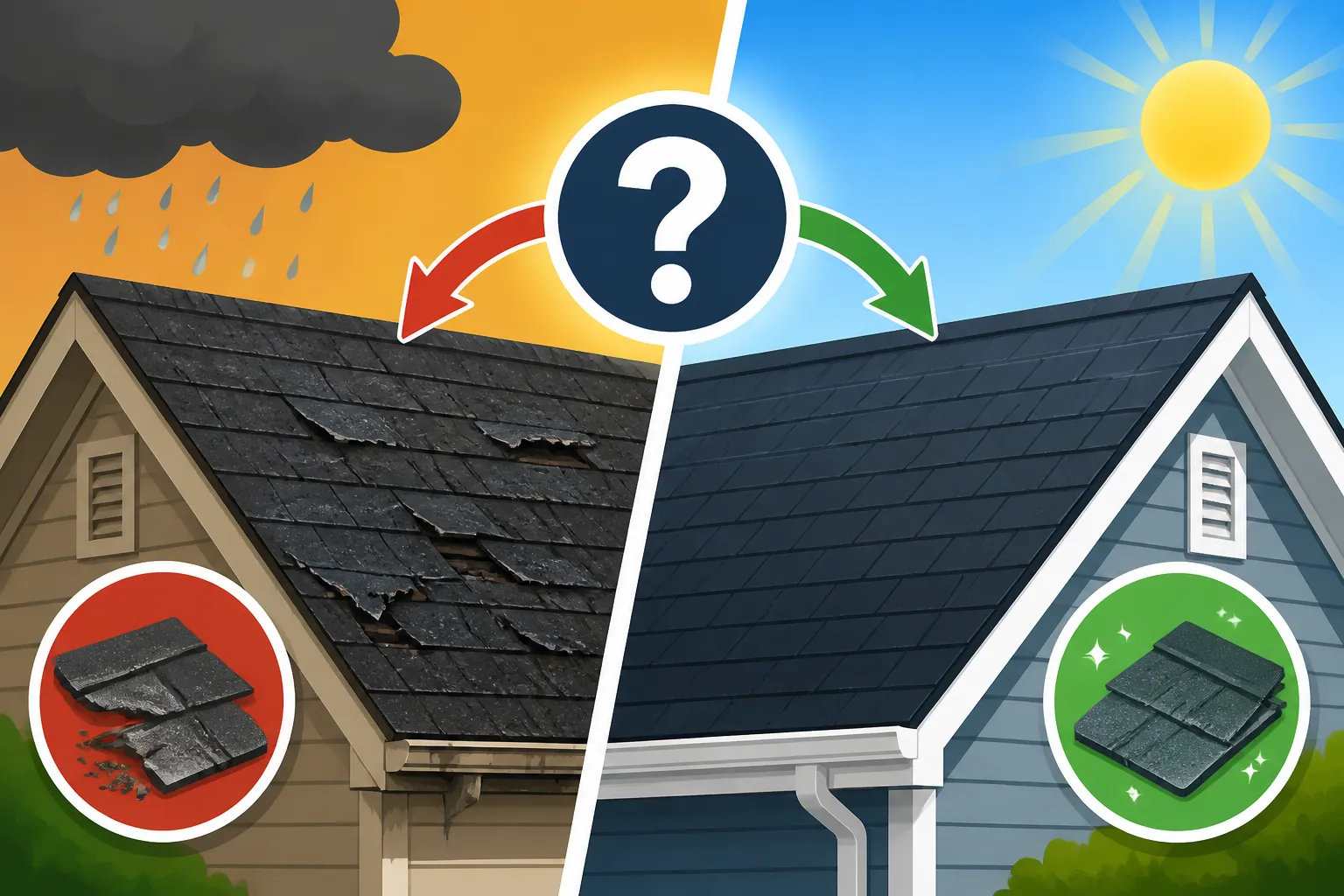
This is the central question, isn't it? When your roof is 20 years old, the lines between repair and replacement can seem blurry, and every homeowner hopes for the less expensive option. However, at this age, patching up problems often becomes a false economy.
When Repair Might Still Be an Option
While a 20-year-old roof is definitely nearing the end of its typical lifespan, there are a few specific, limited scenarios where a repair might still be a sensible, albeit temporary, choice.
If your roof is an architectural shingle roof (which often has a longer lifespan than 3-tab), and it has been impeccably maintained, you might find yourself in a situation where only one small, isolated section is failing. Perhaps a single storm caused damage to a very localized area, or a small leak has developed around a single vent pipe due to deteriorated flashing. In such cases, if the rest of the roof is in remarkably good condition, with minimal granule loss, no widespread curling or cracking, and no signs of structural issues, a targeted repair could extend its life for another year or two. This is particularly true if you are planning to sell your home very soon and need a quick fix for an inspection, or if you are saving up for a full replacement and need to buy some time. However, it's important to be realistic: this is usually a short-term solution. Even if the damage seems isolated, an older roof's materials are inherently more brittle and prone to breakage during repair work. A good roofing contractor, perhaps one you find through a platform like Modernize, will give you an honest assessment of whether a repair is truly viable or if it’s just postponing the inevitable.
The Compelling Case for Replacement
For most 20-year-old asphalt roofs, especially those that have seen a typical amount of wear and tear, a full replacement almost always makes the most practical and financial sense.
When a roof reaches this age, issues like granule loss, curling, cracking, and brittleness are often widespread, affecting multiple areas rather than just one spot. Attempting to repair numerous small problems across an entire roof can quickly add up, and each repair addresses a symptom, not the underlying cause of an aging roof. Imagine patching one leaky spot, only for another to appear a few months later, then another. This constant cycle of repair becomes incredibly frustrating and expensive, turning into what we call a "money pit." Beyond the visible signs, a new roof offers a fresh start with modern materials and installation techniques that provide superior protection. Newer shingles, especially architectural and designer options, come with advanced features like stronger adhesion, better wind resistance, and often algae-resistant coatings. A full replacement also means addressing hidden issues. During a tear-off, the roof decking can be thoroughly inspected and replaced if it's found to be water-damaged or rotting. All new underlayment, flashing, and ventilation components will be installed, ensuring a complete and robust roofing system. Furthermore, a new roof can significantly enhance your home's curb appeal and increase its resale value. It also comes with a brand-new warranty, protecting your investment for decades to come, unlike an older roof where warranties have long expired or are prorated. Many homeowners find that the peace of mind knowing their home is protected for another 20-30 years is worth the initial investment.
The Financial Calculation: Repair Costs Adding Up
When your roof is 20 years old, the cost of ongoing repairs often begins to outweigh the cost-effectiveness of a full replacement. It's a critical financial decision that homeowners need to approach with a clear understanding of the long-term implications.
Let's say you have a 20-year-old roof and you're getting estimates for repairs. A small repair for a few missing shingles might be a few hundred dollars. Fixing a leaky pipe boot could be $300-$600. Replacing some damaged flashing could run $500-$1,000, depending on the complexity. These numbers don't seem too bad in isolation. However, with an aging roof, these "small" problems rarely come alone or stay fixed for long. You might spend $500 in spring, another $800 in fall, and then face a $1,200 repair the following year. Before you know it, you've sunk thousands of dollars into a roof that still looks old, still offers minimal protection, and still has an expired warranty. Consider this: the average cost for a minor roof repair can range from $350 to $1,500, but a full asphalt roof replacement might cost anywhere from $10,000 to $25,000 or more, depending on your home's size and complexity. If you spend $3,000-$5,000 on repairs over 2-3 years, you've essentially thrown that money away, as it doesn't extend the roof's fundamental lifespan, nor does it typically add significant value to your home. That money could have been a substantial down payment on a durable, long-lasting new roof. Ultimately, delaying a replacement often means paying more in the long run. When considering whether to replace vs. repair an old roof, homeowners should look at the cumulative cost and the diminishing returns of fixing an old, worn-out system.
Here's a quick look at the typical considerations:
| Feature/Aspect | Repairing a 20-Year-Old Roof (Limited Scenarios) | Replacing a 20-Year-Old Roof (Recommended) |
|---|---|---|
| Cost | Lower upfront, but frequent, compounding costs | Higher upfront, but long-term savings |
| Lifespan Added | Minimal, often 1-3 years | 20-30+ years, depending on shingle type |
| Warranty | No new warranty, existing likely expired | Full manufacturer and workmanship warranty |
| Home Value | Little to no increase, may deter buyers | Significant increase in curb appeal and value |
| Peace of Mind | Temporary, ongoing worry about new leaks | Long-term security and protection |
| Structural Issues | Usually not addressed | Underlying decking inspected and repaired |
| Energy Efficiency | No change | Potential improvements with new materials/ventilation |
| Aesthetics | Mismatched patches possible, still looks old | Fresh, cohesive, modern look |
Getting a Professional Assessment for Your Older Roof
Once you've weighed the pros and cons and are leaning towards making a decision, the next critical step is to get a professional assessment. You wouldn't diagnose a serious medical condition yourself, and your roof, a vital component of your home's health, deserves the same expert attention.
What to Expect from a Roof Inspection
A professional roof inspection for a 20-year-old roof goes far beyond a quick glance from the ground. It's a comprehensive evaluation designed to uncover both obvious and hidden issues, providing you with a clear picture of your roof's actual condition.
When a qualified roofing contractor comes to inspect your property, they will typically start by assessing the roof from a distance, looking for overall sagging or inconsistencies in the roof line. Then, they will get onto the roof itself, if it's safe to do so. They'll meticulously check every square foot of your shingles for signs of wear like granule loss, cracking, curling, blistering, and missing pieces. They'll pay close attention to critical areas such as the valleys, where two roof planes meet, as these are common leak points. They'll also inspect all penetrations and flashing around chimneys, skylights, vent pipes, and wall intersections for signs of deterioration or improper sealing. A thorough inspection will also include a look at your gutters for excessive granule accumulation, which is a strong indicator of shingle aging. Crucially, a good inspector will also examine your attic for signs of water intrusion, mold, proper ventilation, and the condition of the roof decking from below. They’ll also check your fascia and soffit for any rot or damage. They’ll assess your existing ventilation system to ensure it’s adequate and up to modern codes. After their visual inspection, the contractor should provide you with a detailed report, often accompanied by photos, outlining all findings, potential issues, and their recommendations. This report should clearly explain the severity of any damage and whether they believe a repair is feasible or if a full replacement is recommended, giving you solid data for your decision-making process.
Choosing the Right Contractor for an Aging Roof
Selecting the right roofing contractor is arguably the most crucial step when dealing with an aging roof. You need an expert, not just someone with a hammer. Finding a reputable professional can make all the difference in the longevity and quality of your new roof or the effectiveness of a temporary repair.
First and foremost, always choose a licensed and insured contractor. This protects you in case of accidents or damage during the project. Ask for proof of both liability insurance and workers' compensation. Check their local reputation through online reviews, the Better Business Bureau, and local referrals. Look for contractors who specialize in asphalt roofing and have extensive experience working with older homes. They’ll be more familiar with the challenges that a 20-year-old roof presents, such as potential decking issues or unique flashing needs. Don't be afraid to ask for references from past clients and even drive by a few of their completed projects. A good contractor will be transparent about their process, provide a clear, detailed estimate, and be willing to answer all your questions without pressure. When interviewing potential roofers, inquire about their warranty offerings, both for materials (manufacturer warranty) and their workmanship. Many top manufacturers, like GAF or Owens Corning, offer enhanced warranties when their shingles are installed by certified contractors, which can be a huge bonus. Consider using a service like Modernize to connect with pre-vetted, qualified roofing professionals in your area. They can simplify the process of gathering multiple quotes from reputable contractors, allowing you to compare options and choose the best fit for your specific situation without the hassle of cold-calling. Remember, this isn't just about the cheapest bid; it's about investing in the long-term health and protection of your most valuable asset. The cheapest bid is often risky, especially with an older roof, as it might cut corners on crucial underlying work.
Understanding the Estimate and Project Scope
Once you've had inspections and received bids, navigating the estimates can feel overwhelming. It's not just about the final number; it's about understanding what that number covers, especially when dealing with a 20-year-old roof.
A comprehensive roofing estimate should be incredibly detailed. It shouldn't just list "new roof" and a price. Instead, it should break down every single component and service. This typically includes the cost of the tear-off and disposal of old shingles, which can be significant given that older roofs might have multiple layers. It should clearly itemize the type of new shingles being installed (e.g., architectural shingles, designer shingles), the quantity (measured in "squares"), and the cost of all underlying components: new underlayment (synthetic vs. felt underlayment cost), ice and water shield, drip edge, new flashing (for chimneys, vents, valleys), and ridge vents. The estimate should also detail labor costs, permit fees (if applicable), and any potential upgrades or additional work, such as replacing damaged roof decking, which is very common with older roofs. Pay close attention to any clauses about unexpected repairs, like unforeseen rotten wood. Ask how those will be handled and priced. Don't hesitate to ask questions about anything you don't understand. A reputable contractor will take the time to explain each line item. Comparing roofing estimates effectively means looking beyond the bottom line and comparing the scope of work and materials being offered by each contractor. A higher bid might be due to superior materials, a more comprehensive warranty, or a contractor's commitment to higher quality, which could save you money in the long run.
Disclaimer
Please remember that the information provided in this article is intended for general guidance and informational purposes only. Every roof and home situation is unique. It is always recommended to consult with multiple qualified, licensed, and insured local roofing professionals for a thorough inspection and personalized recommendations tailored to your specific circumstances before making any decisions regarding roof repair or replacement.