Should You Replace a 15-year-old Asphalt Roof
That moment you start noticing a few granules in the gutters or a shingle looks a little out of place can send a shiver down your spine, especially when you know your asphalt roof is hitting that 15-year mark. It’s a common homeowner dilemma: is it time for a full replacement, or can a few strategic repairs buy you more time? This guide will help you understand the critical factors involved in deciding if your 15-year-old asphalt roof is truly at the end of its road.
Understanding the Typical Lifespan of an Asphalt Roof
When you bought your home, or had your current roof installed, you probably heard a wide range of estimates for how long it would last. Asphalt shingles are often touted for their longevity, but "longevity" can be a pretty broad term. A 15-year-old roof is often right in the middle, or sometimes past the halfway point, of its expected service life.
The Average Expectation Versus Reality
Most standard 3-tab asphalt shingles are designed to last anywhere from 15 to 25 years. Architectural or dimensional shingles, which are thicker and more robust, typically offer a longer lifespan, often 25 to 30 years, and sometimes even up to 50 years for high-end luxury options. So, at 15 years, your 3-tab shingle roof might be nearing the end of its journey, while a higher-quality architectural shingle roof might just be settling into its middle age. It's a spectrum, and where your roof falls on it depends heavily on what kind of shingles were installed initially and how well they've held up to the elements.
It's also worth noting that these are manufacturer estimates under ideal conditions. Think about how much stress your roof goes through – scorching summer sun, freezing winters, torrential downpours, high winds, and maybe even a hailstorm or two. These real-world conditions rarely qualify as "ideal." Factors like intense UV exposure in sunny states like Florida or Arizona, or the constant freeze-thaw cycles in states like Michigan or Minnesota, can significantly accelerate wear and tear. If you're wondering how long does an asphalt roof last, remember that while 15 years might seem young to some, it's often a critical juncture for inspection.
What Makes Shingles Age Prematurely
Several culprits can cut short a roof's life, even if it's only 15 years old. Poor attic ventilation, for instance, is a silent killer. If your attic isn't properly vented, heat and moisture can build up, essentially cooking your shingles from the inside out and causing them to degrade much faster. You might see shingles curling prematurely or losing granules at an alarming rate.
Another major factor is the quality of the initial installation. Even the best shingles can fail early if they weren't installed correctly. Improper nailing, insufficient underlayment, or poorly sealed flashing can lead to leaks and shingle damage years before they should occur. If you inherited your roof from a previous owner, you might not know the history of its installation, which adds another layer of uncertainty. For those dealing with recurring issues, it might be worth investigating what makes shingles fail early.
Key Signs a 15-Year-Old Roof Needs Replacing
You don't need to be a roofing expert to spot many of the tell-tale signs that your 15-year-old asphalt roof is waving its white flag. A regular visual inspection from the ground with a pair of binoculars can reveal a lot. For safety reasons, I generally advise against homeowners getting up on the roof themselves unless they are experienced and have proper safety equipment.
Visible Damage and Wear on Shingles
This is usually the most obvious indicator. Shingles that are curling, buckling, cracking, or missing entirely are clear signs of trouble.
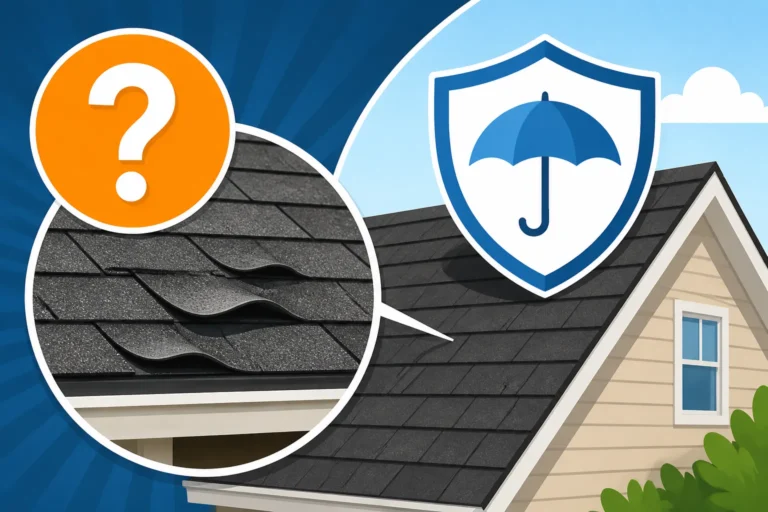
- Curling Shingles: There are a couple of ways shingles can curl. Cupping is when the edges turn upward, forming a concave shape. Clawing is when the edges stay flat but the middle of the shingle rises, giving it a convex appearance. Both are signs that the shingles are drying out, losing their protective oils, and becoming brittle. This reduces their ability to shed water and makes them vulnerable to wind uplift.
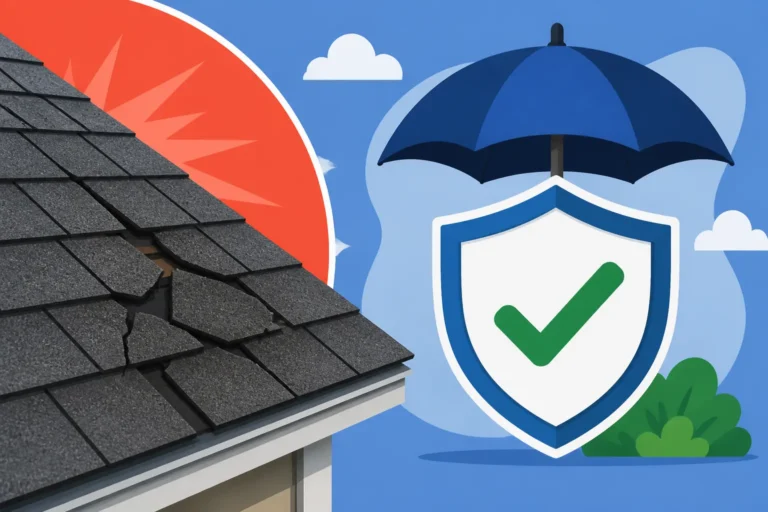
- Cracked Shingles: Small, hairline cracks can eventually widen and allow water to penetrate the shingle layers. Over time, these cracks will become more prominent, especially on the sunny sides of your home where UV exposure is highest. If you see numerous cracked shingles, it’s a big red flag.
- Missing Shingles: This is a no-brainer. If shingles have blown off, it leaves your underlayment and decking exposed to the elements, leading to immediate leak risks. Even if it's just a few, it's often a symptom of widespread shingle adhesion failure, suggesting the whole roof system is weakening.
Granule Loss and Bald Spots
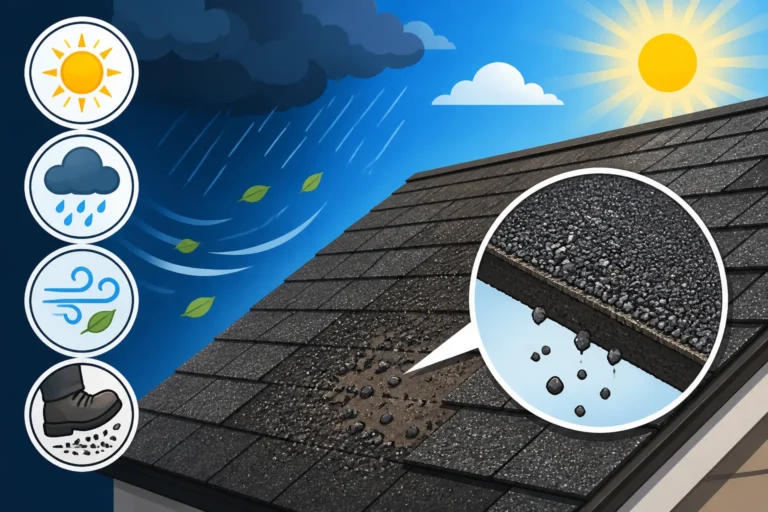
Asphalt shingles are covered with tiny ceramic granules that act like sunscreen for your roof. They protect the asphalt from harmful UV rays and add to the shingle's fire resistance.
- Granules in Gutters: It's normal to see a few granules wash into your gutters over the years, especially on a newer roof as it "sheds" excess. However, if you notice a significant accumulation of granules in your gutters and downspouts, it's a strong indication that your shingles are deteriorating. The protective layer is wearing away, exposing the asphalt to the sun.
- Bald Spots: If you can see dark, smooth spots on your shingles where the granules have completely worn off, these areas are essentially unprotected. They will dry out, crack, and become much more susceptible to water damage and blistering. Significant granule loss is often a primary indicator in the larger discussion of whether it's time for roof repair vs replacement.
Leaks and Water Damage
Sometimes, the roof is telling you it needs replacing from the inside out. Don't ignore these signs, as water damage can quickly become a much larger and more expensive problem.
- Attic Leaks: Any signs of water staining, drips, or moisture in your attic are immediate causes for concern. This means water has breached the entire roofing system, from the shingles down to the underlayment and potentially the roof decking. Ignoring these can lead to mold growth, rot, and structural damage. Even a small leak can cause significant damage over time. Understanding how to spot a roof leak is crucial.
- Ceiling Stains: If water has made it through your attic, you'll often see stains on your interior ceilings or walls. These usually appear as discolored patches that expand over time. The location of the stain might not directly correlate to the leak spot on the roof due to water traveling along rafters, but it's a clear sign of a problem.
- Musty Odors: A persistent musty smell in your attic or upper floors can indicate hidden moisture or mold growth, even if you don't see visible water stains. This often points to a chronic, slow leak that's been happening for a while.
Sagging Roof Decking or Ridges
While less common at 15 years, structural issues can sometimes develop, especially if there has been extensive water damage or improper construction.
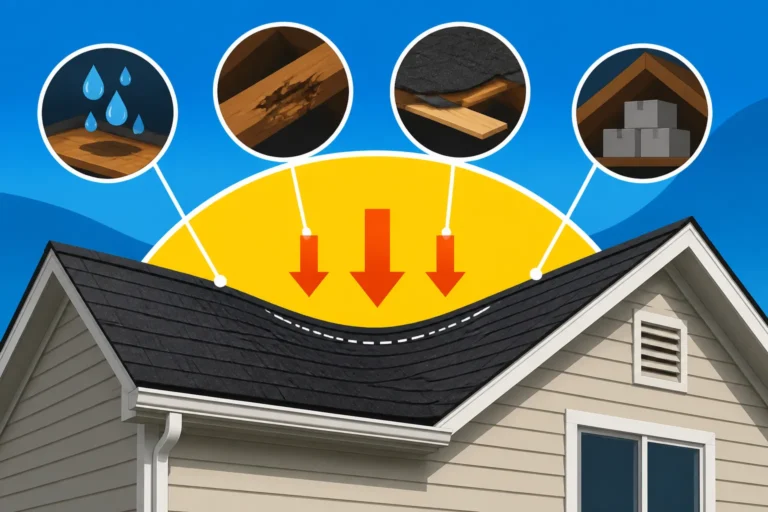
- Sagging Roof: If you look at your roofline and notice any areas that appear to dip or sag, this is a serious structural concern. It could indicate issues with the roof decking itself, or even the underlying rafters and supports. This isn't just a shingle problem; it's a structural integrity issue that requires immediate professional assessment.
- Sagging Ridges: The ridge of your roof should be straight and level. If it appears to be dipping or bowing, it suggests a problem with the roof's framing or possibly extensive water damage to the ridge board. This warrants a professional inspection to determine the root cause and the necessary repairs.
Factors Influencing Your Roof's Remaining Life
Even if your roof is 15 years old, it's not a death sentence. Several factors play a huge role in how much life it has left in it. Taking these into account can help you make a more informed decision.
Climate and Environmental Exposure
Your geographic location and the weather patterns it experiences are paramount.
- Sunlight Exposure: Homes in sunny climates, like those in Texas or Florida, experience intense UV radiation year-round. This constant exposure can break down the asphalt binder in shingles faster, leading to premature granule loss, curling, and cracking. The south and west-facing slopes of your roof will typically show wear first because they get the most sun.
- Storm Activity: Areas prone to severe weather, such as hail-prone states like Colorado or hurricane zones along the Gulf Coast, will see roofs age faster. High winds can lift and tear shingles, while hail can bruise and fracture the shingle mat, leading to granule loss and weakened spots. A single severe storm can shave years off a roof's life.
- Temperature Extremes: Constant shifts from freezing temperatures to hot spells (freeze-thaw cycles) can cause shingles to expand and contract repeatedly, accelerating deterioration and making them brittle.
Maintenance and Previous Repairs
How well your roof has been maintained over its 15 years makes a massive difference.
- Regular Inspections: Homeowners who perform annual or bi-annual visual inspections are more likely to catch small issues before they become big, expensive problems. Clearing debris, cleaning gutters, and identifying minor damage early can significantly extend a roof's life.
- Quality of Repairs: If your roof has had repairs in the past, the quality of those repairs matters. A shoddy patch job might have fixed a leak temporarily but could have masked larger issues or even caused new problems. For example, improper patching can sometimes void a shingle warranty if not done by a certified professional. On the flip side, well-executed repairs using matching materials by a reputable contractor can add valuable years to specific sections of your roof.
Original Installation Quality and Materials
The foundation of your roof's longevity lies in its initial installation.
- Shingle Type and Grade: As mentioned earlier, a builder-grade 3-tab shingle will naturally have a shorter lifespan than a premium architectural shingle like GAF Timberline HDZ or Owens Corning Duration. The quality of the shingle materials themselves plays a huge role.
- Workmanship: Even the best shingles can fail prematurely if they weren't installed correctly. Issues like improper nailing (too high, too low, or too many/few nails), inadequate ventilation, or incorrect flashing around penetrations (like chimneys or vent pipes) are all common culprits. A poorly installed roof might start showing signs of failure much earlier than its material warranty suggests. If you're looking at your How Asphalt Shingles Are Installed: Step by Step process from 15 years ago and see red flags, it might be time to replace.
The Financial Decision: Repair vs. Replace
Deciding whether to repair or replace a 15-year-old asphalt roof often comes down to cost and long-term value. It's a significant investment, and you want to make the smartest financial choice for your home.
Weighing the Costs of Repairs
Minor repairs can certainly extend the life of your roof, but at some point, they become a band-aid solution that just pushes off the inevitable.
- Cost of Repeated Repairs: If you're facing multiple, ongoing repair needs – one shingle here, a small leak there, then another patch job – the cumulative cost can quickly approach, or even exceed, the cost of a full replacement. Keeping a detailed log of repair expenses can help you see when you're throwing good money after bad.
- Temporary Fixes: Some repairs are inherently temporary. For example, sealing a persistent leak might work for a year or two, but if the underlying issue is widespread shingle degradation or an aging underlayment, that leak is likely to reappear elsewhere.
- Matching Issues: As shingles age, their color fades due to UV exposure. Finding an exact match for a 15-year-old shingle can be challenging, if not impossible. Patching with new shingles often results in noticeable color discrepancies, which can detract from your home's curb appeal.
The Value of a Full Roof Replacement
While a replacement is a larger upfront cost, it offers significant long-term benefits and peace of mind.
- Long-Term Durability and Warranty: A new roof comes with a fresh manufacturer's warranty and often a workmanship warranty from the installer. This provides protection for decades against material defects and installation errors, saving you from future repair costs. Modern architectural shingles can come with warranties up to 50 years, making them a sound investment.
- Increased Home Value and Curb Appeal: A new roof instantly boosts your home's curb appeal and can significantly increase its resale value. It's one of the top home improvements with a strong return on investment. Potential buyers will appreciate not having to worry about a major expense like a roof for many years.
- Energy Efficiency: Newer shingles, especially "cool roof" options, can be more energy-efficient, reflecting more sunlight and reducing heat absorption, which can lower your cooling costs during hot months. A new roof also gives you the opportunity to upgrade your insulation and ventilation, further enhancing energy efficiency.
- Avoiding Hidden Costs: With a full tear-off, the contractor can inspect your roof decking for any rot or damage and replace it as needed. This proactive approach prevents hidden problems from festering under an old, patched roof. This also gives you the chance to address elements like Cost of Ridge Vent Installation or Cost of New Flashing and Drip Edge that are essential for a complete, healthy roof system.
Insurance Considerations
Your homeowners insurance policy can play a significant role in this decision, especially if damage is due to a recent storm.
- Storm Damage Coverage: If your 15-year-old roof has sustained significant damage from a recent hail or wind storm, your insurance might cover a substantial portion of the replacement cost. Many policies will cover the actual cash value (ACV) or replacement cost value (RCV) depending on your coverage type and the age of the roof. Understanding Does Insurance Cover Roof Replacement is key here. Documenting any storm damage with photos and a professional assessment is vital for making an insurance claim.
- Depreciation: Be aware that older roofs are often subject to depreciation in insurance claims. If your policy is Actual Cash Value (ACV), the payout will be based on the depreciated value of your 15-year-old roof, rather than the cost of a brand-new one. A Replacement Cost Value (RCV) policy generally covers the cost to replace without factoring in depreciation, which is a big advantage for an older roof.
- Preventing Future Issues: Sometimes, replacing an aging roof proactively, especially if it's showing signs of widespread failure, can prevent small leaks from turning into major interior damage, which might be partially covered by insurance but often comes with significant deductibles and hassle.
Getting a Professional Assessment and Quotes
No matter how many articles you read or how closely you inspect your roof, nothing beats a professional assessment from a qualified roofing contractor. They have the expertise and tools to identify subtle issues and provide accurate recommendations.
The Importance of Multiple Bids
Don't settle for the first estimate you receive. It's incredibly important to get at least three detailed quotes from different reputable roofing companies. This allows you to compare not just prices, but also the scope of work, materials being proposed, and warranty offerings. Platforms like Modernize can be very helpful for connecting with local, vetted contractors who can provide these estimates.
When getting bids, ensure they are comprehensive and itemize everything. A good estimate will break down costs for:
- Tear-off and disposal (including Cost of Roof Tear-Off and Disposal)
- New roof decking (if needed, considering Roof Decking Replacement Cost)
- Underlayment type (e.g., Synthetic vs Felt Underlayment Cost)
- Shingle type and manufacturer (e.g., GAF, Owens Corning, CertainTeed)
- Flashings, vents, and drip edge
- Labor costs (Asphalt Roof Labor Cost Explained)
- Permits
Questions to Ask Potential Contractors
When they come out to inspect your roof, don't be afraid to ask a lot of questions. This is your home, and you're making a big investment.
- "What specific issues do you see that lead you to recommend repair vs. replacement?"
- "What kind of underlayment do you use, and why?"
- "Can you provide references from recent jobs?"
- "Are you licensed and insured?" (Always verify this independently!)
- "What kind of warranties do you offer on both materials and workmanship?"
- "How long will the job take, and what is your cleanup process?"
Remember, a contractor recommending a full replacement for a 15-year-old roof isn't necessarily trying to upsell you. At this age, a roof is often truly nearing its end of life, and a full replacement can be the most cost-effective and headache-free long-term solution. Comparing what you learn from different contractors will help you decide if it's time for a full How Much Does an Asphalt Shingle Roof Cost.
Making Your Decision
Armed with all this information, you can now approach the decision of whether to replace your 15-year-old asphalt roof with confidence.
| Factor to Consider | Leaning Towards Repair | Leaning Towards Replacement |
|---|---|---|
| Age of Roof | Higher-grade architectural shingles (rated 25+ years), minimal signs of wear. | Standard 3-tab shingles (rated 15-25 years), significant wear for its age. |
| Extent of Damage | Isolated issues: 1-2 small leaks, a few missing/cracked shingles in one area. | Widespread damage: multiple leaks, extensive granule loss, curling/cracking across several slopes, significant storm damage. |
| Cost of Repairs | Minor repairs, less than 10-15% of replacement cost, offering significant lifespan extension. | Repairs are frequent, costly, and don't address systemic issues; cumulative cost approaches replacement cost. |
| Future Plans | Selling soon, looking for a temporary fix to pass inspection. | Planning to stay in the home for 5+ years, want peace of mind, improved energy efficiency, and higher home value. |
| Insurance Coverage | No recent storm damage, repairs covered by homeowner's pocket. | Significant storm damage, insurance likely to cover a substantial portion of replacement, especially with RCV policy. |
| Aesthetic Concerns | Not worried about minor cosmetic inconsistencies from patch jobs. | Desires uniform appearance, improved curb appeal, and modern shingle styles/colors. |
| Underlying Issues | Roof decking and ventilation are sound. | Suspected underlying issues like rotted decking, inadequate ventilation, or widespread installation flaws. |
| Warranty Status | Original warranty still provides coverage for repairs. | Original warranty expired or voided, no protection against future issues. |
When to Lean Towards Repair
If your 15-year-old roof is primarily experiencing localized issues – maybe a few shingles blew off in a recent gust, or you've found a small, isolated leak around a vent pipe – and the rest of the roof appears in good condition, a targeted repair might be the most economical solution. Especially if you have a higher-grade architectural shingle that's otherwise holding up well, minor fixes can often extend its life for several more years. This is also a good option if you plan to sell your home in the very near future and just need to ensure the roof is watertight and passes inspection.
When to Lean Towards Replacement
However, if your 15-year-old asphalt roof is showing widespread signs of deterioration – extensive granule loss, curling or cracked shingles across multiple slopes, recurring leaks in different areas, or significant storm damage that impacts a large portion of the roof – it’s almost certainly time for a full replacement. Continuing to patch an old, failing roof is often a false economy. You'll spend more money over time, deal with ongoing stress, and potentially face much larger repair bills if a major leak causes extensive interior damage. A full replacement provides a new, warrantied system that will protect your home for decades and significantly boost its value.
Ultimately, the decision is yours, but making an informed choice after careful inspection and multiple professional opinions will save you stress and money in the long run. Don't let the sticker shock of a new roof overshadow the long-term benefits and protection it provides for your most important asset – your home. If you're looking for guidance on how to budget for a new roof, there are resources available to help you plan financially.
Disclaimer
Please remember that the information provided in this guide is for general educational purposes only. Every roof is unique, and local building codes, climate conditions, and individual circumstances can vary greatly. Always consult with multiple licensed and insured roofing professionals in your area for specific assessments, recommendations, and quotes tailored to your home's needs. Do not attempt DIY roof inspections or repairs if you are not properly trained or equipped, as it can be dangerous.