Repair vs Replace for an Older Home
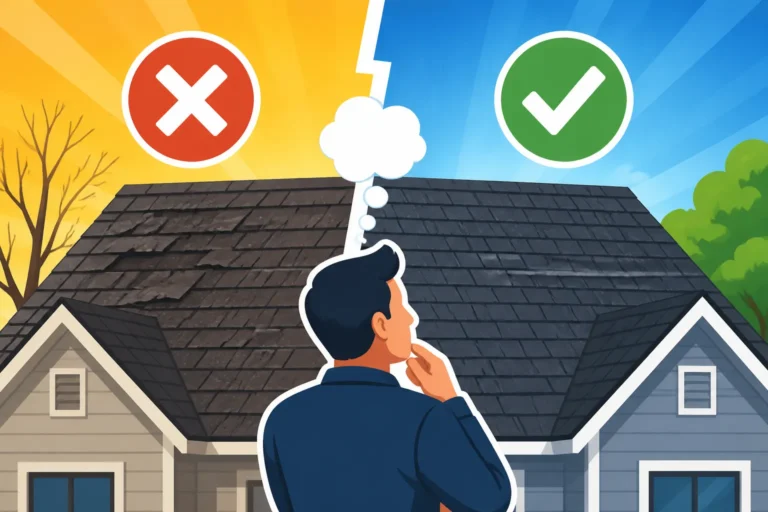
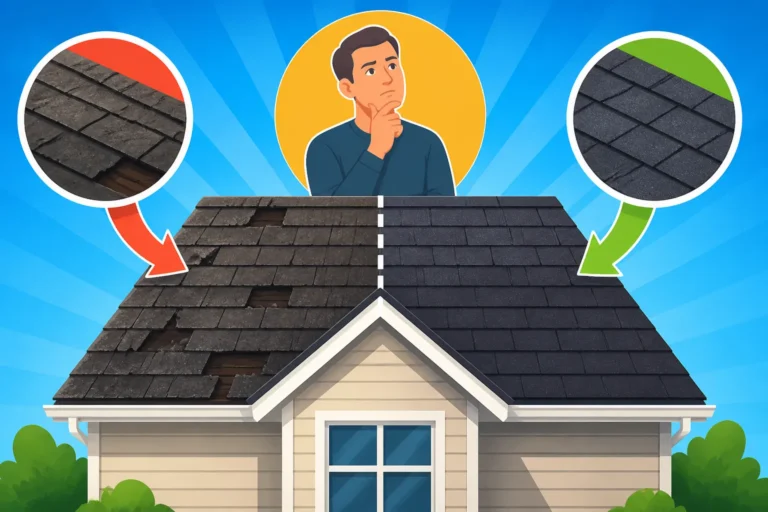
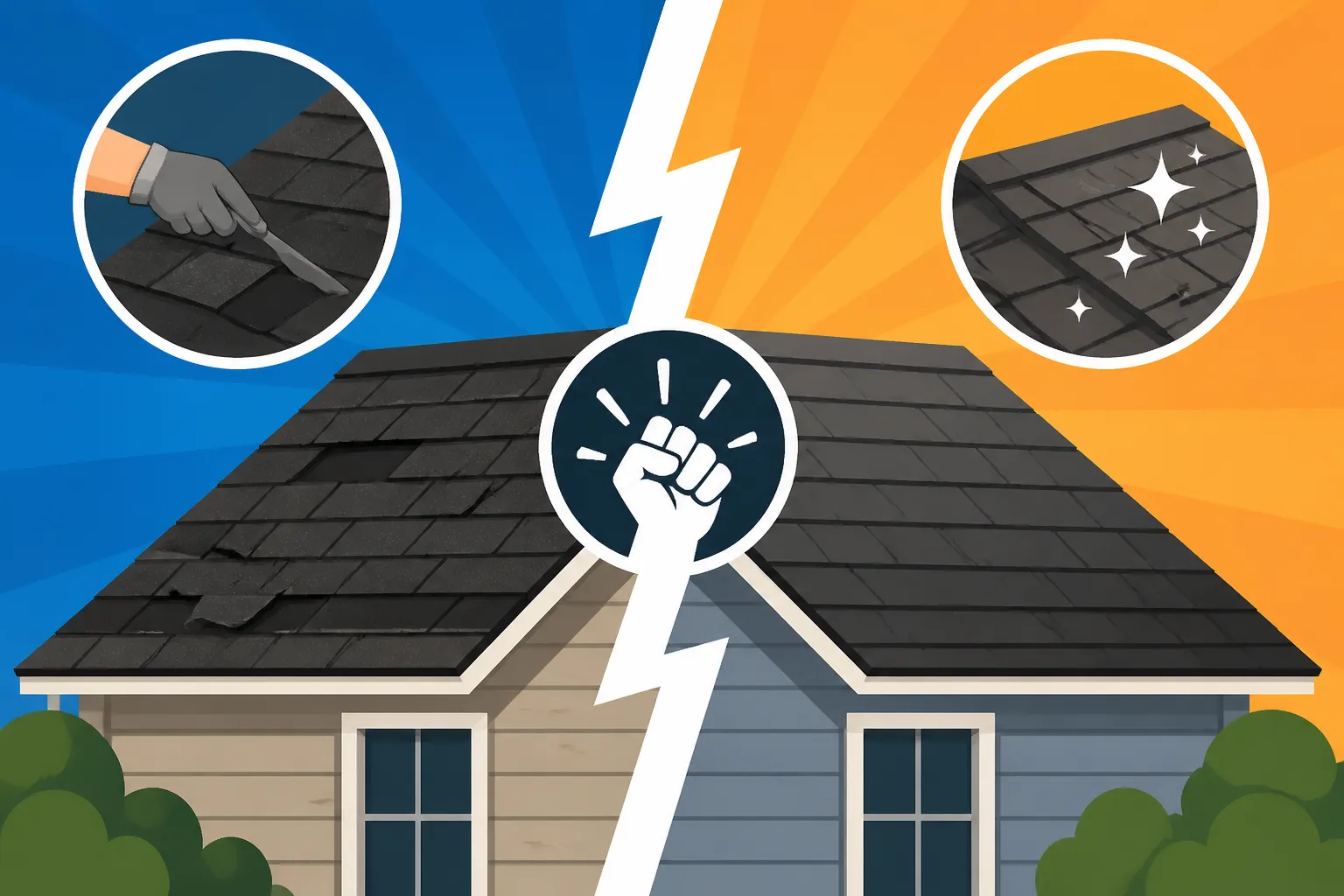
It can feel overwhelming when you own an older home and start noticing issues with your roof. You love the character, the history, maybe even the creaks, but when it comes to the roof, a nagging question often surfaces: do I fix this small problem, or is it time to bite the bullet and replace the entire thing? This guide is here to walk you through that tough decision, focusing specifically on the unique challenges and considerations for asphalt roofs on older homes, helping you navigate the repair vs. replace dilemma with confidence.
Understanding the Unique Nature of Older Home Roofs
Older homes, while charming, come with their own set of quirks, and the roof is often at the top of that list. Unlike a newer build with modern materials and construction techniques, an older home's roof might have seen multiple repairs, perhaps even several layers of shingles, and its underlying structure could be showing its age. This isn't just about aesthetics; it's about the very integrity of your home.
The True Age of an Older Home's Roof
When we talk about an "older home," what does that actually mean for the roof? It's not just the age of the house itself. The roof could have been replaced five years ago, or it could be the original from the 1950s. The real question is, how long does an asphalt roof last on average? While most asphalt shingle roofs are designed to last between 20 to 30 years, that lifespan can be significantly impacted by local weather, proper installation, and maintenance. On an older home, you might encounter roofing systems that predated modern ventilation standards or were installed over existing layers, which can shorten their effective life. Many older homes, especially those built before the 1980s, might not have had the same rigorous building codes or materials we see today, leading to components like decking, flashing, or even framing that are simply less robust or have been repeatedly repaired.
Common Roofing Issues Specific to Older Homes
Beyond general wear and tear, older homes often present distinct roofing problems. You might find issues like inadequate attic ventilation, leading to premature shingle aging, mold, or ice dams in colder climates. The original roof decking might be spaced boards rather than solid plywood or OSB, which doesn't provide the solid nailing surface modern shingles require for their warranties. Old flashing around chimneys, skylights, or dormers might be corroded, failing, or simply not up to current waterproofing standards. Sometimes, older homes have unusual rooflines or steep pitches that make repairs more complex and costly. These unique characteristics mean that a simple repair might not address the root cause of an issue, making the "repair vs. replace" question even more critical.
When Repairing Your Older Roof is a Viable Option
There are certainly times when a targeted repair is the smart, economical choice for your older home's asphalt roof. It all comes down to the extent and nature of the damage. You don't want to throw money at a dying roof, but you also don't want to replace a perfectly good one prematurely.
Addressing Minor, Localized Damage
If your roof is generally in good condition and still has a significant portion of its expected lifespan left, minor issues can almost always be repaired. Think about a few missing shingles after a localized windstorm or a small leak around a vent pipe. These are often straightforward fixes. A skilled roofer can carefully remove the damaged shingles, inspect the underlayment and decking beneath, and install new ones, ensuring they blend as well as possible with the existing roof. When considering a repair, especially for these smaller issues, it's wise to get an expert opinion. A qualified contractor can assess the overall health of your roof and confirm that the issue isn't indicative of a larger, systemic problem. Tools like Modernize can help you connect with local roofing professionals who specialize in older homes and understand these nuances.
Repairing Specific Components
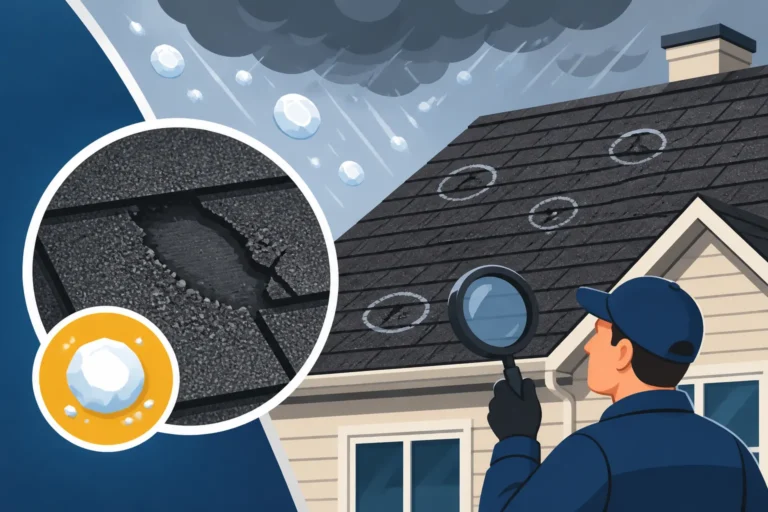
Sometimes, the problem isn't the shingles themselves but other components of the roofing system. For example, old or improperly installed flashing might be leaking, but the shingles around it are perfectly fine. Replacing just the flashing, often made of aluminum, copper, or steel, can resolve the issue without needing a full reroof. Similarly, a clogged or damaged gutter can cause water to back up and seep under the shingles, leading to a localized problem. Repairing or replacing the gutters might be the solution, not the entire roof. If you're seeing signs of roof hail damage that are limited to a specific area and haven't compromised the entire roof system, localized shingle replacement might be sufficient. This selective approach can save you a significant amount of money while extending the life of your current roof.
Weighing the Cost-Benefit of Repairs
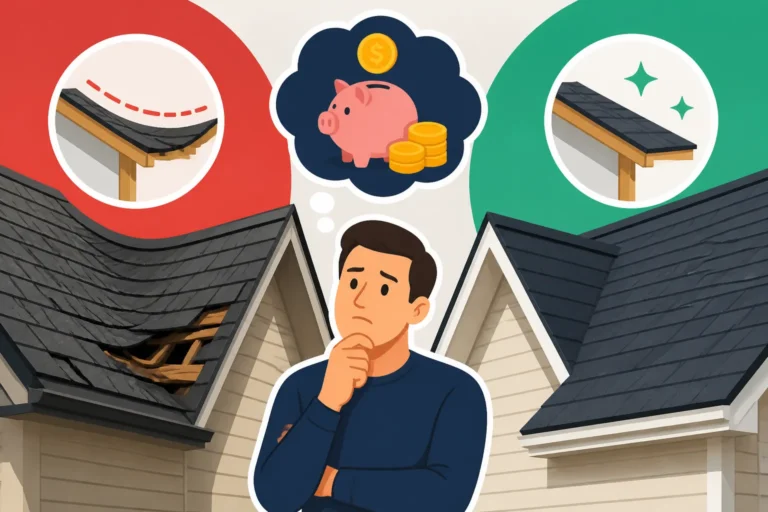
Before deciding on a repair, always consider the cost in relation to the remaining life of your roof. If your roof is already 20-25 years old and you're facing multiple, growing repair needs, pouring money into it might be a temporary band-aid. However, if your roof is only 10-15 years old and a repair addresses an isolated incident, it's usually a good investment.
Here's a quick comparison to help visualize:
| Repair Type | Typical Scenario | Pros | Cons |
|---|---|---|---|
| Missing/Damaged Shingles | Localized wind damage, tree branch impact | Lower cost, quick fix | Shingle color mismatch, recurrence if cause not fixed |
| Flashing Repair | Leak around chimney, vent, or skylight | Addresses specific leak source | Labor-intensive if complex, underlying rot might exist |
| Small Leak Patch | Isolated water spot in attic | Minimal disruption, relatively inexpensive | May not find true source, temporary fix for systemic issue |
| Ice Dam Mitigation | Repairing gutters, improving attic ventilation | Prevents future damage, improves efficiency | Can be costly if extensive structural repair needed |
Even with minor repairs, remember that labor costs can vary depending on the complexity, height, and pitch of your older home's roof. A steep roof cost premium is not uncommon. Always get a detailed estimate that breaks down material and labor costs.
When a Full Roof Replacement is the Only Sensible Option
Sometimes, the signs are clear: your older home's roof has reached the end of its functional life. While the thought of a full roof replacement can be daunting, especially when considering the average roof replacement cost this year, it's often the most cost-effective and structurally sound decision in the long run. Trying to perpetually repair a failing roof is like continually patching old tires; eventually, you need a new set.
Extensive or Widespread Damage
If your roof exhibits widespread damage, a full replacement becomes unavoidable. This isn't just about a few missing shingles; it's about significant granule loss across many shingles, curling shingles, cracked shingles, or blistering shingles that indicate the asphalt is drying out and losing its protective qualities. These are often signs of roof age and material degradation rather than isolated incidents.
For instance, if you live in a region prone to severe weather, signs of roof hail damage or signs of roof wind damage might be so extensive that the entire roof's integrity is compromised. Even if there are no obvious leaks yet, a compromised roof means it's only a matter of time. You'll also want to consider if you're dealing with multiple layers of old shingles. While some areas allow two layers, most building codes and roofing experts recommend a full tear-off to ensure a proper installation and to inspect the roof deck underneath. Continuing to add layers on an old, compromised deck can lead to structural problems down the line.
Beyond Expected Lifespan
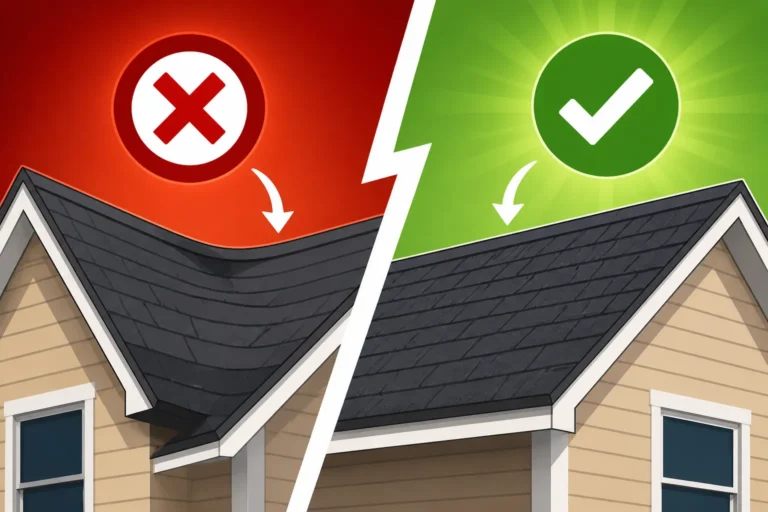
The most straightforward indicator for replacement is age. If your asphalt roof is pushing 25-30 years old, or even older, it's likely beyond its expected lifespan, regardless of its visible condition. Even if it looks "okay" from the ground, the protective granules might be largely gone, and the shingles could be brittle and susceptible to leaks. You might notice sagging in areas, which could point to issues with the underlying roof decking or even the support structure. At this stage, trying to repair minor issues is often a wasted effort, as new problems will likely surface shortly after the last repair. Planning for a roof replacement based on age is a proactive approach that saves you from emergency replacements during a major storm, which can be far more expensive and stressful. Many homeowners begin to plan for replacement when their roof is around 20 years old, actively monitoring it and setting aside funds. You can find more insights on roof age when to start planning replacement to guide your timeline.
Investing in Long-Term Value and Protection
Replacing your roof is a significant investment, but it's one that adds immense value and protection to your older home. A new roof, properly installed with modern materials, provides superior weather resistance, energy efficiency, and curb appeal. It also often comes with robust manufacturer and workmanship warranties, giving you peace of mind for decades to come. Modern asphalt shingles, like those from GAF, Owens Corning, or CertainTeed, offer advanced features such as algae resistance, impact resistance, and enhanced wind protection, which might not have been available when your original roof was installed. Using a service like Modernize can help you find certified contractors who offer these advanced products and provide you with comprehensive estimates. A new roof can also positively impact your home's resale value and even potentially lower your homeowner's insurance premiums, especially if you upgrade to a Class 4 impact-resistant shingle. This long-term perspective is crucial for older homes, where a solid roof ensures the longevity of the entire structure.
Making the Best Decision for Your Older Home
Deciding whether to repair or replace your older home's asphalt roof is a big step, but with the right information and approach, you can make a choice that protects your investment and provides peace of mind.
Getting a Professional Assessment
The absolute first step is to get multiple, thorough assessments from reputable roofing contractors. Don't rely on a quick glance from the ground. A good contractor will perform a detailed roof damage assessment, looking at the shingles, flashing, gutters, and importantly, inspecting the attic for signs of leaks, wood rot, or ventilation issues. They should be able to clearly explain what they find, show you photos, and provide options for both repair and replacement, along with detailed estimates for each. When getting quotes, make sure they are comprehensive and cover all potential costs, including the cost of roof tear-off and disposal of old materials, any necessary roof decking replacement cost, and the installation of a complete roofing system, including underlayment, flashing, and ventilation. This holistic approach is especially important for older homes where hidden issues might exist.
Financial Considerations and Budgeting
The financial aspect is often the biggest hurdle. A repair might cost a few hundred to a couple of thousand dollars, while a full replacement can range from $10,000 to $30,000 or more, depending on your home's size, roof complexity, and material choices. This is where understanding how to budget for a new roof becomes critical. Explore options like home equity loans, personal loans, or even specialized roof financing options explained offered by roofing companies. If your damage is sudden and severe, like from a major storm, remember to check if does insurance cover roof replacement for your specific situation. Many homeowners start saving for a roof replacement years in advance, understanding it's an inevitable maintenance cost. Don't let cost paralyze you; consider the long-term savings in avoided repairs and increased energy efficiency.
Finding the Right Contractor for Older Homes
Hiring the right roofing contractor is paramount, especially for an older home. You need someone experienced with older construction, who understands historical considerations, and who is meticulous in their work. Don't just go with the cheapest bid. Look for licensed and insured roofers with strong local references and a track record of quality workmanship. Ask them specific questions about their experience with homes similar to yours. Are they familiar with older decking materials? Do they recommend specific solutions for improving attic ventilation in historical structures? A reputable company will provide a detailed contract, clear communication, and be transparent about their process. You can use platforms like Modernize to get quotes from vetted local contractors who are often well-versed in the specific needs of older properties, ensuring you don't fall victim to roofing contractor red flags to avoid.
Ultimately, the decision to repair or replace your older home's asphalt roof is a deeply personal one, weighing current costs against future benefits and your long-term plans for the property. By understanding the unique aspects of older roofs, getting professional advice, and carefully considering your financial situation, you can make the best choice to keep your beloved home safe and dry for years to come.
Disclaimer
Please remember that this information is for general guidance only. Every home and roofing situation is unique. Always consult with qualified and licensed roofing professionals for a thorough inspection and personalized recommendations tailored to your specific property and local building codes.