Sagging: Repair or Replace
There are few things more disheartening as a homeowner than looking up at your roof and noticing an unwelcome sag. It's not just an eyesore; it's often a gnawing worry that something much more serious is happening underneath. That dip or curve in your roofline can quickly send your mind spiraling with questions about structural integrity, potential leaks, and, of course, the dreaded cost. This guide is here to help you understand what might be causing that sagging, how to assess its severity, and, most importantly, whether you're looking at a straightforward repair or the bigger project of a full roof replacement.
Understanding What Causes a Sagging Roof
A roof doesn't just decide to sag on a whim. There's always an underlying reason, and understanding that reason is the first step toward finding the right solution. It could be something gradual that's been developing over years, or it could be the result of a sudden event. Let's delve into the most common culprits.
Structural Issues and Framing Problems
Sometimes, the problem isn't with the roofing materials themselves, but with the bones of your home. Your roof's framework—the rafters, trusses, and support beams—is designed to bear the weight of the roof deck and shingles, plus anything Mother Nature throws its way, like snow and wind. If this framework isn't up to snuff, you're going to see issues.
For instance, if your house is older, it might have been built to less stringent building codes than today's standards. Or perhaps, during a past renovation, a load-bearing wall was altered without proper support added to the roof structure above. Undersized rafters, poorly spaced trusses, or even incorrect fastening can all contribute to the roof's inability to maintain its intended flat or sloped plane. Imagine your roof as a sturdy shelf; if the supports underneath are too weak or too far apart, the middle will inevitably begin to bow. This is especially true in areas prone to heavy snow loads, where the cumulative weight season after season can slowly but surely overcome an insufficient structure.
Water Damage and Rotting Roof Decking
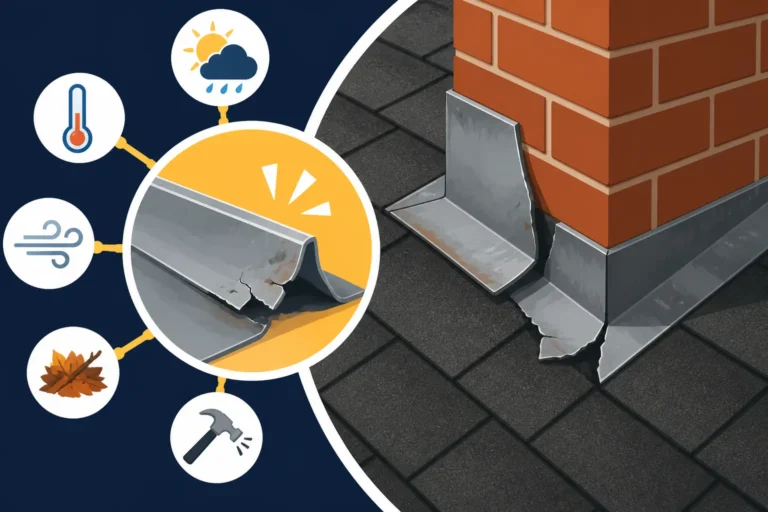
Water is the silent destroyer, and when it comes to your roof, it can cause immense damage before you even notice a drip inside your home. Leaks, whether from damaged shingles, improperly installed flashing around chimneys or vent pipes, or ice dams, can seep into the roof decking. The decking, typically made of plywood or OSB, provides the base for your shingles and helps distribute the load across the structural framework.
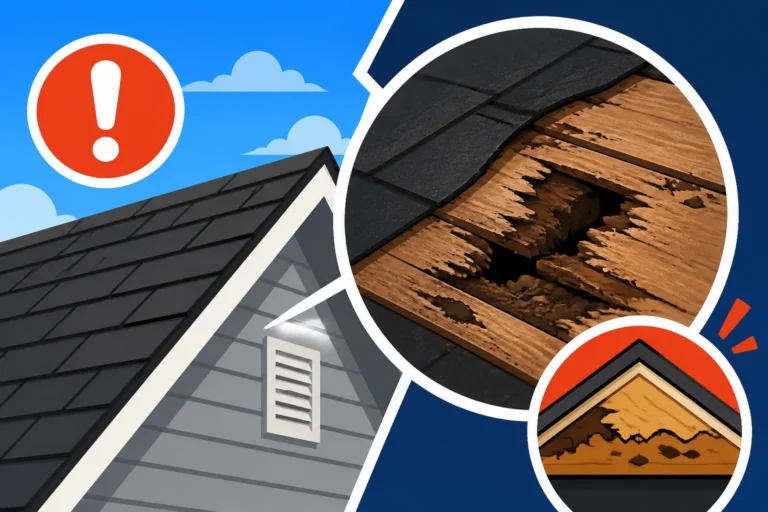
When this decking gets wet repeatedly or remains saturated for an extended period, it begins to rot. Rotting wood loses its strength and integrity, becoming spongy and unable to hold fasteners or support weight. This localized weakening often manifests as a sag. Think of trying to stand on a piece of wet cardboard; it simply can't hold you. A slow, undetected leak around a vent pipe could lead to a small, localized sag, while a larger, more pervasive leak could compromise an entire section of your roof deck. This can be particularly frustrating because the sag itself might be the first visible sign of a problem that has been brewing unseen for months or even years. This kind of damage often necessitates a closer look at the Roof Decking Replacement Cost.
Excessive Weight and Snow Load
Our roofs are designed to hold a significant amount of weight, but there are limits. One of the most common ways homeowners unknowingly add excessive weight is by "roofing over" existing shingles. While a single overlay is sometimes permitted, having multiple layers—three or more—adds substantial dead weight that the original framing might not have been designed to handle. Each layer of asphalt shingles can weigh several pounds per square foot, and over time, this extra burden can stress rafters and trusses, leading to a noticeable sag. You can learn more about How Many Layers of Shingles Are Legal in your area.
Beyond extra shingle layers, consider heavy snowfall. In regions like Colorado or parts of the Midwest, prolonged periods of heavy snow can place an immense, concentrated load on your roof. While modern roofs are built to withstand typical snow loads, an unusually severe winter or a structurally compromised roof can struggle. Similarly, some homeowners opt for rooftop additions like solar panels or heavy HVAC units. While these are usually installed with structural considerations, if not properly planned and reinforced, they can also contribute to localized or general sagging over time.
How to Assess the Severity of Roof Sagging
Once you've spotted a sag, the immediate next step is to figure out just how bad it is. This isn't just about aesthetics; it's about structural integrity and safety. While a professional inspection is always recommended, there are steps you can take to get a preliminary understanding.
Visual Inspection: Interior and Exterior Clues
Start by observing your roof from the outside, preferably from a distance where you can see the entire roofline. Look for:
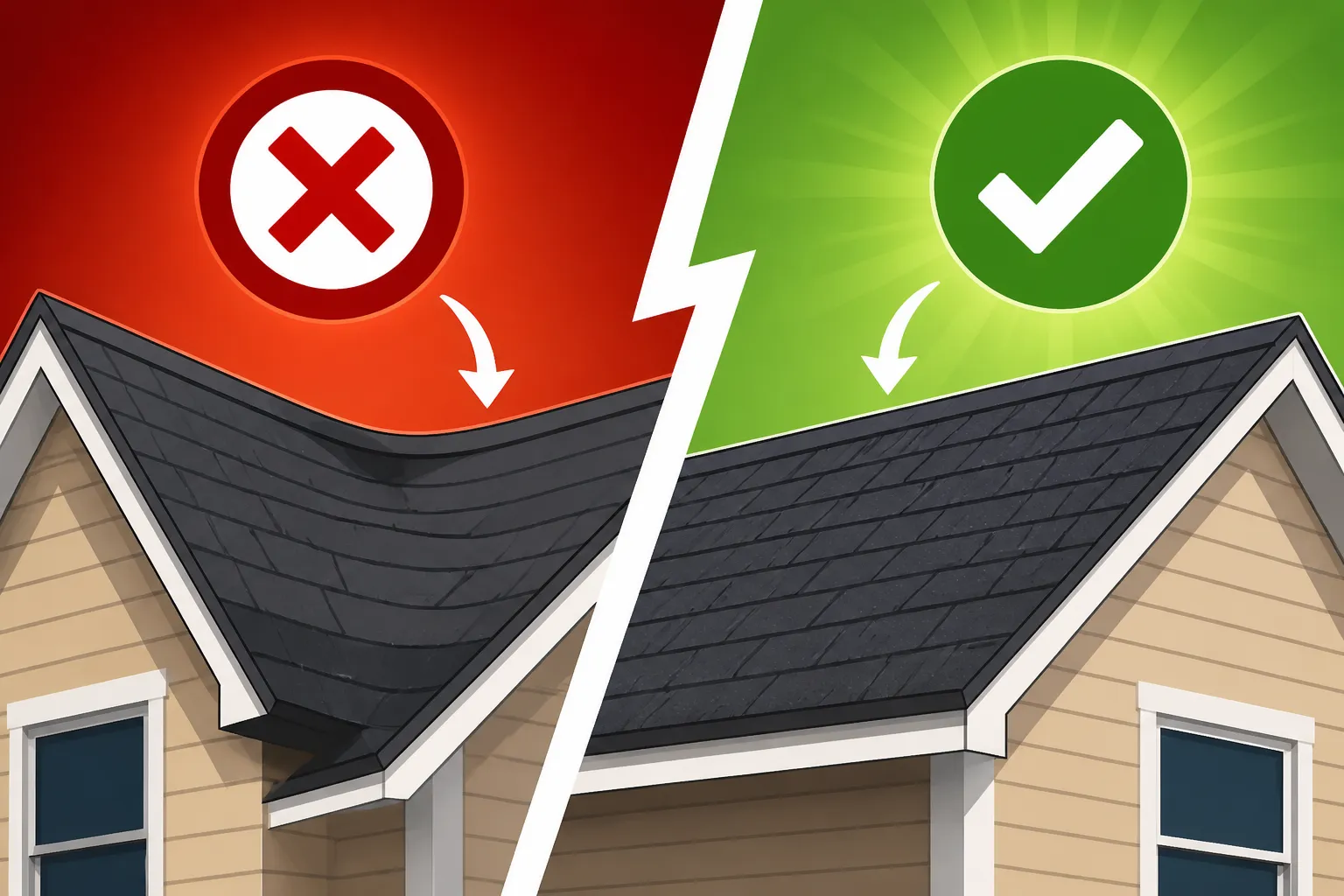
- The Ridge Line: Is it perfectly straight and level, or does it dip in the middle or at one end? A crooked ridge is a strong indicator of structural problems.
- Valleys and Hips: These are critical areas where different roof planes meet. Are they straight, or do they appear sunken or wavy?
- Roof Planes: Look at the large, flat sections of your roof. Do they appear uniformly flat, or are there noticeable dips, undulations, or low spots where water might collect?
- Gable Ends: If you have gables, stand at one end of the house and look down the roof plane. You might be able to spot an unevenness more clearly this way.
Now, if it's safe and you're comfortable, venture into your attic. This is where you'll find the most critical clues:
- Rafters and Trusses: Look for any signs of bowing, cracking, splitting, or dislodgement in the wooden framing members. Are they pulling away from the ridge beam or exterior walls?
- Roof Decking: Examine the underside of the plywood or OSB. Are there any water stains, dark spots, mold growth, or areas where the wood appears soft or spongy? Can you see daylight through any cracks or gaps?
- Insulation: Is the insulation wet, compressed, or falling out of place? This could be a sign of past or present leaks.
- Fasteners: Are the nails or screws holding the decking to the rafters rusting or pulling out?
Remember, safety first! If you're uncomfortable in the attic or on a ladder, or if you suspect significant structural damage, leave it to the professionals.
Professional Roof Inspection
While your visual inspection can give you a good starting point, nothing beats a thorough assessment by a qualified and experienced roofing contractor. They have the expertise, the tools, and the safety equipment to properly evaluate the extent of the sagging and its underlying causes.
A professional will not only re-examine all the points you looked at but will also:
- Measure Roof Pitch and Sag: They can use specialized tools to accurately measure the roof's slope and quantify any deviations from a straight line.
- Check for Code Compliance: They'll know local building codes and can identify if the original construction or previous repairs meet current standards, especially concerning structural elements and load-bearing capacity.
- Assess Material Condition: Beyond just the sag, they'll check the overall condition of your shingles, underlayment, flashing, and ventilation to identify all contributing factors.
- Evaluate Moisture Intrusion: They might use moisture meters to detect hidden dampness in the decking or framing that isn't visible to the naked eye.
When seeking a professional, it's wise to use a service like Modernize to find reputable, local contractors who are licensed and insured. Asking the right Questions to Ask a Roofing Contractor Before Hiring can make all the difference.
Distinguishing Between Aesthetic and Structural Sagging
It's important to understand that not all dips in a roof are created equal. Sometimes, what looks like a sag might be more of an aesthetic issue rather than a full-blown structural crisis.
- Aesthetic Undulations: Minor waves or slight unevenness, especially in older homes, can sometimes be due to slight variations in original construction or minor settling over decades. If there's no evidence of water damage, rotting wood, or compromised framing members, and the roof is performing well, these might be mostly cosmetic. They're still worth monitoring, but might not require immediate, drastic action.
- Structural Sagging: This is the more serious scenario. If the sag is pronounced, continues to worsen, or is accompanied by interior signs like widespread water stains, visible bowing of rafters, or cracks in interior ceilings/walls, it's a structural problem. This type of sag indicates that the roof structure is under excessive stress and could potentially fail, posing a significant safety risk. It will also severely impact your home's value and curb appeal, and make it difficult to sell down the line.
The key distinction lies in the underlying cause and the rate of progression. A slowly developing, minor undulation without other issues is less urgent than a rapidly worsening, significant dip with evidence of structural distress.
When to Repair a Sagging Roof
Deciding to repair a sagging roof rather than replacing it entirely hinges on the severity and localization of the damage. For minor issues, a targeted repair can be a cost-effective solution.
Minor, Localized Issues
If the sagging is confined to a small area and is clearly caused by a singular, identifiable issue, repair might be your best bet.
For example, a small section of roof decking might have rotted due to an isolated leak around a single pipe vent. If the leak has been caught early, and the surrounding rafters and broader roof structure are sound, a contractor can cut out and replace the damaged plywood or OSB. This is often done in conjunction with fixing the original leak source, installing new underlayment, and replacing the affected shingles. The key here is localized damage.
Similarly, if a single rafter or a small portion of a truss has suffered minimal damage, perhaps from insect activity or a small manufacturing defect, it might be possible for a skilled carpenter or roofer to reinforce or sister the damaged member. "Sistering" involves attaching a new piece of lumber of the same size alongside the compromised one, essentially giving it double the strength. This type of repair requires a careful structural assessment to ensure the fix will be adequate and that the root cause (e.g., persistent moisture) has been fully addressed.
Addressing the Root Cause Effectively
The golden rule of repairing a sagging roof is that you must address why it sagged in the first place, not just patch over the symptom. Simply replacing shingles over a sagging, rotted deck without fixing the underlying rot or structural weakness is a recipe for disaster and will lead to the sag reappearing, often worse than before.
If the issue was a persistent leak, the repair must include not just replacing the damaged decking and shingles, but also sealing the leak completely. This could involve new flashing, proper sealing around penetrations, or even upgrading your underlayment. If the sag was due to poor ventilation causing moisture buildup, the repair might include improving attic airflow by adding a Cost of Ridge Vent Installation or soffit vents.
Considering the age of your roof is also crucial. If your asphalt shingle roof is already nearing the end of its typical lifespan (say, 20-25 years), even minor localized repairs might be a temporary Band-Aid solution. The rest of the roof might soon start showing its age, leading to more repairs down the line. In such cases, while a repair addresses the immediate sag, it might not be the most economical long-term decision.
When to Replace a Sagging Roof
Sometimes, a repair just isn't enough. When the damage is extensive, pervasive, or indicative of systemic failure, a full roof replacement becomes the only sensible and safe option.
Widespread Structural Damage
If your professional inspection reveals that multiple rafters are bowed, several sections of roof decking are extensively rotted, or the sag covers a significant portion of your roof, you're likely looking at a full replacement. This goes beyond a localized fix. Widespread structural damage suggests that the entire roof system, or at least a large portion of it, has been compromised. Trying to patch individual spots would be like trying to fix a crumbling foundation one brick at a time – ineffective and ultimately unsafe.
In such cases, a complete tear-off is necessary to remove all existing materials down to the structural framing. This allows contractors to fully assess the integrity of the rafters and trusses, repair or replace any damaged structural components, and install a brand-new, robust roof deck. A full replacement ensures that the underlying support system is sound before any new roofing materials are applied, providing a safe and long-lasting solution. Ignoring widespread structural issues can lead to significant safety hazards, including the risk of partial or even full roof collapse, especially under heavy snow loads or strong winds.
Multiple Layers of Shingles
We touched on this earlier, but it's worth reiterating. If your sagging roof also has two or more layers of existing asphalt shingles, this is a strong indicator that a full replacement (specifically a tear-off) is necessary. The combined weight of multiple shingle layers often contributes to or exacerbates sagging by stressing the original framing.
Moreover, roofing over existing shingles prevents proper inspection of the roof deck. You can't see if the plywood underneath is rotting or damaged if it's covered by old shingle layers. A full Cost of Roof Tear-Off and Disposal ensures that all the old material is removed, allowing the contractor to thoroughly inspect the roof deck for rot, damage, or structural issues. Any compromised decking can then be replaced, and a fresh, single layer of new underlayment and shingles can be installed, reducing the overall weight and ensuring proper adhesion and performance of your new roof system. This is often the best path to long-term roof health.
Age and Overall Condition of the Roof
Even if the sag itself seems somewhat contained, if your asphalt shingle roof is already well past its prime – say, 25 years or older – a full replacement is usually the most prudent course of action. Asphalt shingles typically last between 20 to 30 years, depending on the type, climate, and maintenance. If your roof is at the higher end of that spectrum, or beyond it, any significant sag is likely a symptom of widespread aging and degradation, not just an isolated problem.
An old roof is prone to other issues like extensive granule loss, curling, cracking, and brittleness, all of which contribute to leaks and further structural issues. Pouring money into repairing an old, sagging roof is often like trying to fix an old car that's constantly breaking down – you might solve one problem, only for another to pop up shortly after. A new roof, installed by a certified professional through a platform like Modernize, will not only eliminate the sag but also bring your home up to modern building codes, improve energy efficiency, and provide a fresh, comprehensive manufacturer's warranty, offering peace of mind for decades to come. This is often considered one of the most important Signs You Need a New Roof.
The Repair vs. Replace Decision Factors
When faced with a sagging roof, the decision between repair and replacement is a weighty one, involving more than just the immediate fix. It impacts your finances, your family's safety, and your home's long-term value.
Cost Implications and Budgeting
Let's be realistic: a new roof is a significant investment. The How Much Does an Asphalt Shingle Roof Cost can vary widely based on your location, roof size, shingle type, and complexity. A full replacement might range from $9,000 to $25,000 or more, depending on these factors, whereas a localized repair could be a few hundred to a couple of thousand dollars.
However, it's crucial to look beyond the initial sticker price. If a repair is only a temporary fix for a fundamentally failing roof, you might end up spending more in repeated repairs over a few years than you would have on a complete replacement upfront. You also need to factor in potential Hidden Costs in a Roof Replacement, such as the cost of new roof decking if extensive rot is found. Sometimes, what seems like the cheaper option initially can become a money pit.
Budgeting for a new roof can feel overwhelming, but there are often Roof Financing Options Explained that can help make it more manageable. Weighing the immediate outlay of a repair against the long-term investment and financial stability of a replacement is key.
Safety and Structural Integrity
This is perhaps the most critical factor. A sagging roof is not just an aesthetic concern; it's a potential safety hazard. If the sag is indicative of widespread structural compromise, there's a real risk of roof collapse, especially during severe weather conditions like heavy snow, ice, or high winds.
Prioritizing the safety of your family and the integrity of your home's structure should always come first. If a professional inspection determines that the sag poses a significant structural risk, attempting a minor repair could be dangerous and irresponsible. A full replacement, handled by experienced and licensed roofers, ensures that your home is safe and sound for years to come. They will ensure all aspects of How a Roof Replacement Works: The Full Process are handled correctly, from tear-off to final inspection.
Resale Value and Curb Appeal
Your roof is one of the first things people notice about your home, and a visible sag sends a clear, negative message. For potential buyers, it's a major red flag, suggesting deeper structural problems and significant future expenses. Even if you're not planning to sell immediately, a sagging roof detracts from your home's curb appeal and can make it difficult to refinance or obtain certain insurance coverages.
On the flip side, a new, structurally sound roof significantly enhances your home's resale value and curb appeal. It signals to buyers that the home is well-maintained and free from major structural concerns. While you might not recoup 100% of the Is an Asphalt Shingle Roof Worth the Money upfront, the peace of mind, improved safety, and boosted marketability make a strong case for replacement over a questionable repair. Many homeowners find that a new roof is one of the most impactful upgrades when it's time to put their house on the market.
Here's a quick comparison to help you decide:
| Feature | Repair | Replace |
|---|---|---|
| Cost (Initial) | Generally lower, few hundred to few thousand dollars | Significantly higher, several thousand dollars |
| Scope of Work | Localized, targets specific area of damage (e.g., small deck section, one rafter) | Full tear-off, new decking, underlayment, shingles, and possibly structural reinforcements |
| Damage Severity | Minor, isolated rot; single bowed rafter; limited area of concern | Widespread rot; multiple compromised rafters/trusses; sag across large areas |
| Roof Age | Newer roofs (under 15 years) where remaining roof is in good condition | Older roofs (20+ years) or roofs nearing end of life |
| Warranty | May not extend to the entire roof; repair warranty is limited | Comprehensive manufacturer and workmanship warranties for entire roof |
| Longevity | Short to medium-term solution; may require future repairs | Long-term solution (20-30+ years) |
| Home Value | Maintains value, but visible sag may still be a deterrent | Significantly boosts curb appeal and resale value |
| Safety | Safe if damage is truly minor and localized | Restores full structural integrity and safety |
| Permits | Less likely for minor repairs, but check local codes | Almost always required for a full replacement |
Ultimately, seeing a sag in your roof is a clear signal that something needs attention. While the idea of a full replacement can be daunting, especially when thinking about the Cost to Replace a Roof by House Size, it's important to remember that it's an investment in your home's structural health and your family's safety. Don't let the initial shock lead you to an inadequate solution. Seek out multiple estimates from reputable, local roofing professionals, perhaps even certified by major manufacturers like GAF or Owens Corning, who can provide a thorough assessment and recommend the best course of action.
Disclaimer
The information provided in this article is intended for general guidance and informational purposes only, and does not constitute professional advice. Roofing work can be dangerous and complex. Always consult with a qualified and licensed roofing contractor or structural engineer for specific assessments, recommendations, and services related to your home's roof and structure.