Blistering: Repair or Replace
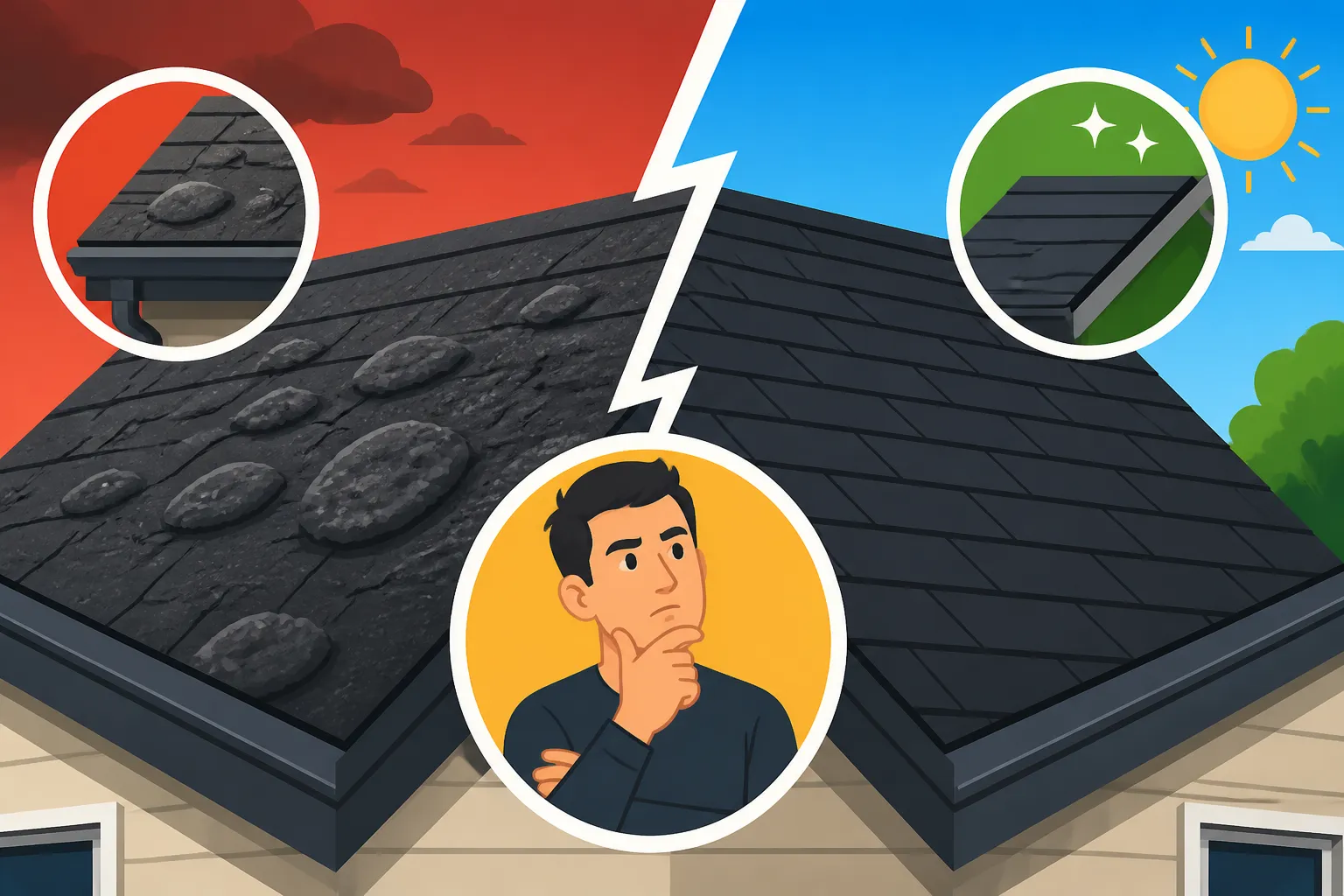
Oh, seeing blisters on your asphalt roof can be truly disheartening. You look up and notice those weird little bumps, almost like tiny bubbles forming on your shingles, and your heart sinks a little, wondering if your whole roof is about to give out. It’s a common concern, and frankly, a bit unsettling when you realize your roof is supposed to be your home’s primary shield. This guide is here to unravel the mystery of shingle blistering, explain why it happens, and most importantly, help you figure out if it’s a minor cosmetic nuisance or a looming sign that it’s time for a serious repair or even a full replacement.
What Exactly Are Roof Blisters and Why Do They Appear?
When you spot those unusual raised areas on your shingles, it's often confusing to know what you're even looking at. Are they bubbles? Are they soft spots? Understanding what a blister is at its core, and more importantly, why it forms, is the first step toward deciding on a course of action for your asphalt roofing.
The Anatomy of a Blister
Think of a blister on your roof much like a blister on your skin: it’s a raised pocket, but instead of fluid, it’s usually trapped air or moisture. Asphalt shingles are layered products, typically consisting of a fiberglass mat base, a coating of asphalt, and a top layer of ceramic granules that provide UV protection and color. A blister forms when moisture or volatile gases get trapped within or beneath the asphalt layer of the shingle during the manufacturing process or, more commonly, after installation.
These trapped pockets then expand when heated by the sun, creating the distinctive raised bump you see. They can range in size from a small pea to a quarter, and they'll feel firm or soft depending on what's inside and if they've burst. When they stay intact, they might just look unsightly. But if they pop open, they expose the raw asphalt to the elements, making your roof vulnerable. It's a critical distinction, as surface-level aesthetic issues are far less concerning than those that compromise the shingle's protective layer. To truly grasp the implications, it helps to understand the full picture of your "Roof Anatomy: Parts of an Asphalt Shingle Roof" and how each component plays a role in its overall integrity.
Common Causes of Shingle Blistering
Blistering isn't usually a random occurrence; there are specific culprits behind it. Pinpointing the cause can give you a better idea of the severity and recurrence potential.
One of the most frequent reasons for blistering is poor ventilation in the attic. When your attic doesn't have adequate airflow, heat gets trapped, building up to extreme temperatures, especially during hot summer months. This intense heat beneath the roof deck can essentially "cook" the underside of your shingles, causing moisture within the asphalt to vaporize and expand, pushing outwards and forming blisters. It's a slow but destructive process that can significantly shorten your roof's lifespan. You can dive deeper into how proper airflow mitigates this in our guide on "How Roof Ventilation Works".
Another major factor is high heat and UV exposure. Even with good attic ventilation, relentless sun exposure can cause the asphalt in the shingles to soften and release volatile compounds. These gases, if trapped, will expand and create blisters. This is why you often see more blistering on south-facing roof slopes, which get the most direct sun throughout the day. Older shingles are particularly susceptible, as their asphalt binders become more brittle and less resilient over time.
While less common with today's manufacturing standards, manufacturing defects can occasionally play a role. If tiny air pockets or excessive moisture were incorporated into the asphalt mixture during production, these weaknesses can manifest as blisters once the shingles are exposed to heat. Reputable brands like GAF, Owens Corning, and CertainTeed have stringent quality controls to minimize this, but no process is entirely foolproof.
Finally, improper installation can contribute. If shingles are installed over a wet roof deck or in conditions where moisture is present between shingle layers, that trapped moisture has nowhere to go but out, eventually forming blisters. This highlights why choosing an experienced and meticulous roofing contractor is so important. These underlying issues are part of what makes shingles fail early, often leading to bigger problems down the line.
Assessing the Severity: When Blisters Are Just a Cosmetic Issue
It’s easy to panic when you first spot blisters, imagining the worst-case scenario. However, not every blister is a death knell for your roof. Many times, especially with newer or mid-life roofs, blistering can be primarily a cosmetic concern that doesn't immediately threaten your home's protection.
Surface Blisters vs. Granule Loss
The key to understanding if a blister is purely cosmetic lies in its integrity and the condition of the granules surrounding it. A surface blister is generally a small, raised bubble where the top layer of granules is still fully intact, or perhaps only a few granules have been shed directly from the top of the bubble itself. The asphalt layer beneath is not exposed to the elements. These are often superficial and can be caused by minimal trapped gasses. The shingle's waterproof membrane remains unbroken.
On the other hand, a blister that has ruptured or is accompanied by significant, widespread granule loss is a different story. Granules are your roof’s first line of defense against harmful UV rays and weather erosion. If blisters have burst, exposing the underlying asphalt, or if entire areas around the blisters are bald from granule shedding, then the shingle’s protective qualities are compromised. The exposed asphalt will degrade rapidly from UV exposure, leading to cracking, drying, and eventual leaks. So, while a handful of small, unopened blisters might just be an aesthetic imperfection, widespread granule loss from these blemishes is a serious indicator that your roof is losing its ability to protect your home. It’s crucial to understand the implications of granule loss and how to determine if it’s a major concern.
Factors to Consider for Minor Blistering
When you find minor, intact blistering, a few factors can help you determine if it's truly just a cosmetic issue or if it's hinting at something more.
First, the age of your roof is a big one. If you have a relatively new roof, say under 10 years old, and you're seeing minor blistering, it's worth investigating the attic ventilation. This could be an early warning sign that your attic is overheating, which needs to be addressed sooner rather than later to prevent further damage. However, if your roof is older, perhaps 15-20 years into its lifespan, some minor blistering might just be a natural part of the aging process, especially on the most sun-drenched slopes. Keep in mind that "How long asphalt shingles last" can vary greatly depending on material quality, climate, and maintenance.
Next, consider the extent of the blistering. A few isolated blisters here and there, especially on one specific slope, are far less alarming than widespread blistering across multiple sections of your roof. If it's isolated, it might simply be a quirk of a particular shingle or a localized hot spot. If it's everywhere, it points to a systemic issue like inadequate overall ventilation.
Finally, think about past repairs or specific incidents. Has that section of the roof been walked on excessively? Was there a recent repair where moisture might have been trapped? Sometimes localized blistering can be traced back to a specific event. For instance, if you had satellite dishes installed or chimney work done, and proper care wasn't taken, it might lead to localized issues. If these factors suggest minimal immediate risk, you might have some time before needing major interventions, but regular monitoring is still essential.
When Blistering Signals a Bigger Problem: Time for Repair or Replacement
While some blistering can be purely cosmetic, there often comes a point when those little bumps turn into real problems, demanding immediate attention. Recognizing these critical signs is vital for protecting your home.
Signs That Blisters Are More Than Cosmetic
The moment blisters on your roof graduate from being a cosmetic nuisance to a structural concern is when they rupture. An open or popped blister exposes the raw asphalt layer of the shingle to the elements. Without the protective ceramic granules, this asphalt quickly dries out, becomes brittle, and deteriorates from UV radiation, hail, and rain. This directly compromises the shingle's waterproofing capabilities and accelerates its breakdown. You'll often see distinct dark spots where the asphalt is exposed, sometimes even appearing shiny if it's recently ruptured.
Another major red flag is significant granule loss specifically around and from the blisters. If you notice bald spots on your shingles, especially concentrated in areas with blistering, it means the shingle is losing its primary defense against the sun's damaging rays and physical erosion. These areas will age much faster than the rest of the roof, leading to premature cracking and leaks. Check your gutters for an accumulation of granules, which can be a tell-tale sign of this issue.
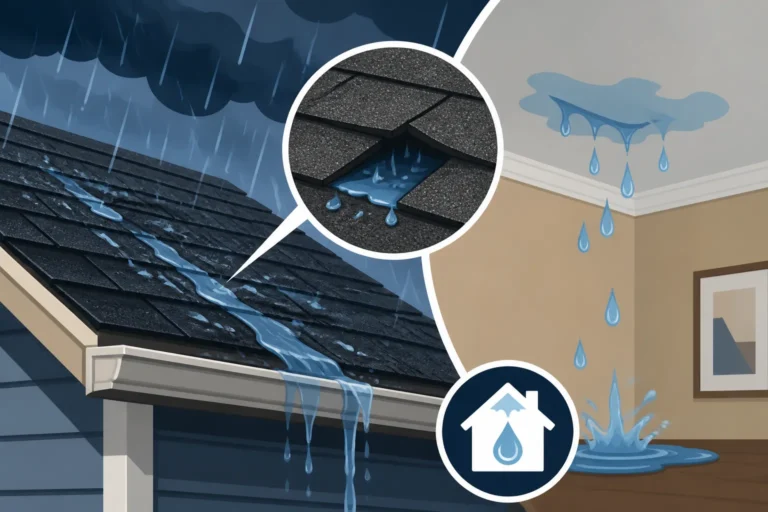
Furthermore, if blistering is accompanied by other signs of significant roof damage, such as widespread cracking, severe curling, or soft spots on your roof deck (which indicate underlying moisture damage to the wood), it's a strong indication that your roof's overall health is failing. Blistering in conjunction with these issues isn't an isolated problem but rather part of a larger, systemic deterioration. Ultimately, any sign of leaks inside your home – water stains on your ceiling, damp insulation in your attic – is the definitive sign that your roof's integrity has been compromised. If you're seeing any of these issues, it's time to act, as these are clear "Signs You Need a New Roof".
Repairing Localized Blister Damage
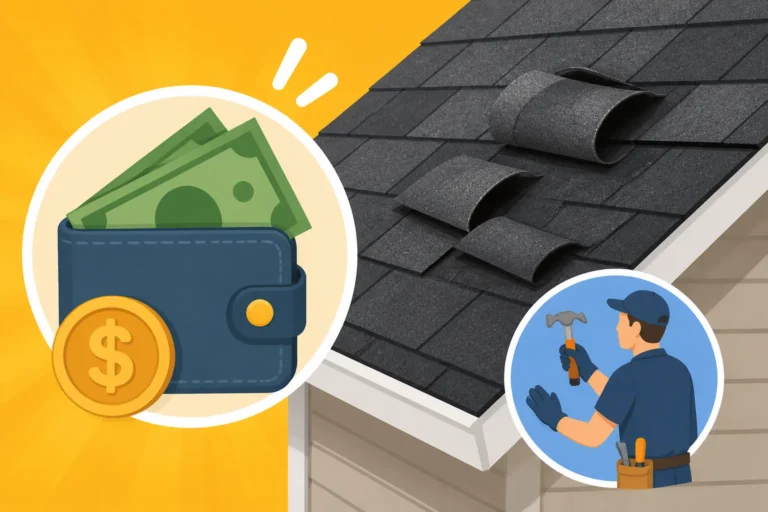
If your blistering is confined to a small, localized area and the rest of your roof is in good condition and not too old, targeted repairs can definitely be an option. This is usually the case for minor storm damage or a single compromised area, rather than widespread issues across the entire roof.
The typical repair process involves carefully dealing with the affected shingles. If a blister has ruptured and exposed the felt, or if the shingle is severely damaged, a professional roofer might remove and replace the individual shingle. This requires skill, as prying up an old shingle without damaging the surrounding ones, especially in colder weather, can be tricky. They'll use a pry bar to gently lift the tabs of overlying shingles, remove the fasteners from the damaged shingle, and slide a new one into place, securing it with new roofing nails and applying a sealant. If the blister is intact but problematic, sometimes a small slit can be made to release the trapped gas, followed by careful sealing and granule application.
It's important to remember that finding a perfect match for older shingles can be challenging due to weathering and discontinuation of colors or styles. A slight color variation might be noticeable, but it’s often a small price to pay to avoid a full replacement if the rest of the roof is sound. Engaging with an experienced local roofer is crucial for these kinds of repairs, as they can assess whether patching is truly viable or if the problem is more extensive. The "Cost to Fix Missing Shingles" is usually a good benchmark for what you might expect for this type of localized repair.
Replacing the Roof Due to Widespread Blistering
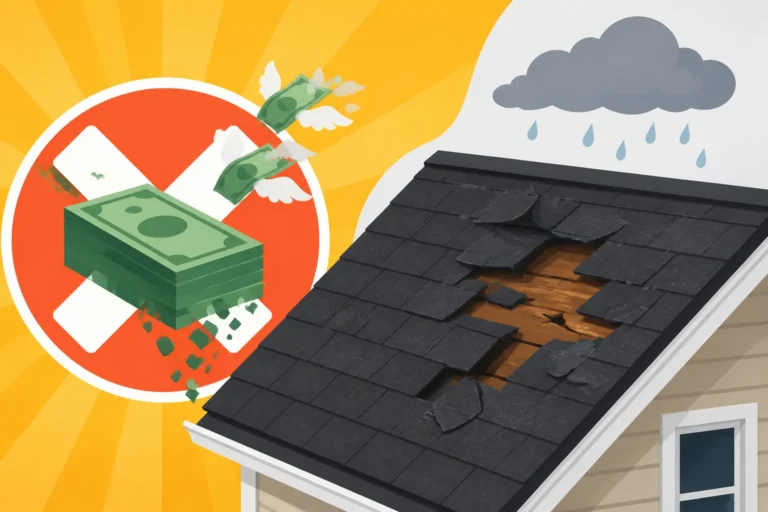
When blistering isn't just a few isolated bumps but a widespread issue across large sections of your roof, especially if accompanied by ruptured blisters, extensive granule loss, and other signs of severe aging like cracking and curling, then a full roof replacement becomes the most pragmatic and necessary solution. It's not just about aesthetics at this point; it's about the complete failure of the roofing system to protect your home.
Trying to patch countless areas or repeatedly repair failing sections becomes a money pit. The entire roof structure is likely compromised, meaning more problems will surface in short order. A full replacement ensures you have a brand-new, uniformly protected roof with a fresh warranty – both from the manufacturer and for the contractor's workmanship. This also gives you an opportunity to upgrade to more durable shingles, improve your attic's ventilation system, and address any underlying deck damage that might have contributed to the blistering in the first place. You can explore a detailed financial breakdown in our "Asphalt Roof Replacement Cost: Complete Breakdown" guide.
Finding a reliable roofing contractor for such a significant project is paramount. Services like Modernize can be incredibly helpful in connecting you with vetted, local professionals who can provide thorough inspections and accurate estimates. A full replacement, while a substantial investment, offers long-term peace of mind, enhances your home’s curb appeal, and significantly boosts its resale value. It's often the most cost-effective solution in the long run when facing extensive, failing blistering.
Preventing Blistering and Maintaining Your Roof's Health
An ounce of prevention is truly worth a pound of cure when it comes to your roof. Taking proactive steps can significantly reduce the risk of blistering and extend the life of your asphalt shingles.
Crucial Role of Proper Attic Ventilation
We’ve touched on it, but it bears repeating: proper attic ventilation is arguably the single most important factor in preventing shingle blistering caused by heat buildup. Your attic acts like a giant oven if it’s not properly ventilated, especially during the sweltering summer months. Heat rises and gets trapped, creating a thermal barrier beneath your roof deck. This excessive heat then radiates downwards, literally cooking your shingles from the inside out.
A well-designed attic ventilation system creates a continuous flow of air. Cool air enters through intake vents, usually located in the soffits (underneath your roof eaves), moves through the attic space, and then exhausts through vents at or near the ridge of the roof. This constant airflow whisks away hot, moist air, keeping your attic cooler and drier. When your attic temperature is closer to the outdoor temperature, the shingles are less stressed, reducing the likelihood of moisture vaporizing within the asphalt and forming blisters. If your current ventilation seems insufficient, a roofer can assess if you need more ridge vents, soffit vents, or even powered attic fans. This ensures your roof system can breathe, extending the lifespan of your shingles and preventing the premature aging that leads to issues like blistering.
Regular Inspections and Maintenance
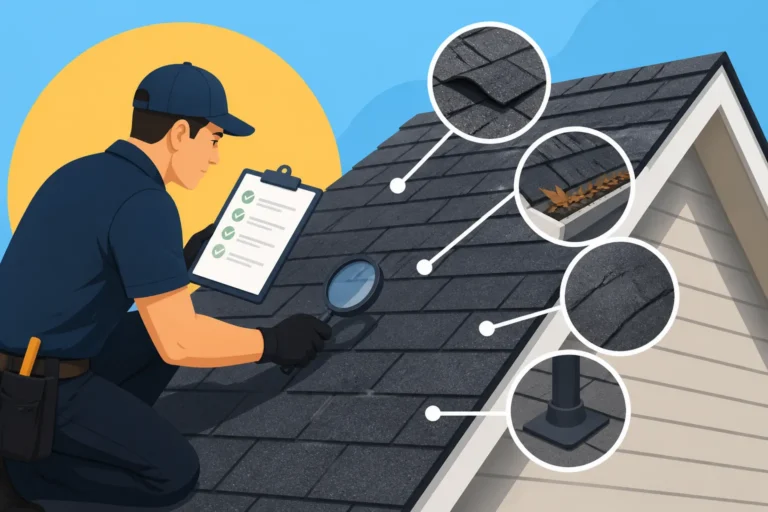
Just like visiting the doctor for a check-up, your roof benefits immensely from regular inspections. This proactive approach allows you to catch minor issues like early-stage blistering before they escalate into costly problems. I always recommend at least an annual inspection, ideally in the spring or fall when the weather is mild, and definitely after any significant storms involving strong winds or hail.
During these inspections, you or a professional should look for early signs of granule loss, curling, cracking, and, of course, blistering. Pay close attention to south-facing slopes, valleys, and areas around chimneys or vents, as these are often hot spots for damage. Checking your gutters for excessive granule accumulation can also provide clues about your roof's health. Addressing small, unopened blisters with a dab of roofing cement and new granules (if needed) can sometimes prevent them from rupturing and exposing the asphalt. Remember, a professional eye can spot things you might miss from the ground, or even from a ladder. Don't hesitate to reach out to local roofing experts; services like Modernize are excellent for finding qualified contractors in your area who can perform thorough roof inspections and "How often to inspect your roof" to ensure its longevity.
Choosing Quality Materials and Installation
The quality of your asphalt shingles and, just as crucially, the expertise of their installation, play a monumental role in their long-term performance and resistance to issues like blistering. Investing in higher-quality shingles from reputable manufacturers like Owens Corning, GAF, or CertainTeed means you're getting products engineered with better asphalt compounds and fiberglass mats, designed to withstand UV degradation and temperature fluctuations more effectively. These premium shingles often come with stronger warranties that cover manufacturing defects, giving you peace of mind.
However, even the best shingles can fail prematurely if not installed correctly. Proper installation involves following manufacturer specifications for nailing patterns, ensuring adequate overlap, and using appropriate underlayment and flashing. An inexperienced contractor might inadvertently trap moisture during installation, or improperly secure shingles, creating weak points where blisters are more likely to form. This is why vetting your roofing contractor is so important. Look for contractors who are certified by leading shingle manufacturers (e.g., GAF Master Elite, Owens Corning Platinum Preferred), as this indicates they have undergone specific training and adhere to high installation standards. Always ask for references and check reviews before making a decision. Our guide on "How to Choose a Roofing Contractor" offers extensive advice on this critical step.
By prioritizing quality materials and expert installation, coupled with diligent maintenance and proper ventilation, you’re setting your roof up for success and significantly reducing the likelihood of encountering widespread blistering issues.
Here's a quick reference to help you decide your next steps:
| Blistering Type & Severity | Accompanying Signs | Recommended Action | Key Considerations |
|---|---|---|---|
| Minor, Unopened Surface Blisters | Granules intact, no leaks, roof otherwise healthy. | Monitor closely, ensure adequate attic ventilation. | Often cosmetic. Address ventilation to prevent progression. |
| Few Ruptured Blisters | Localized granule loss, no widespread damage. | Targeted shingle repair (seal and replace affected shingles). | Feasible if roof is not too old. Hard to match shingle color perfectly. |
| Widespread Blistering | Significant granule loss, cracking, curling, leaks. | Full roof replacement. | Indicates systemic failure. Long-term cost-effective solution. Consider ventilation upgrade. |
| Blisters with Soft Spots | Sagging roof deck, interior water stains. | Immediate full roof replacement, including decking repair. | Decking is compromised by moisture. Structural integrity at risk. |
Disclaimer
Please remember that the information provided in this guide is intended for educational and informational purposes only. While we strive to offer accurate and up-to-date advice, roofing issues can be complex and are highly dependent on specific circumstances, local building codes, and individual roof conditions. We always recommend consulting with a qualified, licensed, and insured roofing professional for a thorough inspection and personalized recommendations regarding your specific roofing concerns. They can provide an accurate assessment and determine the best course of action for your home.