Insurance Depreciation on a Roof Claim
Homeownership comes with its fair share of surprises, and few are as disheartening as roof damage, especially when you're counting on your insurance to cover it. The moment you hear the term "depreciation" in relation to your roof claim, a wave of confusion and frustration can hit you. It feels like the insurance company is trying to shortchange you, and honestly, sometimes it can certainly feel that way. This guide is here to unravel the mystery of insurance depreciation on a roof claim, helping you understand how it works, what impacts it, and how you can navigate the process more effectively.
Understanding Roof Insurance and Depreciation
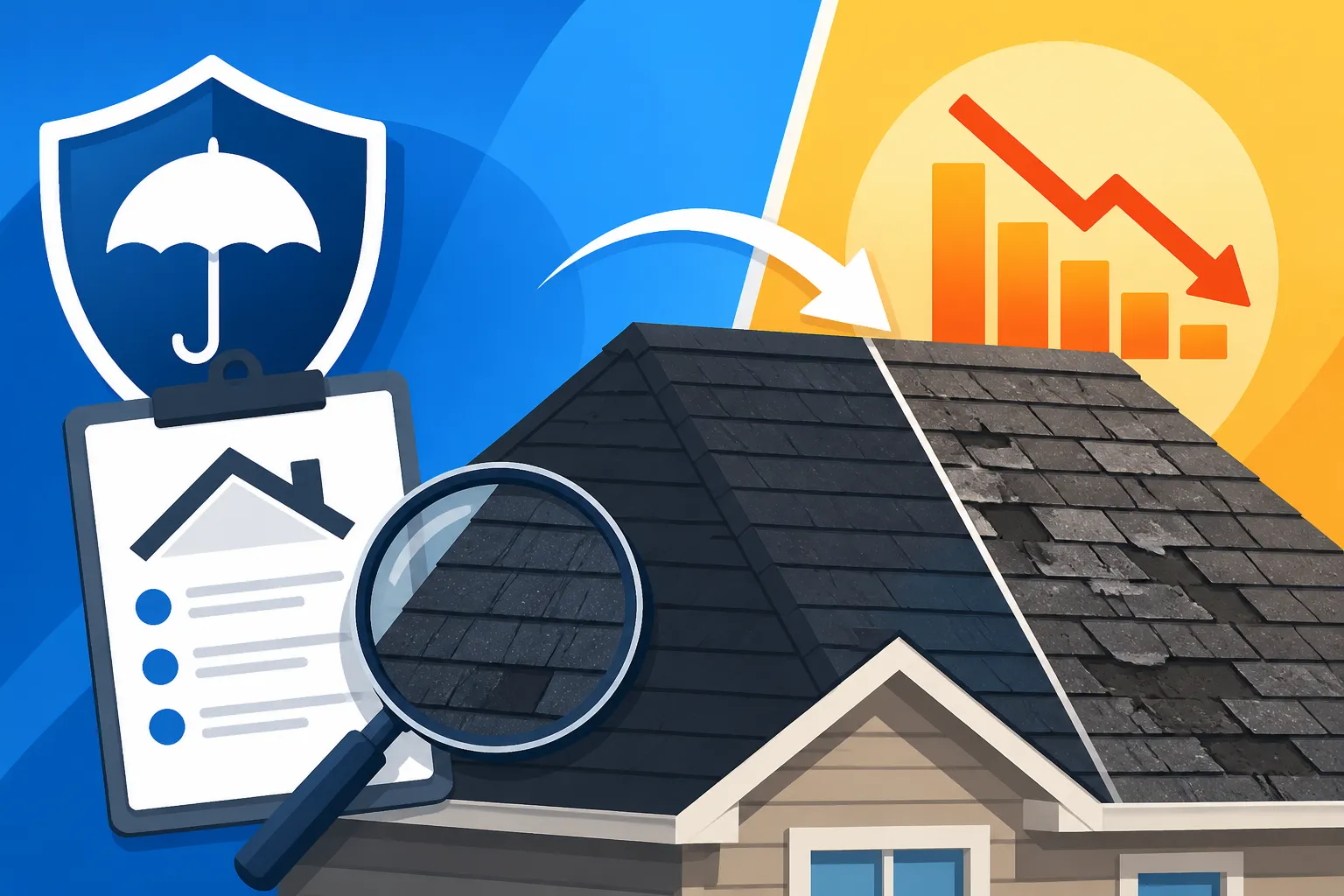
When you file a roof insurance claim, especially after an unexpected storm or damage, you're hoping for a simple, straightforward process where your policy covers the full cost of getting your home back to normal. Unfortunately, that's not always how it plays out, and depreciation is often the biggest hurdle. It's essentially the insurance company's way of accounting for the wear and tear your roof has accumulated over time, reducing the payout based on its current value rather than what it would cost to replace it with brand new materials.
What is "Actual Cash Value" ACV vs. "Replacement Cost Value" RCV?
This distinction is probably the most critical piece of information you need to grasp when dealing with roof claims. Your policy will typically specify whether it covers your roof based on Actual Cash Value (ACV) or Replacement Cost Value (RCV). It's the difference between receiving a payout for what your worn roof was worth right before the damage, and receiving enough to actually buy a new roof.
If your policy is an Actual Cash Value (ACV) policy, it means your insurer will pay out the cost of replacing your damaged roof minus depreciation. Think of it like this: if your 15-year-old asphalt roof gets damaged beyond repair, the insurance company will calculate what a 15-year-old roof of that specific type would be worth today, taking into account its age and condition, not what a brand-new one costs. This often leaves homeowners with a significant out-of-pocket expense, as they're responsible for the difference between the depreciated value and the actual cost of a new roof. It's a common source of sticker shock and frustration, as homeowners often feel they're not getting what they need to adequately fix their home.
On the flip side, Replacement Cost Value (RCV) policies are generally more favorable. With RCV, your insurance company initially pays out the ACV (the depreciated amount), and then, once the repairs or replacement are completed and you've submitted proof (like invoices), they'll issue a second payment for the recoverable depreciation. This means, ultimately, you should receive enough to cover the full cost of replacing your roof with new materials of similar kind and quality, up to your policy limits. You might still have your deductible, of course, but the sting of depreciation is largely removed. It’s worth noting that RCV policies often come with higher premiums, but many homeowners find the peace of mind well worth the investment, especially as their roof ages. For a more comprehensive look, you can read our detailed breakdown of Actual Cash Value vs Replacement Cost Roof Claims.
Understanding which type of coverage you have is paramount. Before you even think about filing a claim, grab your policy and read through the fine print. It will save you a lot of heartache and confusion later on and help you truly understand How to Get Insurance to Pay for a Roof.
How Insurance Companies Calculate Depreciation
The calculation of depreciation isn't an exact science, but it generally involves a few key factors that insurance companies use to determine the current value of your roof. They're trying to figure out how much "life" your roof has already lived and how much value it has lost over time. This isn't about punishing you; it's about assessing the "true" value of the asset at the time of loss, given its age and condition.
One of the primary factors is the age of your roof. Every roof has an expected lifespan; for a typical asphalt shingle roof, that might be anywhere from 20 to 30 years, depending on the shingle type, quality, and local climate. If your roof is, say, 10 years old and has an expected lifespan of 20 years, it's considered to have lost half its useful life. Therefore, the insurance company might depreciate its value by 50% right off the bat. It's not just about how old it is in years, but how many years of its expected life it has already served, as discussed in detail in Roof Age When to Start Planning Replacement.
Beyond age, the condition and maintenance of your roof play a significant role. If you've been meticulous with regular inspections and minor repairs, keeping your roof in tip-top shape, that might be taken into account. Conversely, a roof that shows clear signs of neglect, such as widespread moss growth, extensive granule loss, or numerous cracked shingles from lack of maintenance, might face higher depreciation. An insurance adjuster will look closely at these visual cues during their inspection, potentially using them to justify a lower remaining lifespan for your roof.
Finally, the type and quality of your roofing materials factor in. Basic 3-tab shingles typically have a shorter lifespan than architectural shingles, and luxury shingles might last even longer. An adjuster will consider the original material used, its average lifespan, and how well it has performed given its age. For example, a GAF Timberline HDZ roof, known for its durability, might be assessed differently than an entry-level 3-tab shingle roof, even if they are the same age.
The Impact of Depreciation on Your Payout
Let's look at a hypothetical scenario to really drive home the impact of depreciation. Imagine your roof, which is 15 years old and was originally installed with standard architectural asphalt shingles with an expected 30-year lifespan, suffers severe wind damage. Let's say the full cost to replace your entire roof with new, similar materials is $15,000. This example helps illustrate why Roof Replacement and Insurance Claims can be a complex topic.
If you have an ACV policy:
The insurance company determines your roof has used 15 out of its 30-year lifespan, meaning it's 50% depreciated.
Original value for replacement: $15,000
Depreciation (50%): $7,500
ACV payout: $15,000 – $7,500 = $7,500
If your deductible is $1,000, your final check will be $6,500. This leaves you to pay $8,500 out of your own pocket to get a new $15,000 roof. That's a huge difference and a major financial burden many homeowners aren't prepared for.
If you have an RCV policy:
The insurance company still initially calculates the ACV, so you'd get the same $6,500 initially (after deductible).
However, once you complete the replacement for $15,000 and provide the invoices, they will release the recoverable depreciation of $7,500.
In total, you would receive $15,000 from the insurance company, minus your $1,000 deductible, meaning you're essentially covered for the full replacement cost, with only your deductible as an out-of-pocket expense.
This example clearly illustrates why understanding your policy type is so crucial. The difference can be thousands of dollars, directly impacting your financial burden after a disaster.
Factors Influencing Roof Depreciation Calculations
Depreciation isn't just a random number an adjuster pulls out of thin air. It's a calculated estimate based on several quantifiable factors. Knowing these factors can help you anticipate your potential payout and even build a stronger case if you believe the depreciation assessment is unfair. It's about understanding the logic, even if you don't always agree with the outcome.
Roof Age and Expected Lifespan
The age of your roof is undeniably the most significant factor in depreciation calculations. Insurance adjusters and underwriters have industry-standard guidelines for the expected lifespan of various roofing materials. For asphalt shingles, this typically ranges:
- 3-Tab Shingles: Usually 15-20 years. These are typically the most basic and have the shortest lifespan.
- Architectural (Dimensional) Shingles: Generally 20-30 years, often with warranties extending to 50 years or even "lifetime." These are more robust and popular.
- Designer (Luxury) Shingles: Can last 30-50 years or more. These are the premium option, designed for maximum durability and aesthetic appeal.
If your roof is 10 years old and was installed with 3-tab shingles with an estimated lifespan of 20 years, an adjuster might assess it as having 50% of its useful life remaining. However, if it's 10 years old with architectural shingles that have a 30-year expected lifespan, it would only be considered 33% depreciated. The key here is the expected lifespan, not just how many years it's actually been on your house. It's a simple, albeit often painful, formula: (Age of Roof / Expected Lifespan) x 100% = Depreciation Percentage. Sometimes, a roof can fail early due to poor installation or manufacturing defects. In such cases, if you have an extended warranty, that could mitigate the depreciation. This is why knowing How Long Does an Asphalt Roof Last is so important.
Maintenance and Condition of the Roof
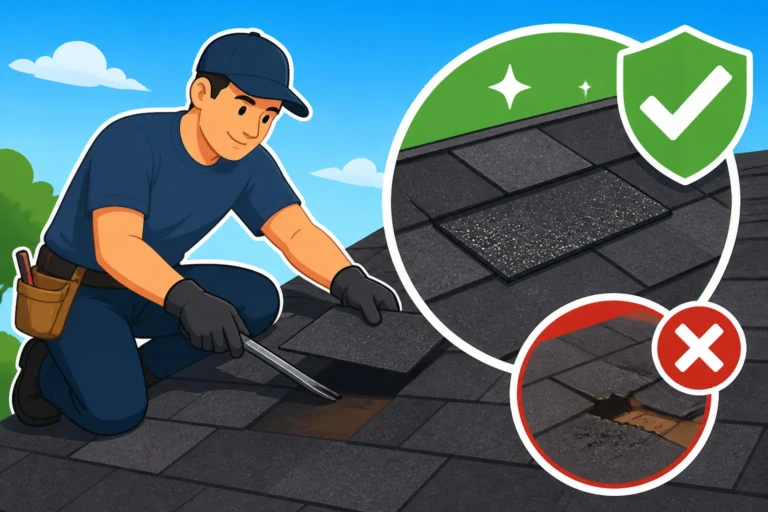
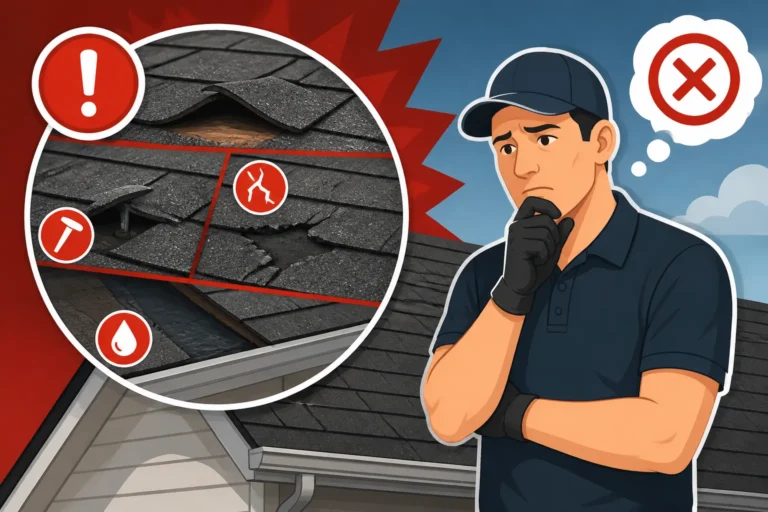
While age is a clear number, the overall condition of your roof adds a layer of subjectivity to the depreciation calculation. An adjuster will visually inspect your roof for signs of wear and tear that go beyond normal aging. These can include:
- Granule Loss: If shingles are losing a lot of their protective granules, it indicates accelerated wear, reducing their effective lifespan and exposing the asphalt matting to UV rays.
- Curling or Cupping Shingles: These deformations suggest the shingles are drying out, losing flexibility, and are more prone to cracking and leaks. This is often a sign of an aging roof or poor ventilation.
- Missing Shingles: While sometimes a repairable issue, extensive missing shingles could point to an older roof whose adhesive has failed, making it vulnerable to wind uplift.
- Moss, Algae, or Fungi Growth: While often treatable, heavy growth can trap moisture and accelerate shingle deterioration, especially in shaded or damp areas.
- Previous Repairs: A patchwork of previous repairs might indicate chronic issues or a roof that's seen multiple incidents, impacting its overall integrity. The quality of these previous repairs will also be scrutinized.
A well-maintained roof, even if older, might be subject to less depreciation than a younger, neglected one. Regularly inspecting your roof and addressing minor issues promptly can genuinely help your case. For instance, if you've recently had a minor repair and kept detailed records, this could demonstrate your commitment to maintaining your roof's integrity. Keeping detailed records of maintenance, like gutter cleaning, minor shingle re-sealing, or attic ventilation checks, can serve as evidence that you've actively worked to preserve its condition.
Material Type and Quality
The initial quality and type of asphalt shingles installed play a role in their expected lifespan and thus, their depreciation. Premium materials are designed to last longer and withstand harsh elements better, inherently depreciating slower than their cheaper counterparts. They're built with more robust materials and often incorporate advanced technologies.
For example, a roof installed with high-quality, impact-resistant shingles, like certain lines from Owens Corning or CertainTeed, might have an extended expected lifespan compared to a basic 3-tab shingle. These higher-grade shingles often come with superior warranties and are built to withstand more severe weather, which an insurance company might factor into their depreciation model. If you invested in a Class 4 impact-resistant shingle, it's designed to be more durable against hail, potentially influencing how quickly its value depreciates in the eyes of an insurer. This is one reason why many homeowners look into Impact-Resistant Shingle Cost when replacing their roof.
It’s also important to consider the entire roofing system. Did the original installation include quality underlayment, proper flashing, and effective ventilation? A complete, well-installed system tends to last longer, thereby depreciating slower. Conversely, a roof installed with shortcuts or lower-quality components might see its value depreciate more rapidly. The sum of its parts truly matters.
Navigating Your Insurance Claim with Depreciation in Mind
Dealing with an insurance claim can feel like battling a bureaucratic monster, especially when depreciation reduces your expected payout. But with the right approach and a clear understanding of the process, you can advocate for yourself effectively. It's about being informed and prepared, not just reacting to what the insurance company tells you.
Getting a Comprehensive Roof Inspection
Your first step after noticing damage (and ensuring safety) should always be to get a professional, unbiased roof inspection. Don't just rely on the insurance adjuster's assessment, which can sometimes be rushed or less detailed than you'd like. A reputable roofing contractor will perform a thorough Roof Damage Assessment A Homeowner's Guide and document all damage with photos, videos, and detailed notes. They can identify issues that might not be immediately obvious, such as hidden hail damage or granular loss across entire slopes that an untrained eye might miss.
This independent inspection serves as crucial documentation, providing a second opinion that can sometimes contradict or supplement the insurance adjuster's findings. A good contractor can help you understand the extent of the damage, estimate the true replacement cost, and even explain how the damage affects the roof's remaining lifespan. This information is invaluable when discussing depreciation with your insurer. Many contractors, like those found through services such as Modernize, are well-versed in insurance claims and can provide the necessary documentation to support your case. Remember, it's always a good idea to research How to Choose a Roofing Contractor carefully.
Reviewing Your Policy Details
Before you even speak to your insurance adjuster, take the time to thoroughly review your homeowners insurance policy. I know, it's dense and full of legalese, but seriously, don't skip this step! Pay close attention to sections detailing:
- Coverage Type: Is it ACV or RCV for your roof? This is the big one, as we've already covered.
- Deductible: How much will you be responsible for out-of-pocket? This is the amount you pay before insurance kicks in.
- Policy Limits: Is there a maximum payout for roof damage? Sometimes, older roofs have specific limits lower than the full replacement cost.
- Exclusions: Are there specific types of damage (e.g., cosmetic hail damage in some states) that are not covered? Some policies have exclusions for certain perils or types of damage.
- Endorsements: Have you added any endorsements, such as an extended replacement cost for your roof, or specific coverage for certain types of perils? These add-ons can significantly impact your coverage.
Understanding these details empowers you. You'll know what to expect, what questions to ask, and whether the adjuster's assessment aligns with your policy. If you have an RCV policy, make sure you understand the process for receiving the recoverable depreciation – often, you'll need to submit final invoices from your contractor. For a deeper dive into policy specifics, check out our guide on Roofing Warranty Workmanship vs Manufacturer.
The Claims Process and How to Challenge a Low Offer
Once you've filed your claim, an insurance adjuster will schedule an inspection. Be present if possible, or have your roofing contractor present to represent your interests. The adjuster will assess the damage and provide you with an estimate of their payout, factoring in depreciation. This is your initial offer, not necessarily your final one.
If you receive an offer that seems too low or if you disagree with their depreciation assessment, don't just accept it. You have the right to challenge it. Here's how:
- Gather Evidence: Use your contractor's detailed inspection report, photos, and any records of maintenance. If you believe your roof has a longer expected lifespan than the adjuster assumes, provide manufacturer specifications for your shingles. The more objective evidence you have, the stronger your case.
- State Your Case Clearly: Write a letter or email outlining your disagreement, referencing specific policy language and providing your evidence. Focus on factual discrepancies rather than emotional appeals. Maintain a professional tone.
- Request a Re-inspection: Ask for a different adjuster to perform a second inspection, or request that the original adjuster return with your contractor present to discuss points of contention on-site. Sometimes a fresh set of eyes can make a difference.
- Seek Professional Help: If you're still hitting a wall, consider consulting a public adjuster or an attorney specializing in insurance claims. They work for you (not the insurance company) and can help negotiate a fair settlement. While this comes with a cost, it can sometimes lead to a significantly higher payout, making their fee worthwhile.
- Understand Recoverable Depreciation: If you have an RCV policy and the initial payout is low due to depreciation, remember that the remaining amount is often recoverable once the work is done. Don't mistake the initial ACV check as the final word. Make sure you understand the steps to get that second check.
Navigating this can be tough, but knowing the process and your rights can make a world of difference. You might also want to read our guide on How to File a Roof Insurance Claim for more detailed advice on the claims process.
Strategies to Minimize the Impact of Depreciation
While you can't stop time or completely eliminate depreciation, there are proactive steps you can take to slow its effects and potentially maximize your payout should you ever need to file a claim. It's about being a savvy homeowner and protecting your investment.
Proactive Roof Maintenance
This might sound obvious, but consistent and proactive maintenance is your best defense against accelerated depreciation. Think of your roof like your car: regular oil changes and tune-ups keep it running longer and hold its value better. For your roof, this means:
- Annual Inspections: Have a professional roofer inspect your roof at least once a year, ideally in the spring or fall. They can spot small issues like loose shingles, compromised flashing, or minor granule loss before they become major problems. Early detection saves money.
- Gutter Cleaning: Clogged gutters cause water to back up, leading to rot and fascia damage, which can quickly degrade the edges of your roof. Water is the enemy of any roof system.
- Tree Trimming: Keep tree branches trimmed back from your roof to prevent scraping, falling debris, and excessive shade that can encourage moss growth. Overhanging branches are a common source of damage.
- Addressing Minor Repairs Promptly: Don't let a few missing shingles or a small leak go unaddressed. Even minor issues can quickly escalate and be cited by an adjuster as a reason for higher depreciation. Small leaks can lead to significant interior damage and rot if neglected.
Keeping detailed records of all maintenance and repairs is crucial. Dates, descriptions of work performed, and invoices from contractors can all serve as valuable evidence of your efforts to preserve your roof's condition, potentially arguing for a lower depreciation rate if a claim arises. For homeowners asking, How to Budget for a New Roof, proactive maintenance is the definitive answer, as it can extend your roof's life and defer large expenses.
Upgrading to Impact-Resistant Shingles
If you live in an area prone to severe weather, especially hail, upgrading to impact-resistant (Class 4) shingles can be a game-changer, not just for protection but also for insurance implications. These shingles are specifically designed to withstand significant impacts without sustaining the damage that traditional asphalt shingles would. They are tougher, more flexible, and less prone to cracking and denting.
Many insurance companies offer discounts on premiums for homes with Class 4 roofs because they significantly reduce the risk of costly claims. While the upfront cost of Class 4 Shingle Roof Cost can be higher, the long-term savings on premiums and the potential for reduced depreciation on a claim can make it a wise investment. When an adjuster sees a Class 4 roof, they know it's built to last longer and resist common damage, which can translate into a more favorable depreciation assessment or, in some cases, less depreciation applied to covered damages. It's about demonstrating a higher expected lifespan and resilience.
Understanding Recoverable Depreciation
If your policy is RCV, mastering the concept of recoverable depreciation is key to getting your full claim payout. This isn't money you get upfront; it's the portion of the replacement cost that the insurance company holds back until you've completed the repair or replacement work. Many homeowners are confused by this two-step payment process, but understanding it is crucial.
Here’s how it usually works:
- Initial ACV Payment: After your claim is approved, you'll receive a check for the Actual Cash Value (ACV) of your roof, which is the replacement cost minus depreciation and your deductible. This is the first payment.
- Complete Repairs: You then use this initial payment (and some of your own funds, if needed) to get the roof repaired or replaced. It's vital to use a reputable contractor and ensure the work is done according to code and matches the quality of the damaged roof.
- Submit Documentation: Once the work is complete, you submit invoices and receipts from your contractor to your insurance company. This proves you've incurred the full replacement cost.
- Recoverable Depreciation Paid: The insurance company reviews your documentation and, if everything aligns with your policy, releases the withheld depreciation amount. This second payment completes your claim.
It's absolutely critical to keep thorough records of all expenses related to the roof repair or replacement. This includes your contractor's invoices, proof of payment, and any other relevant receipts. If you don't submit this documentation within the timeframe specified by your policy (often 12-24 months), you might forfeit your right to the recoverable depreciation, leaving you stuck with the depreciated value.
| Feature | Actual Cash Value (ACV) Policy | Replacement Cost Value (RCV) Policy |
|---|---|---|
| Initial Payout | Replacement cost MINUS depreciation and deductible. | Replacement cost MINUS depreciation and deductible. (Initial ACV) |
| Final Payout | Limited to the depreciated value of the roof. | Full replacement cost (up to policy limits) AFTER repairs are done and documented. |
| Homeowner Out-of-Pocket | Often significant, covering the difference between ACV and new roof cost. | Typically only the deductible, as long as repairs are completed and documented. |
| Premiums | Generally lower. | Generally higher. |
| Best For | Homes with older roofs where premium savings are prioritized, or when an RCV policy is unavailable. | Homes of all ages, providing better financial protection for replacement and peace of mind. |
| Payment Process | One lump sum payment. | Two payments: initial ACV, then recoverable depreciation. |
Remember, the goal is to fully restore your home, and with an RCV policy, understanding this two-step payment process for recoverable depreciation is what makes that possible without breaking the bank.
Disclaimer
Please remember that this article provides general information and should not be considered legal or financial advice. Insurance policies vary widely, and specific terms and conditions apply. Always consult with your insurance provider, a qualified roofing contractor, and potentially a legal professional to discuss your individual situation and policy specifics. Local building codes and regulations also play a significant role.