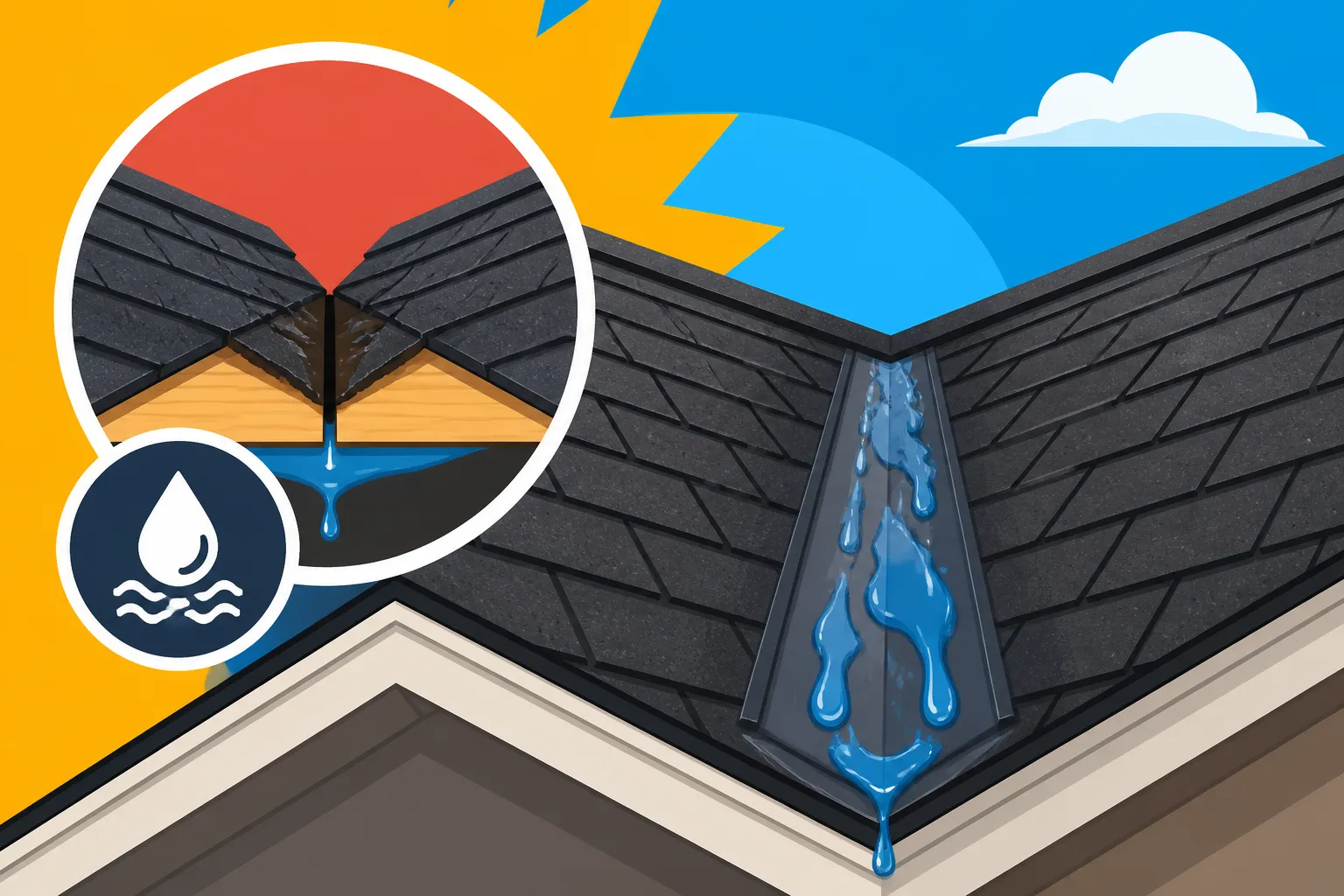
Roof Leak at a Valley: Causes
There's nothing quite as alarming for a homeowner as the drip-drip-drip of water inside, especially when it's coming from a roof leak at a valley. This particular type of leak can be notoriously tricky to diagnose and fix because valleys are critical, high-stress areas of your roof. This comprehensive guide will peel back the layers on why roof valleys leak, helping you understand the common culprits, environmental factors, and even less obvious issues so you can address the problem head-on and protect your home.
Understanding the Roof Valley: A Critical Juncture
When you look at your roof, especially on a home with multiple gables or complex architectural features, you'll notice areas where two roof planes meet to form an internal angle. These are your roof valleys, and they're designed to channel vast amounts of water and debris off your roof. Think of them as the highways of your roofing system, directing everything that lands on your roof down to the gutters. Because they handle such a high volume of runoff, they are incredibly vulnerable points if not installed correctly or maintained properly.
What Exactly is a Roof Valley?
A roof valley is essentially a V-shaped channel formed by the intersection of two sloping roof sections. Imagine two separate roof sections, each with its own slope, coming together to create a low point where water naturally collects and flows downward. This area needs to be incredibly robust and watertight because it's where rainwater, melted snow, leaves, and other debris funnel and rush off your roof. Any weakness in this system can quickly turn into a significant leak, often leading to water stains on your ceilings, damaged attic insulation, and even structural issues if left unaddressed. Understanding the intricacies of your Roof Anatomy: Parts of an Asphalt Shingle Roof is crucial to pinpointing potential problem areas like these.
Open Valleys vs. Closed Valleys
Not all roof valleys are created equal, and the way they're constructed plays a huge role in how they perform and where they might fail. Generally, you'll encounter two main types: open valleys and closed valleys. Each has its own benefits and drawbacks, and knowing which type you have can help you better understand potential leak sources.
Open Valleys are characterized by a visible metal flashing (often aluminum, copper, or galvanized steel) that runs down the center of the valley. The shingles on either side are trimmed a few inches back from the center of this metal, leaving a clean, open channel for water to flow. This design allows water to quickly shed off the roof without directly contacting the shingle layers in the valley itself, which many argue makes them more efficient and less prone to blockages. The metal is typically installed over an ice and water shield and underlayment, providing a robust, smooth path for water. However, if the metal flashing gets damaged, punctured, or improperly installed, it can become a direct source of leaks. Sometimes, the sealant around the edges of the metal can also degrade over time, allowing water to seep underneath.
Closed Valleys, on the other hand, have shingles that extend across the valley, either woven together or cut at the valley line, completely concealing the underlying flashing. There are a couple of popular methods for closed valleys:
- Woven Valleys: The shingles from one roof plane are woven through the shingles of the adjacent plane, creating a continuous shingle surface. This method is aesthetically pleasing as it hides the flashing, but it can be more susceptible to issues if not expertly installed. The interwoven layers can create thicker areas where water might linger, and improper nailing can easily puncture the underlying water barrier.
- Cut Valleys: Shingles from one side extend entirely across the valley, while the shingles from the other side are cut about 2-3 inches short of the valley center line. The cut shingles are then placed over the extended shingles. This creates a neat, crisp line, but the cut edge can be more vulnerable to wear, and improper cutting can lead to water infiltration.
Regardless of the type, both open and closed valleys rely heavily on proper installation and high-quality underlying materials like ice and water shield to ensure watertight integrity.
Common Culprits Behind Valley Leaks
When water starts making its unwelcome appearance inside your home, a roof valley is often one of the first places to investigate. Given their crucial role in water diversion, it's not surprising that many leaks originate here. Understanding the typical failure points can help you or your chosen professional quickly identify the source of the problem.
Improper Installation or Flashing Issues
Hands down, one of the most frequent reasons for a valley leak is poor installation. Even the best materials won't perform their job if they aren't put in correctly. Think about it: a roof replacement is a significant investment, and cutting corners during the installation of critical components like valley flashing can have devastating consequences down the line. If you're looking for help, a platform like Modernize can help connect you with experienced roofers who understand these critical details.
- Incorrect Flashing Material or Gauge: Sometimes, a contractor might use a metal flashing that's too thin, which can easily bend, crack, or rust prematurely. Other times, the wrong type of metal might be used, leading to corrosion if incompatible with surrounding materials. The Cost of New Flashing and Drip Edge can vary, but skimping here is never a good idea.
- Improper Nailing: This is a huge one. Nails placed too close to the center of the valley can create direct pathways for water. In an open valley, nails should be placed far enough from the center to be covered by the shingles, preventing direct exposure to water flow. In closed valleys, proper nailing techniques are even more crucial to avoid puncturing the underlying protection.
- Insufficient Underlayment or Ice and Water Shield: Below the visible shingles and flashing lies a critical layer of protection. An ice and water shield, a self-adhering membrane, is designed to seal around nails and provide superior water protection, especially in vulnerable areas like valleys. If this layer is missing, improperly installed, or damaged, water can easily penetrate. Many local building codes even require an ice and water shield in valleys, so it's essential your contractor adheres to these standards. Learn more about What Is Ice And Water Shield and Why It Matters.
- Poor Shingle Cutting or Placement: For closed valleys, if shingles are cut too short or too long, or if the woven pattern isn't tight enough, it creates gaps or channels where water can seep in rather than flow over. Incorrect shingle alignment can also expose nail heads or create pockets where debris can collect, leading to future problems.
Material Degradation and Wear
Even a perfectly installed roof won't last forever. Over time, constant exposure to the elements takes its toll, and the materials in your roof valley can degrade, leading to leaks. This is a natural part of a roof's lifespan, but understanding the signs can help you address issues before they escalate into major water damage.
- Fading and Granule Loss: Asphalt shingles have a top layer of granules that protect the asphalt from UV rays. In valleys, where water flows constantly, these granules can wear away more quickly than on other parts of the roof. When granules are lost, the underlying asphalt is exposed to sunlight, leading to accelerated drying, cracking, and brittleness. This is a significant indicator of an aging roof, and excessive granule loss in the valley means the protective layer is compromised. You can often see these granules collecting in your gutters.
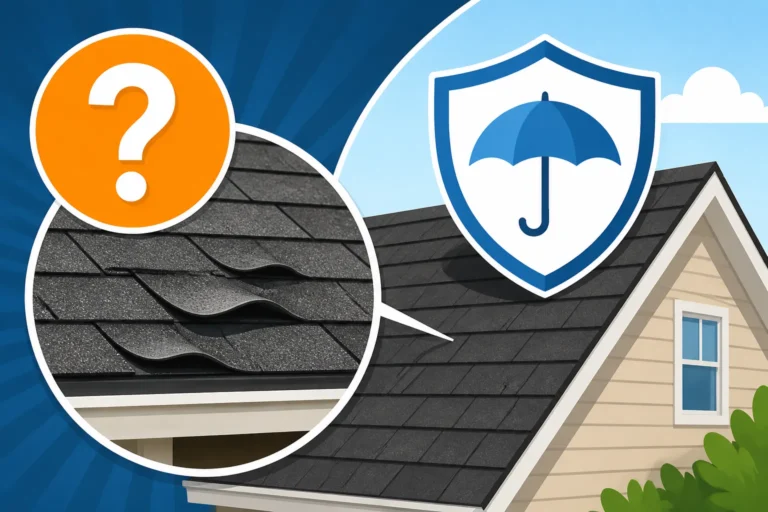
- Cracking and Curling Shingles: As shingles age and lose their protective granules, they become more rigid and susceptible to cracking, especially in areas like valleys where they might undergo thermal expansion and contraction more frequently. Curling shingles, where edges begin to turn up or down, also indicate that the shingle's integrity is failing, creating avenues for water to get underneath. Learn more about Cracked Shingles: Causes and Fixes and Curling Shingles: What They Mean.
- Corroded or Damaged Metal Flashing: For open valleys, the metal flashing is the primary water barrier. Over decades, even high-quality metal can corrode, especially if exposed to acidic rainwater or certain types of debris. Physical damage, like dents from falling branches or impact from hail, can also compromise the metal's integrity, creating cracks or gaps that allow water to penetrate. If you notice rust streaks or visible holes in your valley metal, it's a clear sign of trouble.
- Sealant Failure: Any sealants used around the valley flashing or where components meet can dry out, crack, and pull away over time. This creates small openings that may seem insignificant but can allow a surprising amount of water to seep in during heavy rains.
Debris Accumulation and Water Damming
Your roof's primary job is to shed water, but when that path is blocked, water can back up, pool, and find its way into your home. Roof valleys are particularly susceptible to debris accumulation because they are natural collection points.
- Leaves, Pine Needles, and Twigs: If your home is surrounded by trees, you're all too familiar with the constant battle against falling leaves and needles. These can quickly pile up in roof valleys, especially during autumn. Once wet, they become a dense, soggy mat that traps moisture. This acts like a sponge, holding water against your shingles and flashing, preventing it from draining properly. Over time, this constant dampness can accelerate the degradation of roofing materials and allow water to seep through even minor imperfections.
- Shingle Granules and Dirt: Even without trees, your roof sheds granules over time, and dirt and dust accumulate. When carried by rainwater, these fine particles can settle in the valley, especially in low-slope areas or where water flow is slower. This creates a gritty layer that can absorb moisture and prevent proper drainage.
- Moss and Algae Growth: Shady, damp areas are prime breeding grounds for moss and algae. Valleys often remain damp longer than other parts of the roof due to water collection, making them ideal for these growths. Moss, in particular, can hold a significant amount of moisture against the roof surface, promoting decay and allowing water to wick underneath shingles. While some Moss and Algae: Clean or Replace can be cleaned, persistent growth often indicates a deeper issue or an aging roof that requires more extensive attention.
- Water Damming: When debris completely clogs a valley, it creates a dam. Rainwater can then back up behind this dam, essentially forming a small pond on your roof. This standing water puts immense pressure on the roofing materials, allowing it to penetrate tiny gaps, nail holes, or weakened areas that wouldn't normally leak under normal flow conditions. It's like holding a constant puddle against your roof, constantly testing its waterproofing limits. Regular gutter cleaning and roof inspections are essential to prevent this.
Environmental Factors and Extreme Weather
Beyond typical wear and tear or installation hiccups, Mother Nature herself can be a major contributor to roof valley leaks. Extreme weather events and seasonal changes put immense stress on your roofing system, and the valleys, as critical drainage points, are often the first to show the strain.
Hail and Wind Damage
Few things are as instantly damaging to a roof as a severe hailstorm or high winds. These forces don't just affect the broad, flat areas of your roof; they can wreak havoc on vulnerable points like valleys, leading to leaks.
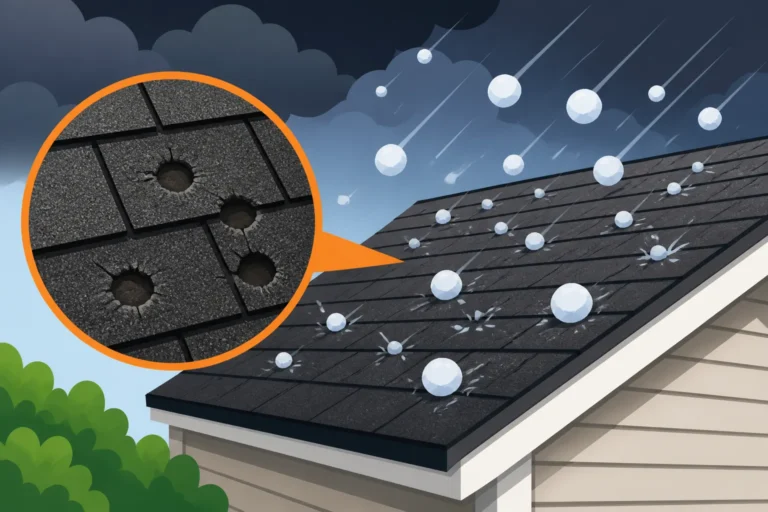
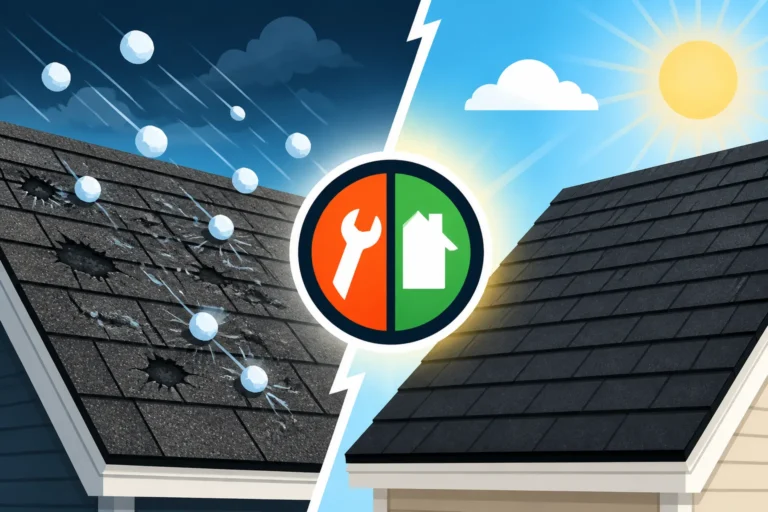
- Hail Impact: Hailstones, especially larger ones, can cause significant damage to asphalt shingles by bruising or cracking the asphalt mat and dislodging granules. In a valley, where shingles might be interwoven or subjected to more stress, hail can cause more pronounced damage. A direct hit on open metal flashing can leave dents or even compromise the metal's coating, leading to rust or cracks over time. If hail impacts the edge of a shingle in a closed valley, it can lift or break the seal, allowing water to enter. After a major hailstorm, it's crucial to perform a Roof Damage Assessment: A Homeowner's Guide and look for Signs of Roof Hail Damage, especially in the valleys.
- Wind Uplift: High winds exert incredible pressure on a roof, trying to lift shingles and peel them away. Valleys, with their unique geometry and sometimes overlapping shingle layers, can be particularly vulnerable to wind uplift, especially if the shingles aren't adequately sealed or nailed down. Strong gusts can lift shingle tabs, breaking the sealant strips and allowing wind-driven rain to be forced underneath. In severe cases, entire sections of shingles in a valley can be torn off, exposing the underlayment or even the roof decking directly to the elements. This is a common cause of leaks after a storm, and you should also look for Signs of Roof Wind Damage.
- Debris from Storms: Heavy storms often bring down branches, twigs, and other debris that can be flung onto your roof. These impacts can directly damage the valley flashing or shingles, creating holes or punctures. Even smaller debris, if propelled by strong winds, can scour the granule surface of shingles in the valley, accelerating wear and opening up pathways for water.
Ice Dams and Freeze-Thaw Cycles
If you live in a region with cold winters and significant snowfall, ice dams are a nightmare for roof valleys. These icy formations can cause catastrophic leaks, and valleys are prime locations for them to form.
- Formation of Ice Dams: Ice dams occur when heat escapes from your home's attic, warming the roof deck and melting snow. This melted water then flows down the roof until it reaches a colder section, typically at the eaves or in an unheated valley, where it refreezes. As more snow melts and refreezes, a ridge of ice builds up, creating a "dam" that prevents subsequent melted water from draining off the roof.
- Water Back-Up in Valleys: Valleys are naturally inclined to collect snow and ice, making them perfect breeding grounds for ice dams. When an ice dam forms in or near a valley, it traps melted water behind it. This standing water has nowhere to go but under your shingles. Asphalt shingles are designed to shed water over their surface, not to withstand constant hydrostatic pressure from standing water underneath. The water then infiltrates through nail holes, shingle seams, or any minor imperfections in the underlying layers, causing leaks into your attic and home. The Ice and Water Shield Explained is specifically designed to combat this in critical areas.
- Freeze-Thaw Cycles: Beyond full-blown ice dams, repeated freezing and thawing cycles can also weaken valley components. Water can seep into tiny cracks during the day, freeze at night, and expand, gradually widening those cracks. This constant expansion and contraction stresses materials like metal flashing, sealants, and shingles, leading to fatigue and eventual failure. This process can be particularly damaging to the edges of shingles in closed valleys or the seams of metal flashing in open valleys.
Beyond the Obvious: Less Common Causes
While improper installation, material degradation, and weather are the usual suspects, sometimes a roof leak in a valley can stem from less obvious sources. These issues often require a keen eye and a deeper understanding of building dynamics to diagnose correctly.
Structural Movement and Shifting
Your house isn't entirely static; it's a dynamic structure that can settle and shift over time due to various factors. These movements, however slight, can have profound impacts on your roof, especially in critical junctures like valleys.
- House Settling: Over years, a house naturally settles as its foundation adjusts to the soil beneath it. This settling isn't always uniform, and differential settling (where one part of the house settles more than another) can put stress on the roof's framing. When the underlying roof decking or trusses shift even a little, it can distort the straight lines of a roof valley. This distortion can pull flashing apart, break shingle seals, or create subtle gaps where water can penetrate. It might look like a perfectly straight valley from the ground, but up close, there could be slight buckling or separation.
- Truss or Rafter Issues: The structural components supporting your roof, known as trusses or rafters, can also move or sag. If a rafter supporting one side of a valley settles or sags more than the other, it can change the angle and integrity of the valley itself. This stress can cause the valley flashing to buckle or the shingles to separate from each other, creating leaks. Sometimes, this can be exacerbated by excessive weight on the roof, such as prolonged heavy snow loads or even improperly stored items in the attic. This kind of issue might also be a sign of a Sagging Roof: What to Do.
- Foundation Problems: While seemingly disconnected from the roof, significant foundation issues can manifest as problems higher up the structure. A shifting foundation can cause walls to move, which in turn affects the roof line and the stability of critical junctions like valleys. If you notice cracks in interior walls, uneven floors, or doors that stick, combined with a persistent roof leak, it might be worth investigating the foundation as a potential root cause, as a minor adjustment can severely impact your roof's integrity.
Poor Ventilation and Condensation
It might seem counterintuitive, but issues inside your attic can directly contribute to leaks that appear to be coming from a roof valley. Poor attic ventilation, leading to excessive condensation, is a silent killer of roofs and can mimic external leaks.
- Trapped Moisture in the Attic: A properly ventilated attic is crucial for managing temperature and moisture. Without adequate airflow, warm, moist air from your home (from showers, cooking, laundry) can rise into the attic and get trapped. When this warm, moist air meets the cooler underside of your roof deck, it condenses into liquid water. This condensation often collects on the lowest, coolest points of the roof deck, which often includes the areas directly above roof valleys.
- Mimicking a Roof Leak: The water from condensation can drip down, collect on ceiling insulation, and eventually find its way into your living space, appearing exactly like a roof leak. You might see water stains on the ceiling below a valley, leading you to believe there's a problem with the valley flashing, when the real issue is simply too much moisture in the attic. If you notice leaks appearing on clear, dry days, or if they seem intermittent without direct rain, condensation is a strong possibility.
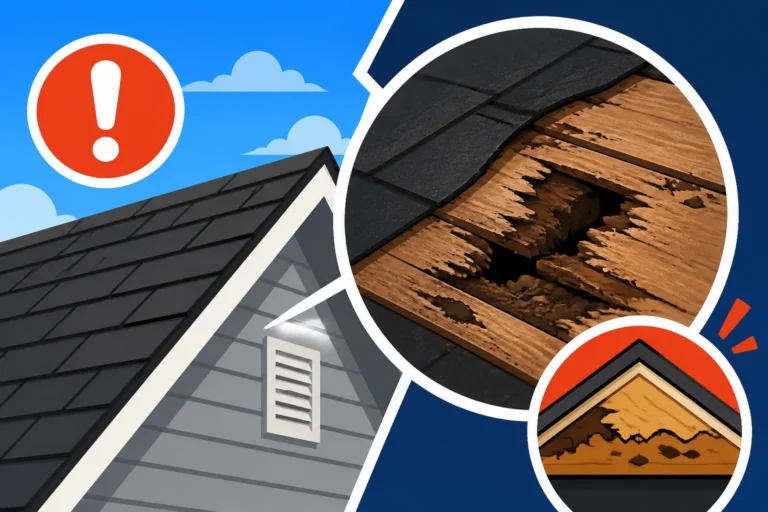
- Accelerated Material Degradation: Beyond mimicking leaks, persistent condensation can also accelerate the degradation of the roof decking and the underside of the roofing materials. Constant dampness can lead to mold growth on the wood, and over time, it can weaken the structural integrity of the decking itself. If the decking around the valley becomes soft or rotted, it compromises the ability of nails to hold shingles and flashing securely, making the entire valley susceptible to actual water penetration from the outside. Proper How Roof Ventilation Works is not just about extending roof life, but preventing these insidious internal problems.
To summarize the various valley issues, here's a quick overview:
| Cause Category | Specific Issue | Common Symptoms | Type of Valley Most Affected |
|---|---|---|---|
| Installation Flaws | Incorrect Flashing | Visible gaps, rust, water stains below valley | Both, Open more visible |
| Improper Nailing | Leaks with direct rainfall, nail pops, shingle lifting | Both, especially closed | |
| Insufficient Underlayment | Persistent leaks, premature shingle failure | Both | |
| Material Wear | Granule Loss | Dark streaks, granules in gutters, brittle shingles | Both |
| Cracked/Curling Shingles | Visible damage, lifted edges, water penetration | Closed | |
| Corroded Metal Flashing | Rust spots, holes in metal, water stains below | Open | |
| Debris & Drainage | Leaves/Debris Accumulation | Standing water, accelerated material decay, frequent leaks | Both |
| Moss/Algae Growth | Green/black streaks, lifted shingles, damp spots | Both | |
| Weather Impact | Hail Damage | Dents in metal, granule loss, bruising on shingles | Both |
| Wind Uplift | Missing shingles, lifted tabs, leaks after high winds | Both | |
| Ice Damming | Water infiltration during cold snaps, interior water stains | Both | |
| Structural/Internal | House Settling/Movement | Distorted valley lines, cracked flashing, recurring leaks | Both |
| Poor Attic Ventilation/Condensation | Leaks on dry days, mold in attic, musty smells | Appears below any valley |
Finding a leak, especially one originating from a roof valley, is stressful. It's a key area, and often, what seems like a simple drip can be a symptom of a much larger underlying problem. That's why getting a professional opinion from a reputable contractor is so important. They can perform a thorough Roof Inspection: What They Check and accurately determine if it's a minor repair, or if the extent of the damage warrants a full Roof Replacement Cost by House Size. For minor repairs, like patching Damaged Flashing: Repair or Replace, a skilled roofer can often extend the life of your existing roof. However, if the issues are widespread or indicative of significant material degradation, then considering a full replacement might be the more cost-effective long-term solution. You can learn more about Roof Repair vs Replacement: How to Decide in our other guides.
When it comes to addressing roof valley leaks, don't delay. Water damage can spread quickly and lead to much more expensive repairs if not tackled promptly. Always prioritize safety and consider reaching out to a qualified roofing professional. They have the expertise to safely inspect your roof, identify the true cause of the leak, and recommend the most effective, lasting solution. Services like Modernize can connect you with local roofing experts who can provide detailed estimates and explanations, helping you make an informed decision for your home. Remember, getting How Many Roofing Quotes to Get is always a good practice before committing to any significant work.
Disclaimer
Please note that the information provided in this article is intended for general guidance and informational purposes only, and does not constitute professional roofing advice. Always consult with a qualified and licensed roofing contractor for any specific roof repair or replacement needs. Roofing work can be dangerous and should only be undertaken by trained professionals.