What Causes Hail Damage on a Roof
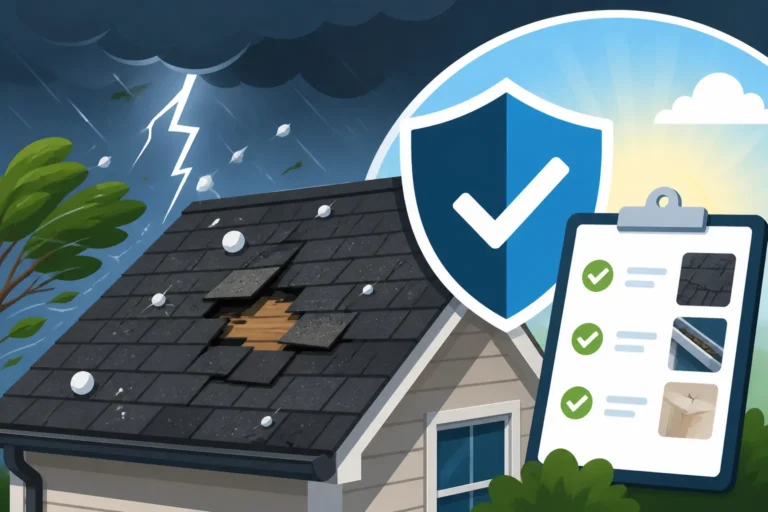
It's an unsettling feeling, isn't it? You hear the pitter-patter turn into a pounding on your roof during a thunderstorm, and immediately your mind goes to "Is my roof okay?" Hailstorms can be incredibly destructive, leaving homeowners anxious about potential damage that isn't always obvious from the ground. Understanding exactly what causes hail damage on a roof, beyond just the obvious impacts, is crucial for assessing your home's health and planning your next steps.
The Atmospheric Forces Behind Hail Formation
Before we dive into how hail impacts your roof, it’s helpful to understand the science behind its formation. Hail isn't just frozen raindrops; it's a complex product of powerful thunderstorms, specifically supercell thunderstorms that possess exceptionally strong updrafts.
How Hailstones Grow in Thunderclouds
Imagine a violent, towering thunderstorm. Within these storm clouds, strong updrafts — columns of rising air — lift raindrops far into the atmosphere where temperatures are well below freezing. These raindrops turn into tiny ice pellets. As gravity tries to pull them down, they get caught in another updraft, tossed back up, and collect supercooled water droplets (water that's liquid below freezing point). These droplets freeze onto the ice pellet, adding another layer, much like how an onion grows layers. This process repeats over and over: up, collect water, freeze, down, caught in an updraft, up again. The stronger and longer the updrafts, the more layers the hailstone can accumulate, leading to larger and denser pieces of ice. This cycle continues until the hailstone becomes too heavy for the updrafts to support, at which point it falls to earth, often at incredibly high speeds.
The Dynamics of Hailstorm Activity
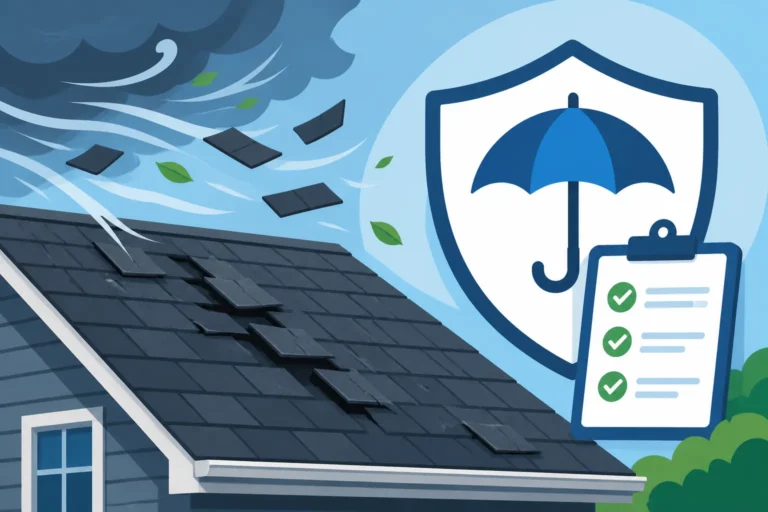
The destructive potential of a hailstorm isn't just about the size of the hail, but also its velocity and the accompanying winds. Hailstones can reach terminal velocities well over 100 miles per hour, especially larger ones. When these icy missiles strike your roof, they transfer a significant amount of kinetic energy. The storm's dynamics, including rotational updrafts and downdrafts, can also contribute to hail falling at various angles, increasing the likelihood of damage to different parts of your roof and property. A severe hailstorm often comes with high winds, which can drive hail horizontally, impacting not just the top of your roof but also the siding, windows, and even the vertical surfaces of your chimney or dormers. These intense meteorological conditions are the true culprits behind the widespread damage we see after a significant hail event.
How Hail Physically Damages Your Roof
When hail slams into your roof, it doesn't just bounce off harmlessly. The impact creates specific types of damage that can compromise the integrity of your roofing system, even if it doesn't immediately cause a leak.
The Mechanics of Impact and Energy Transfer
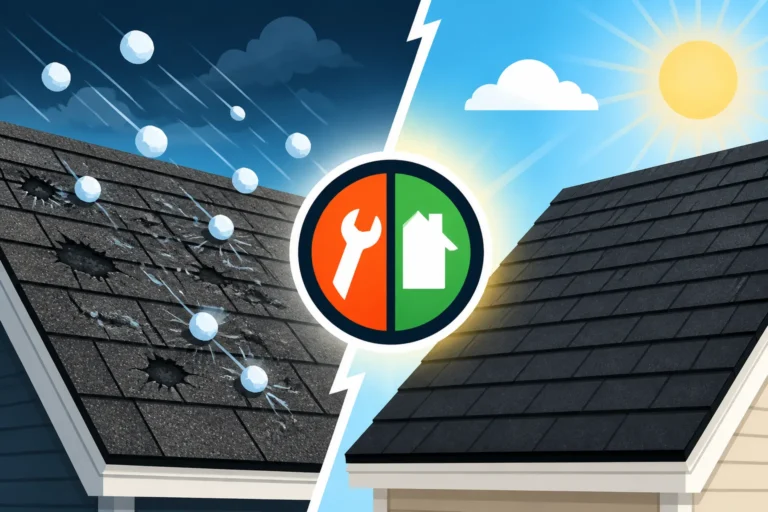
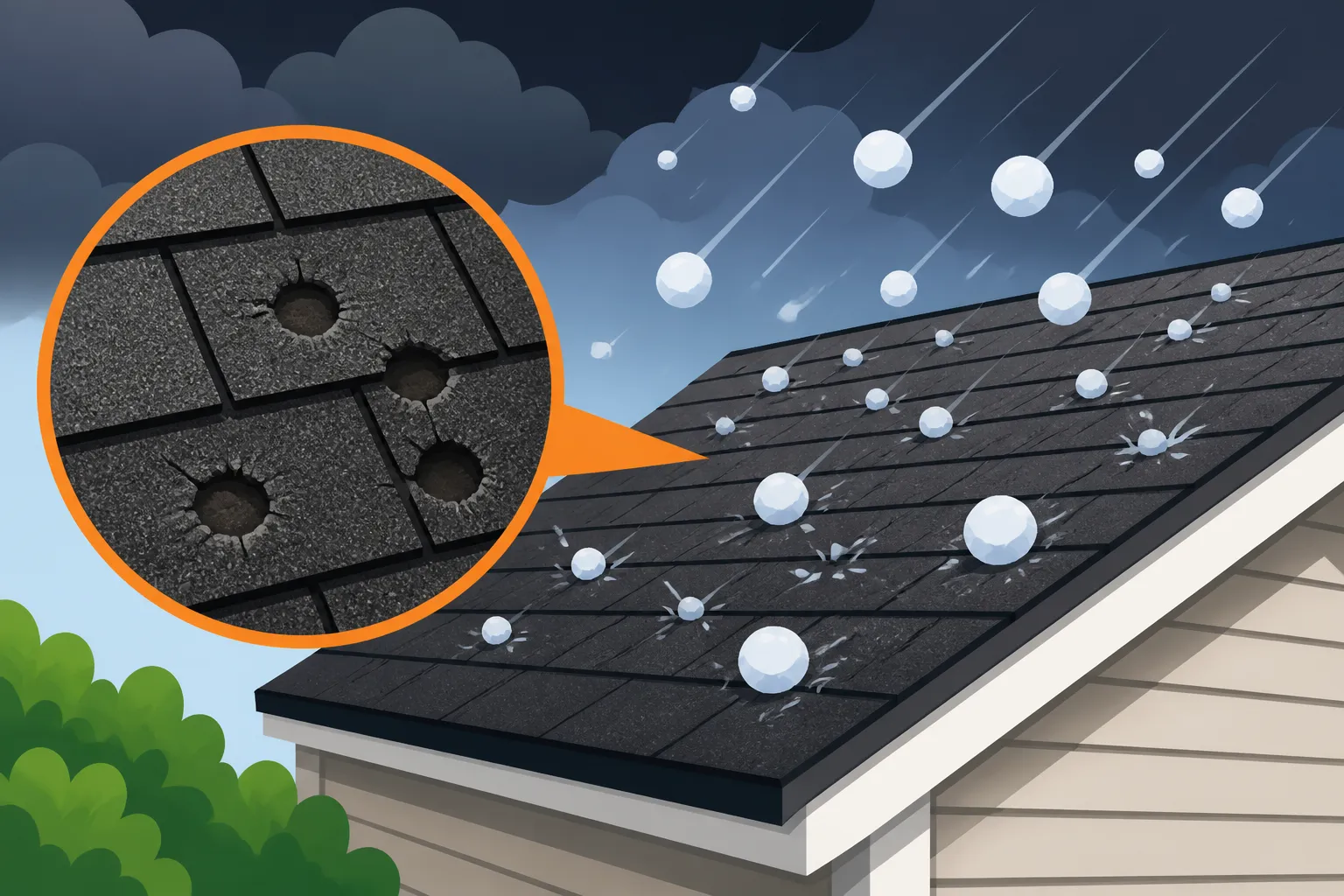
Think about a small, hard rock hitting a delicate surface. Now imagine that on a much larger scale, with pieces of ice often the size of golf balls or even baseballs. Each hailstone carries kinetic energy, which is directly related to its mass and velocity. When this energy is transferred to your asphalt shingles, it can cause a range of issues. The outer layer of an asphalt shingle is covered in ceramic granules, which protect the underlying asphalt from harmful UV rays. The direct impact of hail can dislodge these granules, creating dark spots where the asphalt is now exposed. But the damage goes deeper than just granule loss. The force can also bruise or fracture the shingle's fiberglass mat, compromising its structural integrity. This bruising can manifest as soft spots that might not be visible initially but can weaken the shingle over time, leading to cracking or accelerated deterioration.
This type of damage is particularly insidious because it's not always immediately apparent. A shingle might look fine from a distance, but a closer inspection by a trained professional would reveal the subtle depressions or softened areas beneath the surface. For a deeper dive into what to look for, you might find our guide on Signs of Roof Hail Damage helpful.
The Domino Effect on Roofing Components
It's not just the shingles that bear the brunt of a hailstorm. Your entire roofing system, including components like flashing, vents, and gutters, is vulnerable. Metal flashing around chimneys, skylights, and valleys can become dented or creased, which might seem cosmetic but can actually break the seal or compromise the integrity of the metal, making it prone to rust or tearing. Exhaust vents, often made of plastic or thin metal, can crack, shatter, or dent, creating direct entry points for water. Even sturdy gutters can get dinged and dented, affecting their ability to properly channel water away from your home's foundation.
Consider a scenario where a large hailstorm hits your home in Dallas, Texas. Hailstones can easily dent aluminum siding, crack window panes, and, of course, inflict significant damage on your asphalt roof. If the damage to your roof components goes unnoticed, these seemingly small issues can eventually lead to leaks, wood rot, or mold growth within your attic and walls, leading to far more expensive problems down the line. This is why a comprehensive Roof Damage Assessment: A Homeowner's Guide is so vital after any major storm.
Unpacking the Types of Hail Damage You Might Find
When you're dealing with the aftermath of a hailstorm, not all damage looks the same. It's not always large holes or missing shingles; often, it's subtle and requires a trained eye to spot. Understanding the specific types of hail damage helps you appreciate the need for a professional inspection.
Granule Loss and Its Implications
The most common sign of hail damage on asphalt shingles is granule loss. These ceramic granules are essentially the sunscreen for your shingles, protecting the asphalt from the sun's harsh ultraviolet (UV) rays. When hailstones strike, they can dislodge these granules, leaving small, often dime-sized, dark spots where the asphaltic layer is now exposed. Initially, these might not seem like a big deal, but over time, exposed asphalt quickly deteriorates under UV radiation. This accelerated aging can lead to the shingle becoming brittle, losing its flexibility, and eventually cracking or shrinking prematurely.
You might notice piles of granules in your gutters or downspouts after a storm, which is a strong indicator of hail impact. While some granule loss is normal over the lifespan of a roof due to weathering, a sudden, widespread loss after a storm is a clear red flag. Without this protective layer, your shingles can age rapidly, drastically shortening the overall lifespan of your roof. It's a subtle form of damage that silently eats away at your roof's integrity, potentially leading to widespread issues within just a few years.
Bruising, Cracks, and Fractures
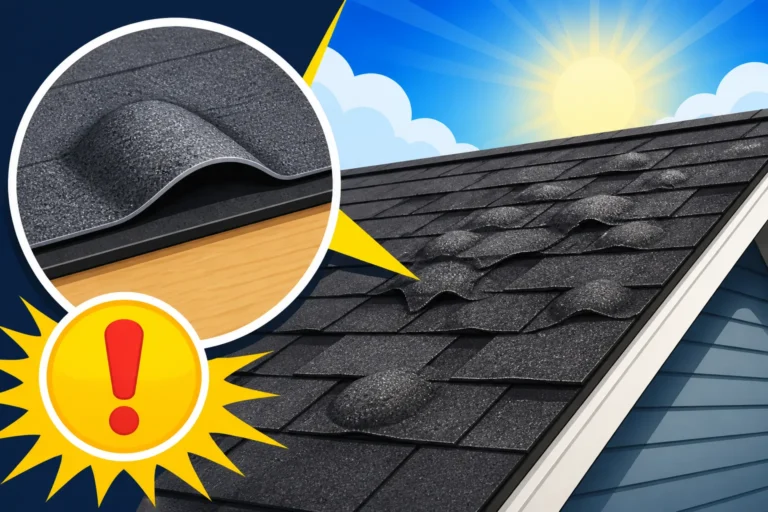
Beyond granule loss, hail can also physically damage the shingle's body. When a hailstone impacts a shingle with enough force, it can create a "bruise" – a soft spot in the shingle where the underlying fiberglass mat has been fractured, even if the surface granules remain intact. These bruises might not look like much at first, appearing as slight depressions, but they weaken the shingle. Over time, as the shingle heats and cools, expands and contracts, these bruised areas can develop into cracks.
These cracks are particularly problematic because they offer direct pathways for water to seep into your roofing system, leading to leaks in your attic or ceilings. Depending on the size and impact, hail can also cause immediate, visible cracks or even punctures in shingles, especially older, more brittle ones. Imagine a severe storm hitting a home in Minneapolis, Minnesota, where the cold temperatures can make shingles more rigid, increasing their susceptibility to cracking upon impact. The integrity of your roof hinges on its ability to shed water, and any crack or fracture undermines that fundamental function.
Damage to Non-Shingle Roof Components
As mentioned earlier, hail doesn't discriminate. Beyond the main field of shingles, various other critical roof components are also susceptible to damage:
- Vents: Plastic or metal roof vents (like those for plumbing or attic ventilation) can be cracked, dented, or completely shattered. This damage directly compromises their function and creates vulnerabilities for water intrusion.
- Gutters and Downspouts: Often made of aluminum, these can be easily dented, leading to unsightly aesthetics and potentially impeding water flow. Severely dented gutters can hold water, promoting mosquito breeding or overflowing in heavy rains.
- Flashing: Metal flashing around chimneys, skylights, and in roof valleys can sustain dents and dings. While sometimes cosmetic, severe dents can bend the flashing, breaking its watertight seal with the roofing material or wall, and potentially leading to leaks.
- Skylights: The glass or plastic panes of skylights can crack or break from large hail, leading to immediate leaks and significant interior damage. The flashing around skylights is also vulnerable.
- Fascia and Soffits: If high winds accompany the hail, hail can strike and dent or puncture these components along the roofline.
Any compromise to these elements, even if your shingles seem relatively okay, means your entire roofing system is at risk. It's a testament to why a professional inspection covering all aspects of your roof is indispensable after a hailstorm.
Factors Influencing Hail Damage Severity
It's a common observation: two houses side-by-side get hit by the same hailstorm, but one roof looks fine while the other is riddled with damage. Why the difference? Several factors play a crucial role in determining how severely a roof is affected by hail.
Hail Characteristics: Size, Shape, and Density
Not all hail is created equal. The most obvious factor is hail size. Pea-sized hail (1/4 inch) might cause minimal damage, mostly to older, more worn shingles or sensitive components, while golf-ball sized hail (1.75 inches) or larger can cause catastrophic damage to almost any roof. However, size isn't the only characteristic that matters. The shape of the hailstone can also influence damage. Irregularly shaped, jagged hailstones can inflict more focused, intense damage than perfectly round ones. Additionally, the density of the hail matters. Harder, denser hailstones carry more destructive force than softer, slushier ones. A large hailstorm in Oklahoma, known for its severe weather, might produce dense, irregularly shaped hail that is particularly damaging.
Wind Speed and Direction During the Storm
Hail rarely falls perfectly straight down. It's almost always accompanied by wind, and the speed and direction of that wind dramatically influence the angle and force of impact. High winds can drive hailstones horizontally, increasing the impact force and causing them to strike surfaces that might otherwise be protected, like the side of a chimney or areas under eaves. Different slopes of your roof might be more exposed depending on the wind direction. For example, if the hail-bearing winds come from the west, the western slope of your roof will likely experience more concentrated and severe damage. Wind can also lift and tear at shingles that have already been weakened by hail impacts, exacerbating the problem. Understanding the local wind patterns and how they interact with your roof's orientation is a key part of assessing potential vulnerabilities.
Roof Age, Material, and Installation Quality
The age of your roof is a huge factor. Older shingles, especially those nearing the end of their How Long Does an Asphalt Roof Last, are more brittle, have less granule adhesion, and are generally less resilient to impact. A 15-year-old roof will typically sustain more severe damage from the same hail event than a brand-new roof.
The type of asphalt shingle also matters significantly. Standard 3-tab shingles, while affordable, are often less resistant to hail compared to thicker architectural shingles. Even better are specialized Impact-Resistant Shingle Cost options, often rated Class 4 for their ability to withstand severe impacts. These shingles are specifically designed to flex or dissipate energy more effectively, reducing the likelihood of bruising or fracturing. You might want to learn more about Impact-Resistant Shingles: How They Work if you live in a hail-prone region.
Finally, the quality of installation plays a critical role. A roof installed correctly, following manufacturer specifications and local building codes, will inherently be more robust. Proper nailing patterns, correct flashing installation, and adequate underlayment all contribute to a roof's overall resilience against severe weather. A poor installation can significantly amplify hail damage, turning a minor event into a major problem. This is where choosing a reputable contractor from services like Modernize really pays off in the long run.
Roof Pitch and Orientation
The pitch, or slope, of your roof also influences hail damage. Steeper roofs tend to allow hail to glance off more easily, reducing the direct impact force compared to flatter roofs where hailstones might strike more squarely. However, a very steep pitch can also make certain slopes more vulnerable to wind-driven hail if they directly face the storm.
Furthermore, the orientation of your roof slopes relative to the storm's direction matters. As noted with wind, if a particular slope directly faces the brunt of the hailstorm, it will sustain more damage than a slope that is sheltered or angled away. For example, a north-facing slope might show minimal damage, while a south-facing slope that caught the full force of the storm could be severely impacted. These subtle differences underscore why a comprehensive, professional inspection is always recommended.
Protecting Your Home: What to Do Before and After Hail
Living in an area prone to hailstorms means you need to be proactive. While you can't stop hail, you can take steps to mitigate damage and know how to react when a storm does hit.
Choosing Hail-Resistant Roofing Materials
One of the best preventative measures is to choose roofing materials specifically designed to resist hail impact. This primarily refers to Class 4 impact-resistant shingles. These shingles undergo rigorous testing, where a 2-inch steel ball is dropped from significant heights onto them multiple times. Shingles that don't crack are awarded a Class 4 rating. Brands like Owens Corning Duration FLEX or GAF Timberline AS (Advanced Protection Shingles) are popular choices in this category. While they typically cost more upfront, the investment can pay off in hail-prone regions like Colorado, where many insurance companies offer discounts on premiums for homes with Class 4 roofs. This can significantly offset the initial added Class 4 Shingle Roof Cost.
Beyond shingles, ensuring that all other roof components, such as vents and flashing, are made of durable, impact-resistant materials is also important. For example, metal roof vents are generally more robust than plastic ones against hail.
After the Storm: Immediate Steps and Professional Assessment
Once the storm has passed, it's natural to want to assess the damage.
- Safety First: Never climb on your roof yourself, especially if it's wet or you're untrained. Hail can make surfaces slippery and unstable.
- Ground-Level Check: From the ground, look for obvious signs like dented gutters, damaged siding, broken windows, or granule accumulation in gutters. Also, check your air conditioning units, mailboxes, and deck for signs of impact.
- Document Everything: Take photos or videos of any damage you can see from the ground, both to your roof and other parts of your property. This documentation will be invaluable for your insurance claim.
- Call a Professional: The most crucial step is to contact a reputable roofing contractor for a professional inspection. They have the expertise and safety equipment to get on your roof and identify damage that isn't visible from the ground, such as bruising, subtle cracks, or damage to flashing and vents. Many homeowners find it overwhelming to sort through contractors themselves, and platforms like Modernize can help connect you with pre-screened, qualified roofers in your area. You’ll want to review our tips on How to Choose a Roofing Contractor to ensure you get the best team for the job.
Navigating Insurance Claims and Repair vs. Replacement Decisions
If your professional inspection reveals hail damage, your next call should be to your homeowners insurance company. It’s important to understand your policy; many policies will cover sudden and accidental damage from hail. Be prepared to provide them with the documentation you've gathered and the inspection report from your roofing contractor. Our guide on Does Insurance Cover Roof Replacement can walk you through this process.
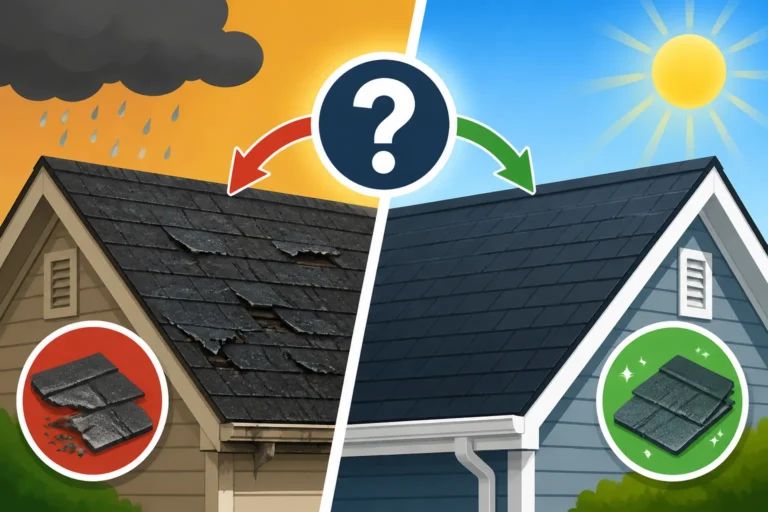
When considering repairs, remember that some hail damage, like granule loss and bruising, might not cause immediate leaks but will shorten your roof's lifespan significantly. In many cases of widespread hail damage, especially if your roof is older, a full replacement might be the more cost-effective and prudent option in the long run. Trying to patch up numerous hail strikes can lead to a patchwork roof that still fails prematurely. A contractor can help you understand the full extent of the damage and provide estimates for both repair and replacement, helping you make an informed decision about Roof Repair vs Replacement: How to Decide. Getting multiple bids, perhaps facilitated by services like Modernize, will help you compare options, as detailed in our article on How to Get Roofing Quotes and Compare Them.
Remember to keep detailed records of all communications, estimates, and work performed. This is not just good practice, but also crucial for understanding your Roofing Warranty: Workmanship vs Manufacturer and ensuring its validity.
Overview of Common Hail Damage Signs and Implications
Here's a quick reference table to help you understand what different types of hail damage mean for your roof:
| Type of Hail Damage | Visual Signs | Immediate Implications | Long-Term Consequences |
|---|---|---|---|
| Granule Loss | Dark spots on shingles, granules in gutters/downspouts | Asphalt exposed to UV rays | Accelerated shingle aging, brittleness, premature failure |
| Bruising/Soft Spots | Slight depressions, soft spots when touched | Compromised fiberglass mat, weakened shingle | Cracking, water intrusion, reduced shingle integrity |
| Cracks/Fractures | Visible cracks in shingle surface, sometimes immediate leaks | Direct water pathways into roofing system | Leaks, wood rot, mold growth, structural damage |
| Dented Flashing/Vents | Dents, creases in metal flashing, cracked plastic vents | Broken seals, compromised vent function, potential rust | Leaks around penetrations, impaired attic ventilation |
| Dented Gutters | Dents, dings in aluminum or metal gutters | Impaired water flow, cosmetic damage | Overflowing gutters, foundation issues, curb appeal reduction |
Disclaimer
Please note that the information provided in this article is intended for general guidance and informational purposes only, and does not constitute professional roofing or insurance advice. Always consult with a qualified and licensed roofing contractor and your insurance provider for assessments, specific recommendations, and accurate estimates regarding your roof's condition and any potential repairs or replacements.