What Causes Wind Damage on a Roof
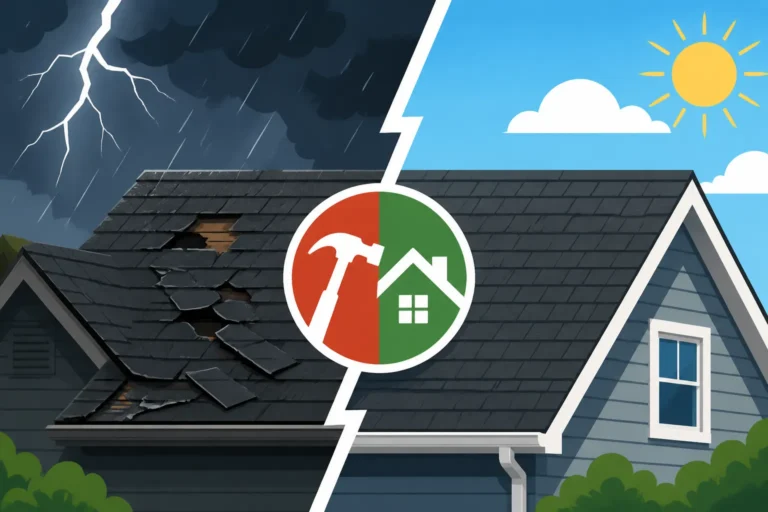
There’s nothing quite like the knot in your stomach when you step outside after a big storm and see something amiss with your roof. Maybe it’s a shingle in the yard, or a quick glance reveals something just doesn't look right. Wind damage is a common culprit for roof woes, causing stress for homeowners everywhere. This guide is here to walk you through exactly what causes wind damage, what to look for, and why certain roofs are more susceptible than others, helping you understand your options moving forward.
Understanding How Wind Attacks Your Roof
It's easy to think of wind damage as just shingles getting ripped off, but it's a much more complex battle between powerful air currents and your home's protective layer. Different forces are at play, each capable of wreaking havoc in its own way. Understanding these mechanics can help you better identify the types of damage your roof might have sustained.
Wind Uplift and Negative Pressure
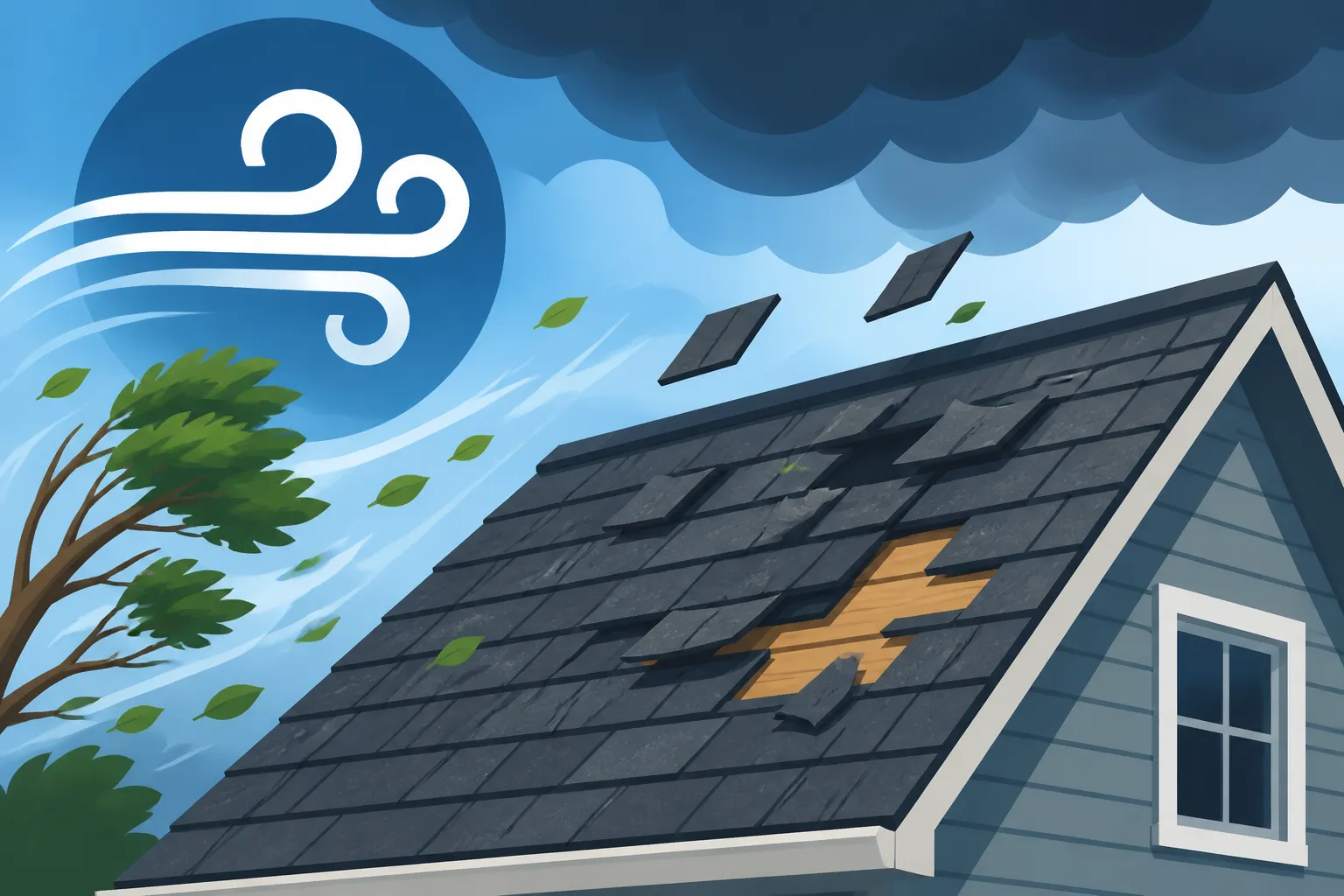
When strong winds blow over your roof, they don't just push down; they create a powerful lifting force, much like how an airplane wing generates lift. This is called negative pressure or the Bernoulli effect. As wind speeds up over the curved surface of your roof, the air pressure above decreases, creating a vacuum-like suction. This lifting force is especially potent around the edges, corners, and ridge lines of your roof, which are often the first areas to show damage.
Imagine a powerful gust of wind roaring over your home in a place like Oklahoma or Kansas, where sudden, intense thunderstorms are common. That suction can literally try to peel your shingles right off your roof decking, starting from the weakest points. Once a single shingle or a small section is lifted, the wind can get underneath it, exerting even more pressure and making it easier to rip away more shingles. It’s a domino effect that can quickly escalate during a prolonged wind event, leaving large sections of your roof exposed.
Direct Wind Pressure and Shear Forces
Beyond the uplift, there's the direct, brute force of the wind pushing against your home. This is especially true on the windward side of your house – the side directly facing the oncoming wind. This direct pressure can cause shingles to bend, crease, or even break. The wind doesn't just push; it creates shear forces, which are essentially sliding or tearing actions.
Consider a fierce nor'easter slamming the New England coast or a derecho tearing through the Midwest. The sheer force of these winds can slide shingles across each other, breaking their seals and exposing the underlying layers. Even if a shingle isn't completely torn off, this immense lateral pressure can cause it to buckle or fracture, compromising its integrity and ability to shed water. These forces are also incredibly hard on other roof components, like flashing around chimneys or skylights, and can even compromise the stability of your fascia and soffit.
Visible Signs of Wind Damage to Asphalt Shingles
It’s crucial to know what to look for after a strong storm, even if you don't immediately see shingles scattered across your lawn. Wind damage isn't always obvious to the untrained eye, but recognizing the subtle signs can save you from bigger, more expensive problems down the road. If you're unsure about how to identify damage, it's always a good idea to consider contacting a professional. You can often find experienced roofers through platforms like Modernize who are skilled at conducting thorough roof inspections.
Missing, Lifted, or Blown-Off Shingles
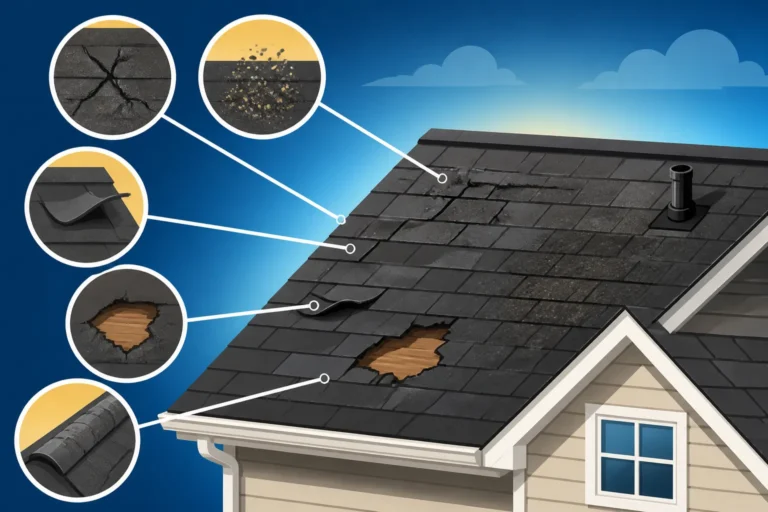
This is probably the most recognizable sign of wind damage. You might find individual shingles, or even entire strips, lying in your yard, in gutters, or on your neighbor's property. If you look up at your roof, you'll see exposed areas where shingles once were. These areas are typically dark, revealing the underlayment or even the roof decking beneath.
But sometimes, shingles aren't completely blown off; they might just be lifted or creased. Wind can break the sealant strip that holds shingles together, allowing the edges to lift and flap in subsequent winds. This is particularly common with 3-tab shingles, which have less inherent wind resistance than architectural shingles. Even if the shingle isn't gone, a lifted edge is a serious problem because it allows water to penetrate underneath, potentially leading to leaks and rot in your roof decking. If you see edges that are no longer flat against the roof, or if you spot any of the underlying tar paper or felt, that's a clear indicator of wind compromise. You can learn more about what to look for in our guide on .
Creased, Cracked, or Bruised Shingles
Wind doesn't always have to rip a shingle off to damage it. High winds can bend shingles backward, causing them to crease or fold. This creasing often occurs along the sealing strip or where the shingle is nailed. Once a shingle is creased, its protective granular surface is weakened, and the underlying asphalt can crack, losing its ability to repel water effectively.
Think about a strong gust that hits your roof, momentarily lifting a shingle before slamming it back down. That sudden impact can cause a crease. These creases might be subtle, sometimes appearing as a faint line or discoloration, but they are structural failures. Over time, these weakened spots can crack, allowing water infiltration. In areas prone to heavy winds, like the Gulf Coast during hurricane season or the Tornado Alley states, even apparently intact shingles should be carefully inspected for these less obvious signs. Damage from this can often resemble hail damage, so a detailed inspection from a professional is key.
Granule Loss and Exposed Asphalt
Asphalt shingles are covered with tiny ceramic granules that protect the asphalt layer from UV rays and provide color. Intense wind can abrade these granules, especially if debris is caught in the wind or if shingles are constantly flexing. While some granule loss is normal over a roof's lifespan, significant loss after a storm can indicate wind stress. You might notice an accumulation of granules in your gutters or at the bottom of your downspouts.
When granules are dislodged, the underlying asphalt becomes exposed to the sun's harsh UV rays, accelerating its degradation. This leads to premature aging, drying, and cracking of the shingle. If you see darker, smoother patches on your shingles where the protective granules used to be, particularly on the windward side of your roof, it's a strong indicator of wind-related wear. This type of damage can sometimes be subtle, so checking your gutters for granule buildup after a storm is a good habit. Our article on discusses the implications of granule loss in more detail.
| Type of Wind Damage | Description | Immediate Concern | Long-Term Risk |
|---|---|---|---|
| Missing Shingles | Entire shingles or strips are detached from the roof, exposing underlayment or decking. | Immediate water leaks, structural damage. | Extensive water damage, mold growth, compromised structural integrity. |
| Lifted/Loose Shingles | Shingle sealant is broken, edges are curled or raised, but shingle is still attached. | Water infiltration, potential for further detachment in future winds. | Rotting roof deck, increased risk of more severe damage. |
| Creased/Bent Shingles | Shingles are folded or sharply bent, often along the nail line or sealant. | Compromised water shedding, cracks forming in the crease. | Leaks, accelerated shingle deterioration, granule loss. |
| Granule Loss | Ceramic granules are worn off, revealing the black asphalt beneath. | UV exposure to asphalt, reduced shingle lifespan. | Brittle shingles, cracking, eventual total roof failure. |
| Damaged Flashing | Metal flashing around chimneys, vents, or valleys is bent, lifted, or torn. | Immediate entry points for water leaks. | Severe water damage to interior, expensive repairs. |
Factors That Increase Roof Vulnerability to Wind Damage
Not all roofs react to wind in the same way. Several factors can either bolster your roof's resilience or leave it highly susceptible to even moderate gusts. Understanding these vulnerabilities is key to assessing your current roof's risk and making informed decisions about repairs or replacement.
Age and Condition of the Roof
An older roof is inherently more vulnerable to wind damage. Over time, asphalt shingles dry out, become brittle, and lose their flexibility. The adhesive sealant strips designed to bond shingles together and resist wind uplift also degrade with age and exposure to UV radiation and temperature fluctuations. A 15 to 20-year-old roof, especially if it hasn't been properly maintained, will have significantly less wind resistance than a newer roof, even if it was installed with high-quality materials.
Think about a typical asphalt shingle roof in a sunny state like Arizona or Florida. The intense sun and heat can accelerate the drying and cracking process, making the shingles far more fragile when strong winds inevitably arrive. When that sealant strip fails, the shingle becomes a loose flap, easily caught by wind gusts. Even if the wind isn't strong enough to tear off a brand new, properly installed shingle, it might be more than enough to dislodge an older, brittle one. This is a critical consideration when evaluating whether to pursue a full Roof Repair vs Replacement: How to Decide.
Shingle Type and Quality
The type of asphalt shingle on your roof plays a massive role in its wind resistance.
- 3-Tab Shingles: These are typically the most basic and least wind-resistant. They are thinner, have a single layer, and are more prone to lifting and tearing in high winds. Many have wind ratings around 60-70 mph.
- Architectural (Dimensional) Shingles: These are thicker, multi-layered, and designed to mimic the look of natural slate or wood shakes. Their heavier weight and more robust construction, combined with stronger adhesive strips, make them significantly more wind resistant, often rated for 110-130 mph winds. Brands like GAF (with their Timberline HDZ series) and Owens Corning (with their Duration series) offer enhanced sealing technologies specifically for wind protection.
- Impact-Resistant or Class 4 Shingles: These premium shingles are engineered with a rubberized asphalt core or other materials to withstand severe weather, including hail and extremely high winds. They are often rated for winds up to 130 mph or even higher and can sometimes even lead to insurance discounts.
Poor quality shingles, regardless of type, will also perform poorly. Cheap materials or manufacturing defects can lead to premature failure of the sealant or shingle body, making them a liability in windy conditions. Our guide on How Wind Ratings Work for Shingles delves deeper into understanding these ratings.
Installation Quality and Nailing Pattern
Even the best shingles are only as good as their installation. Proper installation is absolutely critical for wind resistance. This includes:
- Correct Nailing: Shingles must be nailed in the specified nailing zone with the correct number of nails (typically 4-6 per shingle, depending on the shingle and local building codes). Nails driven too high, too low, or at an angle won't hold the shingle securely. In high-wind areas, enhanced nailing patterns or a greater number of fasteners may be required by code.
- Adequate Adhesive Activation: The factory-applied sealant strip needs proper conditions (temperature, sunlight) to activate and create a strong bond between shingle layers. If shingles are installed in very cold weather or if there isn't enough sun exposure after installation, the sealant might not properly activate, leaving them vulnerable to lifting.
- Proper Flashing: Flashing around chimneys, skylights, and valleys must be installed correctly and securely to prevent wind from peeling them away, which can create entry points for water.
- Starter Shingles and Drip Edge: The starter course of shingles and the drip edge along the roof perimeter are essential for protecting the very vulnerable edges of the roof from wind and water intrusion.
A roofer rushing through a job or cutting corners on materials and techniques will drastically reduce your roof's ability to withstand wind. This is why it's incredibly important to choose a reputable, experienced contractor for any roof work. Consider using resources like Modernize to find certified professionals who adhere to manufacturer specifications and local building codes. You can learn more about proper installation in our comprehensive guide on How Asphalt Shingles Are Installed: Step by Step.
What to Do When You Discover Wind Damage
Finding wind damage can be startling, but knowing the right steps to take immediately can prevent further damage and streamline the repair or replacement process. Don't panic; act strategically.
Prioritize Safety and Prevent Further Damage
Your first priority should always be safety.
- Stay Off the Roof: Unless you are a trained professional, do not climb onto a damaged roof. It can be incredibly dangerous, especially if shingles are loose, the structure is compromised, or if there are exposed nails or slippery surfaces.
- Document Everything (Safely): From the ground, take clear photos and videos of the damage you can see. If you have a drone or can get aerial shots from a neighbor's property, that's even better. These visual records will be invaluable for your insurance claim.
- Temporary Measures: If you have active leaks inside your home, carefully move furniture and belongings to prevent water damage. You might be able to temporarily cover exposed areas with a tarp from the ground using caution. However, for significant damage, it's best to call a professional for emergency tarping. Many contractors, especially after a major storm, offer emergency services to help secure your home.
Contact Your Insurance Company and a Reputable Roofer
Once your immediate safety and documentation are handled, it's time to reach out to the pros.
- Notify Your Insurance Provider: Contact your homeowner's insurance company as soon as possible to report the damage and start a claim. They will guide you through their specific process, which usually involves an adjuster inspecting the damage. Be prepared to share your photos and videos. Our guide on How to File a Roof Insurance Claim can walk you through the process.
- Get a Professional Inspection: Before or immediately after contacting your insurance, reach out to a reputable local roofing contractor for a thorough inspection. A professional roofer can identify damage that isn't visible from the ground and provide an expert assessment of the extent of the wind damage, including potential issues with underlayment or decking that an insurance adjuster might miss initially. They can also advise on the best course of action – whether it's minor repairs or a full Asphalt Roof Replacement Cost: Complete Breakdown.
- Understand Estimates: Get detailed written estimates from at least two to three different roofing companies. These estimates should clearly itemize all labor, materials, and disposal costs. Be wary of contractors who pressure you to sign immediately or offer incredibly low bids, as this can be a sign of a scam. Comparing bids carefully is a crucial step; our article How to Read and Compare Roofing Estimates offers excellent advice here.
Remember, a good roofing contractor will be transparent, provide proof of licensing and insurance, and work with you through the entire process, including assisting with insurance claims paperwork if needed. When major storms hit, it's common to see "storm chasers" from out of state. It's best to stick with local, established companies that have a track record in your community. You can use services like Modernize to help you find local, pre-vetted contractors to ensure you're working with a reliable professional.
Disclaimer
Please remember that the information provided in this article is intended for general guidance and informational purposes only, and does not constitute professional advice. Always consult with a qualified roofing contractor and your insurance provider for assessments and decisions specific to your property and situation.