Is Wind Damage Covered by Insurance
Dealing with roof damage after a powerful windstorm is incredibly stressful, and one of the first, most pressing questions homeowners ask is, "Will my insurance even cover this?" The worry about out-of-pocket expenses on top of the immediate need for repairs can be overwhelming. This comprehensive guide will walk you through the intricacies of homeowner's insurance when it comes to wind damage, helping you understand your policy, navigate the claims process, and ultimately get your asphalt roof back in top shape.
Understanding Your Homeowner's Insurance Policy and Wind Damage
It’s easy to assume all damage is covered, but insurance policies are complex documents often filled with specific jargon and clauses that can make a huge difference in your claim. When it comes to wind damage, the devil is truly in the details of your individual policy. Don't wait until a storm hits to familiarize yourself with these crucial aspects.
What's Typically Covered: Windstorm Perils
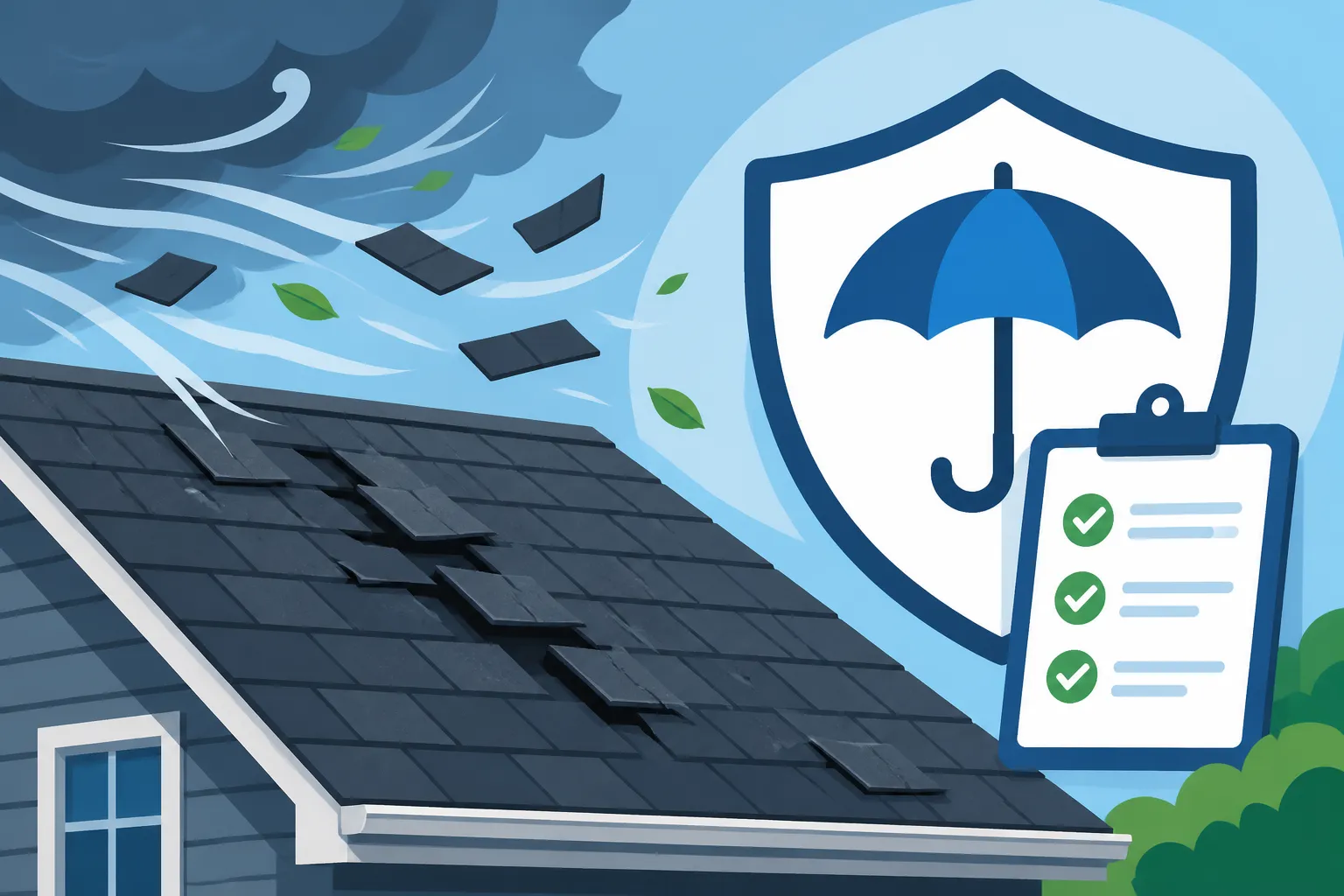
Most standard homeowners insurance policies, often referred to as HO-3 policies, generally include coverage for damage caused by windstorms. This is a fundamental "named peril" that gives you a solid starting point. This coverage extends to direct physical damage to your dwelling and other structures on your property, like a detached garage or shed, caused by wind. For instance, if a strong gust rips off a section of your asphalt shingles, sends a tree branch crashing onto your roof, or even lifts and twists your fascia, the repair or replacement costs for that specific damage would typically fall under this protection. The goal of this coverage is to restore your home to its pre-damage condition.
However, it's important to differentiate between actual cash value (ACV) and replacement cost value (RCV) coverage. With RCV, your insurer pays for the cost to replace the damaged property with new materials of similar kind and quality, without deduction for depreciation. This is generally the more favorable option for homeowners, especially for a large expense like a full roof replacement. On the other hand, ACV coverage only pays for the depreciated value of your roof at the time of loss, which means you'll receive less and bear more of the replacement cost yourself. Always check which type of coverage you have for your roof specifically, as some policies might offer RCV for the dwelling but ACV for the roof if it's older. Understanding your policy's specifics can significantly impact your financial outcome when dealing with wind damage, and it's a good idea to review your policy with your agent annually.
Common Exclusions and Limitations to Watch For
While wind damage is usually covered, there are critical exclusions and limitations that can surprise homeowners. One of the most common is the windstorm or hail deductible. This isn't your standard deductible; it's often a separate, higher deductible, usually calculated as a percentage of your home's insured value (e.g., 1%, 2%, or even 5%). So, if your home is insured for $300,000 and you have a 2% wind/hail deductible, you'd be responsible for the first $6,000 in damages before your insurance kicks in. These higher deductibles are especially common in states prone to severe weather, such as Florida, Texas, and parts of the Midwest.
Another key limitation can be found in policies that exclude damage from certain types of wind events, though this is less common with standard policies for typical windstorms and more for specific geographical risks. More frequently, policies will not cover damage caused by neglect or lack of maintenance. If your roof was already in a state of disrepair, with severely curling or cracked shingles, and a minor wind event exacerbates this existing damage, your insurance company might deny the claim, arguing that the damage wasn't solely due to the wind. Furthermore, some policies have limitations on older roofs, offering only actual cash value for roofs beyond a certain age, even if the rest of your home is covered for replacement cost. These nuances highlight why a thorough understanding of your policy's terms is paramount, especially before a claim arises. It's wise to review your policy regularly to ensure it still meets your needs and to understand any potential pitfalls.
The Claims Process: From Damage to Repair
Once wind damage strikes, the thought of filing an insurance claim can feel daunting. It’s a process that requires careful attention to detail and communication, but breaking it down into manageable steps can help ease the burden.
Documenting Wind Damage for Your Claim
The moment you suspect wind damage, documentation becomes your best friend. This isn't just about taking a quick snapshot; it's about building a comprehensive record that leaves little room for doubt. Start by taking clear, well-lit photographs and videos of all visible damage. Get close-ups of missing or lifted shingles, torn flashing, any debris on the roof, and even signs of internal leaks that might point to roof damage. Don't forget to include broader shots that show the overall condition of your roof and property. Consider shooting from different angles and even from a ladder (if it's safe) to capture the full scope.
It's also crucial to document the date and time of the storm, including any local weather reports or news articles detailing the wind speeds in your area. This helps establish a clear timeline for your claim. If you have any temporary repairs, like tarping a damaged section, keep receipts for those materials as they may be reimbursable. This initial documentation stage is critical, as it provides undeniable evidence for your insurance company. Remember, a picture is worth a thousand words, especially when you're trying to explain damage to an adjuster who wasn't there during the storm. Many homeowners find it helpful to consult with a reputable roofing contractor early on to get their professional assessment and documentation. Finding a reputable roofer who is experienced with insurance claims can simplify this process immensely.
Navigating the Insurance Adjuster's Inspection
After you've filed your claim, your insurance company will assign an adjuster to assess the damage. This person's job is to verify the cause and extent of the damage and determine what repairs or replacements your policy will cover. It's wise to be present during this inspection. Walk the adjuster through your documented findings, highlighting areas of concern you've already photographed. Don't be afraid to ask questions about their assessment process and what they are looking for. They'll typically examine the roof for missing or torn shingles, signs of wind uplift, granule loss, and collateral damage to other roof components like flashing or vents.
It's highly recommended to have your chosen roofing contractor present during the adjuster’s visit if possible. A professional roofer can speak the industry language, point out subtle signs of damage that might be missed by an untrained eye, and provide a detailed estimate based on their expertise. This collaborative approach can often lead to a more accurate and comprehensive assessment of the damage, which is vital for securing appropriate coverage. For example, a contractor might highlight specific damage to the roof decking or underlayment that isn't immediately visible from the surface but is crucial for a complete repair. Remember, the adjuster works for the insurance company, so having your own expert advocating for your home's needs can be a significant advantage. Tools like Modernize can help you find local, vetted contractors who are experienced in working with insurance claims.
Different Types of Wind Damage and Coverage Nuances
Wind can wreak havoc on an asphalt shingle roof in many ways, and understanding the specific types of damage can help you articulate your claim more effectively. It’s not just about missing shingles; subtler issues can also compromise your roof’s integrity.
Missing Shingles and Granule Loss
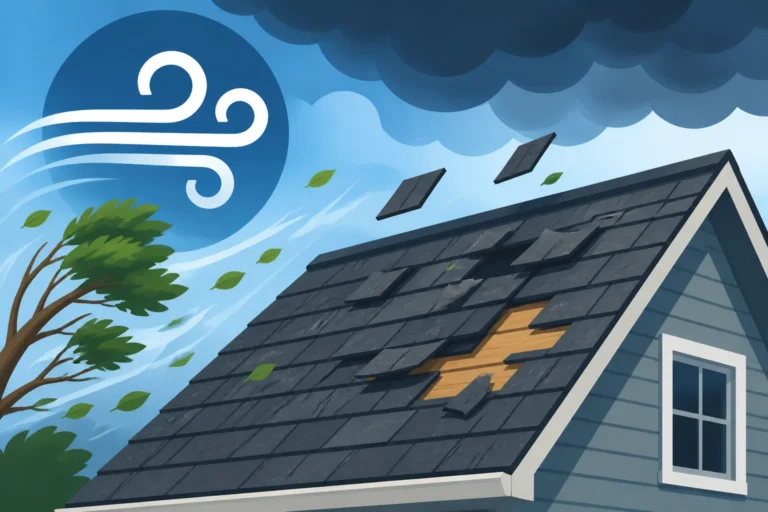
When strong winds hit, especially sustained gusts or sudden downdrafts, one of the most visible forms of damage is missing shingles. These are shingles that have been completely torn off the roof, leaving exposed underlayment or even roof decking. This is usually straightforward to claim, as the evidence is undeniable. However, even if shingles aren't completely gone, they might be lifted or creased. Lifted shingles have had their seals broken, making them vulnerable to future wind and water intrusion. Creased shingles, often called "flipped" or "broken," occur when the wind bends them back, damaging the mat and seal. While they may still be on the roof, their protective capabilities are severely compromised.
Another common sign of wind damage is significant granule loss. The granules on asphalt shingles protect the underlying asphalt from UV rays and provide crucial fire resistance. High winds can scour these granules off the shingles, particularly around edges or on exposed slopes. While some granule loss is normal over a roof's lifespan, excessive loss, especially in localized areas after a storm, can indicate wind damage. Your insurance company will look for patterns of granule loss consistent with wind exposure. If you notice large patches of granules in your gutters or on the ground after a storm, it's a strong indicator that your shingles have been compromised. This type of damage might not seem as dramatic as missing shingles, but it significantly shortens the lifespan of your roof and can lead to more severe issues down the line. It's often a tell-tale sign that you might need a roof repair or even a full replacement, depending on the extent.
Uplift and Structural Wind Damage
Beyond just shingle issues, severe wind can cause more profound structural problems for your roof. Wind uplift refers to the force that pushes up on the underside of a roof, attempting to detach it from the structure. This can manifest as loose or detached decking, especially at the edges or corners of the roof, or even a noticeable sagging or buckling of sections of the roof. If the wind gets underneath the roof system, it can compromise the attachment points of the roof deck to the rafters or trusses. This kind of damage is more severe and usually requires extensive repairs to the underlying structure, not just the shingles.
In extreme cases, particularly during hurricanes or tornadoes, wind can cause significant structural damage to the entire roof framing, including trusses and rafters. This might include twisting, splitting, or complete displacement of structural components. For instance, in coastal areas prone to hurricanes, high-wind nailing requirements are often in place to mitigate uplift. If your roof was installed before these codes were updated, or if it wasn't installed properly, it could be more susceptible to such damage. Such extensive damage almost always necessitates a full roof replacement and can be a major undertaking. Insurance claims for structural damage are typically more complex and require detailed inspections by engineers or structural experts, in addition to your roofing contractor and the insurance adjuster.
Maximizing Your Chances for a Successful Wind Damage Claim
Navigating an insurance claim can feel like a battle, but with the right preparation and approach, you can significantly improve your chances of a favorable outcome. It's about being proactive, informed, and strategic.
Why a Thorough Inspection Matters
Before you even pick up the phone to call your insurance company, or certainly immediately after, a comprehensive roof inspection by a qualified professional is absolutely paramount. Don't rely solely on what you can see from the ground. A reputable roofing contractor will conduct a meticulous inspection, often getting on the roof (safely, of course!) to identify both obvious and subtle signs of wind damage. They'll look for things like:
- Missing or Damaged Shingles: Beyond just what's gone, they'll check for creased, lifted, or bruised shingles that may not be immediately obvious but compromise the roof's integrity.
- Granule Loss: They'll assess the extent and pattern of granule loss, which can be a key indicator of wind scour.
- Flashing Damage: Wind can rip or bend flashing around chimneys, vents, and skylights, creating prime entry points for water.
- Drip Edge Integrity: The drip edge, which helps water flow away from the fascia, can be bent or torn by strong winds.
- Gutter Damage: Heavy winds can tear gutters away from the fascia or clog them with debris, leading to secondary water damage issues.
- Underlayment and Decking Damage: In severe cases, high winds can compromise the underlayment or even expose and damage the roof decking.
A detailed inspection report from your roofer, complete with photos and a scope of work, provides a professional, unbiased assessment that corroborates your claim. This report can be invaluable when negotiating with your insurance adjuster and helps ensure that all damaged components are accounted for in the claim. It essentially provides a roadmap for the necessary repairs and helps prevent hidden costs in a roof replacement.
Working with Your Roofing Contractor and Insurance
The relationship between you, your roofing contractor, and your insurance company can make or break your wind damage claim. Your contractor should act as your advocate, providing expert opinions and ensuring that the insurance company fully understands the extent of the damage and the necessary repairs. Many contractors specialize in insurance claims, streamlining the process. They can help you understand your options, such as whether a simple repair or a full Roof Repair vs Replacement: How to Decide is needed, and assist with documentation.
When choosing a contractor, look for one who is licensed, insured, and has a strong track record of working with insurance companies. They should be able to provide a detailed estimate that aligns with industry standards and your policy's coverage. For example, a GAF Master Elite Contractor or an Owens Corning Platinum Preferred Contractor has specific manufacturer certifications that speak to their quality and expertise, which can sometimes even factor into extended warranty coverage. These contractors are often familiar with local building codes and can ensure that your roof replacement meets all current requirements.
Your roofer can also help you understand the nuances of things like your Roofing Warranty: Workmanship vs Manufacturer and how the current damage might impact it. While your insurance covers the damage, your contractor focuses on the quality and longevity of the repair. They can provide valuable insights on topics such as How to Get a Lower Roofing Quote by optimizing material choices or understanding What Drives Asphalt Roofing Costs Up or Down. By having a strong advocate in your corner, you can feel more confident that your roof will be restored correctly and that your insurance claim is handled efficiently.
| Aspect of Coverage | Typical Wind Damage Scenario | Common Policy Stance | Potential Hurdles/Exclusions |
|---|---|---|---|
| Missing Shingles | High winds rip off individual asphalt shingles. | Generally covered under "windstorm" peril. | High wind/hail deductible, pre-existing poor roof condition. |
| Lifted/Creased Shingles | Strong gusts lift shingles, breaking seals, or crease them. | Usually covered if damage is direct and not due to age. | Damage attributed to aging, maintenance neglect, ACV if roof is old. |
| Granule Loss | Excessive granules shed from shingles due to wind abrasion. | Covered if clearly attributed to a specific wind event. | General wear and tear, age-related granule loss. |
| Flashing Damage | Wind tears or bends flashing around chimneys, vents. | Typically covered as part of the roof system. | Rust, improper previous installation, deferred maintenance. |
| Structural Damage | Wind causes damage to roof decking, rafters, or trusses. | Covered, often requiring detailed inspection. | Insufficient original construction, damage not directly tied to wind event. |
| Debris Damage | Tree falls on roof due to wind, causing impact damage. | Generally covered; tree removal might have separate limits. | If tree was already dead or diseased (neglect). |
Essential Next Steps After Wind Damage to Your Roof
Experiencing wind damage can feel like a setback, but taking decisive and informed action can turn a stressful situation into a manageable one. Here’s a clear path forward to help you protect your home and successfully navigate your insurance claim.
Secure Your Property and Prevent Further Damage
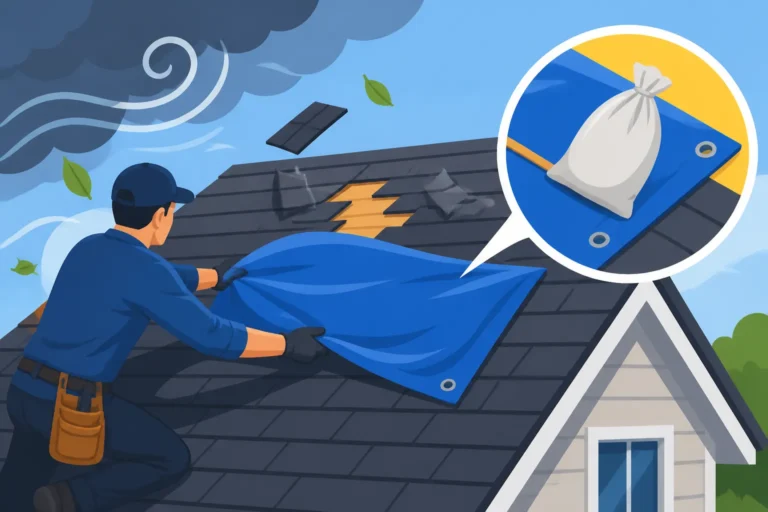
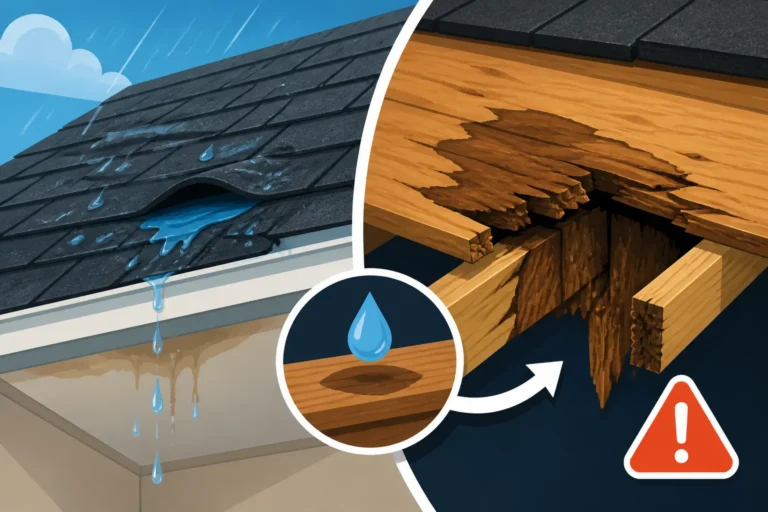
Your absolute first priority after discovering wind damage is to prevent any further harm to your home. This often means temporarily securing the damaged areas to stop water intrusion, especially if you have missing shingles or exposed decking. The most common immediate action is to tarp the affected sections of your roof. While this is a temporary fix, it's crucial for preventing costly secondary damage to your attic, ceilings, and interior walls. Keep all receipts for tarps, nails, and any other materials you purchase for these emergency repairs; your insurance company may reimburse you for these expenses. If the damage is extensive or you feel unsafe performing temporary repairs yourself, contact a reputable emergency roofing service. Many roofing companies offer emergency services to help homeowners secure their properties after a storm. Remember, protecting your property is often a condition of your insurance policy, so acting quickly here is important.
Additionally, thoroughly inspect your attic if you can safely access it. Look for any signs of water stains, drips, or damp insulation, which would indicate a leak. Document any interior damage with photos and videos as well, as this will also be part of your claim. Be mindful of potential hazards like exposed wiring or unstable structural elements, and if you suspect serious structural damage, evacuate the area and call a professional immediately. Taking these immediate steps not only protects your home but also demonstrates to your insurer that you're proactively mitigating losses.
Initiating Your Insurance Claim and Professional Consultation
Once your property is secured, it’s time to officially start your insurance claim. Contact your insurance agent or company directly as soon as possible. Provide them with the date of the storm, a brief description of the damage, and any initial documentation you've gathered. They will open a claim file and explain the next steps, including when an adjuster might be dispatched. Be prepared to answer questions about the nature of the storm and the extent of the damage.
Simultaneously, contact a qualified and local roofing contractor for a professional inspection and estimate. This step is critical because a reputable contractor can provide an expert assessment that often aligns with or even surpasses the adjuster's initial findings. Look for contractors who are known for their expertise in handling insurance claims; they often have systems in place to streamline communication with your insurer. Tools like Modernize can help you connect with reliable local professionals who understand the nuances of asphalt roofing and insurance processes. Getting multiple opinions from trusted contractors can also be beneficial, ensuring you have a comprehensive understanding of the necessary repairs and costs involved. This proactive approach, combining quick action with professional expertise, sets the stage for a smoother and more successful insurance claim process.
Navigating Estimates and Potential Discrepancies
After the insurance adjuster's visit and your roofing contractor's assessment, you'll likely have two main documents: the adjuster's estimate of damages and your contractor's proposal for repairs or replacement. It's not uncommon for there to be discrepancies between these two. The adjuster's estimate might be lower, omit certain items, or not fully account for local building code requirements that impact repair costs, such as Roof Decking Replacement Cost or Cost of Ridge Vent Installation. Your contractor's estimate, on the other hand, should detail all materials and labor necessary to bring your roof up to current code and restore it to its pre-loss condition, including any unexpected issues like Cost to Remove Two Layers of Shingles if it's an overlay scenario.
If there's a significant difference, your contractor can help you navigate this. They can communicate directly with the adjuster, providing supplemental documentation, photos, and a breakdown of costs to justify their estimate. This process is often called "supplementing the claim." It's important to remember that insurance companies aim to cover the damage, but sometimes they need to be educated on the full scope of work required, especially concerning hidden damages or specific local requirements. Don't settle for an inadequate repair just because the initial insurance payout is lower than your contractor's bid. Your home is one of your biggest investments, and ensuring a proper, long-lasting repair or replacement is paramount. A good contractor will work with you and the insurance company to achieve a fair settlement that covers the full extent of the necessary work.
Disclaimer
This article is for general informational purposes only and does not constitute professional advice. Laws, prices and regulations vary by location and change over time. Consult a qualified professional for guidance on your specific situation.