What Causes Cracked Shingles on a Roof
There’s nothing quite as disheartening as looking up at your roof and spotting those tell-tale lines: cracked shingles. It’s a moment that sends a shiver down your spine, often accompanied by the immediate dread of potential leaks, expensive repairs, or even a full roof replacement. You’re not alone in that worry; cracked shingles are a common issue many homeowners face, and understanding why they happen is the first step toward finding the right solution and protecting your biggest investment. This guide is here to unravel the mystery of cracked asphalt shingles, diving deep into the various culprits, from relentless weather to installation quirks, so you can confidently assess the damage and decide on your next steps.
The Harsh Realities of Weather Exposure and Thermal Stress
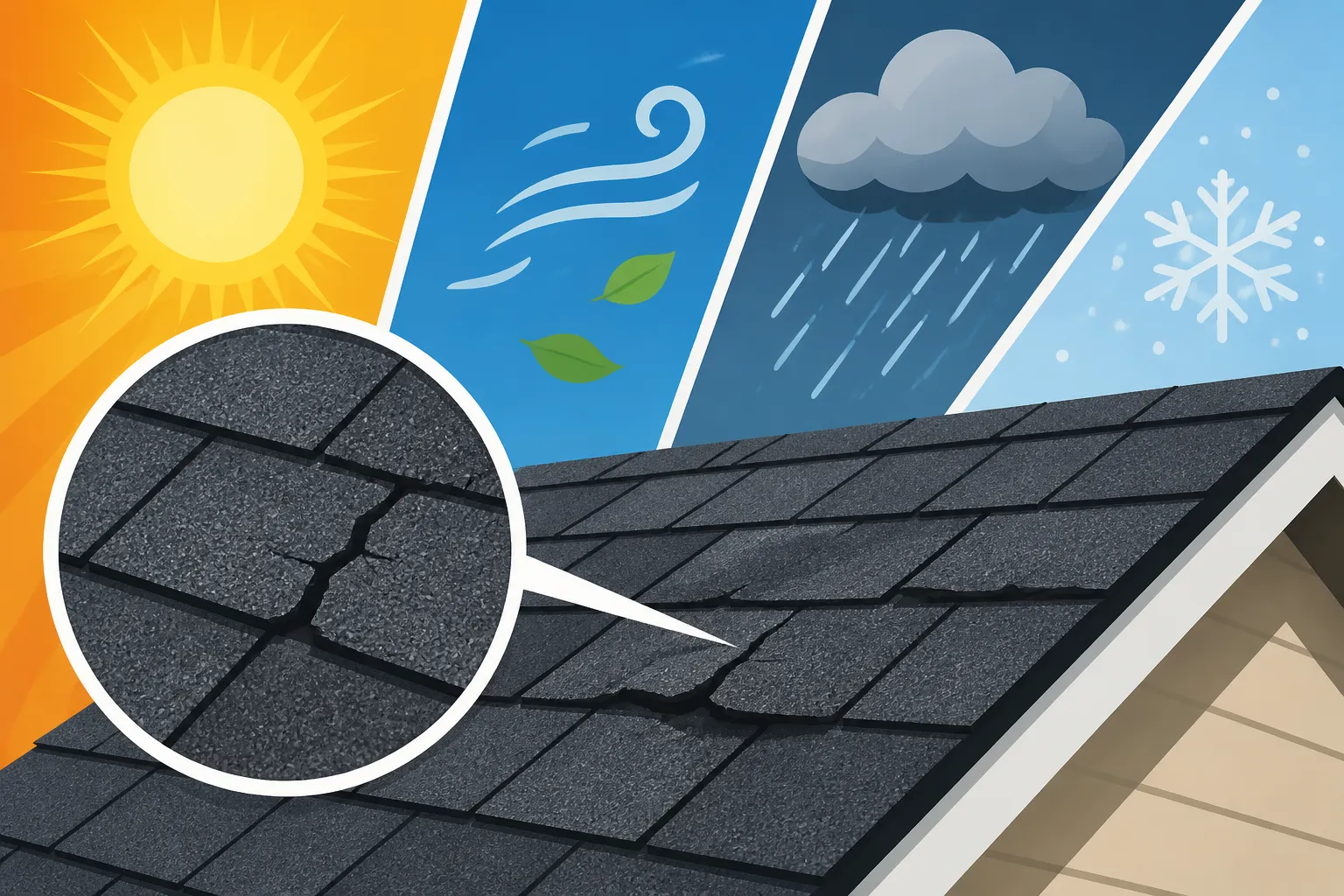
Our roofs take a beating day in and day out, silently shielding our homes from Mother Nature's relentless assault. When it comes to cracked shingles, the elements often play the biggest role, slowly but surely deteriorating the very materials designed to protect us. It’s a slow-motion battle, and sometimes the roof simply succumbs to the constant stress.
Relentless Sun and UV Radiation
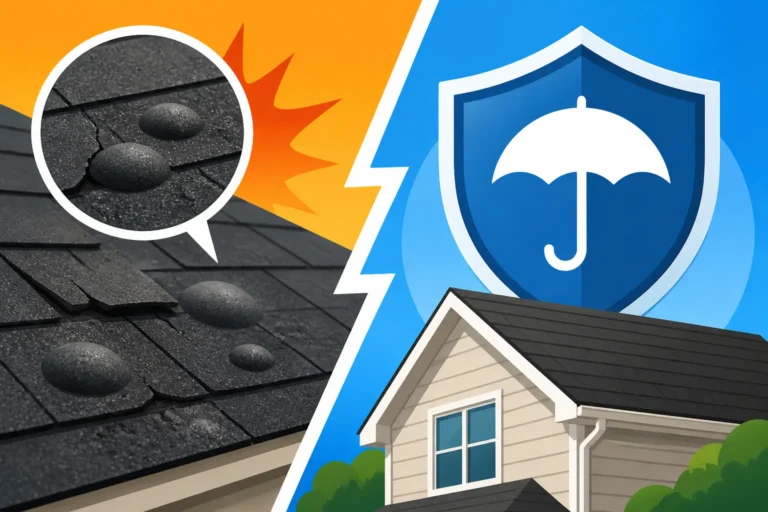
Think of your asphalt shingles as having a protective shield of granules on their surface, like tiny pieces of rock armor. This isn't just for aesthetics; these granules are crucial for reflecting harmful ultraviolet (UV) rays from the sun. Over years of exposure, especially in sun-drenched areas like Phoenix, Arizona, or central Florida, these UV rays relentlessly break down the asphalt beneath. This causes the essential oils within the asphalt to dry out and evaporate, making the shingles increasingly brittle.
As the asphalt dries and hardens, those protective granules start to loosen and wash away. You might notice them collecting in your gutters or at the base of your downspouts. Once these granules are gone, the underlying asphalt is left directly exposed to the sun, accelerating the drying process even further. Imagine a piece of old leather left out in the sun; it becomes stiff, shrinks, and eventually cracks. Your shingles experience a very similar fate, becoming rigid and prone to snapping or splitting under any minor stress.
Extreme Temperature Fluctuations
Beyond the constant UV onslaught, the daily and seasonal swings in temperature contribute significantly to shingle cracking. This phenomenon is known as thermal cycling. During a scorching summer day, your roof can reach incredibly high temperatures, causing the asphalt shingles to expand. Then, as evening falls, or during a cold winter night, those same shingles contract as they cool down. This isn't just a gentle expansion and contraction; it's a microscopic tug-of-war happening constantly.
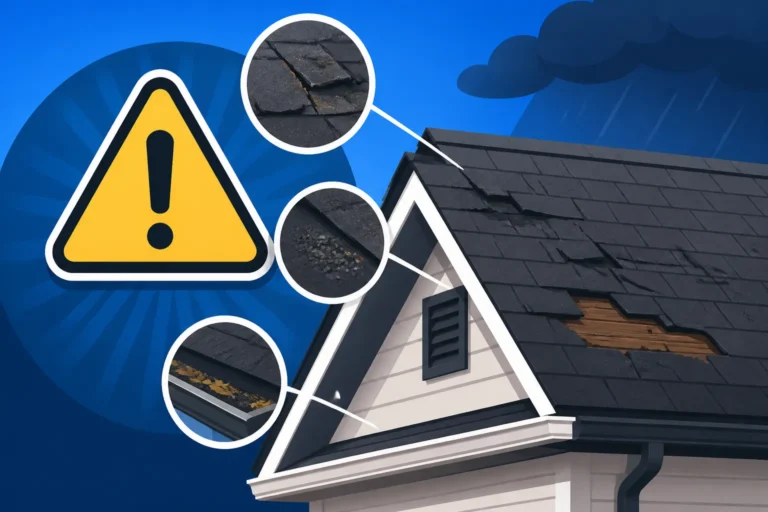
Consider a home in the Midwest, like Chicago, Illinois, where temperatures can swing from below freezing in winter to over 90 degrees Fahrenheit in summer. Each cycle puts immense stress on the shingles. This repetitive movement, day after day, year after year, eventually exhausts the material's elasticity. The shingles lose their ability to flex and recover, leading to fatigue cracks. These often appear as vertical or horizontal splits, sometimes even showing up as crescent-shaped cracks where the shingle tries to relieve stress but simply gives way.
Age, Wear, and Material Fatigue
Every roofing material has a lifespan, and asphalt shingles, while durable, are no exception. Over time, even the best shingles will eventually succumb to the forces of nature and the simple process of aging. Sometimes, though, the problem isn't just age but the quality of the material itself.
The Inevitable March of Time
Asphalt shingles typically have a lifespan of anywhere from 15 to 30 years, depending on their type and quality. For instance, a basic 3-tab shingle might last closer to 15-20 years, while architectural shingles can often exceed 25 or even 30 years with proper care. You can learn more about exactly how long they might last in our guide, "How Long Does an Asphalt Roof Last". As a roof approaches or surpasses its expected lifespan, the asphalt base starts to degrade significantly. The volatile oils that keep the shingles flexible and resilient slowly dissipate, leaving behind a dry, brittle mat.
This brittleness makes the shingles highly susceptible to cracking, even from minor impacts or changes in temperature. You'll often see these cracks appear across the entire roof slope, indicating widespread material fatigue rather than isolated damage. It's like an old rubber band; once it loses its elasticity, it snaps easily. At this point, even small repairs might be short-lived, as the surrounding material is equally compromised. When you start seeing widespread cracking due to age, it's a strong sign that you might be looking at a full replacement rather than just patch-up jobs, which you can further explore in "When to Repair a Roof Leak vs Replace the Roof".
Manufacturing Defects and Material Quality
While we all hope for the best, not all shingles are created equal. The quality of the asphalt, the density of the fiberglass mat, and the adhesion of the granules can vary significantly between manufacturers and product lines. Shingles from less reputable brands or lower-tier product lines might use cheaper fillers, thinner mats, or less durable asphalt compounds that are simply not designed to withstand the test of time or harsh weather conditions as effectively.
If you find that your shingles are cracking prematurely—say, well before their advertised lifespan, even with good installation and moderate weather—it could point to a manufacturing defect or simply a lower-quality product. These issues might not be immediately apparent but can manifest after just a few years of weathering. For instance, some batches might have inconsistent asphalt mixtures that dry out faster or fiberglass mats that are too weak to resist thermal expansion and contraction effectively. When you're considering a new roof, it's crucial to research reputable brands and their specific product lines. Using resources like Modernize can help you connect with roofing professionals who prioritize high-quality materials, ensuring you avoid these kinds of costly issues down the line.
Installation Errors and Structural Issues
Even the highest quality shingles can fail prematurely if they aren't installed correctly or if the underlying roof structure isn't sound. These issues often go unnoticed until cracks begin to appear, revealing fundamental flaws that could have been prevented.
Improper Nailing and Installation Techniques
The way shingles are nailed down is incredibly important for their performance and longevity. A skilled roofer understands the precise "nailing zone" on each shingle and uses the correct number of fasteners. However, improper nailing is a surprisingly common cause of cracked shingles. If nails are placed too high on the shingle, they might miss the underlying shingle completely, allowing the shingle to blow off or creating a weak point. More commonly, if nails are placed too low, they can be exposed, leading to leaks, but also preventing the shingle from flexing naturally.
An even more insidious problem is over-driving nails, where the nail gun sets the fastener too deep, cutting through the shingle. This creates a stress point, essentially weakening the shingle right from the start. Conversely, under-driven nails don't secure the shingle properly. When shingles can't expand and contract freely due to being nailed too tightly or incorrectly, they can tear and crack at the point of constraint. This is especially true for the sealing strip that needs to bond properly. Our detailed guide, "How Shingles Are Nailed and Sealed", dives into the specifics of proper fastening, highlighting how critical these seemingly minor details are to your roof's integrity. To understand the full process, you can also read "How Asphalt Shingles Are Installed: Step by Step".
Inadequate Attic Ventilation
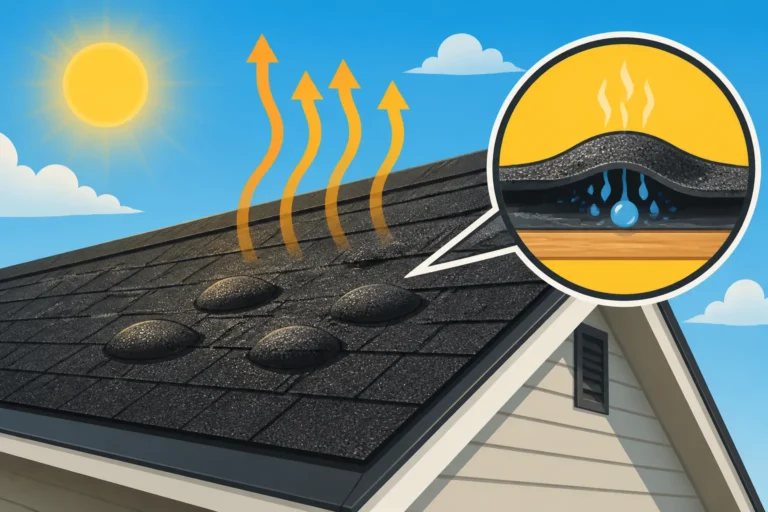
It might seem counterintuitive, but what's happening inside your attic can directly impact the shingles on the outside. A poorly ventilated attic traps an immense amount of heat, especially during warmer months. This superheated air essentially bakes the underside of your roof deck and, by extension, your shingles from below. This constant, excessive heat dramatically accelerates the drying out process of the asphalt shingles, exacerbating the effects of UV radiation from above.
When shingles are consistently subjected to these extreme temperatures, they become brittle much faster than they would in a properly ventilated system. This internal "cooking" significantly contributes to premature cracking, granule loss, and overall shingle degradation. It’s a double whammy: the sun beating down from the outside and the attic heat radiating up from the inside. Ensuring proper airflow through your attic, often via a combination of soffit and ridge vents, is vital for managing roof temperature and extending shingle life. We cover this extensively in "How Roof Ventilation Works".
Roof Deck Problems and Movement
Your asphalt shingles are only as good as the foundation they rest upon: your roof decking. If there are issues with the underlying roof deck, such as warped plywood or OSB, rot, or structural instability, these problems can translate directly to the shingles above. For example, if a section of the decking becomes saturated with moisture due to a long-standing leak and begins to rot, it loses its rigidity. This can create dips or uneven spots that put abnormal stress on the shingles.
Similarly, if the roof trusses or rafters settle or shift over time, it can cause the roof deck to move or warp. This structural movement can exert tension or compression on the installed shingles, forcing them to crack along these stress lines. Think of it like a ripple effect; a problem at the foundation of your roof system can manifest as visible damage on the surface. Addressing underlying decking issues is critical during a roof replacement, as simply installing new shingles over a compromised deck is a recipe for future problems. For more insights on the components of your roof, check out "Roof Anatomy: Parts of an Asphalt Shingle Roof". If you suspect you have decking issues, it's wise to consider the potential "Roof Decking Replacement Cost" during your roof planning.
External Forces and Impact Damage
Sometimes, shingle cracks aren't a slow, insidious process but rather the direct result of a sudden event. While asphalt shingles are designed to be resilient, certain external forces can overwhelm their defenses, leading to immediate and noticeable damage.
Hail and Debris Impact
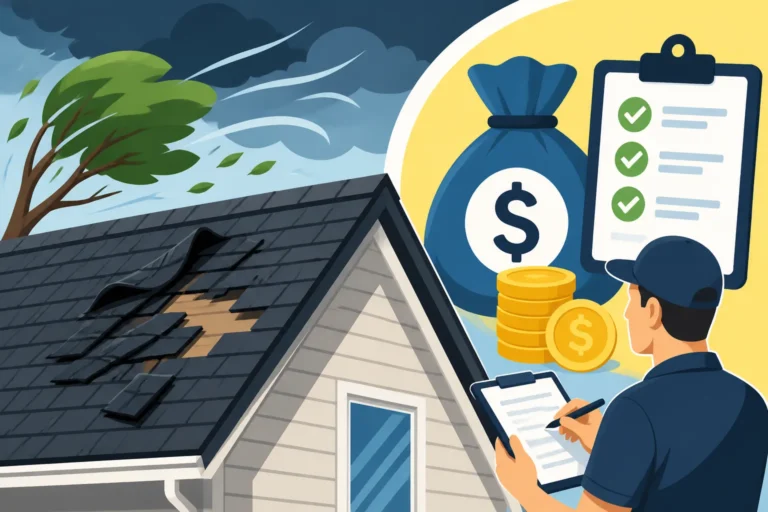
Hailstorms are notorious for causing significant roof damage, and cracked shingles are a primary symptom. When hailstones, especially larger ones (think quarter-sized or larger), strike asphalt shingles with force, they can bruise or fracture the shingle mat. On newer, more flexible shingles, this might initially appear as a soft spot or granule displacement. However, on older, more brittle shingles, the impact can cause immediate, distinct cracks. These often present as star-burst patterns, circular cracks, or clean splits where the shingle couldn't absorb the energy of the impact.
Beyond hail, falling debris such as tree branches, heavy acorns, or even construction materials from nearby projects can also cause impact cracks. The weight and velocity of these objects can easily fracture the shingle material. After a severe storm, it's crucial to inspect your roof safely for signs of damage. Our guide "Signs of Roof Hail Damage" offers valuable tips on identifying hail-related issues. If you notice signs of impact, contacting a reputable roofer found through services like Modernize is essential for a thorough inspection and insurance claim assistance.
Foot Traffic and External Pressure
While roofs are designed to be walked on by professionals for inspections and maintenance, excessive or improper foot traffic can easily lead to cracked shingles. This is particularly true in colder weather when asphalt shingles become more brittle and less pliable. Walking on frozen shingles can cause them to snap and crack underfoot, especially along the sealing strips or where they overlap. Homeowners who frequently access their roof for tasks like cleaning gutters or retrieving lost items should be mindful of how and when they tread.
Beyond direct foot traffic, other external pressures can contribute. For instance, leaning heavy ladders against the shingles in a single spot, placing heavy equipment on the roof for extended periods, or even excessive snow and ice accumulation followed by rapid thawing and shifting can exert undue stress. While a healthy, well-installed roof can withstand some pressure, these kinds of concentrated forces, especially on aging or compromised shingles, can be the final straw that leads to visible cracking. Always exercise caution when accessing your roof, or better yet, leave the high-up tasks to professionals who know how to navigate your roof without causing damage.
Here's a quick look at common reasons why your shingles might be cracking:
| Cause Category | Specific Reason | Common Indicators | When It Often Appears | Potential Urgency |
|---|---|---|---|---|
| Weather & Environment | UV Radiation | Granule loss, faded color, brittleness | Years of sun exposure (e.g., in California or Texas) | Moderate |
| Thermal Cycling | Horizontal/vertical cracks, brittle feel | Seasons with extreme hot/cold swings | Moderate | |
| Age & Material | Natural Aging | Widespread cracking, brittleness, curling, granule loss | Roof reaching/exceeding its lifespan | High |
| Manufacturing Defects | Premature cracking, inconsistent shingle quality | Early in roof's life (5-10 years) | High | |
| Installation & Structure | Improper Nailing | Cracks near nail points, lifted shingles | Soon after installation or first major storm | High |
| Inadequate Ventilation | Widespread cracks, premature aging, higher energy bills | Years after installation, especially in hot climates | Moderate | |
| Roof Deck Problems | Sagging spots, uneven shingle lines, cracks over seams | Often hidden until significant damage occurs | High | |
| External Forces | Hail/Debris Impact | Star-burst cracks, pockmarks, isolated damage | Immediately after severe storms | High |
| Foot Traffic/External Pressure | Isolated cracks, broken shingles in walked areas | After roof access or heavy load events | Low to Moderate |
Understanding what causes cracked shingles is a big part of knowing how to address them. While minor, isolated cracks might be repairable, widespread cracking due to age or underlying issues often points to the need for a full roof replacement. For an idea of what that might cost, check out our guide on the "Average Roof Replacement Cost This Year". When you're ready to explore options, remember to properly vet contractors and ask key questions, which you can find guidance on in articles like "How to Choose a Roofing Contractor" and "Questions to Ask a Roofing Contractor Before Hiring".
Disclaimer
Please remember that this article provides general information and guidance. Roofing work can be complex and dangerous. Always consult with a qualified, licensed, and insured roofing professional for specific advice regarding your home's roof condition, repair, or replacement needs. Attempting DIY repairs without proper knowledge and safety equipment can lead to further damage or injury.