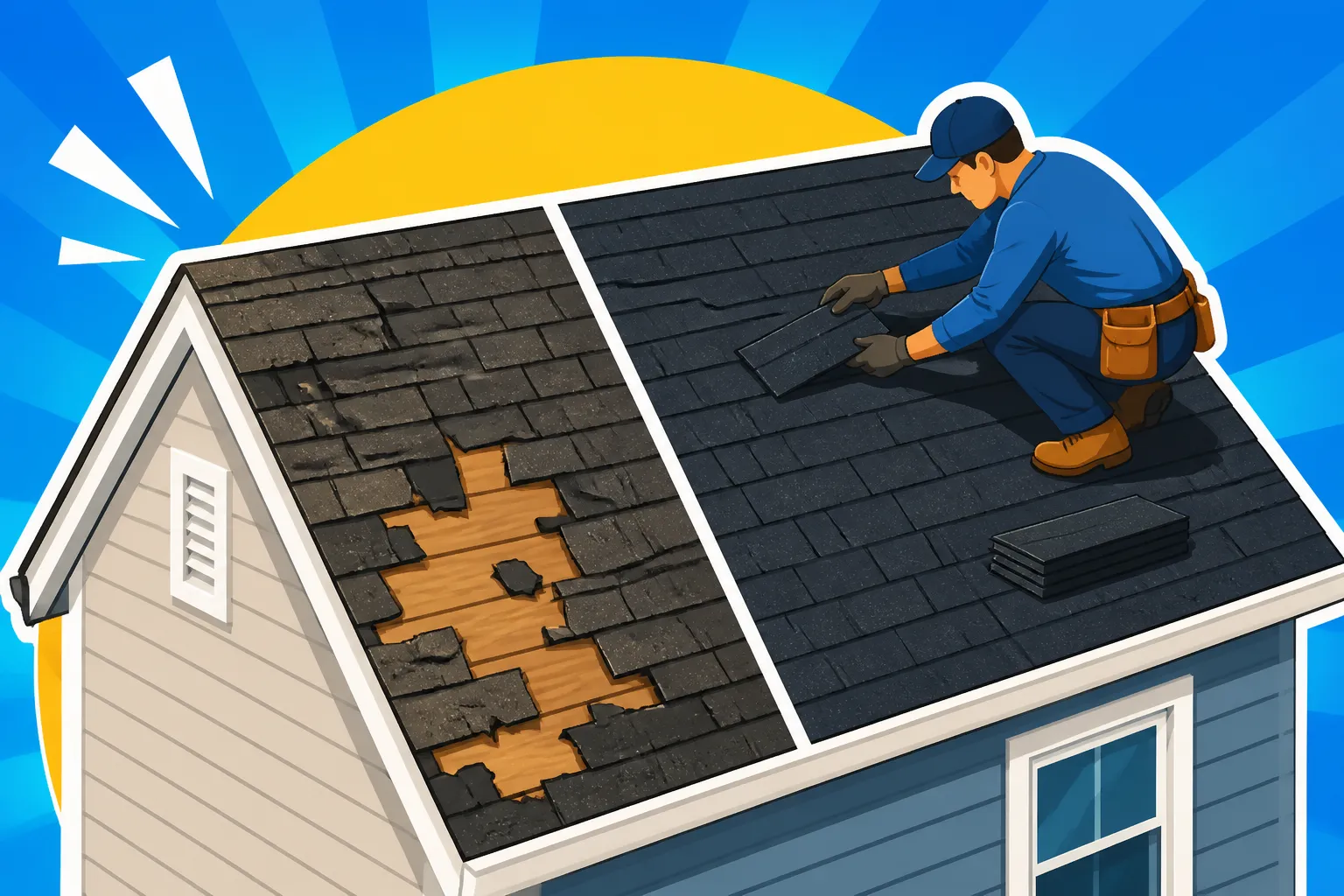
Replacing One Slope of a Roof
It's incredibly frustrating when just one side of your roof takes a beating, leaving the rest looking perfectly fine. You might be thinking, "Do I really need to replace the entire roof when only one slope is damaged?" This guide dives deep into the realities of replacing only one slope of an asphalt roof, helping you understand if it's a viable option for your home, what challenges you might face, and how to approach such a project.
Understanding the "Why" Behind Replacing Just One Roof Slope
Dealing with roof damage can be a huge headache, especially when it seems isolated to one area. The idea of replacing just a portion of your roof is appealing because it feels like it should be cheaper and less disruptive. Often, homeowners consider this option out of necessity, due to specific circumstances that affect only one side of their home.
Common Scenarios for Partial Roof Replacement
There are several common culprits that can lead to isolated damage on a single roof slope, making you consider a partial replacement. It’s rarely just random bad luck; usually, there's a reason one side experiences more wear and tear or suffers from a specific incident.
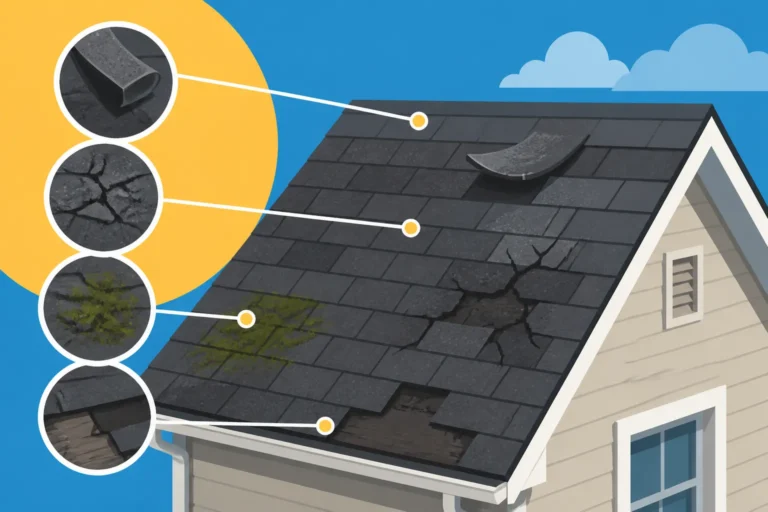
For instance, consider a home situated in a dense neighborhood in, say, Atlanta, Georgia. One side of the roof might be constantly shaded by a large oak tree, while the other bakes in the afternoon sun. The shaded side could develop moss and algae issues, or perhaps suffer repeated damage from falling branches during storms. Meanwhile, the sun-drenched side might show accelerated granule loss, blistering, or curling shingles much earlier than the rest of the roof. This uneven exposure means the various slopes age at different rates, leading to localized failure.
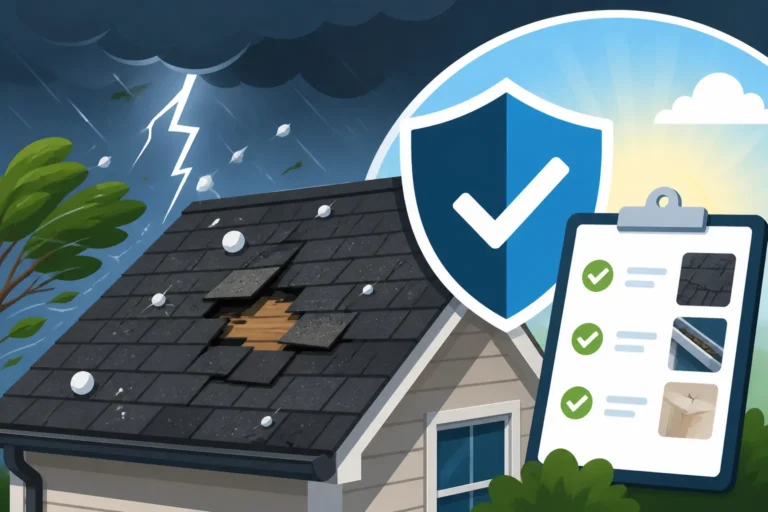
Another frequent scenario involves localized storm damage. Imagine a severe hail storm passing through, like those common in parts of Colorado. Depending on the wind direction, hail might relentlessly pelt one side of your roof, leaving the other relatively untouched. Or a powerful gust of wind, a common occurrence in coastal areas like Florida, could lift and tear off shingles from a specific slope, leaving a patch of vulnerability. In these cases, the damage is distinct and concentrated, making a strong case for addressing only the affected area rather than undertaking a full replacement of an otherwise sound roof.
Finally, unexpected incidents, such as a tree falling on a specific section of the roof, can create a clear need for partial replacement. While the impact might be severe enough to require extensive repairs to the roof decking and framing, the damage could still be confined to one or two slopes, leaving the rest of the roofing system intact. In these situations, your insurance company might even advocate for a partial replacement, especially if the rest of the roof is relatively new and in good condition.
The Cost-Benefit Analysis of One-Slope Replacement
On the surface, replacing just one slope seems like an obvious money-saver. You're buying fewer materials, paying for less labor, and the job should theoretically be completed faster. A full asphalt roof replacement cost can be substantial, often ranging from $10,000 to $25,000 or more, depending on the size and complexity of your home. Replacing just one slope, particularly on a smaller home or a straightforward roof design, could cut those costs by a third or even half. This immediate saving is a huge draw for many homeowners facing budget constraints.
However, the "benefit" side isn't always as clear-cut as it seems. While the upfront cost is lower, you need to consider the long-term implications. If the rest of your roof is already approaching the end of its lifespan—typically 20-30 years for asphalt shingles, though this can vary depending on the type of shingle and local climate—then a partial replacement might only be kicking the can down the road. You could end up paying for a partial replacement now, only to face another full replacement within a few years, essentially incurring two significant costs instead of one.
It’s crucial to assess the age and overall condition of your entire roof. For example, if your current roof is 18 years old and one slope needs attention, replacing just that slope with new shingles might leave you with a mismatched, patchwork roof that still needs a full overhaul in a couple of years. The cost-benefit analysis also needs to factor in aesthetic impact and potential warranty issues, which we'll discuss further down. A short-term financial gain could lead to long-term headaches and expenses if not thought through carefully.
Factors to Consider Before a Partial Roof Replacement
Deciding to replace only one slope of your roof isn't a simple "yes" or "no." There are several critical factors that need thorough consideration to ensure you're making the best long-term decision for your home and your wallet. These elements often dictate the success, appearance, and longevity of a partial roofing project.
Matching Shingles: A Visual and Practical Challenge
This is perhaps the biggest hurdle homeowners face when opting for a partial roof replacement. Asphalt shingles, even those from the same manufacturer and color line, are notoriously difficult to match years down the road. Manufacturers like GAF, Owens Corning, and CertainTeed continuously update their product lines, color palettes, and even the granule blends they use. What was "Weathered Wood" five years ago might look noticeably different from "Weathered Wood" produced today.
Even if you manage to find the exact brand and style of shingle, new shingles will have a different level of sun exposure and weathering compared to your existing ones. Over time, sunlight, rain, and environmental factors cause the granules on asphalt shingles to fade, wear down, and become less vibrant. When you install brand-new shingles next to weathered ones, the difference in color, texture, and even sheen can be stark. This can create a highly visible "patchwork" effect that detracts significantly from your home's curb appeal. Imagine a vibrant new section standing out dramatically against the muted, aged tones of the older shingles – it can be quite jarring.
This visual discrepancy isn't just an aesthetic concern; it can also affect your home's resale value. Potential buyers might view a partially replaced roof as a red flag, questioning the overall health of the roofing system or simply disliking the mismatched appearance. If you're planning on selling your home in the near future, the impact of mismatched shingles could be a significant drawback. Sometimes, the only way to get a truly uniform look is to bite the bullet and replace the entire roof, even if only one section is severely damaged.
Age and Condition of the Entire Roof System
Before you commit to replacing just one slope, it's absolutely vital to get a professional assessment of the entire roof. Just because one slope shows visible damage doesn't mean the others are completely healthy. Your roof is a system, and the age and condition of one part often reflect the status of the whole. For instance, if your roof is already nearing its typical lifespan of How Long Does an Asphalt Roof Last, replacing just one section might be a short-term fix for a systemic problem.
A thorough inspection by a reputable roofer will reveal the overall health of your shingles, underlayment, and roof decking on all slopes. They'll look for signs of widespread granule loss, curling, cracking, blistering, or nail pops on the other slopes that might not be as immediately obvious as the severe damage on one side. If the rest of your roof is already exhibiting significant wear and tear, even if it hasn't failed yet, you might be better off planning for a full replacement. Thinking about Roof Age: When to Start Planning Replacement can help you determine if a partial replacement is truly economical or simply delaying the inevitable.
Consider a scenario where your roof is 17 years old. One slope is severely damaged by a fallen tree branch. The other three slopes look okay from the ground, but a professional inspection reveals widespread granule loss and brittle shingles. In this case, spending money on replacing just the damaged slope, even with a perfect color match, means you'll likely need to replace the entire roof in just a few short years, doubling your expenses in a relatively short timeframe. It’s about evaluating the long-term value against the immediate savings.
Structural Integrity and Underlying Damage
It's tempting to focus solely on the visible shingles, but what lies beneath them is just as, if not more, important. Any significant damage to a roof slope often extends beyond the top layer of shingles to the underlying components. Water leaks, for example, can quickly compromise the roof decking, leading to rot, mold, and weakened structural integrity. Before any shingle work begins, the contractor must perform a thorough inspection of the roof decking on the affected slope.
During a partial replacement, once the old shingles and underlayment are torn off, the full extent of any decking damage becomes apparent. If the decking is soft, spongy, or visibly rotted, it needs to be replaced. Ignoring compromised decking means your new shingles won't have a stable foundation, leading to premature failure, sagging, and continued water intrusion. Replacing damaged decking adds to the Roof Decking Replacement Cost and labor, which can eat into the perceived savings of a partial replacement.
Furthermore, water intrusion can also affect the rafters and ceiling joists, potentially leading to costly repairs inside your attic and living space. A comprehensive Roof Damage Assessment: A Homeowner's Guide should always be performed to identify not just shingle damage, but also any hidden issues related to flashing, ventilation, or the overall roof structure. A qualified contractor will examine everything from the eaves to the ridge to ensure that a partial replacement won't be undermined by existing, unaddressed structural problems. Sometimes, a "small" repair can uncover much larger issues that necessitate more extensive work than initially planned.
The Process of Replacing a Single Roof Slope
Once you've carefully weighed the pros and cons and decided that replacing one slope is indeed the right path for your home, understanding the process is key. It's not just about slapping new shingles on; there are critical steps and considerations to ensure the job is done right and lasts.
Finding the Right Contractor for a Specific Job
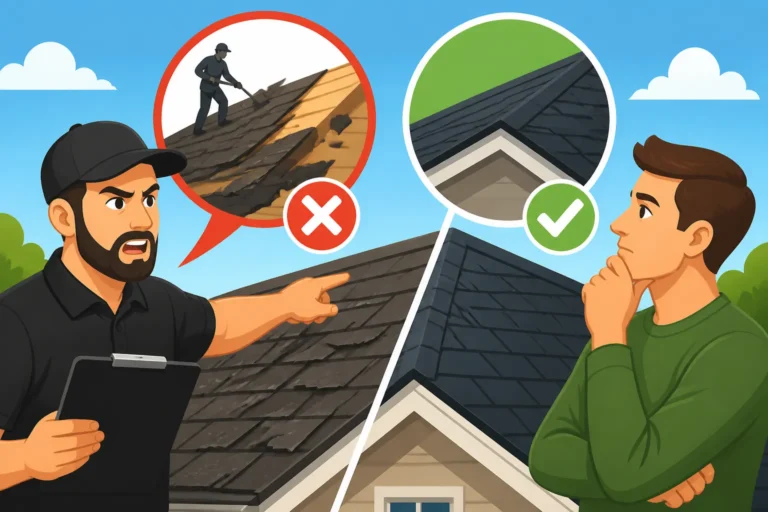
This is perhaps the most crucial step. Not all roofing contractors are equally adept or enthusiastic about partial roof replacements. Some prefer full tear-offs because they're more straightforward, offer a larger scope of work, and minimize potential issues with mismatched materials. When you're only replacing one slope, you need a contractor who is meticulous, understands the challenges of shingle matching, and is committed to a seamless aesthetic blend.
Start by looking for reputable local roofers known for their repair work, not just full replacements. Don't be afraid to ask direct questions like, "Have you done partial asphalt roof replacements before? How do you handle shingle matching?" A great resource for finding qualified professionals is Modernize, which can connect you with contractors in your area who have experience with various roofing projects. They can help you gather multiple bids, allowing you to compare not just price, but also expertise and approach. It's always a good idea to get at least three estimates to get a clear picture of local pricing and proposed solutions.
Beyond experience, ensure the contractor is licensed, bonded, and insured. This protects you in case of accidents or subpar work. Ask for references and check online reviews. When reviewing their proposal, make sure it explicitly details how they plan to address shingle matching and what they'll do if an exact match isn't possible. A good contractor will walk you through the options, even suggesting strategies like using a slightly darker or lighter shade that might blend better over time, or discussing how the new shingles will integrate with existing Roof Flashing Explained. Remember, asking Questions to Ask a Roofing Contractor Before Hiring is essential.
Key Steps in a Partial Roof Installation
The actual process of replacing a single roof slope follows many of the same principles as a full roof replacement, just on a smaller scale. Precision and attention to detail are paramount to ensure the new section integrates perfectly with the existing roof.
First, the existing shingles and underlayment on the designated slope are carefully removed in a process similar to a minor Cost of Roof Tear-Off and Disposal. The goal here is not only to clear the damaged materials but also to avoid disturbing the adjacent, healthy sections of the roof. Once the old layers are off, the contractor will thoroughly inspect the exposed roof decking. Any damaged, rotting, or compromised sections of plywood or OSB must be cut out and replaced. This step is non-negotiable, as the decking provides the foundational support for your new roof. If this structural integrity is compromised, your new shingles won't last.
Next comes the installation of new Underlayment Explained: Synthetic vs Felt, which acts as an additional barrier against moisture. In areas prone to ice dams, an ice and water shield might be applied along the eaves and in valleys. Following this, new drip edge and any necessary flashing around chimneys, skylights, or wall abutments are installed or replaced to ensure a watertight seal. Then, the starter shingles are laid, providing a secure base for the first course of asphalt shingles.
The new asphalt shingles are then meticulously installed, working from the eaves upwards, overlapping correctly, and ensuring proper nailing patterns. This is where the artistry comes in, as the contractor strives to blend the new shingles with the old as seamlessly as possible. They might use techniques like "weaving" the new shingles into the last course of old ones to create a less abrupt transition. Finally, hip and ridge cap shingles are installed to cover the seams where the new slope meets other roof planes, and any new vents are properly sealed. Every step is crucial to ensure that the new section of roof provides durable, watertight protection. The entire process of How Asphalt Shingles Are Installed: Step by Step demands precision and expertise, even on a smaller scale.
Potential Drawbacks and Long-Term Implications
While replacing only one roof slope can seem like a smart, cost-effective solution, it's vital to be aware of the potential downsides that could impact your home's appearance, future maintenance, and even its value.
Aesthetic Inconsistencies and Curb Appeal
We've touched on this already, but it bears repeating because it's the most common and immediate drawback. The moment those new shingles go up, even if they're from the same manufacturer and in the same color, there's a very high likelihood they won't perfectly match your existing, weathered roof. The differences in color saturation, granule texture, and even how light reflects off the new, untouched surface compared to the faded, older surface can be striking.
Imagine you have a beautiful colonial home with a dark gray roof. One side gets damaged, and you replace it. The new shingles might appear almost black in comparison to the charcoal gray of the older shingles, especially under direct sunlight. Over time, the new shingles will start to weather and fade, but this process takes years, and the initial contrast can be quite stark. This visual mismatch can significantly diminish your home's curb appeal, making it look like a patchwork job rather than a cohesive, well-maintained exterior. If you're particular about aesthetics or planning to sell your home in the near future, this inconsistency could become a major point of contention or even lower your home's perceived value to potential buyers. It might prompt you to consider a full replacement just to achieve a uniform look.
Warranty Considerations
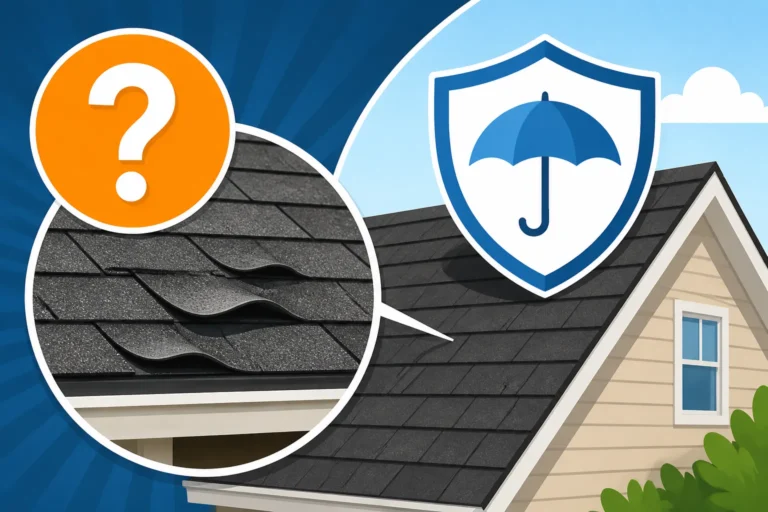
Navigating warranties with a partial roof replacement can be a confusing maze. Most shingle manufacturers offer warranties that cover their products for defects. However, these warranties are often contingent on the shingles being installed as part of a complete roofing system by a certified contractor and sometimes require the entire roof to be replaced at once. When you only replace one slope, you're creating a hybrid system of old and new.
This can complicate future warranty claims. If a problem arises with the new shingles, the manufacturer's warranty should still apply to those specific shingles, assuming they were installed correctly. However, if a problem arises at the transition point between the old and new sections, or if the contractor offers a separate workmanship warranty, the scope of coverage might become ambiguous. Your existing manufacturer warranty on the old shingles might still be valid, but proving which part of the roof is at fault for a leak or failure could become a battle.
Furthermore, many extended or "system" warranties from major brands like GAF or Owens Corning require the installation of all their proprietary components (underlayment, flashing, vents, etc.) and full roof replacement by a certified installer to qualify for maximum coverage. A partial replacement might not meet these stringent criteria, potentially limiting your overall warranty protection. Always clarify with your contractor and review your existing Roofing Warranties: Manufacturer vs Workmanship carefully to understand the implications of a partial replacement on both current and future coverage. Don't assume anything; get it in writing.
The Slippery Slope to a Full Replacement
Here's the often unacknowledged truth: choosing to replace only one slope of your roof can sometimes be the first step down a "slippery slope" that inevitably leads to a full replacement, often sooner than you'd hoped, and potentially at a higher cumulative cost. While the initial savings are attractive, if the rest of your roof is already approaching the end of its life, a partial replacement is merely a stopgap measure.
Imagine your roof is 20 years old. One slope gets hail damage. You replace it. Two years later, the next slope starts showing severe granule loss and curling due to normal aging. Now you have two mismatched slopes. You might then decide to replace that slope too, adding another patch. Before you know it, you've replaced two or three slopes piecemeal, spending a significant amount of money, dealing with multiple disruptions, and still ending up with a visually inconsistent roof. At this point, the cost of the individual partial replacements might approach or even exceed what a single, comprehensive full replacement would have been.
This is why a thorough assessment of the entire roof's condition and lifespan is so crucial upfront. If a professional inspection reveals that the other slopes have only a few years left, or if there are early signs of widespread aging, then it might make more financial sense in the long run to bite the bullet and invest in a full roof replacement now. This gives you a uniform, brand-new roof with a fresh warranty and no aesthetic compromises. It removes the stress of future, inevitable partial replacements and ensures consistent protection for your home. Ultimately, assessing Roof Repair vs Replacement: How to Decide for your specific situation involves looking beyond immediate costs to the full lifecycle of your roof. Before signing any contract, make sure to read and compare roofing estimates thoroughly, understanding the scope and potential future implications.
Making an Informed Decision
Replacing only one slope of an asphalt roof is a complex decision with both potential benefits and significant drawbacks. While it can offer immediate cost savings and address localized damage, it requires careful consideration of shingle matching, the overall age and condition of your entire roof, and potential long-term aesthetic and warranty implications. Always consult with a trusted, experienced roofing contractor who can provide a comprehensive assessment and transparent advice, helping you weigh the short-term gains against the long-term investment in your home.
Here’s a quick overview to help you remember the key aspects:
| Feature/Aspect | Replacing One Slope Only | Full Roof Replacement |
|---|---|---|
| Initial Cost | Significantly lower due to less material and labor. | Higher upfront investment. |
| Shingle Matching | Very challenging, often results in visible aesthetic mismatch. | Uniform appearance, all new shingles match perfectly. |
| Curb Appeal | Can be negatively impacted by mismatched sections. | Enhanced, uniform aesthetic. |
| Longevity | New slope lasts longer than old, but old slopes may fail soon. | Entire roof has a consistent lifespan. |
| Warranty | Can complicate existing warranties; new sections have separate. | Full manufacturer and workmanship warranty on the entire system. |
| Underlying Issues | Decking inspected/replaced only on one slope. | Comprehensive inspection and replacement of all decking if needed. |
| Resale Value | Potential detractor if mismatch is obvious or old sections fail. | Positive impact with a brand-new, uniform roof. |
| Disruption | Less time on site, less overall mess. | More extensive work, longer project duration. |
| Ideal For | Newer roofs (under 10-12 years) with isolated, severe damage. | Older roofs (15+ years) or widespread damage/aging. |
Disclaimer
Please remember that this article is intended for informational purposes only and should not be considered professional advice. Always consult with a qualified and licensed roofing contractor for specific recommendations and assessments regarding your individual roof and home. Roofing projects involve inherent risks and should only be undertaken by experienced professionals.