Common Problems with a 25-year-old Asphalt Roof
Reaching the 25-year mark with an asphalt roof often feels like walking a tightrope – you've gotten incredible mileage out of it, but now every gust of wind or heavy rain brings a fresh wave of anxiety. Many homeowners find themselves constantly wondering if every drip and creak is the final straw. This guide is here to shed light on the common issues that plague asphalt roofs at this advanced age, helping you understand what to look for and, more importantly, what your next steps should be.
The Reality of a 25-Year-Old Asphalt Roof
Let's be honest, hitting 25 years with an asphalt shingle roof is a fantastic achievement for any homeowner. Most standard architectural shingles are rated for 25-30 years, and 3-tab shingles often clock in at 20-25 years. However, "rated for" doesn't always mean "will last exactly this long without a single problem." Just like a classic car, a 25-year-old roof is going to have its quirks, wear and tear, and a higher propensity for needing serious attention. You're likely dealing with a roof that has seen decades of sun, storms, and temperature extremes, and the materials are simply reaching the end of their functional life.
Understanding Asphalt Shingle Lifespan
When manufacturers label a shingle as "25-year" or "30-year," it’s often a prorated warranty period and an estimate of performance under ideal conditions. Think of it as the maximum potential. In reality, several factors can shorten or lengthen this timeframe. The quality of the original installation plays a huge role; a poorly installed roof might show significant issues much earlier. Your local climate also dictates a lot. A roof in sunny, mild San Diego will likely fare differently than one in snowy, icy Boston, or the hail-prone plains of Oklahoma. By the time your roof is 25, it's often on borrowed time, and minor issues can quickly escalate. This is a good time to start thinking about whether it’s time for a full Roof Replacement ROI Explained.
Factors Accelerating Roof Deterioration
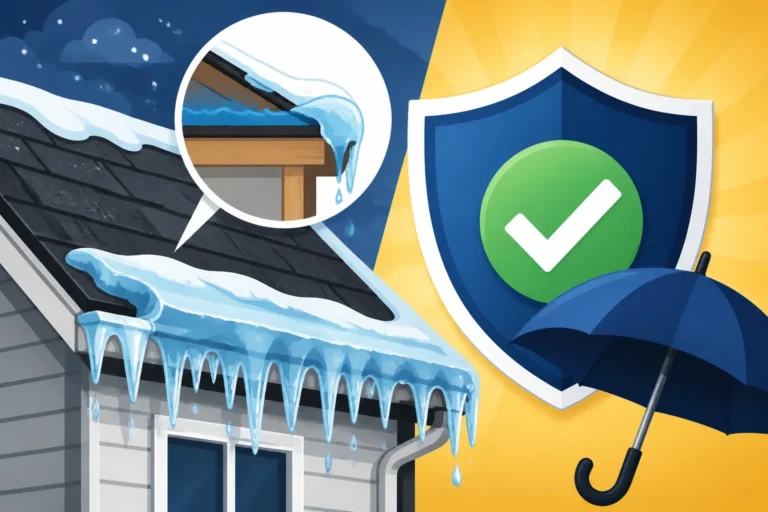
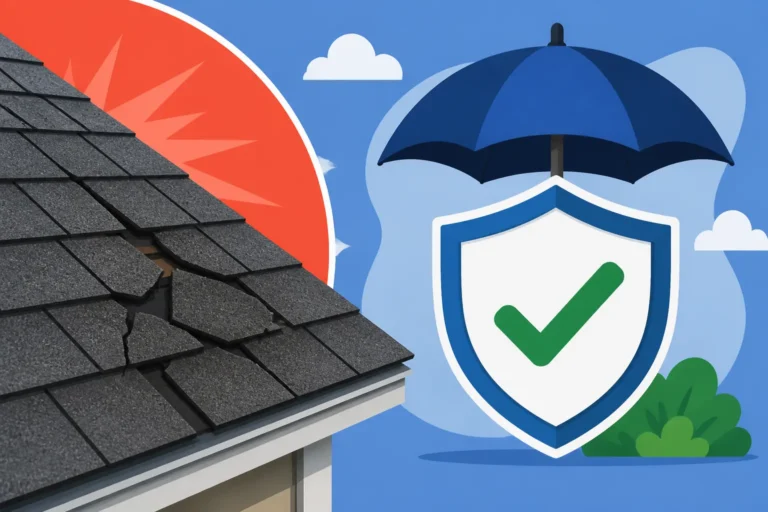
While time is the ultimate enemy of any roofing material, several culprits can speed up its demise. Intense UV exposure from direct sunlight can prematurely dry out and degrade the asphalt, making shingles brittle. This is especially true in regions with year-round intense sun, like parts of Arizona or Florida. Extreme temperature fluctuations, like hot days followed by cold nights, cause materials to expand and contract repeatedly, leading to cracking and weakening of the shingle's bond. High winds, even those below hurricane strength, can lift and loosen shingles over time, gradually compromising their integrity.
Frequent hail storms, even if not immediately catastrophic, can slowly erode granule coatings, which are vital for protection. Poor attic ventilation also plays a massive role; if your attic traps heat and moisture, it essentially bakes your roof from the inside out, leading to premature aging and shingle curling. Overhanging trees, while providing shade, can drop debris, scratch shingles, and encourage moss and algae growth, further retaining moisture on the roof surface. All these elements combined mean that a 25-year-old roof isn't just old, it's likely tired.
Specific Issues Plaguing Older Asphalt Roofs
Once your asphalt roof hits that quarter-century mark, you'll start noticing a distinct set of problems that signal its advanced age. These aren't just cosmetic; they compromise the roof's ability to protect your home.
Granule Loss and UV Damage
One of the most immediate and visible signs of an aging asphalt roof is significant granule loss. Those tiny, ceramic-coated mineral granules embedded on the surface of your shingles are the roof's first line of defense against the sun's harsh UV rays. They reflect sunlight and protect the asphalt from drying out and becoming brittle. When you see excessive amounts of granules washing into your gutters or finding bare, dark spots on your shingles, it means your roof is losing its protection. Without these granules, the asphalt layer is directly exposed to UV radiation, leading to rapid deterioration, cracking, and a significantly shortened lifespan. It's like your roof has lost its sunscreen, and it's getting a severe sunburn. This issue is a major indicator that your roof is reaching its end of life and often warrants consideration of a Roof Replacement After Hail: Timeline if damage is extensive.
Curling, Cupping, and Brittleness
Another tell-tale sign of an old roof is the deformation of the shingles themselves. You might notice:
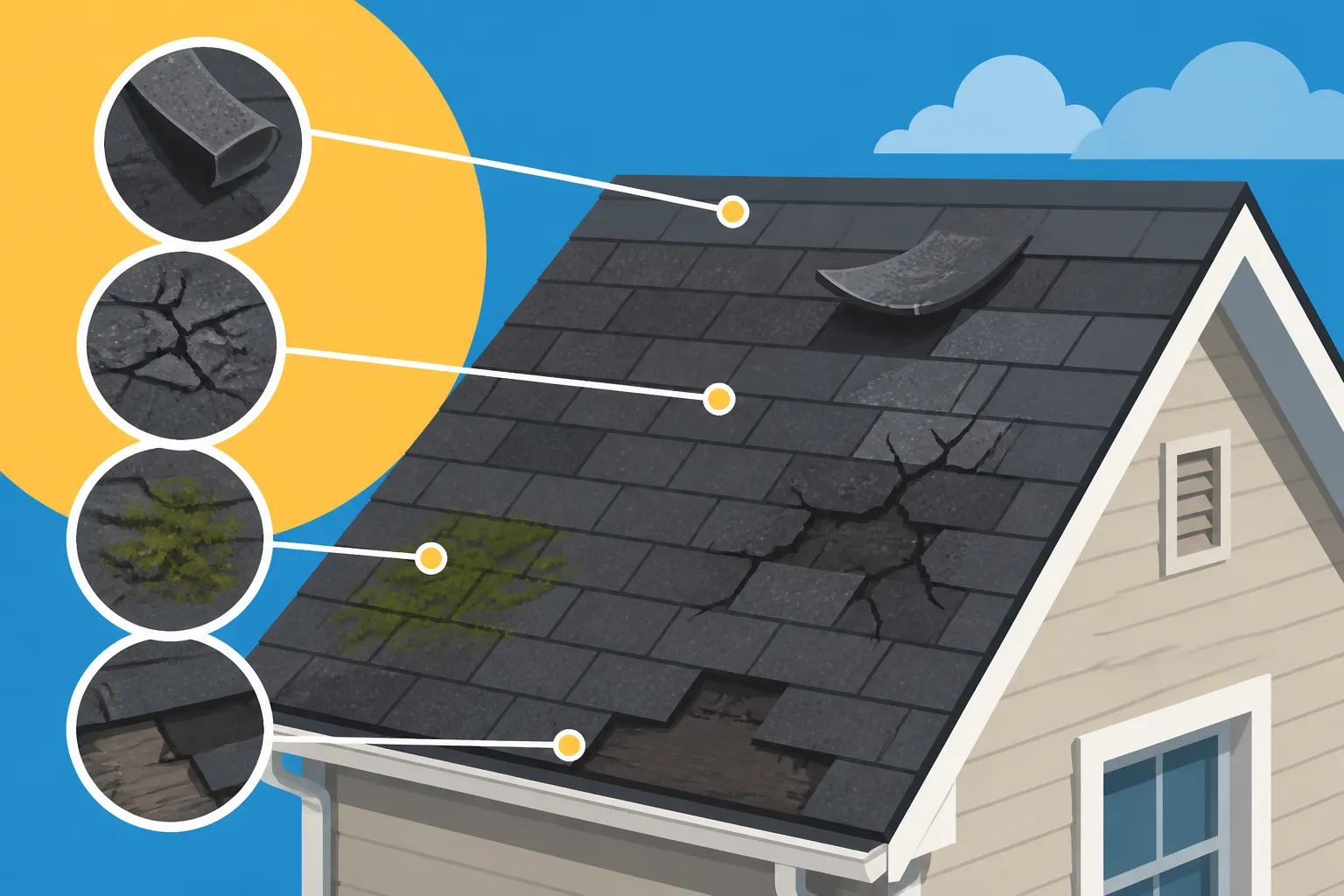
- Curling: The edges of the shingles start to lift or curl upwards, resembling claws or hooks. This often happens as the asphalt and fiberglass mat dry out and shrink, causing the shingle to pull away from the roof deck.
- Cupping: The middle of the shingle lifts, while the edges remain flat or even curl slightly downwards, creating a concave shape. This is usually due to moisture absorption on the underside of the shingle, combined with UV exposure on the top, creating an uneven drying and warping effect.
- Brittleness: The shingles lose their flexibility and become stiff and fragile. If you were to walk on an old roof (which isn't recommended for safety reasons!), you might hear crunching sounds, or even see shingles crack underfoot. This brittleness makes them extremely vulnerable to wind damage, hail, or even just temperature shifts.
These deformities aren't just unsightly; they prevent the shingles from lying flat and creating a proper seal, making your roof highly susceptible to wind uplift and water penetration.
Missing or Damaged Shingles
After 25 years, the adhesive strips on your shingles, which are activated by the sun to create a strong seal, may have long since failed. This leaves shingles vulnerable to wind. It's incredibly common to see individual or small sections of shingles missing after a moderate wind event. Furthermore, existing damage, whether from falling branches, hail, or even foot traffic, can worsen over time. A small crack can become a significant break, and a loosened tab can easily be torn off. These gaps in your roof's protective layer are direct invitations for water to infiltrate, leading to leaks and potentially serious damage to your underlying roof structure and home interior. This is a clear indicator of Signs You Need a New Roof.
Flashing and Sealant Failure
Shingles do the heavy lifting across the main roof planes, but flashing and sealants are the unsung heroes protecting vulnerable areas. These include the metal or composite materials around chimneys, skylights, vent pipes, and in valleys where two roof planes meet. After 25 years, the sealants (like caulk or roof cement) used around these flashing points can dry out, crack, and fail. Metal flashing can corrode, bend, or become dislodged.
When flashing fails, it creates direct pathways for water to enter your home, often far more insidious than a visible shingle leak because the water can travel along rafters before manifesting as a stain on your ceiling. The degradation of these critical components is a huge problem with older roofs, as their failure can lead to severe water damage that might go unnoticed until it's too late. Ensuring these areas are well-maintained is a common part of Roof Maintenance to Avoid Replacement, but at 25 years, replacement is often the only viable option.
Signs of Widespread Failure and Structural Compromise
At the 25-year mark, problems often extend beyond just the shingles themselves, indicating a more systemic failure of the entire roofing system. These are the red flags that suggest repair is no longer a sustainable option.
Persistent Leaks and Water Damage
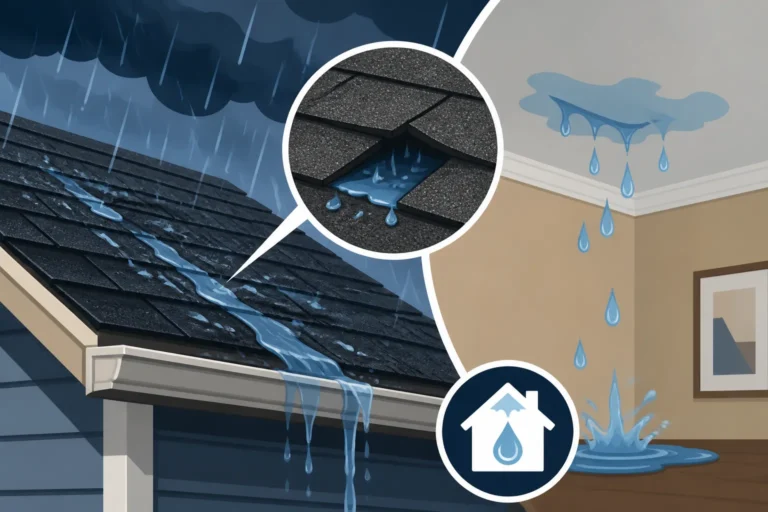
This is the ultimate distress signal for any roof. While a single, isolated leak might be fixable on a younger roof, persistent or multiple leaks in a 25-year-old system are usually a sign of widespread failure. You might see water stains on your ceiling, bubbling paint, or dampness in your attic. Sometimes, the water damage is more subtle – a musty smell, or warped drywall. The older the roof, the higher the chance that the underlayment, which is the protective barrier beneath your shingles, has also degraded. This means even if a shingle is missing, the underlayment might no longer be able to keep water out effectively.
If you're dealing with constant leaks, especially after heavy rains or snowmelt, it’s a clear indication that your roof's primary function – keeping your home dry – is compromised beyond simple spot repairs. Ignoring these leaks can lead to rot in your roof decking, rafters, and even mold growth within your home's structure. Getting a professional assessment from a reputable contractor found through platforms like Modernize can help pinpoint the extent of the damage.
Sagging and Decking Issues
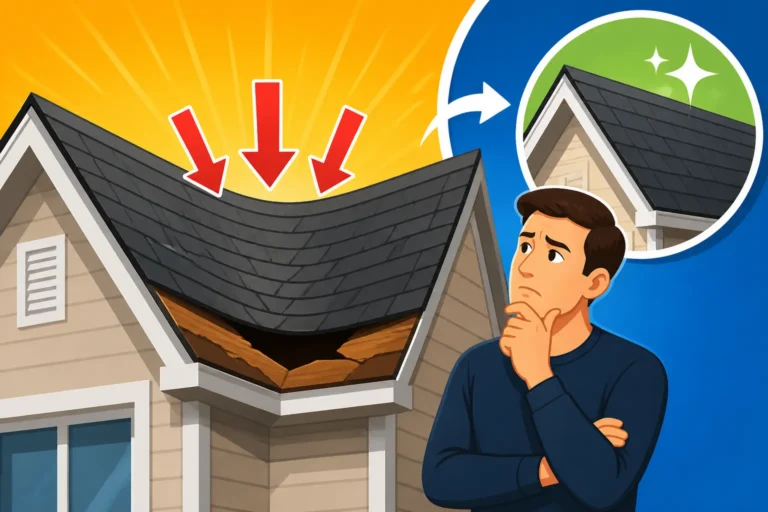
A truly alarming sign in an older roof is any visible sagging or bowing in the roofline itself. This isn't just a shingle problem; it indicates an issue with the underlying roof decking or even the structural integrity of your home's trusses or rafters. Sagging can be caused by prolonged water exposure leading to rot in the plywood or OSB decking beneath the shingles. It can also occur if the roof was overloaded at some point (e.g., excessive snow accumulation without proper structural support) or if the initial framing wasn't robust enough.
If you notice a dip or unevenness in your roof from the street, or if the ceiling in your attic seems to be drooping, you need immediate professional evaluation. This kind of structural issue is far beyond a simple repair and almost always necessitates a full roof replacement, often involving Roof Decking Replacement Cost in addition to new shingles. This is a critical safety issue that shouldn't be overlooked.
Moss, Algae, and Fungus Overgrowth
While often seen as an aesthetic nuisance, widespread moss, algae, and lichen growth on a 25-year-old asphalt roof indicates deeper problems. These organisms thrive in damp, shaded conditions. They hold moisture against the shingles, preventing them from properly drying out. This constant dampness can accelerate the degradation of the asphalt, cause granules to dislodge, and even lead to rot in the underlying wood if moisture penetrates the shingles.
Moss, in particular, can lift shingles, making them susceptible to wind and ice damage. While some newer shingles are treated with copper granules to resist algae (e.g., GAF Timberline HDZ or Owens Corning Duration often include Algae-Resistant features), a 25-year-old roof likely doesn't have this protection. If left unchecked, these growths can significantly shorten the remaining life of an already aging roof and lead to more severe moisture-related issues.
Deciding Between Repair and Replacement for an Aging Roof
When your roof hits the 25-year mark, the question inevitably shifts from "Can I fix this?" to "Is it even worth fixing, or should I just replace it?" This is a crucial decision that impacts your home's protection and your wallet.
When Repairs Are a Band-Aid
It's tempting to opt for repairs, especially if you're trying to save money. A few missing shingles or a small leak might seem manageable. However, on a 25-year-old asphalt roof, repairs are often just temporary fixes for a systemic problem. Imagine patching a tire that's bald and cracking all over; it might hold for a short while, but other blowouts are imminent.
If your roof is exhibiting widespread granule loss, extensive curling or cupping, or multiple areas of flashing failure, pouring money into spot repairs is often a waste. The next storm will likely expose another weak spot, leading to a cycle of costly repairs that never truly address the underlying issue: the entire roof system is at the end of its functional life. Contractors sometimes refer to these as "band-aid fixes" because they don't solve the fundamental aging and deterioration. In these scenarios, the Cost to Replace vs Repair an Old Roof analysis usually favors replacement for long-term savings and peace of mind.
The Case for Full Roof Replacement
When your asphalt roof reaches 25 years and beyond, a full replacement is almost always the most prudent and economically sound decision. A new roof provides a fresh start, ensuring all components – shingles, underlayment, flashing, and ventilation – are new and properly installed. This gives you a robust, watertight system designed to protect your home for another 20-30 years, depending on the shingle type.
Beyond immediate protection, a new roof offers significant benefits. You'll likely gain a new, comprehensive manufacturer's warranty, covering materials and often workmanship, which is invaluable. A new roof also significantly boosts your home's curb appeal and can increase its resale value. From a practical standpoint, installing a new roof eliminates the anxiety of constant leaks, ongoing repair costs, and the worry that the next severe weather event will cause catastrophic damage. It's an investment in your home's future and your peace of mind. You can learn more about the overall process in our guide, How a Roof Replacement Works: The Full Process.
Getting Professional Assessments
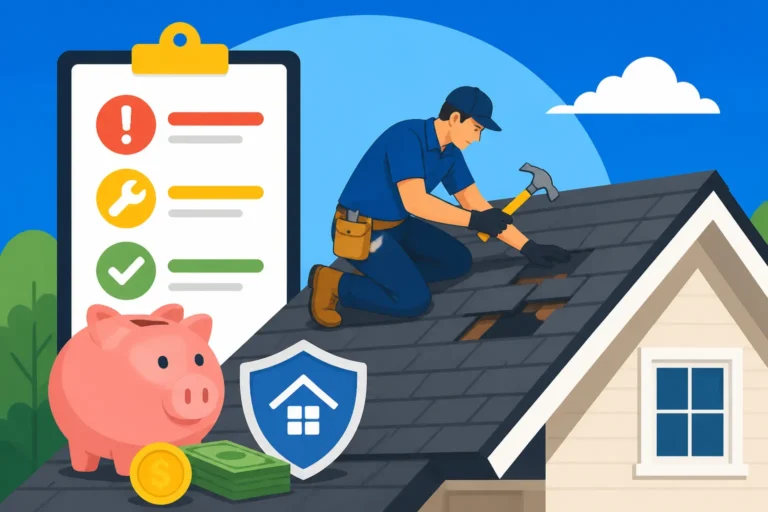
Deciding between repair and replacement, especially with an older roof, isn't something you should do alone. It's absolutely critical to get multiple professional assessments from reputable roofing contractors. Don't just get one quote; aim for at least three. These professionals can provide a thorough inspection, identify the full extent of the damage (including issues you might not see from the ground), and offer informed recommendations.
They can explain whether a repair is truly viable or if replacement is the only logical path forward. Look for contractors who are licensed, insured, and have a strong local reputation. Platforms like Modernize can be incredibly helpful for connecting with vetted local professionals who specialize in roof replacements. Always ask for detailed estimates, compare materials and warranties, and don't hesitate to ask clarifying questions about their recommendations and the proposed scope of work. Understanding How to Read and Compare Roofing Estimates will be invaluable during this process.
Here's a quick overview of common problems, their signs, and typical actions for a 25-year-old asphalt roof:
| Common Problem | Visual Signs | Primary Impact | Typical Action at 25 Years |
|---|---|---|---|
| Granule Loss | Bare spots, granules in gutters, faded color | Reduced UV protection, accelerated aging | Full Roof Replacement |
| Curling/Cupping Shingles | Edges lifting (curling), centers lifting (cupping) | Poor water shedding, wind vulnerability | Full Roof Replacement |
| Missing Shingles | Visible gaps in shingle pattern, exposed underlayment | Direct water entry, structural risk | Full Roof Replacement (often systemic) |
| Cracked/Brittle Shingles | Cracks visible, shingles snap when flexed | Water entry, wind/hail vulnerability | Full Roof Replacement |
| Flashing/Sealant Failure | Rust, visible gaps around penetrations, water stains below | Localized leaks, potential structural rot | Flashing Replacement (often part of full replacement) |
| Sagging Roofline | Visible dips or unevenness in roof surface | Structural compromise, severe leaks | Immediate Full Roof Replacement |
| Excessive Moss/Algae | Green/black streaks, thick moss clumps | Moisture retention, shingle degradation | Cleaning (temporary), Full Replacement (long-term) |
| Attic Water Stains | Discoloration, dampness on attic ceiling/walls | Active leaks, potential mold/rot | Full Roof Replacement |
Remember, a 25-year-old roof isn't just showing its age; it's often signaling the need for a comprehensive solution. Investing in a new, high-quality asphalt roof now can save you significant headaches and expenses down the line.
Disclaimer
Please note that this guide provides general information and recommendations. The condition of your roof can vary widely based on specific environmental factors, installation quality, and maintenance history. Always consult with multiple licensed and insured roofing professionals for a thorough inspection and personalized advice regarding your specific roof's condition and the best course of action.