Common Problems with a 20-year-old Asphalt Roof
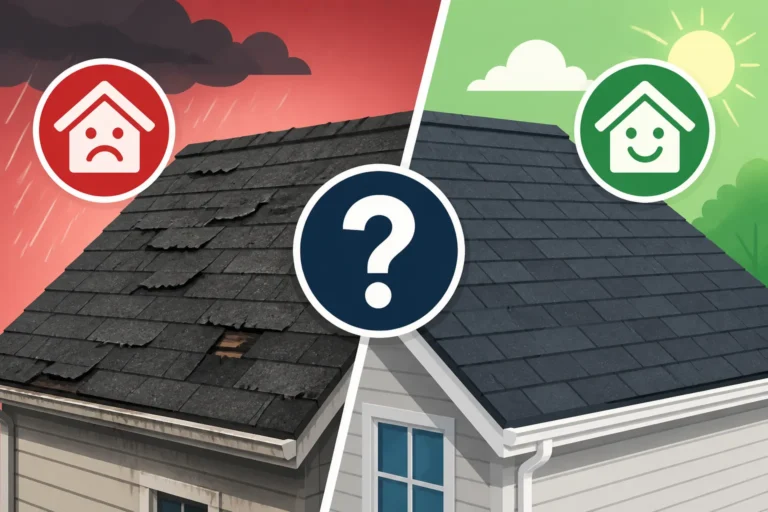
If your asphalt roof is creeping up on its twentieth birthday, or has already passed it, you're likely starting to notice some changes – maybe a few more granules in the gutters, a suspicious curl on a shingle, or even a tiny leak that's suddenly appeared. It's a common worry for homeowners because a 20-year-old roof often means it's nearing the end of its typical lifespan, and understanding the common problems that pop up at this age can help you plan your next steps. This guide will walk you through the tell-tale signs of an aging asphalt roof, what issues to look for, and how to decide whether it's time for repairs or a full replacement.
Why 20 Years Marks a Critical Point for Asphalt Roofs
When you first had your asphalt roof installed, or perhaps when you bought your home, you probably heard that these roofs can last anywhere from 15 to 30 years. That's a pretty wide range, and for many homeowners, the 20-year mark feels like a significant milestone. It's often the point where cumulative wear and tear, coupled with expiring warranties, brings the roof's health into sharp focus.
The Lifespan Sweet Spot or Sour Spot
Most standard 3-tab asphalt shingles have an expected lifespan of 15-20 years, while architectural or dimensional shingles often stretch to 25-30 years, sometimes even more with proper installation and ideal conditions. So, at 20 years, a 3-tab roof is likely on borrowed time, seriously contemplating retirement. An architectural roof, however, might still have some good years left, but it will definitely be showing its age and requiring closer inspection. The key is to understand that even well-maintained roofs face a natural degradation process.
The warranty often plays a big role here too. Many basic asphalt shingle warranties are pro-rated and only offer significant coverage in the early years. By the time your roof hits 20, the warranty might be significantly reduced in value, if it hasn't expired completely. This means any issues you encounter now are likely coming out of your pocket, making the decision between repair and replacement even more critical. Understanding how long an asphalt roof lasts can help set realistic expectations for your roof's current state.
Cumulative Wear and Tear Takes Its Toll
Think about everything your roof has endured over two decades: countless scorching summer days, frigid winter nights, pounding hail storms, relentless wind, and endless cycles of expansion and contraction. Each of these events, individually, might not cause immediate catastrophic damage, but cumulatively, they break down the shingles' protective layers.
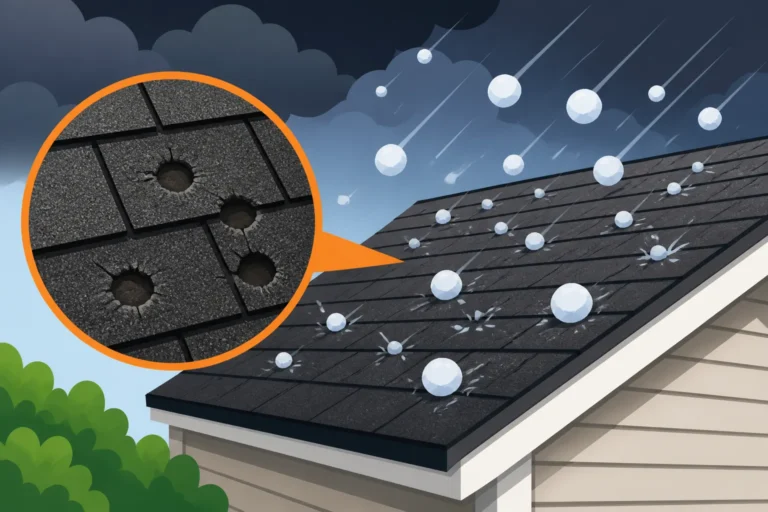
The sun's UV rays are particularly harsh, gradually degrading the asphalt and causing the protective granules to loosen. High winds can lift shingle edges, weakening their seals and allowing moisture to seep in. Hail impacts can create dents and cracks that aren't immediately visible but compromise the shingle's integrity. Even everyday rain and snow contribute to the erosion process. After 20 years, these constant attacks leave the shingles weaker, more brittle, and less able to perform their primary function of protecting your home. This compounded stress means that even a minor event, like a moderate storm, can suddenly tip an old roof from "okay" to "failing."
Common Problems You'll See on a 20-Year-Old Asphalt Roof
When your asphalt roof reaches two decades, it's not just "old"; it often presents a host of specific issues that are direct consequences of its age and exposure to the elements. These problems aren't just cosmetic; they compromise the roof's ability to protect your home.
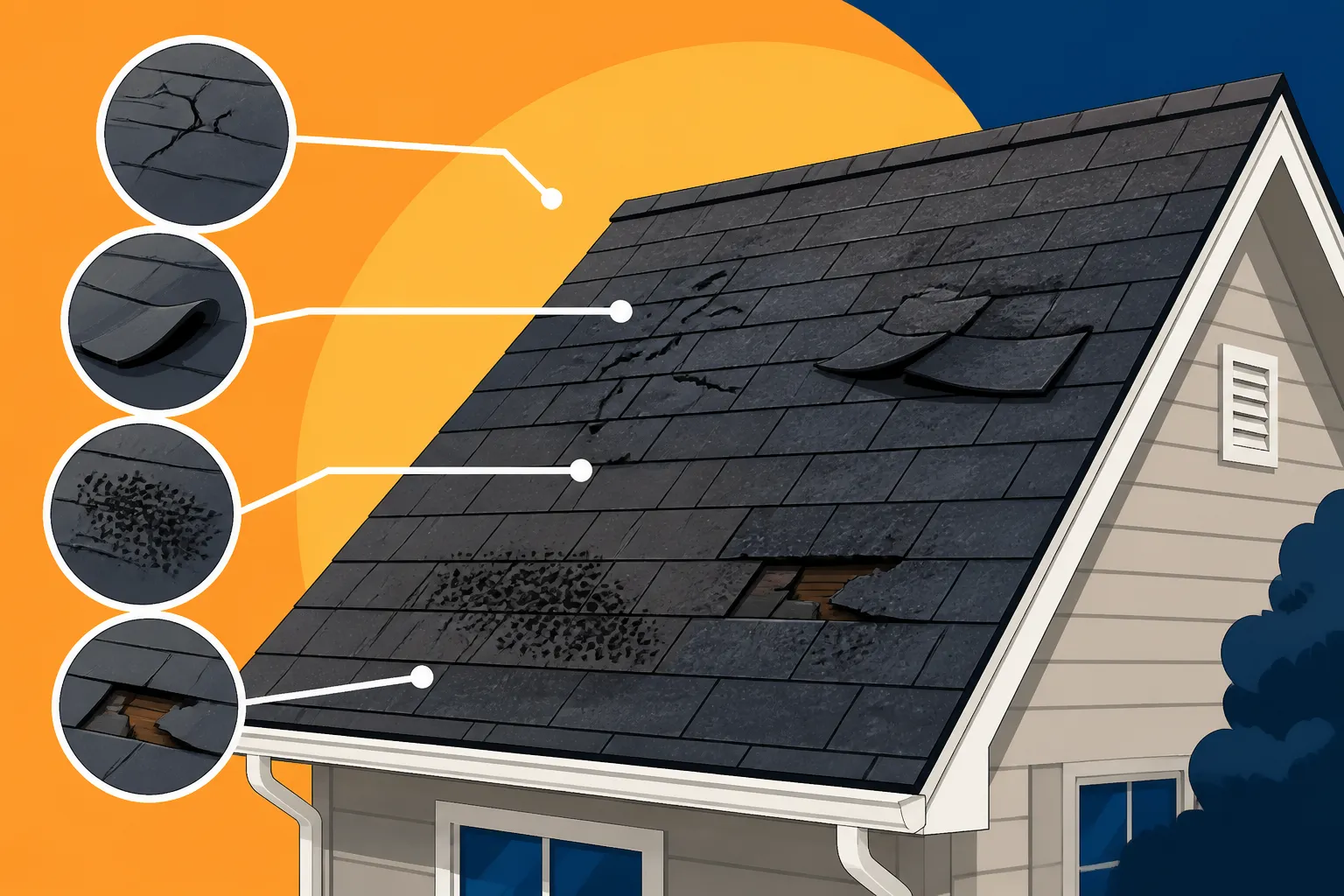
Granule Loss and Bare Spots
This is one of the most common and visible signs of an aging asphalt roof. The granules on asphalt shingles are like the roof's sunscreen, protecting the underlying asphalt from UV radiation and providing fire resistance. Over 20 years, these granules naturally erode, wash away during storms, or get knocked off by hail. You might notice them collecting in your gutters or downspouts.
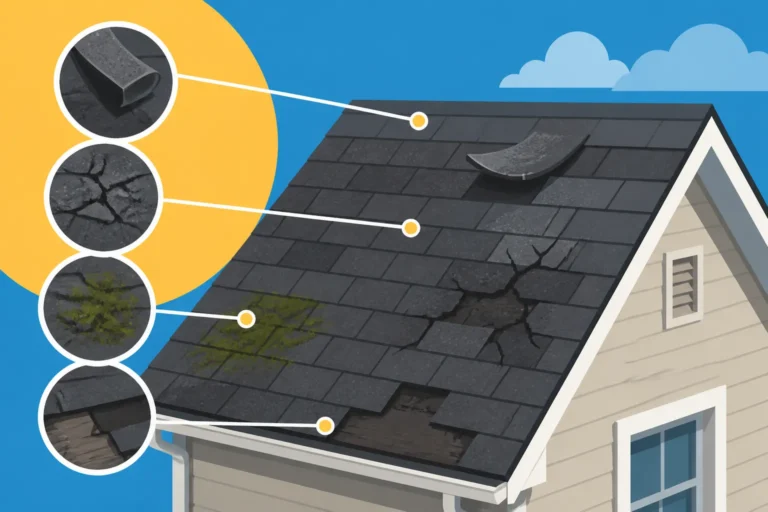
When granules are gone, they leave the asphalt exposed to the sun's harsh UV rays. This accelerates the drying and cracking of the asphalt, leading to an even faster deterioration of the shingle. You'll see dark, smooth, shiny patches on your roof where the granules used to be. While some granule loss is normal throughout a roof's life, extensive or widespread bare spots are a clear indicator that the shingles are significantly degraded and nearing the end of their functional life. If you're wondering, "Granule loss: should you worry?", the answer is almost always yes, especially on an older roof.
Curling, Cracking, and Brittle Shingles
Another unmistakable sign of an aging roof is the condition of the shingles themselves. You'll often see several types of deformation:
- Curling: Shingles might curl upwards at the edges or cup in the middle. This happens as the asphalt materials dry out and lose their essential oils, causing the shingle to lose its flexibility and warp. Curling can also be exacerbated by improper attic ventilation, leading to uneven temperature distribution across the roof.
- Cracking: Hairline cracks, or even larger, more distinct cracks, can appear across the shingle's surface. This is a direct result of the asphalt becoming brittle from years of sun exposure and temperature fluctuations. Once cracked, shingles are much more susceptible to water penetration and further damage from wind.
- Brittleness: If you were to (safely) touch an old shingle, it would feel rigid and easily breakable, rather than pliable. This loss of flexibility means the shingles can't withstand even minor impacts or structural movements without breaking, leaving your home vulnerable.
These issues are more than just aesthetic; curling shingles make it easier for wind to lift them, and cracks provide direct pathways for water to seep into the roof deck. It's a clear signal that the shingles are no longer performing their protective duties effectively.
Moss, Algae, and Fungal Growth
While moss and algae can appear on younger roofs, they tend to thrive and become more extensive on older roofs, especially those in humid or shaded environments. Algae often appears as black or green streaks, while moss looks like thick, green, spongy patches.
These growths aren't just unsightly; they can retain moisture against the shingle surface, preventing it from drying out properly. This constant dampness can accelerate the breakdown of granules and even cause the underlying asphalt to rot over time. Moss, with its root-like structures, can also lift shingles, allowing water to get underneath and potentially damage the roof deck. While cleaning can temporarily alleviate the problem, significant growth on a 20-year-old roof often indicates a deeper issue with moisture retention and shingle degradation, suggesting that the roof's defense mechanisms are weakening.
Compromised Flashing and Sealants
Shingles are just one part of your roof system. The flashing – thin pieces of metal or other material installed around chimneys, vents, skylights, and valleys – and the sealants used to secure them are crucial for preventing leaks in vulnerable areas. After 20 years, these components are often overlooked but can be a major source of problems.
Metal flashing can corrode, bend, or come loose over time. The sealants, such as caulk or roof cement, used around these elements can dry out, crack, and fail, creating openings for water intrusion. You might not see obvious shingle damage, but a persistent leak around a chimney, pipe, or in a roof valley could be a sign that the flashing has failed due to age and exposure. A thorough inspection of your flashing is absolutely critical for an older roof.
Evidence of Leaks and Water Damage
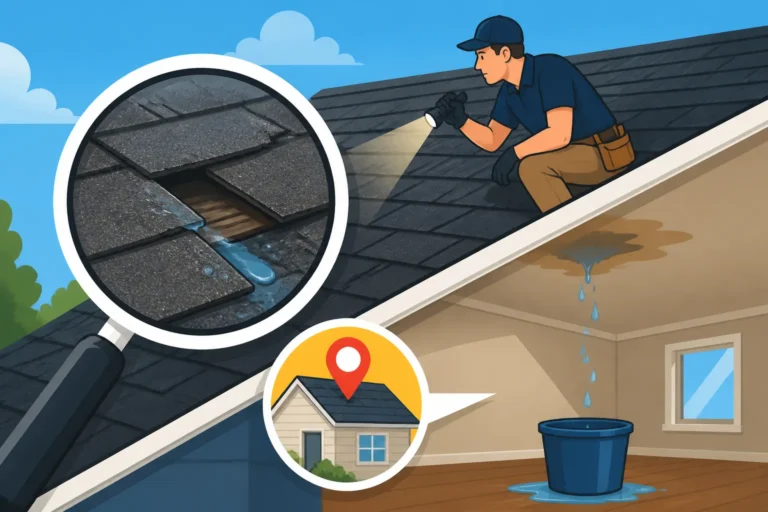
Ultimately, the most concerning problem with a 20-year-old roof is the increased likelihood of leaks. While minor leaks might not be immediately obvious, internal signs of water damage can appear in your attic or on your ceilings.
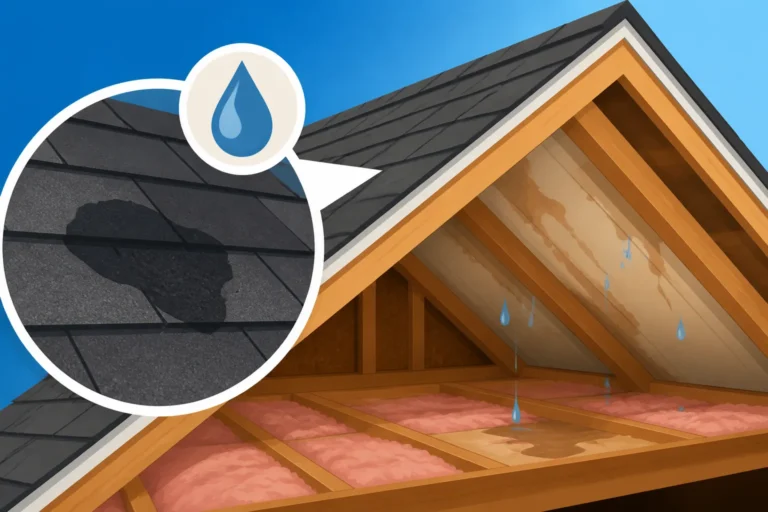
Look for water stains on your attic rafters, insulation, or the underside of the roof decking. On your interior ceilings, yellow or brown water spots, peeling paint, or drooping drywall are undeniable indicators of a roof leak. Even a small, intermittent leak can lead to significant damage over time, including mold growth, rotten wood, and compromised structural integrity. The presence of active leaks is often the definitive sign that your 20-year-old roof is no longer performing its job and needs serious attention, moving the discussion firmly into the "repair vs. replacement" category.
Assessing the Damage: What to Look For
It's one thing to hear about common problems, and another to actually spot them on your own roof. While you should always prioritize safety and consider hiring a professional for a detailed inspection, there are several things you can look for from the ground or inside your home.
Safe Visual Inspection from the Ground
You don't need to climb onto your roof to get a sense of its condition. A good pair of binoculars and a walk around your home can reveal a lot.
Start by examining the edges of your roof, paying close attention to the gutters. Are they filled with shingle granules? This is a strong indicator of wear. Next, look for any obvious signs of curling, lifting, or missing shingles. Pay attention to the overall uniformity of the roof; do some sections look darker or lighter than others? Are there any visible bare spots where granules have eroded? Also, scan for any signs of moss, algae, or dark streaks on the shingles. You can also spot issues with your drip edge or fascia from the ground. For more insights on evaluating your roof's health, check out this guide on the signs you need a new roof.
Signs of Interior Damage
Your attic is often the first place to reveal a roof problem that isn't visible from the outside. Head up to your attic with a flashlight and look for:
- Water Stains: Check the underside of the roof deck, rafters, and insulation for any discoloration, dark spots, or active drips, especially after a rainstorm.
- Mold or Mildew: Any fuzzy, discolored growth is a sign of chronic moisture. Mold in the attic isn't just a roofing issue; it's a health concern.
- Sagging or Distorted Decking: The wooden sheathing beneath your shingles should be flat. Any dips, waves, or soft spots could indicate water damage or structural issues with the roof deck itself.
- Light Penetration: If you can see daylight coming through your roof boards, you definitely have a problem. This might indicate missing flashing or gaps in the decking.
Inside your living space, look for tell-tale signs like water spots on ceilings, especially near fireplaces, exhaust vents, or exterior walls. Peeling paint, bubbling wallpaper, or a musty odor can also point to a hidden roof leak. These interior signs mean the problem is no longer confined to the roof and is actively affecting your home's structure.
When to Call a Professional for a Detailed Inspection
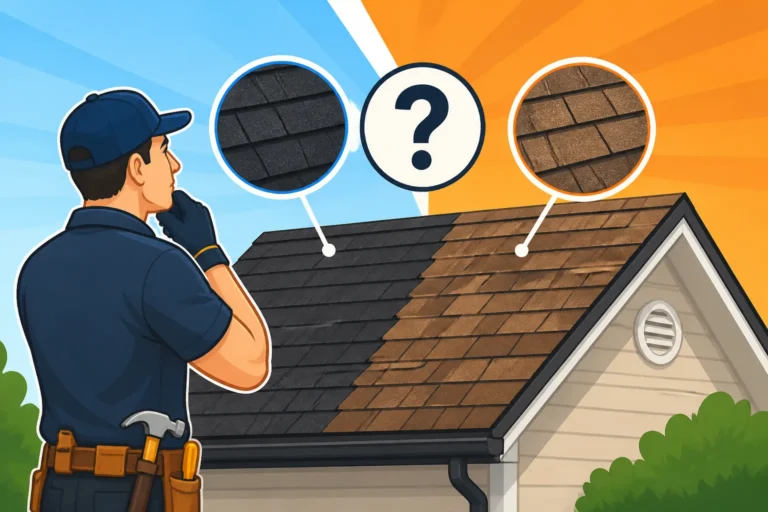
While your homeowner inspection is valuable, it's really just the first step. For a 20-year-old roof, a professional roofing inspection is almost always warranted. Experienced roofers have the expertise, safety equipment, and knowledge to thoroughly assess every component of your roof, including areas that are difficult or dangerous for a homeowner to access.
A professional will look for subtle signs of damage, inspect flashing meticulously, evaluate the roof's overall structural integrity, and provide an informed opinion on the remaining lifespan. They can also identify issues that might not be immediately obvious, like hail damage that hasn't yet led to leaks. When your roof is this old, a professional opinion is indispensable for making an informed decision about its future. You can find experienced local professionals through platforms like Modernize, which connects homeowners with qualified contractors in their area.
Next Steps: Repair, Replace, or Maintain?
Once you've assessed the condition of your 20-year-old roof, the big question looms: should you attempt repairs, invest in a full replacement, or simply keep a watchful eye? This decision often comes down to the extent of the damage, your budget, and your long-term plans for the home.
The Repair vs. Replace Dilemma
For a roof nearing the end of its projected lifespan, the "repair vs. replacement" decision is rarely straightforward.
When Repair Might Still Be Viable:
If your 20-year-old roof is primarily experiencing isolated issues like a few missing shingles from a storm, a localized flashing problem around a single vent, or minor granule loss on one slope, a repair might be a temporary solution. For example, if you have a specific leak that can be traced to a single point, like a pipe boot, and the surrounding shingles are still in good condition, a targeted repair can buy you some extra time. However, it’s important to understand that patching one problem often highlights another that's lurking. It’s a bit like putting a new tire on a car with a failing engine—it helps, but doesn't solve the core issue.
When Replacement Becomes the Only Sensible Option:
If you're seeing widespread issues such as extensive granule loss across multiple slopes, widespread curling and cracking, significant moss growth, multiple active leaks, or evidence of compromised roof decking, a full roof replacement is almost certainly the more economical and safer long-term choice. Continual small repairs on a failing 20-year-old roof can quickly add up, often costing as much or more than a replacement in the long run, without offering the peace of mind or extended lifespan of a new roof. This is where you really need to consider your options for roof repair vs replacement: how to decide.
Finding a Reputable Contractor
Whether you're leaning towards a major repair or a full replacement, finding the right roofing contractor is paramount. This isn't a DIY project for a roof this age; you need skilled professionals.
Start by seeking out local roofers with a strong reputation. Look for companies that are licensed, insured, and have positive reviews from other homeowners. Ask for references and don't be shy about calling them. It’s also wise to check for manufacturer certifications, such as GAF Master Elite or Owens Corning Platinum Preferred, as these signify a contractor has met rigorous standards set by shingle manufacturers and can often offer enhanced warranties. When you're ready to get quotes, consider using a service like Modernize to connect with pre-vetted contractors in your area. This can save you a lot of time and hassle compared to cold-calling individual companies. Remember, the cheapest quote isn't always the best; value, warranty, and reputation should be key considerations. You can get more tips on how to choose a roofing contractor that's right for you.
Budgeting and Planning Ahead
Replacing a roof is a significant investment, so budgeting and planning are crucial. Get multiple detailed estimates that clearly outline all costs, including tear-off, disposal, materials, labor, and any necessary repairs to the roof deck. Don't forget to ask about potential hidden costs in a roof replacement.
Consider your financing options, whether it's out-of-pocket, a home equity loan, or specific roofing financing plans offered by contractors. If your roof damage was caused by a recent storm, you might also explore whether your homeowners insurance will cover a roof replacement. While you might be tempted to put off a replacement, remember that a failing roof can lead to far more expensive interior damage. Investing in a new roof now can protect your home, increase its curb appeal, and improve its energy efficiency in the years to come.
Disclaimer
Please note that this guide provides general information and recommendations. Every roof is unique, and local conditions, building codes, and specific damage can vary. It is always recommended to consult with a qualified, licensed, and insured roofing professional for a thorough inspection and personalized advice regarding your specific roof's condition and the best course of action.