How Proper Ventilation Extends Roof Life
It's a common oversight, but so many homeowners don't realize just how much their roof's longevity hinges on something as simple as proper airflow. Without adequate ventilation, your attic can become a hostile environment, silently cooking your shingles from the inside out and inviting moisture damage. This guide will dive deep into understanding how a well-ventilated asphalt roofing system acts as a protective shield, significantly extending the life of your entire roof.
The Hidden Dangers of Poor Roof Ventilation
When your roof isn't breathing correctly, it's not just a minor inconvenience; it's a silent killer for your asphalt shingles and the structural integrity of your home. Many people think of the roof as just the shingles, but it's a complex system, and ventilation is a critical, often overlooked, component.
Trapped Heat: The Enemy of Shingles
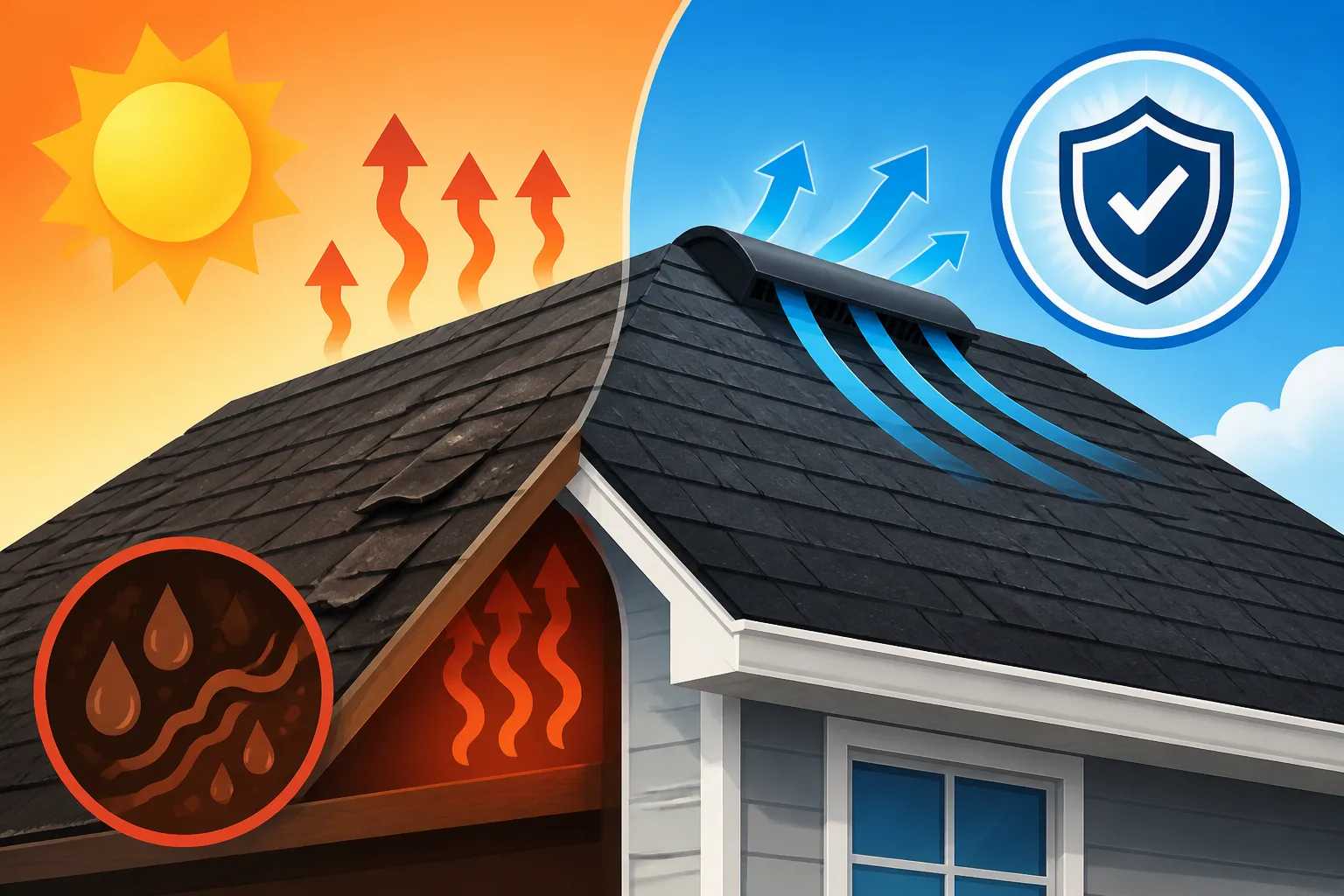
Imagine baking a cake – you wouldn't expect it to last long if you kept it in a perpetually hot oven, right? The same principle applies to your asphalt shingles. In warm months, the sun beats down on your roof, transferring heat to your attic space. Without proper ventilation to allow that heat to escape, temperatures in your attic can soar to well over 150 degrees Fahrenheit, sometimes even higher. This extreme heat literally cooks the shingles from underneath.
This constant thermal stress causes the asphalt binder in the shingles to dry out and become brittle much faster than it should. You'll start to see signs like curling, cracking, and excessive granule loss, all symptoms of premature aging. What might be a 25-year shingle could fail in 15 or even 10 years if it's perpetually overheating. It’s like putting your roof through a constant accelerated aging process, leading to the need for a full asphalt roof replacement much sooner than anticipated.
Moisture Buildup: A Recipe for Disaster
Heat isn't the only problem; moisture is an equally insidious threat. Everyday activities in your home, like showering, cooking, and even breathing, generate moisture that rises into your attic. If this humid air has nowhere to go, it condenses on the cooler surfaces within your attic, such as the underside of your roof decking and rafters. This is particularly prevalent in colder climates when warm, moist air meets a cold roof deck.
This persistent dampness creates a perfect breeding ground for mold and mildew, which can compromise indoor air quality and cause structural damage. Beyond that, the moisture can weaken the roof decking itself, leading to rot and an eventual need for costly repairs or even a full roof deck replacement. It can also lead to issues like rusted fasteners and delaminated plywood, seriously undermining the roof's ability to protect your home.
How an Effective Roof Ventilation System Works
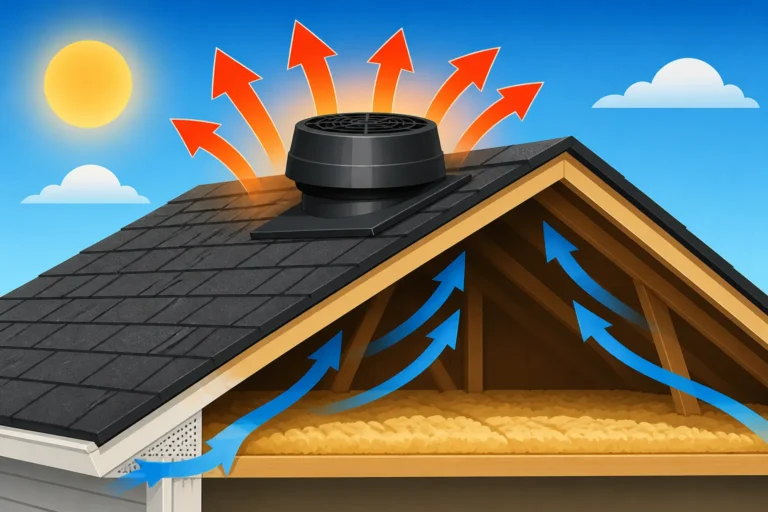
An effective roof ventilation system isn't just about sticking a few vents on your roof; it's about creating a continuous airflow pathway that intelligently moves air through your attic. Think of it as your home's lungs, constantly exchanging stale, hot, or moist air for fresh, dry air. This process is often called a "balanced system," and it's key to keeping your attic healthy.
Intake Ventilation: Bringing in Fresh Air
The journey of fresh air into your attic typically begins at the lowest points of your roof, usually at the eaves. These are your intake vents. Soffit vents, which are installed in the underside of the eaves, are the most common type. They allow cooler, drier ambient air from outside to enter the attic space. This isn't just a passive opening; they're strategically placed to draw in air from around the entire perimeter of the house, creating a uniform flow.
Without sufficient intake, your exhaust vents can't function optimally, leading to what’s known as a "short circuit" of airflow. This means air might only circulate around the exhaust vents instead of across the entire attic. Properly designed intake vents are crucial for initiating the convection process, ensuring that the fresh air can travel upwards and push out the hot or moist air.
Exhaust Ventilation: Letting the Hot Air Out
Once the cooler air enters through the intake vents and travels up towards the ridge, it heats up and rises, carrying moisture with it. This heated, moisture-laden air needs an escape route. That's where exhaust vents come in, typically located at or near the highest point of the roof, the ridge. Ridge vents are highly effective because they run along the entire ridge line, providing a continuous exhaust opening. Other types, like static or box vents and turbine vents, also serve this purpose.
The principle here is simple: hot air rises. As the air heats up in the attic, it naturally wants to move upwards and out through these exhaust vents. This creates a natural convection current – a stack effect – that continuously pulls fresh air in through the intake vents and expels the stagnant air. This constant exchange is vital for maintaining a consistent temperature and humidity level throughout the attic. For a deeper understanding of this process, check out our guide on how roof ventilation works.
The Crucial Role of Balanced Airflow
Achieving a truly healthy attic environment isn't just about having intake and exhaust vents; it's about ensuring they work together in a balanced manner. A balanced system generally means you have roughly equal amounts of net free area for both intake and exhaust. If you have too much exhaust and not enough intake, you can create negative pressure, which can actually draw conditioned air from your living space into the attic, increasing energy bills. Conversely, too much intake with insufficient exhaust won't allow the hot, moist air to escape effectively.
A common rule of thumb is the 1/300 or 1/150 rule, where for every 300 (or 150) square feet of attic floor space, you need 1 square foot of net free ventilation area. This area should be split 50/50 between intake and exhaust. Professional roofers, like those you might find through platforms such as Modernize, are well-versed in calculating these requirements to design an optimal system. They ensure that all the different parts of an asphalt shingle roof work in harmony.
Specific Ways Ventilation Extends Your Roof's Lifespan
Let's get down to the nitty-gritty of why all this airflow chatter matters for your roof's lifespan. It's not just about comfort in your home; it's about safeguarding one of your biggest investments from preventable damage.
Preventing Premature Shingle Deterioration
As mentioned, extreme attic heat is a primary culprit behind prematurely aging shingles. The sun's UV rays already take a toll on the shingle surface, causing the protective granules to shed over time. When this external assault is compounded by intense heat from below, the shingles simply can't cope. The asphalt binders break down faster, leading to a loss of flexibility and adhesion. This makes them more susceptible to damage from wind, hail, and even simple temperature fluctuations.
Proper ventilation actively works to reduce the temperature differential between the attic and the outside air. By keeping the attic cooler, it significantly slows down the thermal breakdown process of the asphalt. This means the shingles retain their elasticity longer, the granules stay embedded better, and the sealant strips remain effective, allowing your roof to last closer to its intended lifespan. This is critical for homeowners who've invested in quality shingles like those from CertainTeed or Owens Corning and expect them to perform for decades. You can learn more about what makes shingles fail early by understanding these factors.
Combating Mold, Mildew, and Rot
Moisture trapped in an unventilated attic is a ticking time bomb for biological growth and structural decay. When warm, humid air condenses on the cooler wooden surfaces of your roof deck and rafters, it provides the ideal conditions for mold and mildew to flourish. These aren't just cosmetic issues; they can lead to health problems for your family and significantly weaken the wooden components of your roof structure.
Beyond surface growth, prolonged moisture exposure can lead to wood rot. This is particularly dangerous as it can compromise the integrity of your roof decking, making it soft, spongy, and unable to hold nails effectively. If your roof deck rots, it may not adequately support the weight of the shingles or withstand heavy snow loads or strong winds. A good ventilation system continuously flushes out this moisture, keeping the attic air dry and preventing these harmful organisms from taking root, thereby preserving the structural health of your roof and home.
Minimizing Ice Dam Formation
For those of us in colder climates, ice dams are a persistent nightmare that proper ventilation can largely mitigate. Ice dams form when heat escapes from your attic, melts snow on the upper parts of your roof, and then refreezes as it reaches the colder eaves, forming a literal dam of ice. This dam prevents melting snow from draining off the roof, causing water to back up under the shingles, leading to leaks, rotten decking, and damaged insulation and interior ceilings.
An adequately ventilated and insulated attic maintains a consistent, cold temperature, matching the outdoor temperature as closely as possible. This means less heat is escaping from the attic to melt the snow on the roof in the first place. When the entire roof surface stays cold, snow melts uniformly, or not at all, preventing the cycle of melting and refreezing that creates ice dams. This protection is invaluable, especially in regions prone to heavy snowfall, directly safeguarding your roof's integrity through harsh winters.
Key Components of a Healthy Ventilation System
Understanding that ventilation is crucial is one thing; knowing what goes into a functional system is another. It's not just a single component, but a thoughtful combination of elements working together to ensure that constant, healthy airflow we've been talking about.
Types of Intake Vents
Intake vents are the unsung heroes, bringing the cool, dry air into your attic. Without them, your exhaust vents can't do their job effectively. The most common types include:
- Soffit Vents: These are installed in the soffit panels underneath the eaves of your roof. They are often perforated or come in continuous strips, providing ample opening for air to enter. They are highly effective because they distribute airflow evenly around the perimeter of the attic. Proper installation is key; ensuring that insulation doesn't block the airflow from the soffit vents into the attic is critical.
- Undereave Vents: Similar to soffit vents but can be installed directly under the eaves if soffits aren't present or practical. They serve the same purpose of drawing in cooler air.
- Gable End Vents (used as intake): While primarily designed as exhaust vents, gable end vents can sometimes serve as intake in specific architectural scenarios, though they generally don't provide as balanced an intake as soffit vents for continuous airflow. They're usually better paired with a ridge vent to ensure proper circulation.
When considering a roof replacement, a reputable contractor, perhaps one you found through Modernize, will assess your existing intake and recommend upgrades if necessary. Without enough intake, you simply can't achieve the balanced system that keeps your roof healthy.
Types of Exhaust Vents
Exhaust vents are positioned to let the hot, moist air out. Choosing the right type often depends on your roof's design, local climate, and aesthetic preferences.
- Ridge Vents: These are arguably the most effective and popular exhaust vents. They are installed along the entire peak of the roof, providing a continuous, nearly invisible line of exhaust. This design allows for incredibly efficient heat and moisture removal along the highest point where warm air naturally collects. Many modern asphalt shingle systems, such as those from GAF with their Cobra® series, integrate ridge vents seamlessly. You can learn more about the specifics of a Ridge Vent vs Box Vent vs Turbine.
- Static/Box Vents: These are individual, non-moving vents installed on various points of the roof surface. They rely on natural convection to let hot air escape. While less efficient than ridge vents due to their limited coverage, they can be a good option for smaller roofs or specific architectural styles.
- Turbine Vents: These recognizable spinning vents use wind to create a suction effect, pulling hot air out of the attic. They are quite effective in windy areas but can be noisy and may not be aesthetically pleasing to all homeowners.
- Powered Attic Fans: These electrically operated fans actively pull air out of the attic, often triggered by a thermostat. While very effective at moving air, they consume electricity and need proper intake to avoid creating negative pressure that could pull conditioned air from your home.
The best solution is often a combination of continuous intake and continuous exhaust, creating a "system" rather than just isolated components. Understanding How a Roof Replacement Works: The Full Process will give you a better idea of how these components are integrated.
Assessing Your Current Ventilation
Many homes, especially older ones, were built with minimal or inadequate ventilation. If you're experiencing issues like high energy bills, excessive icicles, or premature shingle wear, your ventilation system might be the culprit. The first step is to get a professional roof inspection. A qualified inspector will evaluate your attic for signs of heat and moisture buildup, check the functionality of your existing vents, and measure the adequacy of your current intake and exhaust.
You can also do a quick visual check yourself: look for soffit vents that might be painted over or blocked by insulation in the attic. Check if you have any exhaust vents and whether they appear damaged or obstructed. Consider also the Roof Age: When to Start Planning Replacement and how ventilation might have impacted its lifespan. Don't be afraid to ask for a detailed assessment of your ventilation system when you're getting quotes for repairs or replacement. It’s a vital part of What a Roofing Estimate Should Include and ensuring your new roof lasts.
| Ventilation Component | Purpose | Common Types | Location on Roof | Key Benefit |
|---|---|---|---|---|
| Intake Vents | Brings in cool, fresh air | Soffit vents, Undereave vents | Eaves/Lower Roof | Prevents air short-circuiting, initiates airflow |
| Exhaust Vents | Releases hot, moist air | Ridge vents, Box vents, Turbines | Ridge/Upper Roof | Removes heat and moisture, completes airflow |
| Baffles (Ventilation) | Maintains airflow path | Styrofoam or plastic channels | Rafters (Attic Side) | Prevents insulation from blocking intake vents |
Disclaimer
Please remember that this guide offers general information. Roofing work, especially concerning ventilation and structural components, can be complex. Always consult with a qualified and licensed roofing professional for specific advice, inspections, and repairs tailored to your home's needs and local building codes.