What a Roofing Underlayment Does
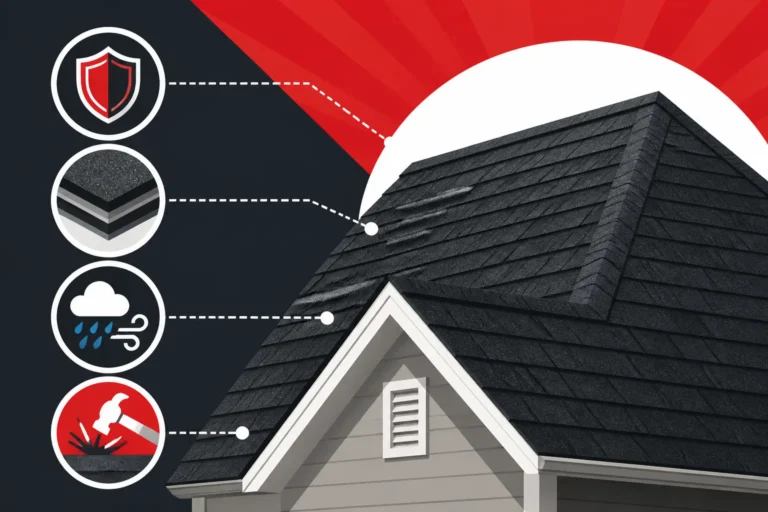
It’s easy to get caught up in the excitement of choosing new shingles for your roof, focusing on colors, styles, and curb appeal. But beneath those beautiful asphalt shingles lies a critical, yet often forgotten, component: the roofing underlayment. Many homeowners don’t even realize it's there until a problem arises, but this unassuming layer plays a monumental role in protecting your home from the elements. This guide will pull back the curtain on exactly what a roofing underlayment does, revealing its essential functions and why it's far more than just a simple barrier.
The Unsung Hero Beneath Your Shingles: What is Roofing Underlayment?
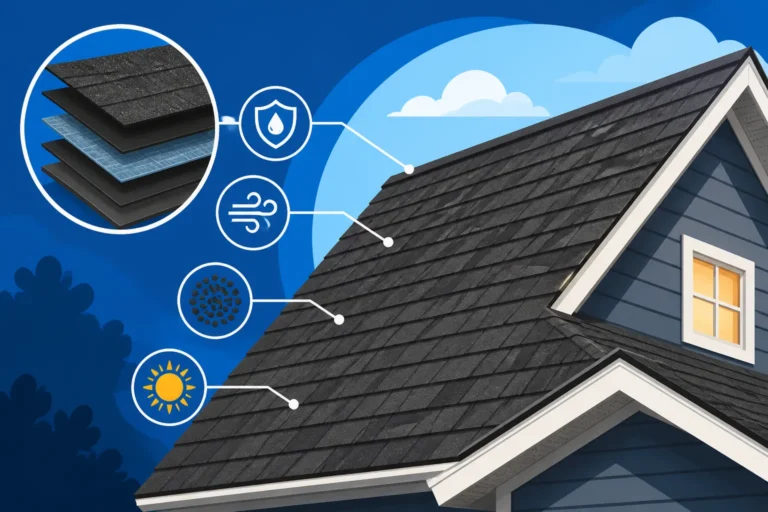
When you think of a roof, the first image that comes to mind is usually the shingles themselves, right? They're what we see, what defines the house's style, and what we assume does all the heavy lifting in terms of protection. But that's only part of the story. Beneath that visible layer of shingles, securely fastened to your roof deck, lies the underlayment—a vital component that acts as your roof's backup plan and often, its first true line of defense. Ignoring its importance is like buying a fancy raincoat but forgetting the waterproof liner; it might look good, but it won't truly keep you dry.
More Than Just a Felt Layer
For decades, the standard underlayment was asphalt-saturated felt, often called "tar paper." It was the workhorse of roofing, a heavy paper infused with asphalt to give it some water resistance. While felt underlayment served its purpose for many years, roofing technology has advanced significantly. Today, modern synthetic underlayments have become incredibly popular, offering superior performance in many areas.
These newer synthetic options are typically made from woven polypropylene or polyethylene, often reinforced for incredible tear resistance and durability. They're lighter, stronger, and more water-resistant than traditional felt, representing a huge leap forward in roofing system components. No matter the material, the underlayment is an integral part of a comprehensive roofing system, working in tandem with your shingles, flashing, and ventilation to create a truly protective envelope for your home.
Why You Can't Skip This Step
Believe it or not, some people might wonder if underlayment is truly necessary. After all, if the shingles are doing their job, what's the point? The reality is that skipping underlayment is a monumental mistake that can lead to costly and frustrating issues down the line. Most local building codes across the country actually mandate the installation of underlayment, and for good reason.
Without underlayment, your shingles would be directly applied to the roof decking, leaving no secondary barrier against water. Think about that for a moment: if a shingle gets damaged, lifts in a high wind, or simply wears out, water would have a direct path into your attic and home. Beyond code compliance, failing to install underlayment—or installing it incorrectly—can also void your shingle manufacturer's warranty, leaving you without protection if a product defect arises. It's a small investment with huge returns in peace of mind and long-term protection.
The Primary Functions of Roofing Underlayment
So, what exactly does this hidden layer do? It's not just sitting there, looking pretty (though you'll never see it!). Underlayment performs several critical functions that are absolutely essential for the overall integrity, longevity, and performance of your asphalt roofing system. It's your home's quiet guardian, working tirelessly behind the scenes.
Your First Line of Defense Against Water Intrusion
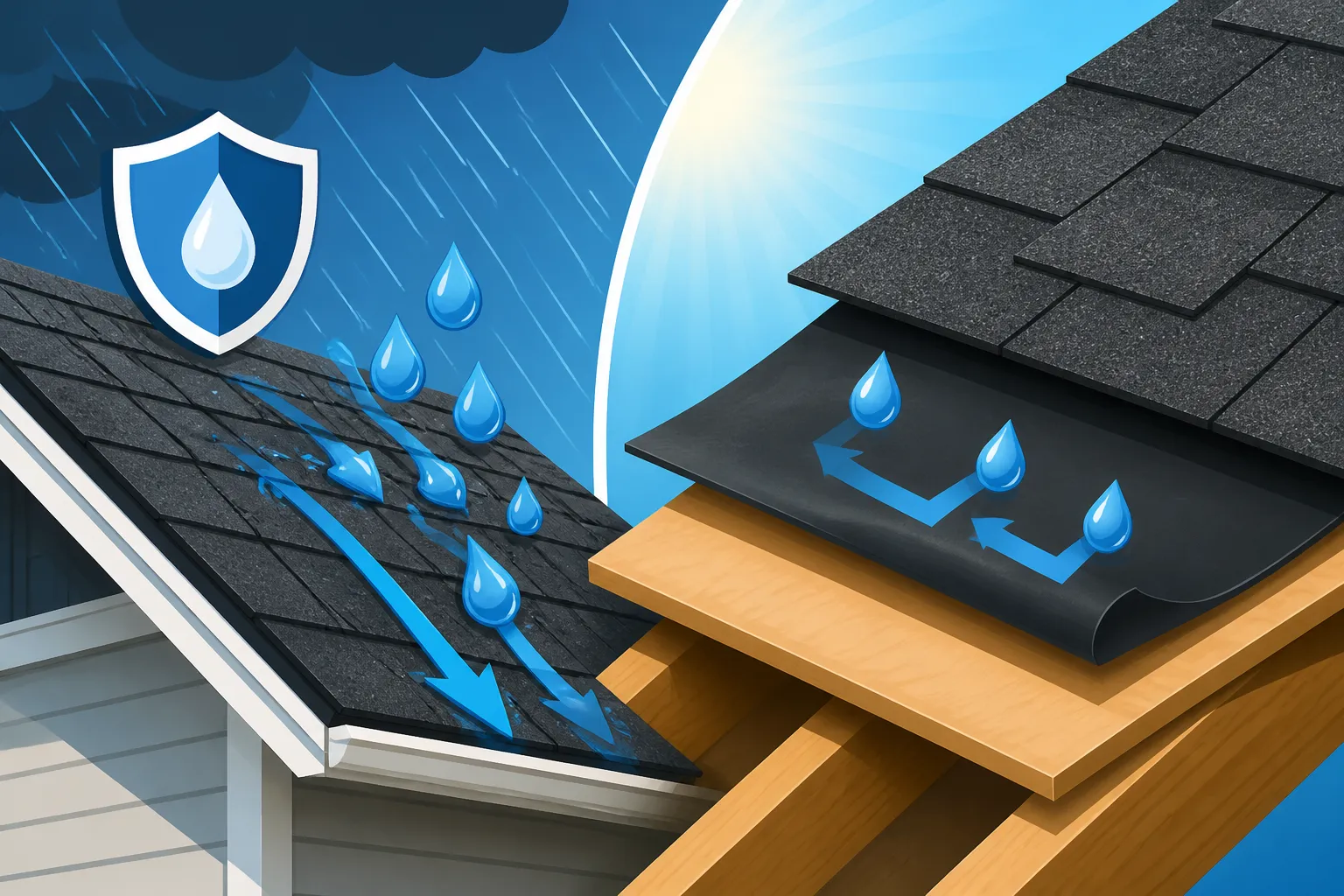
This is perhaps the most crucial role of underlayment: acting as a secondary waterproof barrier. While shingles are designed to shed most of the water, they are not completely waterproof. Strong winds can drive rain sideways, pushing water up and under shingles. Ice dams can form in colder climates, causing meltwater to back up and seep beneath shingles. Even perfect shingles can't prevent every drop from reaching the roof deck.
This is where underlayment steps in. It's laid in overlapping courses, much like shingles, allowing any water that gets past the top layer to flow down and off the roof, rather than soaking into your roof deck. It provides that essential redundancy, ensuring that even if your primary shingle layer is compromised, your home still has significant protection against leaks. Imagine a particularly nasty Nor'easter hitting the coast of New England; those winds and torrential rains would easily exploit any weakness without a proper underlayment doing its job.
Protecting Your Roof Deck During Installation
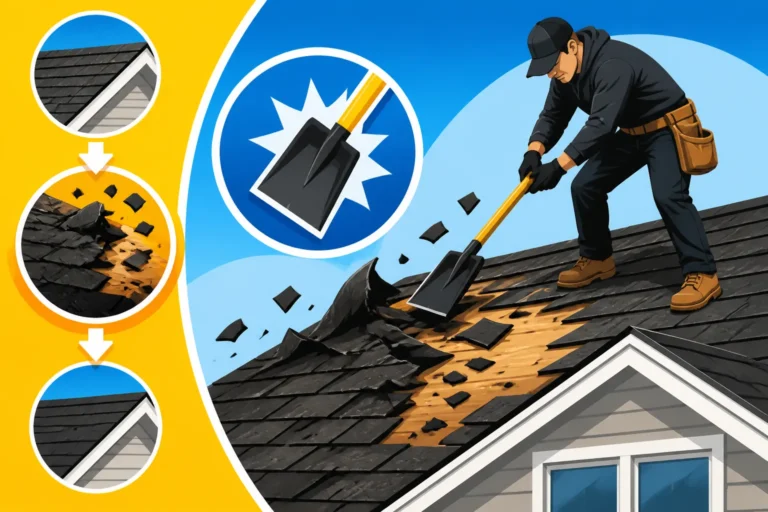
Think about what happens during a roof replacement. Your old shingles are torn off, leaving your home's roof deck exposed to the elements. If a sudden rain shower rolls in while the roof is being installed, or if the project takes a few days, that bare plywood or OSB decking would be completely vulnerable to water damage. This is a common and legitimate concern for homeowners during a roof replacement, wondering what happens if it rains during roofing.
Underlayment provides immediate protection for your roof deck the moment it's installed. It creates a temporary shield against rain, wind, and even UV rays, preventing moisture from soaking into the wood and potentially causing swelling, warping, or rot before the shingles are even put on. This also creates a safer, more stable working surface for the roofing crew, minimizing slips and falls as they move across the roof.
Providing a Smooth, Uniform Surface for Shingles
Beyond its protective qualities, underlayment also plays a key role in the aesthetic and functional performance of your shingles. When applied correctly, underlayment creates a smooth, consistent surface over the roof decking. This smooth base helps your shingles lie flat, uniformly, and without any unsightly humps or depressions that could impact their appearance or ability to seal properly.
A smooth base is particularly important for architectural shingles, which are designed to create a distinct, dimensional look. If the underlying surface isn't flat, these shingles won't achieve their intended visual appeal and may even be more prone to wind uplift or poor sealing. The underlayment also provides an extra layer of cushioning, which can help reduce the impact of minor imperfections in the roof deck itself, leading to a much more professional and long-lasting finished roof.
Diving Deeper into Different Underlayment Types
Just like there are different types of asphalt shingles, there are also various kinds of underlayment, each with its own characteristics, benefits, and ideal applications. Understanding these differences can help you make an informed decision when discussing options with your roofing contractor.
Traditional Asphalt-Saturated Felt Underlayment
As mentioned earlier, felt underlayment has been the industry standard for a long time. It’s essentially a mat of organic fibers (like recycled paper or wood pulp) that’s been saturated with asphalt. You'll typically find it in two weights: 15-pound (15-lb) and 30-pound (30-lb). The "pound" designation refers to how much a 100-square-foot roll weighs.
- 15-lb Felt: This is the lighter, more common option. It's cost-effective and provides decent water resistance as a secondary barrier. However, it can tear more easily, especially when wet, and can become brittle in cold weather or soften in extreme heat, which could affect shingle adhesion. It's also more prone to wrinkling if exposed to moisture, which can telegraph through shingles over time.
- 30-lb Felt: This is a heavier, thicker version, offering more durability and tear resistance than its 15-lb counterpart. It provides a more robust secondary barrier and is often preferred on steeper roofs or in areas with higher wind exposure. While better than 15-lb, it still shares some of the same vulnerabilities to tearing and weathering as traditional felt.
Both types of felt allow some vapor to pass through, which can be beneficial in certain attic ventilation scenarios, but they don't offer the same level of tear strength or long-term water resistance as synthetic options. When considering the Synthetic vs Felt Underlayment Cost, you'll see a price difference, but also a significant difference in performance.
Modern Synthetic Underlayment
Synthetic underlayments are the new kids on the block, and they've revolutionized how we think about roof protection. Made from advanced polymer materials like woven polypropylene or polyethylene, these products are engineered for superior performance.
- Durability and Tear Resistance: Synthetic underlayments are incredibly tough. They resist tearing much better than felt, which is a huge advantage during installation, especially when foot traffic or tools might snag the material. This robustness also means they can withstand exposure to the elements for a longer period if the roofing project is delayed.
- Water Resistance: Most synthetic underlayments are highly water-resistant, sometimes even completely waterproof, offering an exceptional secondary barrier. Their non-porous nature means they won't absorb water or wrinkle, maintaining a stable base for your shingles.
- Lighter Weight and Easier Handling: Despite their strength, synthetic rolls are often much lighter than felt, making them easier for roofers to handle and install. A single roll of synthetic underlayment can cover four to five times the area of a traditional felt roll, meaning fewer rolls to carry up to the roof.
- UV Resistance: Many synthetic products are also UV-resistant, meaning they can be exposed to sunlight for longer periods without degrading, a major plus if installation isn't completed immediately.
- Cost: While synthetics generally have a higher upfront material cost than felt, their enhanced performance, durability, and often longer lifespan can make them a wise investment in the long run. Many major shingle manufacturers, like GAF and Owens Corning, also produce their own lines of synthetic underlayment, often requiring their use to qualify for extended warranties on their asphalt shingles.
Ice and Water Shield (Self-Adhering Membranes)
This isn't a replacement for felt or synthetic underlayment but rather a specialized product that complements them. Ice and water shield, also known as self-adhering modified bitumen underlayment, is a rubberized asphalt membrane with a peel-and-stick backing. Its primary job is to create an impenetrable seal against water, particularly in areas prone to ice dams or extreme weather.
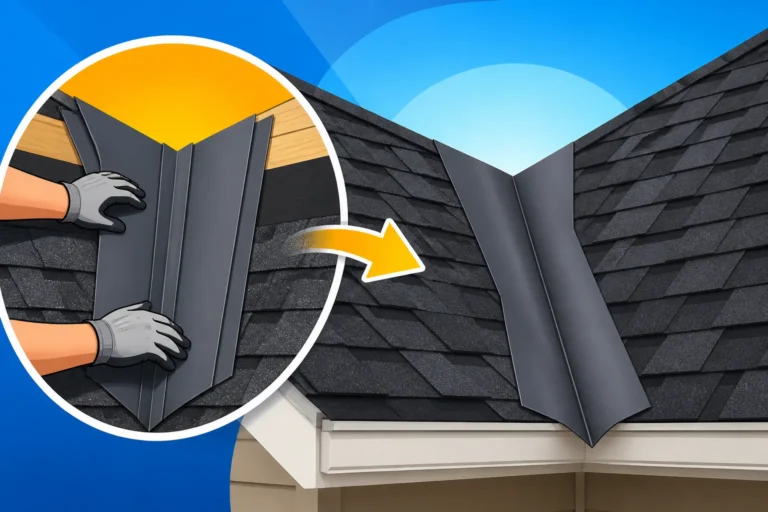
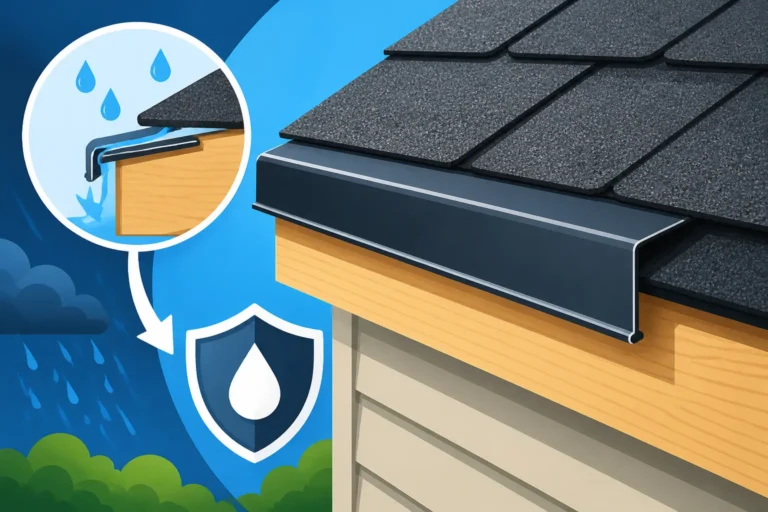
- Where it's Used: It’s typically installed along the eaves (the edges of your roof where ice dams form), in valleys, around chimneys, skylights, and other roof penetrations where water is most likely to find a way in. In colder climates, building codes often mandate the use of ice and water shield along the eaves to prevent damage from ice damming, where melting snow refreezes at the colder edge of the roof, causing water to back up under shingles.
- How it Works: The self-adhering nature of the membrane means it creates a watertight seal directly to the roof deck. More impressively, when roofing nails penetrate it during shingle installation, the rubberized asphalt actually seals around the nail shank, preventing water from seeping through the nail holes. This makes it incredibly effective at preventing leaks in critical areas. If you're wondering What Is Ice And Water Shield and Why It Matters, it's truly an unsung hero for leak prevention.
The Installation Process and What to Look For
The best underlayment in the world won't perform if it's not installed correctly. Proper installation is just as critical as choosing the right material, and it’s a clear indicator of a reputable roofing contractor's attention to detail. This is where a service like Modernize can be invaluable, helping you find professionals who prioritize proper installation practices from the foundation up.
Proper Preparation of the Roof Deck
Before any underlayment touches your roof, the underlying roof deck (usually plywood or OSB sheathing) must be meticulously prepared. This step is non-negotiable and crucial for the entire roofing system's performance.
First, the deck must be clean, dry, and free of any debris, old nails, or shingle fragments. Any bumps or irregularities will telegraph through the underlayment and potentially through the new shingles, affecting their appearance and sealing. More importantly, the deck must be structurally sound. Any signs of rot, water damage, or sagging indicate that the decking needs to be repaired or replaced before proceeding. Trying to lay underlayment over compromised decking is like building a house on a shaky foundation – it’s just asking for trouble. A thorough roof inspection before starting any work will catch these issues early.
Laying the Underlayment Correctly
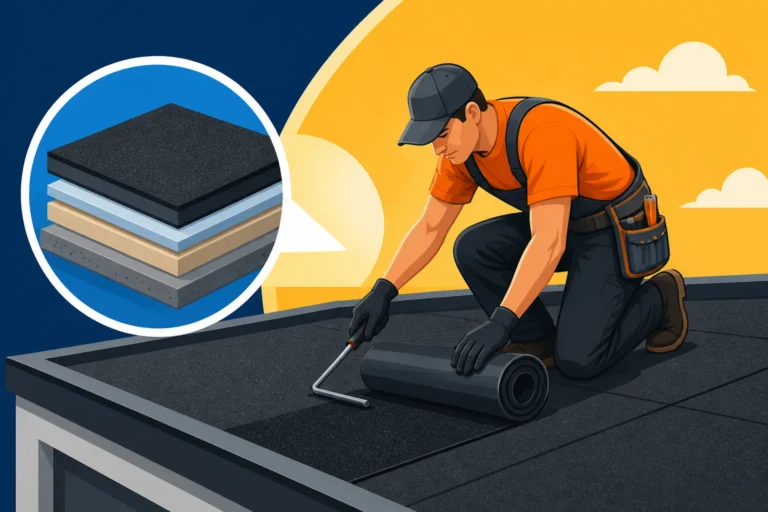
Once the deck is ready, the underlayment is rolled out, typically starting from the eaves and moving upwards towards the ridge. Proper overlap is paramount. Most manufacturers specify a horizontal overlap of at least 2 to 4 inches between courses and a vertical overlap of 6 inches at seams. This overlapping pattern ensures that water flows over each piece, preventing it from seeping into the layers below.
Fastening methods vary slightly by underlayment type. Felt is usually secured with roofing nails or staples, while synthetic underlayments often use cap nails (nails with plastic caps) for better wind resistance and reduced tear-through. Ice and water shield, being self-adhering, is simply rolled out and pressed firmly into place after removing its release liner. The number of fasteners and their placement are also specified by the manufacturer and local building codes, particularly in high-wind zones, to ensure the underlayment stays securely in place. You can learn more about How Underlayment Is Installed for a detailed breakdown.
Common Installation Mistakes to Avoid
Even experienced roofers can make mistakes if they're rushing or not paying close attention. As a homeowner, understanding these common pitfalls can empower you to ask the right questions and ensure your contractor is doing the job properly.
One frequent mistake is insufficient overlap. If the underlayment courses don't overlap enough, water can easily penetrate the gaps, defeating the purpose of the secondary barrier. Another common error is inadequate fastening, where too few fasteners are used, or they're improperly spaced. This can lead to the underlayment lifting or tearing in windy conditions, leaving sections of your roof deck exposed. Finally, sometimes the wrong side of the underlayment is facing up, especially with synthetic products that have specific top and bottom surfaces. While seemingly minor, this can affect drainage, breathability, and even shingle adhesion. Ensuring your contractor follows all manufacturer instructions and local codes is crucial for a long-lasting, warranty-compliant roof.
How Underlayment Impacts Your Roof's Longevity and Performance
The decision to choose a quality underlayment and ensure its proper installation isn't just about avoiding leaks today. It's an investment in the long-term health, efficiency, and overall performance of your entire roofing system. This unseen layer works diligently, contributing in ways that extend far beyond its initial purpose.
Enhancing Overall Roof System Durability
Your roof is a system, not just a collection of individual parts. The shingles, underlayment, flashing, and ventilation all work together to protect your home. A high-quality underlayment acts as a critical reinforcement, bolstering the entire system's ability to withstand environmental stressors. It protects the roof deck from moisture, which in turn preserves the structural integrity of your roof. When the roof deck stays dry and sound, it provides a stable foundation for the shingles to adhere to and perform as designed.
Think of it as the base layer of a technical outdoor jacket; it wicks moisture away and adds an extra layer of warmth, ensuring the outer shell can perform optimally. Without a strong underlayment, even the best shingles will eventually succumb to moisture-related issues, potentially leading to premature aging and a shorter lifespan for your asphalt roof. This underlying strength is what helps your roof perform well through years of seasonal changes and harsh weather.
Contributing to Energy Efficiency and Attic Health
While underlayment isn't primarily an insulation material, it indirectly contributes to your home's energy efficiency and attic health by managing moisture. By preventing water intrusion into the roof deck and attic, underlayment helps maintain a dry environment. Moisture in the attic can lead to a host of problems, including mold and mildew growth, compromised insulation effectiveness, and even wood rot.
A dry attic means your insulation can do its job more effectively, reducing heat transfer into or out of your living space. This is especially true when underlayment is paired with a well-designed attic ventilation system. Proper ventilation works to remove heat and moisture from the attic, while the underlayment ensures no new moisture is entering from above. Together, they create an optimal attic environment that keeps your home more comfortable, lowers your heating and cooling costs, and prevents long-term structural issues.
Warranty Implications
This is a point many homeowners overlook, but it's incredibly important. Most major asphalt shingle manufacturers offer comprehensive warranties that cover their products against defects. However, these warranties often have specific requirements regarding the installation of other roofing components, including the underlayment. Many manufacturers, like Owens Corning and CertainTeed, have proprietary underlayment products and may require their use (or an approved alternative) as part of their "complete roofing system" to qualify for their highest-tier, non-prorated warranties.
Forgetting this detail, or choosing a cheaper, non-compliant underlayment, could significantly reduce your warranty coverage or even void it entirely. Imagine investing in premium shingles only to find out your warranty claim is denied years later because of an underlayment oversight – that’s a frustrating situation no homeowner wants. Always check the fine print of your shingle warranty and discuss these requirements with your contractor to ensure you’re getting the full protection you’ve paid for.
Making the Right Choice: Factors to Consider
With different types of underlayment available, how do you know which one is best for your home? It’s not a one-size-fits-all situation. The ideal choice will depend on a combination of your home’s location, the type of shingles you’re installing, and the expertise of your roofing professional.
Climate and Local Building Codes
Your geographic location plays a significant role in dictating underlayment requirements. Homes in areas prone to severe winter weather, especially those experiencing heavy snowfall and prolonged freezing temperatures, will have stricter codes regarding ice and water shield. States like Minnesota or regions in the Northeast, for example, often mandate ice and water shield along the eaves to protect against ice dam formation.
Similarly, regions with high wind zones, such as coastal areas in Florida or hurricane-prone areas along the Gulf Coast, may have specific requirements for underlayment fastening patterns or even the use of more robust synthetic underlayments designed for enhanced wind resistance. Always ask your roofing contractor about the specific local building codes that apply to your property. These codes are in place for a reason – to ensure your roof can stand up to the unique challenges of your local climate.
Shingle Type and Manufacturer Recommendations
The type of asphalt shingle you choose can also influence your underlayment decision. While standard 3-tab shingles might be adequately protected by a basic felt underlayment (if local codes allow), architectural or designer shingles, which are thicker and heavier, often benefit more from the superior strength and stability of synthetic underlayments. The smoother surface of synthetic products also helps these premium shingles lay flatter and present their best aesthetic.
Furthermore, as discussed with warranties, many shingle manufacturers actively promote and sometimes require their own branded underlayment products for optimal performance and extended warranty coverage. For instance, if you're installing GAF Timberline HDZ shingles, using a GAF underlayment like Deck-Armor can ensure you qualify for their best system warranties. Your contractor should be well-versed in these brand-specific recommendations and help you navigate them.
Working with a Reputable Contractor
Ultimately, the best underlayment choice and installation quality comes down to the roofing contractor you hire. A reputable, experienced professional won't just slap on the cheapest option; they'll understand the nuances of different underlayment materials, local building codes, and manufacturer warranty requirements. They'll take the time to explain your options, detailing the pros and cons of felt versus synthetic and where ice and water shield is critical.
When you’re gathering estimates, don’t hesitate to ask specific questions about the underlayment they plan to use. Request to see it detailed in the estimate. A good contractor will clearly outline the type of underlayment, its specifications, and why it’s the best choice for your particular roof and climate. Using a service like Modernize to find qualified professionals can ensure you're getting experts who understand the nuances of a complete roofing system, not just the shingles. A transparent and knowledgeable contractor ensures that this often-overlooked component is given the attention it deserves, leading to a truly durable and long-lasting roof. You can find out more about How to Choose a Roofing Contractor to ensure you're working with the right people.
Underlayment Comparison
Here's a quick look at the main characteristics of common underlayment types:
| Feature | 15-lb Asphalt Felt | 30-lb Asphalt Felt | Synthetic Underlayment | Ice & Water Shield |
|---|---|---|---|---|
| Material | Asphalt-saturated organic mat | Asphalt-saturated organic mat | Woven polypropylene/polyethylene | Rubberized asphalt adhesive |
| Durability | Moderate; prone to tearing | Good; more tear-resistant | Excellent; very tear-resistant | Excellent; self-sealing |
| Water Barrier | Secondary; decent resistance | Secondary; good resistance | Secondary; superior resistance | Primary; watertight seal |
| Breathability | Good (vapor permeable) | Good (vapor permeable) | Varies (some breathable) | Low (vapor barrier) |
| Weight | Heavier (15 lbs/sq) | Heavier (30 lbs/sq) | Lighter (2-3 lbs/sq) | Heavy (40-60 lbs/sq) |
| Installation | Nails/staples; can wrinkle | Nails/staples; less wrinkling | Cap nails; lays flat, easy to roll | Peel & stick; self-seals around fasteners |
| Cost | Most affordable | Mid-range | Higher than felt | Highest (used strategically) |
| Typical Use | General secondary protection | General secondary protection; steeper roofs | General secondary protection; all roofs | Critical areas: eaves, valleys, penetrations |
| UV Resistance | Poor | Poor | Good to excellent | Varies, usually good for temporary exposure |
Disclaimer
Please remember that the information provided in this article is intended for general guidance and informational purposes only. Roofing projects can be complex and are subject to various local building codes, climate considerations, and manufacturer specifications. Always consult with a qualified, licensed, and insured roofing professional in your area for specific advice tailored to your property. They can perform a thorough inspection, provide accurate estimates, and ensure all work complies with safety standards and local regulations.