Soffit and Fascia Explained
As homeowners, it’s easy to focus on the big, obvious parts of our houses, like the roof shingles themselves or the siding. But tucked away at the edges, often out of sight, are two unsung heroes: the soffit and fascia. Many of us don't really know what they are, let alone how crucial they are to our home's protection and curb appeal. This guide will pull back the curtain on these essential components, explaining their vital roles and how to keep them in top shape.
What Exactly Are Soffit and Fascia?
You might walk past them every day without giving them a second thought, but your soffit and fascia are silently working hard to protect your home. They form the critical transition point between your roof and your exterior walls, creating a finished look while performing essential functions. Think of them as the unsung guardians of your home's vulnerable edges.
Demystifying the Soffit
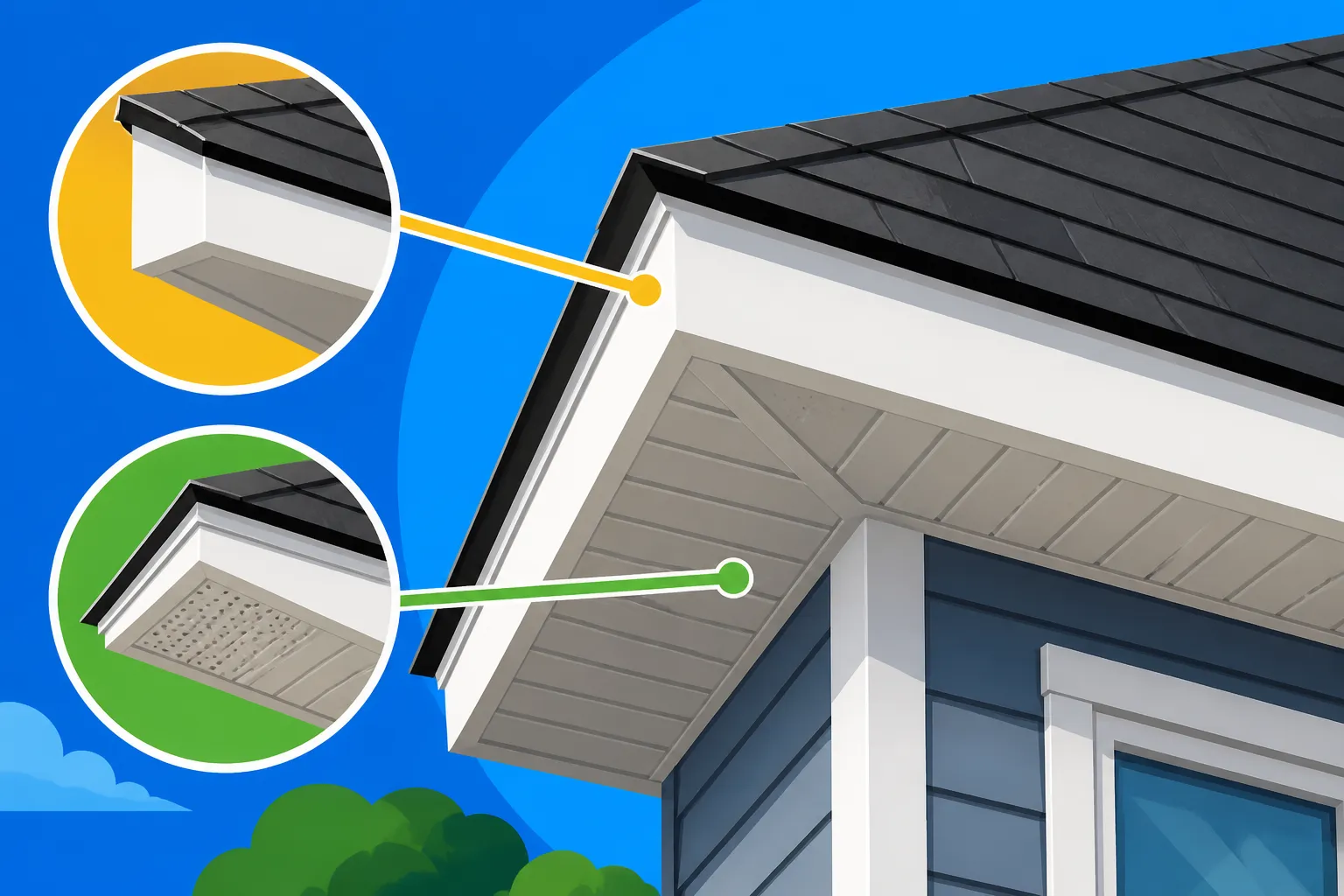
The soffit is the exposed underside of your roof's eaves – that part of the roof that hangs over the exterior walls. If you stand directly under the edge of your roof and look up, you’re looking at the soffit. The word "soffit" itself comes from the French word meaning "something fixed underneath," which is a pretty accurate description! While it certainly contributes to the aesthetic finish of your home, covering up unsightly rafters, its most critical role is in ventilation.
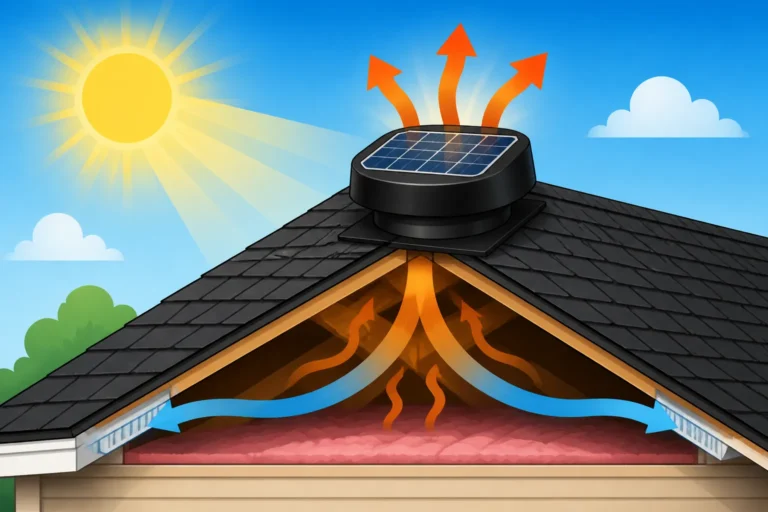
Most modern homes feature vented soffits, meaning they have small holes or grates built into them that allow air to flow into the attic. This airflow is absolutely vital for maintaining a healthy attic environment. Without proper air intake through the soffit, your attic can become a hot, humid trap, leading to issues like mold growth, warped roof decking, and premature aging of your shingles. In colder climates, good soffit ventilation helps prevent ice dams by keeping the roof deck temperature consistent with the outside air, preventing snow from melting and refreezing at the eaves.
Understanding the Fascia Board
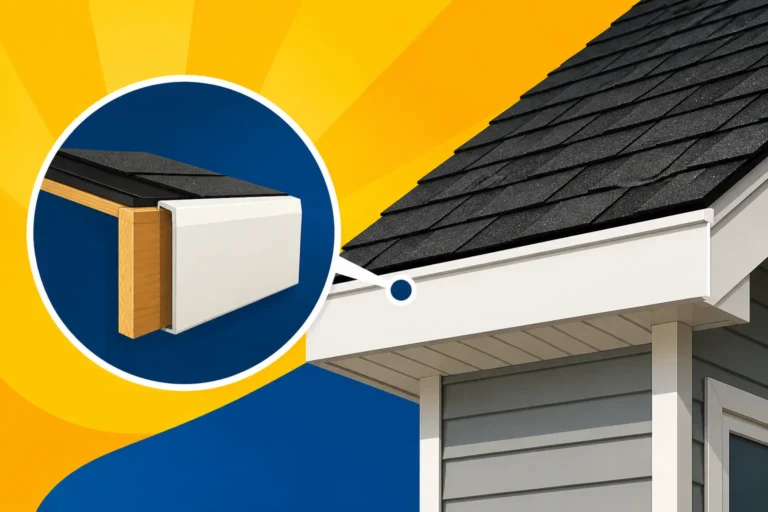
Right above the soffit, running horizontally along the edge of your roofline, is the fascia board. This is the flat, vertical trim that caps the ends of your roof rafters. It’s the surface that your gutters are typically attached to, giving them a solid, stable foundation. The fascia is highly visible and plays a huge part in your home's overall curb appeal, often painted to match or complement your exterior trim.
Beyond its aesthetic contribution, the fascia serves several crucial protective functions. Firstly, it shields the vulnerable ends of your roof rafters from weather elements like rain, wind, and sun. Exposed rafter ends would quickly deteriorate, leading to structural damage. Secondly, it provides a finished edge for the roof, supporting the lower edge of the roof decking and the first row of shingles. When looking at your roofline, the fascia is often the most prominent trim piece, acting as a sturdy backbone for your gutter system and the final barrier against weather and pests trying to get into your attic.
The Critical Role Soffit and Fascia Play in Your Home's Health
It's easy to dismiss soffit and fascia as mere decorative elements, but their contribution to your home's structural integrity, weather protection, and overall longevity is monumental. Neglecting these areas can lead to a cascade of expensive problems down the line that affect not just your roof, but your entire home.
Protecting Your Roof and Structure
Imagine your roof as an umbrella over your house. The soffit and fascia are like the reinforced edge of that umbrella, ensuring no water sneaks in around the perimeter. The fascia board acts as a critical barrier, preventing water from running directly down the wall and causing damage to your siding, windows, and foundation. It provides a solid attachment point for your gutters, which are essential for channeling rainwater away from your home. Without a robust fascia, gutters would pull away, dumping water where it can do the most harm.
Furthermore, the fascia protects the vulnerable ends of your roof trusses or rafters from rot, insects, and animal intrusion. These structural components are critical to your roof's stability, and their deterioration can lead to a sagging roofline and costly structural repairs. The soffit, by covering the open eaves, also prevents birds, squirrels, bats, and insects from nesting in your attic, where they can cause significant damage to insulation and wiring, and create unsanitary conditions. Proper installation of your drip edge, which extends slightly over the fascia, works hand-in-hand with these components to guide water efficiently into your gutters and away from the fascia board itself.
Essential for Proper Attic Ventilation
This is where the soffit truly shines. While the fascia provides the visual finish and structural support, the soffit is key to maintaining a healthy attic environment, which, in turn, prolongs the life of your entire roof system. Soffit vents work in conjunction with exhaust vents, often located at the ridge of your roof (like a ridge vent or box vents), to create a continuous flow of air. Cool, fresh air enters through the soffit vents, travels through the attic space, and pushes out hot, moist air through the exhaust vents. This process is called the "stack effect" or "convection."
Without adequate soffit ventilation, your attic can become a suffocating hotbox in the summer, driving up your air conditioning bills and causing your asphalt shingles to prematurely age, crack, and curl due to extreme heat. In winter, inadequate ventilation can trap moisture, leading to condensation, which can foster mold and mildew growth on your roof decking, insulation, and framing. It also contributes to the formation of destructive ice dams along the eaves, which can force melting snow under your shingles, causing leaks and water damage inside your home. Many shingle manufacturers even require proper attic ventilation to maintain the validity of their warranties, emphasizing just how critical it is. Understanding How Roof Ventilation Works is key to appreciating the soffit's role.
Common Materials and Their Characteristics
Just like with siding or windows, soffit and fascia come in a variety of materials, each with its own set of pros, cons, and aesthetic appeal. Choosing the right material often depends on your budget, desired maintenance level, and the architectural style of your home. It’s not just about what looks good; it’s about what performs best for your specific climate and needs.
Soffit Material Options
When it comes to soffits, the primary goal is often low maintenance and effective ventilation.
- Aluminum: Aluminum soffits are incredibly popular due to their durability and low maintenance. They won't rot, warp, or rust, and they come in a wide range of colors. Once installed, you typically won't need to paint them, saving you time and money over the years. However, aluminum can be susceptible to denting from impacts, like a rogue ladder or falling branch, and it can be a bit more expensive upfront than some other options.
- Vinyl: Vinyl soffits are another excellent low-maintenance choice, often more affordable than aluminum. They come in various colors and styles, including solid and vented panels, and are resistant to moisture and pests. The main drawback of vinyl is that it can sometimes sag or warp in extreme heat, especially if not installed correctly, and it's generally less rigid than aluminum. Despite this, for many homeowners, vinyl offers a great balance of cost, aesthetics, and minimal upkeep.
- Wood: Historically, wood was the standard material for soffits, and it still offers a classic, natural look that can be stained or painted to match any home. Wood is highly customizable and can be beautiful, but it requires significant maintenance. It needs regular painting or staining to protect it from rot, pests, and weather damage. Without proper care, wood soffits can quickly deteriorate, leading to costly repairs.
- Fiber Cement: Materials like those from James Hardie offer fiber cement soffit panels, which are extremely durable, fire-resistant, and impervious to rot and pests. They provide a high-end look and excellent protection, often mimicking the appearance of wood without the maintenance. The trade-off is that fiber cement is heavy, requires specialized tools for cutting, and is generally more expensive to purchase and install due to its weight and installation complexity.
Fascia Material Options
The fascia board is the front-facing, highly visible component, so its aesthetic appeal and durability are paramount. It also needs to be sturdy enough to hold gutters.
- Wood: Just like soffits, wood fascia is traditional and can be beautiful. It's easy to install and repair, but it shares the same high-maintenance requirements as wood soffits, needing consistent painting and sealing to prevent rot and pest infestation. Many homes still have wood fascia as the primary structural board, which is then covered by another material.
- Vinyl/PVC: Vinyl or PVC fascia offers a low-maintenance solution, often capping an existing wood fascia board. It comes in many colors and textures, providing a clean, finished look without the need for painting. While durable, it can be less rigid than metal and might not be suitable for very long spans without adequate support.
- Aluminum: Aluminum fascia is widely used to cover and protect underlying wood fascia boards. It’s durable, resistant to rot, and doesn’t require painting. It effectively shields the wood from moisture, significantly extending its life and reducing maintenance. While it can dent, it's an excellent choice for longevity and protection, especially in areas prone to harsh weather. Many contractors offer seamless aluminum fascia installation, which provides a very clean look.
- Composite: Composite fascia boards, made from a blend of wood fibers and plastic resins, are gaining popularity. They are engineered for durability, moisture resistance, and minimal maintenance, offering a look similar to painted wood but without the rot and pest concerns. Brands like Trex or Azek produce composite trim that holds up exceptionally well to the elements. While the upfront cost is higher, the long-term savings on maintenance can make it a worthwhile investment.
| Material Type | Durability | Maintenance Level | Typical Cost Range | Aesthetic Options | Key Benefits |
|---|---|---|---|---|---|
| Aluminum | High | Low | Moderate to High | Various colors, smooth | No rot, no paint, pest-resistant |
| Vinyl (PVC) | Moderate to High | Low | Low to Moderate | Wide colors, textures | Cost-effective, moisture/pest-resistant |
| Wood | Moderate | High | Low to Moderate | Natural, paintable/stainable | Traditional, customizable, easy repair |
| Fiber Cement | Very High | Low | High | Paintable, wood-like | Fire-resistant, rot/pest-proof, extremely durable |
| Composite | High | Low | High | Wood-like, various colors | Rot/pest-proof, no paint, long-lasting |
Signs of Damage and When to Consider Replacement
Unfortunately, soffit and fascia aren't indestructible. Over time, exposure to the elements, lack of maintenance, or sudden damage can take their toll. Recognizing the signs of trouble early can save you a lot of headache and money down the road. Ignoring these components is a recipe for more extensive and costly repairs, potentially affecting your entire roof system.
What to Look For
Regular visual inspections are your best defense. Walk around your home a few times a year, perhaps after a major storm or during seasonal cleanings, and pay close attention to the roofline.
- Peeling Paint or Discoloration: This is often one of the first visible signs, especially on wood fascia or soffit. Peeling paint indicates moisture penetration. If water is getting behind the paint, it’s also likely saturating the wood, leading to rot. Discoloration, particularly dark streaks, could be mold or mildew, also pointing to excess moisture.
- Rot or Soft Spots: This is a clear indicator of significant water damage. Use a screwdriver or poke gently at suspect areas; if the wood is soft or crumbles easily, it's rotting. Rot can compromise the structural integrity of your fascia and soffit, making them unable to support gutters or properly seal your attic.
- Holes or Gaps: These are open invitations for pests. Small holes might be from insects, while larger gaps could be from squirrels or birds trying to build nests in your attic. Any opening compromises your attic's protection and ventilation.
- Sagging or Drooping: If your soffit panels are visibly sagging, it could be due to water damage (adding weight), improper installation, or simply age and material breakdown (especially common with older vinyl). Sagging fascia is an even bigger concern, often indicating structural issues or that the fasteners holding it to the rafters have failed.
- Water Stains on Exterior Walls: If you see streaks or stains running down your siding directly below the roofline, it’s a strong sign that your fascia or gutters are failing to direct water properly. This could be due to a leaky gutter, a gap between the fascia and the gutter, or deteriorated fascia itself.
- Pest Nests: Visible wasp nests, bird nests, or even bees living in your soffit or behind your fascia are clear signs that these components are no longer acting as an effective barrier against unwelcome guests.
Repair vs. Replacement Considerations
Once you've identified damage, the next step is deciding whether to repair or replace. This often comes down to the extent of the damage, the material, and your budget.
- Minor, Isolated Damage: If you have just a small section of peeling paint, a minor crack, or a single hole from a bird, a targeted repair might be sufficient. For wood, this could involve scraping, patching with wood filler, sanding, and repainting. For vinyl or aluminum, a small section might be replaceable if you can find a matching piece. However, even minor damage should prompt a check for the root cause, such as a clogged gutter or a roof leak, to prevent recurrence.
- Extensive or Systemic Damage: If you see widespread rot, multiple sagging sections, significant pest infestation, or damage spanning a large portion of your roofline, it’s likely time for a full replacement. Trying to patch up extensive damage is often a temporary fix that costs more in the long run and doesn't address underlying structural issues. For example, if the wood fascia behind an aluminum wrap is rotted, just replacing the aluminum won't solve the problem. In such cases, a complete overhaul ensures that both the structural and aesthetic components are sound. This situation often ties into larger decisions, like Roof Repair vs Replacement: How to Decide for your entire roof.
- Material Upgrade: Sometimes, even if the damage isn't catastrophic, you might choose to replace your soffit and fascia as part of a larger home renovation or if you want to switch to a lower-maintenance material like vinyl or aluminum from older wood. This is a smart investment that can boost curb appeal and reduce future upkeep.
When in doubt, it’s always best to consult with a qualified roofing or exterior contractor. They can thoroughly inspect the damage, assess the underlying issues, and provide an informed recommendation. Professionals found through platforms like Modernize can offer clear explanations and fair quotes for repair or replacement, helping you make the best decision for your home.
Installation Process and Best Practices
Installing soffit and fascia isn't a simple DIY weekend project for most homeowners. It requires precision, knowledge of building codes, and often working at heights, which carries inherent risks. A proper installation ensures longevity, aesthetic appeal, and, most importantly, the functional benefits of these critical components.
Overview of Soffit Installation
The process of installing soffit typically begins after the roof decking and underlayment are in place, but before the final roofing materials are installed, or as part of an exterior renovation.
- Preparation: The first step involves ensuring the sub-fascia (the original wood board that the fascia will attach to) and any existing framing are sound and level. Any rotten wood must be replaced.
- J-Channels: Next, J-channels are typically installed along the wall where the soffit meets the house, and sometimes along the inner edge of the fascia board. These channels provide a track for the soffit panels to slide into and secure them.
- Measuring and Cutting: Soffit panels are measured to fit precisely between the wall and the fascia. For vented soffits, it’s crucial that the pre-drilled or perforated ventilation holes are not obstructed by the framing or insulation during installation, allowing for unobstructed airflow into the attic. Accurate cuts are vital for a seamless, professional look and to prevent gaps.
- Securing Panels: The panels are then gently flexed and slid into the J-channels, then fastened to the sub-fascia or framing with nails or screws. Proper fastening is key to prevent sagging over time. It's not just about covering a gap; it's about creating a robust, functional pathway for air.
- Ventilation Considerations: During installation, roofers are careful to ensure that the soffit vents align with open pathways into the attic, often facilitated by "baffles" or "rafter vents" that keep insulation from blocking the airflow from the soffit up to the ridge vent. This continuous channel for air movement is fundamental to a well-ventilated attic.
Fascia Board Installation Basics
The fascia board is typically installed before the soffit, as it provides the critical edge that the soffit often butts up against.
- Sub-fascia Check: If replacing fascia, the existing sub-fascia (the structural wood board at the end of the rafters) must be inspected. Any signs of rot, splintering, or damage need immediate attention and replacement of the affected wood. This sub-fascia is the backbone for the new fascia and your gutters.
- Securing the Fascia Board: The new fascia board, whether it's wood, composite, or the base for an aluminum wrap, is securely nailed or screwed to the ends of the rafters and the sub-fascia. It must be perfectly straight and level to provide a clean line and a solid foundation for gutter attachment.
- Drip Edge Integration: One of the most critical steps is ensuring the proper installation of the drip edge. This metal flashing is installed along the edges of the roof deck, extending slightly over the top edge of the fascia board. Its purpose is to direct water from the roof shingles directly into the gutters and away from the fascia, preventing water from running down the face of the fascia board and causing rot or staining. The careful coordination between the drip edge and fascia is crucial for effective water management. Learning more about Drip Edge: What It Does highlights this synergy.
- Wrapping (Optional): If using aluminum or vinyl fascia, these materials are often cut and bent to precisely wrap around the wooden fascia board, protecting it from the elements and eliminating the need for painting. This "fascia wrap" creates a low-maintenance, durable exterior finish.
The Importance of Professional Installation
While the steps might sound straightforward, the reality of working on a roofline is far more complex.
- Safety: Working at heights is inherently dangerous. Professional roofers have the right equipment, training, and safety protocols to perform the job safely and efficiently.
- Precision and Experience: Even a small error in measurement or alignment can lead to unsightly gaps, improper drainage, or compromised ventilation. Experienced contractors understand the nuances of various materials and how they interact with different roof pitches and architectural styles.
- Code Compliance: Local building codes often dictate specific requirements for materials, fastening methods, and ventilation. A professional contractor will be up-to-date on these regulations, ensuring your installation meets all necessary standards. Failing to adhere to codes can lead to issues during home inspections or even invalidate insurance claims. You can often find local requirements by searching for Roofing Building Codes: What to Know.
- Warranty Protection: Many shingle manufacturers' warranties require that all components of the roofing system, including ventilation, are installed correctly. An improper soffit or fascia installation could potentially void parts of your roof warranty.
- Peace of Mind: Hiring a reputable contractor provides assurance that the job will be done right the first time, protecting your investment and your home for years to come. Services like Modernize can help homeowners connect with vetted local professionals who understand these critical details.
Maintenance Tips for Longevity
Once your soffit and fascia are installed correctly, you're not entirely off the hook. While many modern materials are low-maintenance, "low" doesn't mean "no." A little proactive care can go a long way in extending their lifespan, preventing premature damage, and saving you from costly repairs down the line. Think of it as protecting your protector!
Regular Inspections and Cleaning
Consistent, simple maintenance is your best friend when it comes to soffit and fascia.
- Seasonal Visual Checks: Make it a habit to walk around your house a couple of times a year, ideally in spring and fall. Look specifically at your soffit and fascia. Are there any visible cracks, holes, peeling paint, or discoloration? Is anything sagging? Pay extra attention after heavy storms, high winds, or significant snowfall, as these events can cause immediate damage. Early detection means you can address minor issues before they escalate into major problems.
- Keep Gutters Clear: Clogged gutters are perhaps the biggest enemy of your fascia board. When gutters overflow, water saturates the fascia, leading to rot, paint peeling, and structural damage. Make sure your gutters are free of leaves, twigs, and other debris, especially before rainy seasons. If you have gutter guards, check them regularly to ensure they're still performing as they should.
- Gentle Cleaning: Over time, dirt, dust, and even mildew can accumulate on your soffit and fascia, especially in shaded areas. Use a soft brush, a hose, and a mild detergent (like dish soap and water) to gently clean the surfaces. Avoid high-pressure washers, as they can force water behind the panels, damage paint, or even loosen components. Regular cleaning not only improves curb appeal but also removes organic matter that can contribute to rot or staining.
Protecting Against Pests and Moisture
Beyond general cleaning and inspections, actively protecting your soffit and fascia from their primary adversaries – pests and moisture – is crucial.
- Seal Gaps and Cracks: Even small gaps can be an entry point for insects or small rodents seeking shelter. Regularly check for any openings around the soffit and fascia, especially where they meet other house components. Use a good quality exterior-grade caulk to seal these gaps. For larger holes (e.g., from old wiring or previous pest entry), consider using metal mesh or wood filler before sealing and painting.
- Trim Overhanging Branches: Tree branches that touch or hang over your roofline are a double threat. They can scratch and damage shingles, and during storms, they can break off and directly impact your soffit and fascia, causing significant damage. Trim any branches that are close to your roof to prevent both physical damage and the accumulation of leaves and debris that could clog gutters.
- Ensure Proper Attic Ventilation: As we discussed, adequate soffit ventilation is key to preventing moisture buildup in your attic. If you suspect your attic isn't properly ventilated (perhaps you notice extreme heat in summer or dampness in winter), have a professional assess your system. This might involve checking for blocked soffit vents or ensuring you have sufficient exhaust ventilation like a Cost of Ridge Vent Installation. Proper airflow prevents condensation, which is a major contributor to wood rot on the inside of your roof structure.
- Maintain Exterior Paint (for wood components): If you have wood soffit and fascia, keeping the paint in good condition is critical. Paint acts as a protective barrier against moisture. Any chips, cracks, or peeling areas should be scraped, primed, and repainted promptly. This preventative measure is far less costly and time-consuming than repairing rotted wood.
By implementing these maintenance tips, you can significantly extend the life of your soffit and fascia, ensuring they continue to protect your home effectively for many years. This proactive approach is a core part of knowing How to Extend the Life of an Asphalt Roof and maintaining your entire home's exterior envelope.
Disclaimer
Please note that the information provided in this article is intended for general guidance and informational purposes only. While we strive to offer accurate and up-to-date content, individual circumstances, local building codes, and material specifications can vary significantly. Always consult with a qualified and licensed roofing or exterior contractor for professional advice, estimates, and services tailored to your specific home and location.