How Cool-Roof Shingles Reflect Heat
It’s a tale as old as summer itself: you crank up the AC, dreading that sky-high energy bill, all while your attic feels like a sauna. The culprit? Often, it’s your roof baking under the relentless sun, transferring all that heat right into your home. This guide is here to demystify how cool-roof shingles are engineered to combat this very problem, reflecting heat away and making your home more comfortable and energy-efficient.
Understanding the Challenge of Roof Heat Absorption
We all know the feeling of touching a dark car on a sunny day versus a light-colored one – the difference is startling. Your roof experiences this on a massive scale, and traditional asphalt shingles, especially in darker shades, are notorious for absorbing and retaining a tremendous amount of solar energy. This isn't just an aesthetic issue; it's a significant factor in your home's overall energy consumption and indoor comfort.
The Problem with Traditional Asphalt Shingles
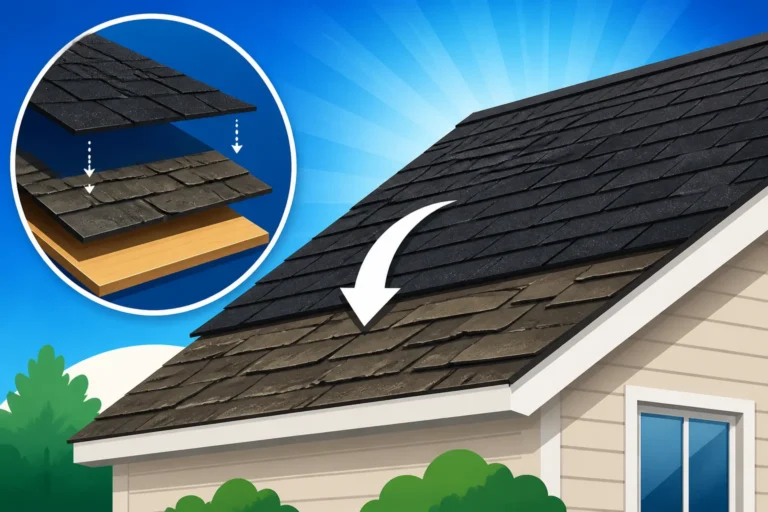
Think about most conventional asphalt shingles. They're designed primarily for durability, weather protection, and visual appeal, often in deep, rich colors that homeowners love. Unfortunately, these darker pigments are incredibly efficient at absorbing solar radiation, turning your entire roof into a giant heat magnet. On a sweltering summer day, the surface temperature of a dark asphalt roof can easily hit 150-160 degrees Fahrenheit, sometimes even higher. This isn't just hot; it's practically scorching!
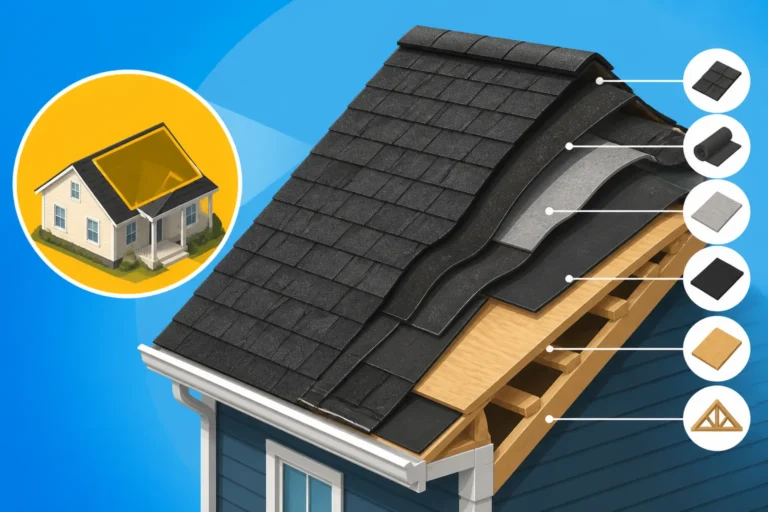
This absorbed heat doesn't just sit there. It penetrates through the shingle layers, through the underlayment, and into your roof decking, eventually radiating down into your attic space. When your attic gets superheated, that warmth slowly but surely makes its way into your living areas below. Your air conditioning system then has to work overtime, fighting a constant uphill battle against the heat infiltration, which translates directly into higher electricity bills and a less comfortable home, even with the AC blasting. This constant thermal cycling also takes a toll on the shingles themselves, contributing to premature aging and wear.
How Heat Transfers from Roof to Home
The journey of heat from your sun-drenched roof into your cozy living room isn't a straight shot, but rather a complex interplay of physics. Understanding these mechanisms helps appreciate how cool-roof shingles intercept this process.
First, there's conduction. The sun's rays hit the shingle surface, heating it up. This heat is then conducted directly through the shingle material itself, and then through the roof decking beneath. Imagine a hot pan on a stove – the heat moves through the metal to your hand if you touch it. That's conduction in action.
Next, we have convection. Once the roof decking and the air within your attic space get heated, the warm air rises. If your attic isn't properly ventilated, this hot air becomes trapped, building up immense heat. This superheated air then transfers its energy to the ceiling of your living space, either directly or through your insulation, warming the rooms below. This is why proper roof ventilation is so crucial, even with cool roofs, as it helps vent out any residual heat.
Finally, there's radiation. The hot surfaces of your roof and attic components emit infrared radiation, which then travels through the air and materials, radiating heat onto anything in its path—including your ceilings, walls, and even you! This radiant heat can make a room feel stuffy and warm, even if the air temperature isn't excessively high. Cool-roof shingles primarily tackle the initial absorption and radiation at the roof surface, effectively reducing the amount of heat available to transfer via these three methods.
The Science Behind Cool-Roof Shingles
So, what makes a cool-roof shingle cool? It's not magic, but rather a clever application of material science and engineering, designed to manipulate how your roof interacts with the sun's energy. These aren't just lighter-colored shingles; they incorporate specific technologies to actively mitigate heat gain.
Reflectivity: Bouncing Sunlight Away
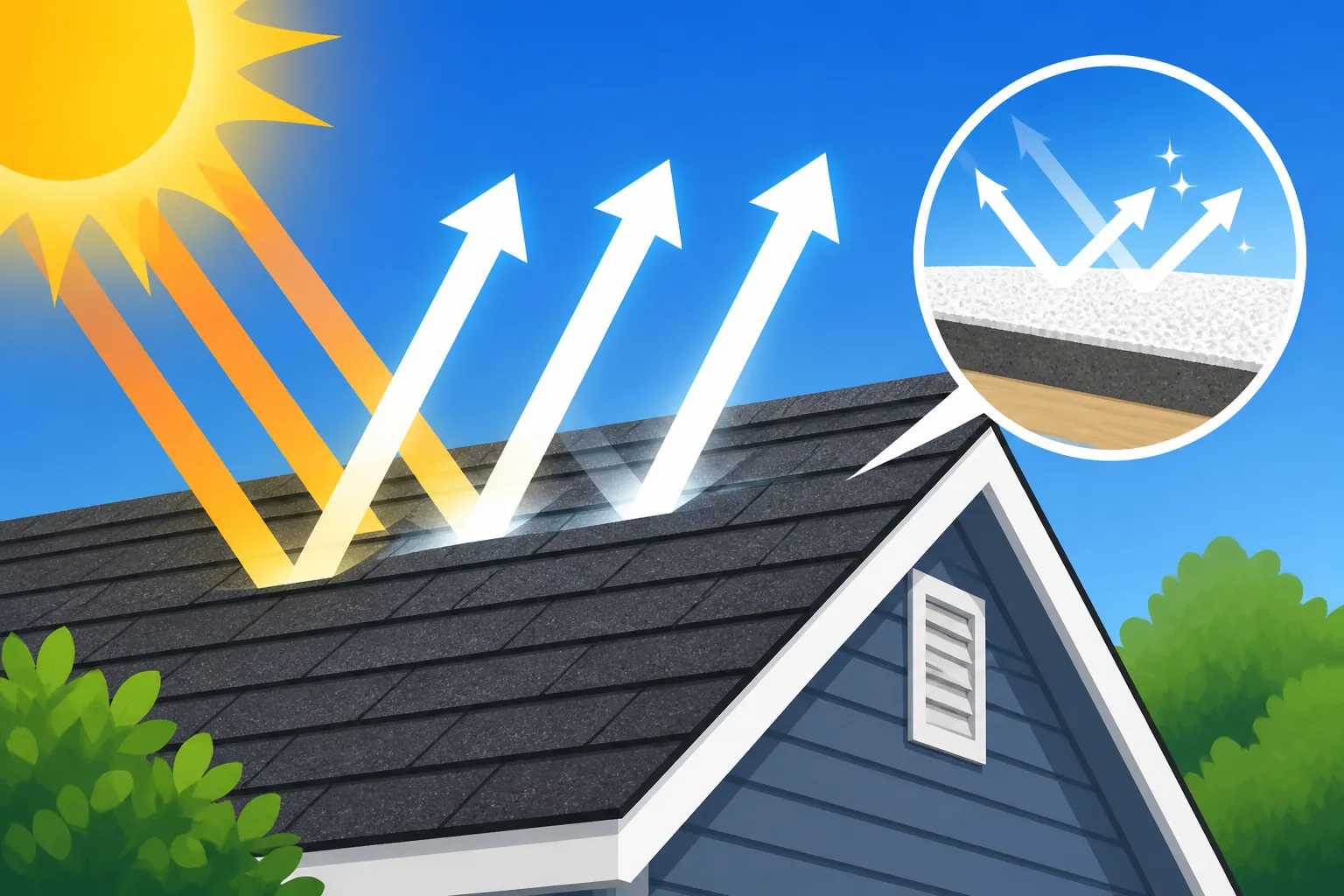
The primary mechanism of a cool-roof shingle is its superior solar reflectance. Think of it like wearing a white shirt on a sunny day instead of a black one. Lighter colors naturally reflect more sunlight, but cool-roof technology goes a significant step further. These shingles are engineered with specialized, highly reflective granules embedded into their surface. These aren't your typical dull, dark granules found on traditional shingles. Instead, they often contain special coatings or pigments that are incredibly efficient at bouncing the sun's visible and invisible (infrared) light rays back into the atmosphere.
This high reflectivity means that a significantly smaller portion of the sun's energy is absorbed by the roof surface. Instead of turning into heat, it's simply redirected away. The effectiveness of this is measured by its Solar Reflectance Index (SRI), a common metric used to quantify how well a surface reflects solar heat. A higher SRI value indicates a better cool-roof performance. For instance, while a standard dark asphalt shingle might have an SRI of 10-20, a certified cool-roof shingle can boast an SRI of 50 or even higher, drastically reducing the surface temperature. Brands like Owens Corning with their Duration line, or GAF with their Timberline Cool Series, utilize specific granule blends to achieve these impressive reflective properties.
Emissivity: Releasing Absorbed Heat
While reflectivity is about bouncing heat away, emissivity is about how well a material can release any heat it does absorb. No roof material will reflect 100% of solar radiation; some heat will inevitably be absorbed. Emissivity measures how efficiently a surface can radiate absorbed heat back into the atmosphere as thermal infrared radiation.
Cool-roof shingles are designed not only to be highly reflective but also to have high thermal emissivity. This means that if they do absorb a little bit of heat, they release it very quickly, preventing it from building up and transferring into your attic. Picture a radiator – it's designed to release heat. Cool-roof shingles act somewhat like an inverse radiator, efficiently radiating heat out rather than holding it in.
Combined, high reflectivity and high emissivity work in tandem to keep the shingle surface temperature much lower than conventional shingles. This dual approach is what truly defines a "cool roof" and allows it to maintain significantly cooler surface temperatures, even on the hottest days.
Advanced Granule Technology
The magic truly happens at the granular level. Modern cool-roof shingles utilize cutting-edge technology in their ceramic granule coatings. These aren't just standard light-colored granules. Manufacturers employ highly sophisticated, cool-pigment technology, often involving complex inorganic pigments that can reflect sunlight across the entire solar spectrum, including wavelengths that are invisible to the human eye but still carry heat (like near-infrared).
These granules might appear in various colors, not just stark white. For example, some manufacturers have developed dark-colored cool-roof shingles that, despite their appearance, perform similarly to lighter shades in terms of heat reflection. This is because the pigments used selectively reflect the heat-producing infrared radiation while still absorbing the visible light that gives them their color. This means homeowners no longer have to sacrifice curb appeal for energy efficiency, a common concern when How Roof Colors Affect Temperature is a primary consideration. This granular innovation is a testament to the advancements in roofing materials, offering both performance and aesthetic versatility.
Key Benefits of Choosing Cool-Roof Shingles
Beyond just reflecting heat, the inherent properties of cool-roof shingles translate into a cascade of benefits for homeowners. It’s not just about a cooler attic; it’s about a smarter, more sustainable home. Deciding whether the Is an Asphalt Shingle Roof Worth the Money often comes down to these long-term advantages.
Significant Energy Savings and Comfort
This is, without a doubt, the most immediate and tangible benefit for homeowners. By significantly reducing the amount of solar heat absorbed by your roof, cool-roof shingles directly lessen the workload on your air conditioning system. When your AC doesn't have to battle a superheated attic, it runs less frequently and more efficiently.
Homeowners in warm climates, particularly in states like Florida, California, or Texas, can see substantial reductions in their cooling costs. Studies have shown that cool roofs can lower peak cooling demand by 10-15%, leading to noticeable drops in your monthly electricity bills during the hotter months. Beyond the financial savings, there's the undeniable improvement in indoor comfort. Imagine your home staying cooler naturally, without your AC constantly struggling. This means fewer hot spots, more consistent temperatures throughout the house, and a generally more pleasant living environment. For many, the enhanced comfort alone is worth the investment, particularly when considering the Roof Replacement ROI Explained.
Extending Your Roof's Lifespan
Heat is a roof's worst enemy. The constant expansion and contraction caused by extreme temperature fluctuations (known as thermal shock) stress the asphalt and fiberglass mat of your shingles. Over time, this stress leads to cracking, curling, and granule loss, accelerating the aging process of the roof.
Cool-roof shingles, by maintaining significantly lower surface temperatures, reduce this thermal cycling. Less extreme heating and cooling means less stress on the materials. This translates directly into a longer lifespan for your asphalt roof. When the materials aren't constantly degrading under heat, they retain their flexibility and protective qualities for a greater number of years. This added longevity means you'll delay the need for a full How a Roof Replacement Works: The Full Process, saving you money and hassle in the long run. It also helps your roof maintain its aesthetic appeal longer, as granule loss, a common sign of an aging roof, is often exacerbated by excessive heat.
Environmental Impact and Rebate Opportunities
Choosing cool-roof shingles isn't just good for your wallet and your home; it's also a positive step for the environment, especially for urban areas. Dark roofs contribute significantly to the "urban heat island effect," where cities become noticeably warmer than surrounding rural areas. This increased heat can lead to higher energy consumption, poorer air quality, and increased heat-related illnesses.
By reflecting more solar radiation, cool roofs help mitigate this effect, lowering ambient air temperatures in cities. This collective cooling can reduce smog formation and improve air quality. Furthermore, by decreasing energy demand, cool roofs indirectly reduce greenhouse gas emissions from power plants.
Because of these environmental benefits, many local, state, and even federal programs offer incentives, rebates, or tax credits for installing energy-efficient cool roofs. Programs might vary by location, so it’s always a good idea to check with your utility provider or local government for available incentives in your area. For instance, ENERGY STAR certified cool roof products are often eligible for various rebates. Working with a contractor found through platforms like Modernize can help homeowners discover available programs and ensure their chosen materials meet the necessary requirements for such incentives.
What to Consider Before Installation
While cool-roof shingles offer compelling advantages, it's wise to approach the decision with a clear understanding of all factors involved. Like any significant home improvement, there are nuances to consider beyond the initial appeal.
Climate Suitability and Performance
Cool-roof shingles undeniably excel in hot, sunny climates where cooling costs are a major concern. In places like Phoenix, Arizona, or Orlando, Florida, the benefits are clear and immediate. The consistent reflection of solar heat can make a dramatic difference. However, their performance in colder climates requires a slightly different perspective.
In regions with long, harsh winters and shorter, milder summers, the energy savings from reduced cooling might be offset by a slight increase in heating costs. In winter, a darker roof can help absorb solar heat, potentially reducing heating demand. A highly reflective cool roof won't provide this passive solar gain. That being said, studies generally show that the overall net energy savings (cooling savings minus potential heating increase) are still positive in most moderate to warm climates. For homeowners in mixed climates, it's worth discussing with a local roofing professional to understand the specific impact on your energy bills year-round. They can assess your home's unique needs, insulation levels, and local weather patterns to give you a realistic expectation.
Aesthetics and Color Choices
One of the long-standing misconceptions about cool-roof shingles is that they are only available in stark white or very light colors. While lighter colors are naturally more reflective, advancements in granule technology have dramatically expanded the aesthetic options. As mentioned earlier, manufacturers have developed "cool pigments" that reflect infrared radiation while still absorbing visible light, allowing for darker, richer shingle colors that still offer excellent solar reflectance.
Today, you can find cool-roof shingles in a wide array of colors, from grays and blues to deeper browns and greens, ensuring that you don't have to compromise on your home's curb appeal to gain energy efficiency. Leading brands like GAF and CertainTeed offer extensive lines of cool-roof shingles that mimic the look of traditional architectural styles while providing superior heat reflection. When you're browsing options and getting quotes, make sure to ask about the range of colors available in their cool-roof product lines. You might be surprised by how many stylish choices are out there, allowing you to choose a roof that complements your home's design while still being environmentally conscious and energy-efficient.
Costs, Warranties, and Professional Installation
The initial cost of cool-roof shingles can be slightly higher than traditional asphalt shingles. This premium reflects the advanced technology and specialized materials involved in their manufacturing. On average, you might expect to pay 10-20% more per square for cool-roof shingles, which would impact your overall Asphalt Roof Replacement Cost: Complete Breakdown. However, it's crucial to view this as an investment rather than just an expense. The long-term energy savings and potential extension of your roof's lifespan can often offset this initial higher cost over time, making the Cost to Replace vs Repair an Old Roof decision more complex.
When budgeting for your new cool roof, always consider the complete cost, including materials, labor, and any necessary tear-off and disposal of old materials. How to Read and Compare Roofing Estimates is key here. As with any roofing project, the quality of installation is paramount. A poorly installed cool roof, no matter how advanced its materials, will not perform optimally. It's vital to choose a reputable, experienced roofing contractor who is familiar with installing these specific types of shingles.
Many manufacturers, such as Owens Corning and CertainTeed, offer enhanced warranties when their cool-roof shingles are installed by a certified contractor as part of a complete roofing system. These warranties can provide additional peace of mind regarding material defects and workmanship. Always inquire about the available warranties and their terms, including transferability, which can be a valuable asset if you decide to sell your home down the line. Utilizing a service like Modernize can help you connect with qualified, local roofing professionals who specialize in energy-efficient roofing solutions and can provide detailed quotes and warranty information.
To help visualize the difference, here's a quick comparison:
| Feature | Traditional Asphalt Shingles | Cool-Roof Asphalt Shingles |
|---|---|---|
| Solar Reflectance Index (SRI) | Low (10-20 typical) | High (50+ common for certified products) |
| Emissivity | Moderate | High |
| Surface Temperature (Summer) | Very high (150-180°F+) | Significantly lower (100-120°F+) |
| Primary Goal | Protection, aesthetics, basic durability | Heat reflection, energy efficiency, longevity |
| Energy Impact | Contributes to heat gain, higher AC bills | Reduces heat gain, lower AC bills |
| Lifespan | Standard life, impacted by thermal shock | Potentially extended due to less thermal stress |
| Color Availability | Wide range of colors | Wide range, including "cool" dark colors |
| Initial Cost | Lower | Slightly higher |
Disclaimer
Please remember that the information provided in this article is intended for general guidance and informational purposes only. While we strive to offer accurate and up-to-date content, roofing conditions, costs, regulations, and best practices can vary significantly based on your specific location, climate, and individual circumstances. Always consult with a qualified and licensed roofing professional for personalized advice, detailed estimates, and to ensure compliance with local building codes and manufacturer specifications for your particular project. The decision to repair or replace your roof is a significant one, and professional expertise is invaluable.