What Is Valley and Why It Matters
There’s nothing quite like the feeling of dread that creeps in when you spot a water stain on your ceiling. It usually means one thing: a roof leak, and often, the culprit is one of the most vulnerable, yet frequently overlooked, areas of your roof—the valley. Understanding what a roof valley is and why it matters so much is crucial for any homeowner looking to protect their home and avoid costly water damage. This guide will walk you through everything you need to know about these critical roof features, from their function to identifying problems and ensuring proper care.
What Exactly Is a Roof Valley?
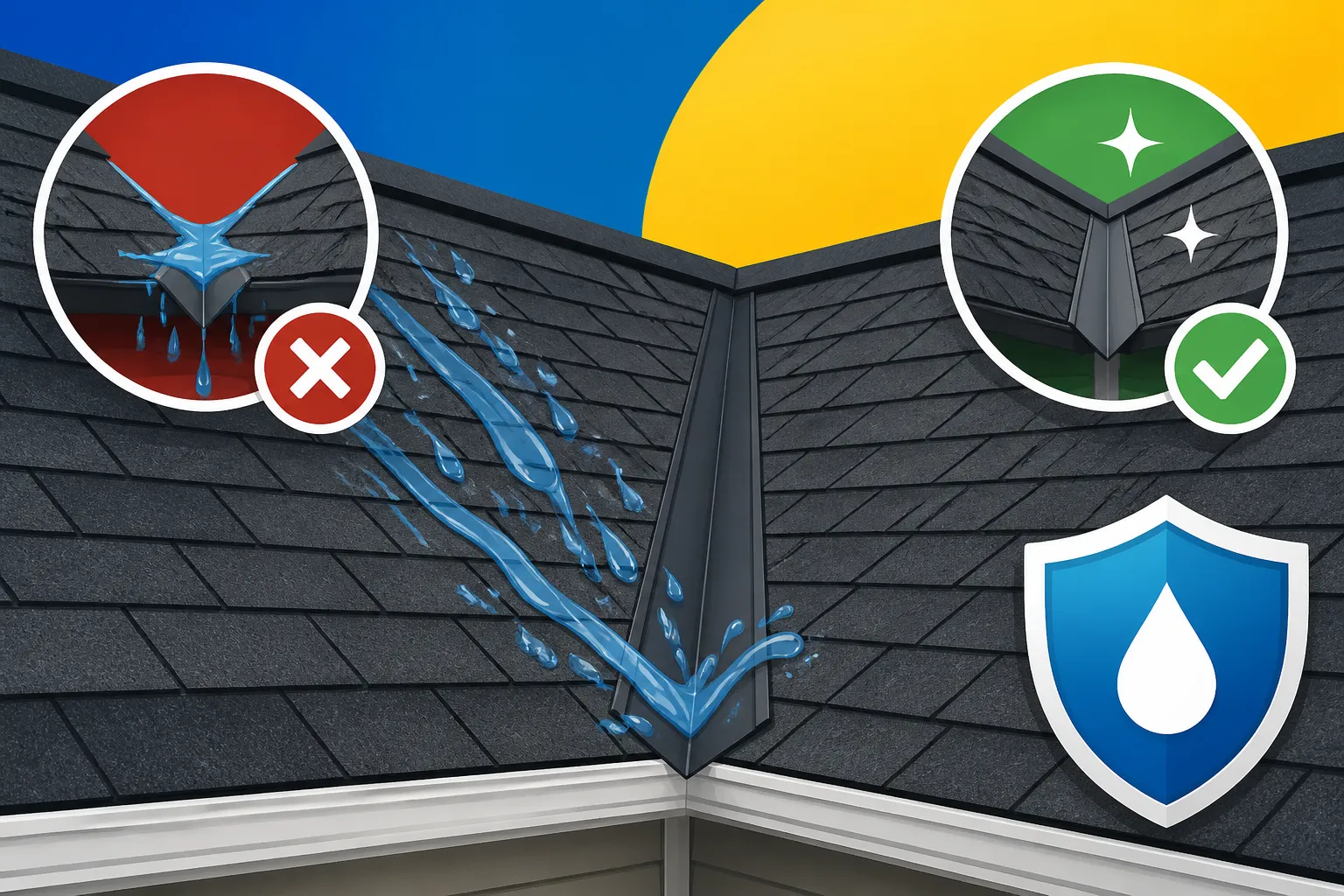
When we talk about a "roof valley," we're referring to that V-shaped channel where two distinct roof planes meet and slope downward. Think of it like the seam on a pair of pants, but for your roof. Its entire purpose is to channel rainwater and melting snow off your roof efficiently. Without properly designed and installed valleys, water would collect, seep under your shingles, and eventually make its way into your home's structure.
The Critical Role of Valleys in Water Management
Imagine your roof as a giant umbrella protecting your home. The valleys are like the main gutters of that umbrella, funneling all the precipitation. During a heavy rainstorm or a significant snowmelt, an immense volume of water converges in these channels. This makes them incredibly high-stress areas. If the valley isn't robust, sealed correctly, and free of debris, it becomes a prime entry point for water. A well-designed valley ensures that water flows swiftly down and off the roof, preventing pooling, which can accelerate shingle deterioration and lead to leaks. This swift drainage is key to preventing water from sitting and finding weak spots.
Common Types of Roof Valleys
While the basic function of a valley is always the same, there are a few different ways they can be constructed. Each method has its own characteristics, affecting both appearance and performance.
- Open Valleys: These are perhaps the most visually distinct. In an open valley, the shingles are cut back a few inches from the center, revealing a strip of metal (often aluminum, copper, or galvanized steel) underneath. This metal forms a smooth, uninterrupted channel for water to flow down. The idea is that the slick surface of the metal allows water and debris to wash away easily, minimizing contact with the shingles themselves. They often look very clean and can add an aesthetic touch, especially with contrasting metal colors.
- Closed Valleys: With a closed valley, the shingles extend across the valley and are trimmed or woven in a way that completely covers the underlying flashing. You don't see any metal; it looks like a continuous shingled surface. There are two main sub-types of closed valleys:
- Cut Valleys: In this method, shingles from one roof plane extend across the valley, and then shingles from the adjoining plane are laid over them and cut a few inches from the center line. This creates a neat, clean shingle line down the valley.
- Woven Valleys: Here, shingles from both roof planes are interwoven and overlapped across the valley, creating a continuous basket-weave pattern. This method often results in a very robust seal but can be more visually complex and sometimes harder to repair if a single shingle is damaged.
Each type has its proponents and its particular installation nuances. Your contractor will likely recommend a specific type based on your roof's pitch, local climate, and aesthetic preferences.
Why Roof Valleys Matter So Much Beyond Just Looks
It's easy to think of the roof as just a large expanse of shingles, but it's the details, like the valleys, that truly dictate its performance and longevity. Ignoring these critical junctions is a recipe for disaster, and unfortunately, many homeowners don't realize their importance until a leak rears its ugly head.
The Hidden Dangers of a Compromised Valley
A failing valley is more than just an inconvenience; it's a direct threat to your home's integrity. When a valley is compromised, water doesn't just drip, it often pours into the structure. This can lead to a cascade of problems:
- Leaks and Water Damage: This is the most immediate and obvious concern. Water infiltration can ruin ceilings, walls, and insulation. The moment you see a water stain in the ceiling directly below a roof valley, you know you have a serious issue that needs immediate attention.
- Wood Rot and Structural Weakness: Constant exposure to moisture will inevitably lead to wood rot in the roof decking, rafters, and even the wall framing below. This weakens your home's structure over time, potentially leading to costly and extensive repairs. You might need to replace entire sections of your Roof Decking Replacement Cost if the damage is severe.
- Mold and Mildew Growth: Damp, dark attic spaces are prime breeding grounds for mold and mildew. Not only can this cause unpleasant odors, but it can also pose significant health risks, especially for individuals with allergies or respiratory issues. Mold remediation is often far more expensive than addressing the roof problem itself.
- Pest Infestations: Rotted wood and constant moisture attract pests like termites, carpenter ants, and rodents, who can cause further damage to your home and create additional headaches.
- Reduced Energy Efficiency: Compromised valleys can lead to damaged or wet attic insulation, reducing its effectiveness and causing your heating and cooling systems to work harder, driving up your energy bills.
These hidden dangers highlight why a quick patch-up isn't always the answer. Sometimes, a more comprehensive solution, guided by professionals from companies like Modernize, is necessary to truly protect your home.
Valleys and the Longevity of Your Entire Roof System
The health of your roof's valleys directly impacts the overall lifespan of your asphalt shingle roof. Valleys are typically subjected to more wear and tear than other parts of the roof because they handle a concentrated flow of water, often with debris like leaves, twigs, and granules.
If the underlayment beneath the shingles in the valley is improperly installed or damaged, or if the flashing is failing, the entire roofing system is compromised. Even if the rest of your shingles look relatively new, a weak valley can lead to premature failure of the entire roof. For instance, if water consistently gets under the shingles in the valley, it can loosen them, cause granule loss, and lead to early deterioration, long before other sections of the roof show signs of aging.
Think of it this way: a chain is only as strong as its weakest link. In many roofing systems, the valleys are the crucial links. A quality installation that pays meticulous attention to the valleys and utilizes appropriate How Underlayment Is Installed and Roof Flashing Explained is paramount for maximizing the lifespan of your investment. Without that attention to detail, your 20 or 30-year shingles might only last a fraction of that time.
Recognizing Valley Issues and What to Do About Them
Even with the best intentions, valleys can develop problems over time. Weather, age, and even poor initial installation can all contribute. Knowing what to look for can save you a lot of grief and money down the line.
Signs Your Roof Valley Needs Attention
Regular roof inspections are your best friend here. While you can often spot obvious issues from the ground, a closer look from a professional or via a drone inspection is often needed. Here's what to keep an eye out for:
- Visible Shingle Damage: Look for curling, cracking, or missing shingles in the valley area. The constant flow of water and debris can erode the granules from the shingles, leaving them brittle and exposed. If you see dark, bare spots where granules used to be, especially in a consistent line down the valley, that's a red flag.
- Water Stains or Drips Indoors: This is the most undeniable sign of a problem. If you see water marks on your ceiling or walls, particularly in areas corresponding to a roof valley, it's highly likely your valley flashing or seal has failed. Don't ignore small stains; they indicate water is actively entering your home.
- Debris Accumulation: Leaves, pine needles, and other debris can accumulate in valleys, especially closed or woven ones. This debris can hold moisture against the shingles, preventing proper drainage and accelerating deterioration. It also provides a breeding ground for moss and algae.
- Rust or Corrosion on Metal Valleys: For open valleys, inspect the metal flashing. Rust, corrosion, or punctures can compromise its integrity, allowing water to penetrate. Keep an eye out for any dents or bends in the metal that might impede water flow.
- Poor Shingle Alignment (Woven/Closed Valleys): If the shingles in a woven or cut valley look misaligned, separated, or have lifted edges, it could indicate improper installation or shingles pulling apart due to age or movement. This creates openings for water.
- Missing or Damaged Sealant: The sealant used to adhere shingles and flashing in the valley area can dry out, crack, or peel over time. This exposes the vulnerable layers beneath.
If you spot any of these signs, it's time to consider a Roof Damage Assessment: A Homeowner's Guide to prevent further harm.
Repair, Replacement, or Prevention
Once you identify an issue, the big question becomes: what's the best course of action?
- Minor Repairs: For small issues like a few missing granules, a lifted shingle, or a tiny pinhole in metal flashing, a targeted repair might suffice. This could involve applying a roofing sealant, replacing a couple of shingles, or reinforcing existing flashing. However, even "minor" issues in a valley can quickly become major if not addressed properly. You might be able to temporarily fix a Leak: Repair or Replace, but often a professional repair is safer.
- Sectional Replacement: If a larger section of the valley is compromised, but the rest of the roof is in good shape, a roofer might suggest replacing only the valley shingles and flashing. This is a more involved process than a simple repair but less extensive than a full roof replacement. This can be a viable option if the damage is localized and the rest of your roof still has significant life left.
- Full Valley Replacement (as part of a new roof): Often, if a valley is failing, it's either due to significant age, widespread deterioration, or poor initial installation. In such cases, if your roof is nearing its end of life (typically 20-25 years for asphalt shingles), it might be more cost-effective to replace the entire roof, including a brand-new valley installation. This ensures all components are new and installed correctly, giving you a fresh start. You can find more information on Roof Repair vs Replacement: How to Decide if you're unsure.
- Prevention: The best "fix" is always prevention. This involves:
- Regular Cleaning: Keep your valleys free of debris. Trim overhanging branches that can shed leaves and needles onto your roof.
- Periodic Inspections: Have your roof inspected by a qualified professional every 2-3 years, or after any major storm. They can spot subtle issues before they become major problems.
- Proper Installation: When you do get a new roof, ensure your contractor prioritizes proper valley installation techniques, using high-quality materials, including ice and water shield underlayment in colder climates.
Platforms like Modernize can be incredibly helpful for connecting you with experienced roofing professionals who understand the intricacies of valley construction and repair, ensuring you get reliable advice and skilled craftsmanship.
Different Approaches to Valley Installation and Their Impact
The way a valley is installed is arguably just as important as the materials used. Different methods offer various levels of protection, aesthetic appeal, and long-term durability. Understanding these can help you discuss options intelligently with your chosen contractor.
Open Valleys: Metal Advantages and Disadvantages
As mentioned earlier, open valleys feature a visible metal channel. This is a time-tested method and often preferred for certain roof styles and climates.
Advantages of Open Valleys:
- Excellent Water Shedding: The smooth, slick surface of metal allows water to flow rapidly down the valley, preventing pooling and quickly carrying away debris. This minimizes the time water spends on the roof surface.
- Durability: Metal valleys, especially those made from heavier gauge aluminum, galvanized steel, or copper, are highly durable and resistant to erosion from water flow and debris. Copper valleys can even outlast the shingles themselves.
- Easier Maintenance: Because the metal is exposed, it's easier to clean out debris. It's also simpler for an inspector to visually check the condition of the valley.
- Aesthetic Appeal: Many homeowners appreciate the distinct, clean lines and the visual contrast that a metal valley can provide, especially when coordinating with other architectural elements or using premium metals like copper.
Disadvantages of Open Valleys:
- Cost: Quality metal for open valleys can be more expensive than just using shingles in a closed system, particularly if you opt for copper.
- Potential for Dents and Damage: While durable, metal can be dented by falling branches or heavy hail, which could compromise its drainage ability or create weak points.
- Installation Complexity: Proper installation requires careful flashing and sealing to prevent water from getting under the metal strip. Incorrect nailing can also be an issue.
For areas prone to heavy rain or falling leaves, the enhanced drainage of an open metal valley can be a significant advantage, reducing the chances of a Roof Leak at a Valley: Causes.
Closed Valleys: Shingle-Over, Cut, Weave, Advantages and Disadvantages
Closed valleys, where shingles cover the valley entirely, are a popular choice for their seamless appearance. However, the specific installation method matters greatly.
Cut Valleys:
- How it works: Shingles from one side run continuously through the valley, while shingles from the other side are trimmed a few inches short of the valley center line, exposing the underlying shingles. A chalk line is typically snapped as a guide for these cuts.
- Advantages: Offers a clean, sharp aesthetic. Generally, good performance when installed correctly with proper underlayment and flashing.
- Disadvantages: The cut edges of the shingles are more exposed to water flow and can be prone to granule loss over time. If the underlying shingles aren't sealed properly, water can seep in.
Woven Valleys:
- How it works: Shingles from both roof planes are installed in an alternating, interwoven pattern, extending across the valley without any cuts. This creates a continuous, uninterrupted shingle surface.
- Advantages: Considered very durable and watertight due to the multiple layers of shingles interwoven, creating a strong barrier against water.
- Disadvantages: Can create a bulky appearance in the valley, especially with thicker architectural shingles. More difficult and time-consuming to install, which can increase labor costs. Repairs can also be more challenging as individual shingles are tightly interwoven.
Advantages of Closed Valleys (in general):
- Seamless Aesthetic: They blend in with the rest of the roof, providing a uniform look.
- Often More Affordable: Eliminates the cost of specialized metal flashing.
Disadvantages of Closed Valleys (in general):
- Higher Stress on Shingles: The shingles in the valley are subjected to direct, concentrated water flow, which can lead to faster wear, granule loss, and cracking over time.
- More Prone to Debris Accumulation: Debris can get trapped in the shingle courses, preventing water flow and holding moisture against the roof.
- Harder to Inspect/Repair: It's more difficult to see if the underlying layers or flashing are compromised, and replacing individual shingles can be tricky without disturbing adjacent ones.
The Importance of Proper Installation Techniques
Regardless of whether you choose an open or closed valley, the quality of installation is paramount. A poorly installed valley, even with the best materials, will inevitably lead to problems. This includes:
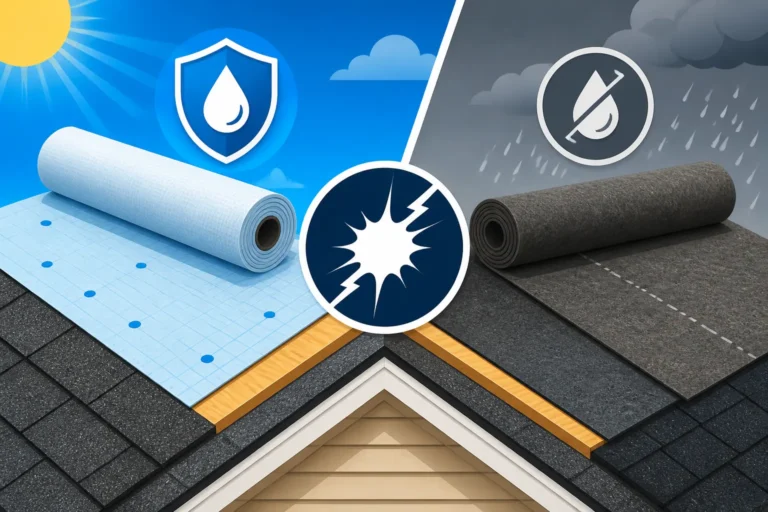
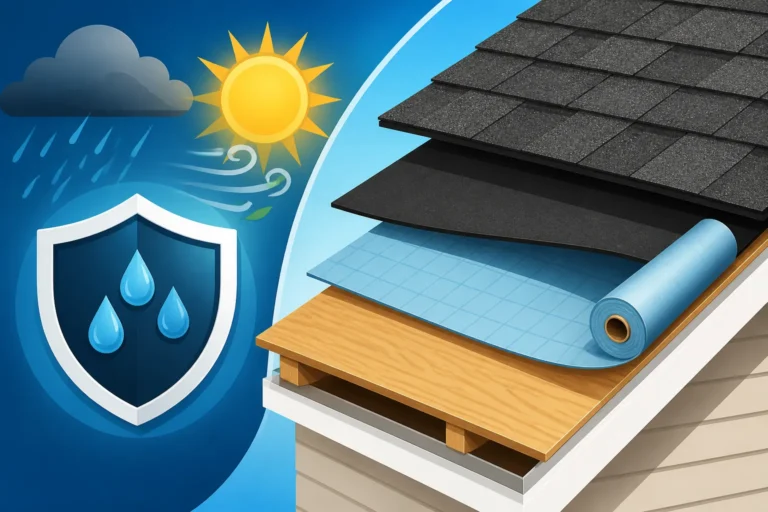
- Underlayment: For any valley, a robust Ice and Water Shield Explained is essential. This self-adhering membrane provides an extra layer of waterproofing in these critical areas, acting as a last line of defense against leaks. It's typically installed directly on the roof decking before any metal or shingles go down.
- Flashing: Even in closed valleys, metal flashing (usually a W-valley or inverted V-metal) is often installed under the shingles for added protection, even if it's not visible. This hidden How Flashing Is Installed provides an extra layer of defense against water penetration.
- Nailing Patterns: Correct nailing is critical. Nails should not be placed directly through the metal flashing in an open valley where water flows. In closed valleys, nails need to be strategically placed away from the centerline to prevent them from becoming pathways for water.
- Shingle Overhang and Cutting: Shingles need to be cut precisely and consistently to ensure proper water flow and aesthetics. Overhangs should be consistent, and cuts should be clean.
- Sealants: High-quality roofing cement or sealant should be used appropriately to seal shingle edges and prevent water intrusion, especially in cut valleys.
Choosing a certified and experienced roofing contractor is key to ensuring that your valleys are installed correctly and will perform as intended for years to come. When interviewing contractors, don't hesitate to ask about their specific practices for valley installation. Companies like GAF, Owens Corning, and CertainTeed all have specific recommendations for how their shingles should be installed in valleys to maintain warranty coverage and performance.
Here's a quick comparison of the most common valley types:
| Feature | Open Metal Valley | Cut Closed Valley | Woven Closed Valley |
|---|---|---|---|
| Appearance | Distinct, visible metal strip | Seamless shingle surface with a straight cut line | Seamless shingle surface with an interwoven pattern |
| Water Flow | Excellent, smooth, unimpeded by shingles | Good, but water flows directly over shingle edges | Good, but water flows directly over shingle surfaces |
| Durability | Very high (metal) | Moderate (shingles bear direct water erosion) | High (multiple shingle layers provide good protection) |
| Maintenance | Easiest to clean debris | Moderate, debris can accumulate at cut line | Harder to clean debris from woven shingles |
| Installation | Requires metal fabrication and careful alignment | Requires precise shingle cutting | Requires skill to interweave shingles smoothly |
| Repair Ease | Relatively easy to replace metal section | Moderate, can replace individual cut shingles | Difficult, interwoven shingles make single replacement hard |
| Cost | Potentially higher (due to metal material) | Generally lower (less material cost than metal) | Moderate (due to higher labor for weaving) |
Understanding the intricacies of roof valleys might seem like a lot, but it’s a vital part of being an informed homeowner. These channels are more than just a structural detail; they are the frontline defense against water intrusion, and their proper functioning is essential for the longevity and integrity of your entire roof and, by extension, your home. When it comes to your roof, paying attention to the details like valleys truly matters.
Disclaimer
Please remember that this article provides general information and recommendations. Roofing work can be complex and dangerous. Always consult with a qualified and licensed roofing professional for specific advice, inspections, and repairs tailored to your home's unique needs and local building codes. Do not attempt hazardous roof inspections or repairs yourself without proper training and safety equipment.